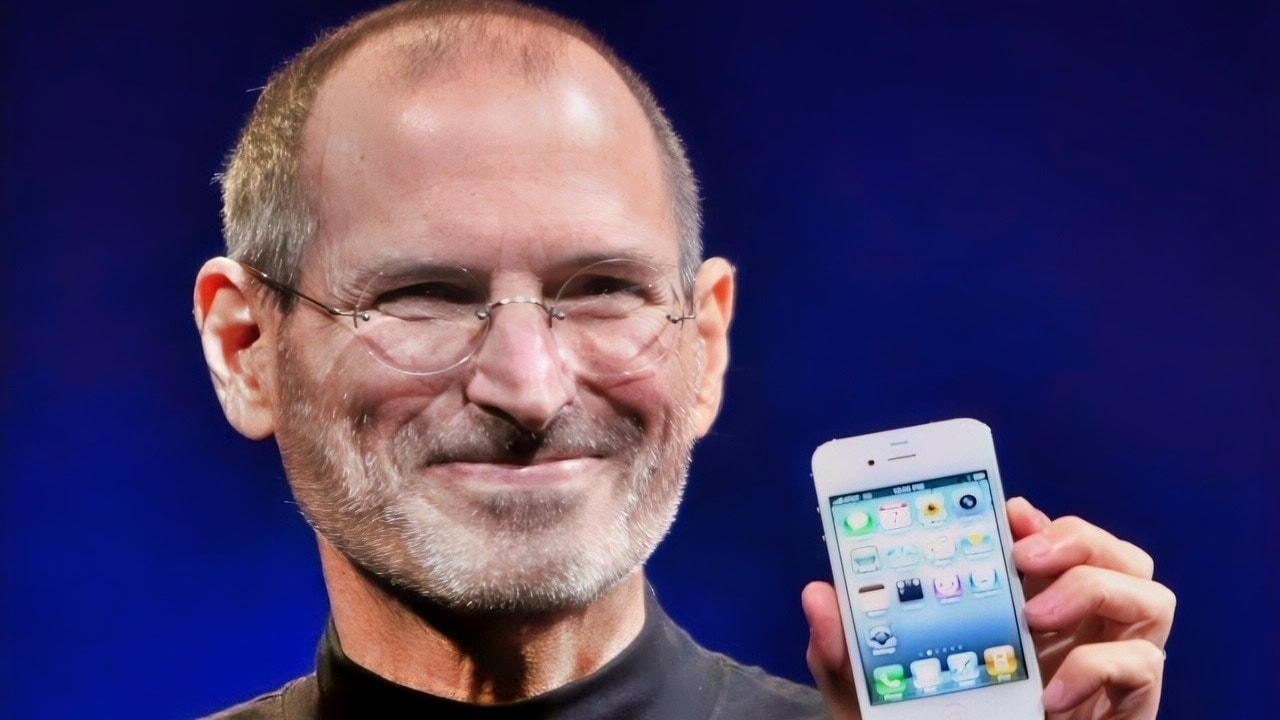
Steve Jobs Changed Technology and the World: On a scorching June 12, 2005, at Stanford Stadium, a 50-year-old college dropout in jeans and Birkenstocks under a black robe stood before the graduating class and, in the tradition this series has learned to check first, did something no other giver of a famous quotation in this franchise has done: he footnoted himself, live. The four words the world remembers, “Stay Hungry. Stay Foolish,” were not his, and he said so, telling the graduates they came from the back cover of the final issue of the Whole Earth Catalog, Stewart Brand’s counterculture bible, printed beneath a photograph of an early morning country road as the publication’s farewell in the mid-1970s.
Steve Jobs quoted it, credited it, and wished it on the class, and the estate’s own history records the delivery detail that completes the picture: the greatest product presenter of his age read the text verbatim from the page, fifteen minutes, while graduates batted beach balls and played Commencement Bingo and realized only later what they had sat through.
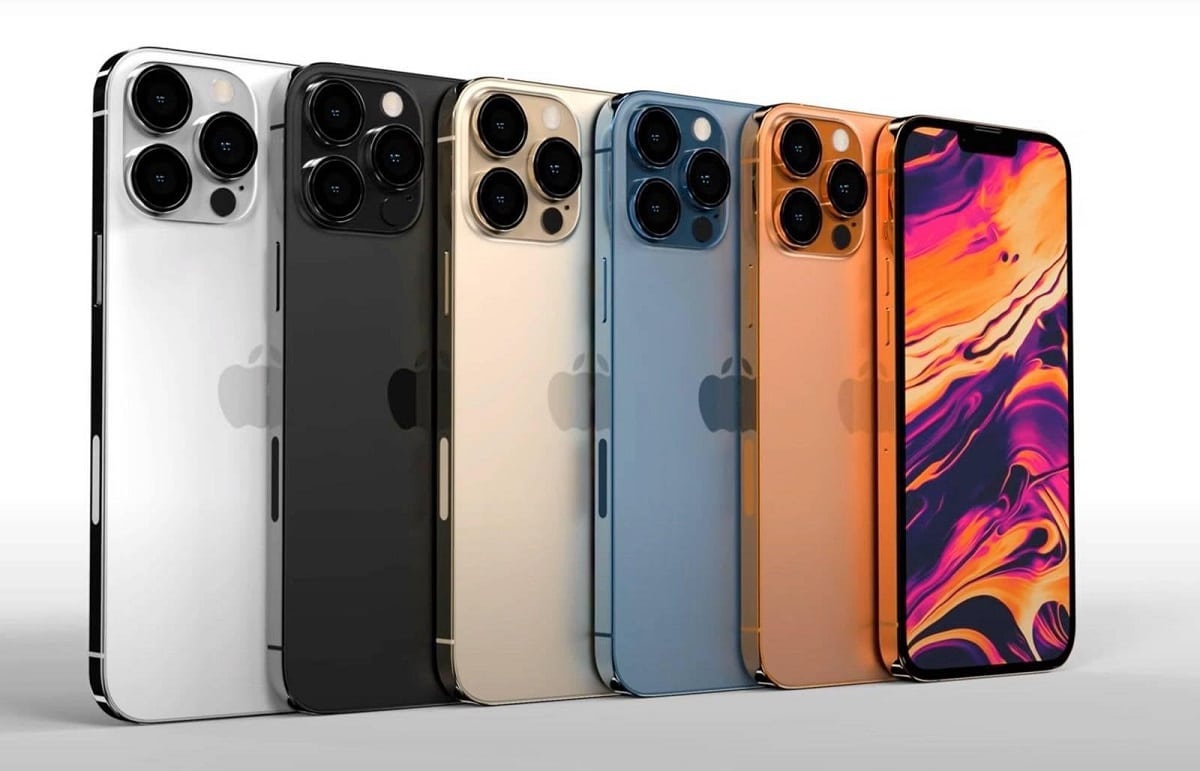
Image Credit: Apple.
Twenty-one years on, the speech has been watched well over 120 million times, and its closing borrowed benediction is, as the title says, the most quoted commencement line ever spoken.
He had survived a cancer diagnosis in the autumn of 2003 and surgery the following summer, about a year before he took the podium, which is why the speech’s third story was about death, and why the biography behind it deserves telling whole.
The Dots and Steve Jobs
He was born on February 24, 1955, in San Francisco, to unmarried graduate students who placed him for adoption, and raised by Paul and Clara Jobs, a machinist and an accountant who promised his birth mother he would go to college.
The promise nearly broke them and lasted six months: Jobs dropped out of Reed College when the savings-draining tuition seemed pointless, then hung around campus for another year and a half auditing only what interested him, most famously a calligraphy course that taught him serif and sans serif and the beauty of letterforms, knowledge with no conceivable application until, a decade later, he built it into the Macintosh and thereby into every computer since.
That was the speech’s first story and its first lesson, delivered in his own words at the podium: “You can’t connect the dots looking forward”; you can only connect them looking back.
Apple iPhone. Image: Creative Commons.
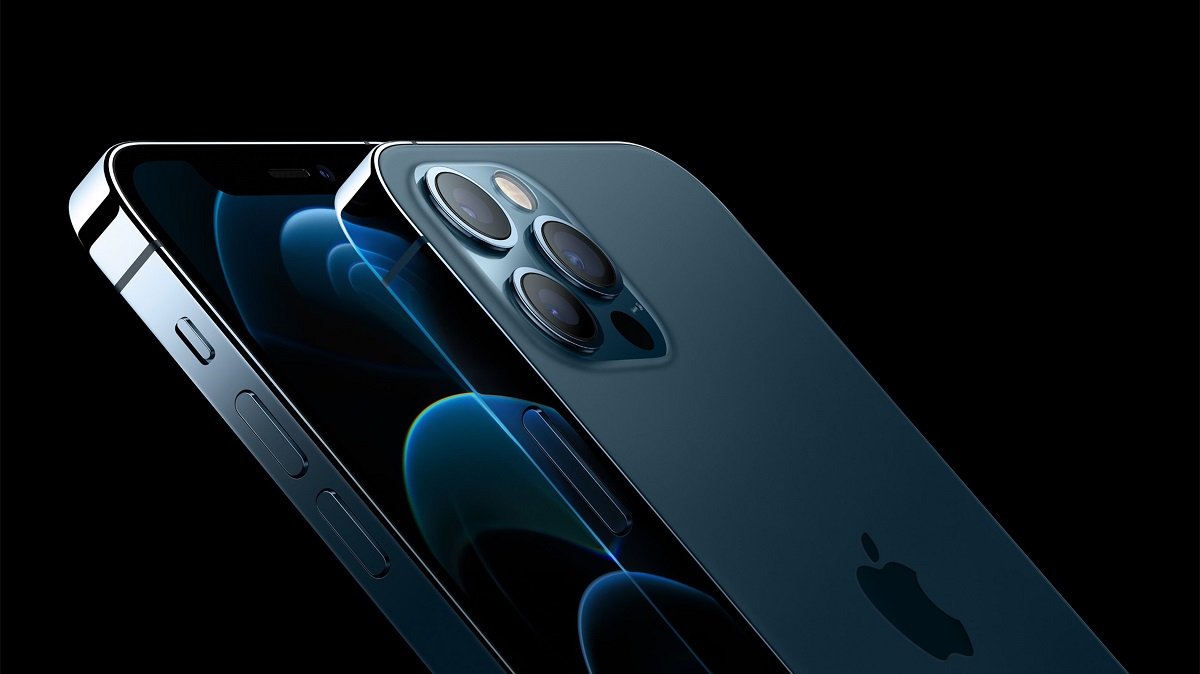
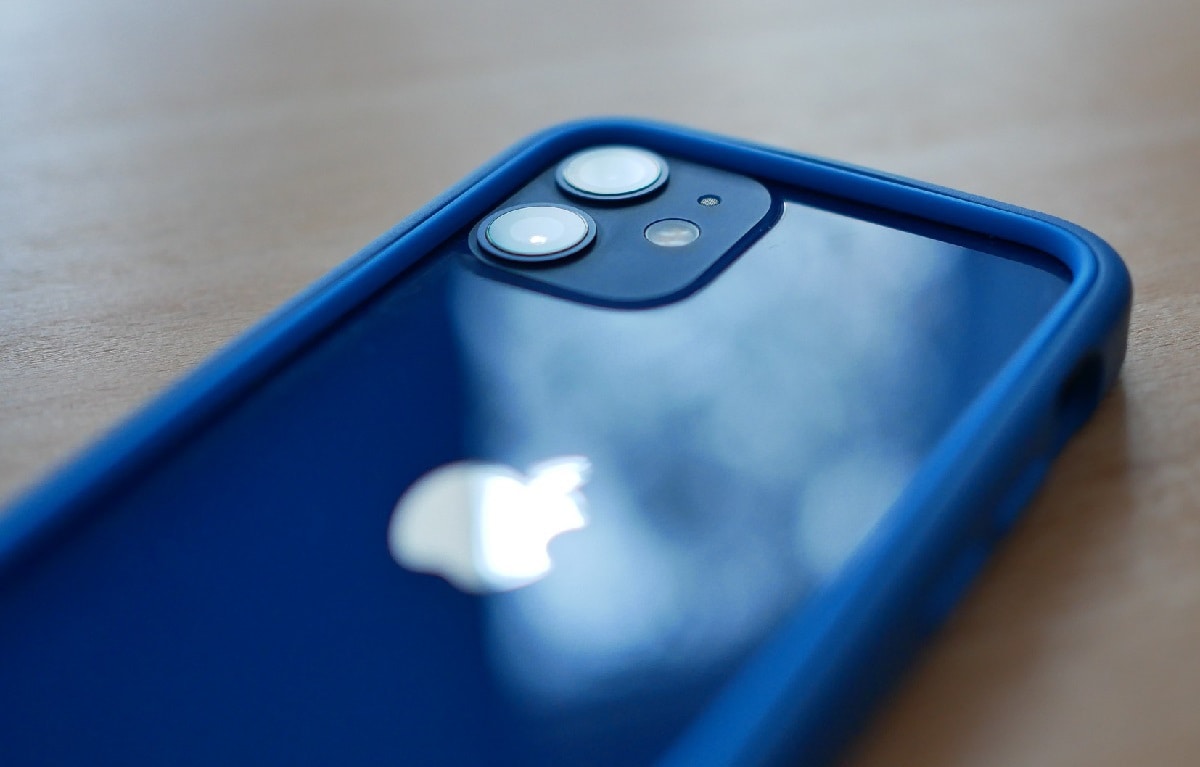
iPhone 12 Pro Max. Image: Apple.
The other dots were already accumulating: the Los Altos electronics culture, the Hewlett-Packard Explorers Club, a prank-loving older friend named Steve Wozniak, a stint at Atari, a barefoot pilgrimage to India, and a lifelong pull toward Zen that became a design philosophy.
The Garage and the Fall
Apple Computer was founded on April 1, 1976, by the two Steves and the forgotten third founder, Ronald Wayne, who sold his ten percent back within days for a few hundred dollars, history’s most expensive act of prudence.
Wozniak’s Apple II, packaged and evangelized by Jobs, helped ignite the personal computer revolution, and Apple’s 1980 public offering made the 25-year-old Jobs spectacularly rich. The 1984 Macintosh, introduced by the most famous Super Bowl commercial ever aired, brought the graphical interface and those calligraphy-class fonts to the masses.
It also brought the crisis. Jobs had recruited Pepsi’s John Sculley to run Apple by asking whether he wanted to sell sugared water for the rest of his life or come change the world; within two years, the board sided with Sculley, and Jobs, stripped of all operational power at the company he had built, resigned at 30.
In the Stanford speech, he used a blunter word, saying he got fired, and asked how you can get fired from a company you started.
Apple Laptop. Image Credit: Iliescu Victor.
It was, he told the graduates, the best thing that ever happened to him.
The Wilderness That Wasn’t
What looked like exile became the most productive decade of his life.
He founded NeXT, whose beautiful, commercially struggling computers concealed the operating system that would later matter enormously.
He bought a small computer-graphics outfit from George Lucas and nursed it for years until, as Pixar, it released Toy Story in 1995, the first fully computer-animated feature film, and went public the next week; when Disney later bought Pixar for $7.4 billion, Jobs became Disney’s largest individual shareholder.
He met Laurene Powell in the audience of one of his own lectures and married her in 1991.
And in December 1996, Apple, dying and desperate for a modern operating system, bought NeXT for roughly $400 million and got its founder back in the bargain.
Within a year, Jobs was interim CEO of a company weeks from bankruptcy, at a one-dollar salary, cutting the product line to a two-by-two grid and betting everything on design.
The Greatest Second Act in Business History: Steve Jobs Take Command
The run that followed has no parallel: the candy-colored iMac in 1998, the retail stores the experts mocked, the iPod in 2001 with a thousand songs in your pocket, the iTunes Store that rebuilt the music business, and then, on January 9, 2007, the keynote in which he promised three revolutionary products, a widescreen iPod, a phone, and an internet communicator, and let the audience realize the three were one device.
The iPhone, followed by the App Store and the iPad, collapsed whole industries into a slab of glass, and in August 2011, Apple passed ExxonMobil to become the most valuable company on Earth, fourteen years after being weeks from death.
The health that had shadowed the Stanford speech ran out in parallel. The 2003 diagnosis was a rare neuroendocrine form of pancreatic cancer, more treatable than the common kind; he delayed surgery for months trying diet-based alternatives, a choice his biographer records him regretting, then underwent the operation in 2004, a liver transplant in 2009, and successive medical leaves.
He resigned as CEO on August 24, 2011, handing Apple to Tim Cook, and died at home in Palo Alto on October 5, 2011, at 56, one day after the company introduced the iPhone 4S. His sister’s eulogy recorded his last words, spoken looking past his family: Oh wow. Oh wow. Oh wow.
The Borrowed Benediction at 21
The speech has aged into scripture, quoted at graduations everywhere, stenciled on the nose of an airliner, played by LeBron James to a locker room down two games to one, and enshrined on Apple’s own memorial page for its founder.
Its power is the third story: a man one year past cancer surgery telling 22-year-olds that death is life’s change agent, that their time is limited, and that remembering you will die is the surest way to avoid thinking you have something to lose.
And its ending is the most honest trick in the commencement canon.
The most quotable man in American business, handed the largest rhetorical moment of his life, reached for someone else’s words, said so, and made the credit part of the gift.
Stay hungry, stay foolish: the sign-off of a defunct hippie catalog, carried up a country road, through a garage, an exile, and a resurrection, to a podium at Stanford, read aloud, verbatim, by a dying man who had checked his sources.
About the Author: Harry J. Kazianis
Harry J. Kazianis (@Grecianformula) was the former Senior Director of National Security Affairs at the Center for the National Interest (CFTNI), a foreign policy think tank founded by Richard Nixon based in Washington, DC. Harry has over a decade of experience in think tanks and national security publishing. His ideas have been published in the NY Times, The Washington Post, The Wall Street Journal, CNN, and many other outlets. He has held positions at CSIS, the Heritage Foundation, the University of Nottingham, and several other institutions related to national security research and studies. He is the former Executive Editor of the National Interest and the Diplomat. He holds a Master’s degree focusing on international affairs from Harvard University.