
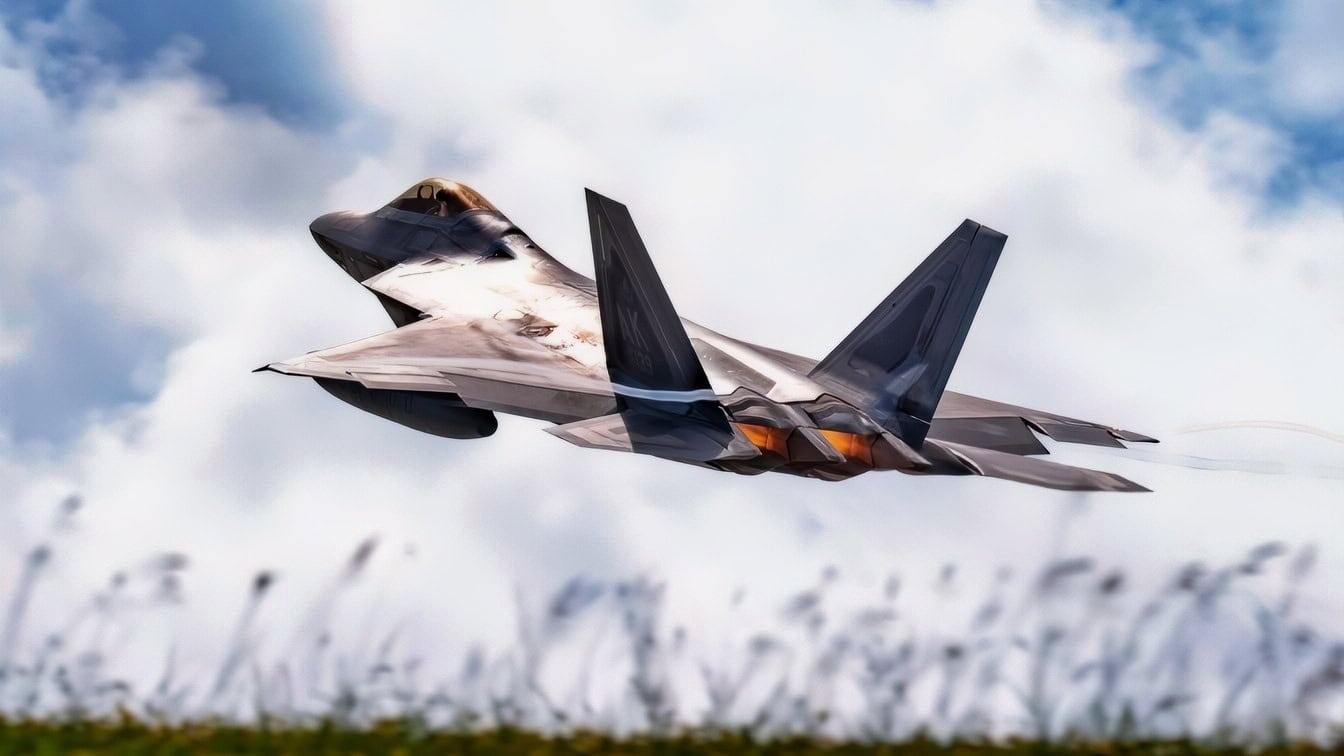
The KC-46 Pegasus Has A Lot of Problems – The Boeing KC-46A Pegasus is the U.S. Air Force’s new-generation aerial refueling tanker. It’s a modified 767 airliner designed to help keep American fighters and bombers airborne by transferring fuel to them mid-flight. Without it, long-range missions would be impossible without frequent stops or reliance on vulnerable regional bases. That makes it one of the most important aircraft in the U.S. military’s possession — especially as conflict in the Indo-Pacific becomes increasingly likely.
The Air Force began developing the KC-46 in 2011 primarily to replace hundreds of KC-135 Stratotankers — aircraft that were first introduced in 1957 and are still the backbone of America’s aerial refueling fleet.
Those tankers effectively extend the range of all kinds of combat aircraft, allowing fighters and bombers to reach targets thousands of miles from their bases and remain airborne for considerably longer than their fuel tanks would otherwise allow. Without them, the United States would have far less ability to project air power globally.
The KC-46 can transport passengers and cargo and conduct aeromedical evacuation missions.
It is an aircraft with many responsibilities, designed to address the Air Force’s aging tanker problem. But during years of development, the new tanker has developed many problems of its own.
More than 15 years after Boeing won the contract to develop the new tanker, and more than seven years after the aircraft was first delivered to the Air Force, the Pegasus still operates with unresolved problems spanning its cameras, refueling boom, fuel system, various structural components, and overall readiness.
Some of its problems have even interfered directly with the aircraft’s ability to perform the mission for which it was built. And that’s an obvious problem for the U.S.
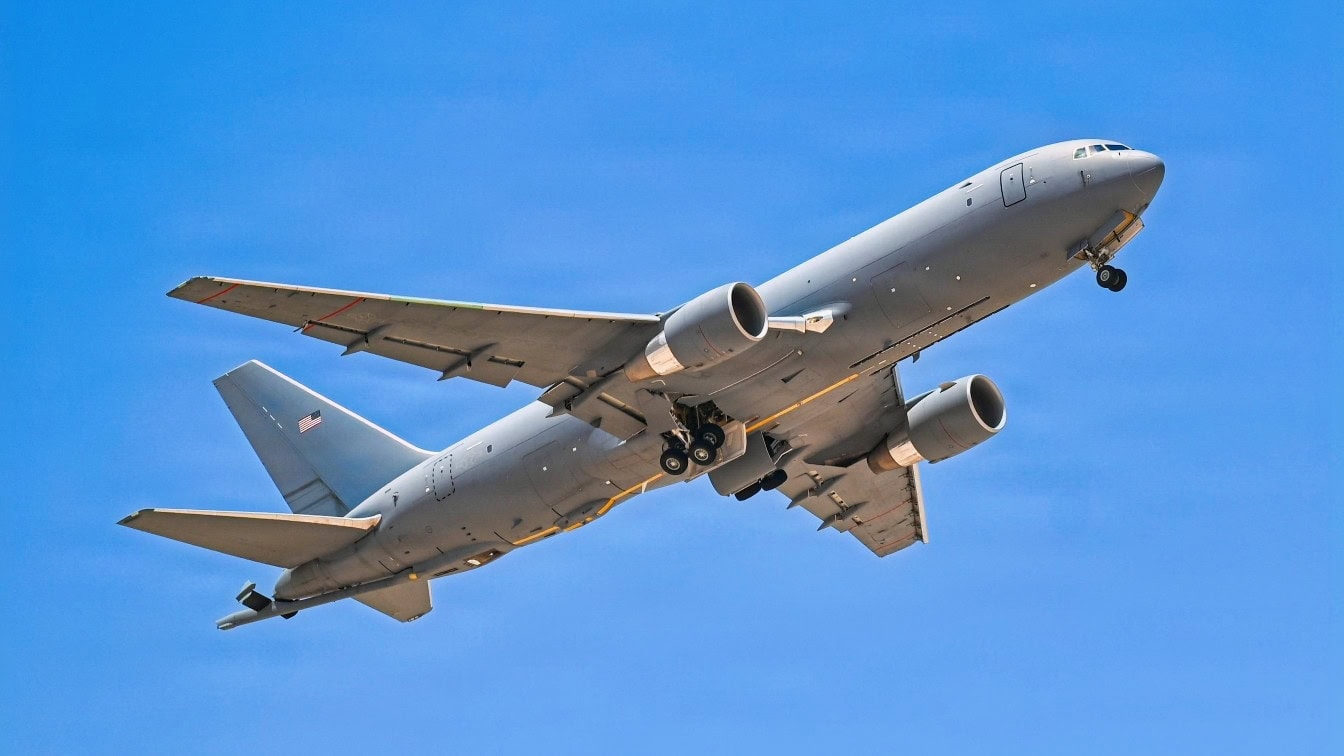
A U.S. Air Force KC-46 Pegasus aircraft takes off from a base in the U.S. Central Command area of responsibility Aug. 5, 2026. (U.S. Air Force photo by Senior Airman Adisen Smith)
The problems have become so serious that the Air Force and Boeing announced a new readiness plan in May, specifically intended to address the fleet’s problems once and for all.
The Problems Begin With Refueling On KC-46
The most notorious of the problems plaguing the ambitious tanker is the Remote Vision System, or RVS, used by the boom operator to guide the KC-46’s refueling boom — the long pipe that connects to a fighter or bomber’s fuel tank — into another aircraft. Unlike the KC-135, where the operator physically looks out of a rear window to guide the boom, the Pegasus uses cameras and screens.
That original system, however, was troubled by distorted images from the camera and problems with changing lighting conditions. That meant operators struggled to accurately judge the boom’s position. The problems resulted in what’s known as Category 1 deficiencies — the Air Force’s designation for its most serious problems or deficiencies in aircraft.
The solution was RVS 2.0, a redesigned system that incorporated new cameras and displays. The fix worked, but it took years. In June, the Government Accountability Office reported that full-rate production of the KC-46 was not expected until after September 2026. This represents a roughly nine-year delay from the original schedule. As of February, the GAO said the aircraft still has two critical deficiencies: one associated with RVS and another directly related to the boom.
As for the boom: the Air Force says it is too stiff for some receiving aircraft, and that problem has contributed to several serious incidents. On July 8, 2025, a KC-46 was refueling an F-22 around 100 miles off Virginia when the boom became stuck in the fighter’s receptacle. The boom also struck the tanker after the aircraft separated and eventually broke off into the Atlantic.
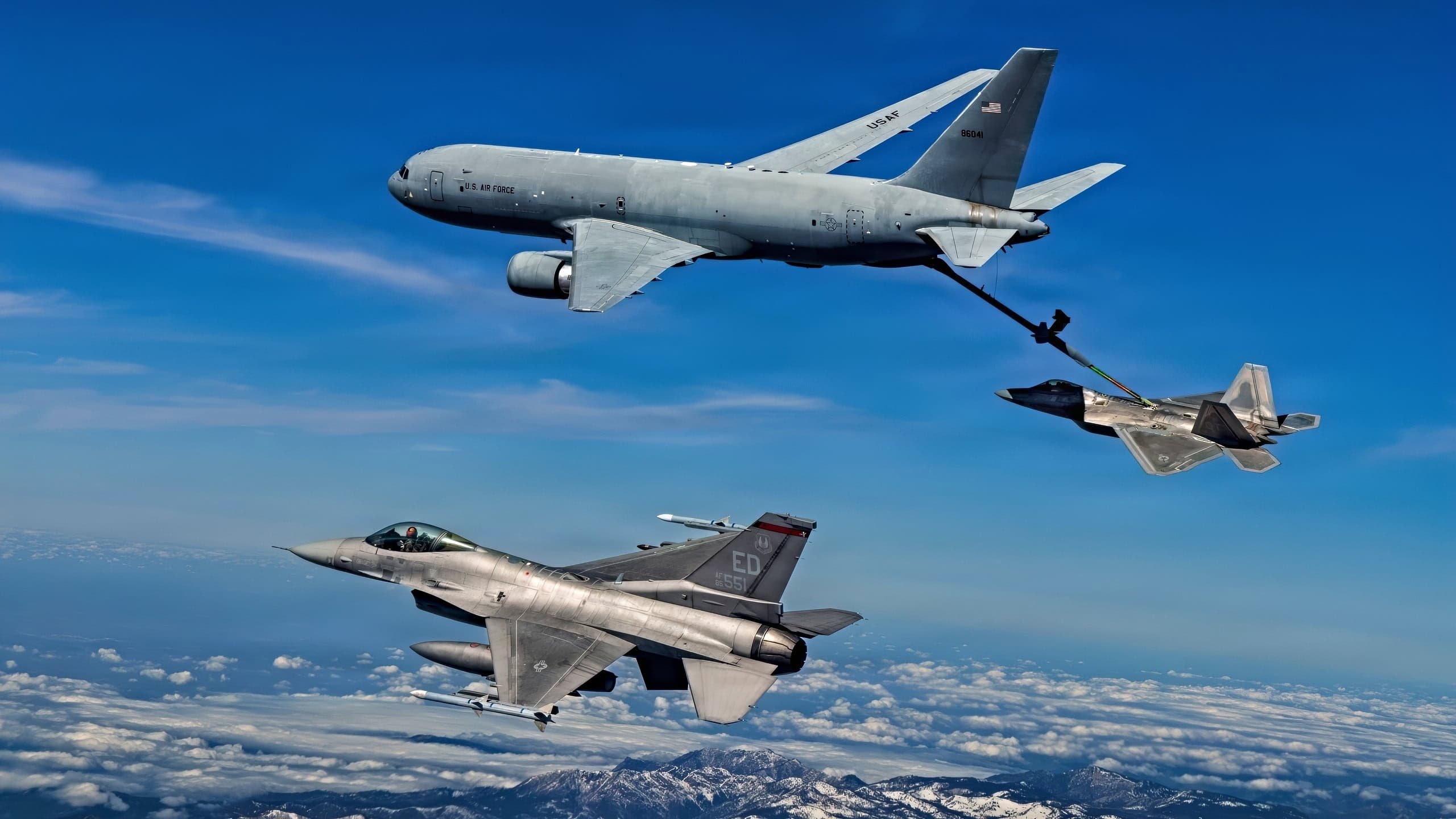
A KC-46 Pegasus assigned to the 418th Flight Test Squadron, Global Reach Combined Test Force, refuels an F-22 Raptor assigned to the 411th Flight Test Squadron, Air Dominance Combined Test Force while an F-16 assigned to the 416th Flight Test Squadron, Airpower Foundations Combined Test Force, awaits a turn over the Mojave Desert on March 3, 2026. Partnerships between the Combined Test Forces at Edwards helps expedite critical capability for the warfighter by leveraging multiple program portfolios in tandem. In this scenario, the F-16 aircraft was operating as a target for key F-22 Raptor test points while the KC-46 was able to collect additional data for aerial refueling efforts. (Courtesy photo)
According to an Air Force accident investigation that concluded and was published this June, the damage was valued at $9.98 million.
The Air Force and Boeing Have A Plan
That wasn’t an isolated incident. Investigators from the GAO visited KC-46 units and reported this June that personnel had experienced frequently failing electrical components on the boom and airframe cracks, among other problems.
Some have also raised concerns about Boeing’s quality control procedures.
On May 12, the Air Force and Boeing announced a new agreement in three parts.
Five early-production aircraft that were not expected to enter operational service until 2031 will now, instead, be repurposed to provide spare parts and support ongoing testing.
The Air Force will also install RVS 2.0 on existing aircraft during their scheduled depot maintenance, rather than waiting for separate modification time slots.
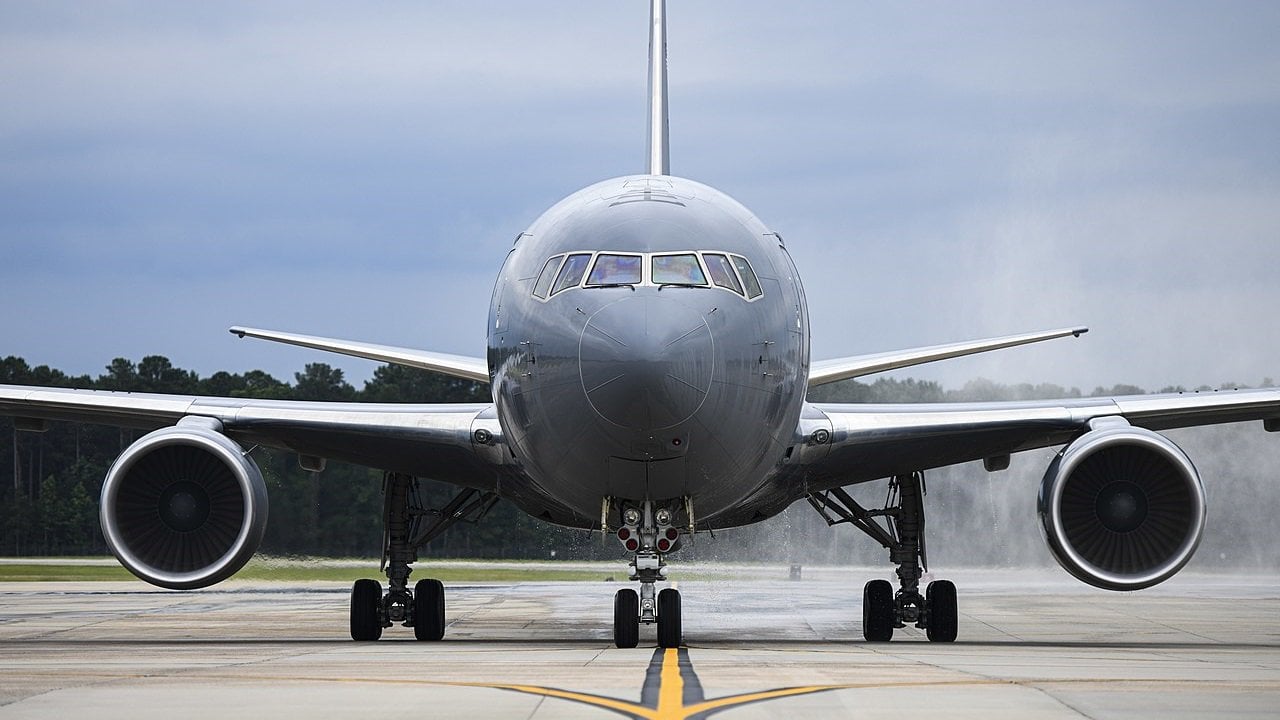
The first KC-46A Pegasus lands at Seymour Johnson Air Force Base, North Carolina, June 12, 2020. The KC-46A Pegasus is a widebody, multirole tanker that can refuel all U.S., allied and coalition military aircraft compatible with international aerial refueling procedures. (U.S. Air Force photo by Senior Airman Jacob B. Derry)
Boeing will also provide targeted performance-based logistics support intended to improve the availability of aircraft components.
The Air Force said that the measures should increase KC-46 availability by around 6% in the near term, and by more than 20% over the next four years.
But the problem for the Air Force is that it cannot afford for the plan to fail. Hundreds of KC-135s are still in service, and many of them are more than 60 years old.
The KC-46 is supposed to replace them, and as tensions rise globally, it is needed now more than ever.
About the Author: Jack Buckby
Jack Buckby is a British researcher and analyst specializing in defense and national security, based in New York. His work focuses on military capability, procurement, and strategic competition, producing and editing analysis for policy and defense audiences. He brings extensive editorial experience, with a career output spanning over 1,000 articles at 19FortyFive, and has previously authored books and papers on extremism and deradicalization.