
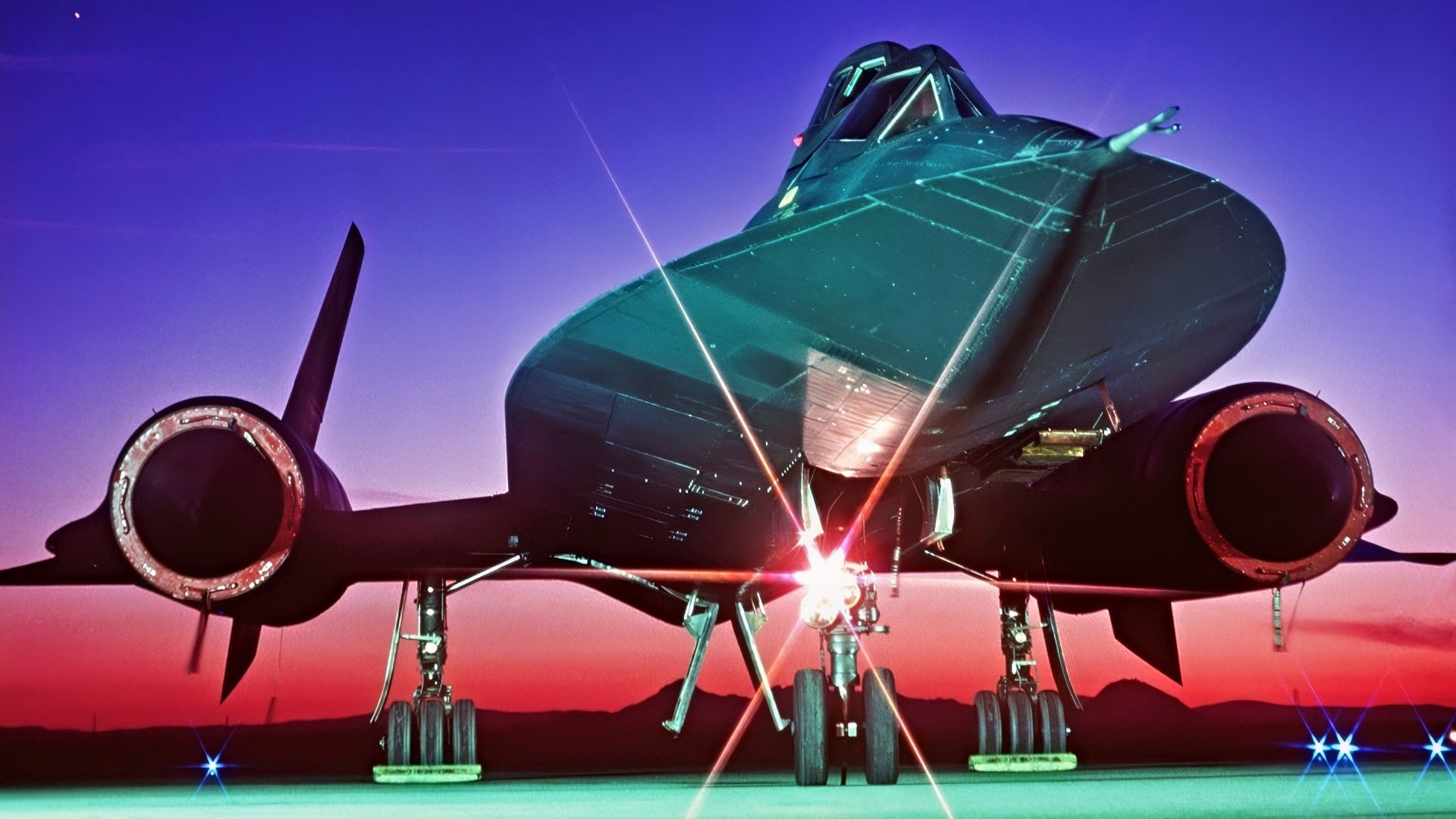
The SR-71 Blackbird is one of the world’s most iconic and instantly recognizable aircraft. With its slick, futuristic design, the Blackbird family has captivated the public since its first reveal. With a top speed exceeding Mach 3, the SR-71 remains one of the fastest manned aircraft in history, surpassed only by the North American X-15. The Blackbird was designed to fly at up to Mach 3.2. However, some accounts say the Blackbird could fly faster under certain conditions. The limiting factor wasn’t airframe stress, as some might guess, but the engines’ temperature and fuel economy.
How Fast Can the SR-71 Blackbird Fly?
Former SR-71 pilot Raymond E. (“Ed”) Yeilding and Lieutenant Colonel Joseph T. (“J.T.”) Vida shared their experiences with the SR-71 with The Aviation Geek Club. Yielding, with Vida as his Reconnaissance Systems Officer (RSO), set multiple speed records in their SR-71A (serial number 61-7972) during the Blackbird’s final flight from Palmdale, CA, to Dulles International Airport.
“On our speed record coast-to-coast flight, I allegedly said we didn’t exceed Mach 3.2 for fear of running out of fuel before landing at Dulles Airport,” Yielding recalled. “I am certain that I have never said that to anyone. Our cruise speed was Mach 3.3 on that record flight. Fuel certainly was a limiting factor. We didn’t have enough fuel to cross the coastlines at top speed, Mach 3.3, but most of the distance was at Mach 3.3.”
According to Yielding, the SR-71 Blackbird was never designed to exceed Mach 3.2.
When he asked engineers at Lockheed’s Skunk Works division about the aircraft’s top speeds, they told him the Blackbird was never flight-tested beyond Mach 3.2.
The aircraft’s engine inlets have a large “spike” that adjusts midflight to manage airflow to the compressor. At high speeds, the spikes retract to allow better airflow and generate more thrust.
Throughout the aircraft’s lifetime, the SR-71 experienced what are called “inlet unstarts,” in which the inlet spikes returned to their forward position.
Because the engines generated asymmetrical thrust during an unstart, the Blackbird would often pitch during these incidents, sometimes causing the pilot to lose control. Lockheed engineers told Yielding that an inlet unstart at Mach 3.3 could tear the aircraft apart because of the raw forces applied as it pitches up.
A similar situation happened when Blackbird pilot Bill Weaver experienced an inlet unstart at Mach 3.18.
Limited by Temperature
Yielding explains that temperature typically limited the Blackbird’s top speed. “Most of our missions were in the stratosphere where the temperature is almost always minus 56.5 degrees centigrade,” he continued. “At that temperature, the speed of sound is 660 mph, so Mach 3.2 was usually 3.2 x 660 mph = 2,112 mph. However, as Dave [Peters] said, big temperature deviations sometimes happened in the Arctic Barents Sea region. I personally never experienced extreme cold that required greater than Mach 3.2.” David Peters, whom Yielding refers to, is another former Blackbird pilot who allegedly flew the SR-71 at Mach 3.5 during a flight near the USSR in the Barents Sea.
According to Peters, the Blackbird’s true top speed was around Mach 3.55.
At this speed, the engine’s inlet spikes could no longer manage airflow efficiently.
For Lockheed, the true limiting factor was engine temperature.
The engines had a temperature probe right in front of the air compressor, which relayed the engine temperature to the pilot. The engines could not exceed 427 degrees Celsius without risking overheating.
In some cases, pilots were prohibited from exceeding Mach 3 in warmer environments. However, near Murmansk, where temperatures are much cooler, pilots could exceed Mach 3.2.
SR-71 Blackbird Visit: We Visited the SR-71 and Got as Close As Legally Allowed
Designed for Speed
Pilots also had to manage fuel. However, because the aircraft was designed first and foremost for speed, the aircraft’s fuel economy actually improved at higher speeds. During one flight, Blackbird pilot Brian Shul flew near the Soviet border on a routine reconnaissance mission. During the mission. He flew faster than usual to avoid Soviet interception attempts.
After the flight, investigators discovered that the combination of cold air up north and the faster speed had noticeably reduced the aircraft’s fuel consumption.
Typically, airframe endurance limits most aircraft.
Beyond certain speeds, most aircraft, even those designed to break the sound barrier, risk damage if they fly too far beyond Mach 2. Not so with the Blackbird.
The SR-71’s airframe was optimized for high speeds. Although it had a typical speed limit of Mach 3.2, the reasons listed above had nothing to do with the airframe.
Even at Mach 3.3 or Mach 3.55, the Blackbird family never suffered from cracks or fatigue.
Age is often cited as a reason the venerable aircraft was retired, but that isn’t exactly true.
At the time of their retirement, the SR-71s were in tip-top shape. This is a testament to the Blackbird’s superb design. Although its predecessor, the A-12 Oxcart, began development in the 50s, the aircraft was well ahead of its time.
The SR-71 Blackbird by Lockheed: A Story in Photos from Our Time with the Aircraft over the Years
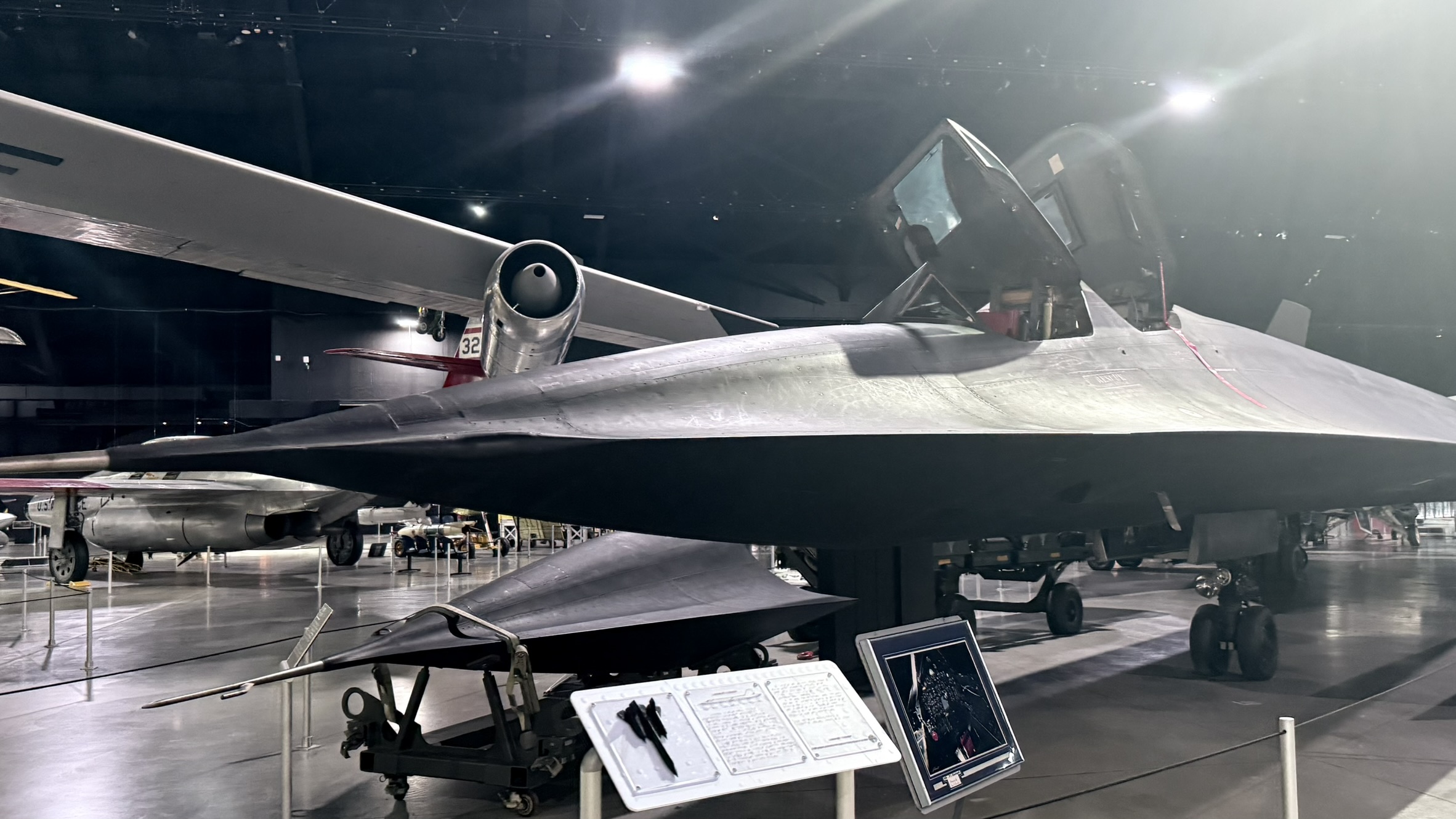
SR-71 Blackbird at the National Museum of the US Air Force. Photo taken by 19FortyFive.com Staff.
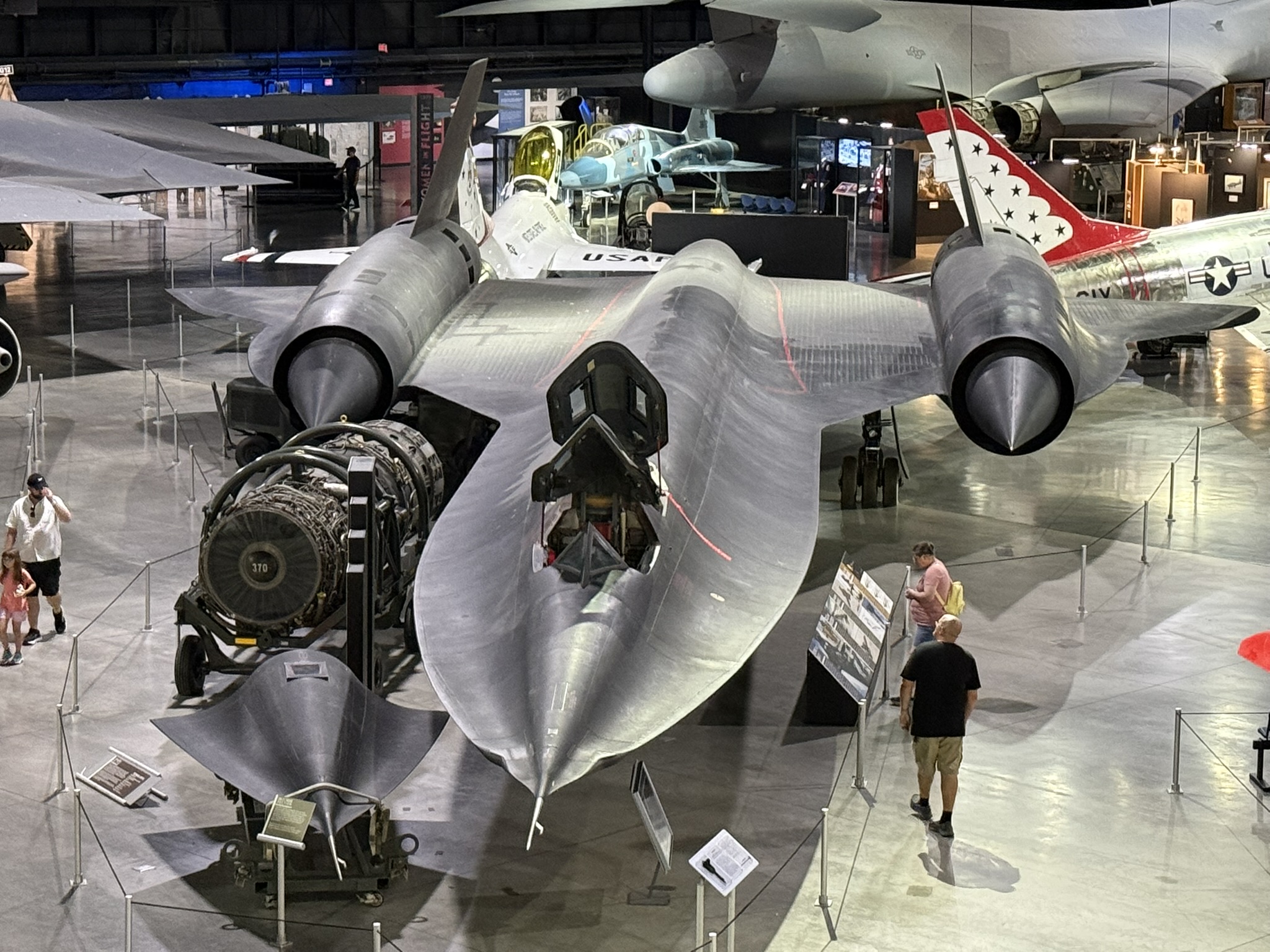
SR-71 Blackbird at the National Museum of the US Air Force. Photo taken by 19FortyFive.com Staff.
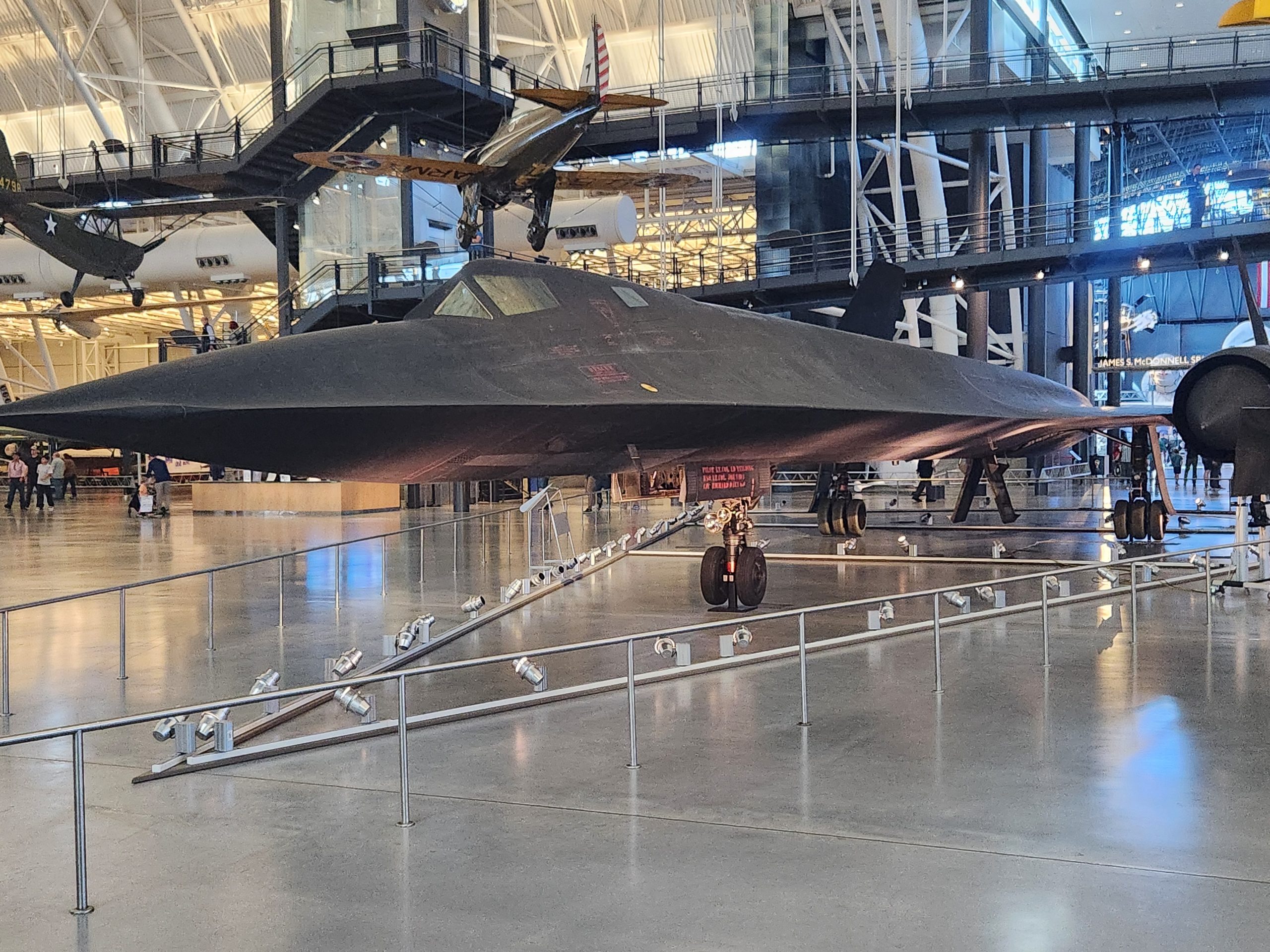
SR-71 Blackbird at the Smithsonian. Photo taken by 19FortyFive.com Staff.
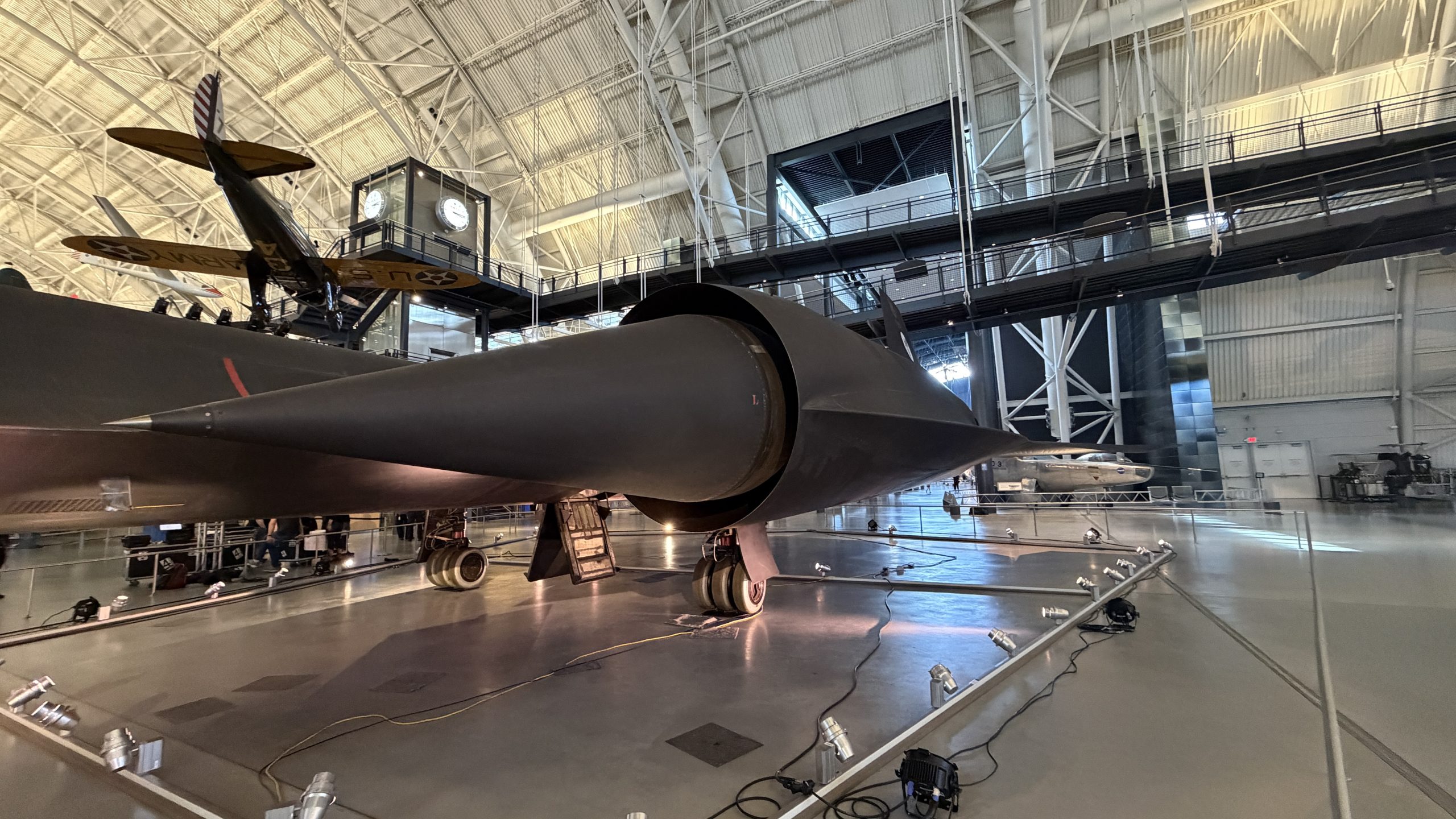
SR-71 Blackbird at the Smithsonian. Photo taken by 19FortyFive.com Staff.
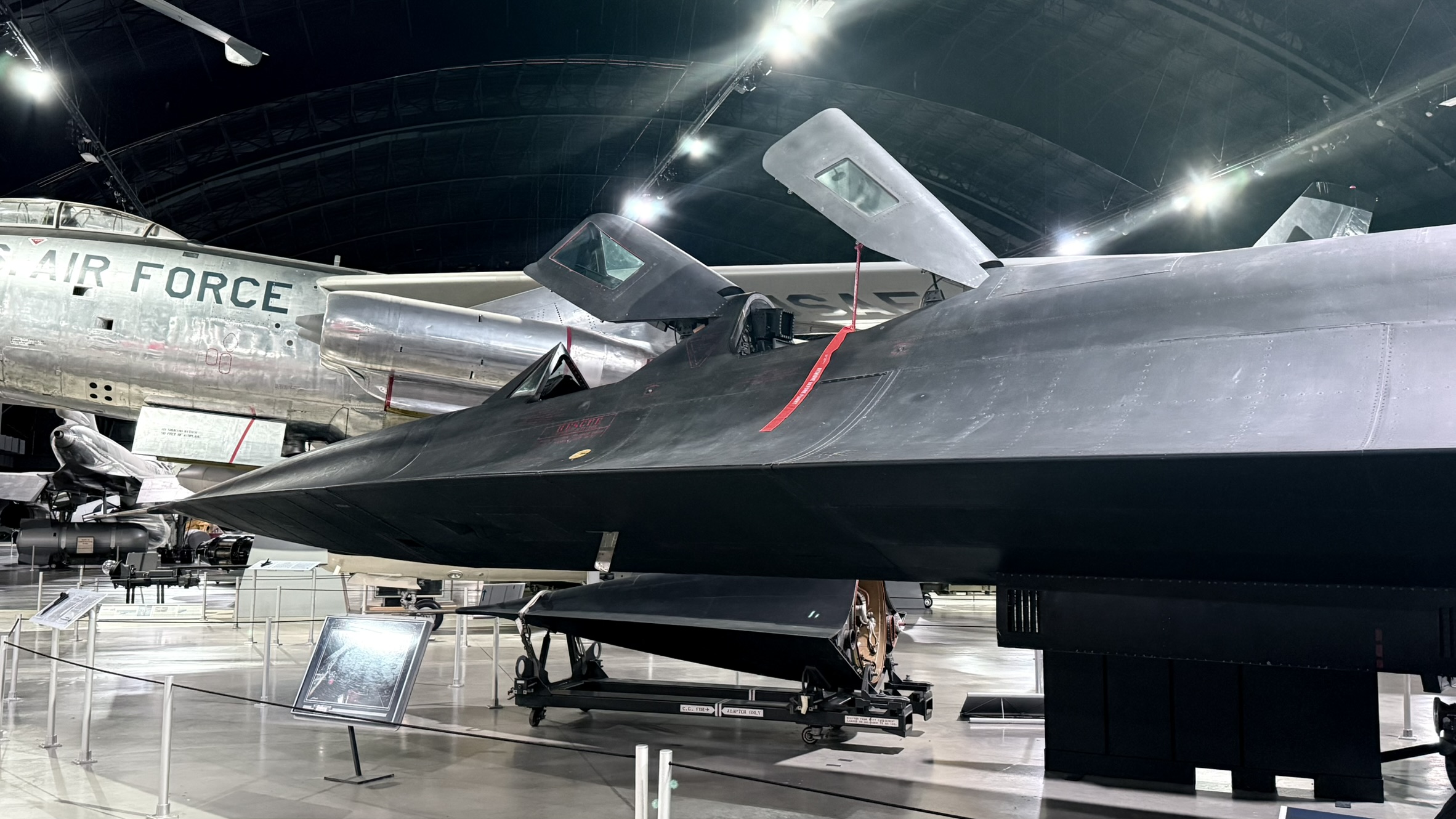
SR-71 Blackbird at the National Museum of the US Air Force. Photo taken by 19FortyFive.com Staff.
About the Author: Isaac Seitz
Isaac Seitz, a Defense Columnist, graduated from Patrick Henry College’s Strategic Intelligence and National Security program. He has also studied Russian at Middlebury Language Schools and has worked as an intelligence Analyst in the private sector.