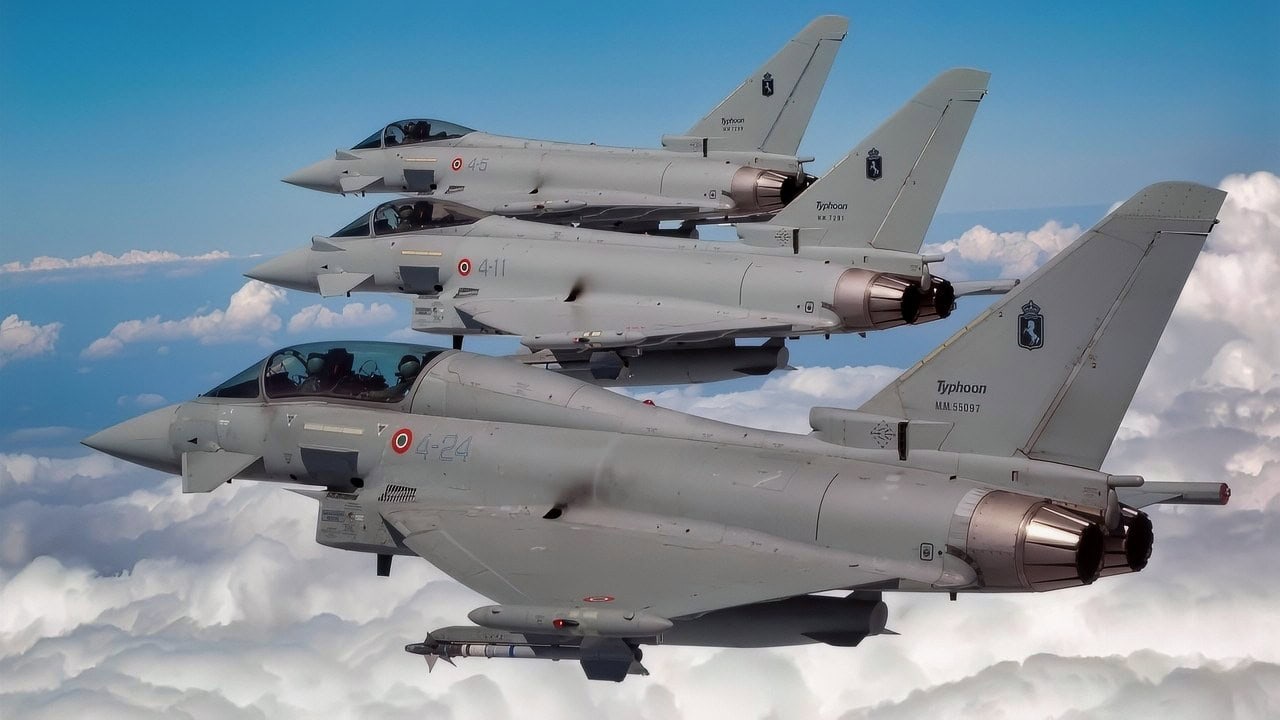
Synopsis: France’s National Assembly has revived the long-running Rafale vs. Eurofighter cost debate, arguing Eurofighter’s per-unit and lifecycle costs are far higher—and pointing to multinational management as a driver of inefficiency.
-Procurement figures cited in the piece show a notable gap, though not quite the “twice as expensive” claim Paris is pushing.
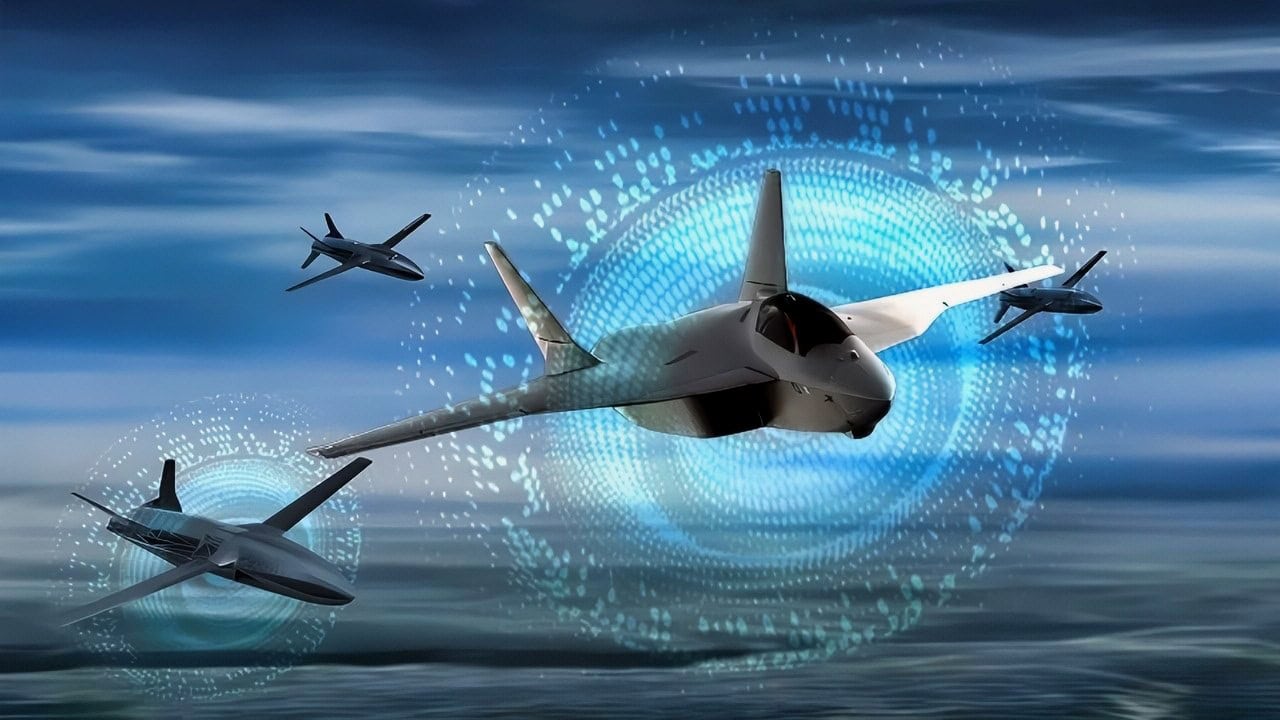
FCAS. Image Credit: Industry Handout.
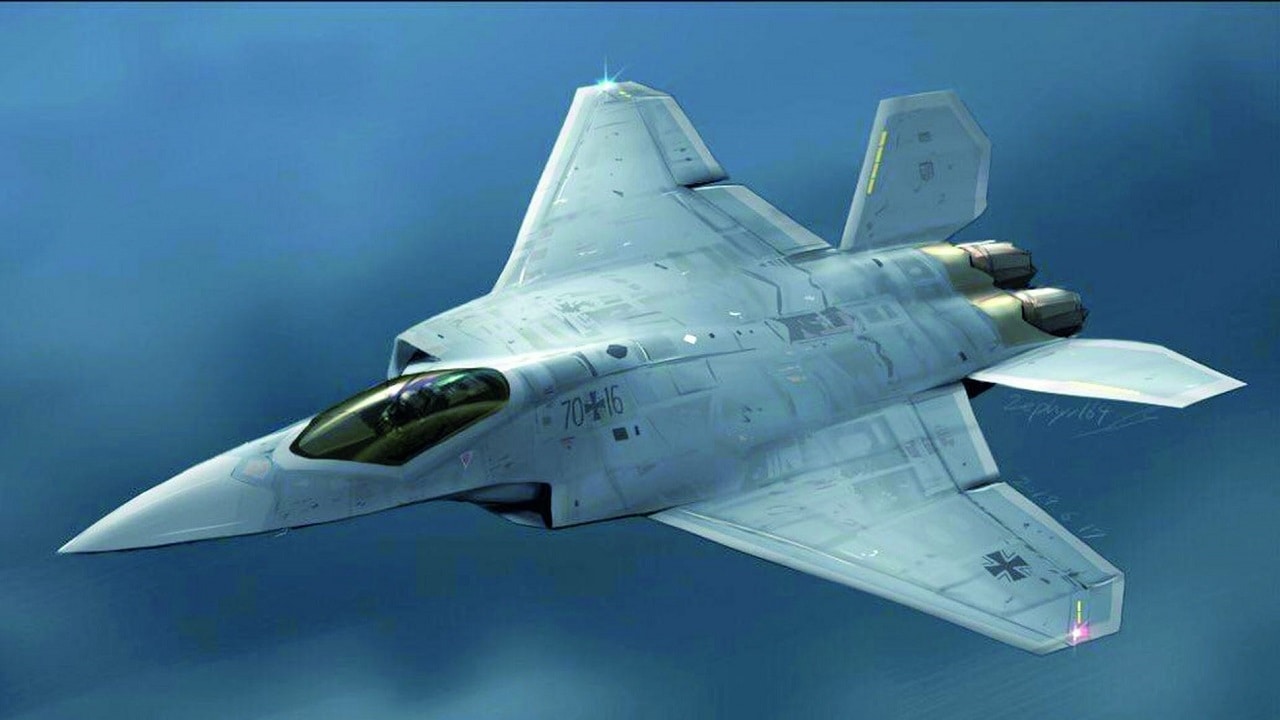
FCAS. Image Credit: Creative Commons.
-The timing matters: there is no new export contest looming, and the argument is being interpreted as leverage in the stalled Future Combat Air System program.
-With Dassault and Airbus deadlocked over leadership and workshare—complicated further by Spain’s role—Rafale pricing has become a proxy battle over who controls FCAS.
France’s Rafale vs. Eurofighter Cost Fight Has a Message: It’s Really About FCAS
Last week, the lower house of France’s parliament, the National Assembly, criticized the Eurofighter aircraft for a per-unit price tag twice that of the Dassault Rafale.
The parliament further finds fault with the four-nation fighter project, noting that its overall program cost is 75 percent above initial budget projections and that maintenance costs for the aircraft eventually doubled from previous estimates.
Procurement data support the existence of a price difference between the two aircraft. However, some would argue that it does not rise to the level of the French aircraft, which Paris claims costs only 50 percent of the Eurofighter’s price.
In 2024, Dassault delivered 42 Rafale fighters at a price of approximately €119 million (US $140 million) each. In comparison, the budget committee in the German Bundestag recently approved the acquisition of 20 modern Eurofighters at a price point of €187.5 million ($220 million) per aircraft.
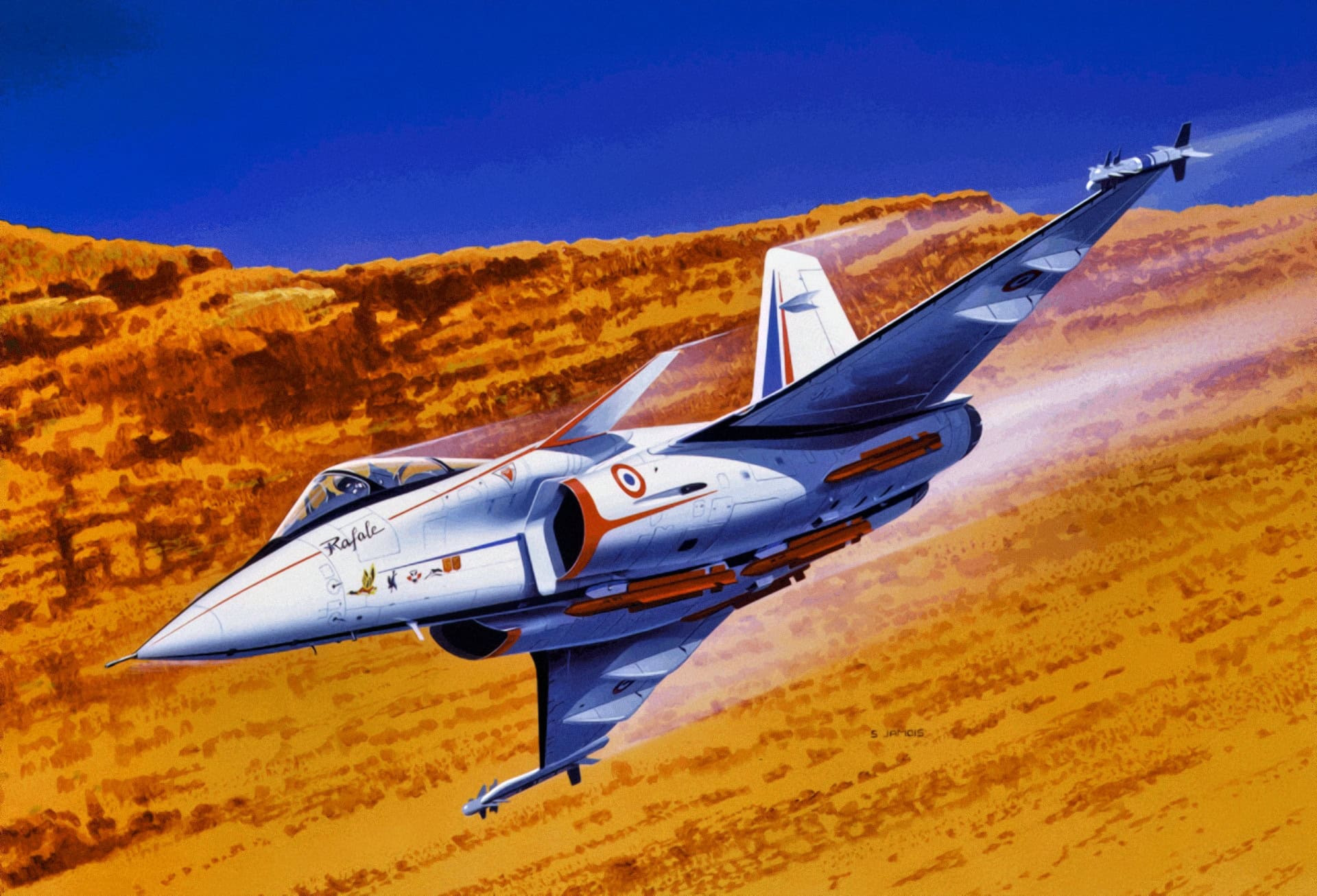
Dassault Rafale Artist Image. Image Credit: Creative Commons.
The Rafale is still markedly cheaper, but these numbers suggest the differential is not double when it comes to the Eurofighter, as French officials charge that there are still other cost factors involved.
A long-time French industry analyst told 19FortyFive that there are “hidden costs” in the Eurofighter effort, stemming from the fact that its design, production, testing, and validation are distributed across four nations. During the period when the aircraft was undergoing validation and introduction into service, more than one Eurofighter test pilot told me, in frustration, “There are no efficiencies gained by [this program] having four separate flight test centers.”
Those “non-efficiencies” were also responsible for most of the years of delay in validating Eurofighter’s design and then placing it into full-scale production, said more than one of the test pilots involved.
A More Effective Model
One of the points raised by the same French industry expert is that the “Eurofighter v. Rafale” issue is an old argument that was “settled a long time ago. This is why in 2012, India, in one of the largest defense deals in decades, selected Rafale over Eurofighter after an almost seven-year-long competition.”
That selection by the Indians, he continued, was made “in no small measure due to the final bids for that contract showing cost numbers for the French jet were being considerably cheaper than Eurofighter.”

Dassault Rafale Fighter from France. Image Credit: Creative Commons.
The interpretation being made today is that the sole reason for bringing up this subject at this point is that there is no impending competition in another country where these two aircraft models will be facing off again. Rather, it is all about the future of the Future Combat Air System (FCAS).
The FCAS’s initial division of labor, as previously reported, was for France’s Dassault to build the 6th-generation fighter for the program.
At the same time, Germany‘s Airbus would be responsible for the design and production of the unmanned Collaborative Combat Aircraft (CCA) and the multi-domain Combat Cloud.
Since that initial structure of program participants and their responsibilities was established, the French and German partners have become deadlocked over the roles the two firms and their subcontractors will play in the FCAS program.
Complicating the situation is that Spain has now been added as a third full partner, and Belgium has “observer” status.
Financial Inefficiency
It is this somewhat discordant situation between the partner nations and the prime contractors that is behind France rehashing the issue of the relative price of the two aircraft. As one publication described the motivations involved, “France is making a data-driven case that multi-country management leads to financial inefficiency.”
Building on the success of the Rafale—producing a usable aircraft at a lower price and shorter timescale than Eurofighter—France argues that the single-country production model for the manned fighter aircraft part of the program simplifies logistics and coordination in the development process.
Under the rubric of “if it ain’t broke, don’t fix it”, Dassault’s position is that only a re-run of the plan under which Rafale was developed will lead to producing a successful and affordable aircraft design and within the program’s designated timeline.
Therefore, the message from French lawmakers is that creating a joint venture on a similar basis that replicates the Eurofighter program will only inflate costs for developing the manned FCAS fighter.
This is what they say justifies French industry’s position that it should lead the program.
About the Author: Reuben F. Johnson
Reuben F. Johnson has thirty-six years of experience analyzing and reporting on foreign weapons systems, defense technologies, and international arms export policy. Johnson is the Director of Research at the Casimir Pulaski Foundation. He is also a survivor of the Russian invasion of Ukraine in February 2022. He worked for years in the American defense industry as a foreign technology analyst and later as a consultant for the U.S. Department of Defense, the Departments of the Navy and Air Force, and the governments of the United Kingdom and Australia. In 2022-2023, he won two awards in a row for his defense reporting. He holds a bachelor’s degree from DePauw University and a master’s degree from Miami University in Ohio, specializing in Soviet and Russian studies. He lives in Warsaw.