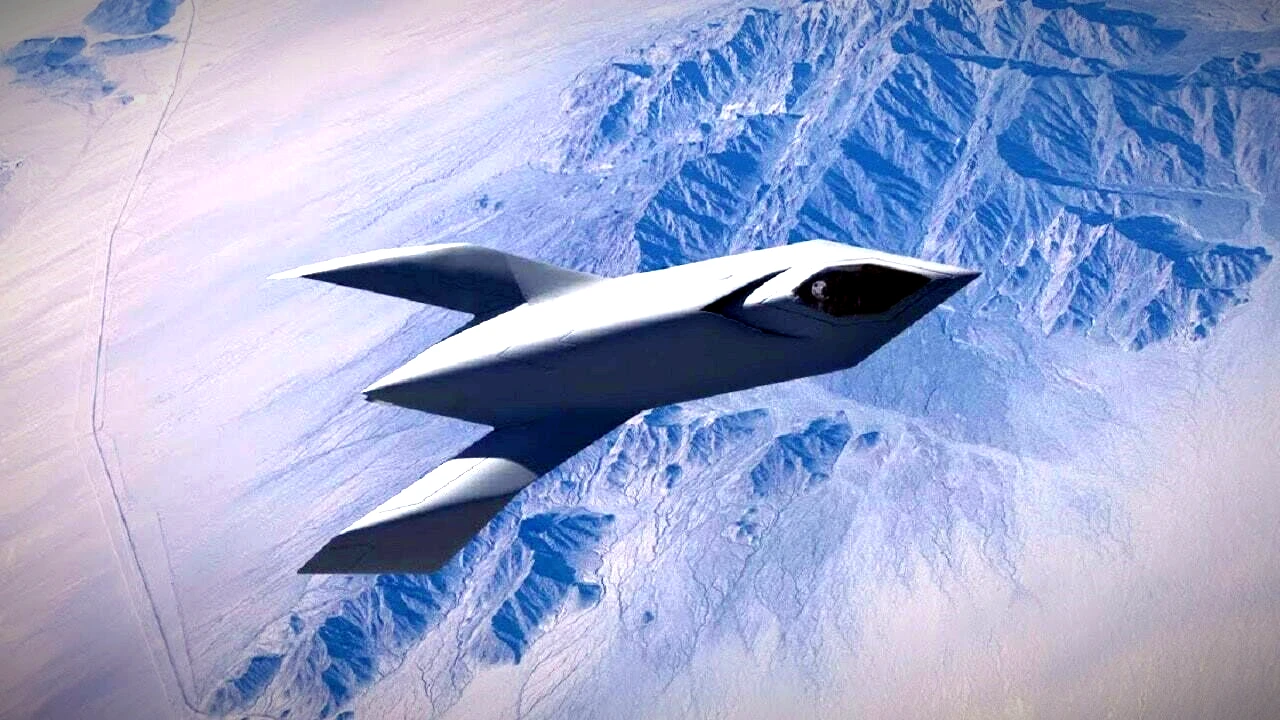
Key Points and Summary: The YF-118G Was the Cheap Stealth Fighter
-The YF-118G “Bird of Prey” was never meant to win dogfights or headline airshows. Built by McDonnell Douglas/Boeing in the 1990s, it served as a low-cost, highly secret testbed to mature stealth shaping, infrared signature reduction, and new manufacturing techniques.
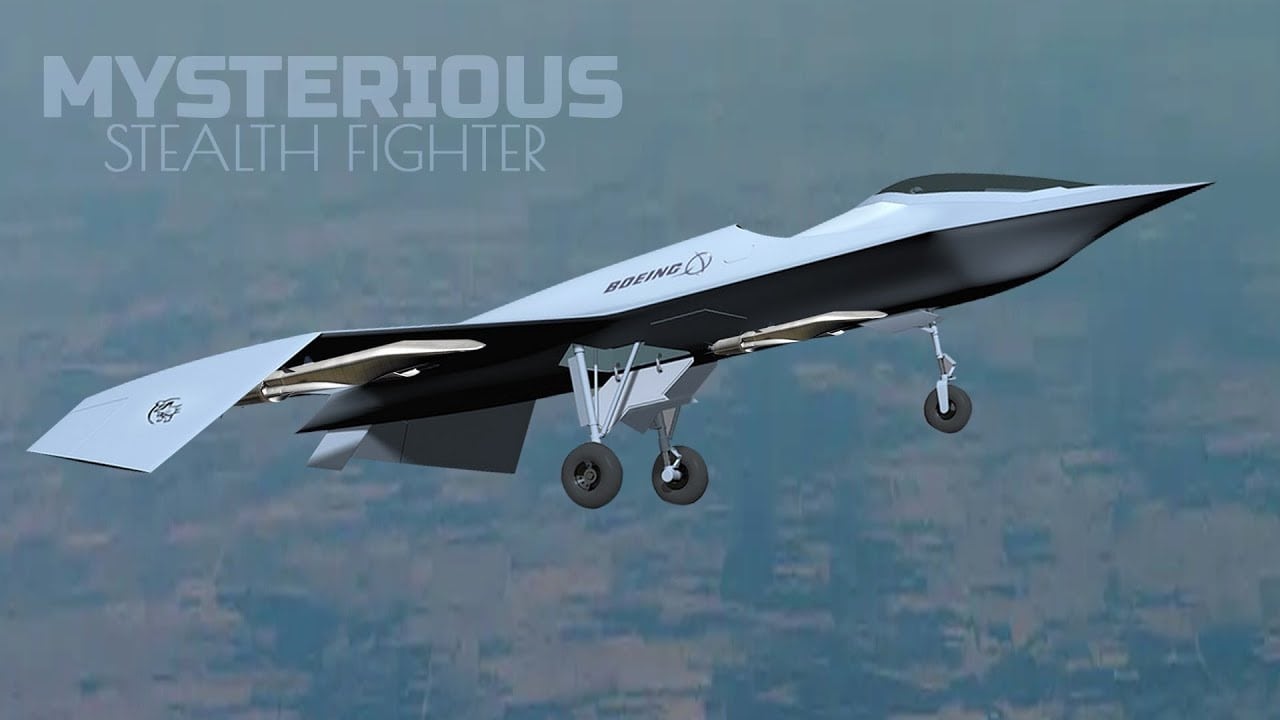
YF-118G. Image Credit: Creative Commons.
-With a blended-wing-body, tailless profile and buried engine, it logged more than forty flights validating stealth geometry in the real world while pioneering single-piece composites and rapid prototyping methods now standard in advanced programs.
-Though modest in speed and agility, the Bird of Prey became a crucial bridge from early stealth to today’s F-22, F-35, and emerging sixth-generation designs.
The YF-118G ‘Bird of Prey’ Was the Stealth Test Jet That Changed Everything
Known as the “Bird of Prey,” the experimental YF-118G demonstrator can be summarized as a duplicity: it both disappeared and never entirely existed, yet it also exerted a positive influence on future stealth aircraft.
The design was innovative, bold, and enterprising, with the aircraft smoothly shaped, featuring few vertical structures and a blended-wing-body configuration.
The plane certainly looked stealthy, and when unveiled in 2002 as a testbed, it was designed to optimize cost, benefit, and production variables in tandem with innovations in stealth flight.
The McDonnell Douglas (later Boeing) aircraft was intended as a developmental effort to identify low-cost, efficient methods for manufacturing stealth aircraft.
Yet, the platform also represents an evolutionary bridge from the Cold War jet to the modern stealth era.
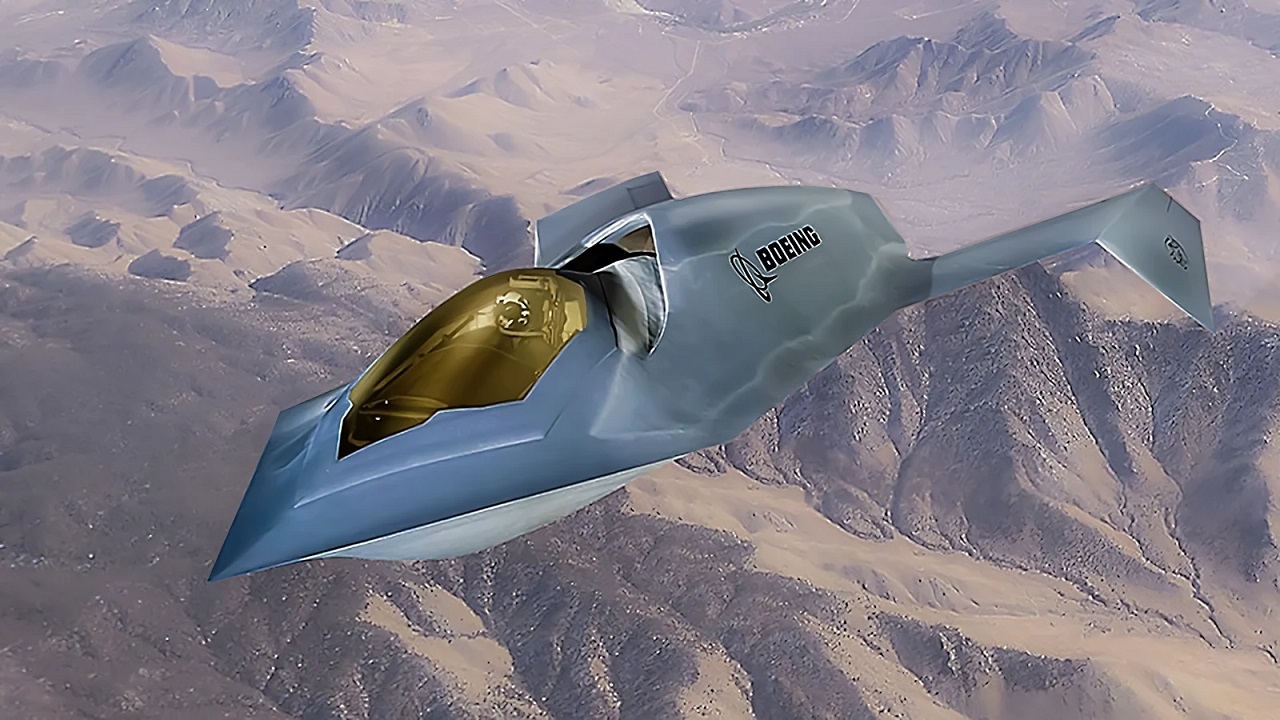
YF-118G. Image Credit: Creative Commons.
This meant the aircraft was not exceptional in many of its performance parameters, so it was not exceptionally fast, maneuverable, or high-altitude.
The YF-118G was instead a stealth technology developmental testbed that served as a thread connecting the earliest stealth concepts with radar-signature-reducing technologies fundamental to the F-22 and F-35.
Stealth Development
The “Bird of Prey” was not intended for major, large-scale great-power air combat but was built to accelerate and expedite the technological development and maturation that has become modern stealth.
Specifically, the platform was built with a smooth, rounded, stealthy exterior and engineered with an internally buried, heat-signature-reducing engine and managed or suppressed exhaust emissions.
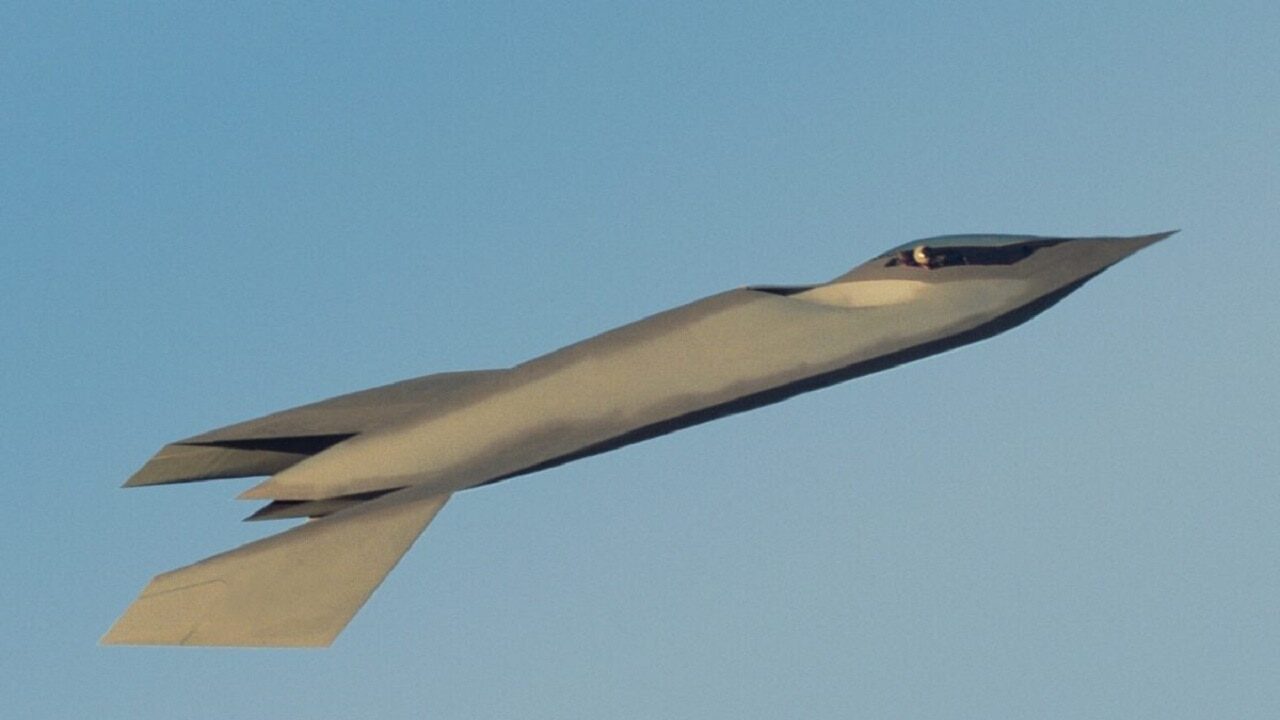
YF-118G. Image Credit: Creative Commons.
These technologies have become fundamental pillars of the rapid advancement of stealth technology in recent decades. Overall, the aircraft achieved over forty flights between 1996 and 1999, validating many aspects of its design.
Therefore, while the Bird of Prey never achieved the highest raw performance metrics, its flight operations provided invaluable real-world data on how stealth geometry behaves in the air.
YF-118G Manufacturing
In addition to its contribution to the development of stealth technology, the Bird of Prey was instrumental in advancing manufacturing and production techniques.
Construction of the aircraft included rapid prototyping and high-volume use of composite materials.
The aircraft was built relatively quickly and at comparatively low cost—an achievement for a program that required both precision and secrecy.
Public reports indicate that many of the production methods, declassified years after the aircraft’s existence became public, have since been embraced by weapons developers.
This includes the use of single-piece composite structures and fastening and tooling methods to maximize engineering and affordability.
Influence 6th-Gen F-47?
The most striking and influential element of the less-recognized and often-forgotten Bird of Prey is its fully horizontal configuration.
Clearly, the front end of the design has influenced the rounded, yet aerodynamic blending now evident in the F-22 and F-35.
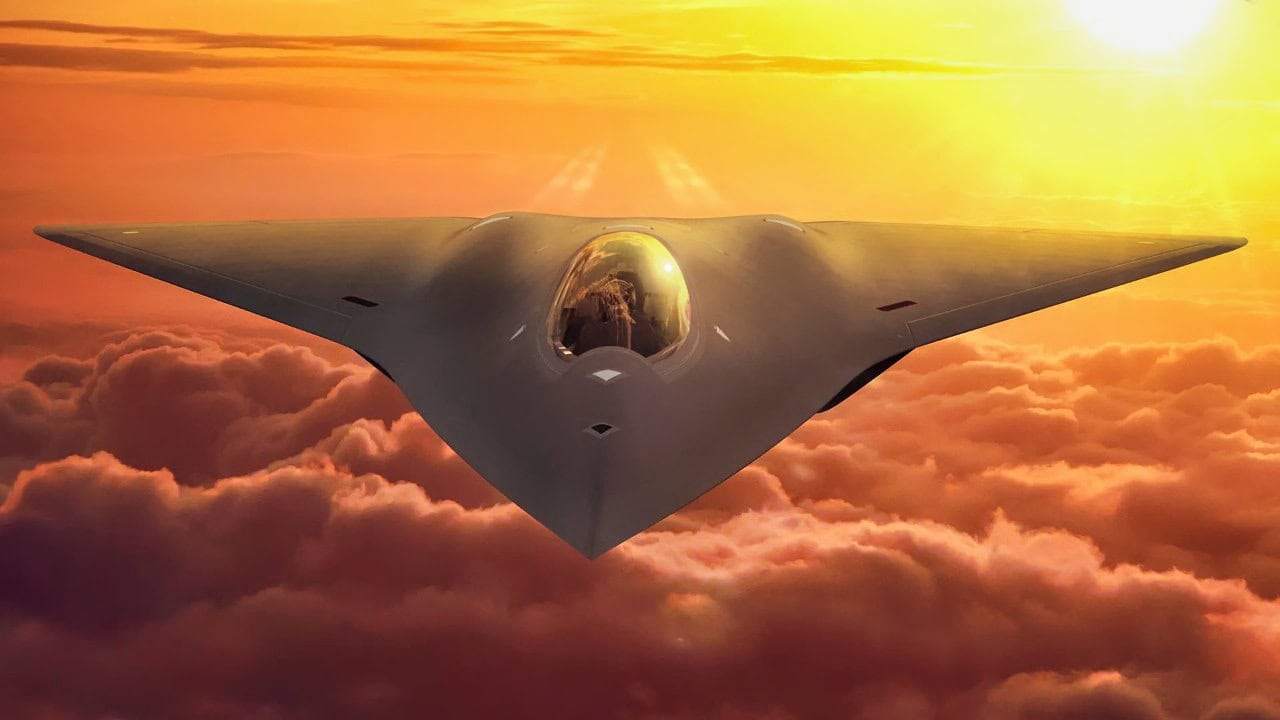
NGAD Fighter via Lockheed Martin.
Yet, the absence of vertical structures resembles elements of the F-47.
Could engineers have begun to make progress toward the ability to vector and maneuver without needing tails, fins, or protruding structures?
If so, this could be an early sign of what is now 6th-generation stealth technology, a breakthrough development that merges bomber-like stealth with fighter-like agility and speed.
While the speed and maneuverability of the Bird of Prey were far inferior to those of the F-22 and the F-47, it seems apparent that the stealth configuration itself may have been a 1990s-era precursor to 6th-gen stealth technology.
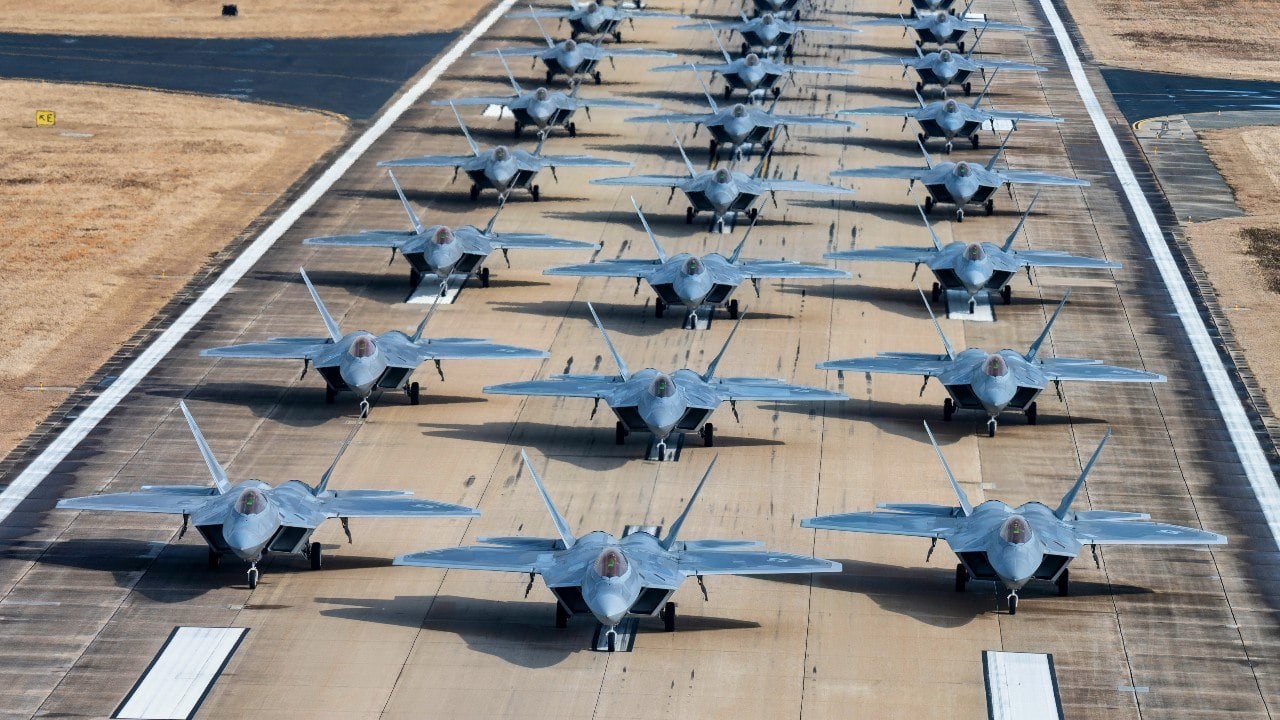
Aircraft from the 1st Fighter Wing conducted an Elephant Walk at Langley Air Force Base, Virginia, Jan. 31, 2025, showcasing the wing’s readiness and operational agility. This demonstration highlighted the wing’s capability to mobilize forces rapidly in high-stress scenarios. The wing’s fleet includes F-22 Raptors and T-38 Talons. As Air Combat Command’s lead wing, the 1 FW maintains unparalleled combat readiness to ensure national defense at a moment’s notice. (U.S. Air Force photo by Tech Sgt. Matthew Coleman-Foster)
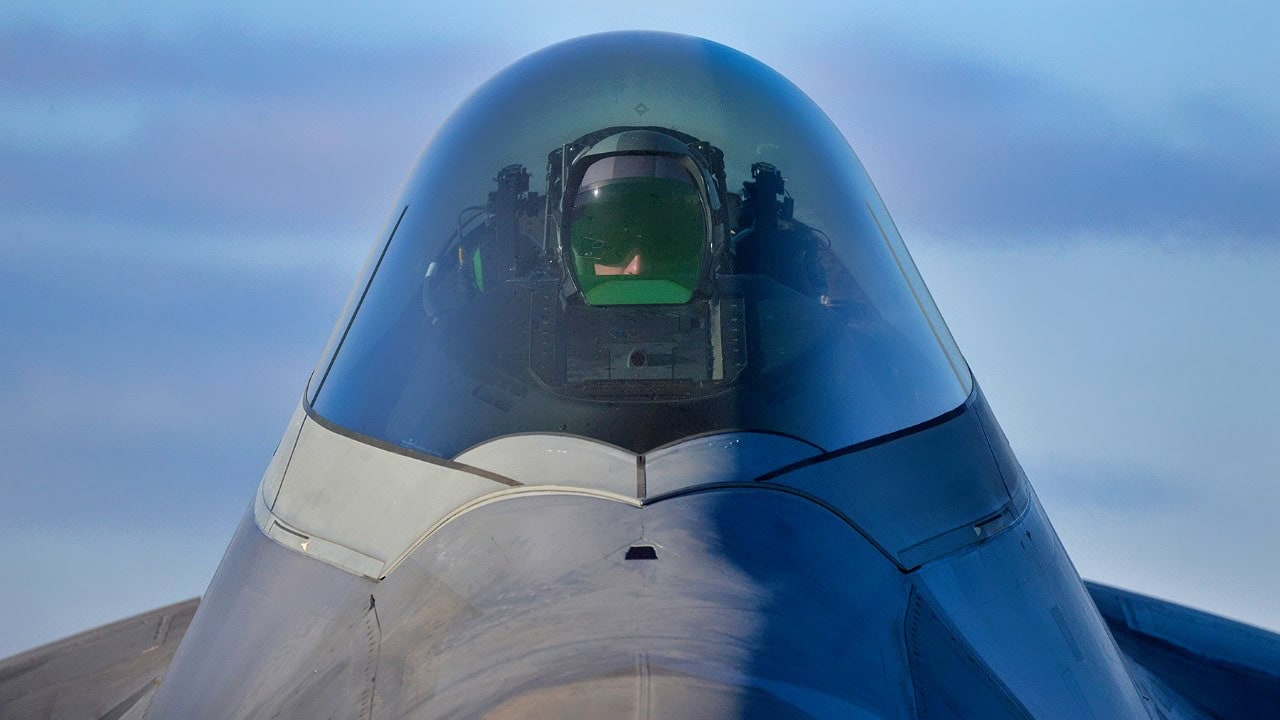
Maj. Philip “Stonewall” Johnson, 514th Flight Test Squadron F-22 test pilot, sits in the last F-22 Raptor to complete the F-22 Structural Repair Program Nov. 24, 2020, prior to performing a functional check flight with the aircraft at Hill Air Force Base, Utah. The 574th Aircraft Maintenance Squadron processed 135 F-22s through the program by performing structural modifications to increase total flying hour serviceability on each aircraft by 8,000 hours. (U.S. Air Force photo by Alex R. Lloyd)
About the Author: Kris Osborn
Kris Osborn is the President of Warrior Maven – Center for Military Modernization. Osborn previously served at the Pentagon as a highly qualified expert in the Office of the Assistant Secretary of the Army—Acquisition, Logistics & Technology. Osborn has also worked as an anchor and on-air military specialist at national TV networks. He has appeared as a guest military expert on Fox News, MSNBC, The Military Channel, and The History Channel. He also has a Masters Degree in Comparative Literature from Columbia University.