
Synopsis: The undersea attack submarine race in 2026 is being defined by quieting, sensors, and payload—because the best attack submarines are no longer “just” hunters, but multi-mission strike, ISR, and special-operations platforms.
Seawolf-Class Submarine. Image Credit: Creative Commons.
-This piece ranks five standouts: the U.S. Virginia-class Block VI (with the Virginia Payload Module boosting Tomahawk capacity and future hypersonic ambitions), Russia’s Yasen-M (built around heavy missile punch, including Zircon claims), France’s Barracuda (pump-jet, MdCN cruise missiles, expeditionary utility), the UK’s ultra-quiet Astute (Spearfish and Tomahawk, SOF support), and America’s still-feared Seawolf.
The World’s Five Best Attack Submarines In 2026
In 2026, the world’s best attack submarines remain dominated by advanced nuclear-powered vessels, with the U.S. Virginia-class Block VI, Russia’s Yasen-M, France’s Barracuda, and the UK’s Astute-class leading due to superior stealth, sonar, and firepower.
Key factors are stealth (low noise), multi-mission capability (Tomahawk, UUVs), and enhanced sensor suites, with the U.S. Seawolf-class still highly potent but older.
From nuclear-powered boats with hypersonic strike capacity to ultra-quiet diesel-electric boats armed with ballistic missiles, these outstanding attack boats now serve as critical assets for strategic deterrence, sea control, intelligence gathering, and special operations.
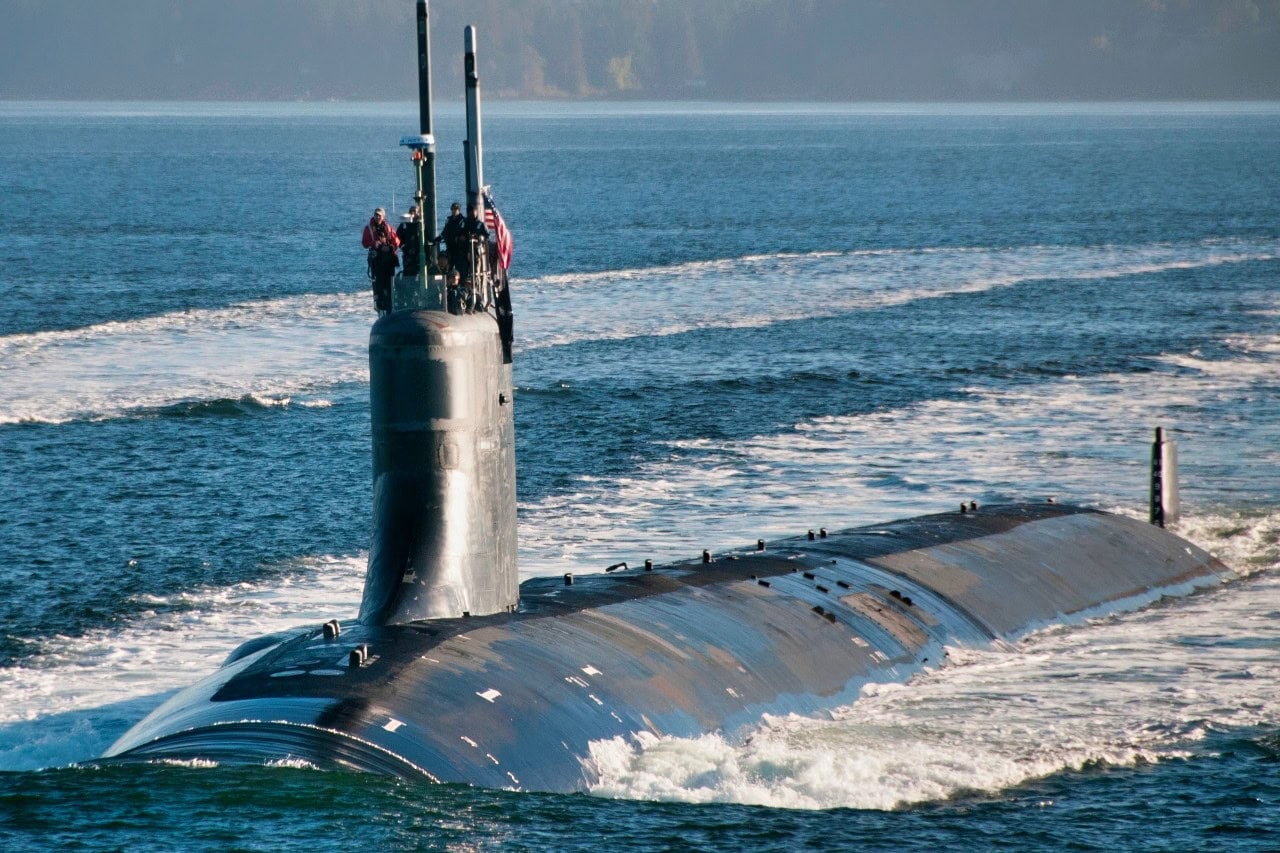
PUGET SOUND, Wash. (Sept. 11, 2017) The Seawolf-class fast-attack submarine USS Jimmy Carter (SSN 23) transits the Hood Canal as the boat returns home to Naval Base Kitsap-Bangor. Jimmy Carter is the last and most advanced of the Seawolf-class attack submarines, which are all homeported at Naval Base Kitsap. (U.S. Navy photo by Lt. Cmdr. Michael Smith/Released)
Driven by various motives, including expanding empires, regional tensions, evolving naval doctrines, and industrial self-reliance, countries across Europe, Asia, and the Americas have launched highly advanced attack submarine programs that are redefining the balance of power under the sea.
The five best attack submarines are the Virginia-class Block V (U.S.), Yasen-M class (Russia), Barracuda-class (France), Astute class (UK), and Seawolf class (U.S.), all noted for their advanced stealth, sonar, and armament capabilities. The Virginia and Seawolf classes represent the pinnacle of U.S. technology. At the same time, the Yasen-M is Russia’s most advanced design, the Barracuda is France’s modern attack submarine, and the Astute class is renowned for its stealth and low noise signature.
Here’s a detailed look at the best attack submarines.
Virginia-class Block VI (United States):
The US Navy’s Virginia-class Block VI submarines are a significant upgrade to the US Navy’s submarine fleet, incorporating advancements in stealth, sonar, and payload capacity.
These submarines are designed to support anti-submarine warfare, surface-ship warfare, special-operations missions, and land-attack missions. The Block VI introduces the Virginia Payload Module (VPM), which enhances Tomahawk missile capacity and flexibility.
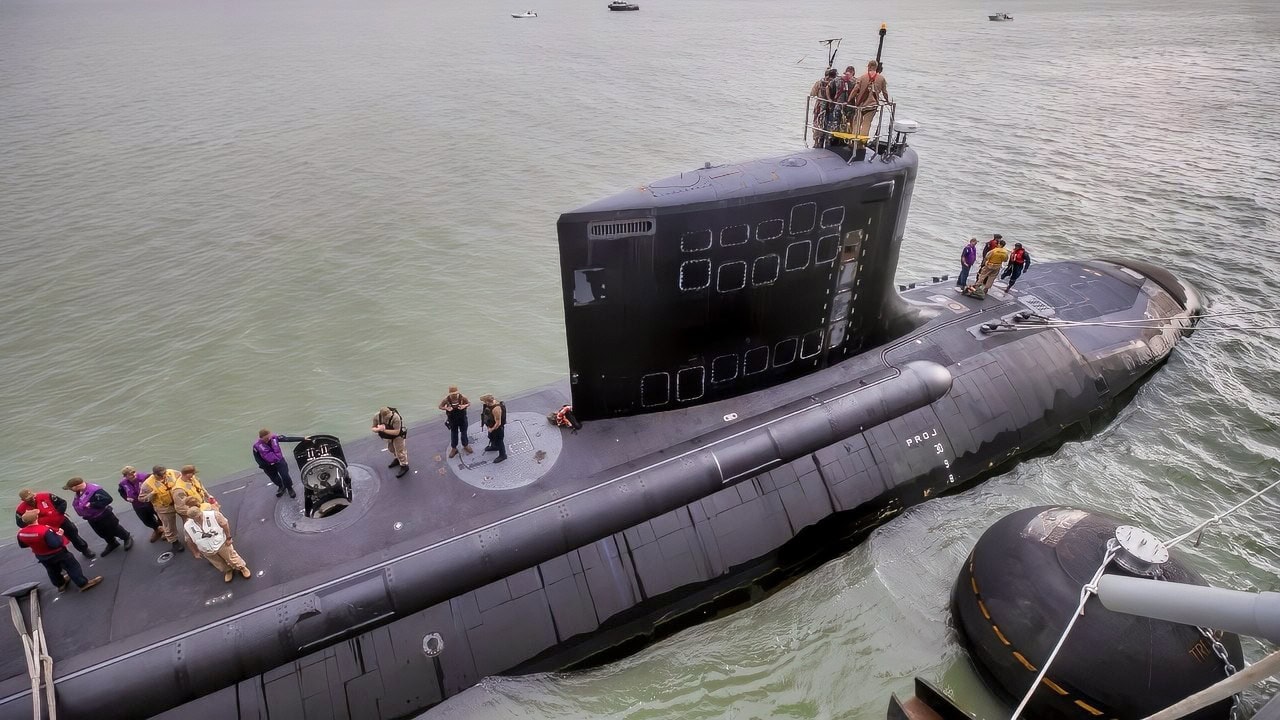
DARWIN, Northern Territory, Australia (March 31, 2025) – The Virginia-class fast-attack submarine USS Minnesota (SSN 783) departs from the submarine tender USS Emory S. Land (AS 39) after a scheduled port visit at Darwin, Northern Territory, Australia, Mar. 31, 2025. Darwin is Emory S. Land’s 17th port call since it departed on deployment May 17, 2024. Emory S. Land and Minnesota are operating in U.S. 7th Fleet, the U.S. Navy’s largest forward deployed numbered fleet, operating with allies and partners in preserving a free and open Indo-Pacific region. (U.S. Navy photo by Mass Communication Specialist Seaman Mario E. Reyes Villatoro)
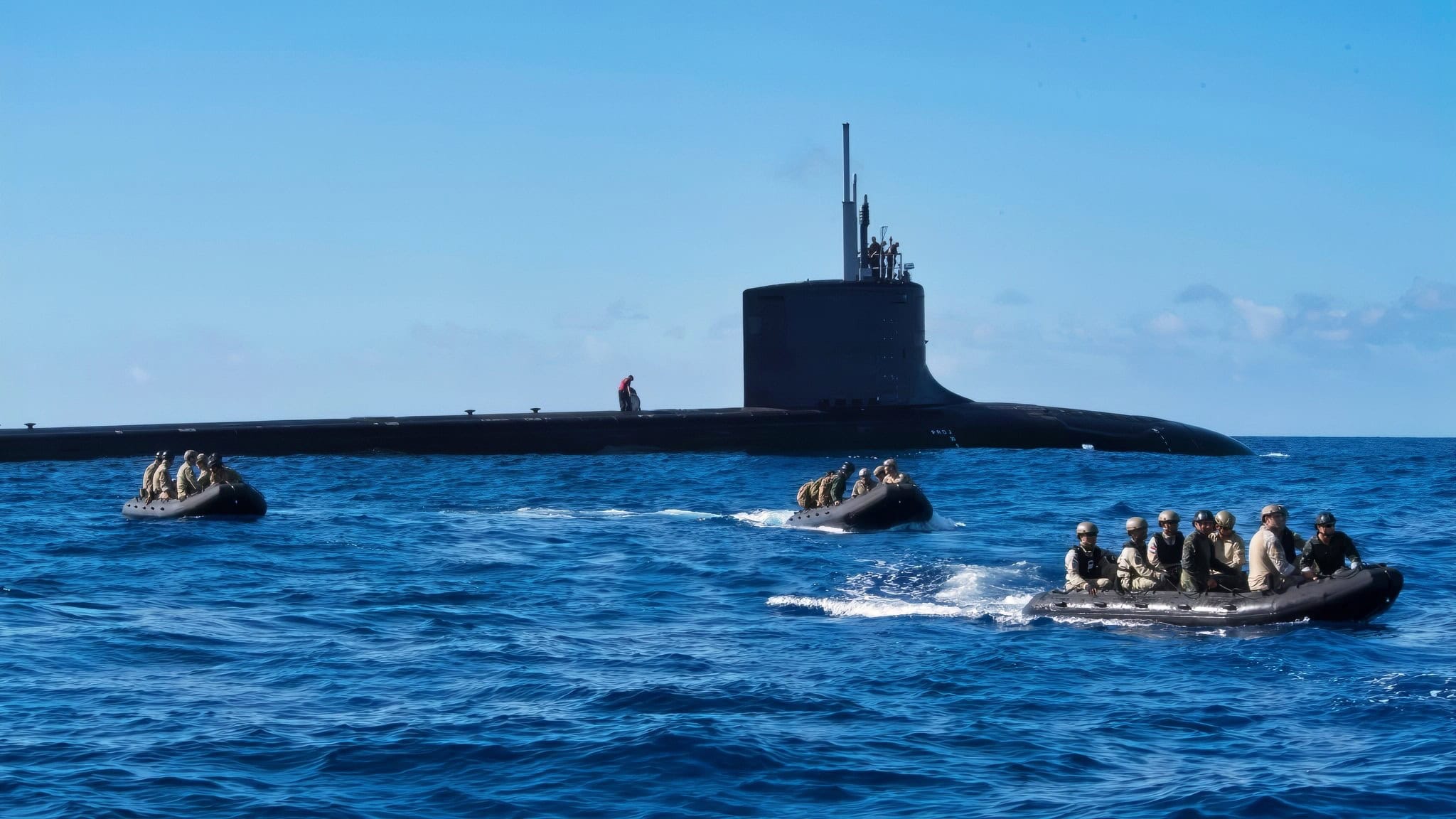
PEARL HARBOR (July 9, 2018) – Multi-national Special Operations Forces (SOF) participate in a submarine insertion exercise with the fast-attack submarine USS Hawaii (SSN 776) and combat rubber raiding craft off the coast of Oahu, Hawaii during Rim of the Pacific (RIMPAC) exercise, July 9. Twenty-five nations, 46 ships and five submarines, about 200 aircraft, and 25,000 personnel are participating in RIMPAC from June 27 to Aug. 2 in and around the Hawaiian Islands and Southern California. The world’s largest international maritime exercise, RIMPAC provides a unique training opportunity while fostering and sustaining cooperative relationships among participants critical to ensuring the safety of sea lanes and security of the world’s oceans. RIMPAC 2018 is the 26th exercise in the series that began in 1971. (U.S. Navy photo by Lt. j.g. Michelle Pelissero)
General Dynamics Electric Boat (GDEB) has secured a contract modification worth $1.06 billion to procure long-lead-time materials for the construction of Virginia-class Block VI submarines.
GDEB is the prime contractor and lead design yard for the Virginia-class. It builds the vessels in a teaming arrangement with HII’s Newport News Shipbuilding. The Navy currently has 24 Virginia-class boats in service, with another 16 either awaiting delivery or under construction.
Virginia Payload Module:
The Block VIs will be the second set of Virginia-class attack submarines to feature the Virginia Payload Module (VPM), which will meet the Navy’s requirement for a large-scale land strike missile platform after the service decommissions four Ohio-class guided-missile submarines by the end of the decade.
In the last several years, the Ohio-class guided-missile boats, each capable of fielding 154 Tomahawk Land Attack Missiles, have been a favorite of combatant commanders.
USS Florida (SSGN-728) was deployed for almost two years as a defense against threats in the Mediterranean and the Middle East, returning last August.
The VPM inserts four Multiple All-up-round Canisters (MAC) in the middle of the submarine in addition to two in the bow. Each MAC tube can contain seven Tomahawk cruise missiles. The Navy has stated that it will need 20 VPM boats to replace the strike missiles lost when the Ohio-class submarines retire.
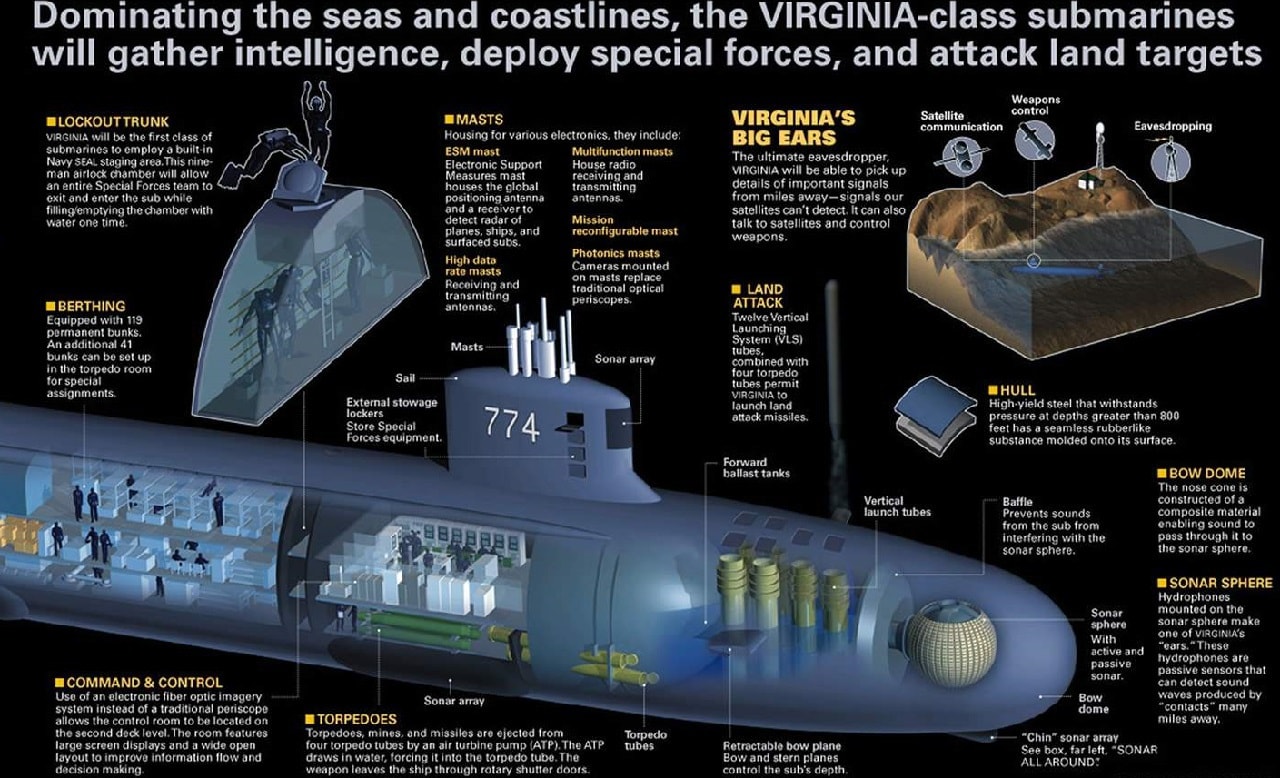
Image of Virginia-class Submarine features. Image Credit: Creative Commons.
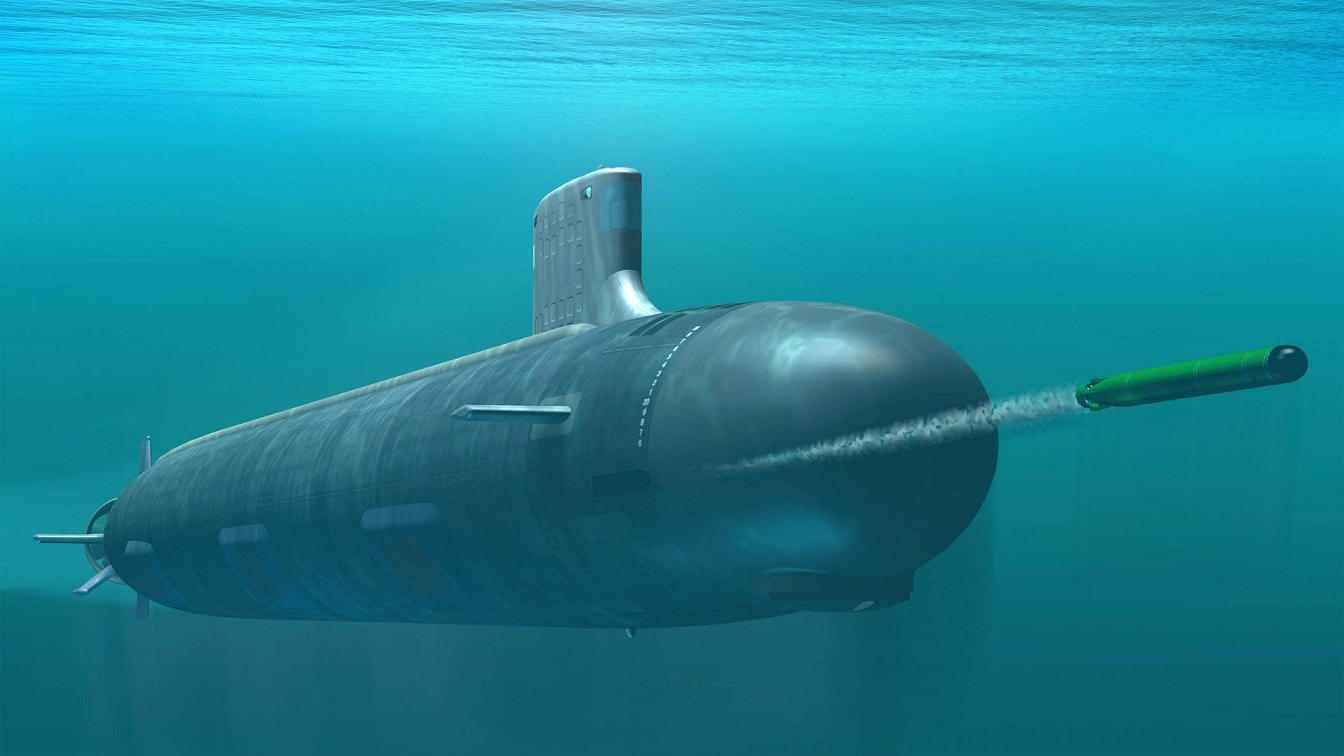
030521-D-9078S-001
(May 21, 2003) — This conceptual drawing shows the new Virginia-class attack submarine now under construction at General Dynamics Electric Boat in Groton, Conn., and Northrop Grumman Newport News Shipbuilding in Newport News, Va. The first ship of this class, USS Virginia (SSN 774) is scheduled to be delivered to the U.S. Navy in 2004. U.S. D.O.D. graphic by Ron Stern. (RELEASED)
The module is 84 feet long — bringing the total length of the Virginia-class subs up from 377 feet to 461 feet, the Navy file said — and can store and launch payloads with diameters larger than the 21-inch diameter of a torpedo or Tomahawk missile. This will increase the Virginia-class boats’ Tomahawk missile capacity from 12 to 40.
The US Navy is using strong fiber optic cable to connect undersea submarines to drones able to travel to the surface and interface with surface gateway technologies in a position to essentially translate acoustic data gathered by submarines beneath the surface into RF signals and other kinds of data links able to share information with air, surface, and land communications nodes.
Among the new technologies is the Navy’s hypersonic weapons. The Navy intends to arm its submarines with the Conventional Prompt Strike weapon before 2028. The arrival of undersea-launched hypersonics will ensure the Navy has a high-speed attack advantage.
And once the long-awaited Columbia-class missile boats finally come online, the Virginia Block VI boats will give the US Navy continued superiority over near-peer threats against China and Russia.
Yasen-M class (Russia):
The Russian Navy’s latest nuclear-powered attack submarine, the Perm, a fourth-generation Yasen-M-class submarine, was launched by Russian President Putin on March 27, 2025.
The Yasen-M class (Project 885M) is a modernized version of the Yasen-class submarines, developed by the Malakhit Marine Engineering Bureau under the guidance of Chief Designer Vladimir Pyalov.
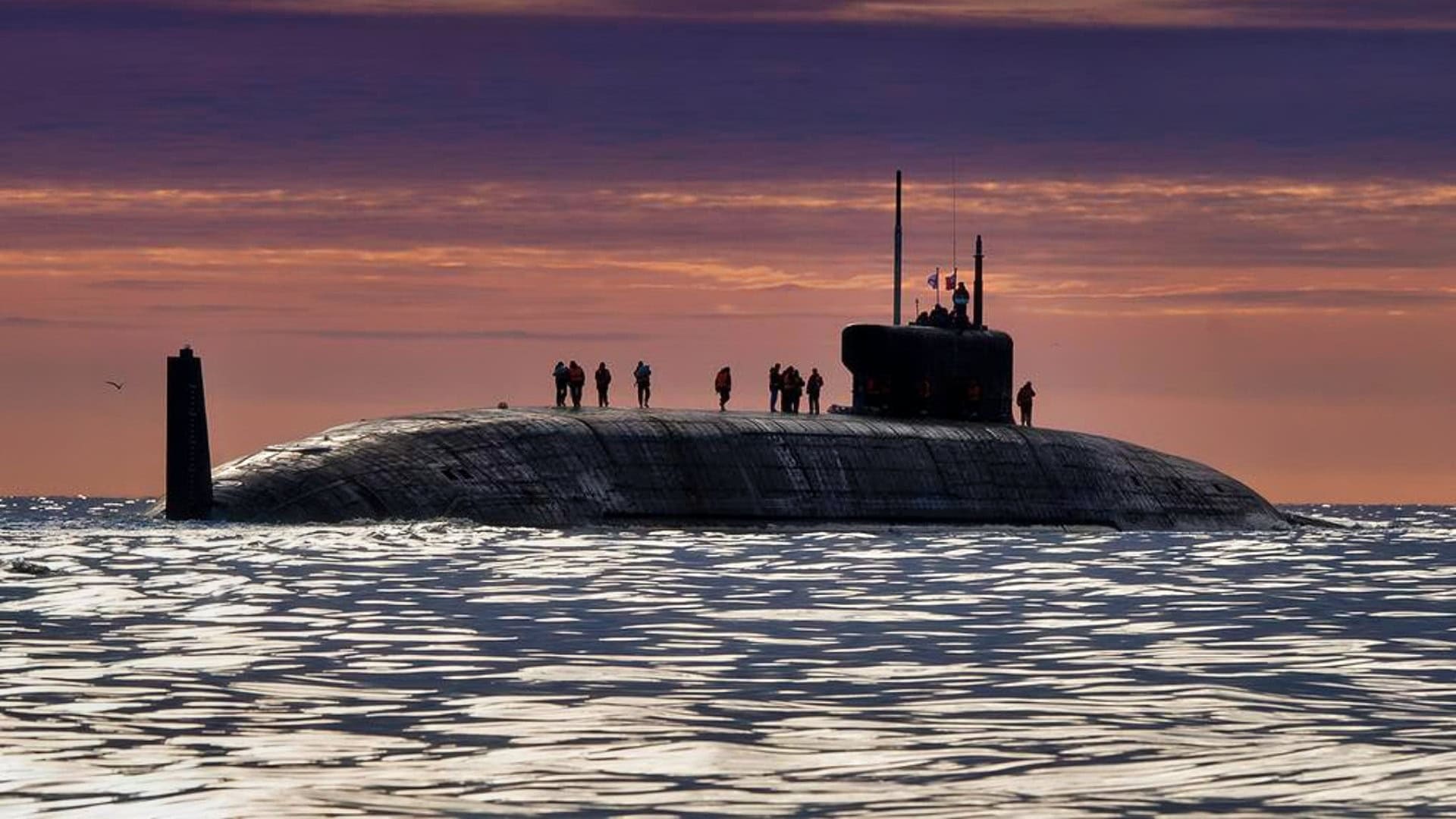
The Russian Navy is experiencing a resurgence, with new ships and submarines entering service despite ongoing challenges.
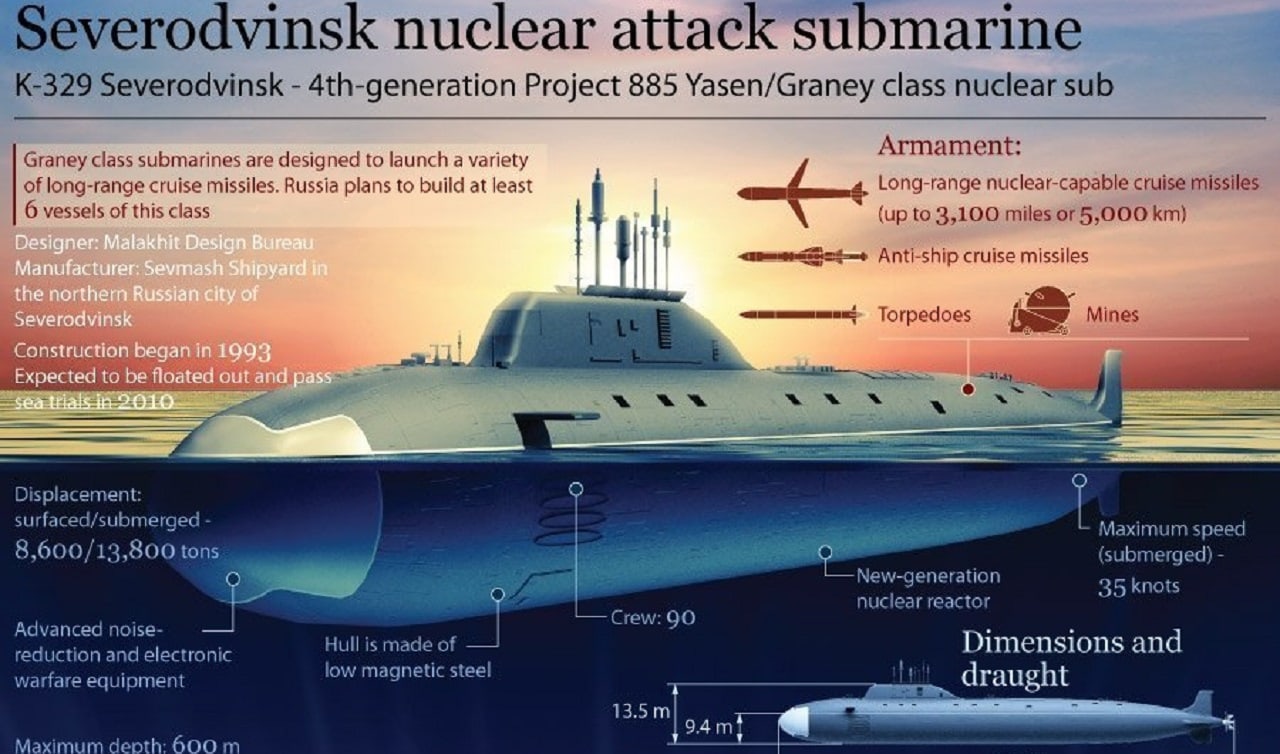
Yasen submarine diagram from Russian state media.
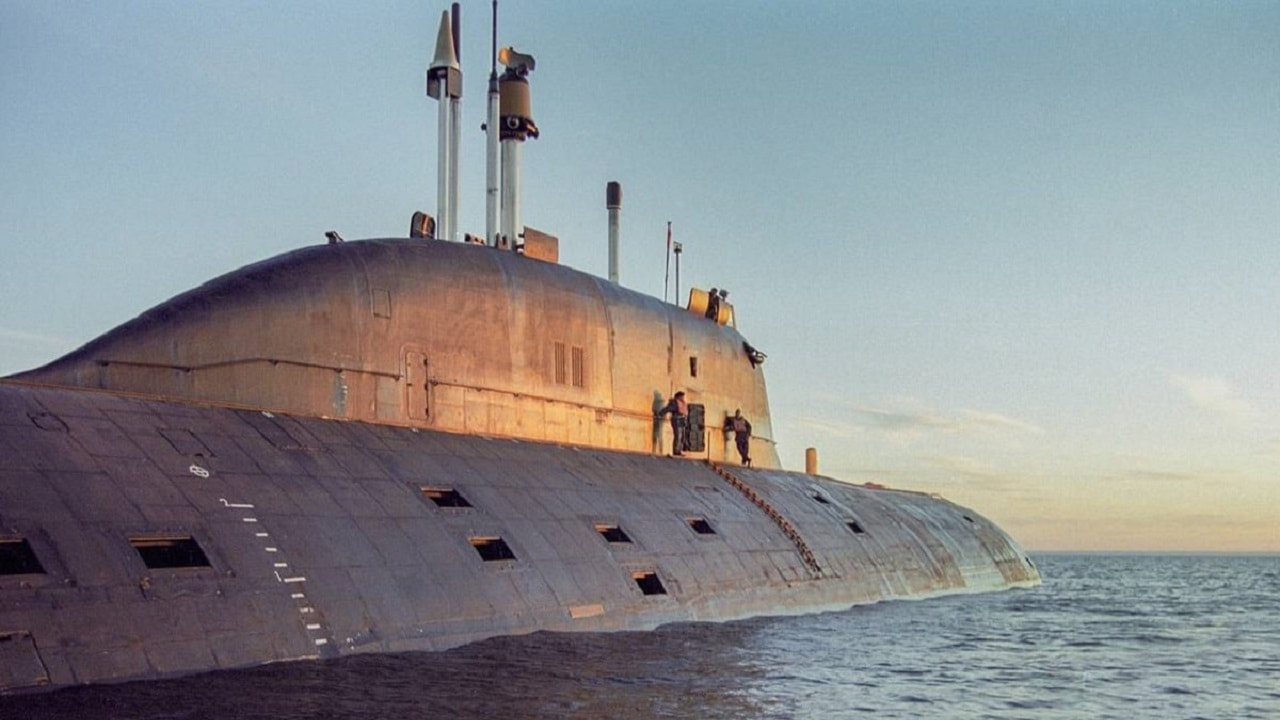
Yasen-Class. Image Credit: Creative Commons.
Yasen-M Class Propulsion System:
The Perm is powered by an updated KTP-6-185SP pressurized water-cooled nuclear reactor, generating approximately 200 megawatts (equivalent to approximately 268,204 hp).
Propulsion is provided through a single shaft and low-noise propeller, supported by two thrusters, allowing the submarine to reach speeds of up to 31 knots underwater and 16 knots on the surface.
This fourth-generation nuclear reactor has a 25–30-year core life, eliminating the need for mid-life refueling, and allows for natural coolant circulation, contributing to lower acoustic signatures on par with the latest Western SSNs.
The Perm’s overall length is 130 meters, with a beam of 13 meters and a draft of 9.4 meters, and it accommodates a crew of 64 officers and crew.
With a maximum diving depth of 600 meters and an operational depth of 520 meters, the Perm can remain submerged for up to 100 days. The vessel has a submerged displacement of 13,800 tons and a surface displacement of 8,600 tons, which is slightly less than that of earlier Yasen-M units.
Yasen-M Class Armaments:
The Yasen-M Class is a potent platform. It has greater strike capability than Western submarines. The weapons carried by these submarines represent a significant shift in their mission from the hunter-killer role to launching a full range of anti-ship and land-attack missiles.
These missiles include the advanced Kalibr and Oniks cruise missiles, as well as the hypersonic Zircon missiles. These weapons, along with their torpedo armament, allow the submarine to conduct anti-submarine, anti-ship, and land-attack missions.
The Zircon hypersonic cruise missile (also known as Tsirkon or SS-N-33) is a Russian hypersonic cruise missile with a scramjet engine and nuclear capability. It’s designed for deployment from surface vessels, submarines, and aircraft.
The Zircon is reportedly capable of a top speed of Mach 9 and a range of up to 1,000 kilometers, according to Putin’s 2019 State of the Nation address. However, many Western experts at the time believed that Zircon’s firing range would fall somewhere between 400 and 500 km [215-270 nm], and its top speed would be limited to between Mach 5 and 6—still a potent weapon.
The Yasen-M’s armament includes 10 torpedo tubes of 533 mm caliber, located in the midsection of the hull and mounted at an angle due to the presence of a large spherical sonar array in the bow.
Barracuda-class (France):
The Barracuda program began in the early 2000s to replace France’s Rubis-class SSNs. The first submarine, Suffren, was commissioned in 2022, followed by Duguay-Trouin in 2023. Four additional units are under construction, with full fleet delivery planned before 2030.
The Barracuda class displaces around 5,300 tons submerged and is powered by the K15 pressurized-water reactor adapted from France’s strategic submarine fleet.
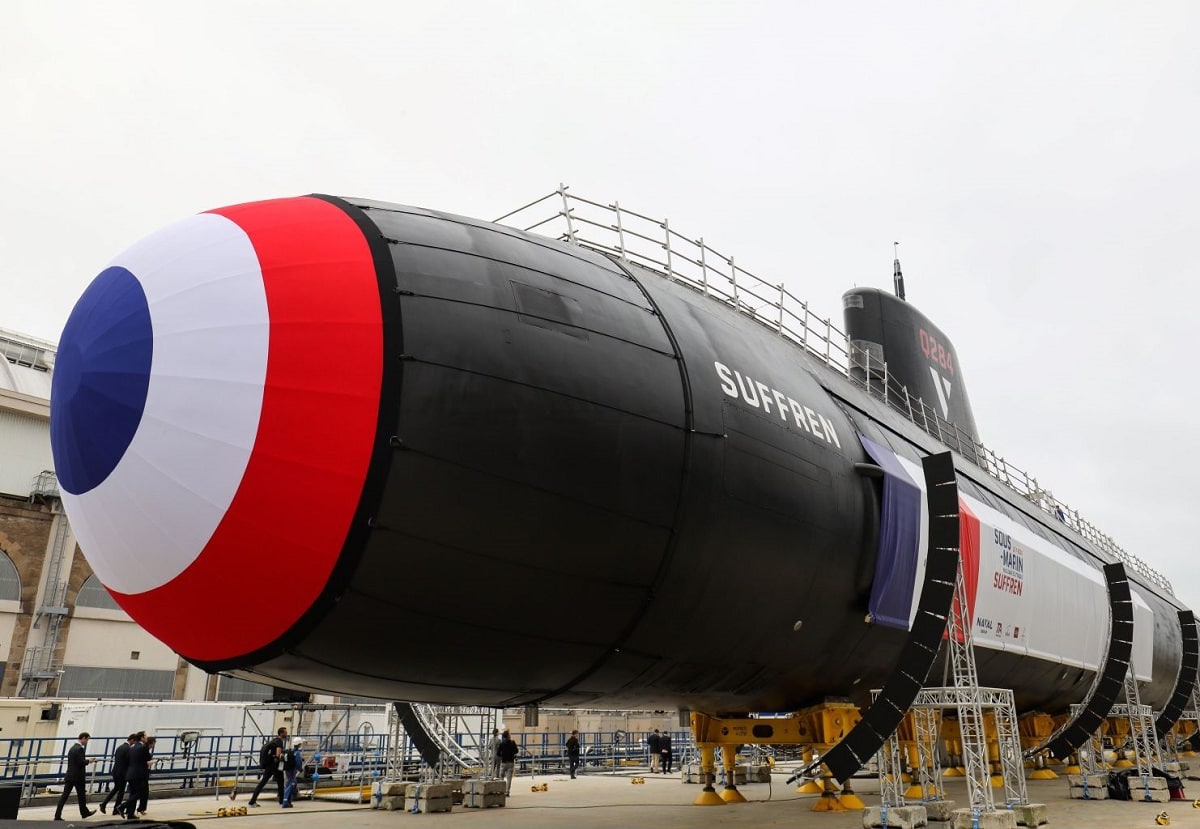
Suffren-Class
It incorporates pump-jet propulsion, advanced automation, and a crew-reducing digital architecture. Armament includes MdCN cruise missiles (1,000+ km range), Exocet SM39 anti-ship missiles, and F21 torpedoes. The Thales S-CUBE sonar suite and SYCOBS combat system provide high-fidelity threat detection and weapon control.
The Barracuda is the only European SSN equipped with strategic-range cruise missiles, pump-jet propulsion, and full-spectrum special operations capability, tailored for NATO and Indo-Pacific expeditionary roles.
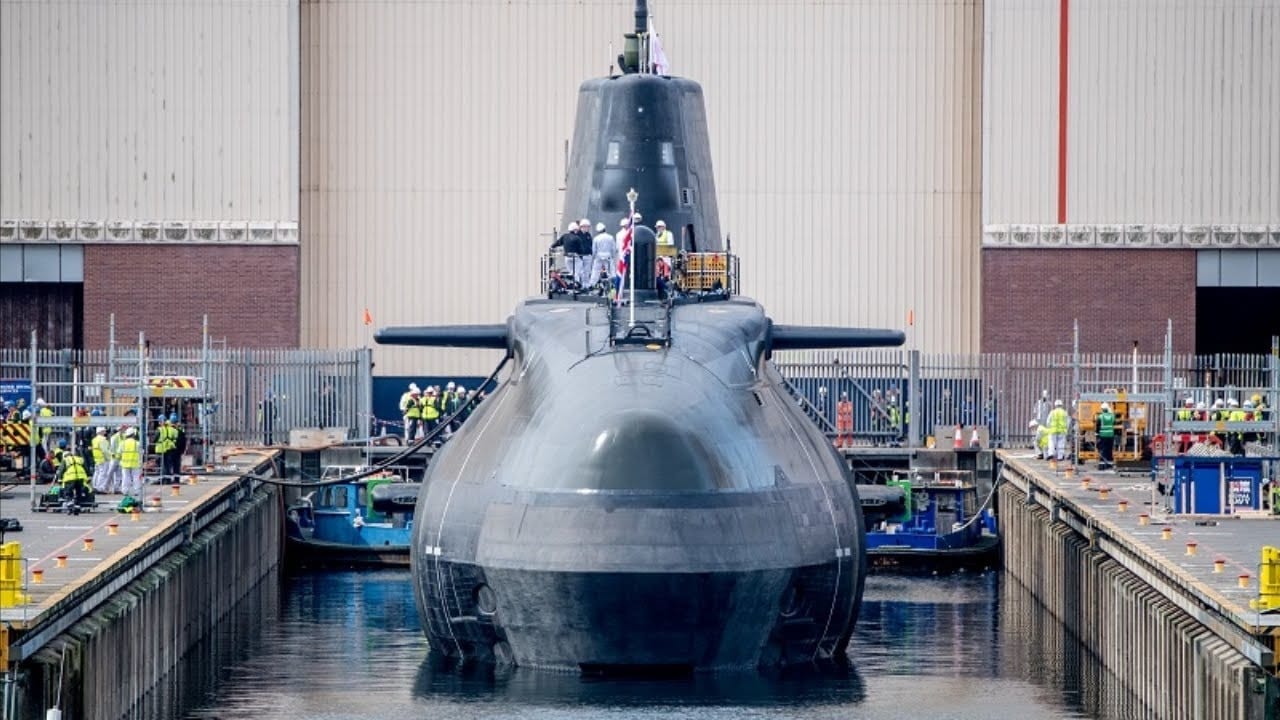
Astute-class (United Kingdom):
The Royal Navy has an outstanding platform in attack submarines. Britain’s Astute-class submarines are the UK’s version of the US Virginia-class, and are exceptional in stealth, speed, and lethality.
Built by BAE Systems and equipped with powerful Rolls-Royce nuclear reactors that require minimal maintenance, they move silently at up to 30 knots.
Astute boats deploy Spearfish heavyweight torpedoes and Tomahawk missiles, enabling precise, long-range strikes. Advanced electronic warfare suites and sonar systems provide excellent survivability, while quieting technology makes them nearly undetectable.
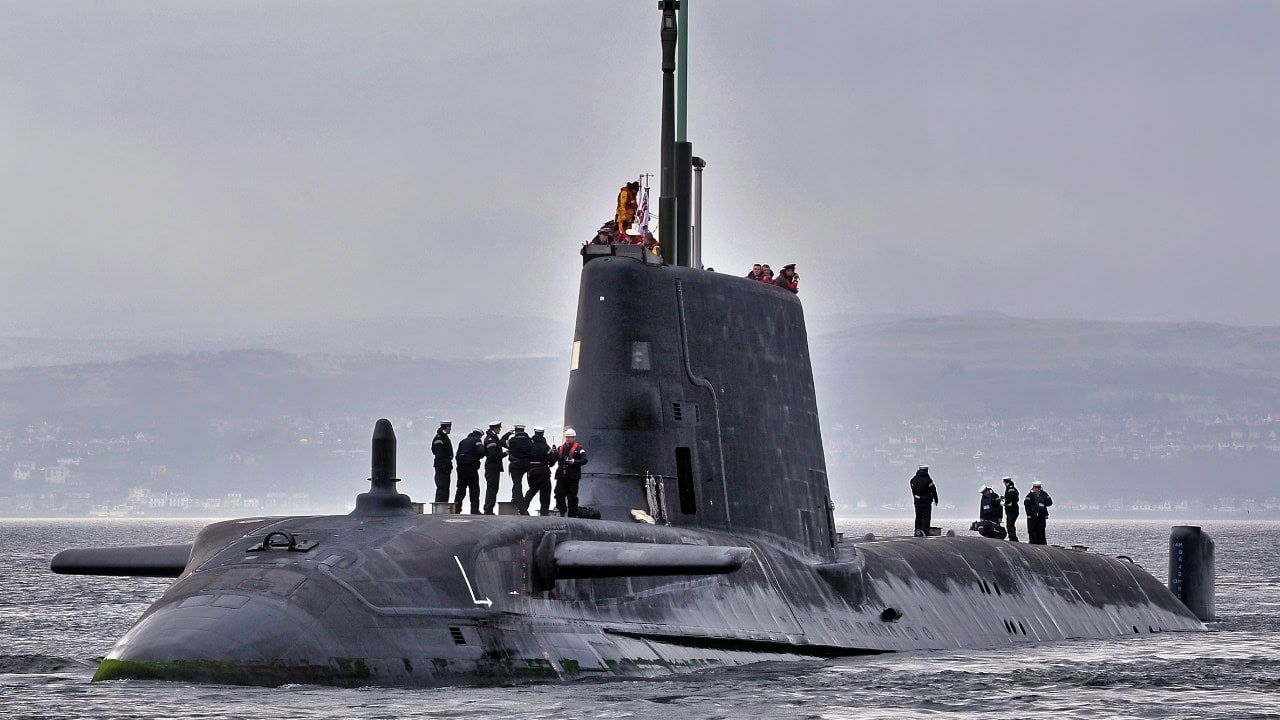
Astute-Class Submarine. Image Credit. Creative Commons.
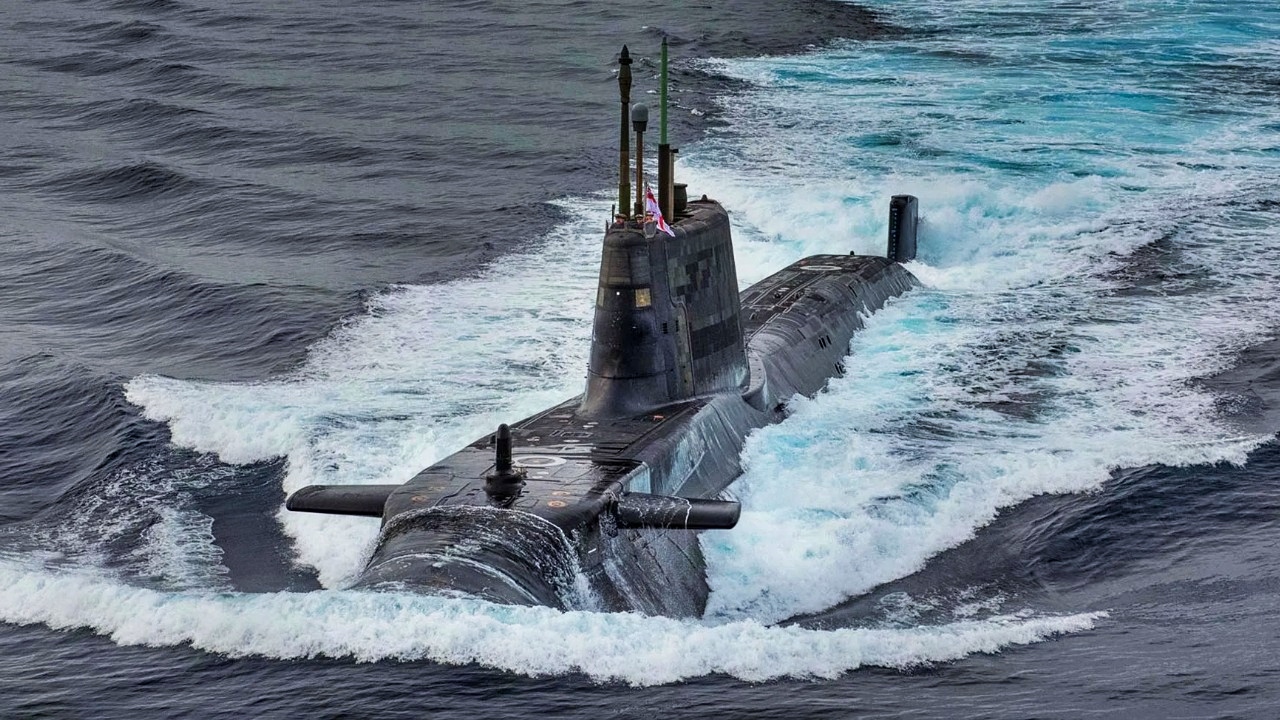
Astute-Class Royal Navy Submarine. Image Credit: Royal Navy.
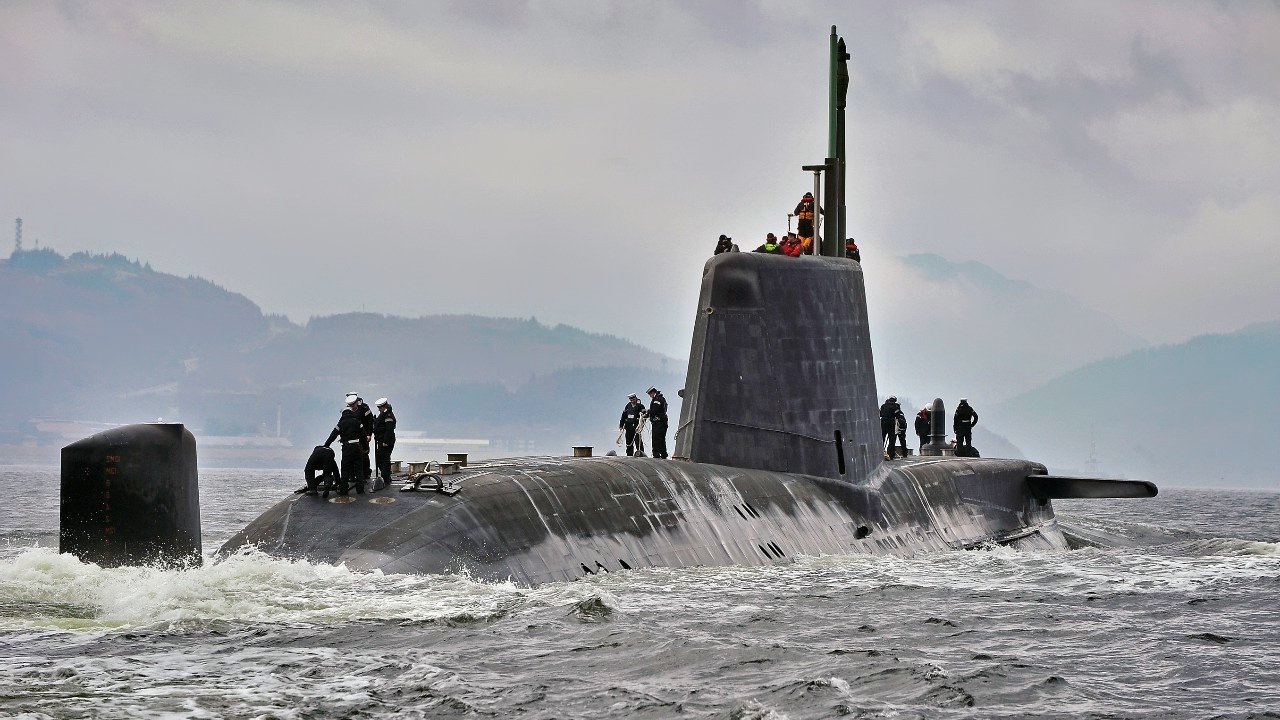
Astute-Class Submarine. Image Credit: Creative Commons.
A great feature of the Astute-class subs is that, like their American counterparts, they can deploy small Special Operations Forces scuba teams, from the Special Boat Service or SAS teams, using their stealth to sneak in close to an enemy shore to take out designated high-value targets.
Quiet As A Baby Dolphin:
The Astute-class is different than the US Virginia class. They are smaller, but that was by design. The British designed them to be stealthy and fast.
The armament carried by the Astute boats is impressive. There are six torpedo tubes for launching 38 Spearfish heavyweight torpedoes. Spearfish torpedoes have an 18-mile range and are deadly accurate with a powerful warhead.
The Tomahawk Block IV and the updated Block V land-attack cruise missiles have a range of about 1,000 miles. This is the main armament of the Astute-class, and they can make the enemy pay the price from long-range. The Tomahawks are good choices when the British do not want to deploy troops or military hardware to a warzone.
A dry deck structure is used to infiltrate or exfiltrate Special Boat Service special operators. And the 39,000 anechoic tiles keep the Astute boats “as quiet as a baby dolphin.”
Seawolf-class (United States):
The ships were also designed to carry a significant arsenal of weapons, including more Tomahawk cruise missiles, and were equipped for both blue-water and shallow-water operations. The Seawolf could race at 35 knots beneath the surface or go 20 knots in silent mode.
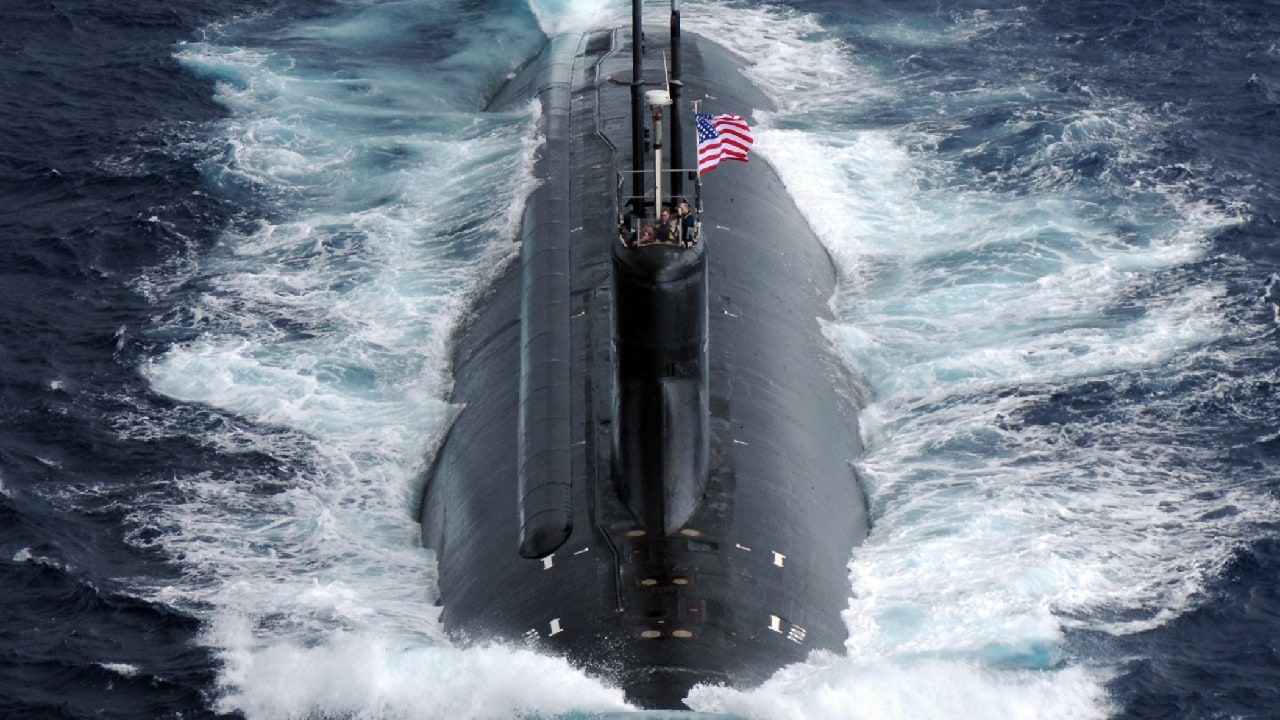
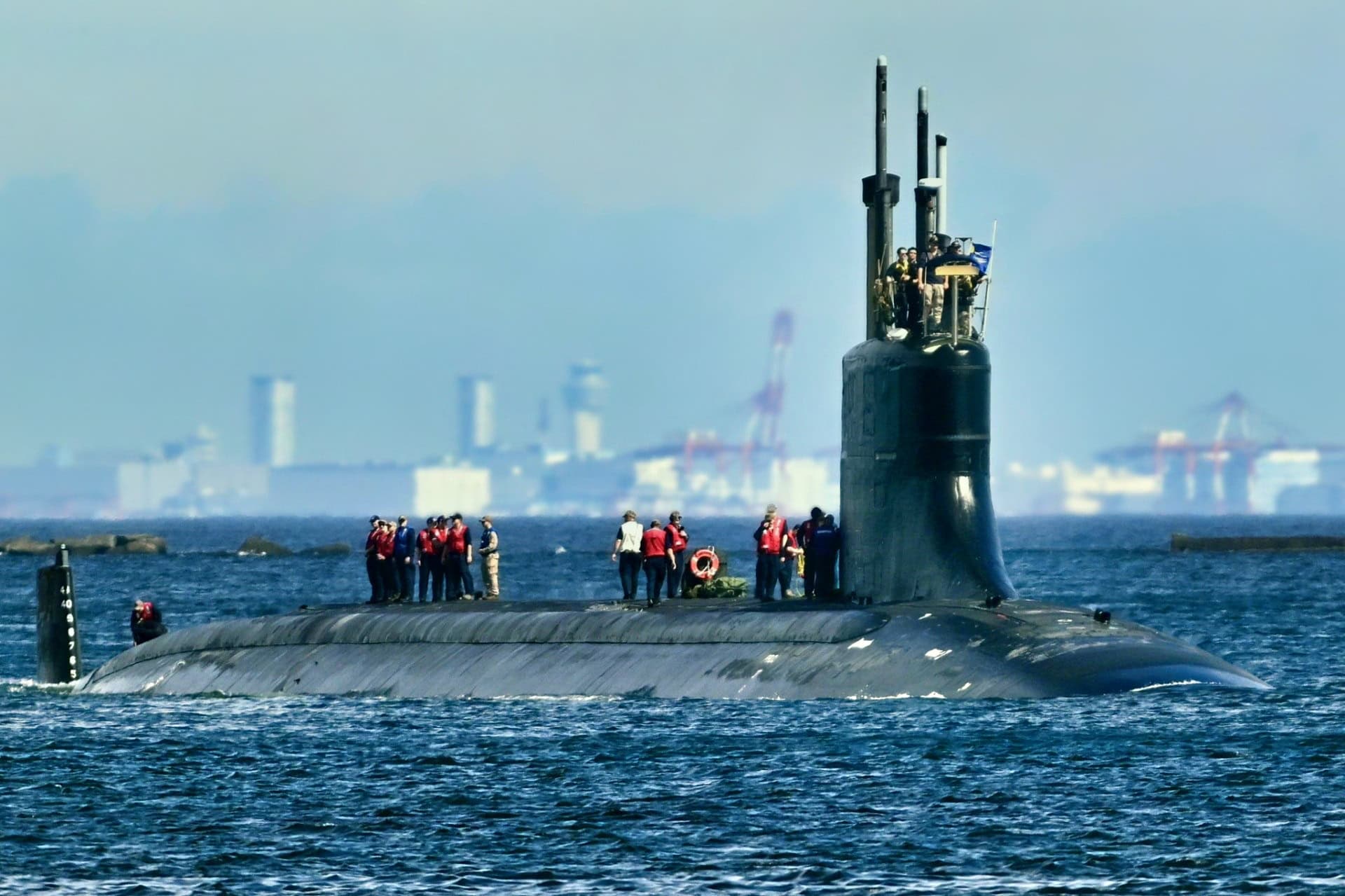
The Seawolf-class fast-attack submarine USS Connecticut transits the Pacific Ocean during Annual Exercise. ANNUALEX is a yearly bilateral exercise with the U.S. Navy and the Japan Maritime Self-Defense Force.
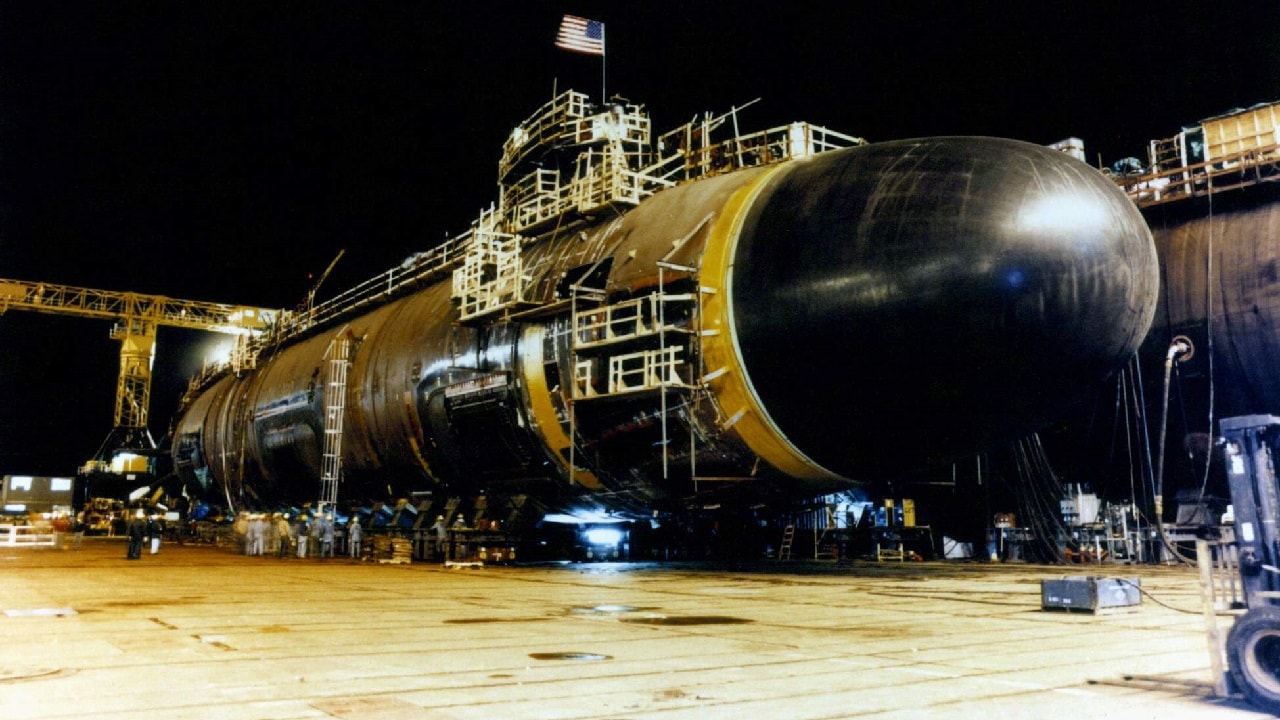
The first of a revolutionary new class of fast attack submarine, the Seawolf (SSN-21). Shown during construction at the Electric Boat Division of General Dynamics Corporation in Groton, Conn. She was christened by Margaret Dalton, wife of Secretary of the Navy John H. Dalton, on June 24, 1995.
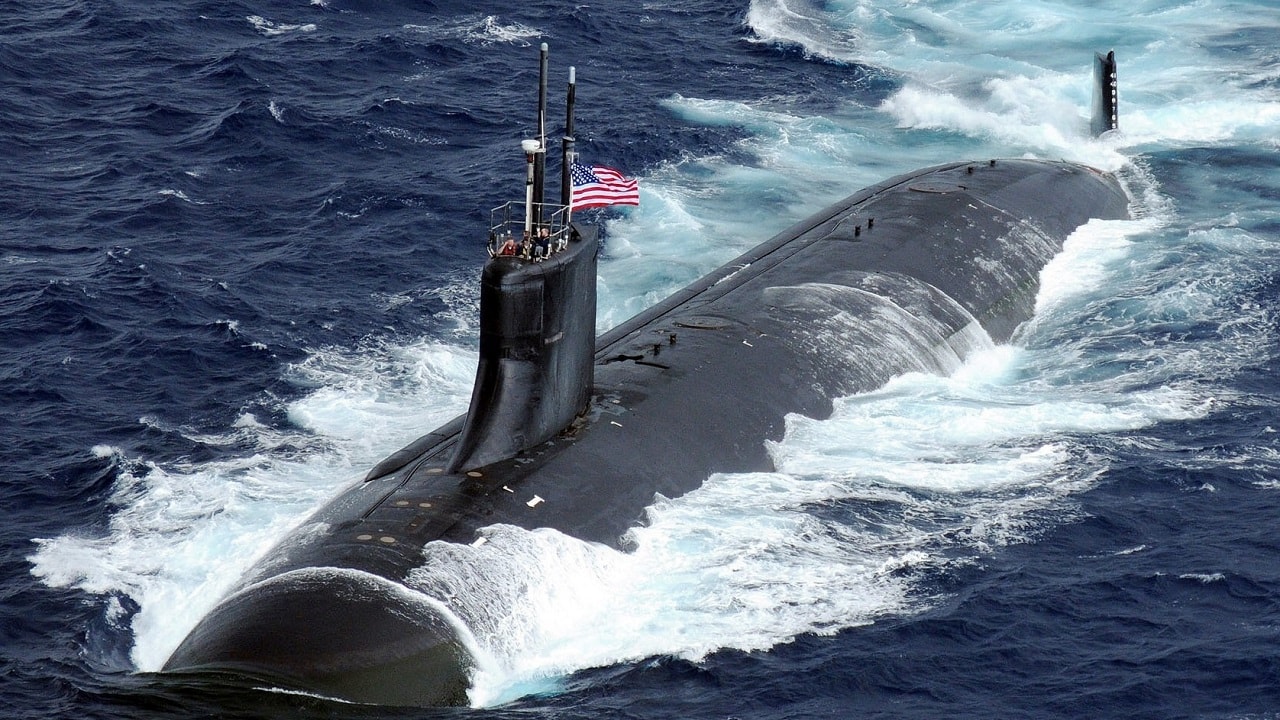
Seawolf-Class Submarine USS Seawolf. Image Credit: Creative Commons.
The Seawolf-Class Sub Is The Most Advanced Sub Ever:
The Seawolf-class nuclear attack submarine was the best submarine in the world by a large margin when it was introduced. The Navy wanted the very best, and they sure got every penny’s worth. The Navy and the designers stuffed every crevice with the very best technology that money could buy. And the price tag showed it.
However, the submarine was in a class all by itself. The hull was designed to withstand deeper dives; it weighed 9,000 tons, could carry 50 torpedoes and cruise missiles, and had an unsurpassed level of stealth.
The boat was about 300 yards long, packed with weapons and technology, and quieter than a church mouse. And then the Soviet Union collapsed in on itself. The 29 subs the Navy wanted were reduced to 12, and then to three.
In another short-sighted move, the Pentagon sliced the program to the bone. The Clinton administration’s “peace dividend” was a mistake that the War Department is still paying for today.
They are fast, stealthy, chock full of weapons and able to dive deeper because of a thicker, stronger hull.
The robust design of the Seawolf class enables these submarines to perform a wide spectrum of crucial military assignments – from underneath the Arctic icepack to littoral regions anywhere in the world.
Their missions include surveillance, intelligence collection, special warfare, cruise missile strike, mine warfare, and anti-submarine and anti-surface ship warfare.
Displacement: 9,137 tons submerged (12,139 tons for the Jimmy Carter). Length: 353 feet (453 feet for the Jimmy Carter). Hull Diameter:40 feet. Draft: 35 feet, Diving Depth: 800+ feet. Weapons: 37 Mark 48 anti-submarine torpedoes, 13 Tomahawk cruise missiles
The ship had a complement of 130 officers and enlisted crew members, and General Dynamics claims that its stealth is so good that it is less detectable at high speed than a Los Angeles-class submarine sitting at pier side.
Honorable Mentions:
Saab’s A-26 Blekinge-class submarine – (Sweden)
Saab has hailed the A-26 as a “fifth-generation,” first-of-its-kind, diesel-electric submarine that puts all the other diesel-electric subs to shame.
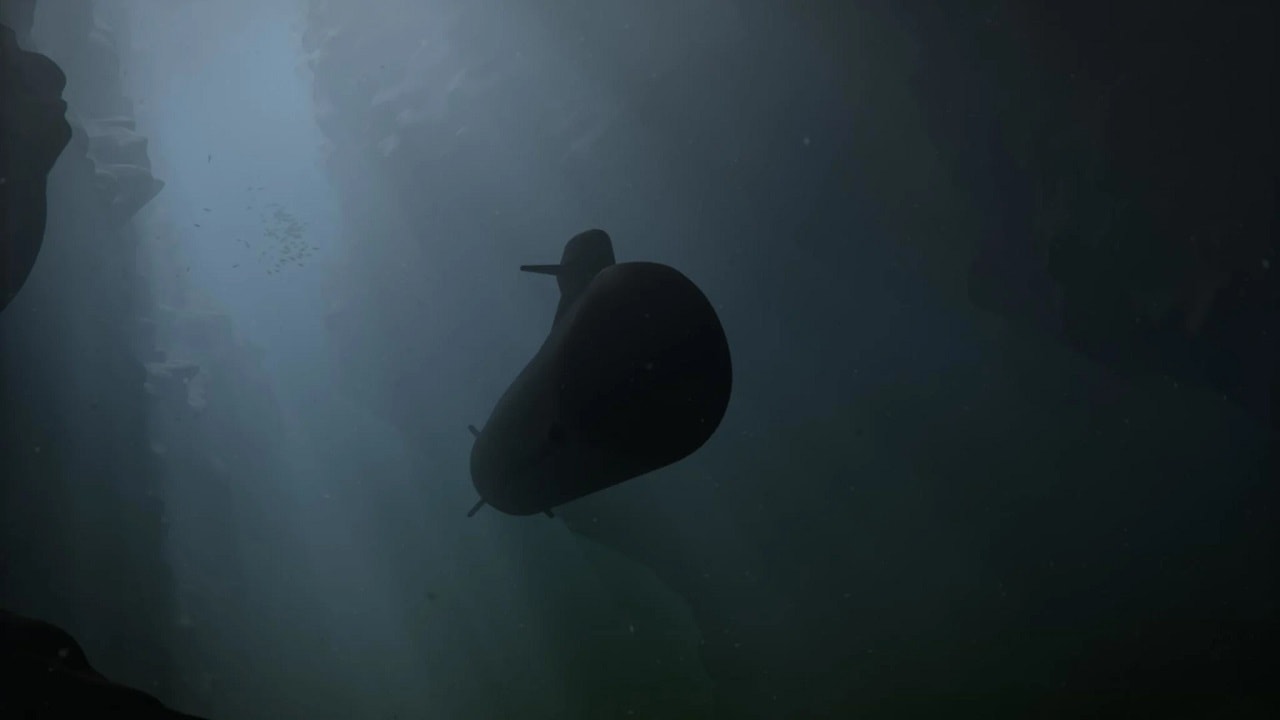
Blekinge-Class. Image Credit: Saab.
Known as the “A26” submarine, Saab bills this new submarine as “meeting the requirements of NATO’s Multi-Domain Operations (MDO).”
Type 095 Tang-Class – (China)
China began the Type 095 program in the early 2010s to replace the Type 093A. At least two hulls were launched between late 2023 and 2025 at Huludao Shipyard. Full operational capability is expected by late 2025 or early 2026.
About the Author: Steve Balestrieri
Steve Balestrieri is a National Security Columnist. He served as a US Army Special Forces NCO and Warrant Officer. In addition to writing on defense, he covers the NFL for PatsFans.com and is a member of the Pro Football Writers of America (PFWA). His work was regularly featured in many military publications.