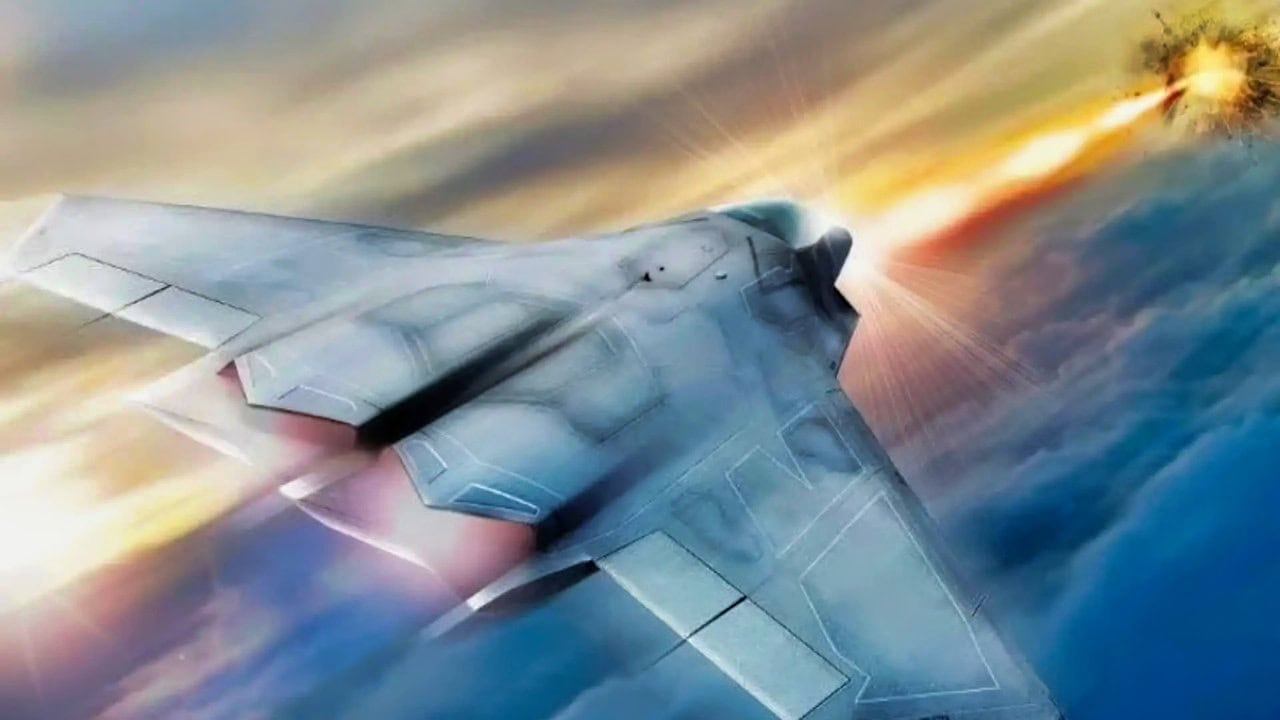
Key Points and Summary – Congress has slashed funding for the Navy’s F/A-XX 6th-generation carrier fighter by 84 percent in the 2026 NDAA, signaling a clear strategic shift toward the Air Force’s land-based F-47 NGAD.
-With just $74 million to keep F/A-XX barely alive, the Pentagon and Trump team are effectively betting that America can’t afford – or industrially support – two full-blown 6th-gen fighter lines.
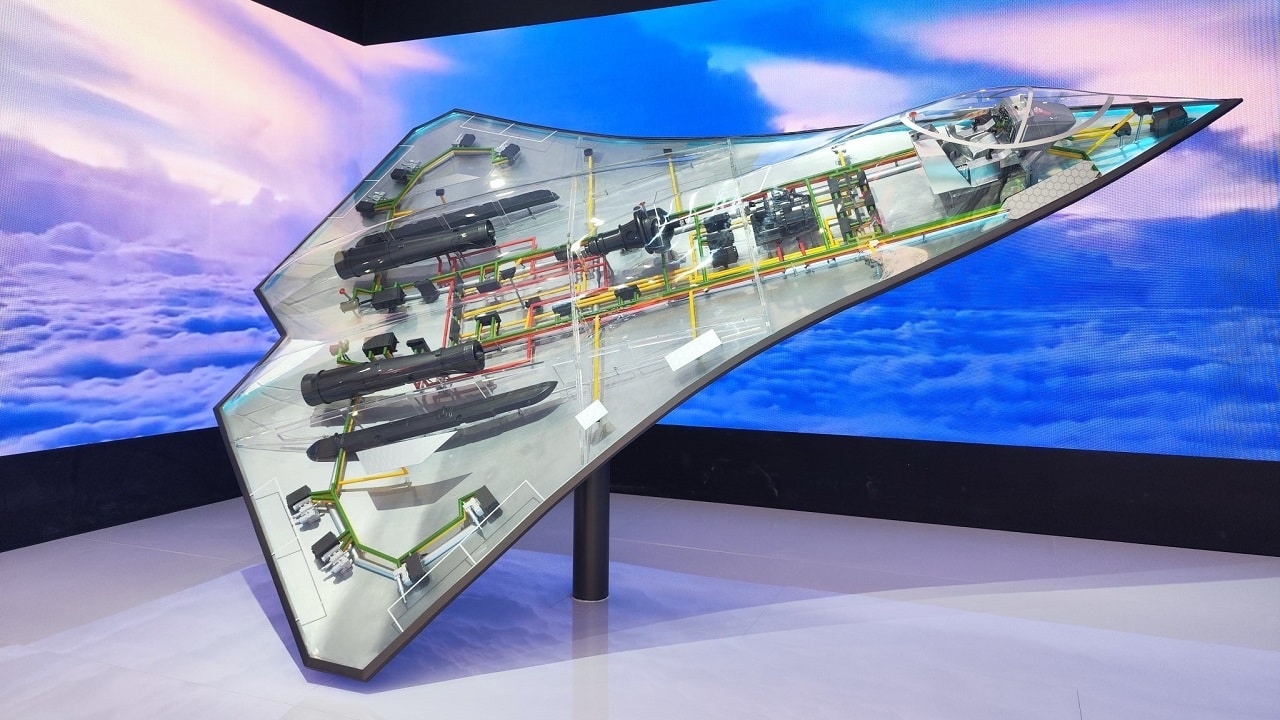
NGAD China 6th-Generation Fighter. Image: Screenshot.
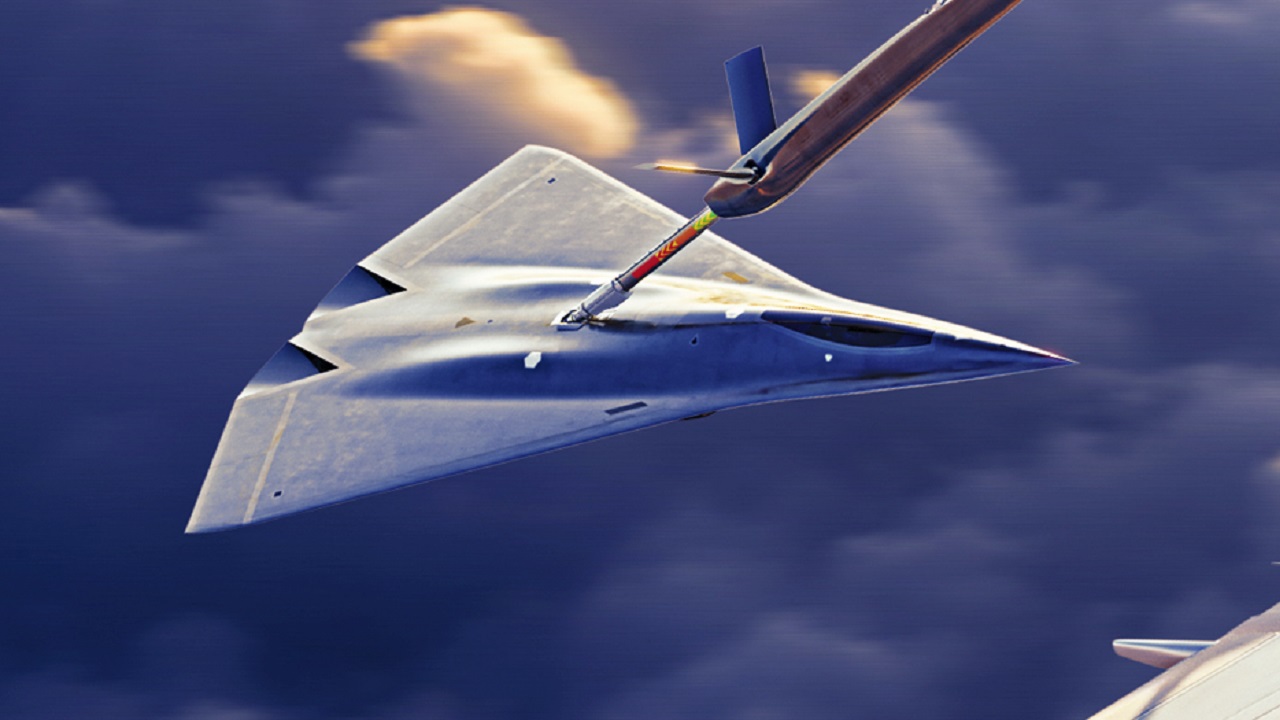
Lockheed Martin NGAD Fighter. Image Credit: Lockheed Martin.
-That may push the Navy toward upgraded F-35Cs or even a navalized F-47, just as China races to field carrier-borne J-35s and rumored 6th-gen designs.
-The risk: U.S. carriers could enter the 2030s without a true 6th-gen answer at sea.
Trump’s Pentagon Goes ‘All In’ on F-47 – Did the Navy Just Lose F/A-XX?
Congress passed the 2026 defense bill with 84 percent less funding for the emerging, highly anticipated F/A-XX carrier-launched 6th-generation stealth fighter, a move indicating a Pentagon and Trump administration focus on accelerated, full-scale production of the land-launched F-47 6th-gen fighter.
The National Defense Authorization Act authorizes $74 million for F/A-XX development, less than one-fourth of the $453 billion approved for the effort in 2025.
“We did make a strategic decision to go all-in on F-47,” a defense official told Flight Global.
The allocation of $74 million will keep the F/A-XX afloat and on life support to some extent as a slow-evolving future possibility.
Yet, the move aligns with recently voiced comments that the Trump administration believes a fully accelerated F/A-XX might detract to some extent from the critical F-47 effort.
Cost & Industrial Base
Indeed, there are always budget considerations, and the F-47 is, of course, likely to be expensive given the fleet size the Pentagon is seeking.
Yet, perhaps there are other concerns related to industrial base capacity. Could the US industrial base support and maintain two separate large-scale 6th-gen stealth fighter production operations simultaneously?
It certainly seems possible, yet it would clearly involve additional funding and possible manufacturing capacity expansion or “flexing” to accommodate the increased demand.
Maritime F-47?
The focus may be purely strategic, meaning the Pentagon chose to prioritize the urgently needed F-47.
Yet another possibility is that the Pentagon and Boeing are planning to explore a maritime variant of the F-47. There certainly is precedent for this, as the F-35 is, of course, manufactured with land and sea-launched variants.
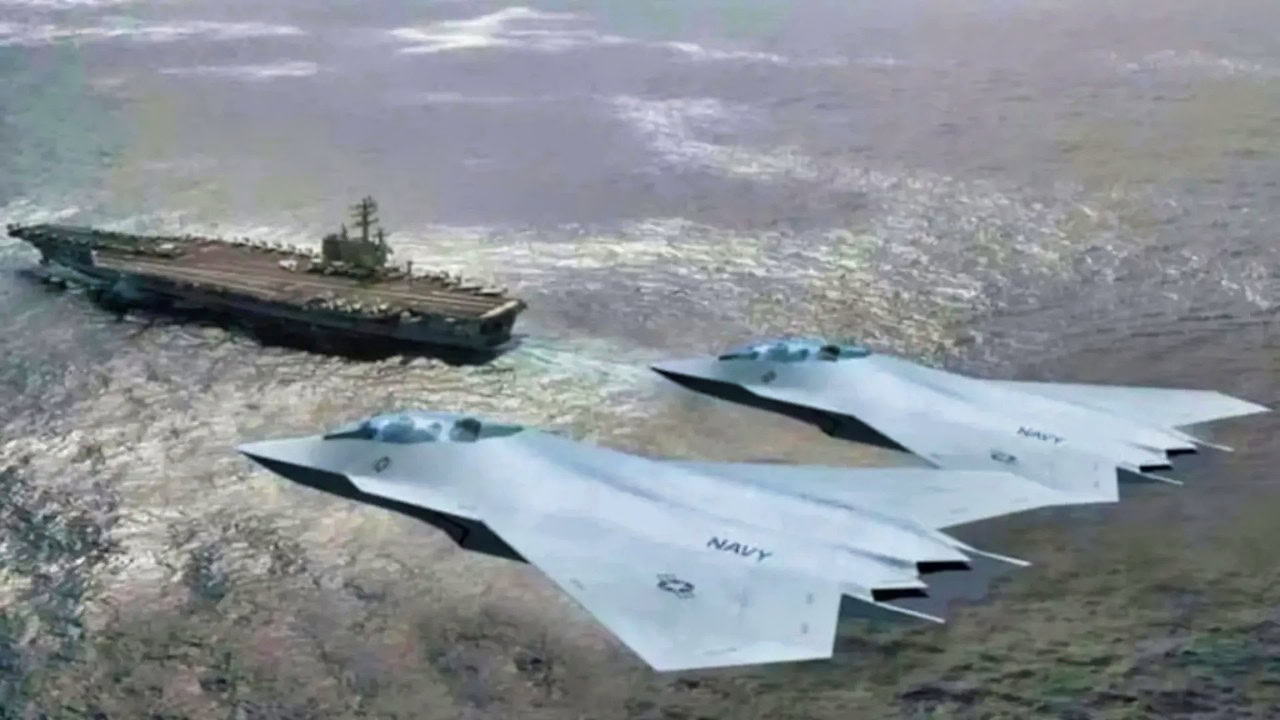
F/A-XX Fighter for US Navy. Navy graphic mockup.
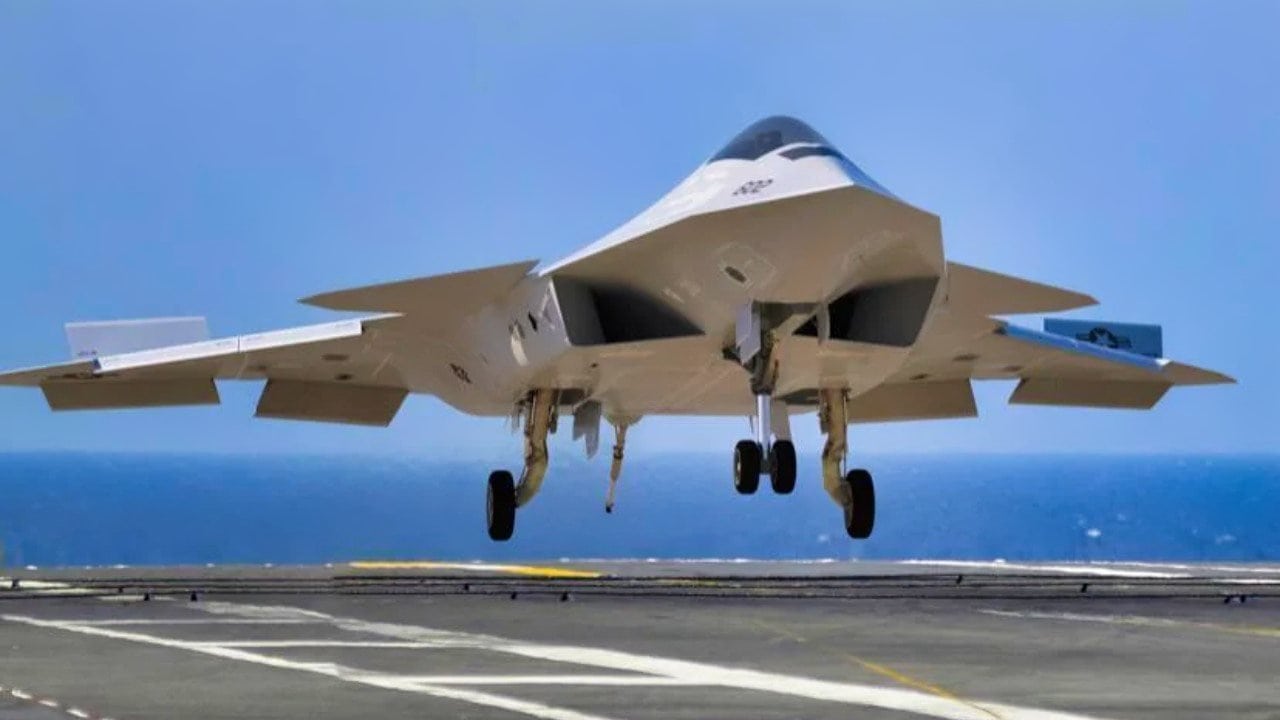
F/A-XX. Image Credit: Creative Commons.
This approach might lock in Boeing as the Pentagon’s primary or “sole” manufacturer of 6th-gen aircraft.
There is a strategic and logistical argument for having different variants of a common airframe, as it can streamline and consolidate maintenance and the supply chain. Commonality of an airframe and many components can help accelerate more efficient production and enable fleet-wide, multi-service upgrades applicable across multiple variants, much like the F-35.
No Navy F/A-XX
Could the Navy survive and thrive long-term with an upgraded F-35C and no F/A-XX? There are several variables to consider with this; however, an upgraded F-35C could potentially encounter range limitations in the Pacific theater.
The F-35C maxes out at a range of 1,300 miles, which can limit its ability to project power without a non-stealthy tanker across vast expanses of the Pacific theater.
Therefore, part of the rationale for an F/A-XX is grounded in the concept of range, and expanding the stand-off range from which carrier-launched stealth fighters can project power across the Pacific.
Chinese Threat
It is possible that a consistently upgraded F-35C could be well positioned to counter the fast-emerging PLA J-35 carrier-launched 5th-gen stealth fighter.
Yet, it also seems entirely realistic that China could engineer a carrier-launched variant of its newly arriving 6th-gen stealth fighters, the J-36 and J-50.
In this scenario, the absence of an F/A-XX would likely put the US Navy at a disadvantage or increase its vulnerability to a Chinese sea-launched attack.
Very little is known about the specs or performance parameters of the PLA J-36 and J-50, yet they appear to offer a stealthy, 6th-gen-like configuration.
Should they operate at sufficient capacity as ocean-launched 6th-gen fighters, these Chinese aircraft could generate an overmatch against the US Navy and serve as the only nation capable of projecting 6th-gen air attack power from the ocean.
About the Author: Kris Osborn
Kris Osborn is the President of Warrior Maven – Center for Military Modernization. Osborn previously served at the Pentagon as a highly qualified expert in the Office of the Assistant Secretary of the Army—Acquisition, Logistics & Technology. Osborn has also worked as an anchor and on-air military specialist at national TV networks. He has appeared as a guest military expert on Fox News, MSNBC, The Military Channel, and The History Channel. He also has a Masters Degree in Comparative Literature from Columbia University.