
Key Points and Summary – The U.S. Navy aircraft carrier USS George Washington is back in Yokosuka, anchoring America’s forward-deployed carrier presence as China expands anti-access/area denial defenses designed to push U.S. strike groups farther from the First Island Chain.
-Beijing’s “Assassin’s Mace” approach—built around anti-ship ballistic and hypersonic missiles—seeks to overwhelm escorts and hold carriers at risk, while the “String of Pearls” widens pressure by enabling Chinese naval reach beyond Asia.
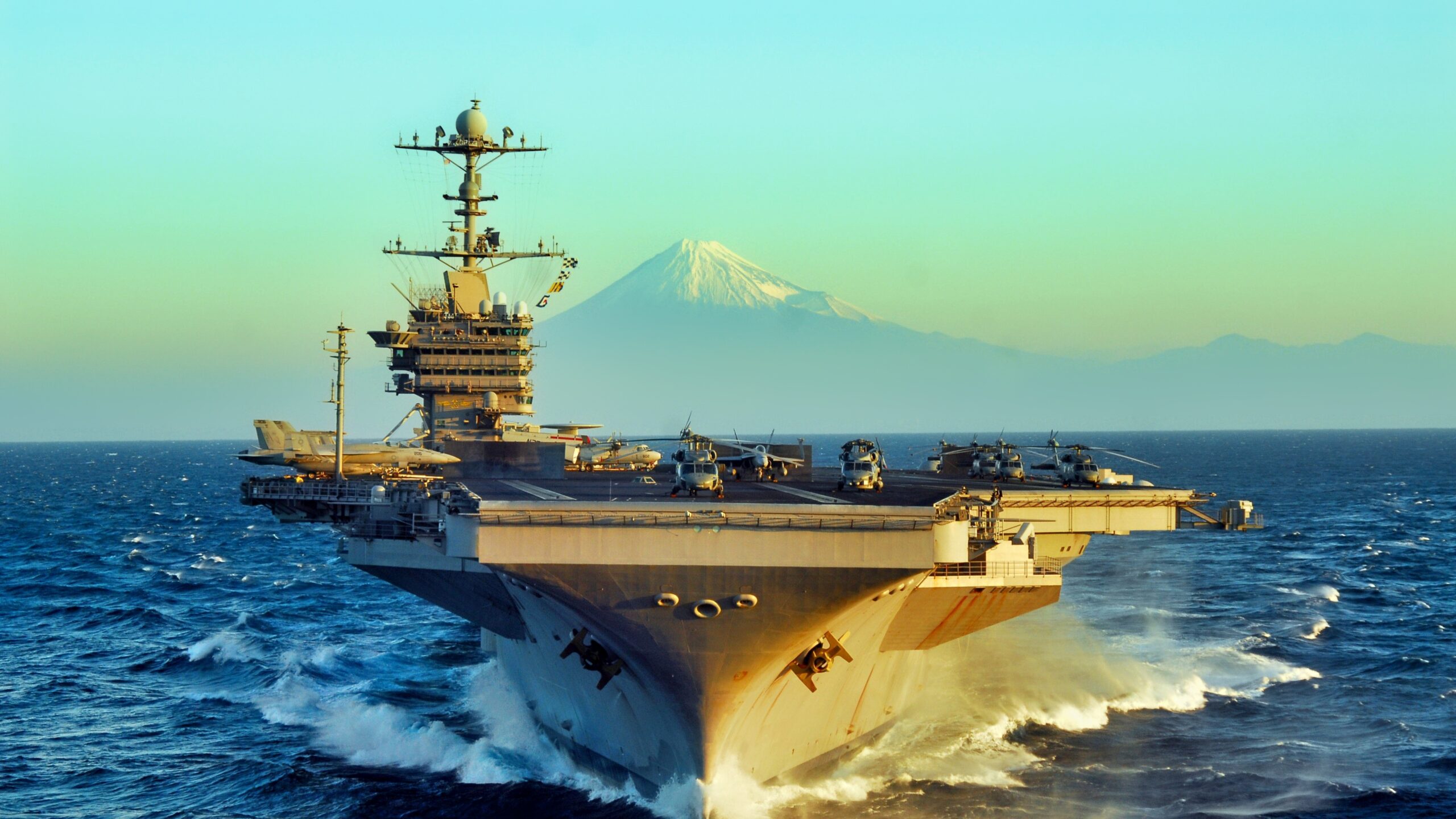
USS George Washington Aircraft Carrier. Image Credit: Creative Commons.
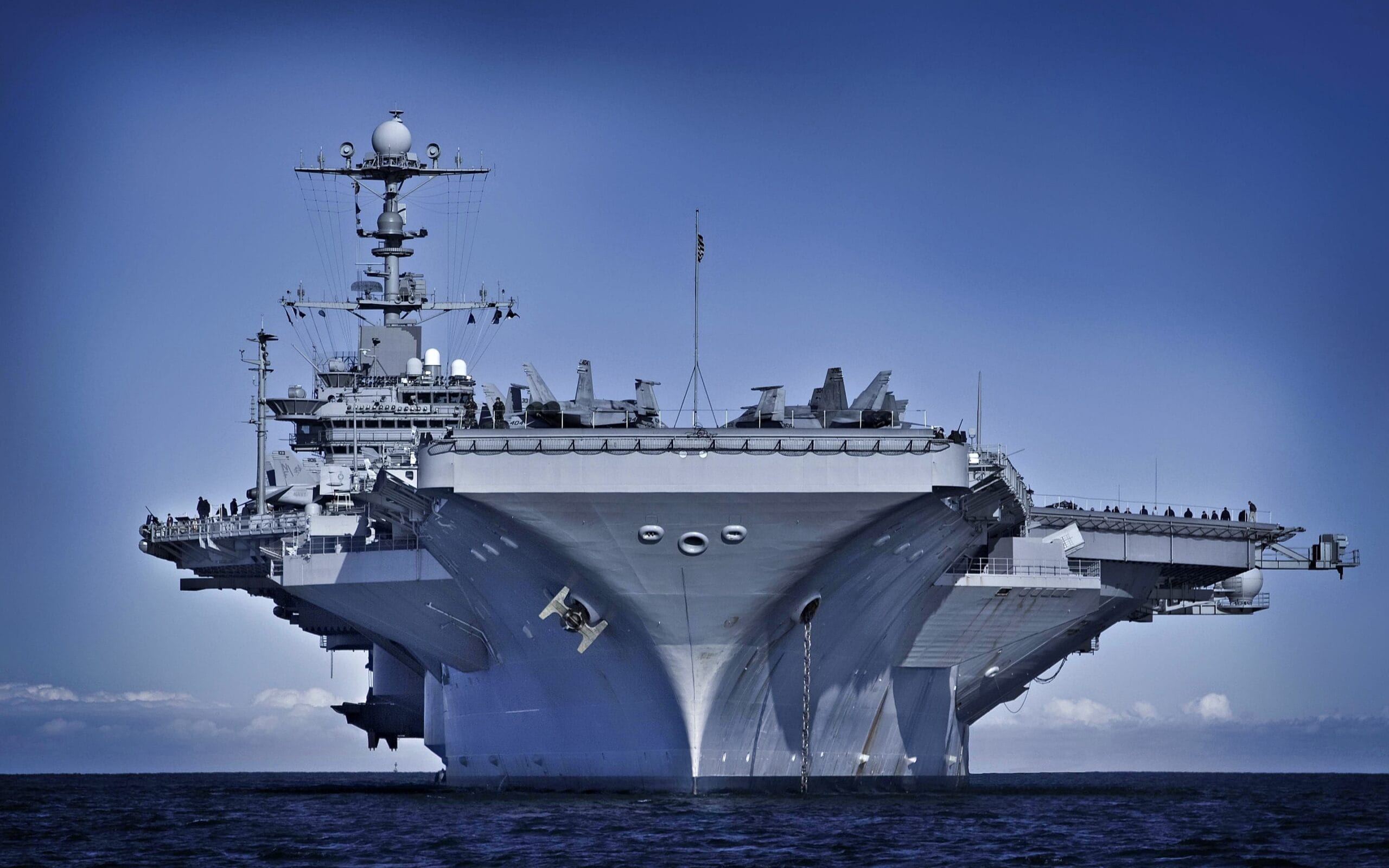
NRL is currently working with Naval Sea Systems Command, Naval Systems Engineering Directorate, Ship Integrity & Performance Engineering (SEA 05P) to transition the new pigment combination into a military specification. The most recent vessel to receive it was USS George Washington (CVN 73).
-The Navy’s counter is layered defense, dispersed operations, and extended air wing range.
-Systems like the MQ-25 tanker could add meaningful reach, letting carrier air power operate from safer standoff distances. The strategic problem remains capacity: one carrier in the region may not be enough.
USS George Washington Has a Message for China’s “No-Go Zones”
The USS George Washington (CVN-73) Nimitz-class aircraft carrier just returned to its homeport in Yokosuka, Japan, after a deployment with the Seventh Fleet. The George Washington, which completed the Talisman Saber 25 naval exercise this summer, is the most forward-deployed U.S. carrier in the Indo-Pacific. It projects power, promotes deterrence, and keeps freedom of navigation open in the East and South China Seas.
Defense Can Be Better Than Offense
China wants to keep the George Washington, as well as other U.S. Navy carriers and their strike groups, out of the region. China’s anti-access/ area denial (A2/AD) strategy is designed to create “no go” zones in parts of the first and second island chains.
Picture aircraft carrier strike groups from both navies as bubbles—A2/AD systems seek to pop the protective screens created by escort ships. This is how the Chinese execute defense all the way up to the key strategic island of Guam, in the second island chain. China believes its defenses in the region are more important than fielding offensive platforms such as carriers.
Chinese ‘Assassin’ Strategy Wields Dangerous Weapons
China also employs an asymmetric strategy called “Assassin’s Mace.”
Picture David and Goliath, with the weapons being the projectiles in David’s sling. This is where the anti-ship carrier-killing missiles come in—projectiles such as the DF-17, DF-21D, and DF-26.
Recently, hypersonic missiles, such as the YJ-17, YJ-19, YJ-20, and YJ-21, have been added to the mix, and they can achieve air speeds faster than Mach 5.
China is so far ahead in the development of hypersonic missiles that even if it stopped producing them today, it would maintain a lasting advantage against the U.S. Navy.
It is important that assets such as the George Washington remain stationed in the first island chain—therefore, China’s defensive strategies are a problem. One way carriers could counter China’s A2/AD systems is to use the new MQ-25 Stingray drone tanker.
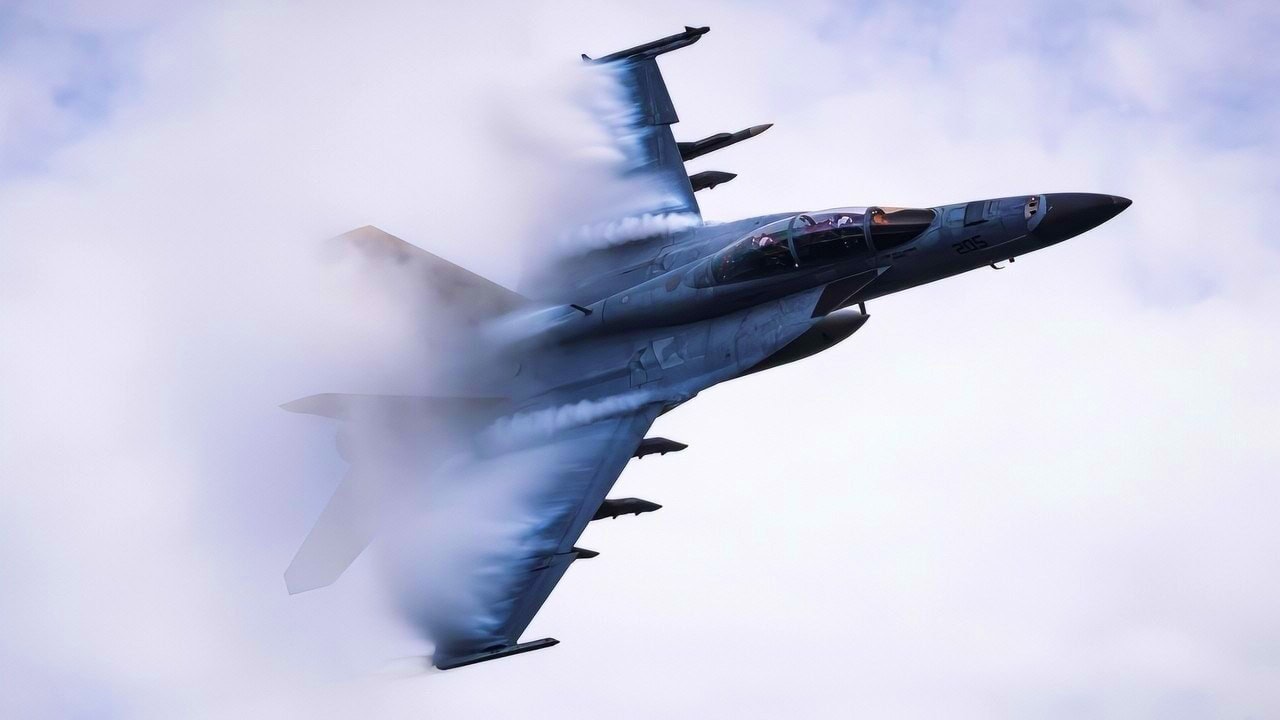
This unmanned aircraft can refuel fighter jets such as the F/A-18E/F Super Hornet and the F-35C Lightning II—and hopefully someday the F/A-XX sixth-generation ultra-stealth fighter. By refueling these aircraft midair, the MQ-25 Stingray can extend their range by 500 nautical miles, meaning the George Washington CSG could operate farther away from Chinese missiles.
The Days of Two American Carriers in the Taiwan Strait Are Over
In 1996, President Bill Clinton sent two carriers to the Strait of Taiwan to intimidate China and protect Taiwan. The gambit worked, but the Chinese learned vowed to never let it happen again.
Getting Scorched by a ‘Sunburn’
China began work on an anti-ship missile called the Sunburn and deployed it by 2003. This was the beginning of the Assassin’s Mace approach, and U.S. Navy admirals suddenly had reason to worry. Could the Chinese take out an American carrier? This also marked the beginning of A2/AD—there were now some areas of East Asia that were just plain dangerous.
What Is the String of Pearls
To keep the United States tied up in other regions, the Chinese also introduced a strategy called the “String of Pearls.” The idea is to create a global network of logistical naval bases that could help China maintain a blue water navy and allow for long-range deployments. The best example is the Port of Gwadar in Pakistan, where China poured billions of dollars to develop a dual civilian-military installation.
Meanwhile, China’s air base in Djibouti, in the Horn of Africa, can serve large ships for replenishment and maintenance. This means Chinese carriers can deploy to the Middle East, requiring U.S. carrier operations in the Central Command area of responsibility. China will likely have a naval base in Central or West Africa eventually that would allow Chinese aircraft carriers to transit the Atlantic Ocean.
Any U.S. carriers deployed to CENTCOM are aircraft carriers that could otherwise be in the East and South China Seas to partner with the George Washington. This three-pronged Chinese naval strategy works well—and it will only get better.
There Is Anti-Missile Protection and an Aircraft Carrier Can Take a Punch
U.S. carriers have a strong defense. The Aegis Combat System provides a protective arc around the carrier, controlling surface-to-air interceptors such as the SM-3. The Aegis was effective against the Houthis in Yemen, who fired anti-ship missiles and drones at two carrier strike groups. Fortunately, no enemy missile or drone hit a Navy ship.
We also know that a U.S. carrier can take multiple hits before sinking. In 2005, the Navy conducted a SINKEX against the decommissioned USS America—purposefully trying to destroy it to study how well it could survive in warfare. The America lasted for four weeks undergoing multiple kinds of hits. The results informed the design of the Gerald R. Ford-class.
If a U.S. carrier were sunk in battle, it would shock the world—it could leave the United States paralyzed against the Chinese. The USS George Washington could be that casualty. The Americans need a forward-deployed carrier ready to act against potential Chinese aggression, but the Navy really requires two carrier strike groups in East Asia. With global hot spots around the world, and carriers’ need for maintenance, there are not just enough to go around.
The Chinese have only three functioning aircraft carriers, but they still have a strategic advantage on defense thanks to their well developed A2/AD, Assassin’s Mace, and String of Pearls strategies.
About the Author: Brent M. Eastwood
Author of now over 3,000 articles on defense issues, Brent M. Eastwood, PhD is the author of Don’t Turn Your Back On the World: a Conservative Foreign Policy and Humans, Machines, and Data: Future Trends in Warfare plus two other books. Brent was the founder and CEO of a tech firm that predicted world events using artificial intelligence. He served as a legislative fellow for US Senator Tim Scott and advised the senator on defense and foreign policy issues. He has taught at American University, George Washington University, and George Mason University. Brent is a former US Army Infantry officer. He can be followed on X @BMEastwood.