
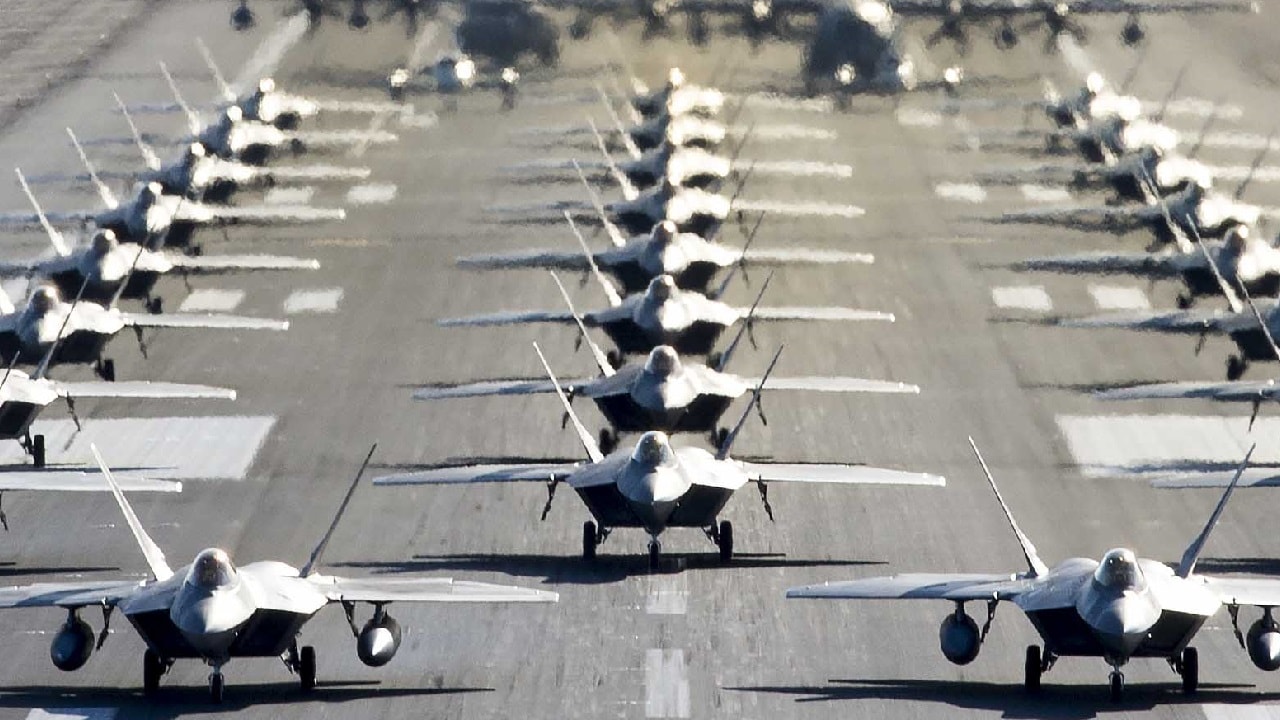
Key Points and Summary – Even after a series of ceasefires and diplomatic “wins” under President Donald Trump, the global map is still littered with flashpoints that could pull the United States into war in 2026.
-Dr. Brent Eastwood walks through five of the most worrying scenarios: a Chinese move on Taiwan, renewed confrontation with Russia over Ukraine’s security guarantees, potential U.S. strikes on Venezuela or Iran, and a sudden North Korean attack on the South.
-Each theater carries its own triggers, escalation risks, and treaty obligations — and together they show how fragile Washington’s current calm really is. His argument is simple: deterrence, alliances, and readiness will decide whether 2026 stays cold or turns hot.
Five Places Where the United States Could Engage in War
While some felt the geopolitical environment was approaching a World War III-like danger zone under President Joe Biden, things have somewhat cooled off under President Donald Trump, thanks to the current Commander-in-Chief’s ability to make deals, which have led to a number of peace breakthroughs, agreements to mitigate war, and ceasefires.
But war always seems to be rearing its ugly head, and it could involve the United States in a shooting conflict in 2026.
Here are the most likely places where war could spark up and force the Americans to order boots on the ground or military strikes that could create the same types of endless wars the Americans were goaded into during the Global War on Terror.
China Is the Number One Threat
The most obvious place to look for future conflict is in East Asia. China is a belligerent rising power that often says or does antagonistic things to frustrate the Americans. China’s designs on Taiwan always have the potential to create an amphibious attack against the island.
It is not clear how the United States would respond to a Chinese invasion of Taiwan. The White House’s new National Security Strategy supports the status quo vis-à-vis the China-Taiwan question. And it is not clear from the strategic document whether Trump would order an intervention, but it is plausible that war over Chinese attempts to take Taiwan is always possible.
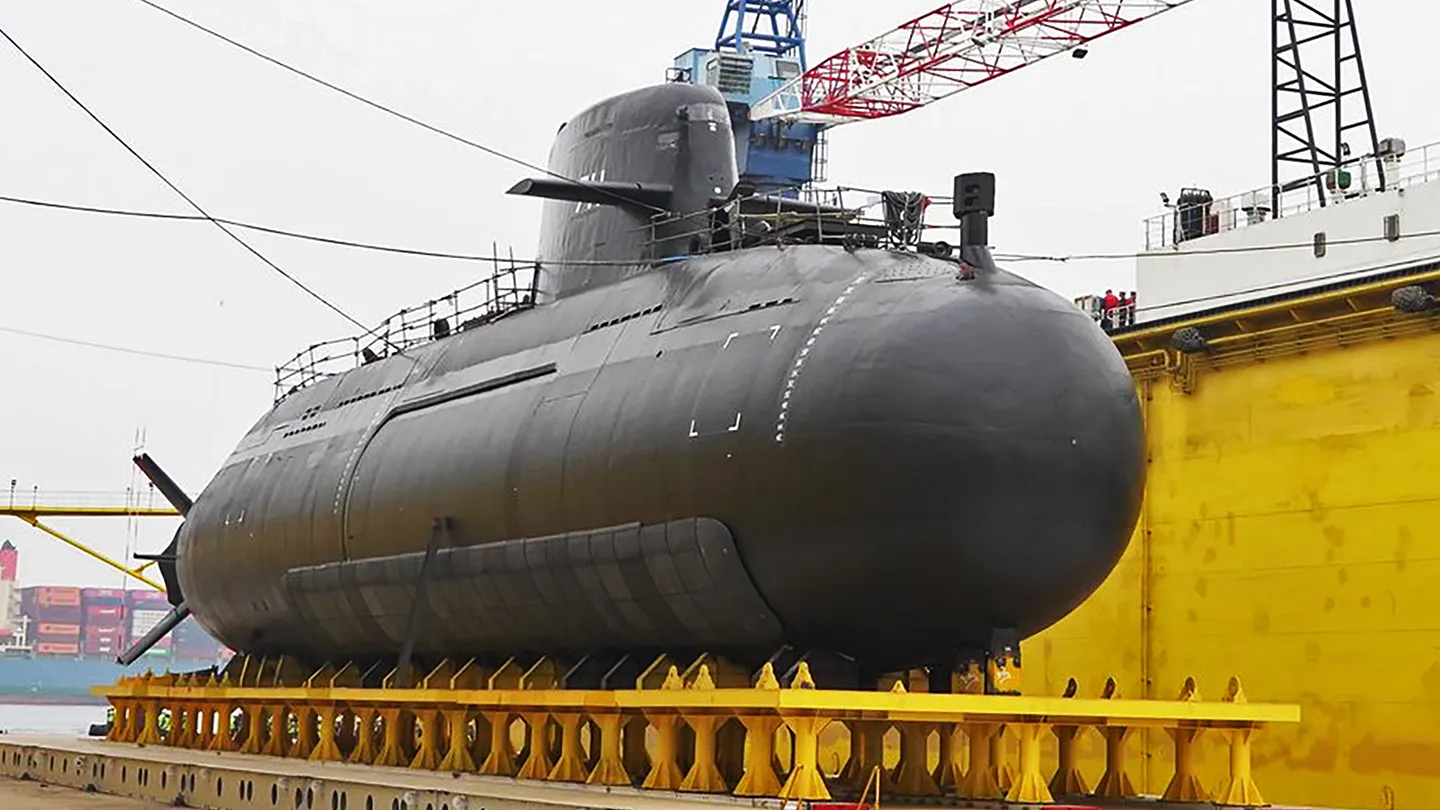
Hai Kun-Class Submarine. Image Credit: Taiwan Government.
China could also order a blockade or quarantine to starve the Taiwanese, freezing the export of semiconductors from the island to customers around the world – advanced chips that power the modern economies of many countries. The United States would have to quickly figure out how to respond.
Russia Could Require an American Military Response
Another region that has been a hot spot for years is Russia. The nearly four-year-long Russo-Ukraine war has seen hundreds of millions of dollars in US donations to Ukraine to fight back against Vladimir Putin’s hordes. A ceasefire and peace plan between the warring sides is possible in the next few weeks.
Still, it appears that in exchange for Russia and Ukraine to stop fighting, the United States would have to guarantee future NATO-like security needs for Ukraine if Russia would attack again. This would mean the Americans would have to order some type of military strikes or boots on the ground in a demilitarized zone between Russia and Ukraine if Putin orders another incursion into Ukraine. War could always be a possibility against Russia in the future.
The Potential of US Military Action Against Venezuela
The United States’ neo-Monroe Doctrine in the Western Hemisphere may create a conflict. The US Navy has the USS Gerald R. Ford strike group in the Caribbean to intimidate Venezuela, along with amphibious assault ships filled with Marines. The old US Navy Roosevelt Roads base in Puerto Rico is humming with US activity. Air Force and Naval jets have been flying in the vicinity of Venezuela.
Trump sees Venezuela as a narco-terrorist state with an illegitimate government led by Nicolas Maduro, a communist and criminal who is working to poison the American people with illegal narcotics. The United States has destroyed numerous Venezuelan drug boats.
It is not clear if Trump wants to order a kinetic strike against Caracas, but he certainly has the military assets in place to do so. While an amphibious landing is not likely from the Marine Corps, there could definitely be air strikes against Venezuelan military targets that could trigger the War Powers Resolution and Congressional fury at a potential open-ended conflict in the South American country.
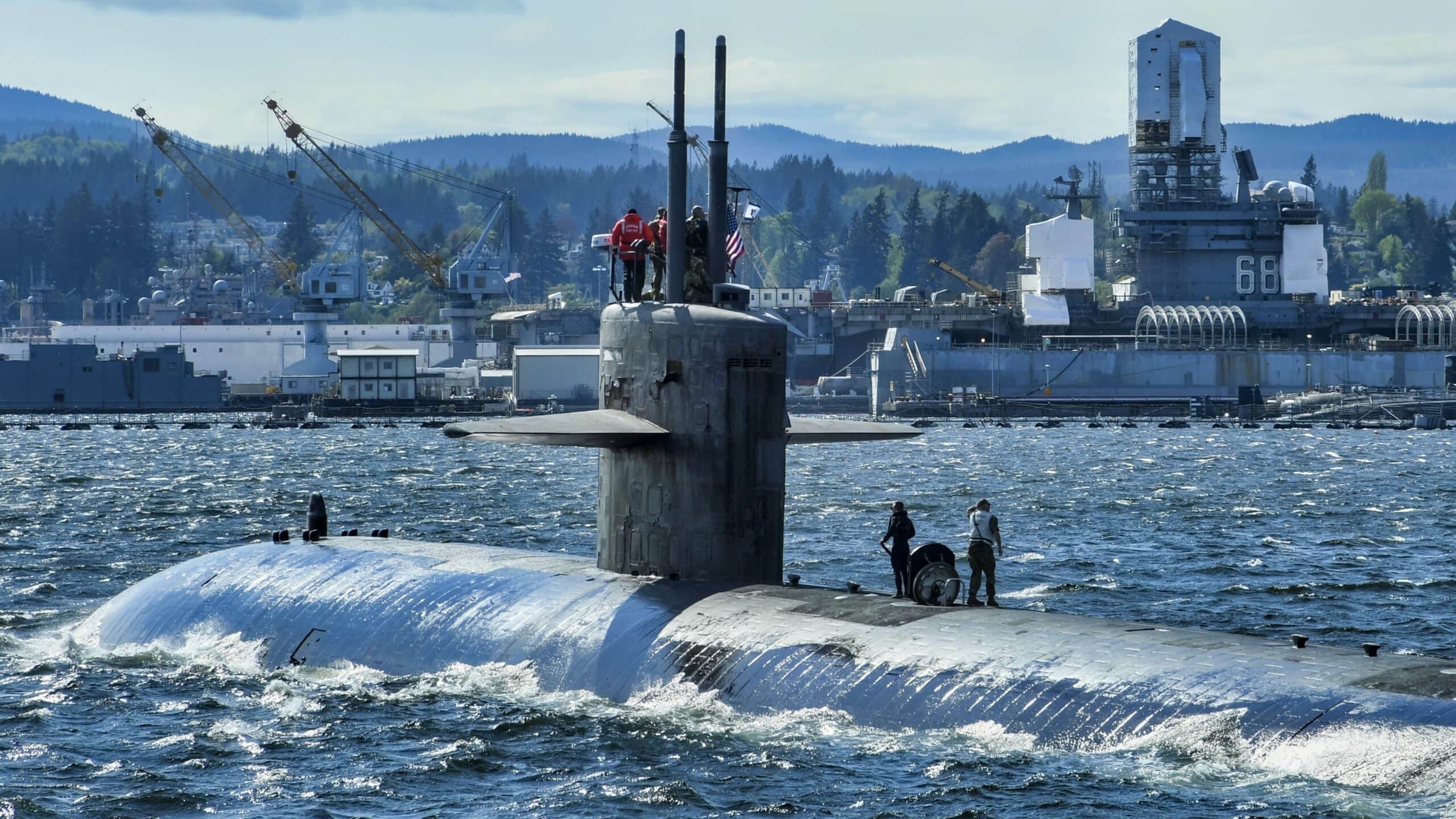
U.S. Navy SSN Submarine. Image Credit: Creative Commons.
Iran Could Be Taught Another Lesson
The next hot spot for air strikes against an adversarial country is Iran. While the US attack in June against Iranian nuclear infrastructure was successful during Operation Midnight Hammer, there could be follow-on strikes if US intelligence determines that the Iranians are still enriching uranium or conducting other activity to achieve a nuclear weapon.
Iranian Supreme Leader Ayatollah Ali Khamenei has remained defiant and has no plans to work with the United States in any type of “nuclear deal” to trade his weapons of mass destruction technology for sanctions relief.
Iran is no pushover. There could be cyber warfare from Tehran, a terrorist attack against the United States, or the Iranians could convince their allies, like the Yemeni Houthis, to resume attacks against civilian and military shipping in the Red Sea or the Gulf of Aden. If those actions come to bear, Trump could order another strike against Iran.
The North Koreans Could Invade the South, Creating a US Response
Finally, the North Koreans could always attack South Korea, and the United States would be treaty-bound also to fight the DPRK. This invasion could happen quickly, and US forces would need to respond rapidly to keep the North Koreans from taking Seoul.
While this is the least likely scenario, do not put it past Kim Jong Un to take such a desperate action that could involve the United States in a war that would be immensely bloody.
Hopefully, cooler heads would prevail on the Korean Peninsula, and Trump could meet with Kim next year after a planned April summit with China’s Xi Jinping. The US House of Representatives has included a provision in the latest National Defense Authorization Act that prevents any reduction in US troops in South Korea without Congressional approval.
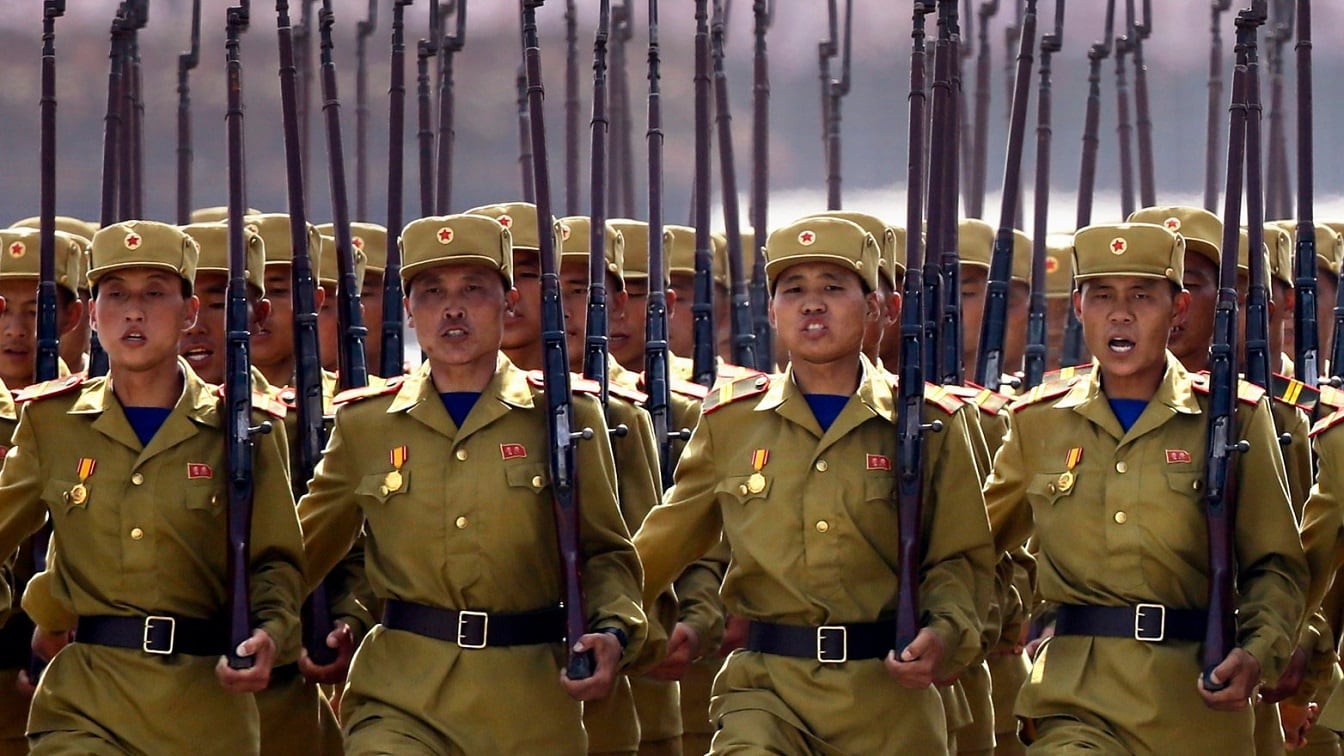
North Korean Military. Image Credit: Creative Commons.
Kim could argue that the Americans are still interested in invading the North, as he has claimed for years. This region needs much more personal attention from the Trump administration to cool tempers.
What Happens Now?
As you can see, the world is a tinder box. It will require numerous aircraft carriers, forward-deployed soldiers and Marines, and a huge defense budget to deter enemies and prevent contingencies from sparking another US war or some form of shooting conflict.
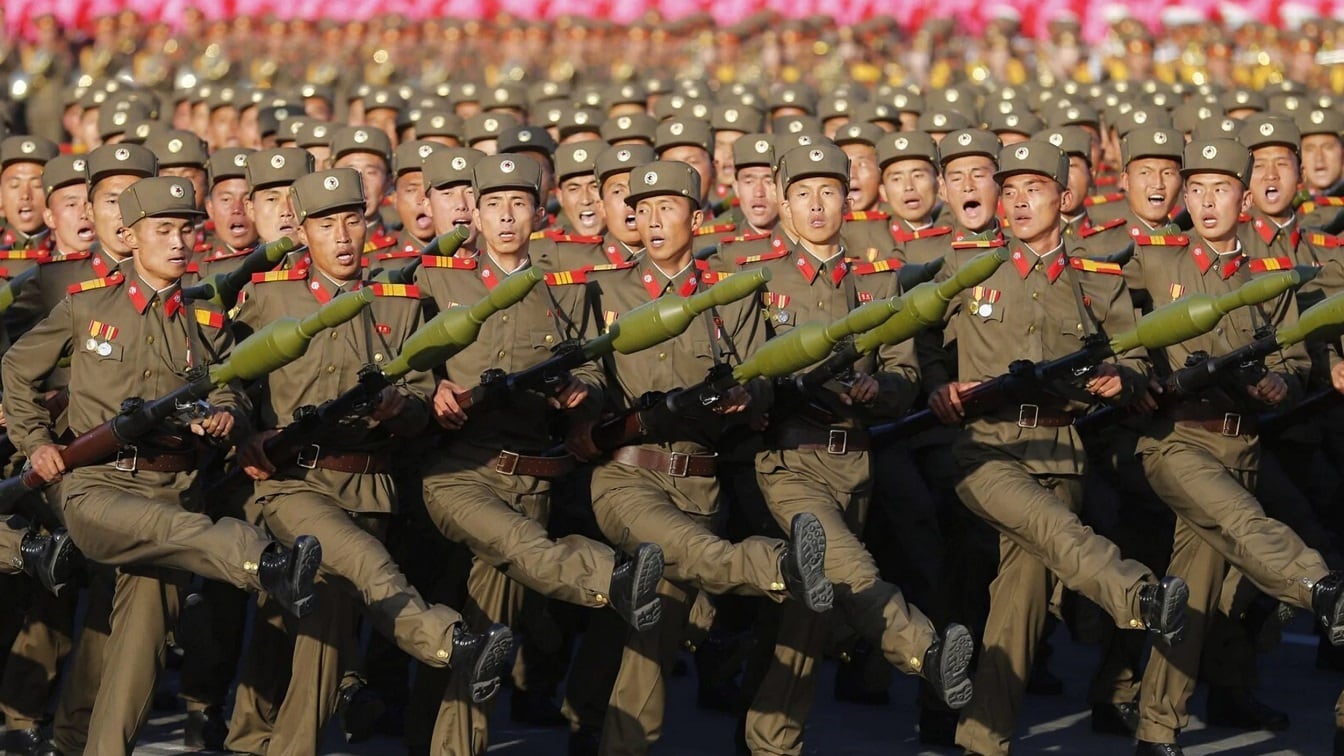
North Korean Special-Operations Forces. Image Credit: Creative Commons.
Trump’s National Security Strategy claims that the Americans will not violate any country’s sovereignty, but that proviso may not prevent some attack that could spark a hot war. Let’s hope Trump can navigate the threats and keep the peace in 2026.
About the Author: Brent M. Eastwood
Author of now over 3,000 articles on defense issues, Brent M. Eastwood, PhD is the author of Don’t Turn Your Back On the World: a Conservative Foreign Policy and Humans, Machines, and Data: Future Trends in Warfare plus two other books. Brent was the founder and CEO of a tech firm that predicted world events using artificial intelligence. He served as a legislative fellow for US Senator Tim Scott and advised the senator on defense and foreign policy issues. He has taught at American University, George Washington University, and George Mason University. Brent is a former US Army Infantry officer. He can be followed on X @BMEastwood.