
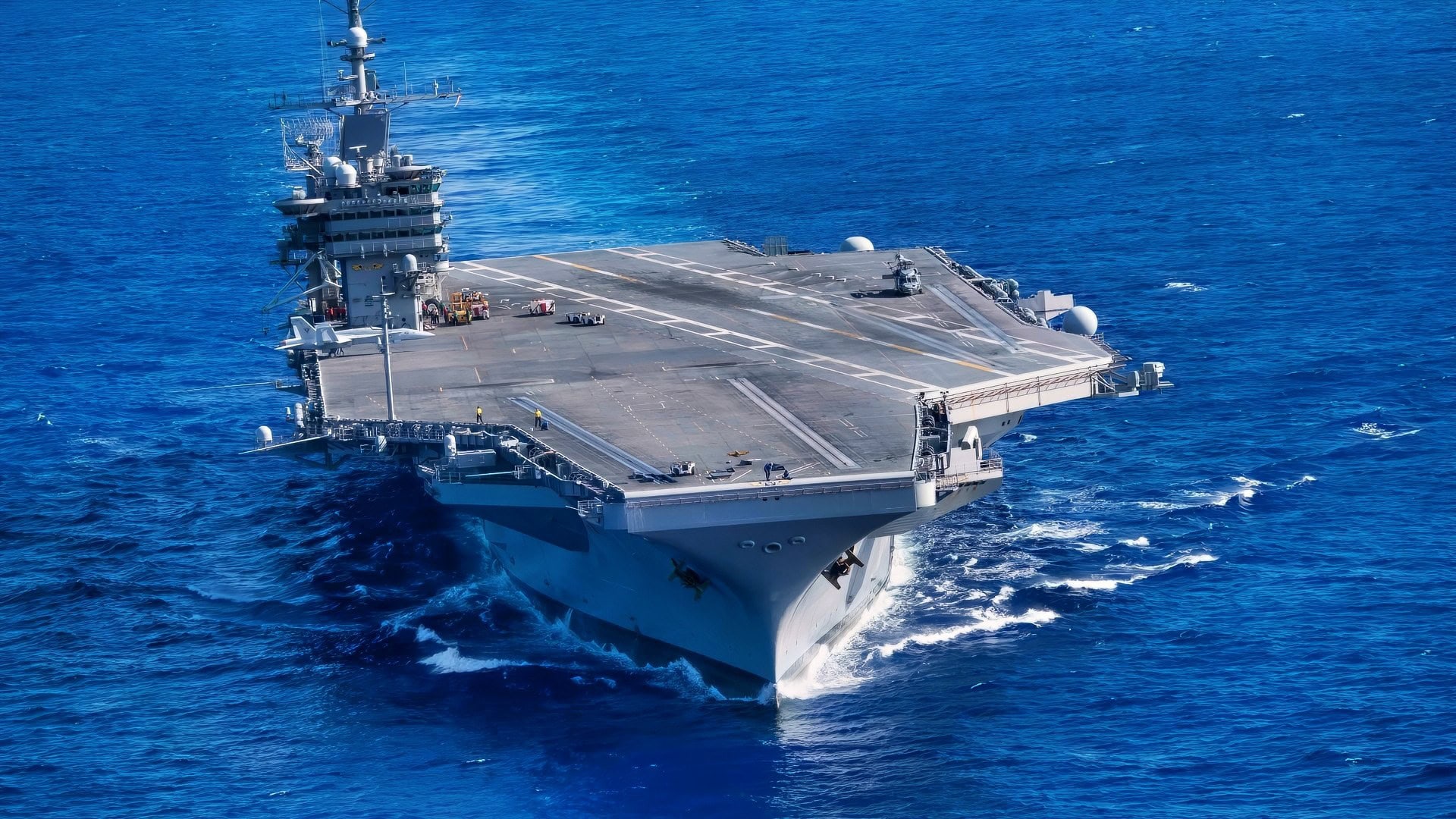
A $100 Million Sub Vs. A Supercarrier: Gotland’s Mock Kills And The New Undersea Arms Race
When a relatively inexpensive diesel-powered submarine once outplayed a U.S. supercarrier in training decades ago, it was hard for the world’s navies not to take notice. That incident – where Sweden’s small HMS Gotland repeatedly sneaked into firing positions against USS Ronald Reagan during exercises – proved that undersea stealth is a strategic game changer.
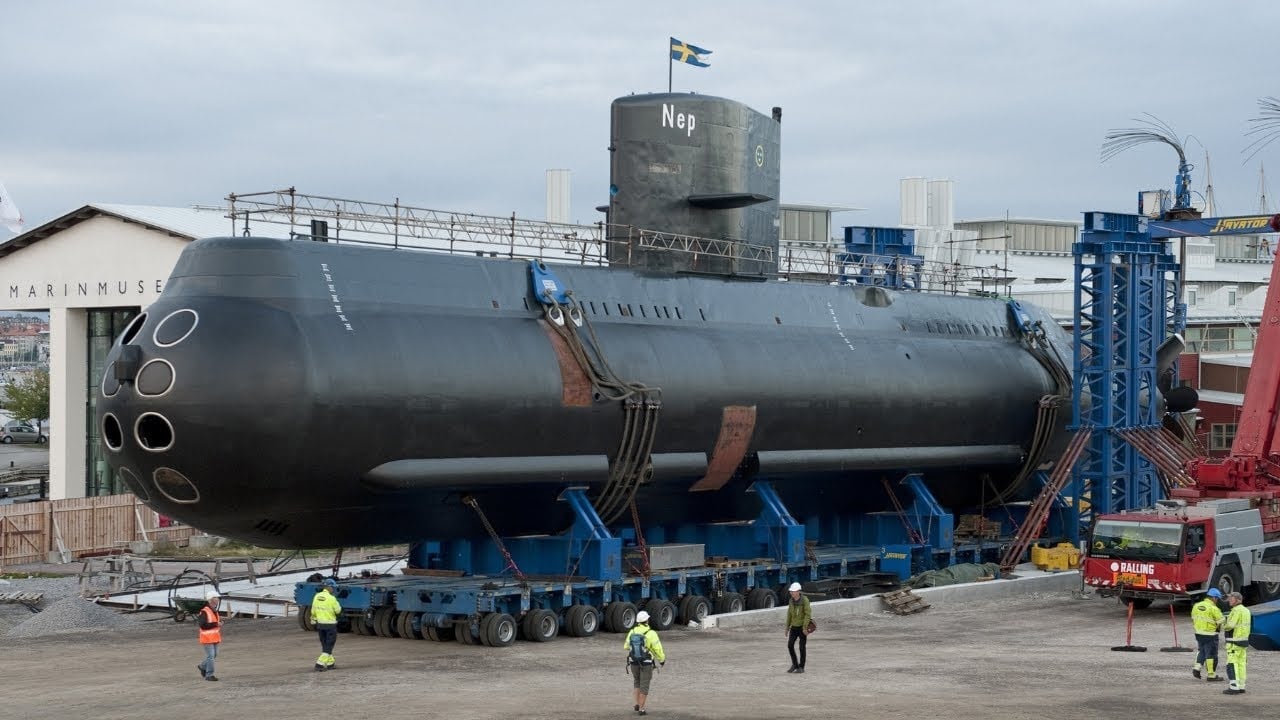
Gotland-class submarine. Image Credit: Creative Commons.
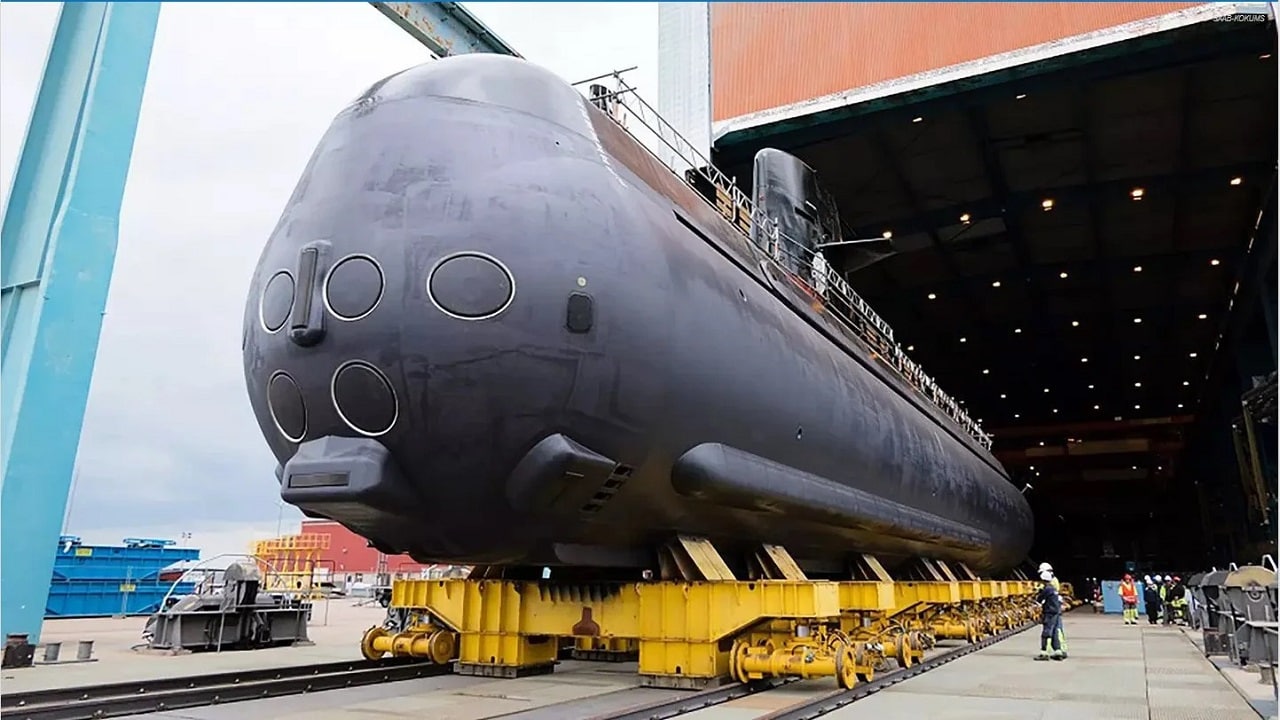
Gotland-Class. Image Credit: Creative Commons.
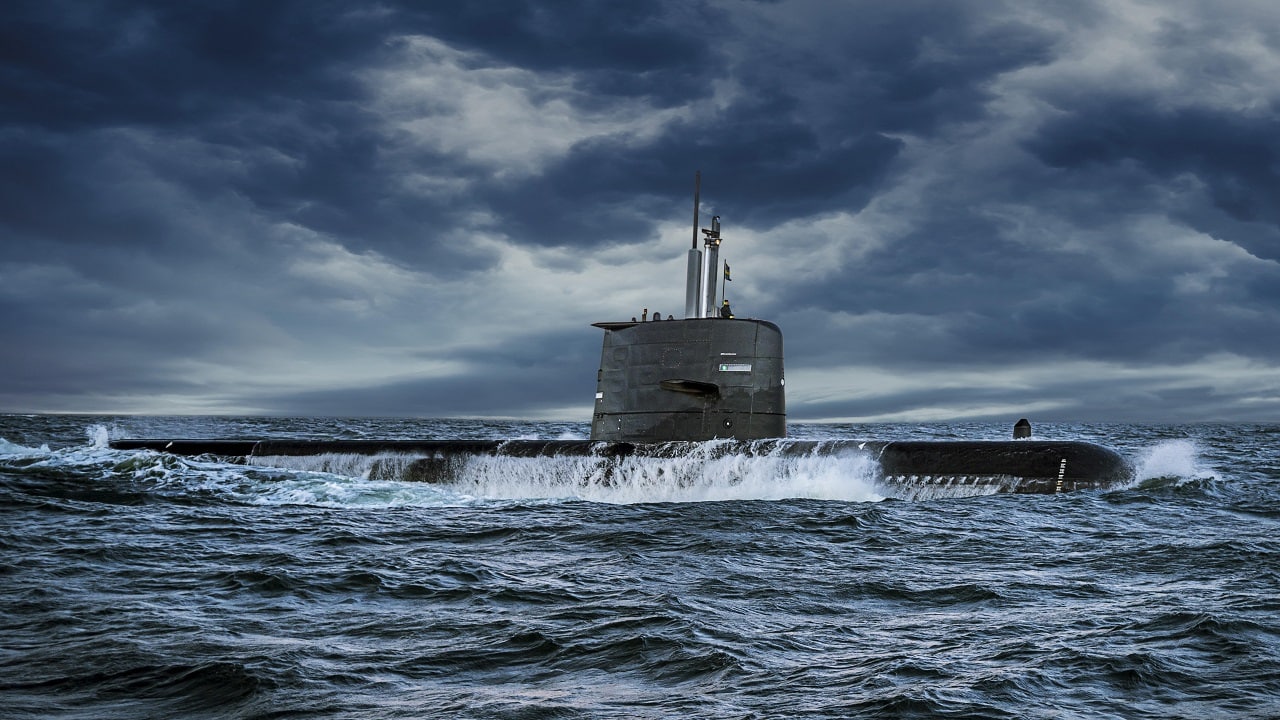
Gotland-Class: Image Credit – Sweden.
Today, the value of quiet submarines and advanced anti-submarine defenses is clear again. Across the world, nations are building new undersea platforms, and Western militaries are investing in cutting-edge sensor networks.
The Gotland Incident and What We Learned
In 2005, a Swedish submarine equipped with air-independent propulsion (AIP) – a technology that lets a diesel-powered sub stay submerged for long periods without surfacing – demonstrated just how hard these boats are to detect.
In exercises off the U.S. West Coast, Gotland slipped through defense networks multiple times and achieved multiple “mock kills” on a U.S. carrier strike group. That prompted a reconsideration within the U.S. Navy and allied forces of training and sensors. The basic lesson was straightforward: even the most powerful surface fleet can be vulnerable to a small but stealthy submarine if it isn’t prepared.
Navies that had focused heavily on air and land warfare recognized that their anti-submarine warfare (ASW) capabilities needed improvement.
Why Silent Subs Are Still Strategic Assets
Submarines matter because they can operate largely unseen and strike at targets from under the ocean.
Diesel-electric boats that use AIP can run submerged quietly for days, making them hard to locate with traditional sonar – the underwater “radar” navies use to track them. In recent years, several countries have invested heavily in this type of submarine, not just as coastal defenders but as regional deterrents and asymmetric solutions to counter larger fleets.
A case in point is Pakistan’s ongoing expansion of its undersea fleet. On December 17, 2025, the Pakistan Navy launched its fourth Hangor-class submarine, named PNS Ghazi, at a Chinese shipyard in Wuhan under a long-term purchase and construction program with China.
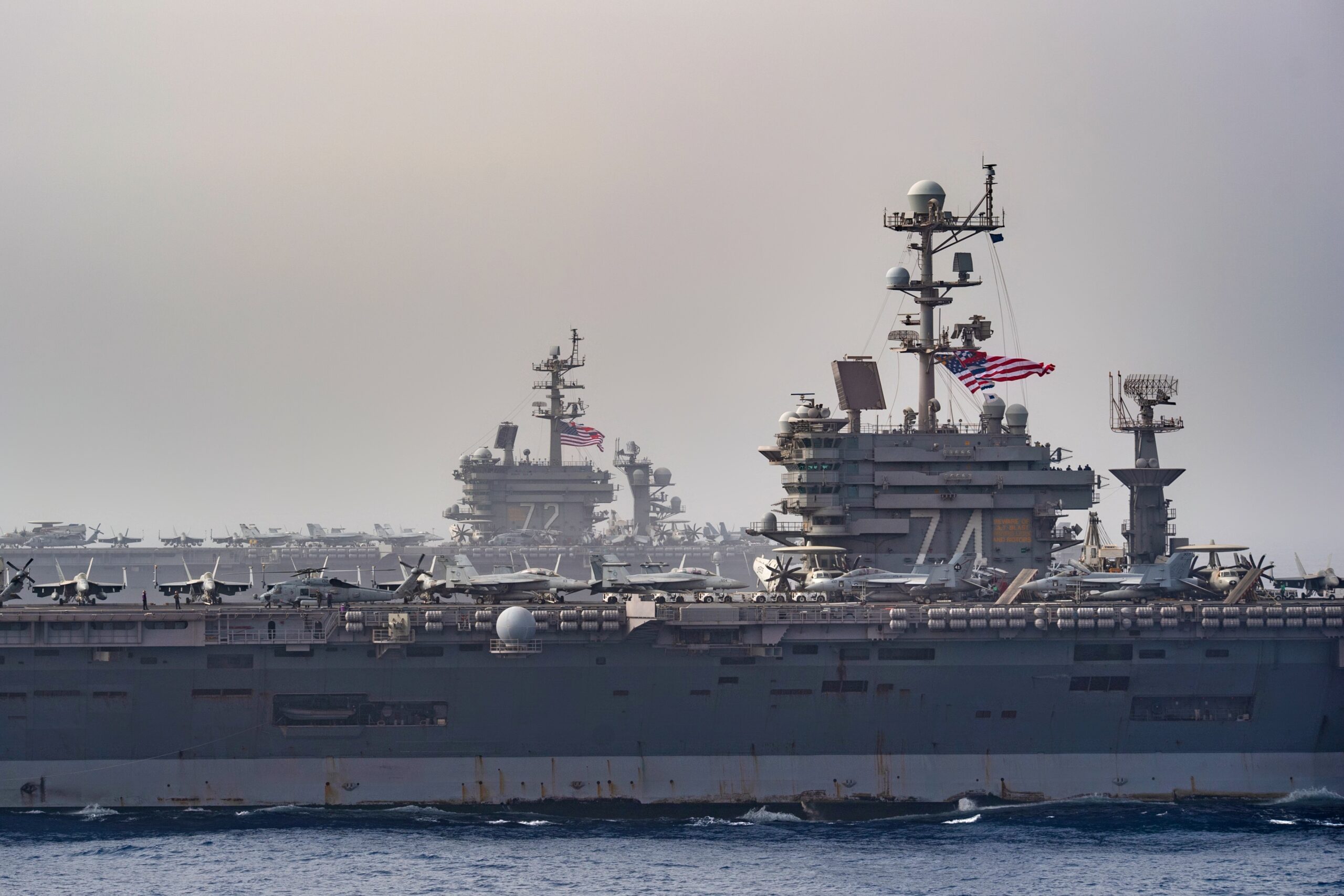
The aircraft carrier USS John C. Stennis (CVN 74) steams alongside the aircraft carrier USS Abraham Lincoln (CVN 72), background, in the Mediterranean Sea, April 24, 2019. The John C. Stennis Carrier Strike Group (CSG) 3 and Abraham Lincoln Carrier Strike Group (CSG) 12 are conducting dual carrier operations, providing opportunity for two strike groups to work together alongside key allies and partners in the U.S. 6th Fleet area of operations. John C. Stennis is underway in the Mediterranean Sea as part of the John C. Stennis Carrier Strike Group (JCSCSG) deployment in support of maritime security cooperation efforts in the U.S. 6th Fleet area of responsibility. (U.S. Navy photo by Mass Communication Specialist 3rd Class Grant G. Grady)
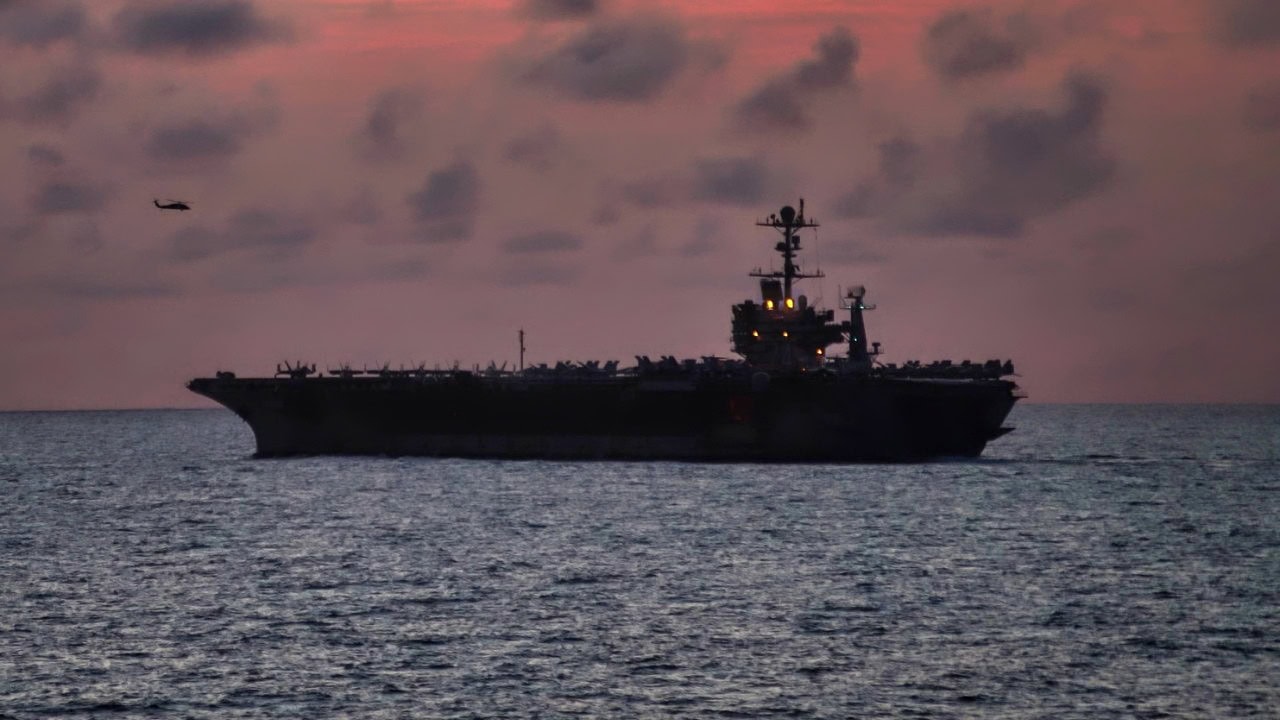
USS John C. Stennis Aircraft Carrier. Image Credit: Creative Commons.
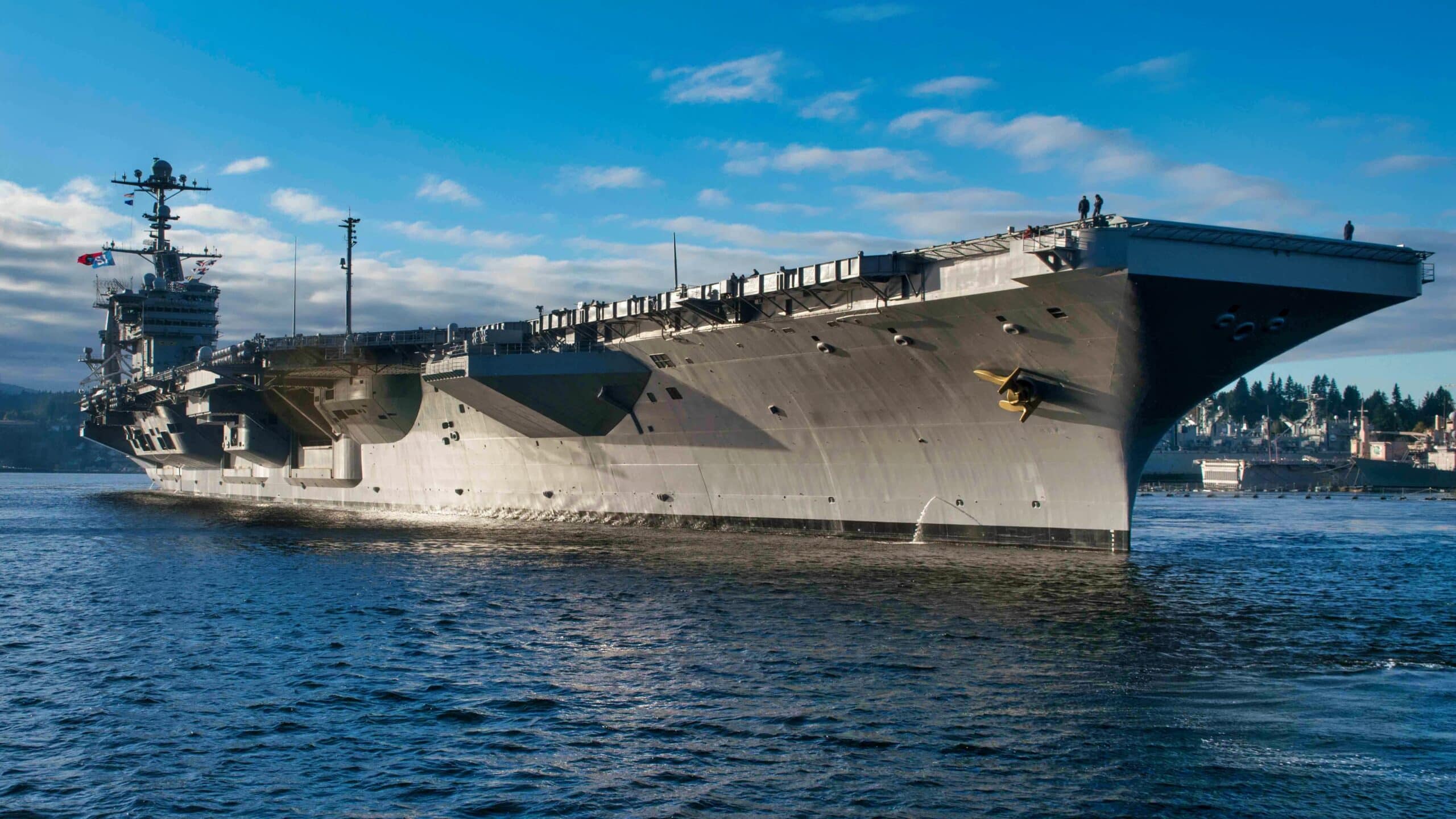
USS John C. Stennis Aircraft Carrier. Image Credit: Creative Commons.
These submarines are designed with modern propulsion systems that enable extended submerged endurance and advanced combat capability. Pakistan’s procurement agreement covers eight submarines built in China and Pakistan, giving its navy a substantial new undersea force.
Build-outs like this are occurring worldwide: quiet conventional submarines are becoming more common because they provide effective sea-denial capabilities at a fraction of the cost of nuclear submarines or supercarrier groups.
Supercarriers Push Back Naval Powers Countering the Undersea Threat
As stealthy submarines become more common around the world, Western navies are responding with new ways to find them.
Submarines are inherently difficult to detect, even without additional stealth features: they move in three dimensions and use the ocean itself to mask their acoustic signatures, so modern anti-submarine efforts integrate sensors, aircraft, ships, and artificial intelligence.
In December 2025, the United Kingdom unveiled its Atlantic Bastion program, a major push to improve detection of undersea threats – particularly Russian submarines operating in the North Atlantic. The plan calls for a hybrid force that integrates crewed warships and aircraft with autonomous surface and underwater systems and AI-enabled acoustic sensors.
British officials said that the new method will help protect key sea lanes and critical undersea infrastructure, such as communications cables, which are vital to global connectivity and economies.
Atlantic Bastion is a new technology that also represents a major shift in thinking: rather than relying solely on traditional patrols, it uses layered technology networks to cast broader “detection nets” across crucial maritime zones.
Undersea Warfare and the Future
Undersea warfare keeps on evolving, and there’s a lot still to learn. We do know a few things, though. First: stealth and surprise still matter, whether that’s a Swedish submarine in 2005 or a modern diesel boat in 2025. Second: technology and training must keep pace with new and evolving threats.
The lessons from Gotland – that quiet submarines can exploit gaps in detection and require multifaceted responses – still resonate and mean something today.
Today, undersea cables carry 95% of international data traffic. Strategic competition also plays out over much larger distances, too. That means offensive and defensive undersea capabilities are now high priorities for military planners.
Quiet conventional submarines offer smaller navies asymmetric capabilities and power, and advanced ASW networks like Atlantic Bastion are working to blunt those advantages and protect global interests for as long as possible. It is only a matter of time, though, before artificial intelligence could level the playing field even more.
The takeaway here should be this: quiet diesel-electric submarines are becoming more common, and so too are the tools designed to find them. More nations are now fielding long-endurance conventional boats, while NATO states are investing in wider sensor networks and autonomous systems. Undersea competition is becoming more crowded and more technical than ever before – and indeed more central to protecting fleets, critical infrastructure, and key trade routes.
About the Author:
Jack Buckby is a British researcher and analyst specialising in defence and national security, based in New York. His work focuses on military capability, procurement, and strategic competition, producing and editing analysis for policy and defence audiences. He brings extensive editorial experience, with a career output spanning over 1,000 articles at 19FortyFive and National Security Journal, and has previously authored books and papers on extremism and deradicalisation.