
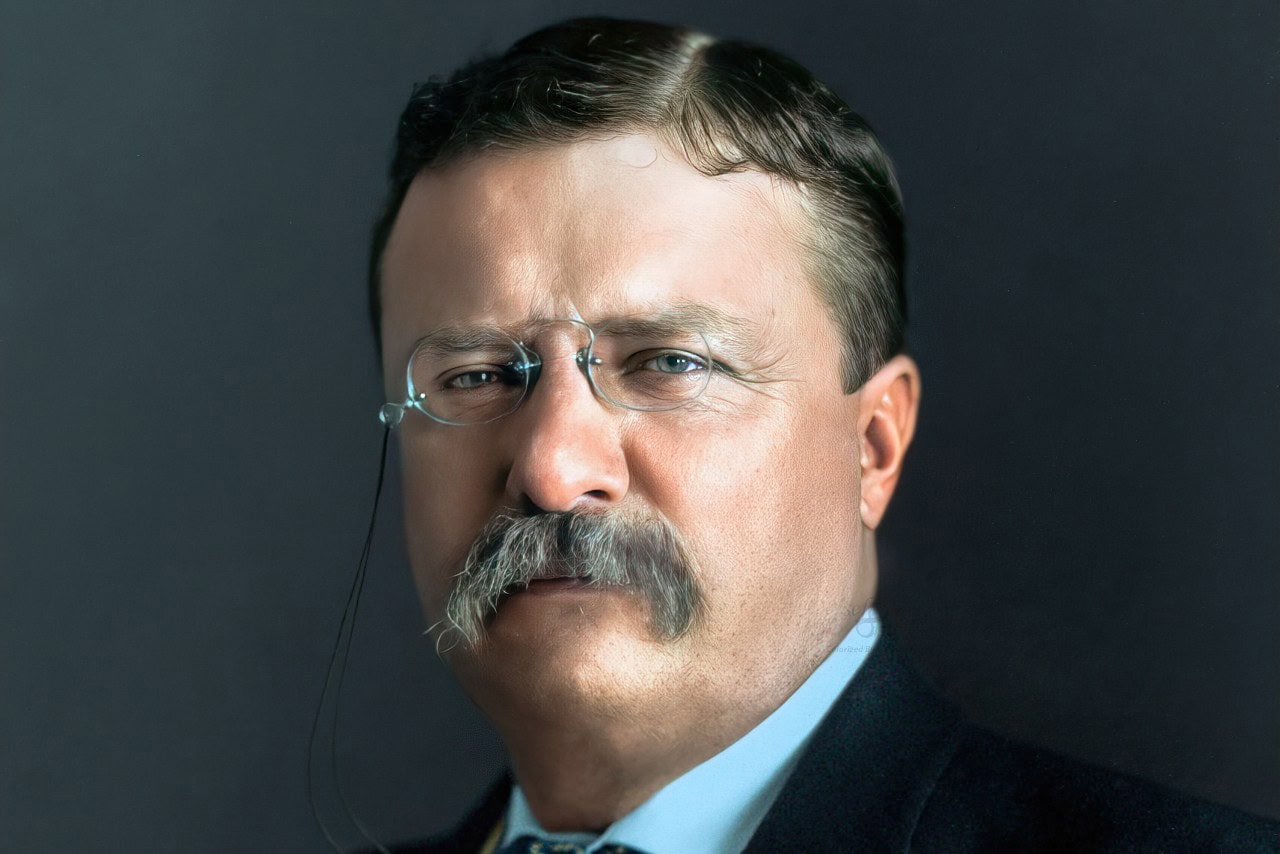
Key Points and Summary – Theodore Roosevelt’s 1902 quote was simple: military strength, especially at sea, is not about picking fights—it is about preventing them.
-This piece traces how Roosevelt’s life and career produced that worldview, from reform politics to his time as assistant secretary of the Navy and his Rough Rider fame.
-As president, he fused diplomacy with credible force, using naval presence to shape outcomes, protect trade routes, and expand U.S. influence.
-The Panama Canal, the Great White Fleet, and crisis management abroad become case studies in a larger idea: deterrence works best when it is visible, ready, and backed by national confidence.
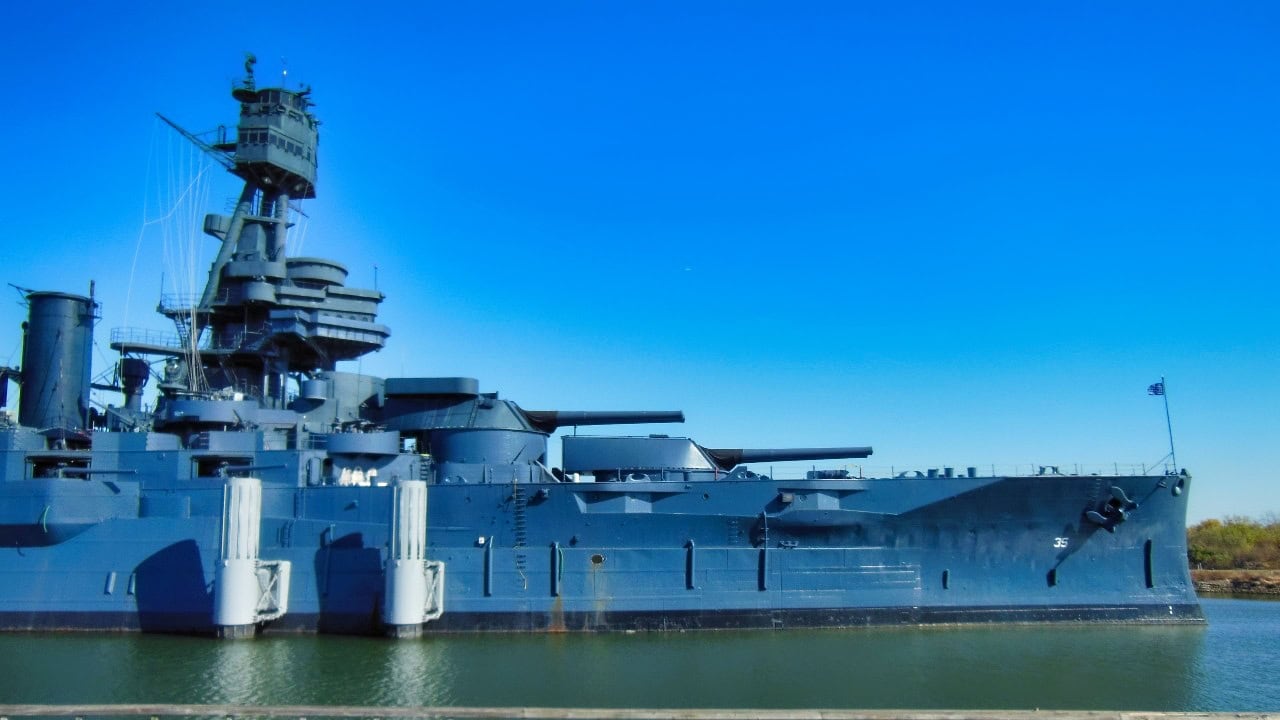
Battleship USS Texas. Image Credit: Creative Commons.
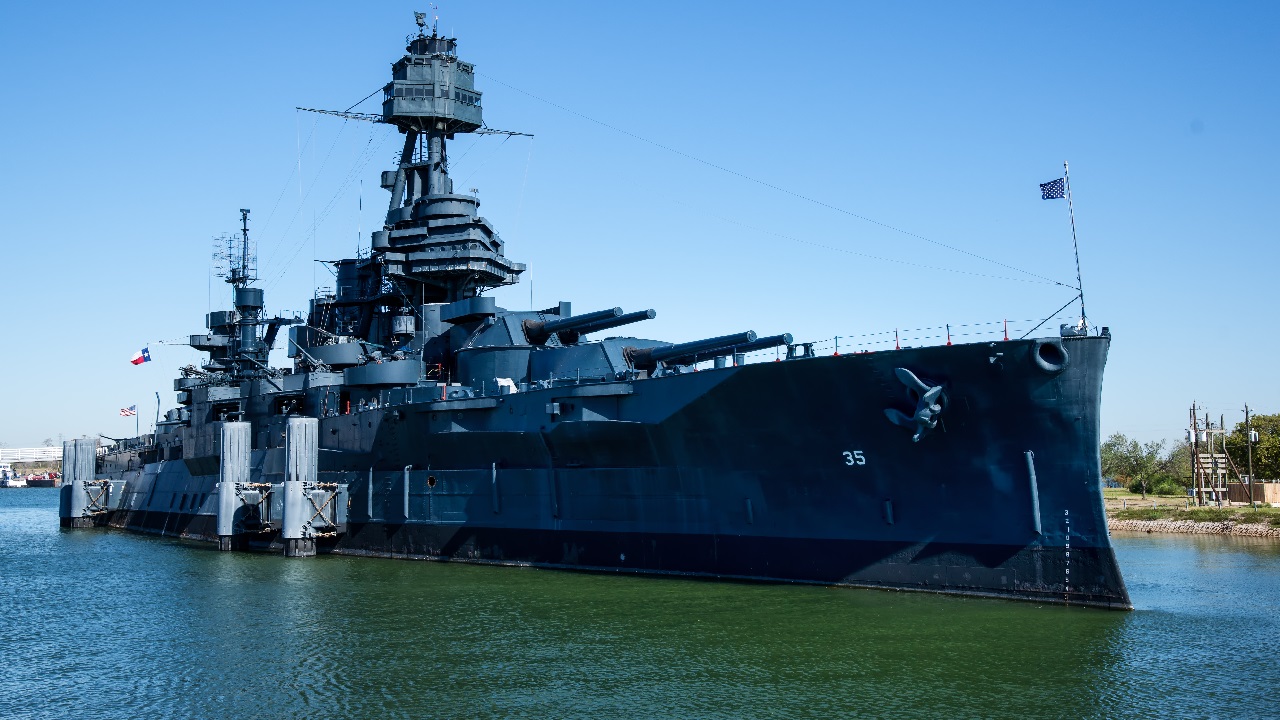
Battleship USS Texas from 2011. Image Credit: Creative Commons.
Teddy Roosevelt Saw This Coming in 1 Quote: Sea Power Prevents War
“A good Navy is not a provocation to war. It is the surest guarantee of peace,” Theodore Roosevelt said in his second annual message to Congress in 1902.
The quote sums up much of President Teddy Roosevelt’s foreign policy. Roosevelt was a staunch backer of a powerful U.S. Navy. As a strong advocate of “Big Stick Diplomacy,” he believed that the only way to secure a lasting peace for the United States, which was still a minor power on the world stage, was for America to become strong.
Early Life and Career
Born into a wealthy New York family in 1858, Roosevelt was a sickly child who suffered from asthma; but he refused to let his frailty define him. Through rigorous exercise and outdoor activity, he transformed himself into a vigorous and adventurous young man. Roosevelt attended Harvard University, where he excelled academically and developed a passion for natural history and politics. After graduating in 1880, he briefly studied law before entering public life as a member of the New York State Assembly.
His early political career was characterized by reformist zeal, as he fought corruption and championed transparency in government.
Personal tragedy struck in 1884 when his wife and mother died on the same day, prompting him to retreat to the Dakota Territory, where he immersed himself in ranching and the rugged frontier lifestyle that would shape his identity as a man of action.
Roosevelt returned to politics with renewed vigor, serving as U.S. Civil Service Commissioner, New York City Police Commissioner, and, later, assistant secretary of the Navy under President William McKinley. He pushed for merit-based appointments, modernized the police force, and advocated for a strong naval presence.
His belief in preparedness and national strength led him to resign from the Navy Department to organize the Rough Riders, a volunteer cavalry regiment that fought in the Spanish–American War. Roosevelt’s leadership during the Battle of San Juan Hill made him a national hero and propelled him to the governorship of New York in 1898.
As governor, he continued his reformist agenda, targeting corporate abuses and promoting labor rights. His growing popularity and reputation for independence led party leaders to place him on the Republican ticket as vice president in 1900—more than anything as a move to sideline him.
Rise to the Presidency
Following the assassination of McKinley, Roosevelt became the 26th president of the United States. At just 42 years old, he was the youngest person ever to assume the presidency.
Roosevelt believed in the stewardship theory of the presidency, asserting that the president could act in the national interest unless explicitly prohibited by the Constitution.
He transformed the office into a dynamic center of leadership, using what he famously called the “bully pulpit” to shape public opinion and advance reform.
He vigorously enforced antitrust laws, breaking up monopolies such as Northern Securities and initiating more than 40 lawsuits against powerful corporations. His intervention in the 1902 Coal Strike marked a historic moment when the federal government acted as a mediator between labor and management, ensuring stability and fairness.
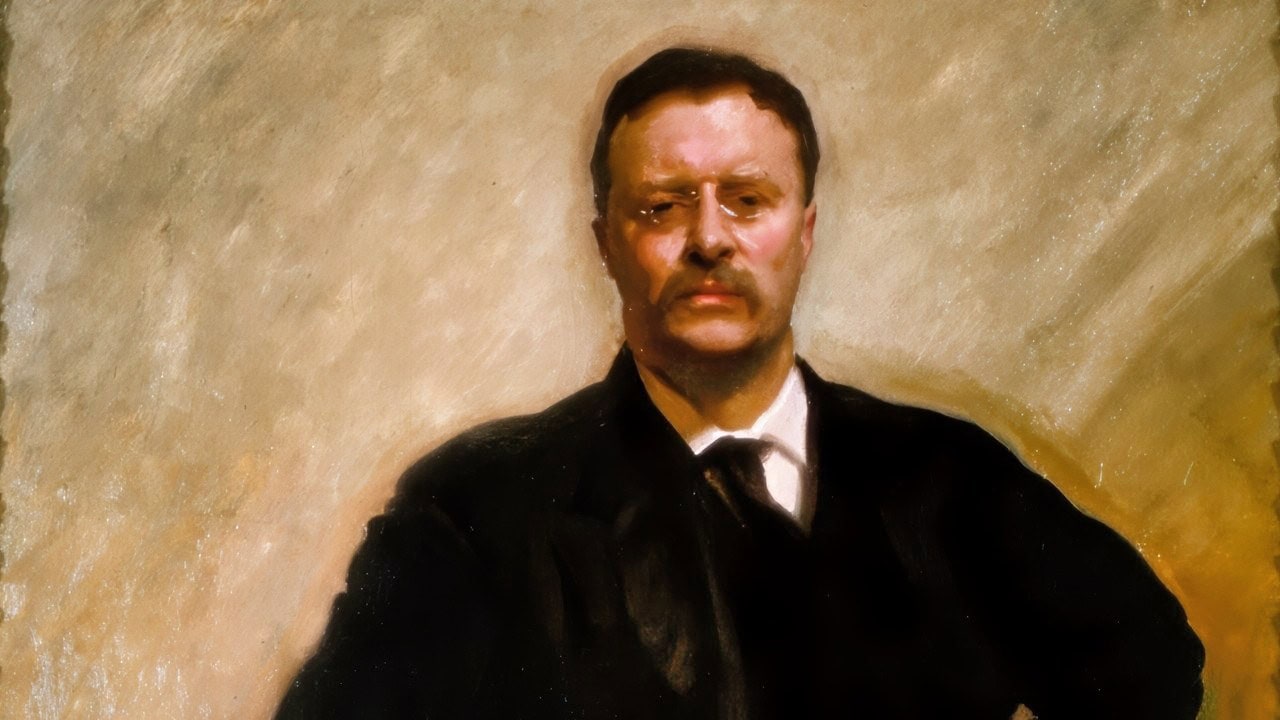
‘Speak softly and carry a big stick; you will go far.’ A Quote by Theodore Roosevelt.
Conservation was another cornerstone of Roosevelt’s presidency. An ardent outdoorsman, he established the U.S. Forest Service and set aside more than 230 million acres of public land for preservation.
This included 150 national forests, five national parks, and numerous wildlife refuges and monuments under the Antiquities Act of 1906. Roosevelt viewed conservation as essential to the nation’s future, declaring that the protection of natural resources was a fundamental responsibility.
Theodore Roosevelt and Big Stick Diplomacy
In foreign affairs, Roosevelt pursued a policy summed up by the phrase “speak softly and carry a big stick.” He believed in diplomacy backed by military strength. His most ambitious project was securing the construction of the Panama Canal, which followed U.S. support for Panama’s independence from Colombia in 1903. The canal transformed global trade and U.S. naval strategy.
Roosevelt also articulated the Roosevelt Corollary to the Monroe Doctrine, asserting America’s right to intervene in Latin America to prevent European interference. He showcased American naval power by sending the Great White Fleet on a world tour and mediated the Russo-Japanese War, earning the Nobel Peace Prize in 1906.
His foreign policy established the United States as a rising global power.
Roosevelt’s progressive vision extended beyond the Square Deal. He advocated for New Nationalism, a philosophy calling for stronger federal regulation of business, progressive taxation, and social welfare programs.
He supported social reforms such as women’s suffrage and sought to expand the role of government in promoting social justice. In the 1904 election, Roosevelt won a decisive victory, campaigning on his record of reform and foreign policy success.
Although conservative opposition in Congress later slowed his agenda, his presidency had already reshaped American politics.
After leaving office in 1909, Roosevelt embarked on an African safari and later attempted a return to power with his third-party run in 1912 under the Progressive banner. Though unsuccessful, his term in office had cemented America’s place on the international stage.
Roosevelt remained a towering figure in American life until his death in 1919.
About the Author: Isaac Seitz
Isaac Seitz, a Defense Columnist, graduated from Patrick Henry College’s Strategic Intelligence and National Security program. He has also studied Russian at Middlebury Language Schools and has worked as an intelligence Analyst in the private sector.