
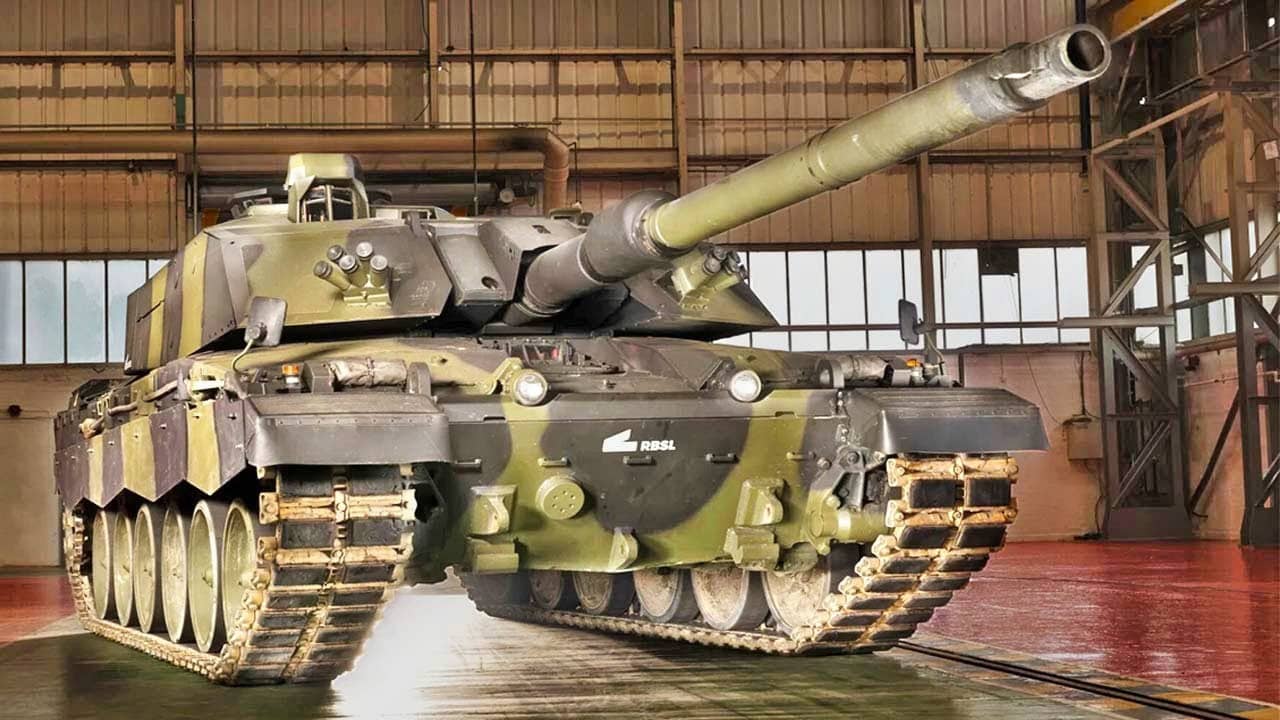
Challenger 3 Completes Live Fire Trials
The British Army’s next-generation main battle tank, Challenger 3, has reached a critical development milestone with its first crewed live firing during trials in the UK – the first time a newly developed British main battle tank has fired its main gun on British soil in more than three decades.
Rheinmetall BAE Systems Land (RBSL), the joint venture overseeing the program for the United Kingdom, confirmed the live-fire trials at a UK Ministry of Defence training centre on January 20, 2026, indicating that the tank is nearing operational readiness.
The trials are part of a phased process designed to prove the integrated weapon and systems suite is operational before the platform enters service.
Challenger 3’s main armament, a Rheinmetall 120 mm smoothbore L55A1 cannon, is a significant departure from the weapons used on previous models – moving from British rifled guns to NATO-standard ammunition that improves lethality and coalition interoperability. Under the United Kingdom’s £800 million upgrade contract, 148 tanks are to be delivered to the British Army, with the first units expected to reach initial operating capability by 2027 and full delivery by 2030.
The First Live Fire and What That Means
Challenger 3’s recent crewed live-fire trial signals that the program is moving from controlled trials and toward operational readiness. The phased test began with remote weapon firings before progressing to firing with a crew on board, demonstrating the development team’s confidence in safety, systems integration, and crew survivability.
The achievement marks the first time a newly developed main battle tank has been operated in this way in the United Kingdom in more than 30 years, and is the product of massive investment and engineering behind the project.
A statement from the Ministry of Defence stressed that the test was part of a phased process, noting, “the trial followed a carefully phased programme, beginning with remote operation before progressing to crewed firing by RBSL personnel.”
Rebecca Richards, the managing director of RBSL, commented on the extreme lengths engineers went to ensure that the tank was safe.
“This is a hugely significant achievement for the Challenger 3 programme and a testament to the skill and dedication of the teams delivering it. Firing the vehicle first remotely and then with a crew in the turret reflects the enormous amount of work that has gone into ensuring the design is safe, robust, and ready,” Richards said. “Seeing Challenger 3 fire successfully with a crew in the turret demonstrated just how far the program has progressed and marks a proud moment for U.K. armored vehicle development.”
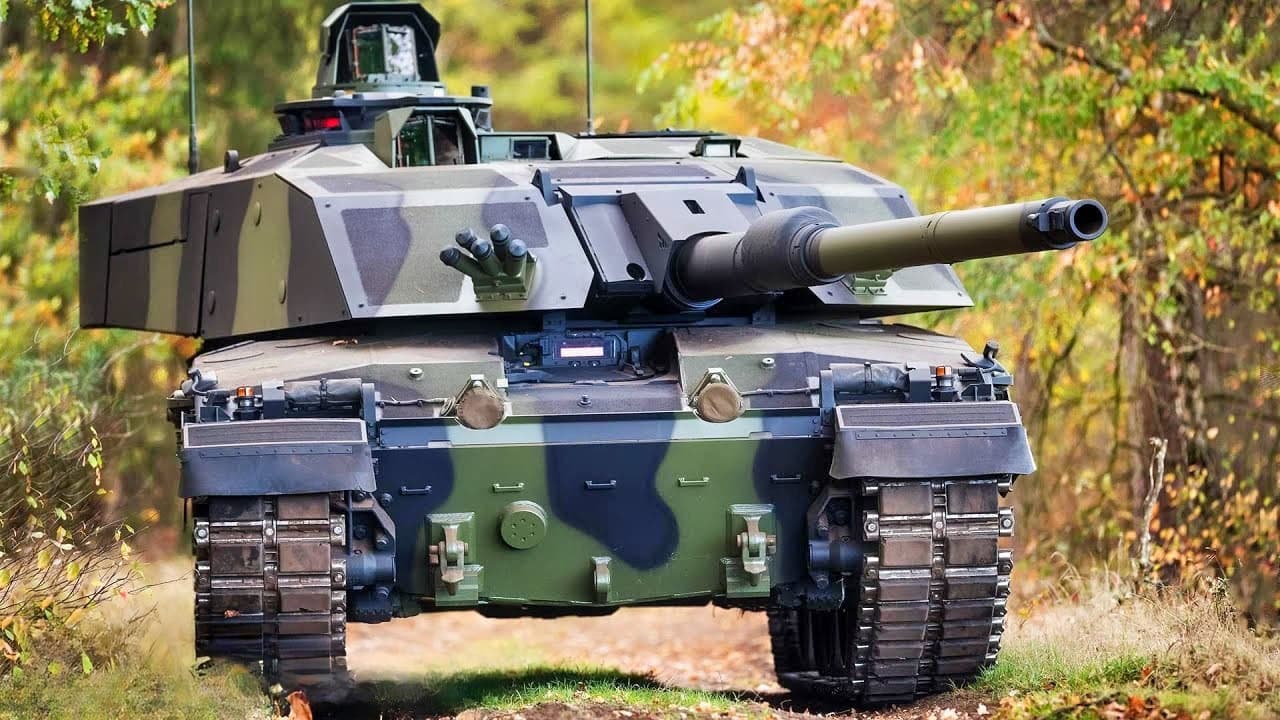
Challenger 3 Tank. Image Credit: Creative Commons.
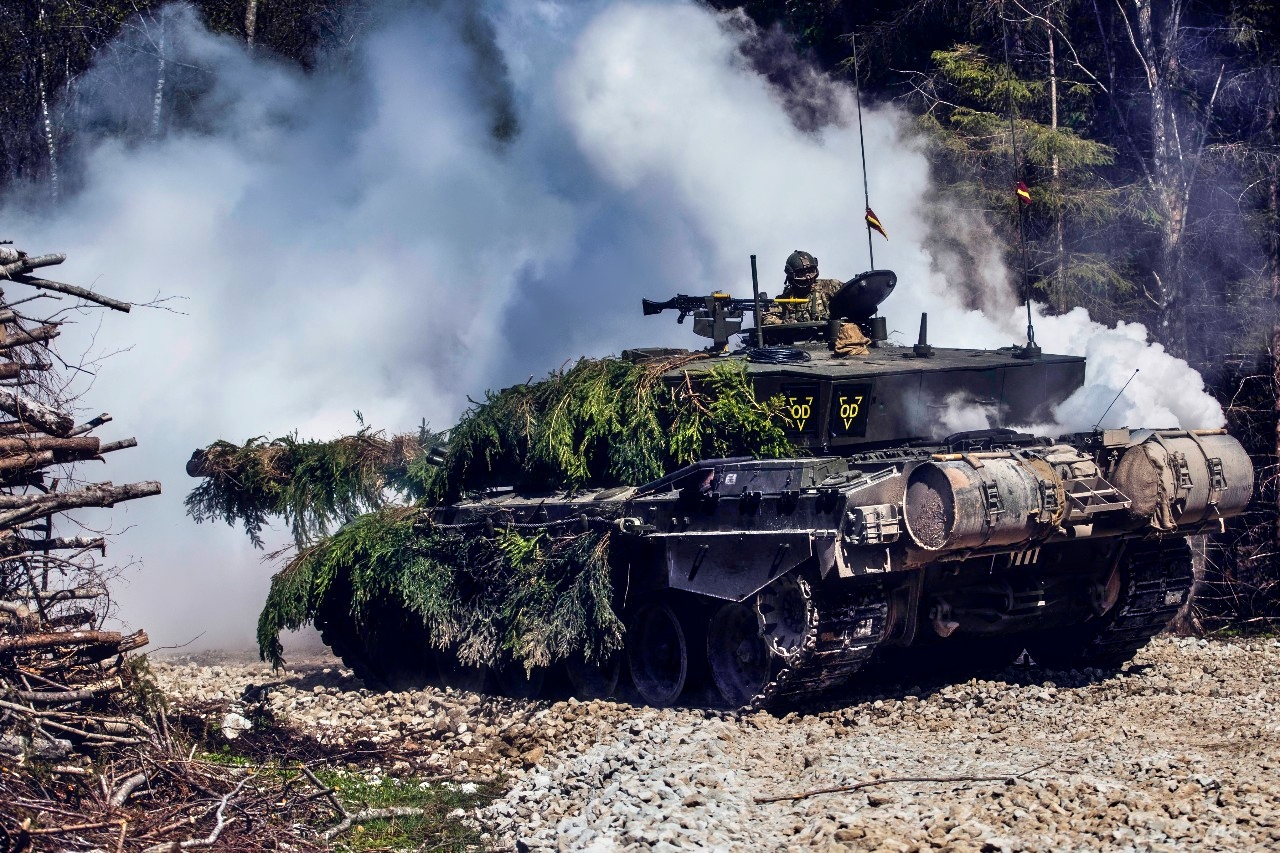
A British Army Challenger 2 Main Battle Tank (MBT) lays down a smoke screen during Spring Storm 19, Estonia’s largest annual military exercise. Roughly 9,000 soldiers from Estonia, other NATO Allies and partner nations have gathered near the town of Jõhvi to engage in a collective defence exercise, strengthening their ability to work together in times of crisis. The exercise runs from 29 April until 10 May.
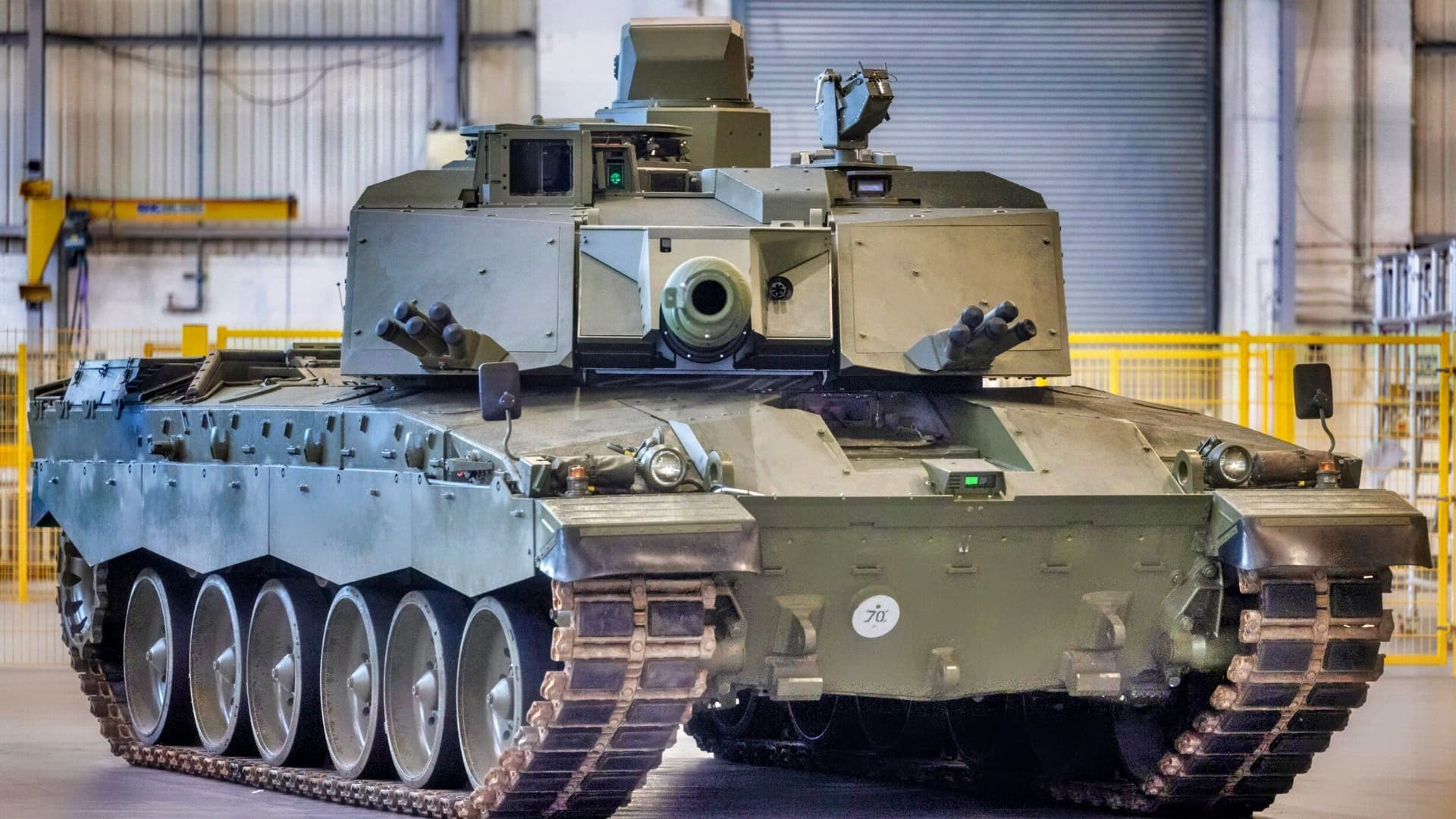
Challenger 3 Tank. Image Credit: British Government.
Why the Challenger 3 Program Exists
Challenger 3 is both a new tank and an upgrade: it is a deep modernization of the United Kingdom’s existing Challenger 2 fleet designed to maintain British heavy armor capability into the 2040s.
Built by Rheinmetall BAE Systems Land, the program is upgrading Challenger 2 hulls with a new turret, digital architecture, enhanced armor, and modern sensors to address the tanks’ dated firepower and poor protection, while also becoming increasingly difficult to integrate into modern battlefield systems.
The move to a 120 mm smoothbore main gun means that the U.K.’s tank ammunition logistics are now aligned with its NATO partners.
The decision in May 2021 to award the £800 million contract reflects a significant national investment in sustaining armoured forces and supporting the domestic defence industrial base.
Here’s What’s New
At its core, the Challenger 3’s upgrades are designed to improve lethality and survivability while also making it interoperable on current and future battlefields. Alongside the new smoothbore gun, the tank also features digital fire control systems, advanced thermal sights, and integrated sensors that improve target acquisition and battlefield awareness in day and night conditions.
Challenger 3 also incorporates improved modular armor and provisions for active protection systems, thereby providing better protection against emerging threats – particularly anti-tank guided missiles and drones, both of which have been used frequently on the battlefield in Ukraine in recent years.
By combining mobility, firepower, and modern protection – on top of a new digital architecture – the Challenger 3’s designers have created a modern tank that can be used alongside infantry, artillery, and reconnaissance units.
The UK and NATO Need Challenger 3
Beyond being a simple upgrade, the Challenger 3 is strategically necessary for the British Army and NATO more generally. It is the UK’s latest contribution to NATO’s collective deterrence posture and is especially important as the alliance commits itself to the security of Eastern Europe and the Baltic region.
NATO’s long-standing focus on interoperability makes the Challenger 3’s adoption of standardized ammunition and digital systems an obvious benefit: it will be able to operate alongside allied tanks like the German Leopard 2 and the American M1 Abrams without major logistics barriers.
Politically, investing in new heavy armor also signals the United Kingdom’s continued commitment to NATO.
About the Author:
Jack Buckby is a British researcher and analyst specialising in defence and national security, based in New York. His work focuses on military capability, procurement, and strategic competition, producing and editing analysis for policy and defence audiences. He brings extensive editorial experience, with a career output spanning over 1,000 articles at 19FortyFive and National Security Journal, and has previously authored books and papers on extremism and deradicalisation.