
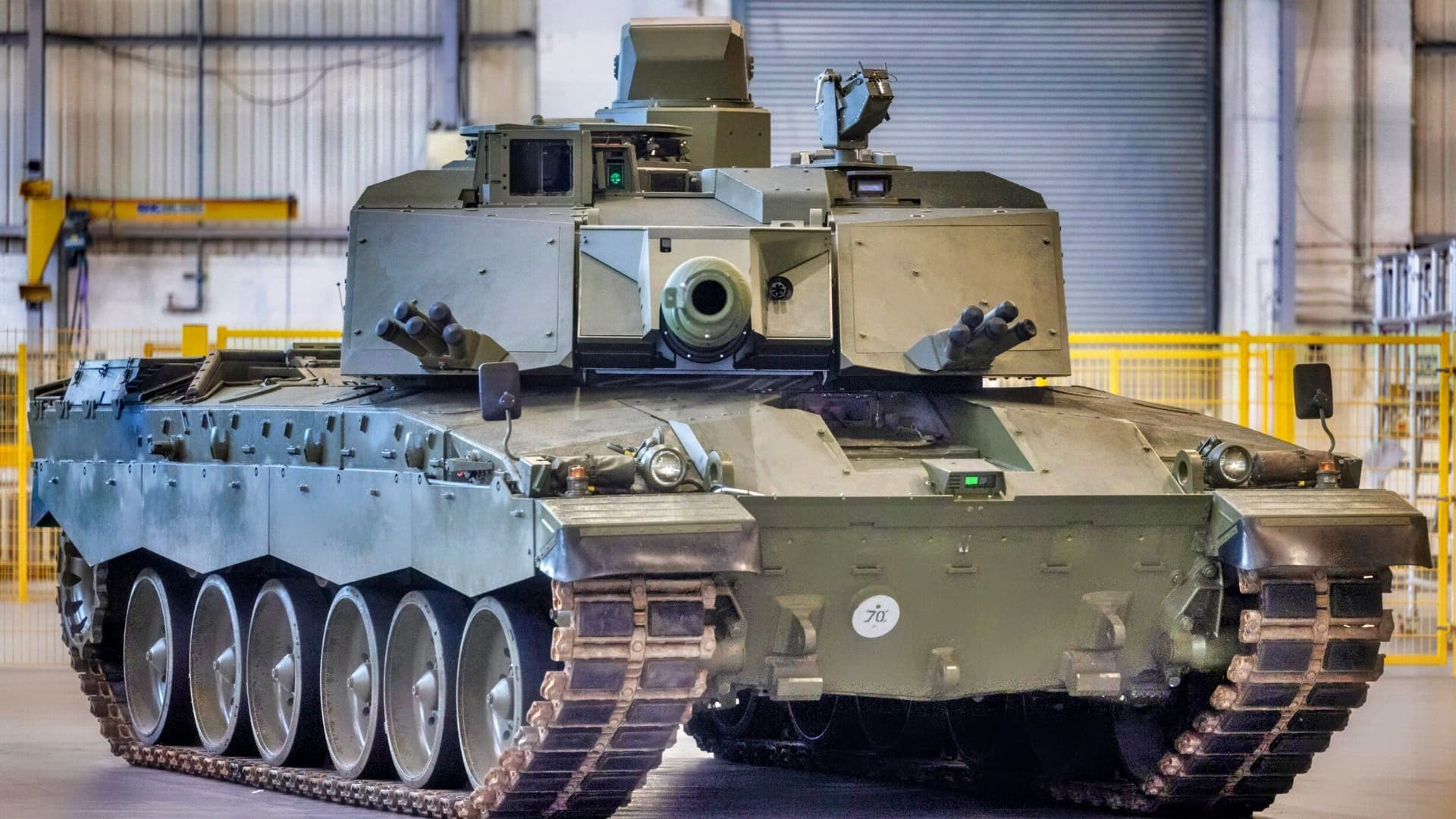
Britain’s Challenger 3 Just Passed a Major Test: Crewed Live-Fire Trials
The Challenger 3 has completed its first-ever crewed live-fire trials, marking the first time in over 30 years that a newly developed British main battle tank has fired its main gun on UK soil.
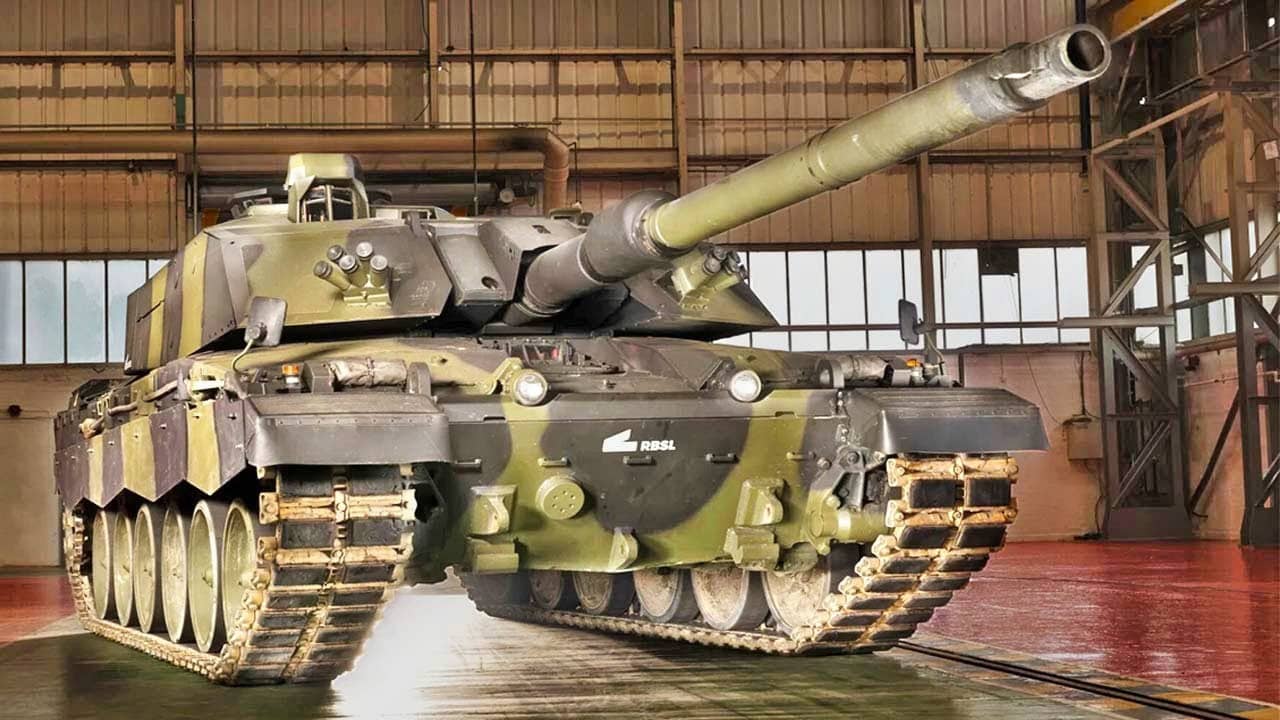
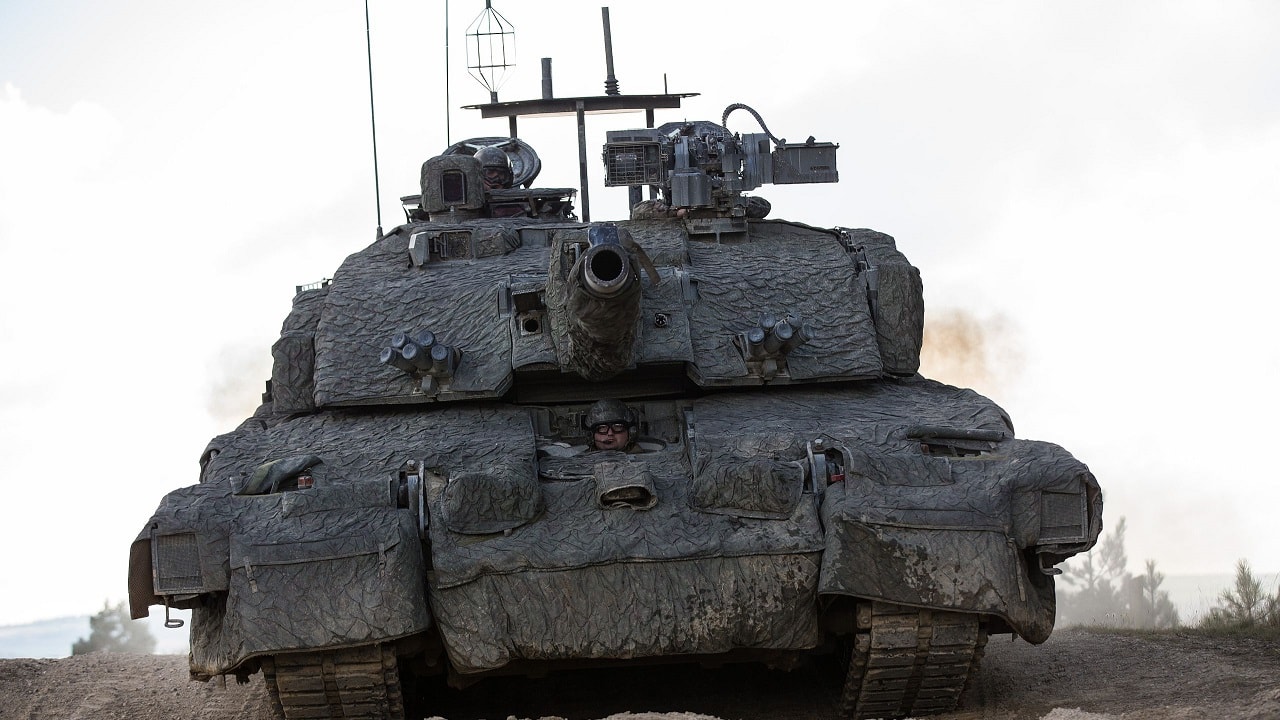
Challenger 3 Tank. Image Credit: Creative Commons.
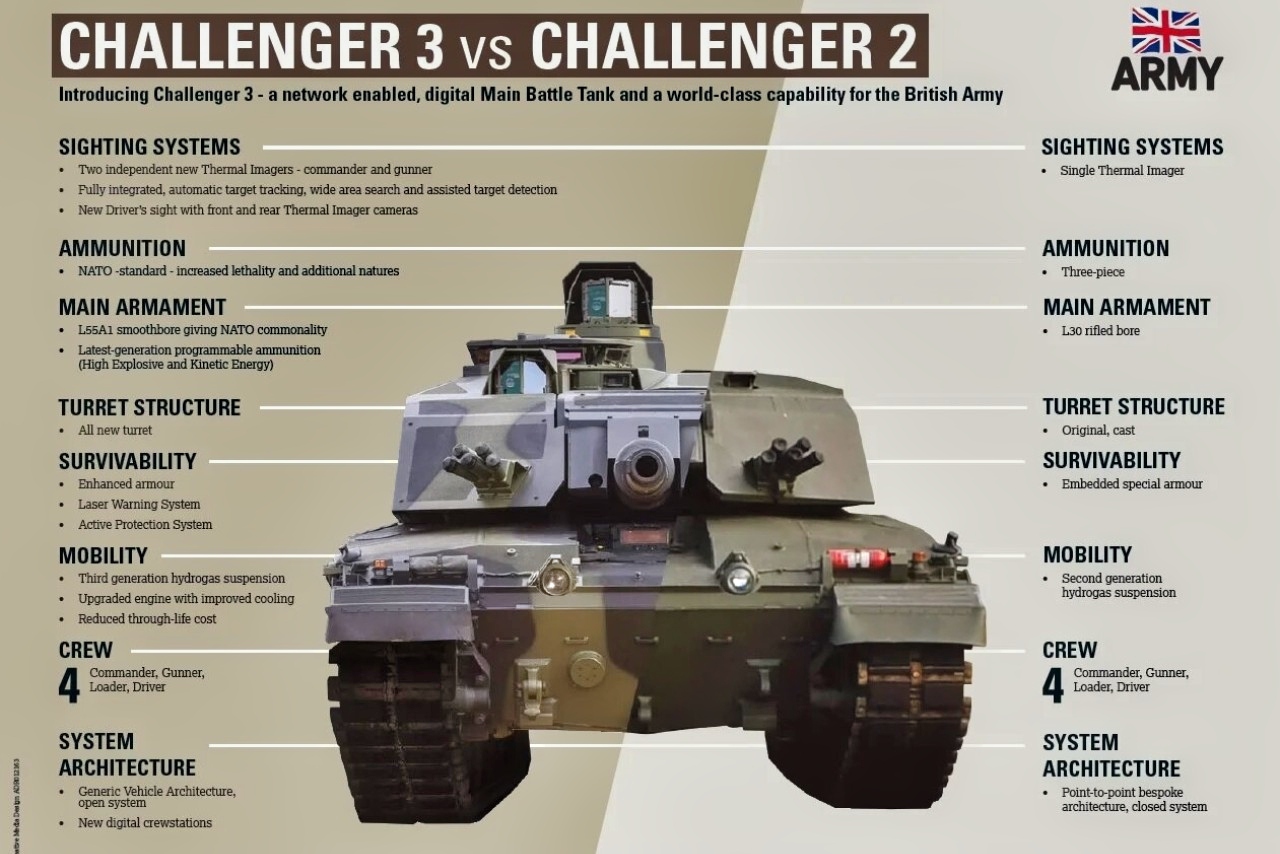
Challenger 3 Tank. Image Credit: Creative Commons.
This test marks a milestone, not because of spectacle, but because of what it represents. Britain is modernizing a force long shaped by conservative budget constraints and reliant on Cold War legacy platforms. But the Challenger 3 is intended to serve as the British Army’s main armor for the foreseeable future.
The live-fire trial signals the program moving from concept to reality.
Modernizing a classic
The Challenger 3 is not an entirely new clean-sheet tank. Rather, it is a deep modernization of the Challenger 2. The program is driven by changing battlefield realities and lessons learned from the Russo-Ukraine War.
Designed to extend service life and restore relevance against peer armor, the Challenger 3 is a Rheinmetall BAE Systems Land (RBSL) product, part of a broader effort to maintain the credibility of British armor.
In effect, the Challenger 3 is about capability recovery.
The live-fire trials
The trials, conducted within the UK, followed a phased assurance approach. Initial testing included remote firing, which then progressed to crewed firing after safety validation. This demonstrates system maturity and confidence in the design.
Live-fire trials are especially critical because they validate integration, not just the gun itself.
This step moves the Challenger 3 from development toward operational credibility. It’s the difference between a prototype and an actual weapon system.
The technical core
The Challenger 3 is fitted with the Rheinmetall 120-mm L55A1 smoothbore cannon.
This marks a major change from Britain’s historic rifled gun tradition; a move that aligns the UK with NATO-standard tank armament.
The new gun can fire modern kinetic-energy penetrators with programmable, multipurpose ammunition. This improves anti-armor lethality and offers flexibility against a range of targets. Smoothbore adoption matters because it allows for ammunition interoperability and access to cutting-edge rounds. The gun is the centerpiece of Challenger 3’s relevance.
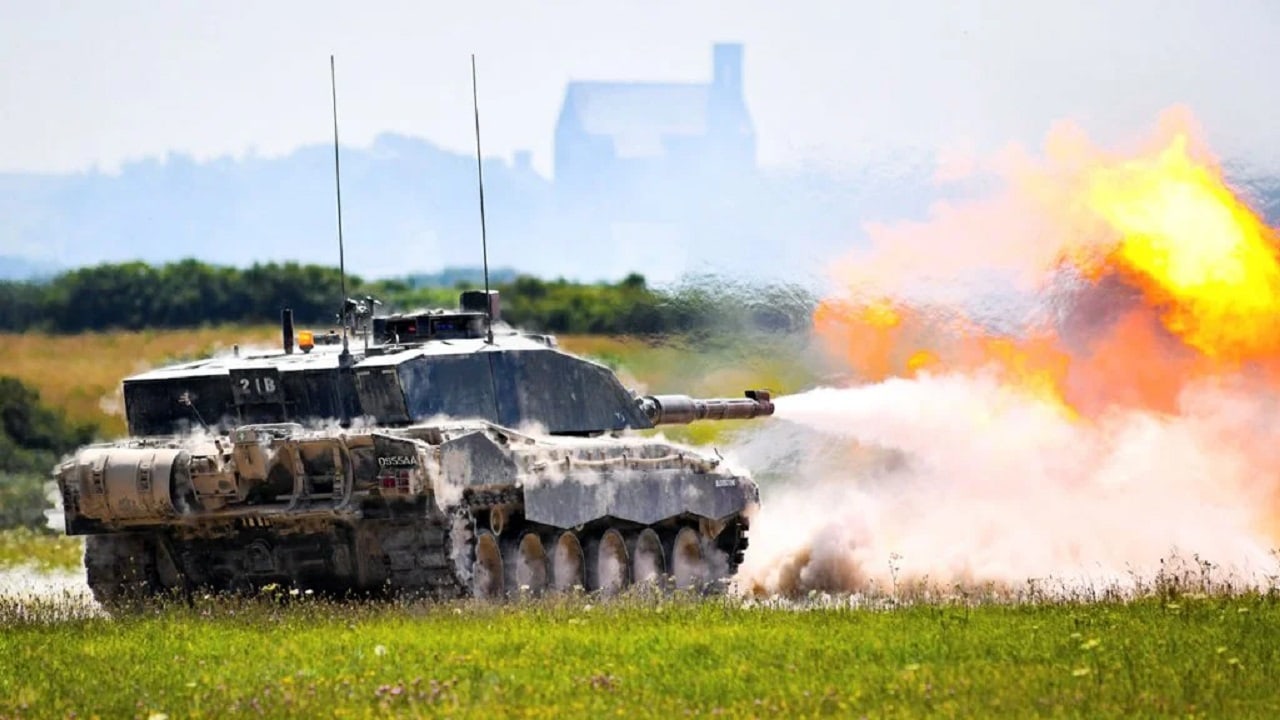
Challenger 2 tank.
Pictured is the UK Main Battle Tank, Challenger 2 Theatre Entry Standard (CR2 TES) fitted with a Mobile Camouflage System (MCS). The tank is seen driving at high speed toward the camera.
Safety, systems, and integration
The live-fire trials emphasized safety, robustness, and crew survivability.
By remote firing first, the tests reduced risk and validated the system incrementally. This reflects modern armored development, which is conservative and data-driven, with an emphasis on integration that matters as much as firepower in fire control, stabilization, and crew ergonomics.
A tank is only as effective as its weakest system, and these incremental trials suggest the Challenger 3 is being progressed methodically and not being rushed into service prematurely.
Using the Challenger 3
The tank is being designed for high-intensity conventional warfare, comparable to that encountered in Ukraine. The primary role will be armored maneuvering with defensive and offensive capabilities.
The improved gun and ammunition enable engagement at longer ranges and greater first-shot lethality. The Challenger 3 is designed to fight peer or near-peer forces, not to conduct counterinsurgency operations. The new tank is intended to integrate with infantry, artillery, and ISR assets. The Challenger 3 reflects a return to combined-arms thinking after decades of lighter expeditionary focus.
Strategically, UK armored forces have shrunk significantly since the Cold War. Still, Challenger 3 is about quality over quantity, a signal to allies that Britain remains a credible land combat partner, and a signal to adversaries that UK armor is still capable.
The Challenger 3 is a downstream result of the Russo-Ukraine War, which demonstrated the continued relevance of tanks, albeit only when properly protected and integrated within the larger fighting force. The Challenger 3 fits into NATO deterrence posture, especially on Europe’s eastern flank.
Industrial implications
The tank is being built at RBSL’s Telford facility. The program supports the UK industrial base and skilled workforce development. The collaboration includes UK industry, European suppliers, and allied partners.
The political importance of the program is demonstrated in domestic production; the Challenger 3 is as much an industrial statement as it is a military one, because armor programs are long-term commitments.
Challenge 3: What Happens Next?
The Challenger 3’s live-fire trial is not especially dramatic—but it is decisive. It marks a credible step towards modern armored capability. Granted, the tank won’t transform the battlefield alone, but it will help restore relevance and interoperability to British armor. The Challenger 3 exists because heavy armor, curiously enough, still matters, and because Britain intends to matter, too.
About the Author: Harrison Kass
Harrison Kass is an attorney and journalist covering national security, technology, and politics. Previously, he was a political staffer and candidate, and a US Air Force pilot selectee. He holds a JD from the University of Oregon and a master’s in global journalism and international relations from NYU.