Synopsis: Dr. Michael Rubin argues that Washington’s post-Maduro strategy should not focus solely on rebuilding Venezuela—especially via oil investment—without also rewarding regional allies that have consistently aligned with U.S. interests.
-It contrasts Venezuela’s turn toward Cuba, China, Iran, and Russia with smaller states that have taken politically costly pro-U.S. positions, particularly on recognizing Taiwan and supporting Israel at the UN.
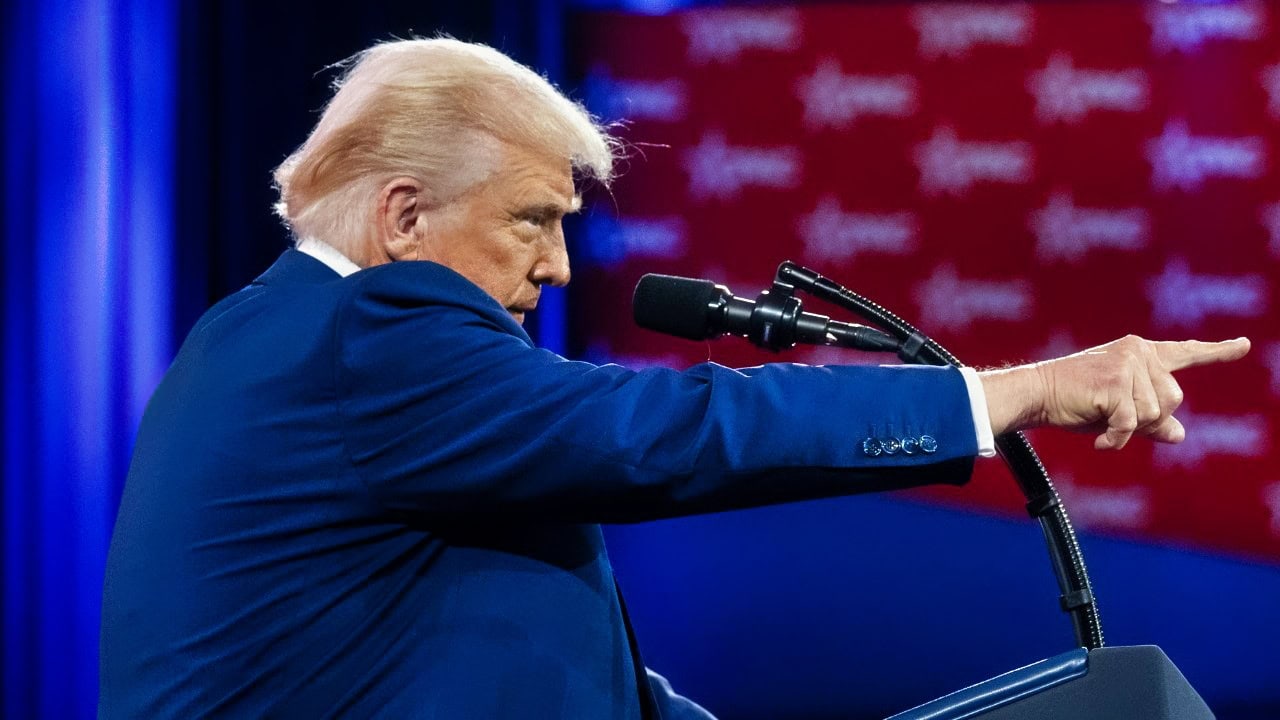
President Donald Trump speaks at the Conservative Political Action Conference at the Gaylord National Resort & Convention Center in Oxon Hill, Maryland, on Saturday, February 22, 2025. (Official White House Photo by Molly Riley.
-Citing disparities in U.S. assistance, it contends that aid and investment are not sufficiently aligned with diplomatic reliability.
-The recommendation: make support for partners like Paraguay and Guatemala a top-tier priority, using incentives and conditions to shape regional alignment.
Beyond Venezuela: Don’t Target Latin American Adversaries Without Also Rewarding Regional Allies
The smoke has not fully cleared from the successful US operation to snatch Venezuelan dictator Nicolás Maduro before President Donald Trump began speaking about renewed investment in the South American nation.
“We are going to have our very large United States oil companies go in, spend billions of dollars, fix the badly broken oil infrastructure and start making money for the country,” he said. A group of high-profile investors is already planning a trip to Caracas for March 2026.
Historical Perspective
Such investment makes sense. From the 1950s to the 1970s, Venezuela was the wealthiest country in South America; in 1950, it was the fourth-richest country in the world.
While its economy began to decline relative to the 1980s due to falling oil prices, it did not collapse until President Hugo Chávez dismantled the free market in favor of his own populist, socialist rule. Today, neighboring Guyana is the wealthiest country on the continent, and Venezuela is the second-poorest, above only Bolivia.
Over the same period, Venezuela transformed from a reliable ally of the West and liberal order to one of its greatest opponents. As its economy collapsed, the embattled country oriented itself toward Cuba, China, Iran, and Russia. Its cities became ports of call for hostile navies, and its jungle camps allegedly became terror training centers for Hezbollah and Hamas.
While Venezuela became the tip of the spear in revisionist efforts to undermine the United States and attack the liberal order, many countries oriented themselves in the opposite direction. Not only did they not ask for anything in return, but they also often sacrificed significant remuneration to remain true to their principles and defend freedom.
Of the 12 countries that recognize Taiwan over China, for example, seven are in South America or the Caribbean. Yet the United States does not disproportionately reward these countries through foreign assistance or other privileges. They are also among the most pro-Israel countries.
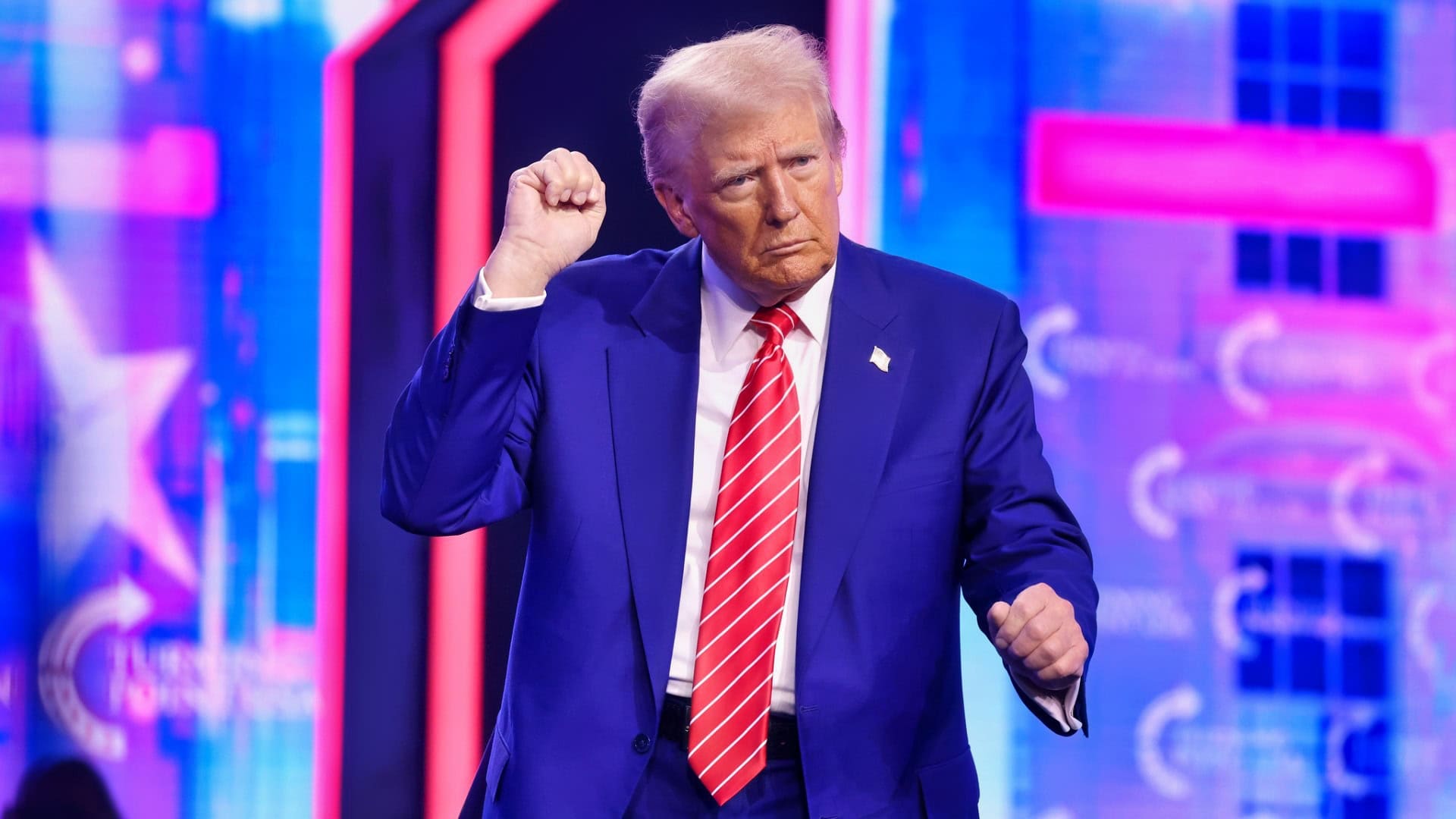
President-elect of the United States Donald Trump speaking with attendees at the 2024 AmericaFest at the Phoenix Convention Center in Phoenix, Arizona.
US Assistance Not Aligned With Supporters
While Venezuela and Cuba amplify Iranian rhetoric and justify terror, Paraguay moved its embassy to Jerusalem.
At the United Nations, Belize, Guatemala, and Paraguay vote with the United States far more often than the countries to which the United States often pours assistance.
Consider, for example, that in fiscal year 2024, the United States obligated $23 million to Paraguay but almost 10 times that amount to Venezuela, which was still under Maduro’s rule at the time.
The same pattern holds true with Cuba and St. Lucia, with the communist, anti-American country receiving more than ten times as much aid as the Caribbean island nation that votes with the United States at the United Nations.
While US neglect has led some traditional diplomatic allies like St. Lucia to backslide, both Paraguay and Guatemala have proven they stand with the United States and Israel. During the Israel-Hamas war, for example, Paraguay and Guatemala both stood with Israel against the United Nations’ populist lynch mob that even countries like Australia and Canada joined.
Reward Those Who Stand Firm with US Interests
Trump and Secretary of State Marco Rubio should be proud that they have given Venezuelans a chance to rejoin the international concert of responsible, normal states after decades of socialist hell, and they are right to help Venezuela recover with investment and revitalization of its oil wealth.
At the same time, however, if the United States wants its vision and support for the international order to defeat the visions promoted by China, Iran, and Russia, then it should proactively support allies like Paraguay and Guatemala that do the right thing on both Taiwan and Israel.
Indeed, both should serve as a litmus test for qualifying for top-tier American assistance.
The United States should treat Paraguay as a model for what is possible when countries orient themselves with democracies under siege. It should reward other countries like St. Lucia and St. Kitts for their positive actions on Taiwan, but condition further partnership on their reversal of anti-Israel backsliding. Likewise, Washington might support the Dominican Republic and Panama for doing right on Israel, but condition further assistance on both reversing their pro-China tilt.
Trump is transactional. He understands what a generation of Chinese leaders understood, but his own predecessors did not. Support matters and allies should be rewarded. The United States cannot take small states for granted.
Trump should catalyze investment in Venezuela, but the State Department and Department of Commerce should support exponentially more investment in countries like Paraguay and Guatemala that do the right thing.
About the Author: Dr. Michael Rubin
Michael Rubin is a senior fellow at the American Enterprise Institute and director of policy analysis at the Middle East Forum. The opinions and views expressed are his own. A former Pentagon official, Dr. Rubin has lived in post-revolution Iran, Yemen, and both pre- and postwar Iraq. He also spent time with the Taliban before 9/11. For more than a decade, he taught classes at sea on the Horn of Africa and the Middle East, covering conflicts, culture, and terrorism to deployed US Navy and Marine units. The views expressed are the author’s own.