
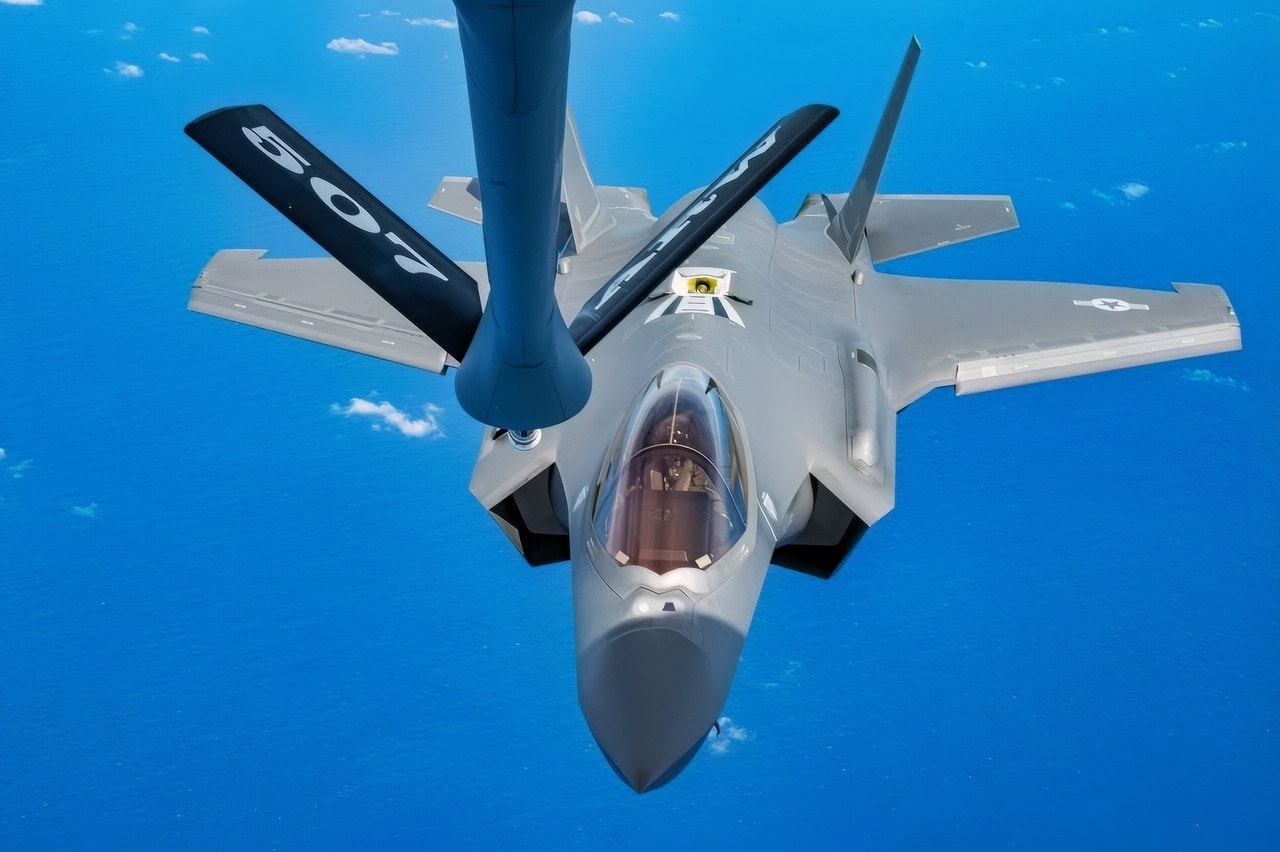
Key Points and Summary – The early takes on Venezuela—imperialism, political diversion, oil grab—miss the central logic: hemispheric denial.
-In 2 Words: Framed as the “Donroe Doctrine,” the argument is that Washington will block hostile great-power entrenchment in the Western Hemisphere, and Venezuela had become the most advanced test case for Russian, Chinese, and Iranian presence.
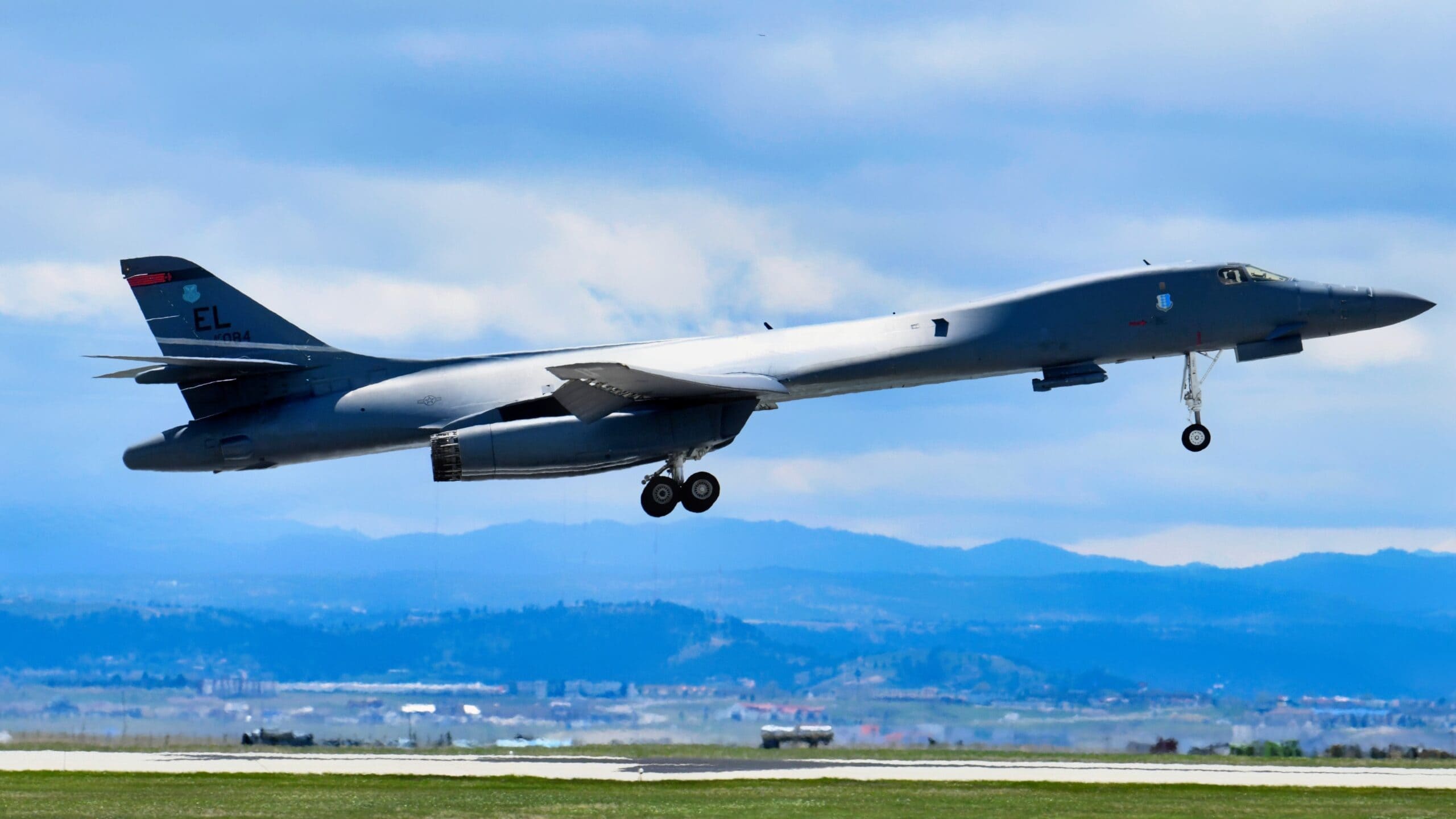
B-1B Lancer Bombers. Image Credit: Creative Commons.
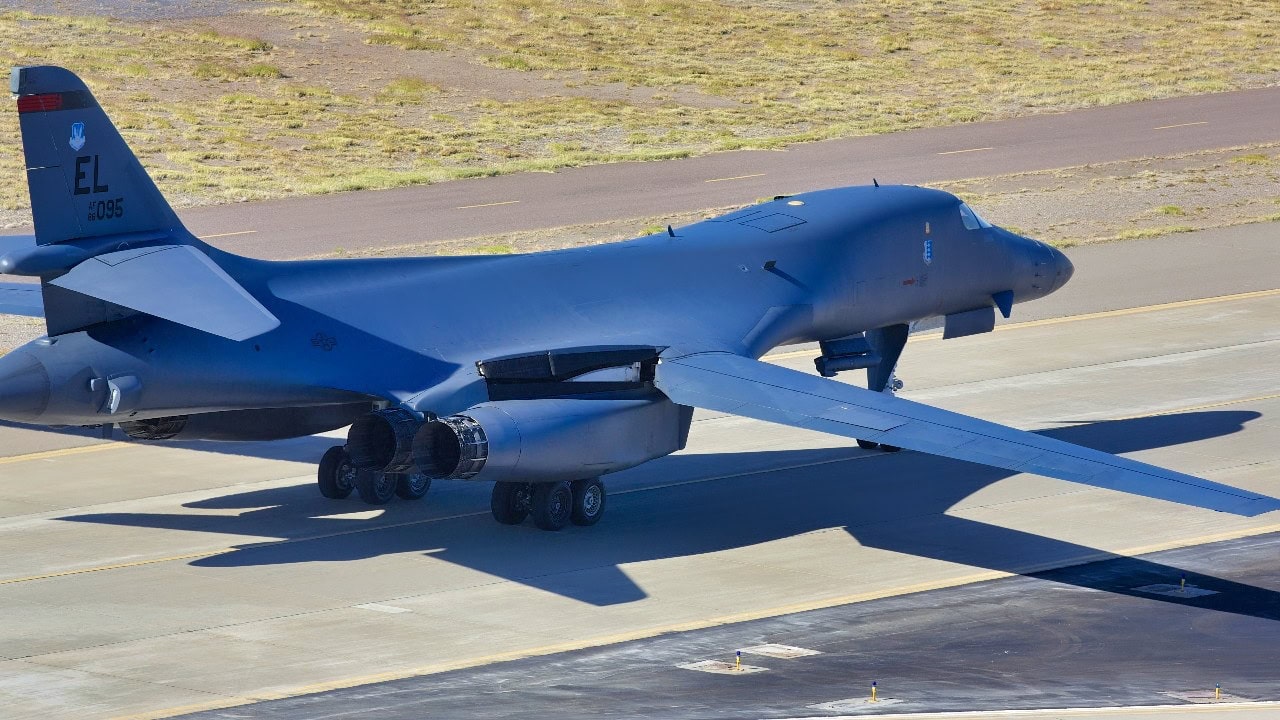
B-1B Lancer Bomber. Image Credit: Creative Commons.
-The case for action, the author argues, is strategic—but Trump’s shifting public rationale strips away guardrails, complicating escalation control and signaling.
Legally, domestic authority is broad, but international legitimacy is thin. Removing Maduro is the easy phase; stabilizing outcomes is the real test.
Why Venezuela—and Why Now: The Sphere-of-Influence Logic Behind the Strike
The rush to explain the U.S. strike on Venezuela has already fallen into familiar and largely unhelpful patterns.
Some default reflexively to the language of American imperialism, as if any use of force south of the Rio Grande must be understood reflexively rather than deliberately.
Others have seen the reverse: a political diversion, a foreign gamble aimed at distracting voters from the Epstein files or the state of the economy, or at building momentum in the run-up to the mid-term elections.
For still others, the entire episode has been just a crude resource grab, as though oil were enough to account for the risks Washington has just undertaken.
There is a grain of truth in each of these views.
None explains why Venezuela became the focal point, or why Washington chose to act when it did.
Seen this way, the Venezuela operation was neither an impulsive gesture nor a nostalgic throwback. It was a denial move carried out within a defined sphere of influence. That move reflects a broader strategic idea that has now been given a name: what commentators have begun calling the Donroe Doctrine.
Stripped of the branding, the Donroe Doctrine simply states that Washington won’t accept hostile great-power encroachment in the Western Hemisphere and is prepared to use force to prevent it.
That logic is already formally baked into the Monroe Doctrine corollary laid out in the National Security Strategy. The NSS document treats hemispheric denial as a matter of careful balancing and clearly marked limits.
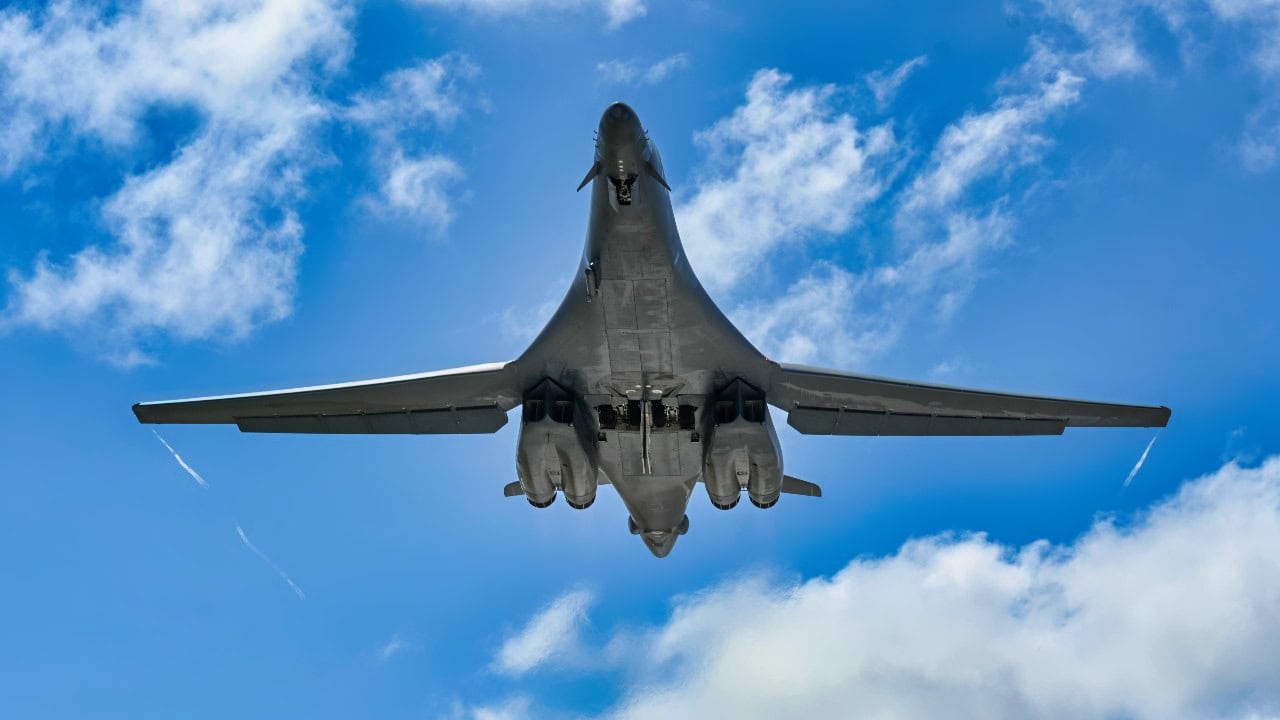
A U.S. Air Force B-1B Lancer assigned to the 34th Expeditionary Bomb Squadron takes off for a mission in support of Bomber Task Force 25-1, at Andersen Air Force Base, Feb. 16, 2025. Bomber Task Force missions demonstrate lethality and interoperability in support of a free and open Indo-Pacific. (U.S. Air Force photo by Airman 1st Class Alec Carlberg)
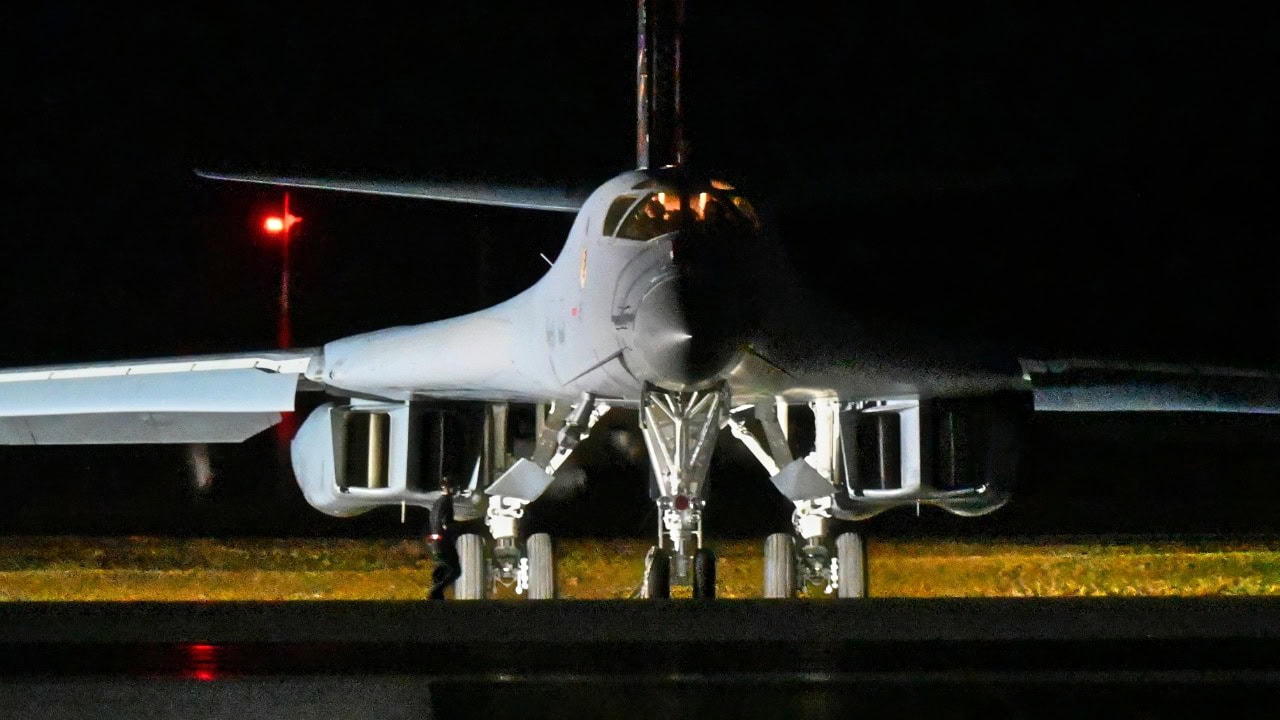
A U.S. Air Force B-1B Lancer assigned to the 34th Expeditionary Bomb Squadron, Ellsworth Air Force Base, S.D., runs final checks before takeoff of a training mission in support of Bomber Task Force 25-1 at Andersen Air Force Base, Guam, Feb. 24, 2025. The BTF missions are designed to showcase the Pacific Air Force’s ability to deter, deny, and dominate any influence or aggression from adversaries or competitors. (U.S. Air Force photo by Tech. Sgt Robert M. Trujillo)
The difficulty lies not with that strategic rationale, but with the way Trump has exaggerated, misunderstood, and distorted both its purpose and its implications. By taking a bounded denial concept and stripping it of the guardrails specified in the National Security Strategy, he has turned a defensible strategic posture into an open-ended disaster waiting to happen.
The result is a reassertion of the Western Hemisphere as a U.S. sphere of influence carried out without a settled framework for escalation control or for what comes next once force is applied.
The Strategic Imperative
That the United States would eventually respond should come as no surprise.
For over a decade, Russia, China, and Iran treated Latin America as a permissive arena, and Venezuela was the most advanced case. Moscow saw Caracas as a means to acquire military access, intelligence cooperation, and a theater for signaling that U.S. pressure could be resisted in Washington’s own backyard. Beijing treated Venezuela as a long-term geopolitical bet, seeking to generate political influence over time by supporting infrastructure construction and providing energy financing. Tehran saw value in Caracas for something different but no less significant: as a logistical hub for sanctions evasion.
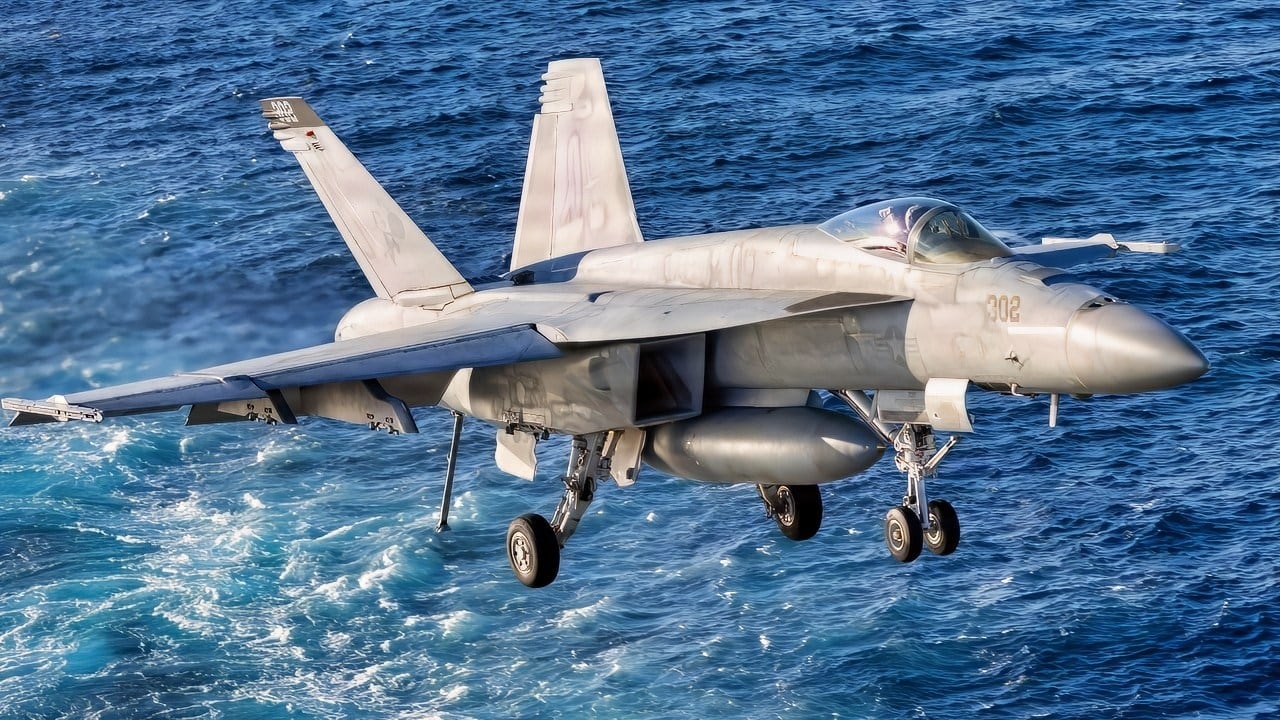
An F/A-18E Super Hornet aircraft approaches the flight deck of the world’s largest aircraft carrier, Ford-class aircraft carrier USS Gerald R. Ford (CVN 78), Nov. 17, 2025. U.S. military forces are deployed to the Caribbean in support of the U.S. Southern Command mission, Department of War-directed operations, and the president’s priorities to disrupt illicit drug trafficking and protect the homeland. (U.S. Navy photo)
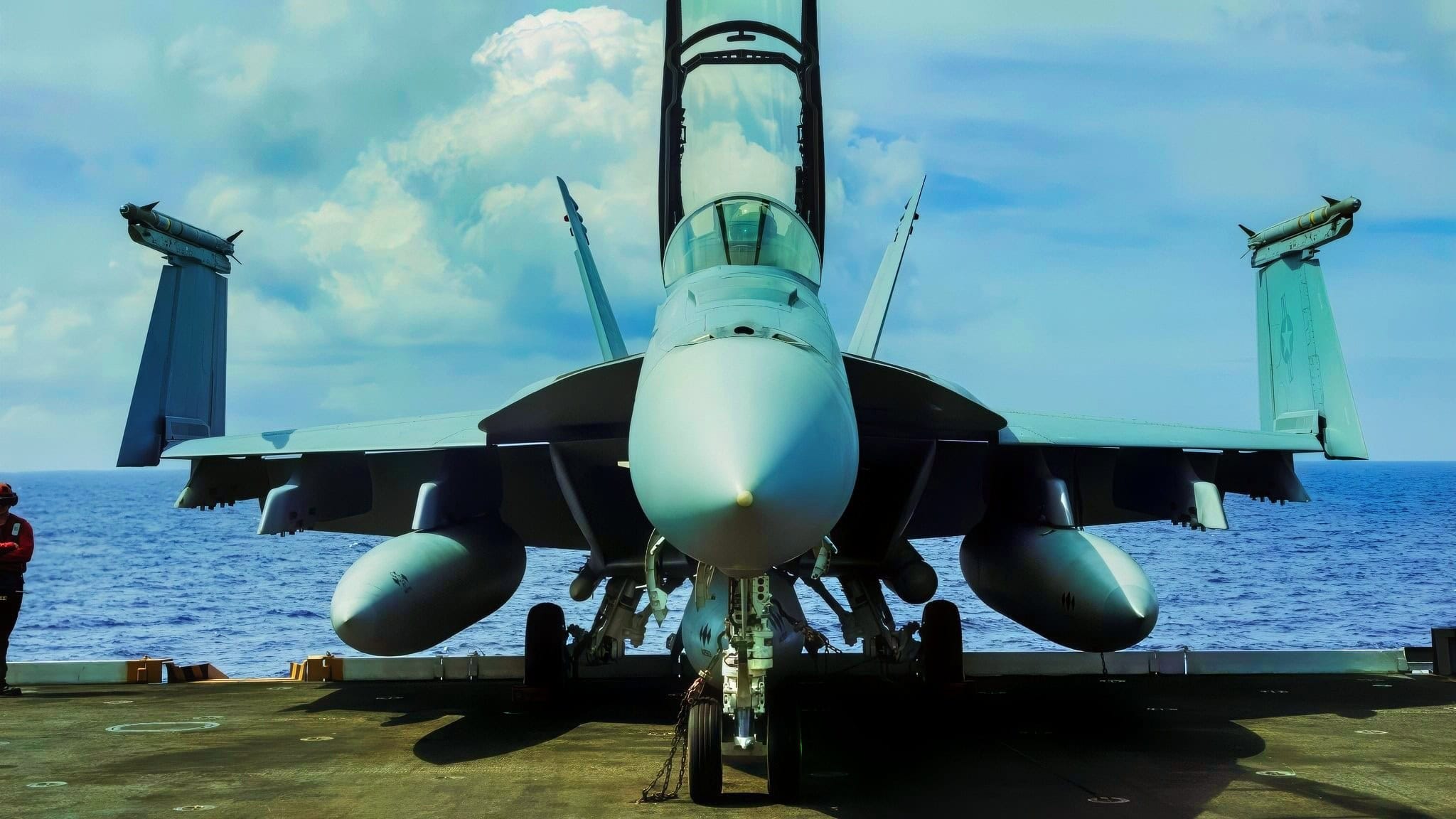
Capt. Tim Waits, commanding officer of Nimitz-class aircraft carrier USS George Washington (CVN 73), climbs into an F/A-18F Super Hornet, attached to Strike Fighter Squadron (VFA) 102, while underway in the South China Sea, Nov. 24, 2025. George Washington is the U.S. Navy’s premier forward-deployed aircraft carrier, a long-standing symbol of the United States’ commitment to maintaining a free and open Indo-Pacific region, while operating alongside allies and partners across the U.S. Navy’s largest numbered fleet. (U.S. Navy photo by Mass Communication Specialist 2nd Class Geoffrey L. Ottinger)
This was not symbolic posturing or diplomatic theater. It was an effort to convert alignment into a persistent strategic presence—one capable of supporting intelligence collection, gray-zone pressure, sanctions evasion, and coercive signaling in a region that remains central to U.S. security calculations.
From a great-power perspective, that path could not be taken indefinitely. Spheres of influence may have been largely discredited in the post-Cold War period. But both the concept and the reality are coming back in a world where multipolar competition is once more a feature of the international landscape. Simply put, proximity sharpens interests and amplifies risk.
Washington can live with competition in distant theaters, where time and distance provide buffers. It cannot, however, tolerate rival power-projection platforms cohering in its immediate strategic environment.
On that score, the attack on Venezuela is understandable.
Where Trump Gets It Wrong
The problem lies in Trump’s framing, not in the strategic logic of the operation itself. His public rationale for the strike veers from one register to the next. Sometimes he asserts some sort of hemispheric prerogative, while other times he promises economic benefit. There are even times when he hints at personal injury or insult. This lack of steadiness is relevant because strategy is conditioned by purpose. As a result, the more strategic objectives are incoherent or subject to reframing, the more difficult it is to signal red lines, manage risk, or align means to ends.
Ambiguity about the aims has also clouded the description of the Venezuela strike. When the explanation for the action drifts from one talking point to another, the operation stops reading like a discrete action with clear parameters. It starts reading indeterminately, which puts outside observers in the position of having to infer both scope and purpose for themselves. Oil, critical minerals, and supply chains are legitimate considerations in contemporary security planning.
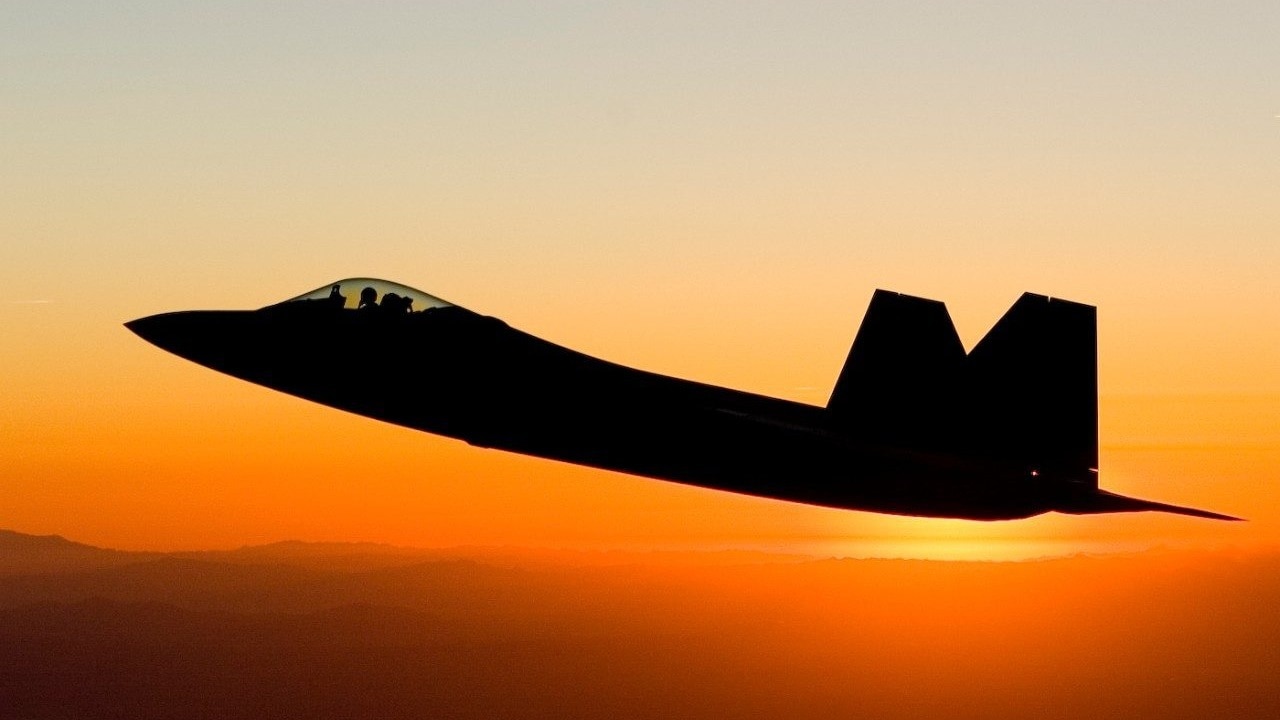
F-22 Raptor. Image Credit: Lockheed Martin.
But allowing those factors to crowd out the primary strategic purpose of the US attack distorts the meaning of the action. The objective was not to deny rival powers access to resources or to secure access for the US itself. It was to blunt the efforts of those rival powers to exert influence in the Western Hemisphere. When that distinction becomes hazy, friends hedge and opponents probe–an unnecessary loss for Washington.
Authority and Legality for Venezuela Action
Legal questions were raised almost immediately.
Legally, presidential authority to use force in defense of national security interests is quite expansive, grounded less in the precise wording of Article II than in long-established norms. Successive administrations have relied on this latitude to act first and consult later when confronting threats judged to be urgent, external, and strategic. The War Powers debate will unfold as it always does, largely after the fact and with little immediate effect.
International law offers no firm footing for justifying a U.S. attack on Venezuela or the seizure of its head of state. Article 2(4) of the UN Charter provides a broad prohibition on the use of force and its exceptions are narrow. Article 51’s reference to an inherent right of self-defense exists only to the extent necessary to address an armed attack that has already occurred. The notion of stretching that provision to cover a preventive or retaliatory use of force against non-armed influence, or against association, or based on a future risk, is far beyond the scope of its accepted meaning.
Nor does the Security Council offer an alternative source of legal authority. In the absence of a specific Chapter VII authorization, it is simply impermissible for any state to use force to remove a regime or capture a leader. States have at times attempted to justify such actions on the grounds of necessity, regional order, or hybrid threats.
But none of these concepts translates a strategic concern-based attack into one with legal legitimacy. However strong the policy argument may be, international law offers no legitimate grounds on which to justify such action.
What Comes Next
Removing Maduro addresses the immediate political problem but ushers in a far more demanding phase. Venezuela’s collapse—and the reason it was subject to US attack—is structural rather than personal. The networks of patronage and crime that form the regime are entrenched and will not be eradicated by one operation.
The next step is then an unfortunate choice between two bad options: a stabilizing intervention with a limited footprint designed to contain further collapse or a speedy disengagement that does nothing to change the dynamic.
For these reasons, some degree of U.S. presence on the ground may be unavoidable in the near term, particularly to secure key infrastructure, contain the risk of internal collapse, and block the return of external actors. Even so, removing a regime’s leadership does not by itself produce a stable political outcome. Resistance—whether political, armed, or both—can endure longer than Washington is prepared to sustain, making it difficult to separate a limited intervention from a longer, more entangling commitment.
The Real Test
The proof of whether this episode represents a wise strategy or a Trump strategy will be in the sequels. This goes for Venezuela, to be sure, but also for Cuba, Iran, and any future instance in which the logic of denial meets the logic of presidential impulse.
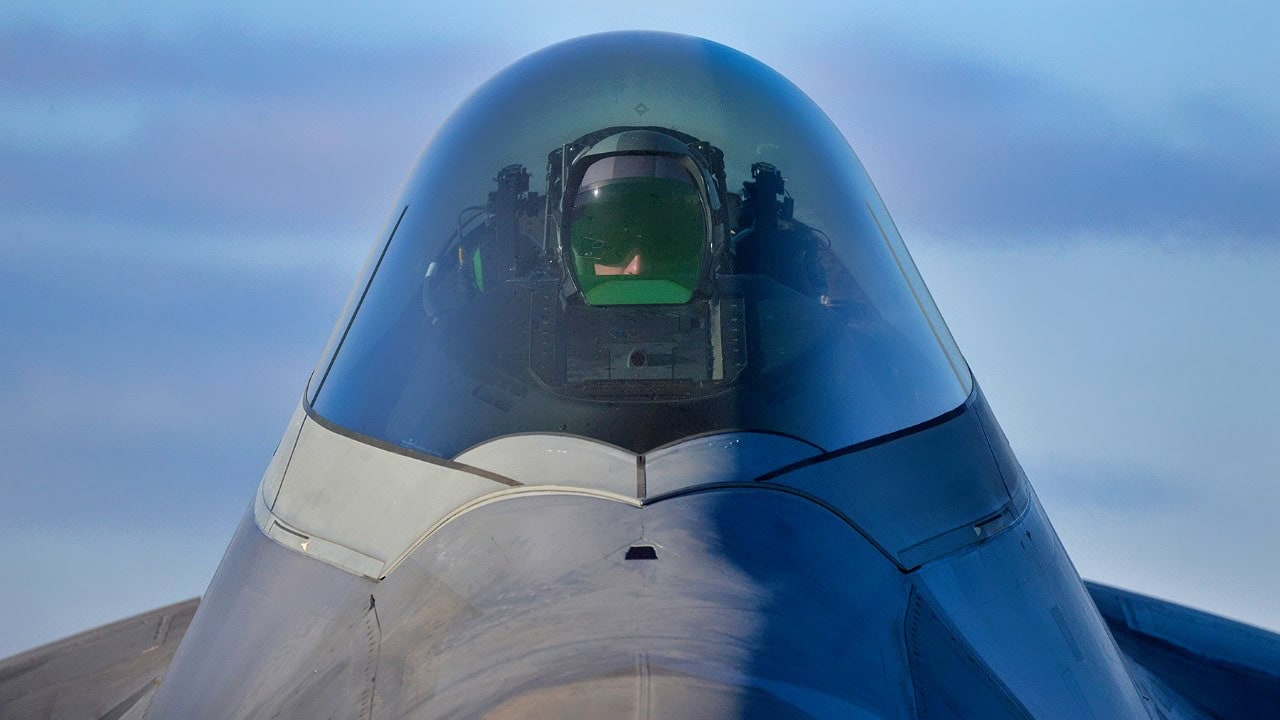
Maj. Philip “Stonewall” Johnson, 514th Flight Test Squadron F-22 test pilot, sits in the last F-22 Raptor to complete the F-22 Structural Repair Program Nov. 24, 2020, prior to performing a functional check flight with the aircraft at Hill Air Force Base, Utah. The 574th Aircraft Maintenance Squadron processed 135 F-22s through the program by performing structural modifications to increase total flying hour serviceability on each aircraft by 8,000 hours. (U.S. Air Force photo by Alex R. Lloyd)
If Washington maintains a narrow set of objectives and links action to the sober logic already built into its own National Security Strategy, this episode may represent a prudent recalibration of American grand strategy for a multipolar age.
If not, the Donroe Doctrine risks becoming less a doctrine than a slogan—one that confuses boundaries with bravado and denial with domination.
The hemisphere is back on the strategic map. Whether it becomes a zone of managed order or repeated crisis will depend on whether discipline, rather than distortion, governs what comes next.
About the Author: Dr. Andrew Latham
Andrew Latham is a non-resident fellow at Defense Priorities and a professor of international relations and political theory at Macalester College in Saint Paul, MN. You can follow him on X: @aakatham.