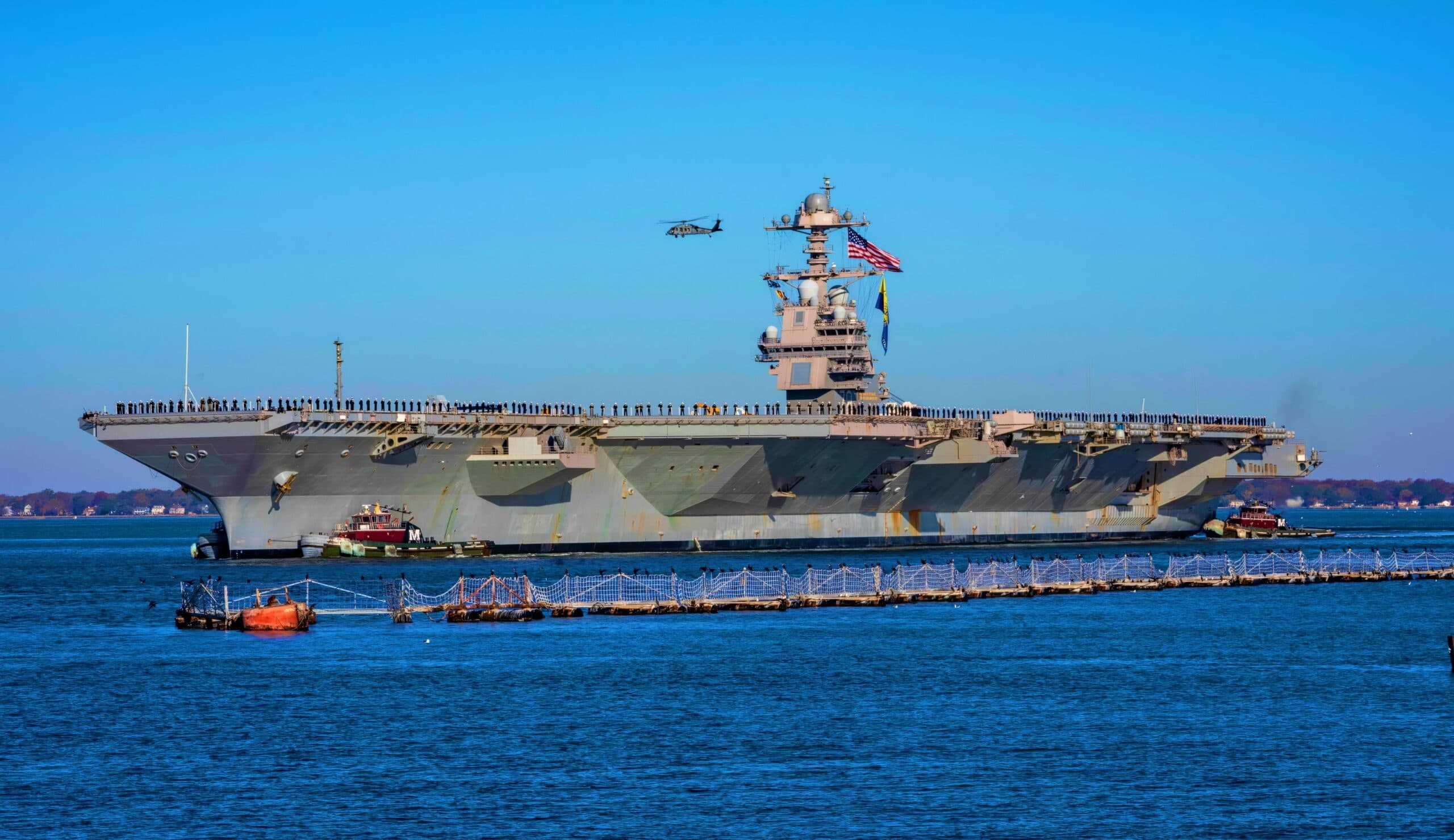
Summary and Key Points: USS Gerald R. Ford remains a high-demand supercarrier after supporting a time-sensitive Venezuela operation and continuing a long deployment since June 2025.
-While USS Abraham Lincoln heads toward the Middle East, Ford has stayed in-region for monitoring and security work—yet persistent maintenance issues have followed it.
Reports based on documents cited by NPR describe chronic clogs and vacuum failures in the ship’s Vacuum Collection, Holding and Transfer (VCHT) sewage system, allegedly driven by narrow piping and the demands of a roughly 4,600-sailor crew.
-The Navy says the system is zoned, disruptions are isolated, and mission readiness has not been affected.
USS Ford’s “Clogged Toilets” Problem: The Hidden Headache on America’s Newest Supercarrier
The U.S. Navy’s famous USS Ford supported the critical, time-sensitive, targeted military operation to capture Maduro in Venezuela, and the platform’s exemplary performance led to its high demand as an option for the Middle East.
The USS Ford is not being sent to the Middle East, as the USS Abraham Lincoln is making the trip from the South China Sea.
The USS Ford, on deployment from Norfolk, Va, since June 2025, has remained off the coast of Venezuela to monitor shipping traffic and further support security operations in the region.
Its operational importance shows no sign of diminishing, yet the platform has been experiencing maintenance challenges.
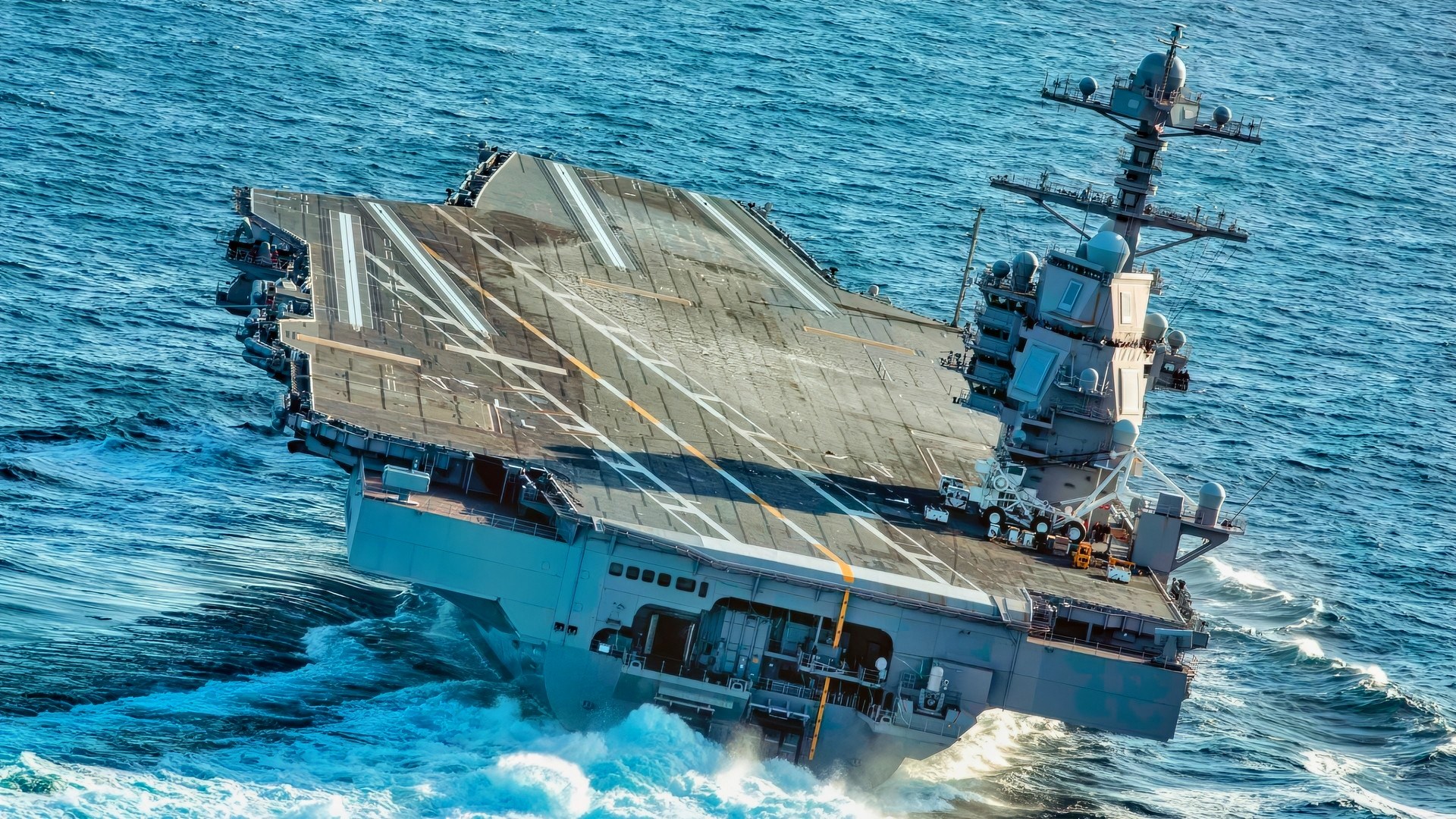
USS Gerald R. Ford (CVN 78) conducts high-speed turns in the Atlantic Ocean. Ford is at sea conducting sea trials following the in port portion of its 15 month post-shakedown availability. (U.S. Navy photo by Mass Communication Specialist 3rd Class Connor Loessin)
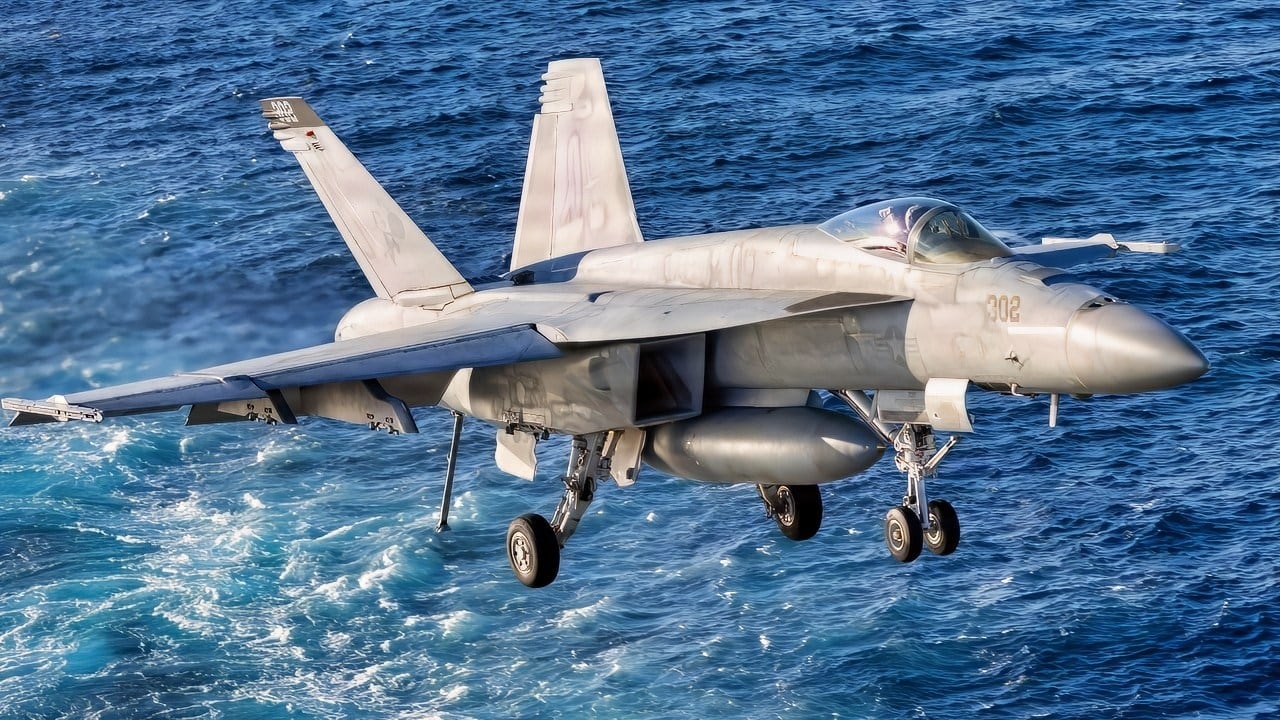
An F/A-18E Super Hornet aircraft approaches the flight deck of the world’s largest aircraft carrier, Ford-class aircraft carrier USS Gerald R. Ford (CVN 78), Nov. 17, 2025. U.S. military forces are deployed to the Caribbean in support of the U.S. Southern Command mission, Department of War-directed operations, and the president’s priorities to disrupt illicit drug trafficking and protect the homeland. (U.S. Navy photo)

Aircraft Carrier USS Gerald R. Ford Diagram. Image Credit: Creative Commons.
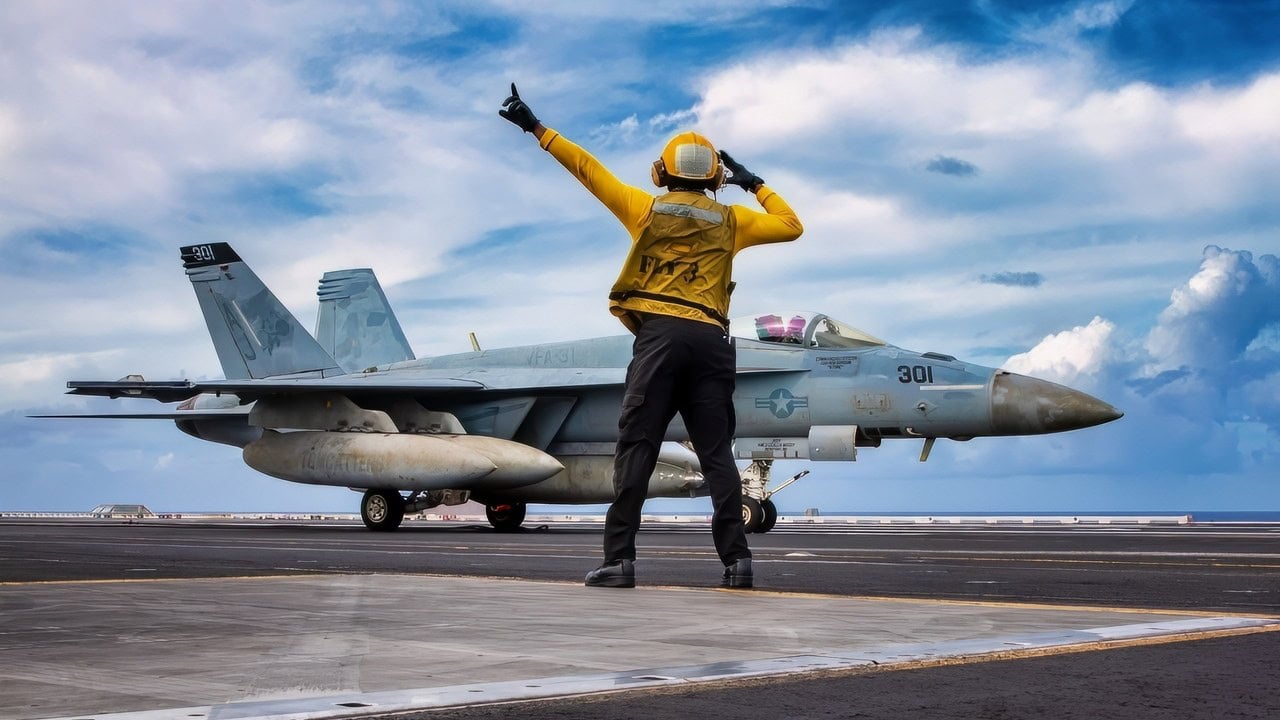
Ford-Class Aircraft Carrier. Image Credit: Creative Commons.
Alongside the performance successes associated with the USS Ford, there are numerous reports of maintenance problems on the ship, such as “clogged toilets.”
Documents obtained by NPR and reported in an NPR essay state that there have been problems with the USS Ford’s Vacuum Collection, Holding and Transfer (VCHT) system — the ship’s main sewage and waste-handling network.
The VCHT was adopted to reduce water usage and improve sanitation compared with older gravity-based systems.
However, the NPR essay claims that the system’s pipes are too narrow for the volume and type of waste produced by a crew of roughly 4,600 sailors, leading to chronic clogs, vacuum failures, and systemwide breakdowns.
Operational Relevance?
US Navy Fleet Forces Command continues to address the issue, explaining that the maintenance challenge has not in any way impacted ship operations and that problems with the toilets often occur when the wrong items are disposed of.
In a statement to Task & Purpose, Fleet Forces Command spokesperson Lt. Cmdr. David Carter said that the VCHT system has had “no impact on the ship’s operational readiness or mission execution.”
The system is split across 10 independent zones and supports more than 600 toilets on the ship. According to Fleet Forces Command, the ship sees on average one maintenance call for the system per day, “typically resulting from improper materials being introduced into the system.”
“These issues are usually isolated, can be addressed by the ship’s force in any operating condition or location, and are resolved while the remainder of the system continues to operate normally,” Carter said. “Maintenance demands have decreased as the deployment has progressed, and planned system improvements will be incorporated during upcoming maintenance availabilities to further enhance reliability.”
Wrong Items Being Flushed
Compounding the problem, substances like t-shirts, brown paper towels, ropes, and even commercial toilet paper have frequently clogged the narrow pipes.
The problem has been severe enough that the Navy has had to bring in external help at least 42 times since 2023 to address failures, according to the NPR essay.
The temporary remedy typically used — a highly specialized acidic flush of the VCHT system — can only be done in port, the NPR essay says, so it is likely the USS Ford will return home before too long.
Ford-class Future
The maintenance challenges faced by the Ford-class carriers underscore the complexity of integrating high-end technologies into large warships.
It is likely that lessons from Ford’s difficulties could inform upgrades for upcoming Ford-class carriers such as the Enterprise (CVN-80) and Doris Miller (CVN-81).
It seems conceivable that “fixes” or design adjustments can be made to these now-in-development ships to address and mitigate any continued maintenance challenges.
About the Author: Kris Osborn
Kris Osborn is the President of Warrior Maven – Center for Military Modernization. Osborn previously served at the Pentagon as a highly qualified expert in the Office of the Assistant Secretary of the Army—Acquisition, Logistics & Technology. Osborn has also worked as an anchor and on-air military specialist at national TV networks. He has appeared as a guest military expert on Fox News, MSNBC, The Military Channel, and The History Channel. He also has a Master’s Degree in Comparative Literature from Columbia University