
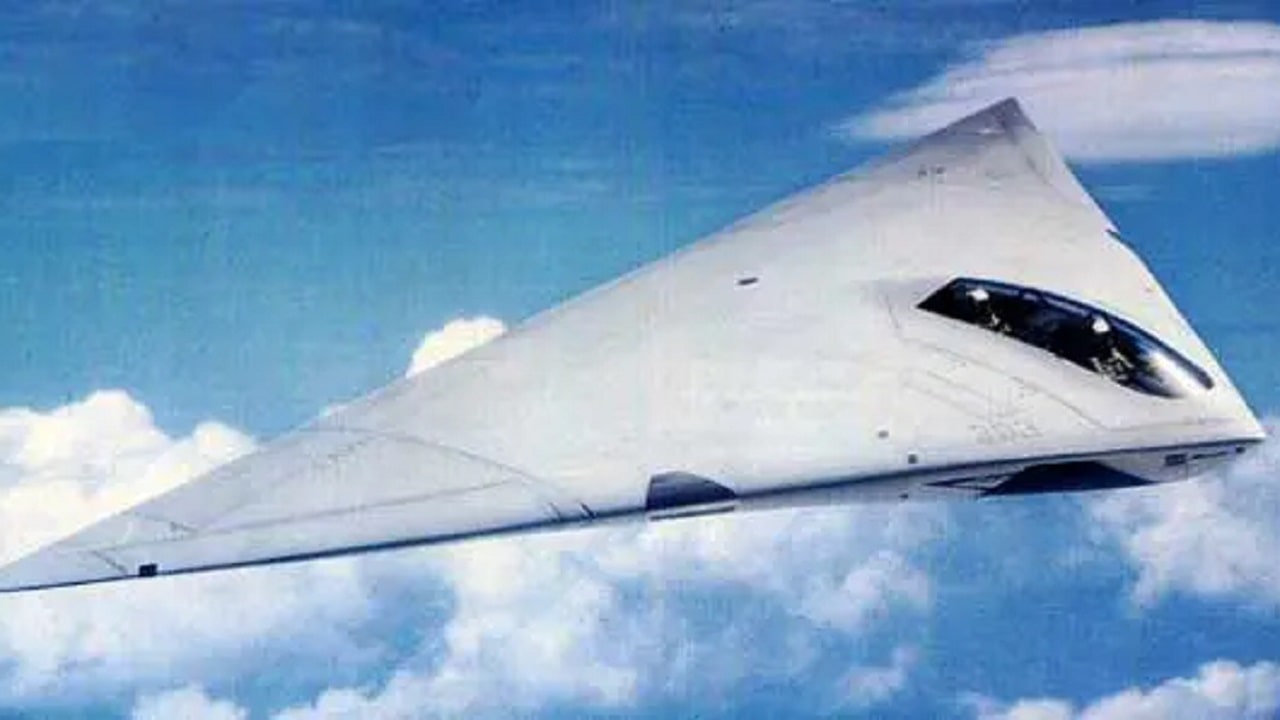
A-12 Avenger II: The Navy’s Stealth Bomber That Never Flew
“What’s in a name? That which we call a rose by any other name would smell as sweet,” quoth Romeo to Juliet.
Well, in the case of the word “Avenger,” quite a bit, apparently.
To military aviation history buffs, the word “Avenger” refers to one of two different planes. First is the Grumman TBF/TBM Avenger torpedo bomber, which made key contributions to the U.S. victory over the Imperial Japanese Navy (IJN) in the Pacific Theatre of World War II. Second is our current subject: a conceptual experimental warplane known as the A-12 Avenger II.
Some Semantic Clarification
The A-12 Avenger II is not to be confused with the Lockheed A-12 Oxcart spy plane, which bore a striking resemblance to another Lockheed “Skunk Works” brainchild, the SR-71 Blackbird.
The Avenger II was not a Skunk Works project, but rather a joint venture by two of Lockheed’s (now Lockheed Martin’s) key competitors in the aerospace and defense industries, McDonnell Douglas (now Boeing) and General Dynamics.
A-12 Avenger II Basic Premise & Promise
Unlike the unarmed Oxcart and Blackbird, the A-12 Avenger II would have borne arms and could have revolutionized air-to-ground combat. Alas, it never got off the ground.
The concept behind the Avenger II traces its roots back to 1983, when the U.S. Navy launched the Advanced Tactical Aircraft (ATA) program with the intent of replacing the venerable Grumman A-6 Intruder attack aircraft by 1994. Like the Intruder, the A-12 would have been an all-weather, carrier-based bomber, with the added benefit of stealth technology that was even more advanced than what was used in then-state-of-the-art F-117A Nighthawk.
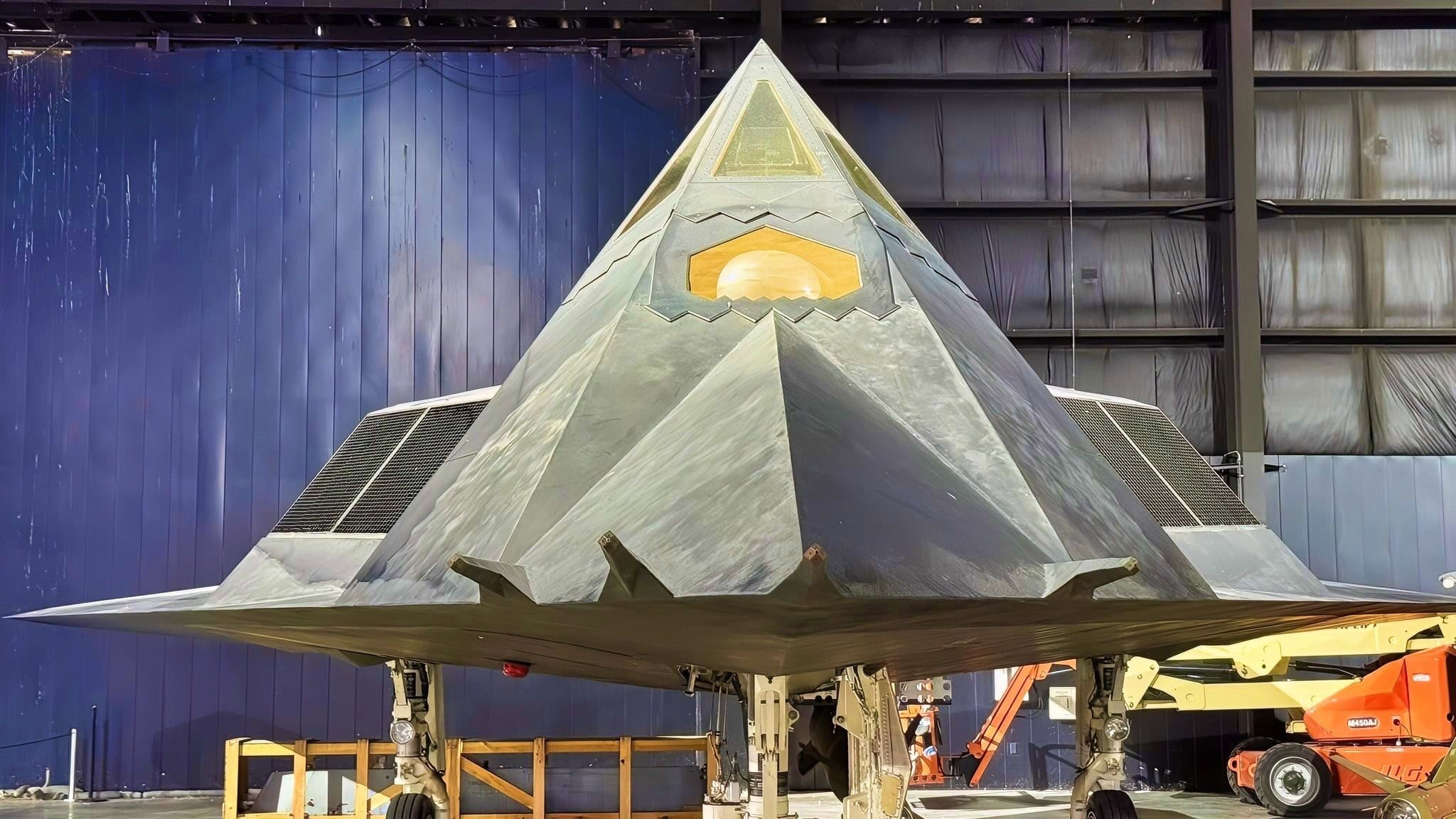
F-117 Nighthawk Stealth Fighter Harry Kazianis Photo
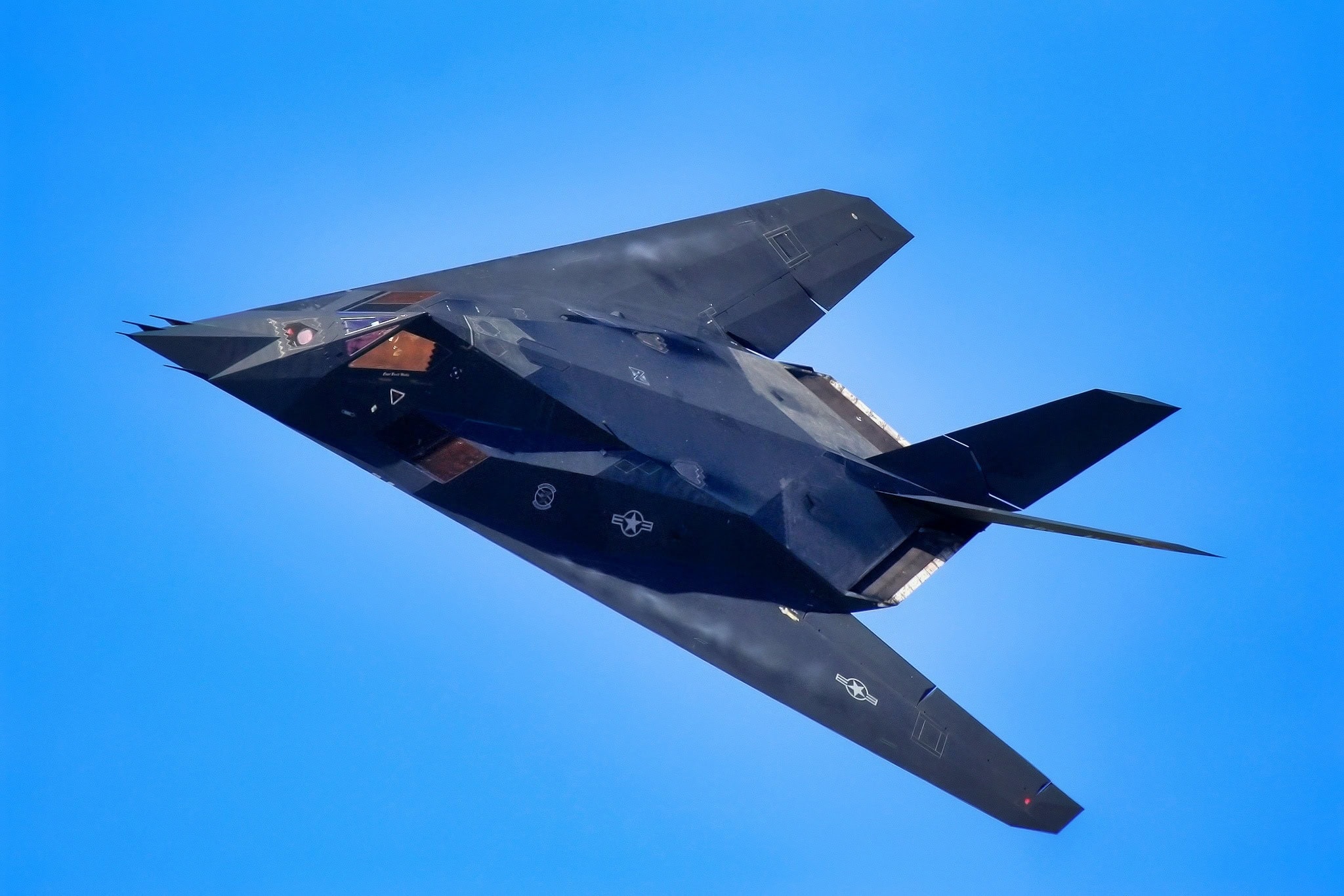
F-117. Image Credit: Creative Commons.
The McDonnell Douglas/General Dynamics tag team won the bid to develop the platform in 1988.
As envisioned, the would-be warbird featured an isosceles triangle-shaped flying-wing design that bore at least a passing resemblance to the Northrop (now Northrop Grumman) B-2 Spirit (the original stealth bomber) and earned it the nickname “Flying Dorito.”
A-12 Avenger II Hypothetical Tech Specs and Vital Stats
- Crew: 2
- Length: 37 ft 10 in
- Wingspan: 70 ft 3 in
- Width: 36 ft 3 in with folded wings
- Height: 11 ft 3 in
- Empty weight: 39,000 lbs.
- Max takeoff weight: 80,000 lbs.
- Powerplant: 2 × General Electric F412-GE-D5F2 turbofan engines, 13,000 lbf. thrust apiece
- Max airspeed: 575.3 mph
- Combat range: 920 mi
- Service ceiling: 40,000 ft
- Rate of Climb: 5,000 ft/min
- Armament: Payload capability of 5,160 pounds in internal weapons bay including
- 2× AIM-120 AMRAAM active radar-guided air-to-air missiles
- 2× AGM-88 HARM air-to-ground missiles
So, What Went Wrong?
The Avenger II showed so much promise. Indeed, as late as March 1990, Vice Admiral Richard Michael “Dick” Dunleavy, then-deputy chief of naval operations (Air), stated, “I like what I see, and [it] will be a good airplane.” The Navy planned to buy 620 airframes and the Marine Corps another 238, with the first to enter service in about 1995. At one point, even the Air Force was reported to be considering a 400-plane purchase. So how did so much potential end up being for naught?
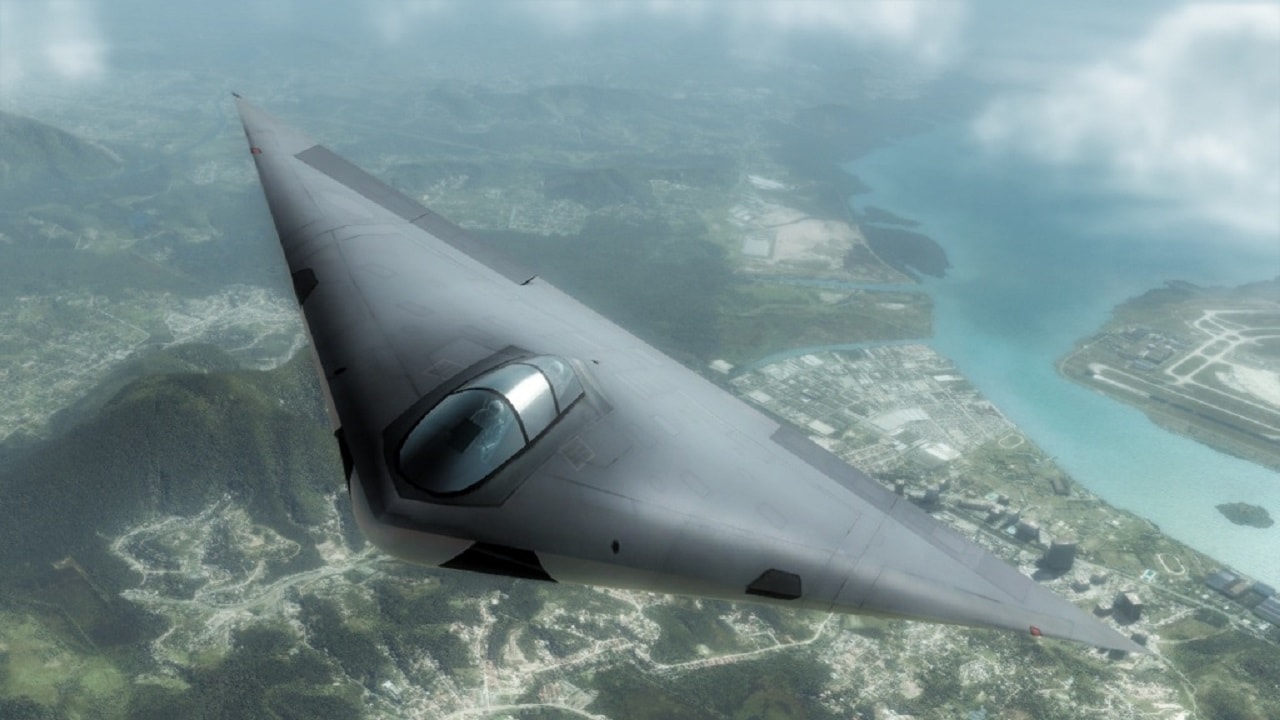
A-12 Avenger II. Image Credit: Creative Commons.
Aaron Spray of Simple Flying sums it up:
“Despite the optimism, the aircraft was found to be overweight, and manufacturing was more difficult than thought. The Avenger II project was beset by cost overruns and delays. …
“The cancellation of Avenger II was the largest project termination in US Defense Department history. The only A-12 Avenger II built was a mockup.”
Then-Secretary of Defense Dick Cheney canceled the program outright on January 7, 1991. In a cruel twist of irony, Cheney’s cancellation announcement just as a leading aviation journal was publishing this rosy assessment: “The A-12 attack bomber is emerging as the most important U.S. Navy aircraft programme of the present decade and seems likely to be the last all-new type to enter service with the Navy this century.”
Coincidentally, that cancellation took place 10 days before the Persian Gulf War kicked off, during which the aforementioned F-117 dramatically demonstrated to the public the deadly efficacy of stealth technology.
Aftermath
The woes associated with the Avenger II program continued. There was litigious fallout, as Spray elaborates:
“The cancellation led to a long-running litigation, as the government wanted contractors to return some of the funding. The case was not settled until 2014, when the contractors agreed to repay a lower sum.”
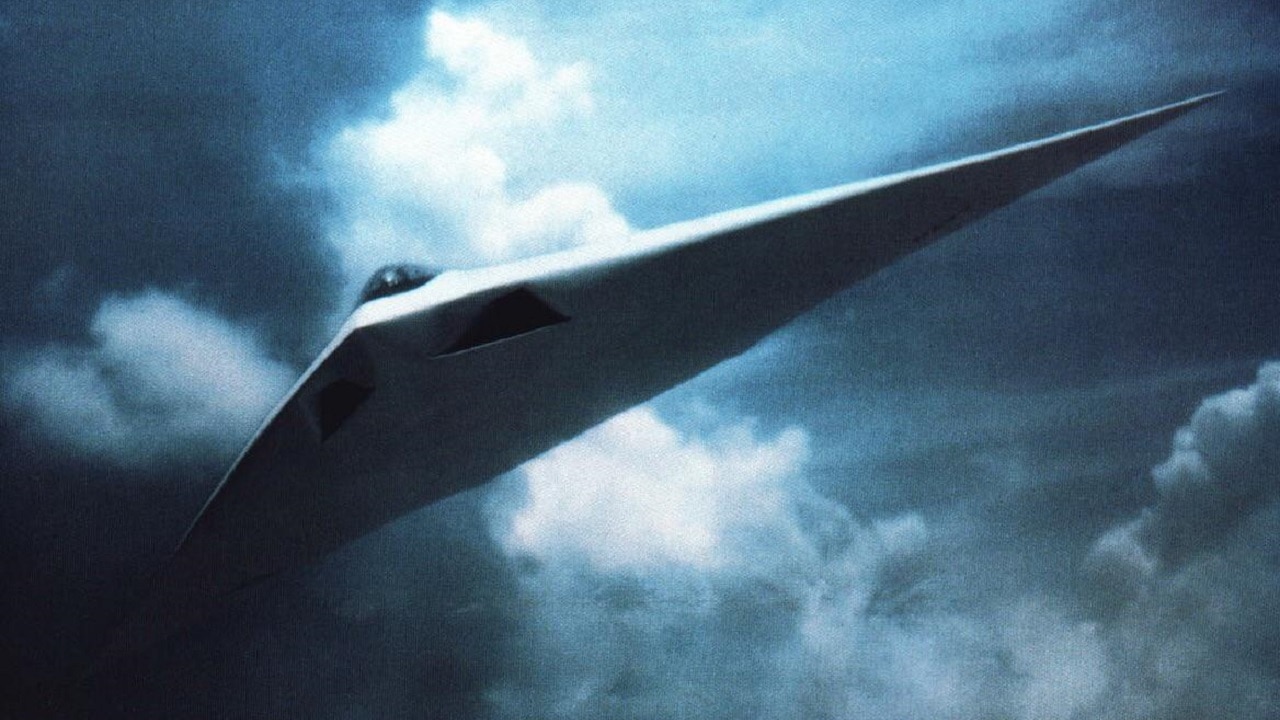
A-12 Avenger. Image Credit: Creative Commons.
After the inauspicious cancellation of the A-12, the Navy purchased the F/A-18E/F Super Hornet, which ended up replacing not only the A-6 Intruder but also the F-14 Tomcat jet fighter.
However, the Navy would languish for the better part of three more decades without a stealth aircraft (surrendering all of the stealth bragging rights to the Air Force in the process)—until February 28, 2019, when the F-35C attained initial operating capability.
Where Is It Now?
In June 1996, the full-size Avenger II mockup was revealed to the general public at Naval Air Station (NAS) Joint Reserve Base Fort Worth. It was transported to Veterans Memorial Air Park (now known as Fort Worth Aviation Museum) adjacent to Meacham International Airport in north Fort Worth in June 2013.
About the Author: Christian D. Orr, Defense Expert
Christian D. Orr is a Senior Defense Editor. He is a former Air Force Security Forces officer, Federal law enforcement officer, and private military contractor (with assignments worked in Iraq, the United Arab Emirates, Kosovo, Japan, Germany, and the Pentagon). Chris holds a B.A. in International Relations from the University of Southern California (USC) and an M.A. in Intelligence Studies (concentration in Terrorism Studies) from American Military University (AMU). He is also the author of the newly published book “Five Decades of a Fabulous Firearm: Celebrating the 50th Anniversary of the Beretta 92 Pistol Series.”