
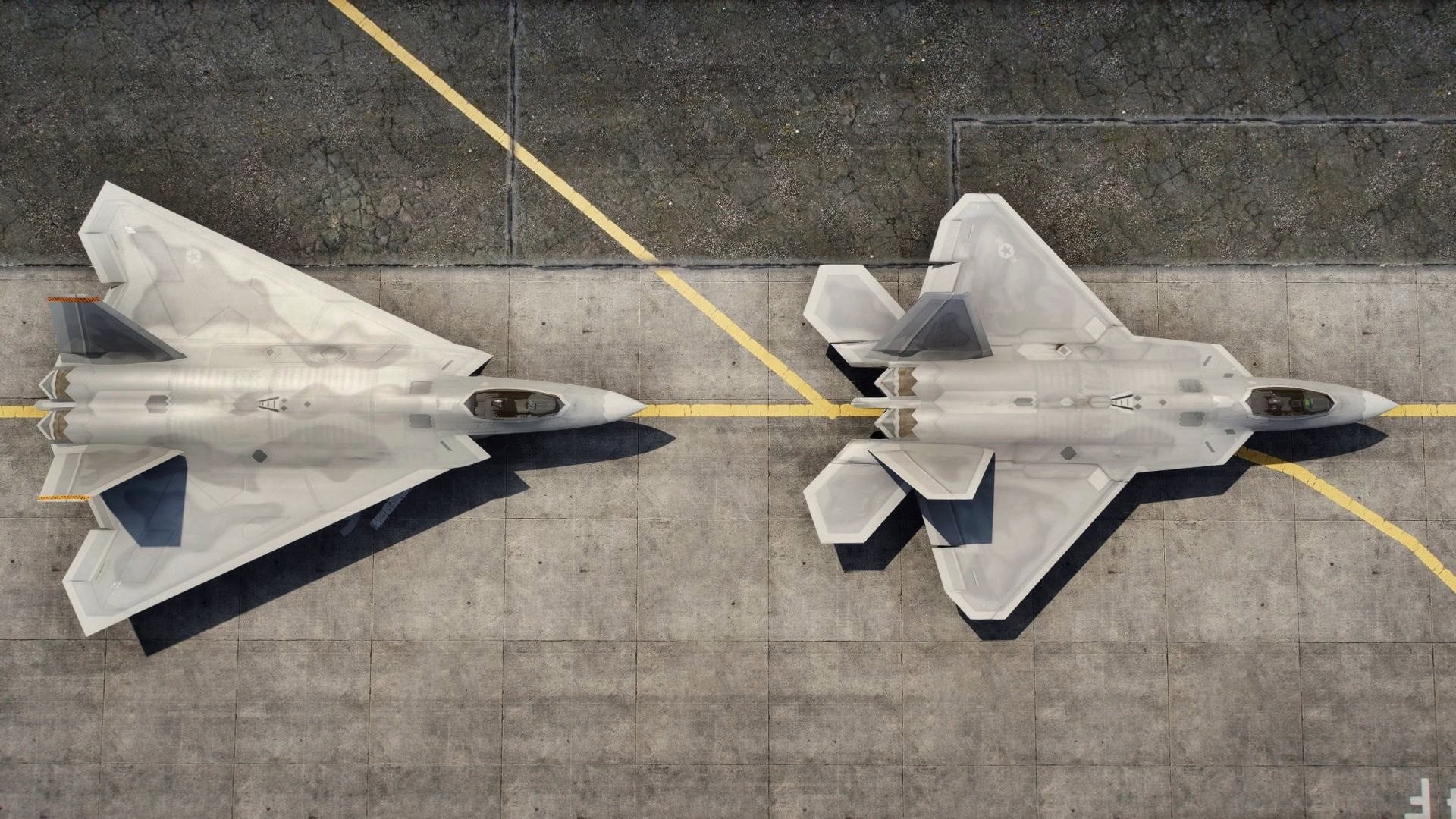
Synopsis: The FB-22 “Strike Raptor” was a proposed high-speed stealth bomber variant of the F-22 Raptor, championed in the early 2000s as a solution to the Air Force’s aging bomber fleet.
-Designed by Lockheed Martin, the concept featured a stretched fuselage and larger delta wings to triple the aircraft’s range to over 1,600 miles and carry a significantly larger payload—including up to 30 Small Diameter Bombs or 5,000-pound bunker busters—while maintaining a top speed of Mach 1.9.
-Intended as a “Day One” hunter-killer capable of suppressing enemy air defenses for follow-on B-2 strikes, the program ultimately “died on the vine” due to shifting geopolitical priorities.
-With the Bush administration focused on counter-insurgency in Iraq and Afghanistan rather than great-power conflict, and the Pentagon desiring a bomber with even greater range (eventually leading to the B-21 Raider), the FB-22 was deemed unnecessary for the wars of the era.
Why the Air Force Killed the FB-22 Before It Could Fly
One main selling point of the F-22 Raptor is its ability to dominate a dogfight.
The stealthiness is amazing, and updates over the years have made it more pilot-friendly, with better performance metrics to enhance the airframe.
The Raptor is not known for ground strikes, but it can drop JDAMs if needed.
The main emphasis of the F-22 has always been its ability to score kills in air superiority mode.
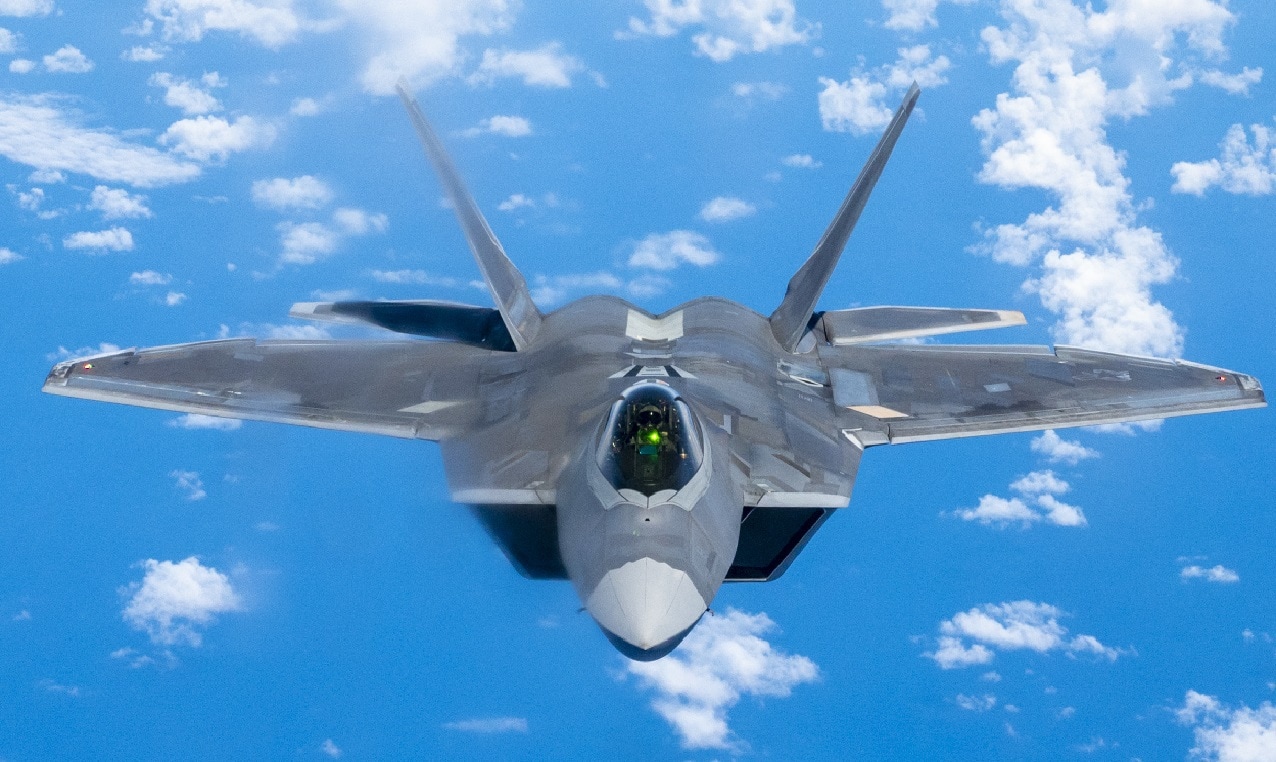
A Hawaii Air National Guard F-22 Raptor flies in formation with a French Air and Space Force F3-R Rafale June 30, 2021, near Oahu, Hawaii. FASF aircraft, maintenance, and support personnel traveled to Hawaii for exercise Wakea as part of the bilateral cooperation in the Pacific between the United States and France. During Wakea, Hawaii ANG F-22 Raptors trained with FASF aircraft to enhance air-combat expertise and interoperability between the two countries’ aircraft. In a unique association, the F-22s and the air defense mission at Joint Base Pearl Harbor-Hickam are assigned to the 154th Wing, Hawaii Air National Guard. Collectively known as the Hawaiian Raptors, the Hawaii ANG 199th Fighter Squadron and active duty 19th Fighter Squadron serve together under the Air National Guard-led active-associate construct to execute their mission sets. (U.S. Air National Guard photo by Staff Sgt. Orlando Corpuz)
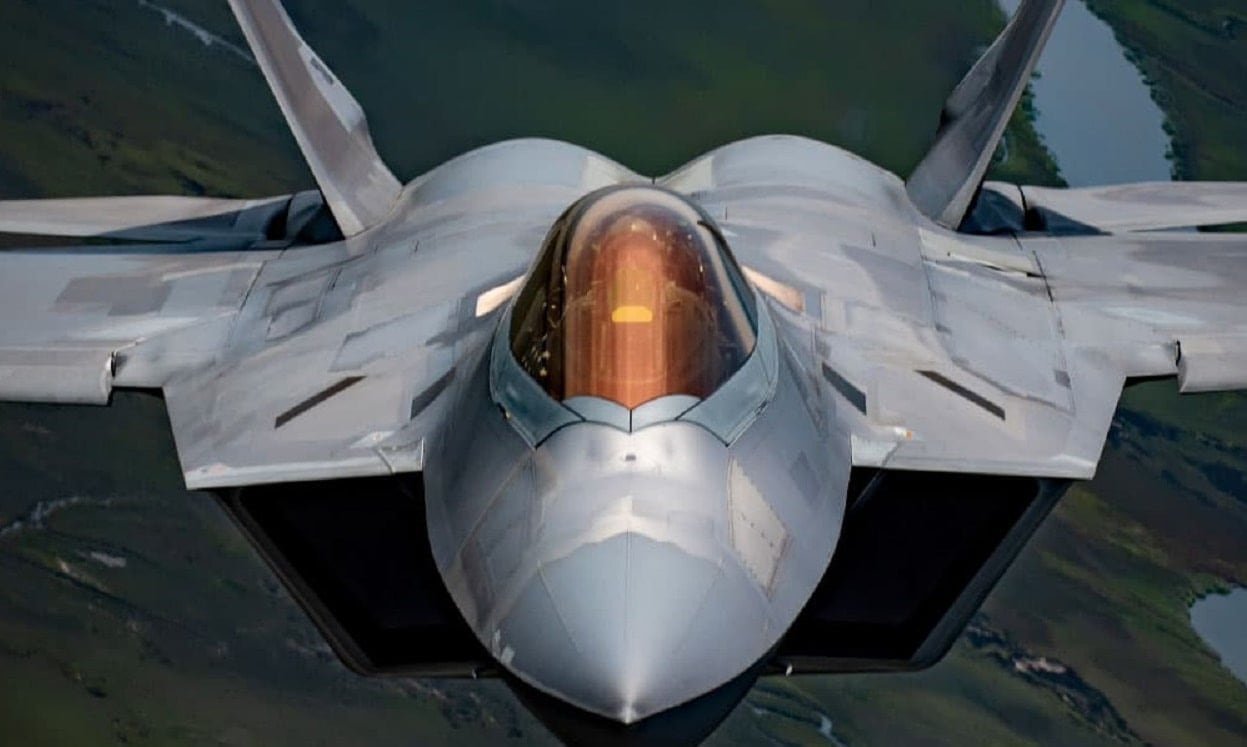
F-22 Raptor. Image Credit: Creative Commons.
Since dogfighting has been the primary mission over the years, most observers are not familiar with the Air Force’s effort to transform the F-22 into a bomber, the FB-22.
The “Strike Raptor” would swoop in for ground kills when the Global War on Terror was raging.
Soldiers and Marines needed help with close air support from a stealthy option. Plus, the FB-22 could have been a Day One bomber that could supplement a B-2 flight in the initial stages of an overwhelming ground attack mission.
FB-22 to the Rescue
The FB-22 would have a stretched fuselage to carry the various bombs assigned to it. The bomber would have a second seat to control weapon deployment.
The FB-22 was designed to replace the F-15E Strike Eagle.
It Would Have Been Nice to Have These Days
The FB-22 would have been useful today as an additional option against Russia, China, North Korea, and Iran for first-day strike missions to supplement the B-2 Spirit or the non-stealth B-1 and B-52.
Lockheed Martin proposed the medium, supersonic bomber as a stealthy option for an overwhelming strike that could have suppressed enemy air defenses on Day One, enabling follow-on attacks by the B-2 and other bombers.
The Bomber Fleet in 2001 Was Seen As Insufficient
The idea for the FB-22 came from the 2001 Quadrennial Defense Review that sounded the alarm.
Strategists thought the Air Force bomber fleet was becoming long in the tooth and unable to serve effectively into the 2030s.
The F-35 was still coming online, and there were some early schedule slips and cost overruns in the Lightning II program. The FB-22 was seen as a go-to option with full-time stealth strike capability and the ability to serve as a fighter jet, like the base-model F-22.
Introducing a Fifth-Generation Bomber
This concept preceded the Air Force’s development of the B-21 Raider, a sixth-generation bomber.
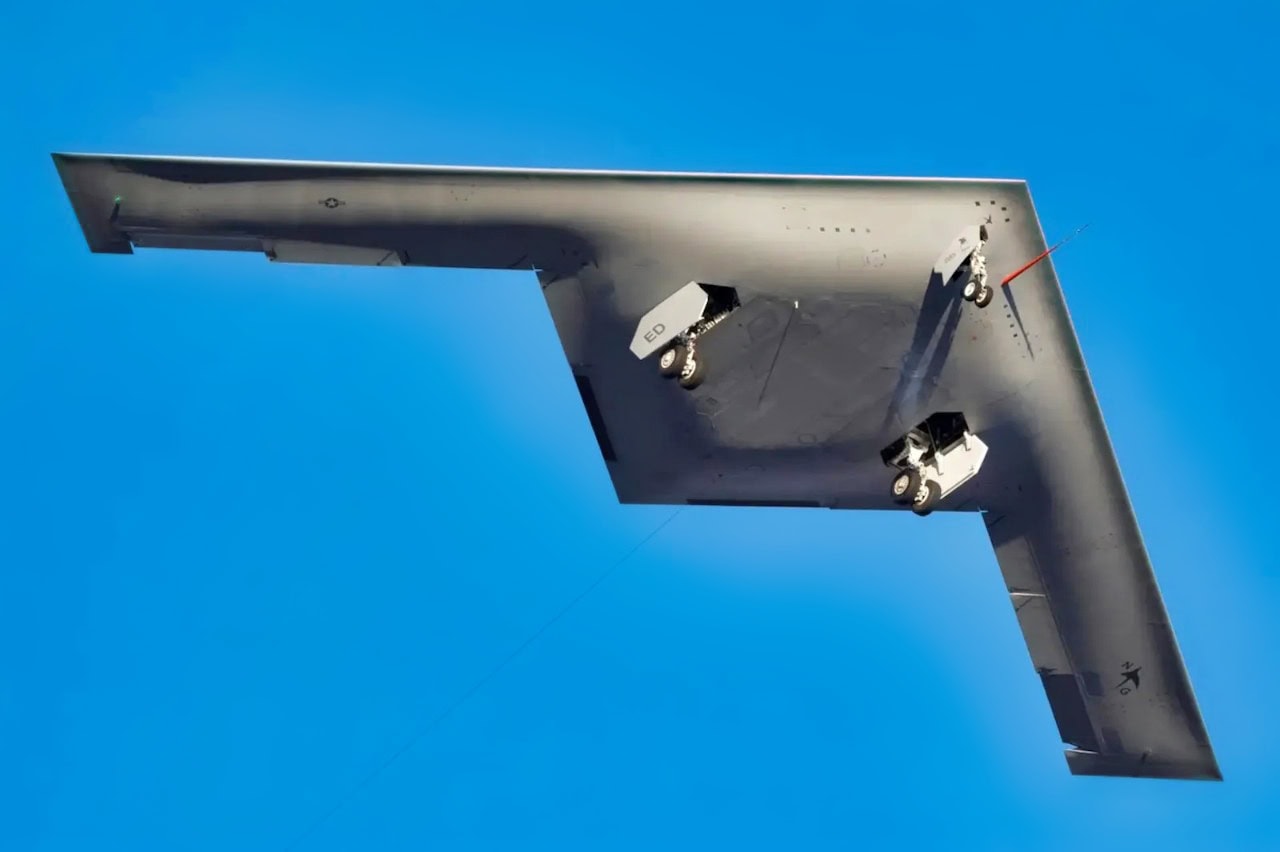
B-21 Raider. Image Credit: Creative Commons.
The F-22 had advanced radar-evading coatings, and its design lent itself to greater stealth.
This formed the basis for a fighter-bomber that could remain on station and loiter over targets to keep the enemy’s heads down during ground combat and later could excel against a near-peer competitor like China and Russia.
The FB-22 would need more powerful engines to extend its range. It also required a larger payload to accommodate the extra bombs. However, this extra weapons capacity would add weight, reduce speed, increase drag, and limit maneuverability.
The Plan to Tweak the Base-Model Raptor
The FB-22 needed increased capacity to carry extra bombs and ground-strike missiles. The weapons bay could be enlarged to carry 5,000-pound bombs.
The Strike Raptor would have an astounding 27 hardpoints, which could also carry external fuel tanks and targeting pods, Sidewinder missiles for self-defense, and additional JDAMs.
The airplane’s range would go from 600 miles to 1,800 miles.
As a fighter-bomber, the FB-22 had other tricks up its sleeve. It could still fly at a respectable MACH 1.9.
This was excellent for a strike aircraft. It would be the fastest bomber in the fleet.
The FB-22 could also take over some duties from the F-16 and create a stealth option to help the Fighting Falcon in its multi-role missions.
Some Champions Emerged in the Pentagon
The FB-22 had some “oomph” behind it, too.
The U.S. Air Force Secretary at the time, James Roche, was a fan.
And, in fact, some of the generals on his staff were concerned about the F-35 program and believed that converting an F-22 to a bomber would not take long.
Meanwhile, Russia was successful with its own warplanes, such as the Su-27 Flanker and the MiG-29 Fulcrum. China wanted a fifth-generation fighter.
Not Part of Geopolitical Priorities
However, even though these were valid concerns, few defense analysts predicted future great-power conflicts.
The problem for the FB-22 was shifting geopolitical realities and a lack of support in the White House, Congress, and the Office of the Secretary of Defense. President George W. Bush was preoccupied with the invasion of Iraq.
Pentagon chief Donald Rumsfeld wanted a military with a smaller footprint that was more agile to support a lighter ground force that could move lightning fast to depose Saddam Hussein. Plus, the fight would later become a counterinsurgency effort. Heavy bombing from the B-52 and B-1 was going to take a back seat.
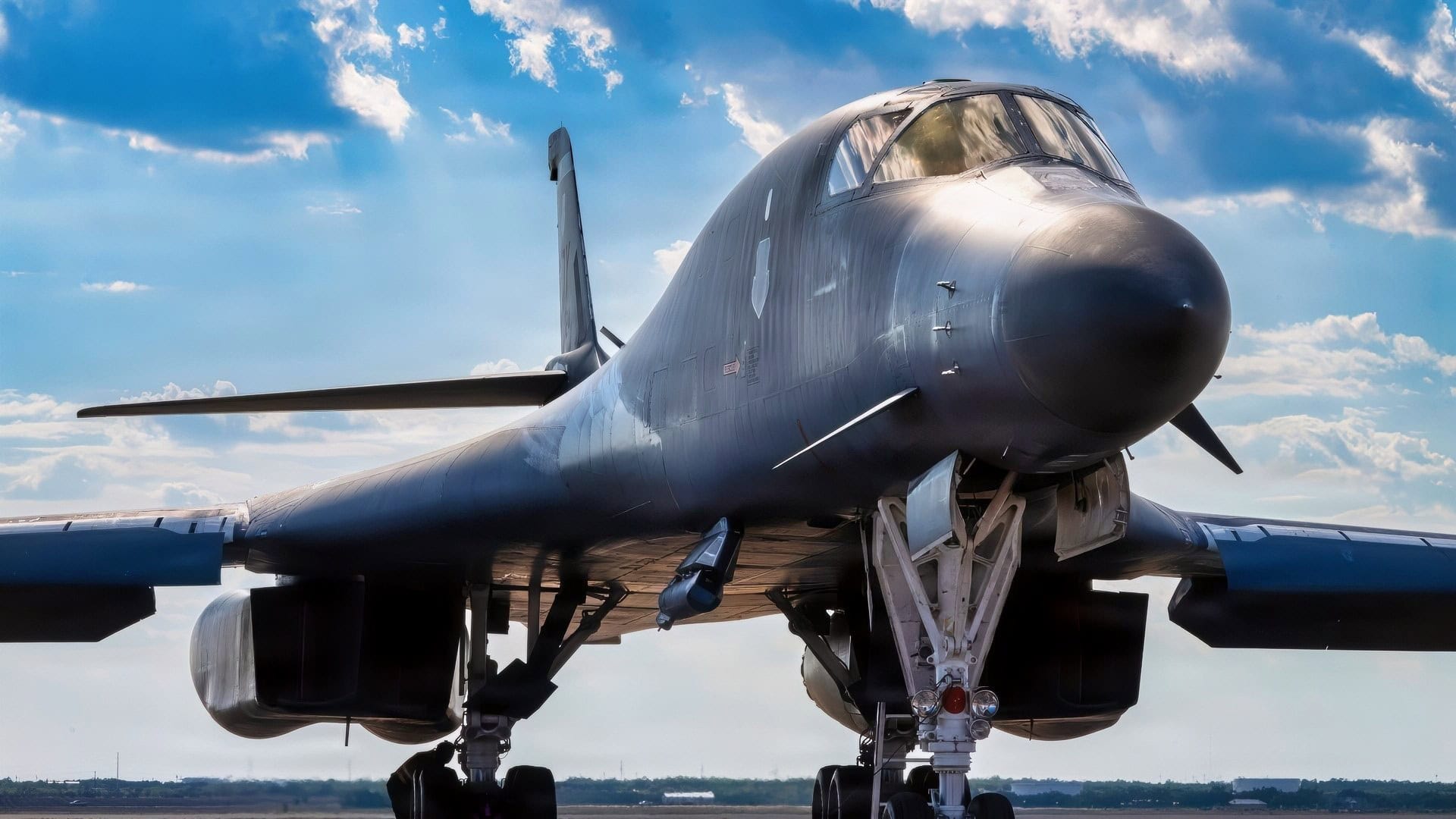
A U.S. Air Force B-1B Lancer assigned to the 9th Bomb Squadron parks on the flightline at Dyess Air Force Base, Texas, Sept. 15, 2025. Carrying the largest conventional payload of both guided and unguided weapons in the Air Force inventory, the multi-mission B-1B is the backbone of America’s long-range bomber force. (U.S. Air Force photo by Senior Airman Jade M. Caldwell)
The FB-22 could have snuck into this paradigm and been a quality addition to close air support duties, but attention was not necessarily on the Air Force bomber fleet in the early 2000s.
One More Hunter-Killer Would Be a Plus
However, the FB-22 brought much to the table. Having an extra group of hunter-killers was a worthy addition to current capabilities. The stealthiness was assured and having a back-seat weapons officer on a radar-evasive platform while the pilot controlled the aircraft and focused on avoiding enemy air defenses was seen as a plus.
The Concept Came at the Wrong Time
Sadly, the FB-22 never came to fruition and died on the vine. This can be attributed to the type of war fought in the 2000s. Counter-insurgency and counter-terror missions, plus the emphasis on special operations forces, made the FB-22 take a back seat on the weapons wish list. At the time, few in the defense media were calling for a new stealth bomber to take on Russia and China.
Too bad.
The Air Force could have used a boost to the current fleet of stealth bombers. There are only around 19 B-2s, and the B-21 is not ready for active duty.
The FB-22 would have been an excellent transition airplane until the Raider comes online. But the timing of the program was not optimal, and few were looking for a new bomber during the Global War on Terror.
About the Author: Dr. Brent M. Eastwood
Author of now over 3,000 articles on defense issues, Brent M. Eastwood, PhD is the author of Don’t Turn Your Back On the World: a Conservative Foreign Policy and Humans, Machines, and Data: Future Trends in Warfare plus two other books. Brent was the founder and CEO of a tech firm that predicted world events using artificial intelligence. He served as a legislative fellow for US Senator Tim Scott and advised the senator on defense and foreign policy issues. He has taught at American University, George Washington University, and George Mason University. Brent is a former US Army Infantry officer. He can be followed on X @BMEastwood.