
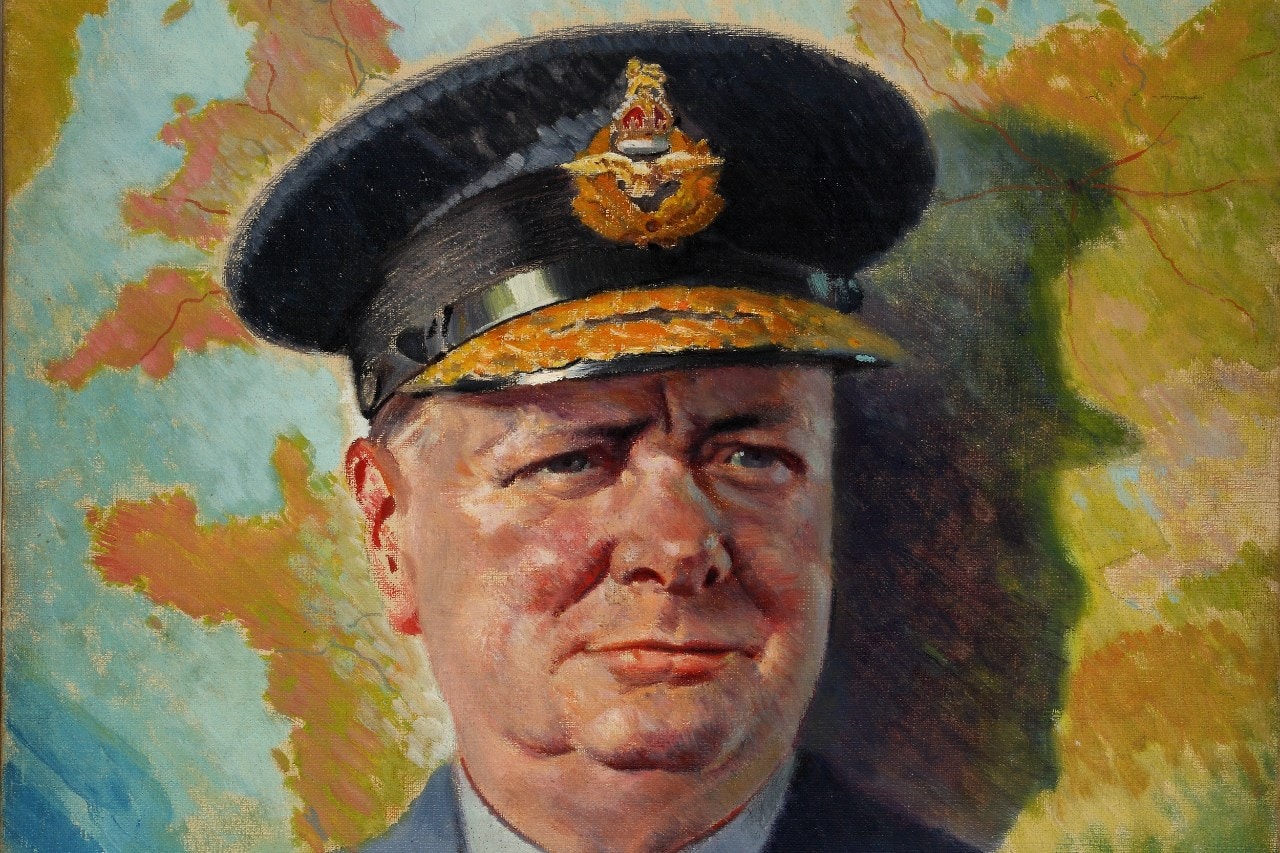
Summary and Key Points: Winston Churchill’s transition from a WWI infantry officer to WWII’s indomitable Prime Minister was defined by a shift from effort to execution.
-Serving in the trenches near Ploegsteert, Belgium, Churchill learned that in existential warfare, “doing your best” is insufficient—one must do what is required.
-This grit underpinned his 1940 “We Shall Fight” speech and the defense of Great Britain.
-By touring bombed-out cities like Plymouth and maintaining an approval rating above 78%, Churchill leveraged his WWI trauma to instill a national duty that saw “best” as a starting point, not a ceiling.
1 Quote That Defined Winston Churchill and His Historic Leadership
“Sometimes doing your best is not good enough. Sometimes you must do what is required.” – Winston Churchill
This was a quote Churchill made during a speech on March 7, 1916, in the House of Commons. At the time, World War I was raging. The Germans had reinvigorated their Verdun offensive.
They were attacking on the West Bank of the Meuse River to threaten the French who had dug in there. Germany struggled to take allied positions in the hills overlooking the combat zone. The battlefield was muddy, littered with wounded and dead. This was one of the most depressing times of the war.
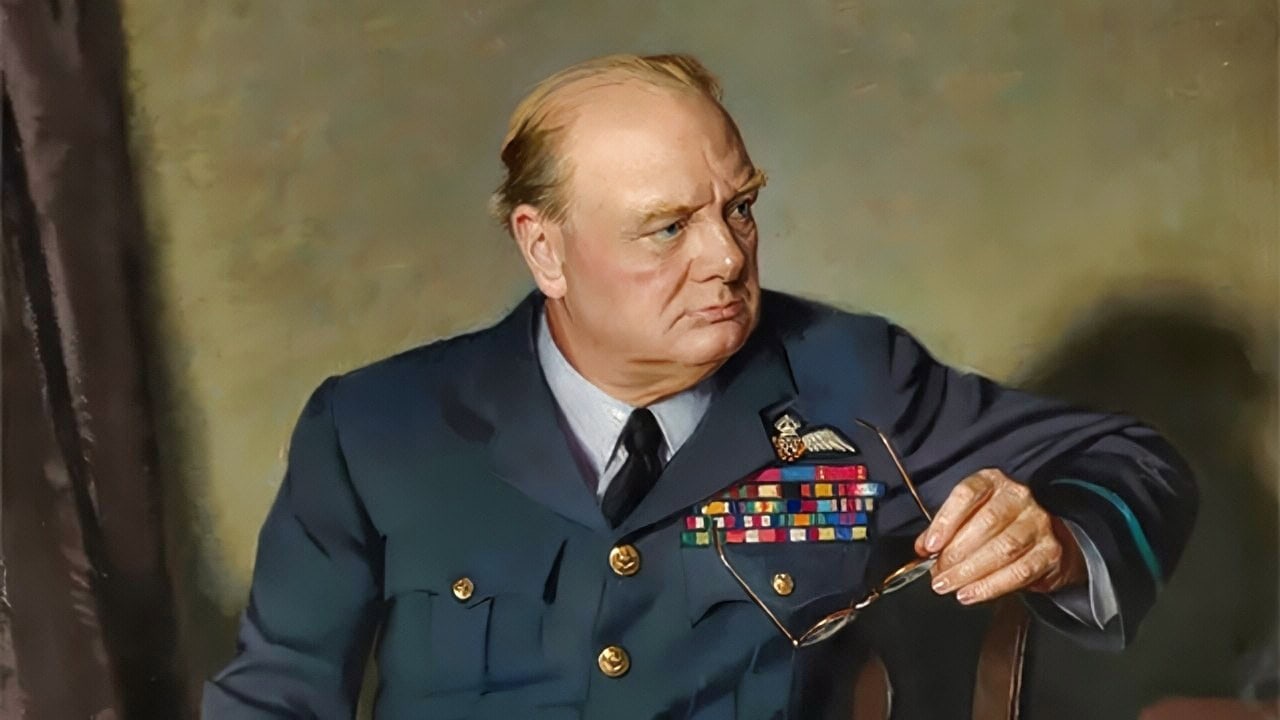
Winston Churchill Portrait. Image Credit: Creative Commons.
Forged By Combat
Churchill knew he had to rally his countrymen and the entire Allied force. The British leader had been serving as an infantry officer on the Western Front. He was a lieutenant colonel in the 6th Battalion of the Royal Scots Fusiliers for the 9th (Scottish) Division. He deployed in the trenches near Ploegsteert, Belgium, and often visited dangerous areas of the frontlines.
He Came Back a Changed Man
Churchill was to return to parliament that year, and the war took a strain on him. He was a successful commander, but the constant fear and stress of combat made him more realistic about the limits of battlefield gains during World War One.
Is Doing Your Best Enough to Get Results?
He no longer had his youthful idealism about warfare. He was still pleased to be a commander and to have served his country. Churchill was a soldier first and foremost. But World War One taught him that doing your best is sometimes not enough. One must still work to get results in the most trying circumstances, even if failure is probable.
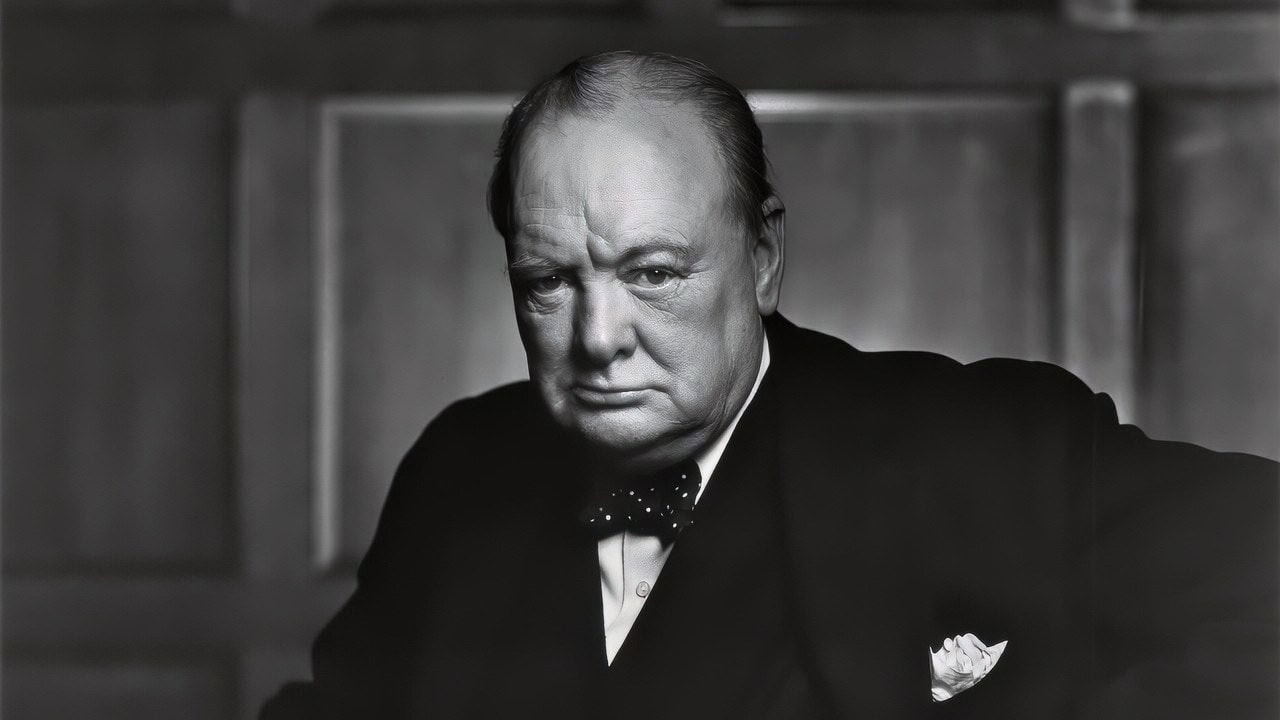
Sir Winston Churchill. Image Credit: Creative Commons.
The Education of a Leader
This experience would serve Churchill well when he became prime minister during World War Two. Warfare necessitated great sacrifice, and there was a need to do splendid things beyond comprehension to survive. Achievement requires a great sense of duty and steadfastness. Churchill’s World War I experience shaped his later beliefs about leadership when he conducted a military response under great odds.
Striving to Meet Challenges
He knew he could not rely on excuses or blame others. Individual effort in doing what was required was not good enough. There had to be measurable gains when striving to meet goals and objectives. Churchill was never in a comfort zone during his leadership. He always pushed himself beyond limits. He was also agile and adapted to his circumstances. Churchill believed that if you continue without quitting, your “best” gets even better.
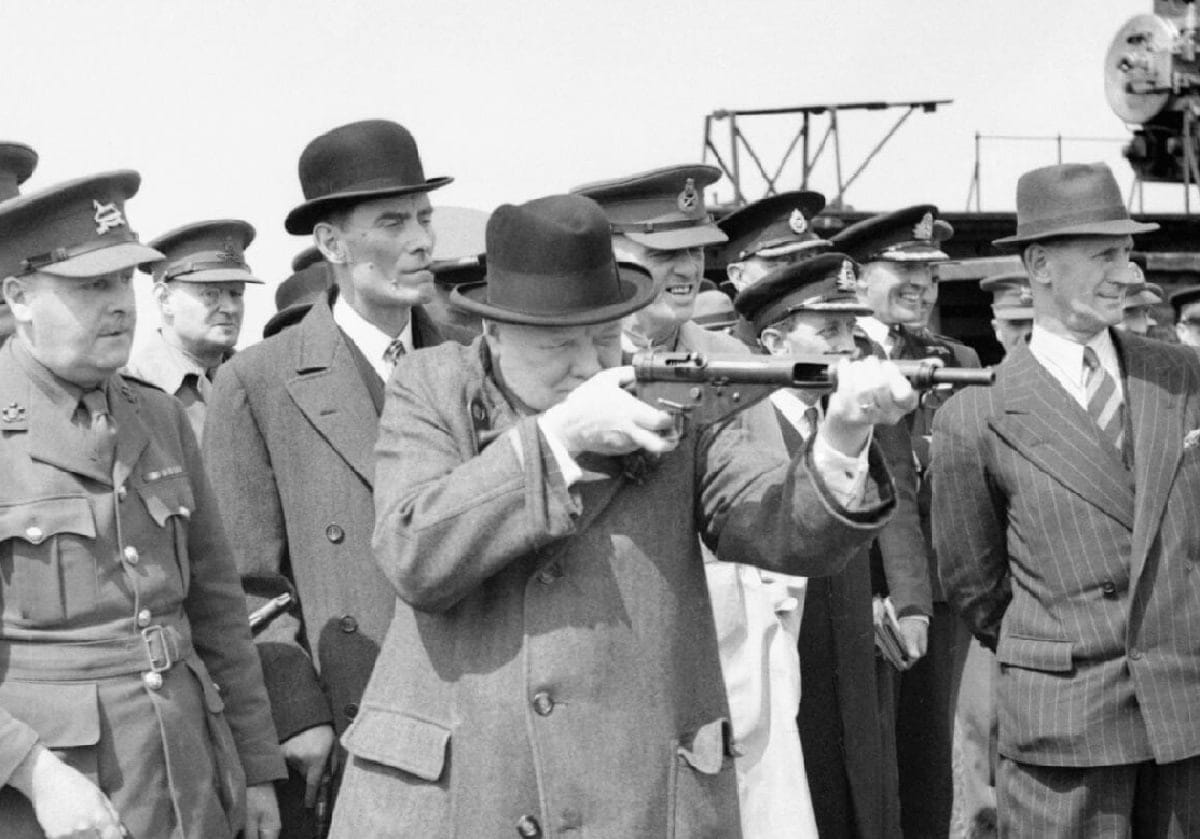
Winston Churchill. Image: Creative Commons.
The Defense of Great Britain in World War Two
Churchill became prime minister on May 10, 1940. He would later recall that “I felt…that all my past life had been but a preparation for this hour and for this trial.”
That day, Germany had already invaded much of Europe. It would seem that Hitler had the power to take Great Britain, too. Churchill had other ideas and soon worked 18-hour days, including weekends. He toured the United Kingdom and never stopped inspiring people to do their best in the face of adversity.
A Man of the People
Churchill could be humorous, generous, and caring, but he used his bad temper and cutting wit like a sharp dagger. He sometimes insulted staff to get what he wanted, but otherwise, he could be forgiving and justice-minded. He always tried to lead by example.
In 1941, one of his best acts to raise morale came when he visited Plymouth, which was severely damaged by German bombs. The crowd loved him, and photos from the event thrilled the public. Churchill’s approval rating never dropped 78 percent below during the war.
Churchill’s speeches were also extremely effective. As writer Beverley Nichols wrote, “He took the English language and sent it into battle.”
‘We Shall Fight’
Churchill’s “We Shall Fight” speech was one of his best. He delivered it to the House of Commons on June 4, 1940, following the Dunkirk evacuation. Dunkirk was a huge success as 338,000 Allied troops reached England, including 26,000 French soldiers.
“We shall not flag or fail. We shall go on to the end, we shall fight in France, we shall fight on the seas and oceans, we shall fight with growing confidence and growing strength in the air, we shall defend our Island, whatever the cost may be, we shall fight on the beaches, we shall fight on the landing grounds, we shall fight in the fields and in the streets, we shall fight in the hills; we shall never surrender,” Churchill exclaimed.
The Right Person at the Right Time in History
Churchill did everything possible to ensure the British Isles were defended against attack. He built up the Royal Air Force and ensured it had the pilots and aircraft to wage war effectively.
He helped make the Dowding System of radar defense effective. Churchill believed that no one in Britain should think about negotiating or surrendering to Hitler. He authorized a bombing raid against Germany that galvanized the public, who were thrilled that the United Kingdom could go on the attack.
Winston Churchill Was a Legend With Lots of Quotes for a Reason
Churchill was one of the greatest military and political leaders of the 20th century. His leadership style was forged in battle. He believed in going beyond normal human endurance – that doing your best was not enough. He was sure he could deliver results for the British people.
He pushed himself hard and expected that his countrymen would also sacrifice.
Without Churchill, the United Kingdom would not have survived World War Two and he will be remembered by many for his stirring quotes that inspired his people to bring out the best in their actions and deeds.
About the Author: Dr. Brent M. Eastwood
Author of now over 3,000 articles on defense issues, Brent M. Eastwood, PhD is the author of Don’t Turn Your Back On the World: a Conservative Foreign Policy and Humans, Machines, and Data: Future Trends in Warfare plus two other books. Brent was the founder and CEO of a tech firm that predicted world events using artificial intelligence. He served as a legislative fellow for US Senator Tim Scott and advised the senator on defense and foreign policy issues. He has taught at American University, George Washington University, and George Mason University. Brent is a former US Army Infantry officer. He can be followed on X @BMEastwood.