
Summary and Key Points: After a lapse in federal funding, the National Museum of the U.S. Air Force closed on January 31 and will remain shut until an appropriations fix allows normal operations to resume under U.S. Department of Defense guidance.
-The closure blocks public access to one of the world’s largest military aviation collections—hundreds of aircraft and more across more than 19 acres—along with amenities like the cafe.
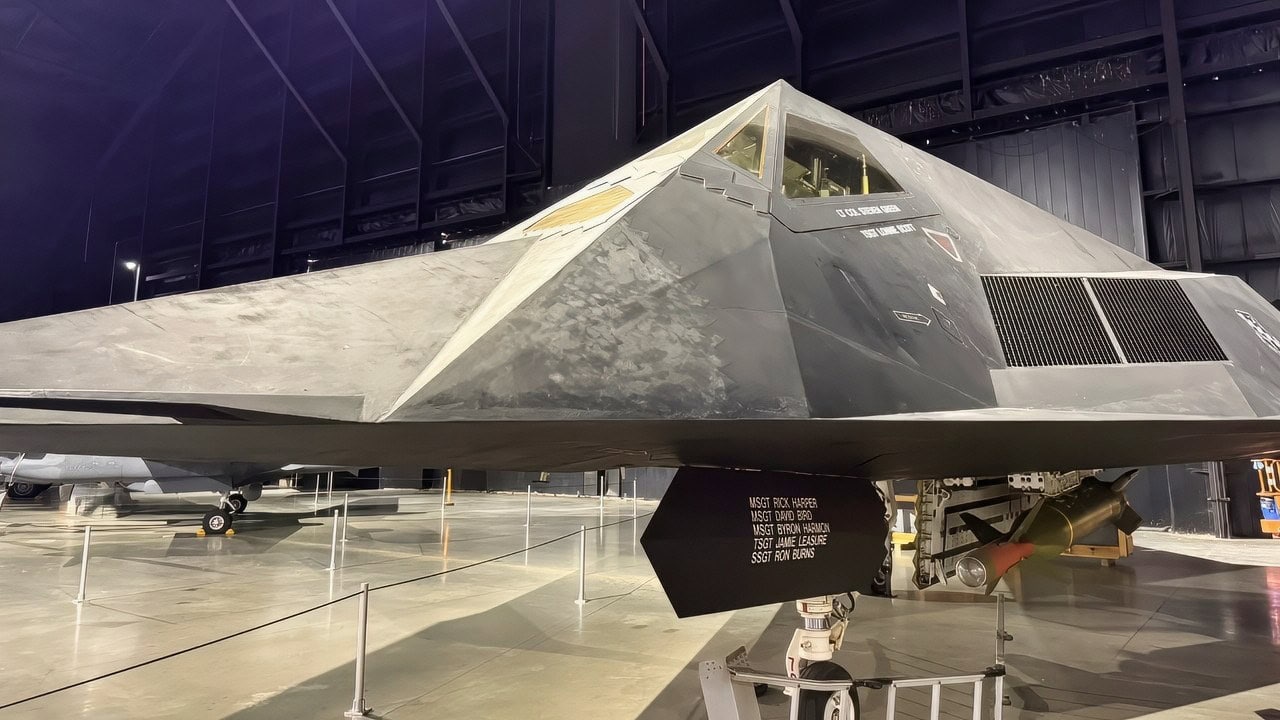
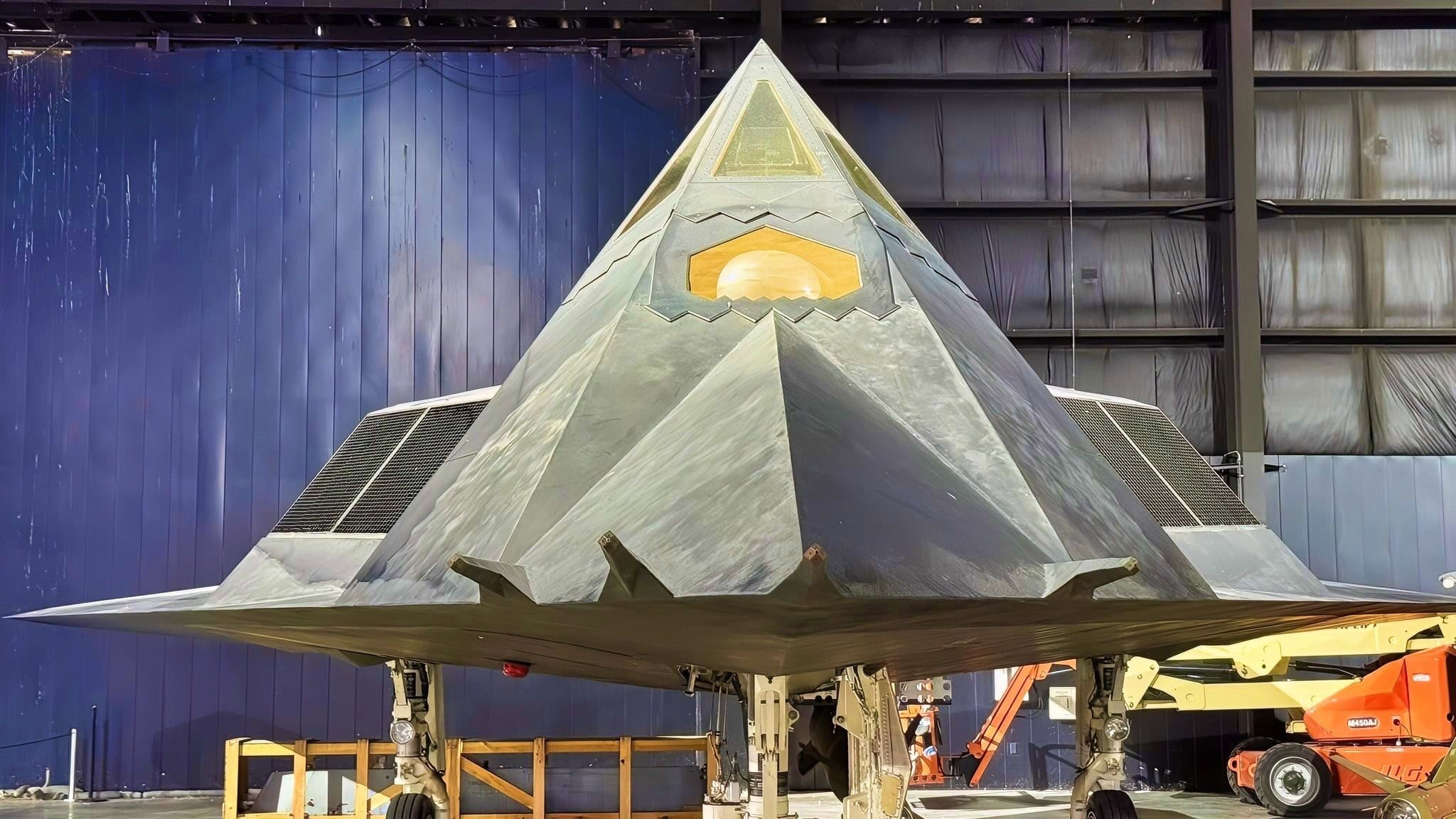
F-117A Nighthawk at USAF Museum. Image taken by 19FortyFive Owner, Harry J. Kazianis.
-The museum is described as a key resource for veterans, students, researchers, and journalists who rely on the exhibits and potential photography.
National Museum of the U.S. Air Force Closes Amid Federal Funding Standoff
The staff at 19FortyFive has spent significant time taking photos and speaking with staff at the National Museum of the U.S. Air Force in Dayton, Ohio. It might just be the best museum of its kind.
Sadly, we won’t be heading there anytime soon.
The National Museum of the U.S. Air Force in Dayton, Ohio, temporarily closed its doors after a lapse in federal government funding. It’s the latest cultural casualty over standoffs in Washington – and this time, it’s over Immigration and Customs Enforcement (ICE) funding in the NDAA.
The closure took effect on January 31, and officials say the museum will remain closed until Congress passes an appropriations bill or a continuing resolution, and the United States Department of Defense authorizes normal operations to resume.
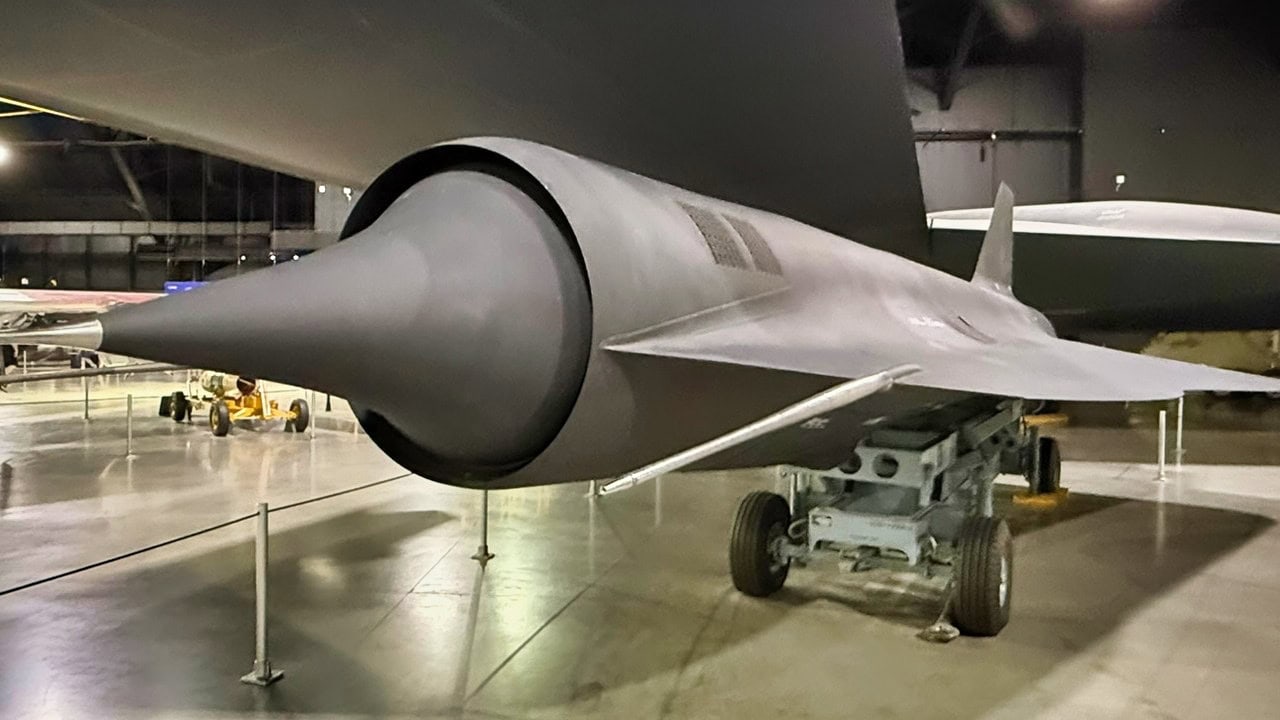
D-21 image taken by 19FortyFive at the National Museum of the U.S. Air Force.
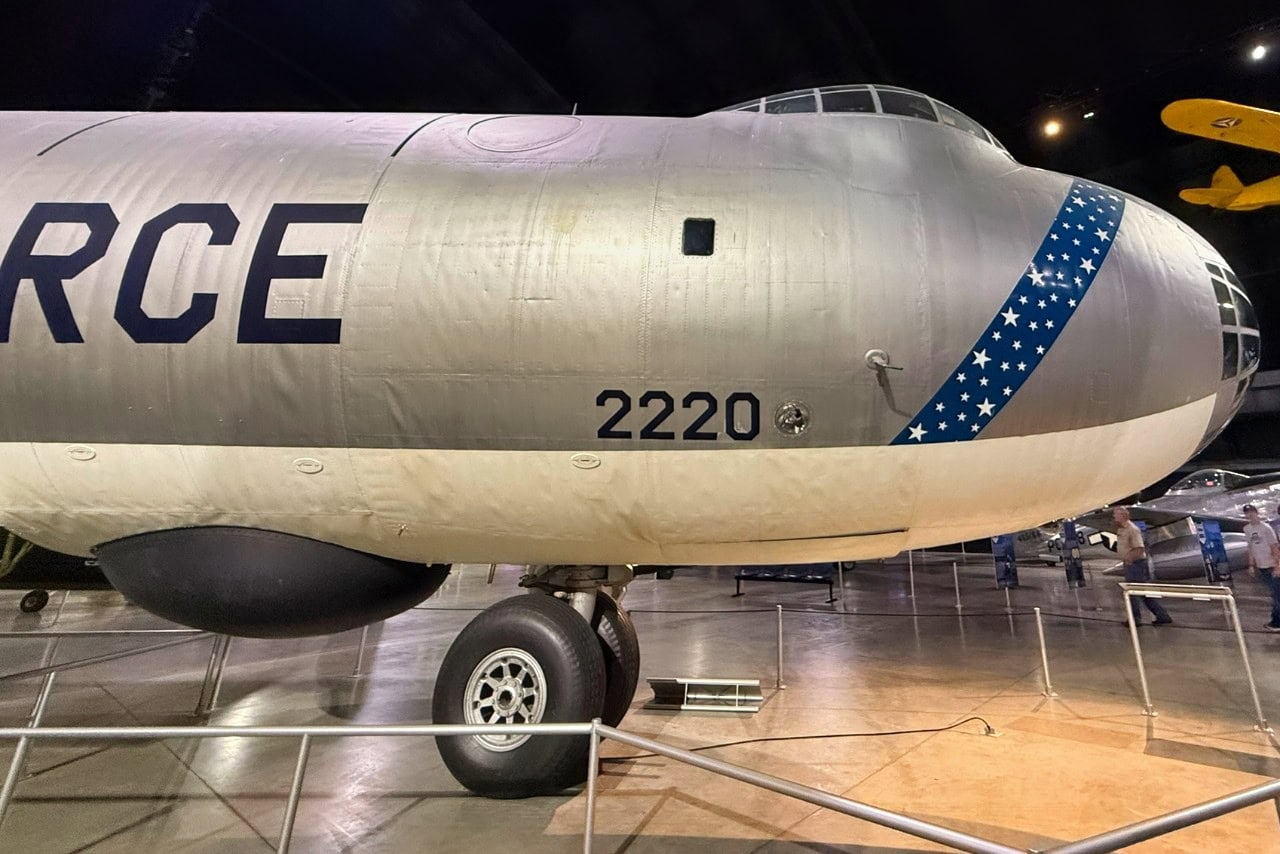
B-36 Bomber Dayton, Ohio, National Museum of the U.S. Air Force. Image Credit: 19FortyFive.com/Harry J. Kazianis
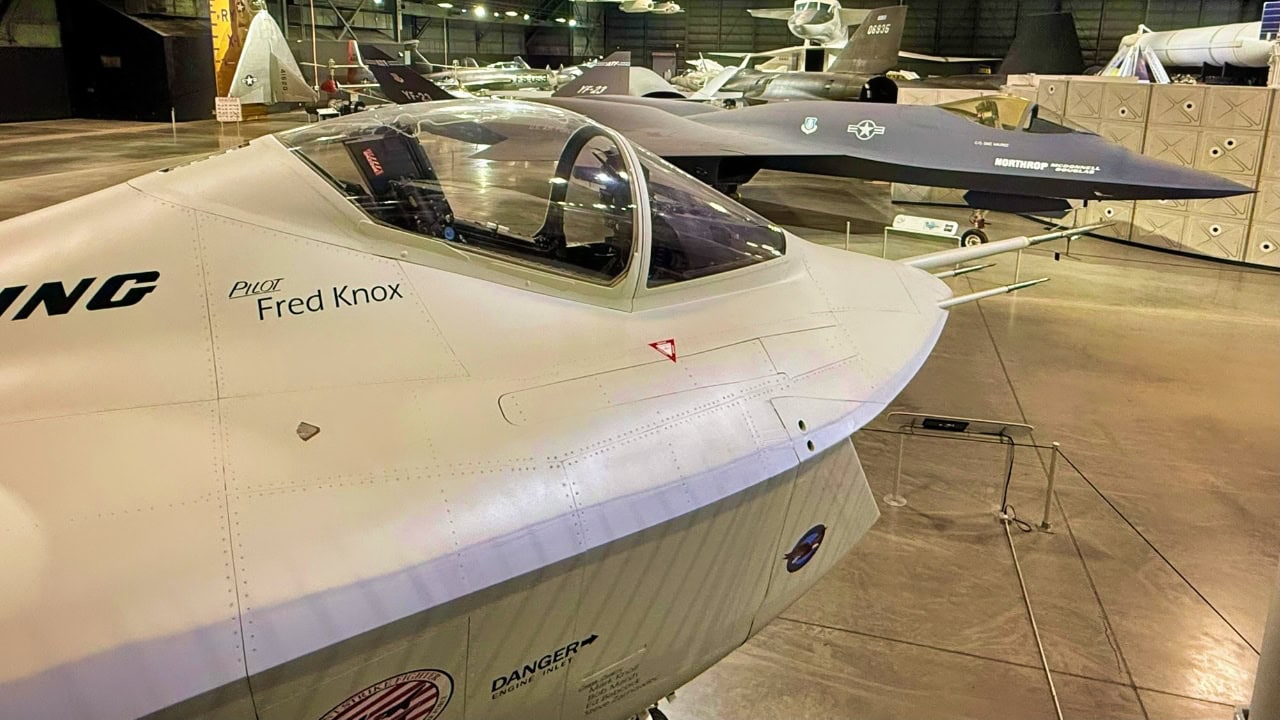
X-32 and YF-23 Together at the National Museum of the U.S. Air Force. 19FortyFive.com Image.
The closure means that one of the most comprehensive repositories of American airpower history will not be accessible to the public.
The museum has been free to the public for decades and serves as a national resource for students, veterans, aviation enthusiasts, and anyone seeking to understand the complex evolution of military aviation.
National Museum of the U.S. Air Force: A National Treasure for Aviation History
The National Museum of the U.S. Air Force is located at Wright-Patterson Air Force Base near Dayton and is the world’s largest and oldest military aviation museum.
The museum occupies more than 19 acres of indoor exhibit space, featuring hundreds of aircraft, missiles, and more.
What makes the institution exceptional, though, is more than just its size: the breadth of its collection is unmatched, with permanent exhibits spanning the earliest days of powered flight to the cutting edge of modern aerospace technology and Cold War-era breakthroughs.
Among the most iconic artifacts at the museum are the bombers that helped win World War II, Cold War reconnaissance aircraft, space-related exhibits, and even rare jet prototypes that defined experimental aviation.
In normal times, the museum attracts more than one million visitors annually, drawing tourists and scholars from across the United States and all over the world.
What You Can See
When the doors reopen, the museum offers visitors a chance to walk through a chronological history of American airpower.

B-2 Spirit Stealth Bomber 19FortyFive Image. Taken By Harry J. Kazianis at the National Museum of the U.S. Air Force in 2025.
As you walk through the museum’s hangars, you will see entire galleries dedicated to pivotal chapters in military history, from the early aviation pioneers and World War II combat, to the jet age and Cold War.
Visitors over the years have encountered rare aircraft like the F-22 Raptor, B-2 Spirit stealth bomber (which is on permanent public display), as well as presidential aircraft like the Boeing VC-137C – known as Air Force One – for eight U.S. presidents.
Special exhibits also routinely feature stories of the people who designed, built, and piloted the machines – from World War II crews to Cold War test pilots. Visitors may also seen artifacts related to the human experience of those who have worked with the machines over the decades.
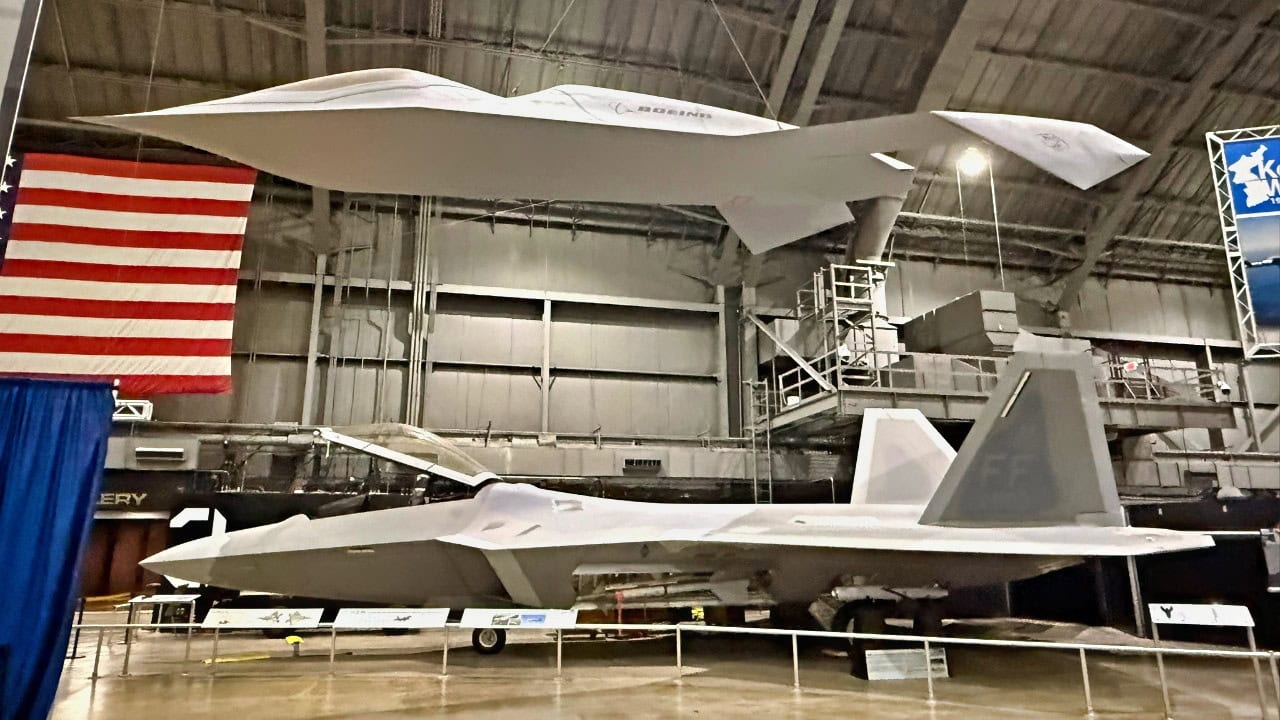
YF-118G. Image taken by Harry J. Kazianis for 19FortyFive.
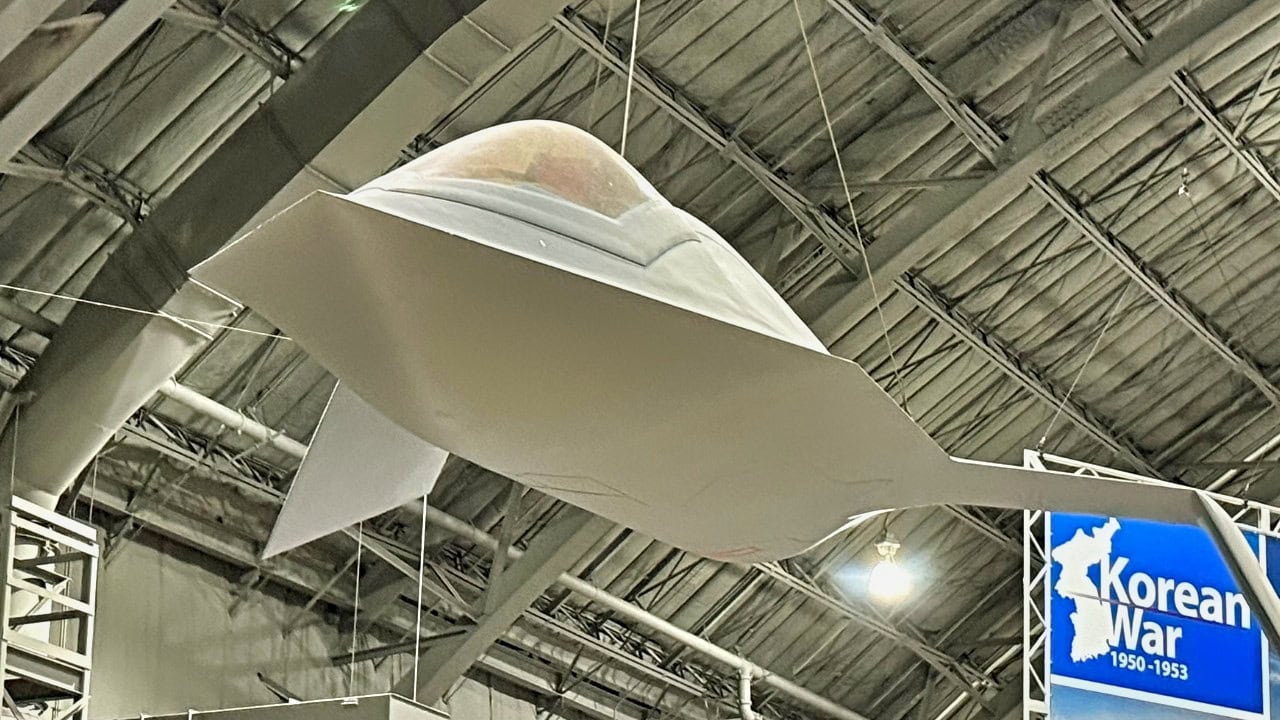
YF-118G. Image taken by Harry J. Kazianis for 19FortyFive.
This Isn’t the First Closure
This is not the first time the museum’s operations have been interrupted by federal budget disagreements. During prior shutdowns, federally funded cultural institutions – including those at military bases and national parks – have blocked public access when appropriated funds lapse.
The current closure follows guidance from base leadership outlining which services remain available during the lapse and which have been suspended, including the museum’s cafe and other on-site amenities.
Museum officials have encouraged the public to stay connected through social media and the museum’s website for updates on reopening plans.
A Great Resource for Writers and More
The National Museum of the U.S. Air Force has been a valuable resource for the 19FortyFive team for several years. Not only has it served as a strong research environment for many of our writers, but it is also a valuable source of photographs for our reports and analyses.
Our team has spent many hours inside the hangars, capturing photographs of aircraft from pioneering fighter jets to stealth bombers – and having access to a space like this has been (and continues to be) hugely valuable in forming our daily reports.
On Sunday, February 1, reports suggested that House Speaker Mike Johnson is “confident” the shutdown will come to an end on Tuesday, February 3. But nothing is certain.
Until then, the museum remains closed indefinitely. A real shame.
About the Author:
Jack Buckby is a British researcher and analyst specialising in defence and national security, based in New York. His work focuses on military capability, procurement, and strategic competition, producing and editing analysis for policy and defence audiences. He brings extensive editorial experience, with a career output spanning over 1,000 articles at 19FortyFive and National Security Journal, and has previously authored books and papers on extremism and deradicalisation.