
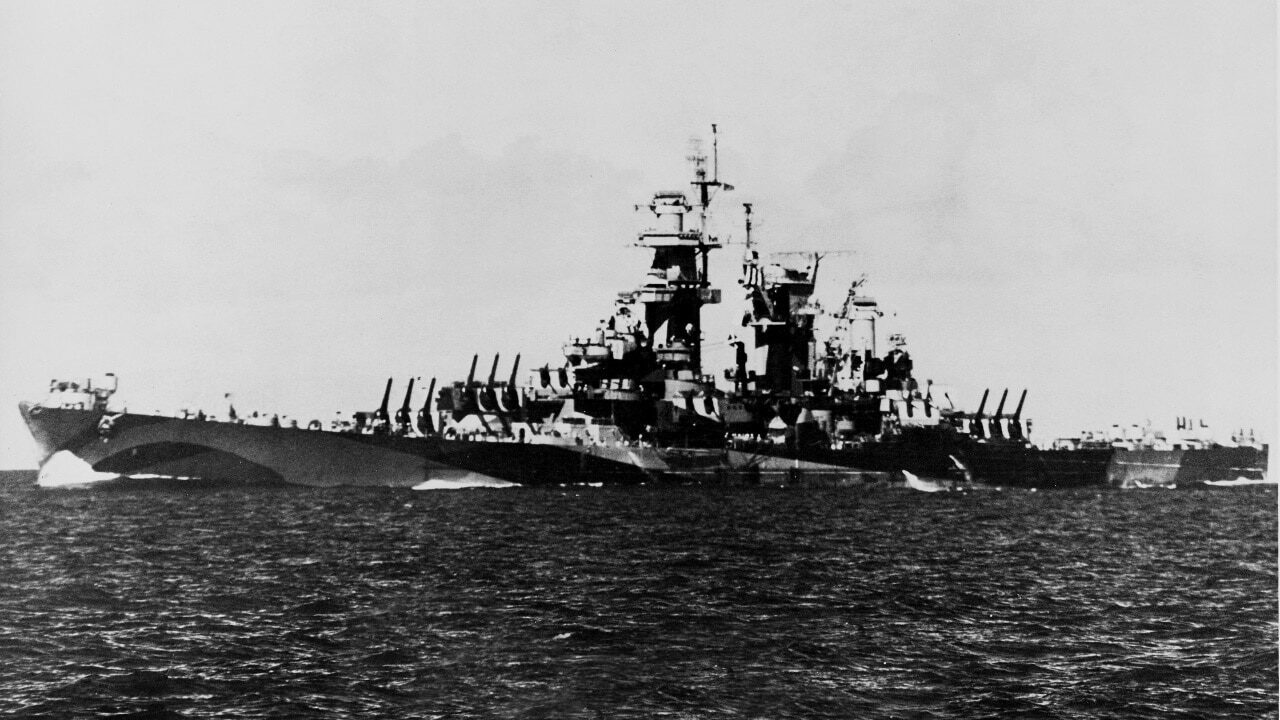
Synopsis: The Alaska-class emerged from a pre–World War II scramble to counter rival “pocket battleships” and super-cruiser threats with a fast, hard-hitting “tweener.”
-On paper, the ships looked formidable: 12-inch guns, heavy anti-air defenses, strong armor, and 33-knot speed.
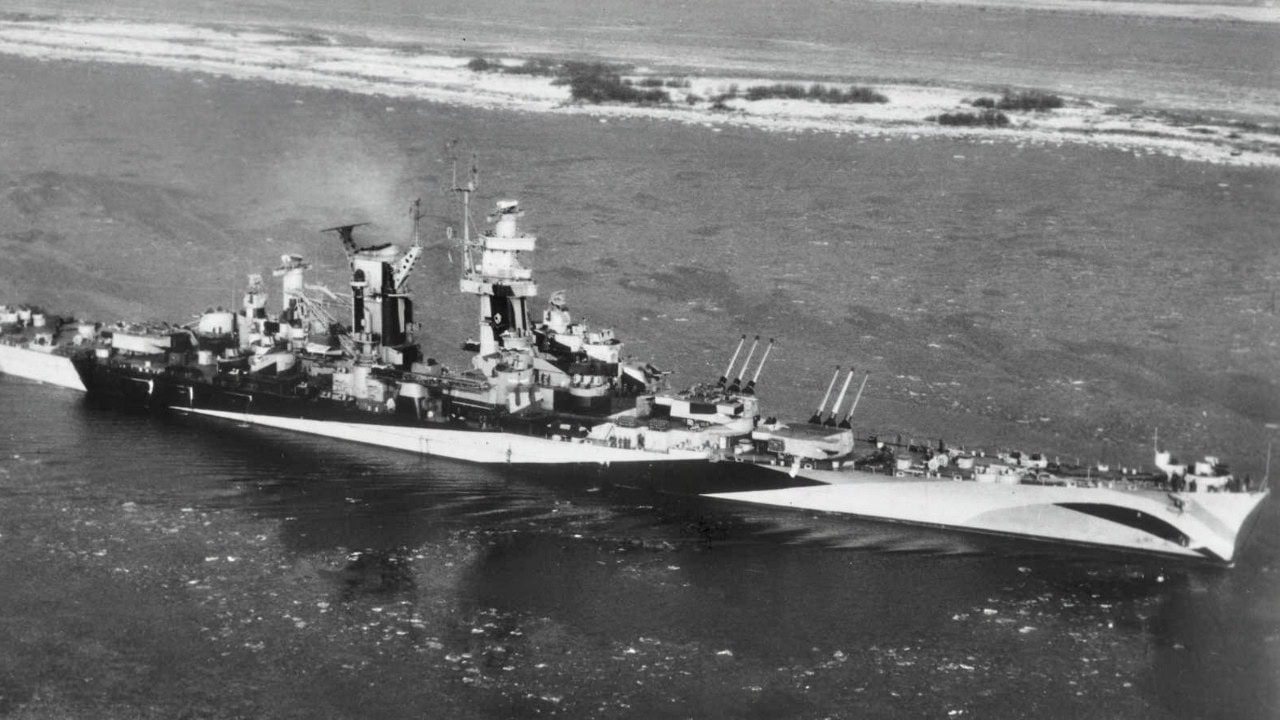
Alaska-Class U.S. Navy Cruiser
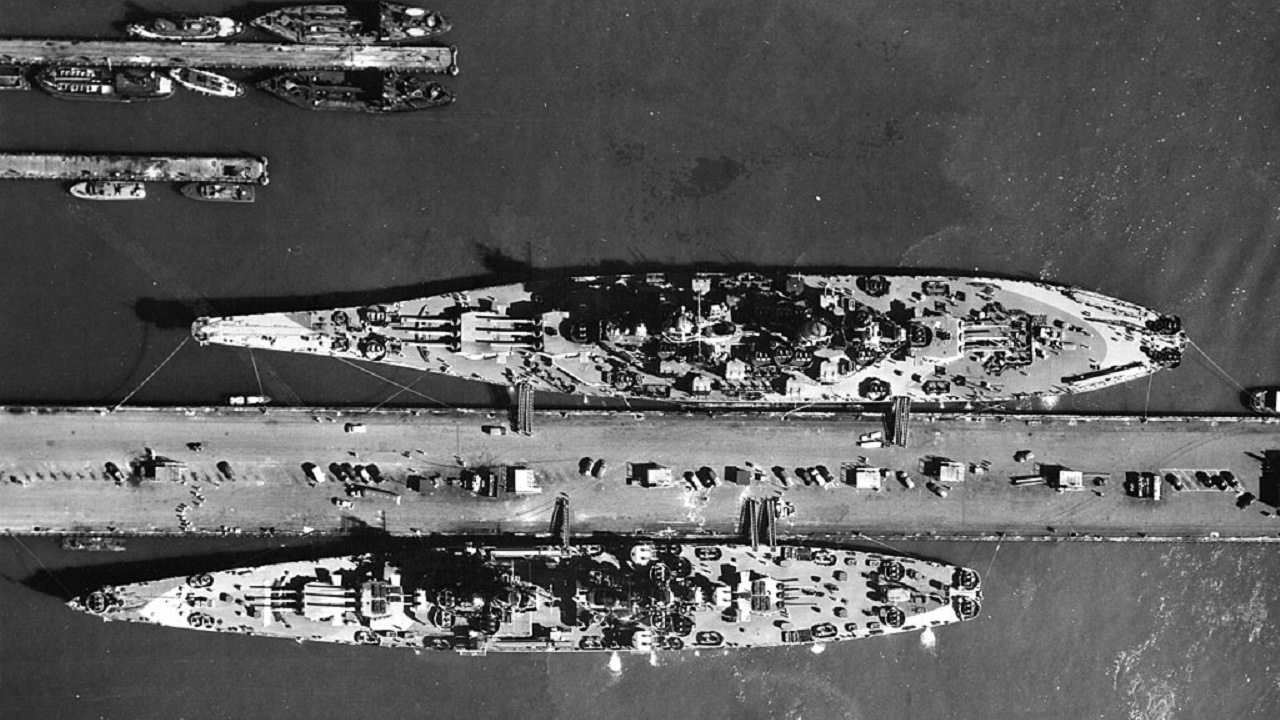
Aerial view of warships at the base piers of Norfolk Naval Base, Virginia (USA), circa August 1944. Among them are: the battleship USS Missouri (BB-63), the largest ship; the battlecruiser USS Alaska (CB-1), on the other side of the pier; the escort carrier USS Croatan (CVE-25), and two destroyers, a Fletcher-class destroyer at the pier and a Clemson/Wilkes-class-destroyer moored outboard.
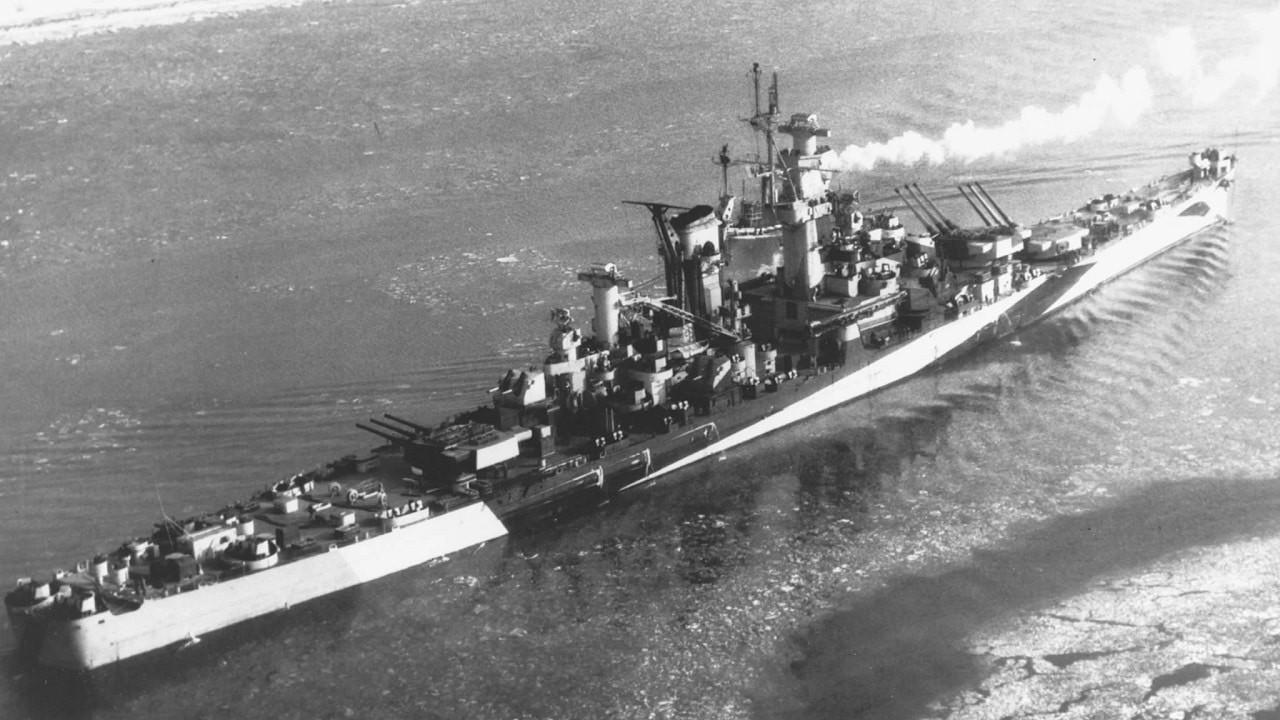
Alaska-Class. Image Credit: Creative Commons.
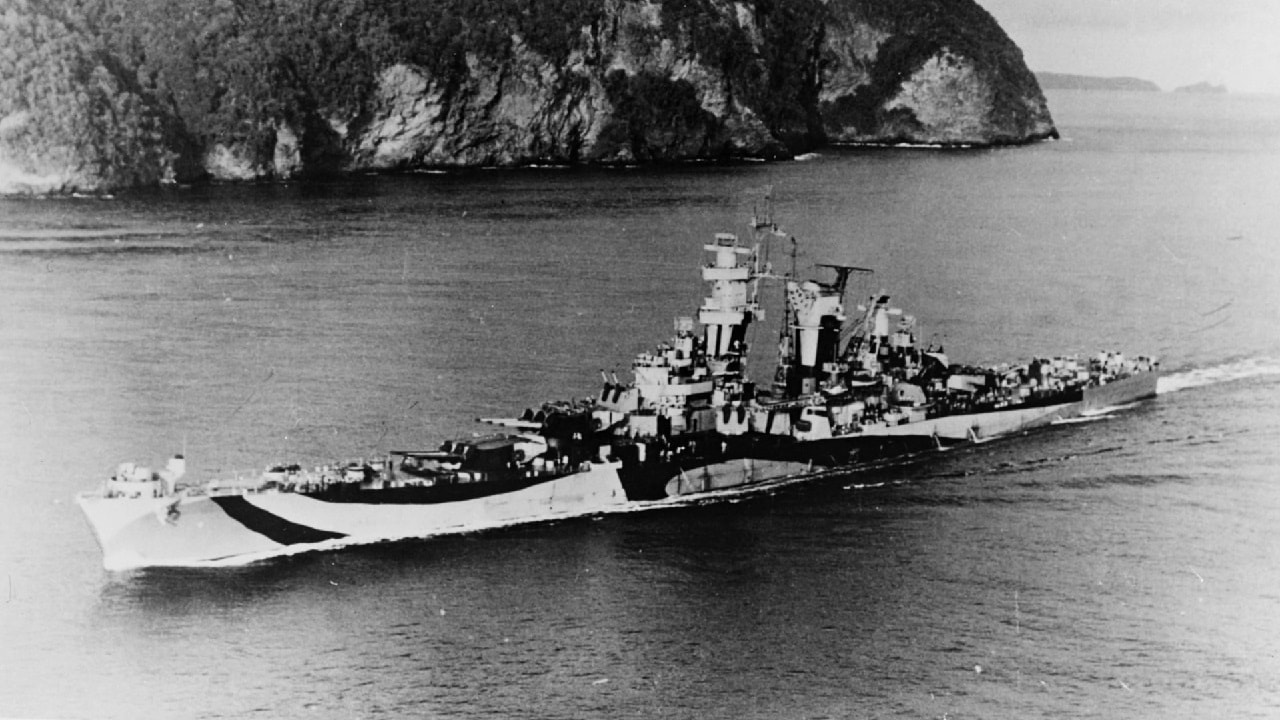
The U.S. Navy large cruiser USS Guam (CB-2) underway off Trinidad on 13 November 1944 during shakedown training.
-In practice, only two hulls were built; they arrived late, saw limited action, and were quickly retired.
-The central lesson is less about firepower than fit: unclear classification, shifting warfare, and rapid obsolescence can turn ambitious ship concepts into expensive niche assets—especially when branding and mission identity confuse policymakers.
Alaska-Class Mini-Battleships Have a Lesson for the New Trump-class
Were they heavy cruisers, super cruisers, battlecruisers, pocket battleships, or just plain battleships?
The Alaska-class warships were an interesting group of surface vessels at a time when the U.S. Navy was seeking a dominant ship to step up and counter threats. For the purposes of this article and simplicity, I’ll refer to the Alaska-class as a mini-battleship.
The Alaska-class came at a time when naval forces around the globe were changing, and the aircraft carrier would later reign supreme.
Engineers and technicians were on the lookout for the next big thing that could overawe the enemy.
What Was Driving the Navy at the Time?
The story goes back to the early 1930s. Germany and Japan were undergoing major naval buildups, with capital ships poised to dominate the seas.
This made the U.S. Navy take pause. Exactly what did the maritime branch want to be when it grew up? Would the Navy have the financial resources, capabilities, and shipbuilding capacity to keep up with the Germans and Japanese?
These rival navies were off to a head start. Germany had its Deutschland-class “pocket battleships.” Japan was building its B-65 super cruisers. The Americans were alarmed that these ships could dominate their own fleet.
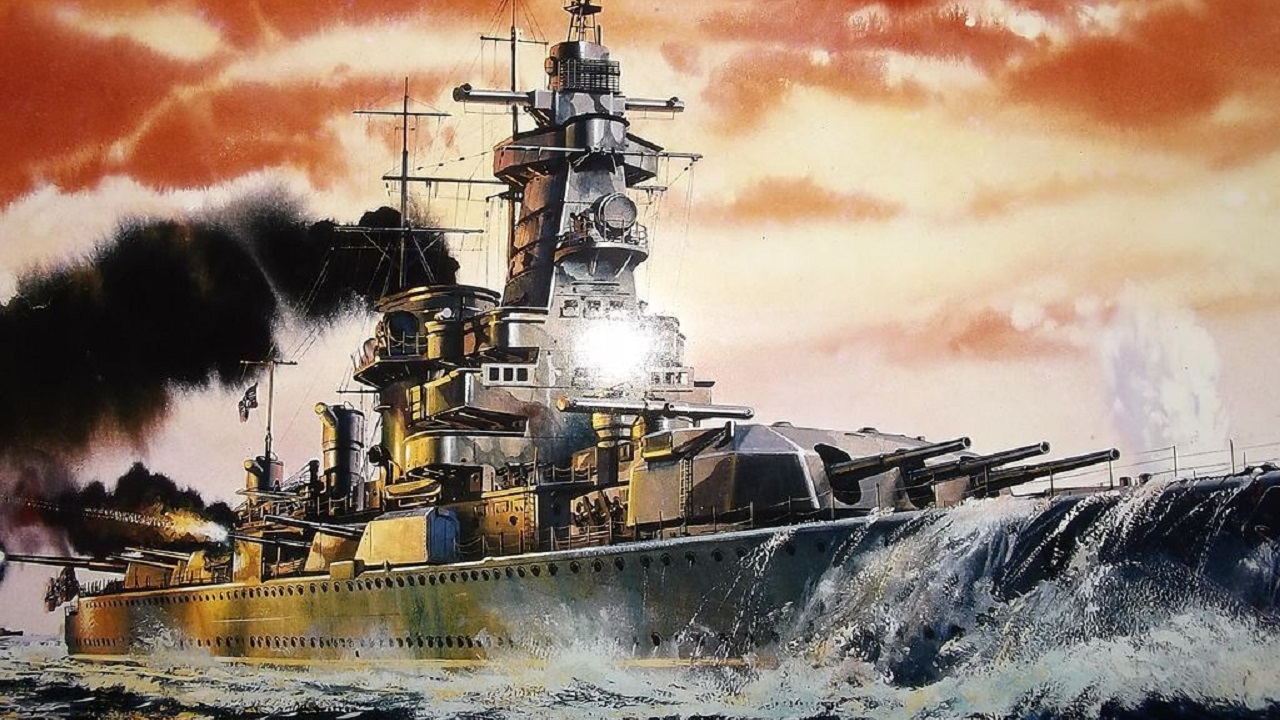
Graf Spree Pocket Battleship. Image Credit: Creative Commons.
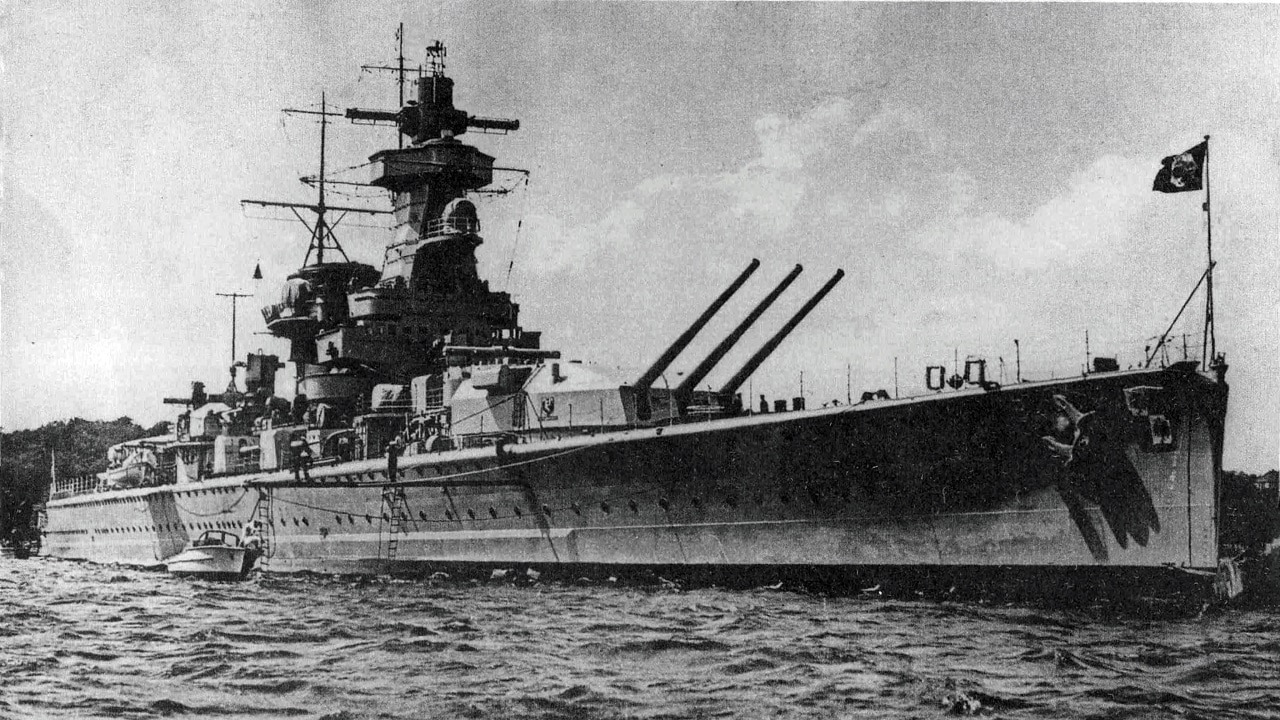
Admiral Graf Spee Pocket Battleship.
Naval Battle Planners Were Scratching Their Heads
The Navy needed to be up to the challenge. Could it match Germany and Japan ship-for-ship or create a new class of vessels that might keep it in the game if conflict arose?
This was going to take some of the country’s best maritime designers to let their creative juices flow. The eggheads in the Navy yearned for a ship that could be a “cruiser-killer.”
Could This Be More Than a ‘Niche’ Ship?
The Alaska-class mini-battleships were “tweeners” – not as big as a regular dreadnought, but not as small as a heavy cruiser.
This would be a niche class that, if successful, could place the Americans in a good position if combat arose.
The Alaska-class mini-battleships had some intriguing specs. They were about 808 feet long with a beam of nearly 92 feet. They displaced 34,253 long tons with a full combat load. The vessels were supplied with four-shaft General Electric steam turbines. They could reach speeds of up to 33 knots.
This Mini-Battleship Packed a Punch
I call the Alaska-class a mini-battleship because of its onboard weapons. They featured nine 12-inch (305 mm)/50 caliber Mark 8 guns, arrayed in three triple turrets. This was superior to traditional cruisers, which typically carried 8-inch guns.
There were also 5-inch (127 mm)/38 caliber dual-purpose guns, fifty-six 40 mm Bofors anti-aircraft guns, and thirty-four 20 mm Oerlikon anti-aircraft guns, as my colleague Isaac Seitz noted.
“The armor protection of the Alaska-class cruisers was designed to withstand hits from 12-inch shells.
The main side belt armor was 9 inches thick, gradually thinning to 5 inches, and sloped at 10 degrees,” Seitz wrote.
The Program Was a Disappointment
The Navy originally wanted to bring six Alaska-class mini-battleships to fruition, but only two were built – the USS Alaska and the USS Guam.
They did not see combat until the end of World War Two in the Pacific.
The mini-battleships conducted some shore bombardment and were ready to take on Japanese surface vessels, but the Alaska-class did not really play a large role in combat. The Alaska and Guam were retired in 1947 and scrapped by the early 1960s.
Keep This Example In Mind
The Alaska-class should be a cautionary tale taught in defense acquisition training centers.
The mini-battleship just did not succeed as planned. It showed that new ship classifications can be problematic because they may become obsolete before they are fully operational.
The mini-battleship sounded good in the late 1930s, but by the end of the war, they were a solution in search of a problem.
The Trump-class Battleships Could Be Bomb Magnets
Designers and technicians of the new Trump-class battleship should take note. Many advanced features have already been proposed, such as lasers, rail guns, and hypersonic missiles. The Trump-class is definitely ambitious, but will these ships be survivable during the coming Kinetic Missile Fight with China, Russia, or North Korea?
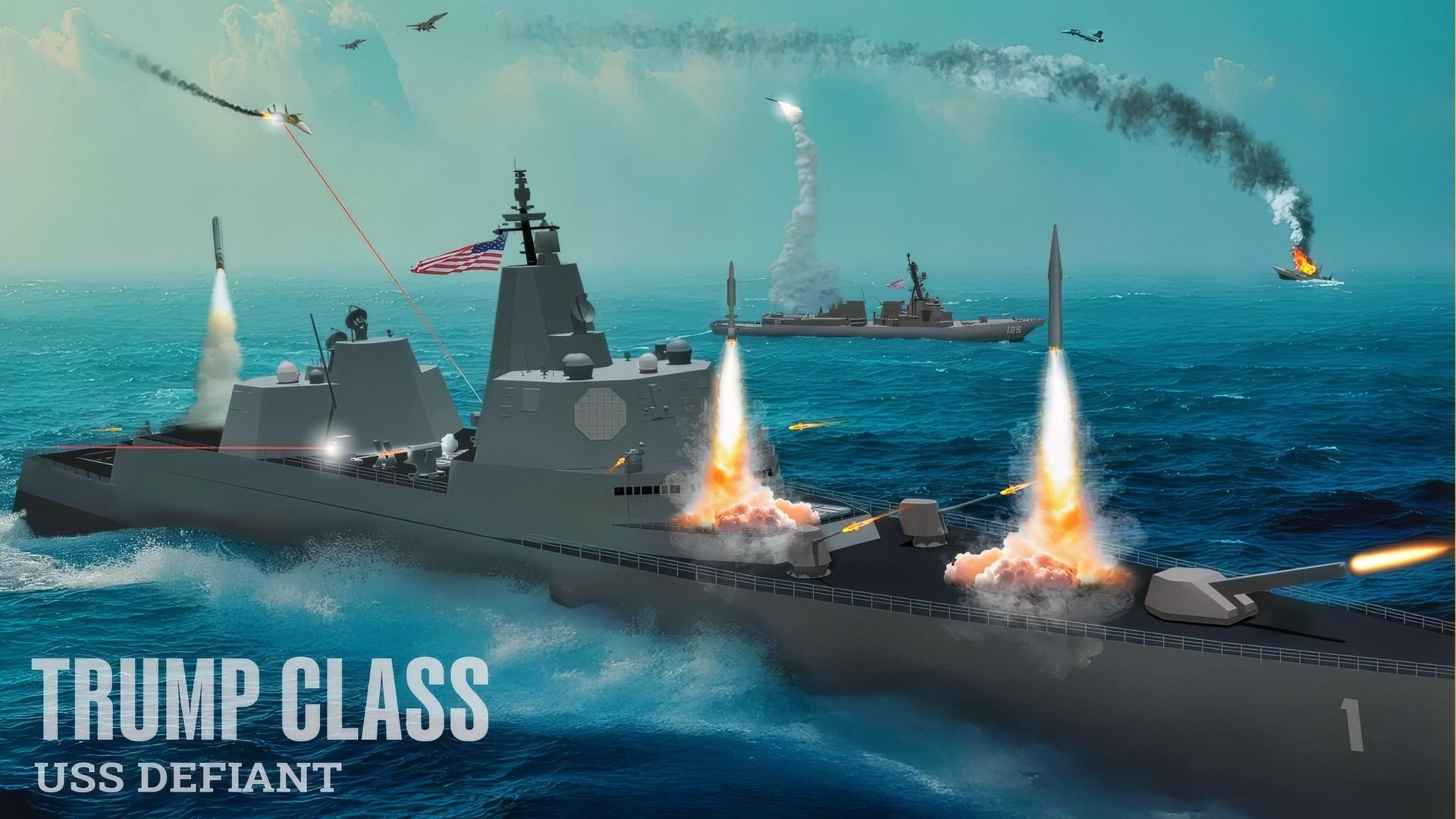
Trump-Class Battleship USS Defiant. Image Credit: Creative Commons.
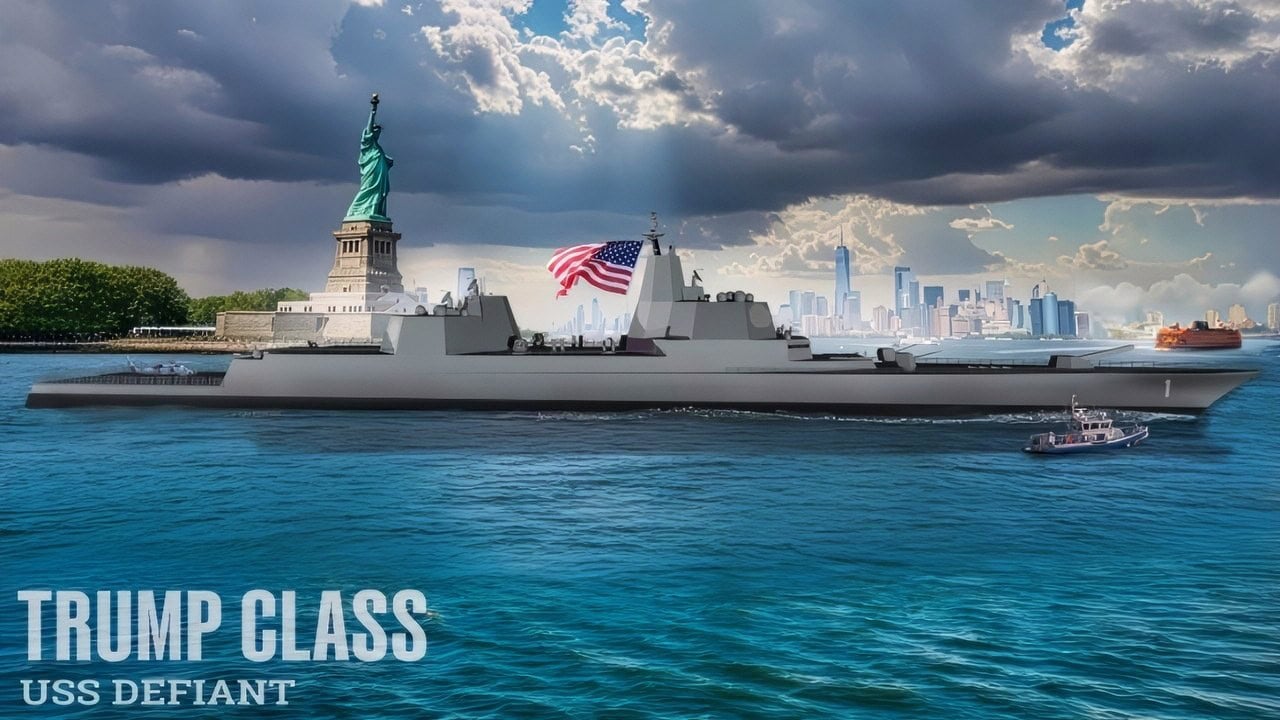
Trump-Class Battleship. Image Credit: Creative Commons/White House.
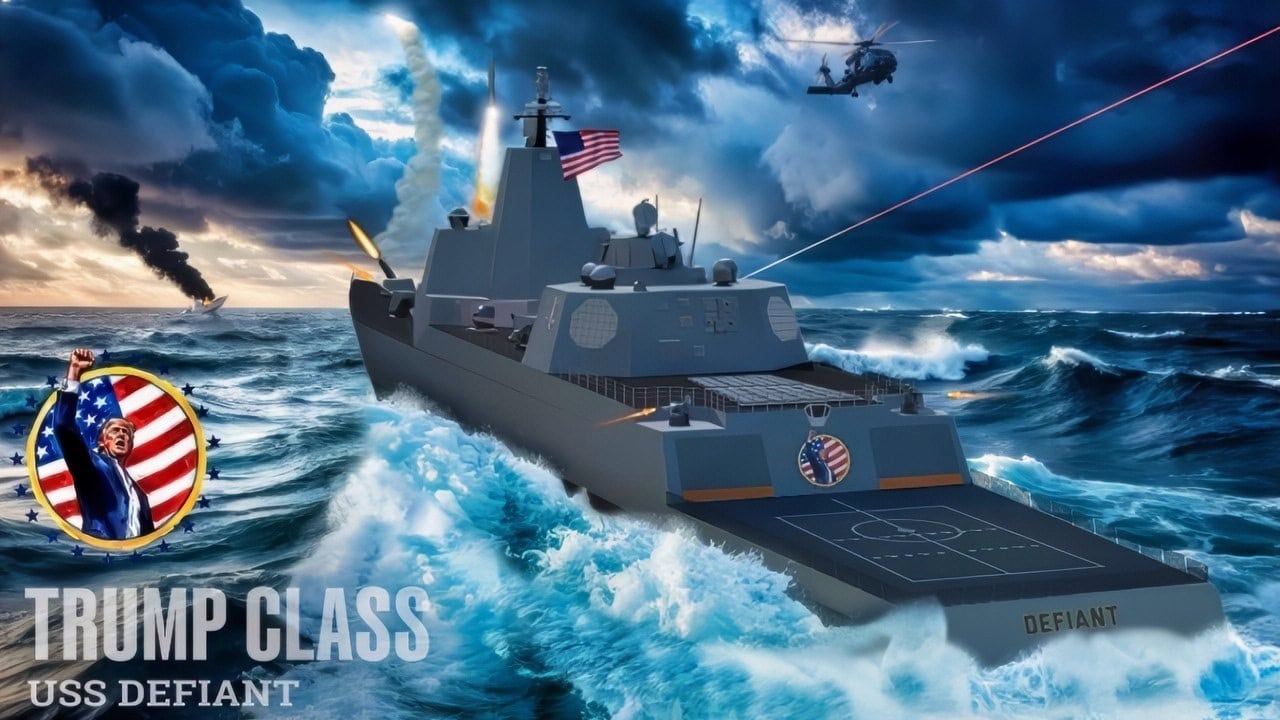
Trump-Class Battleship. Image Credit: Creative Commons/White House Photo.
Moreover, it is difficult to build a new class of ships that do not fit into a particular classification that everyone understands completely.
The public knows what a battleship is, but these majestic vessels evoke nostalgia for World War II.
It is difficult to imagine what a next-generation battleship should be in the 21st century, or even whether it should be built at all.
Watch What You Call a Ship
When you say “battleship” in 2026, it seems like you are turning back the clock. Words matter. It is just like the Alaska-class. The Navy had difficulty classifying it and ultimately classified it as a heavy cruiser, although I prefer to call it a mini-battleship.
When the service branch, the media, and policymakers do not agree on definitions, the program will experience growing pains.
The Trump White House should consider the Alaska-class case study as it ponders what the USS Defiant will look like. To many observers, the term “battleship” connotes obsolescence and sounds like a gimmick or a Trump exaggeration.
We can thus point to the Alaska-class program as a disappointment, as it produced only two ships.
They were fast and powerful, but warfare changed before they were built. They had a mixed combat record and were largely a footnote in history.
Trump doesn’t want the USS Defiant to have a similar fate, but giving the ship the title of “battleship” could spell doom for the program. The Navy doesn’t want the Golden Fleet to become a Golden Mistake.
About the Author: Brent M. Eastwood
Author of now over 3,000 articles on defense issues, Brent M. Eastwood, PhD is the author of Don’t Turn Your Back On the World: a Conservative Foreign Policy and Humans, Machines, and Data: Future Trends in Warfare plus two other books. Brent was the founder and CEO of a tech firm that predicted world events using artificial intelligence. He served as a legislative fellow for US Senator Tim Scott and advised the senator on defense and foreign policy issues. He has taught at American University, George Washington University, and George Mason University. Brent is a former US Army Infantry officer. He can be followed on X @BMEastwood.