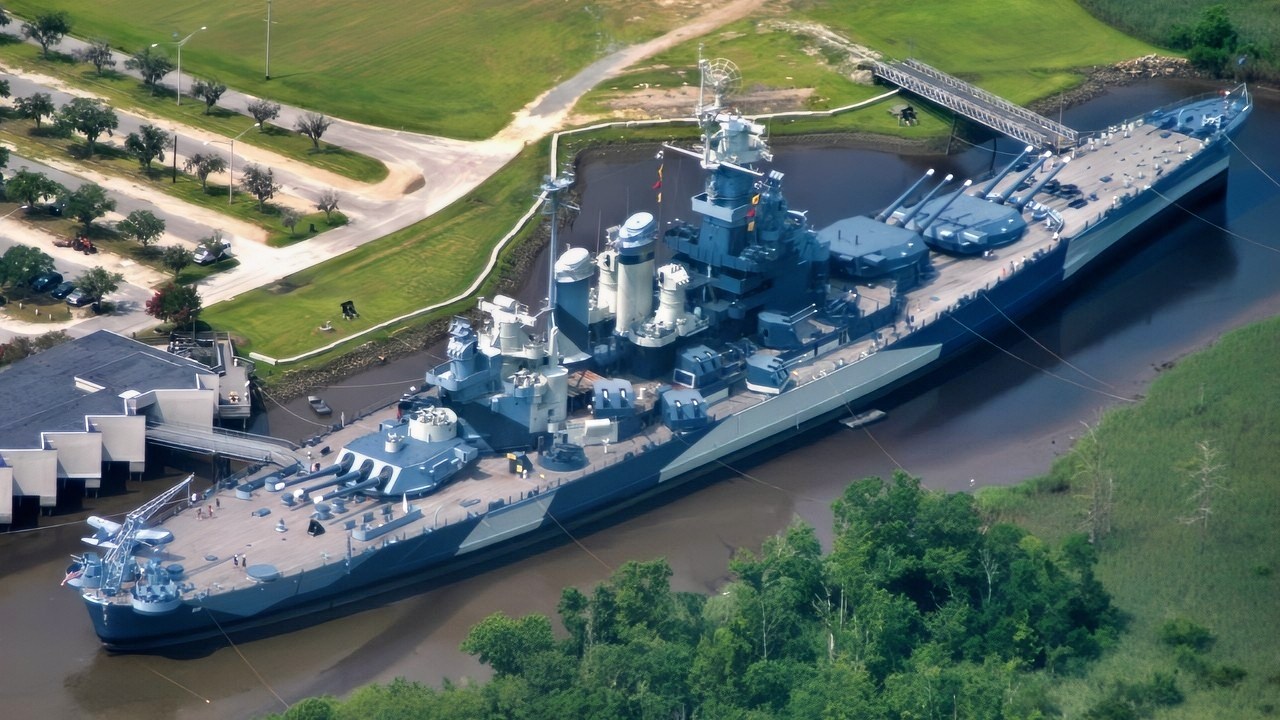
Summary and Key Points: Wasn’t the battleship supposed to be obsolete? Debate over the proposed Trump-class battleships centers on whether they would be operationally useful or mostly symbolic.
-Supporters argue that the ships could restore “capital ship” deterrence with a visible forward presence while serving as command-and-control hubs, missile magazines, and survivable surface combatants that integrate advanced sensors, hypersonic strike, missile defense, and electronic warfare.
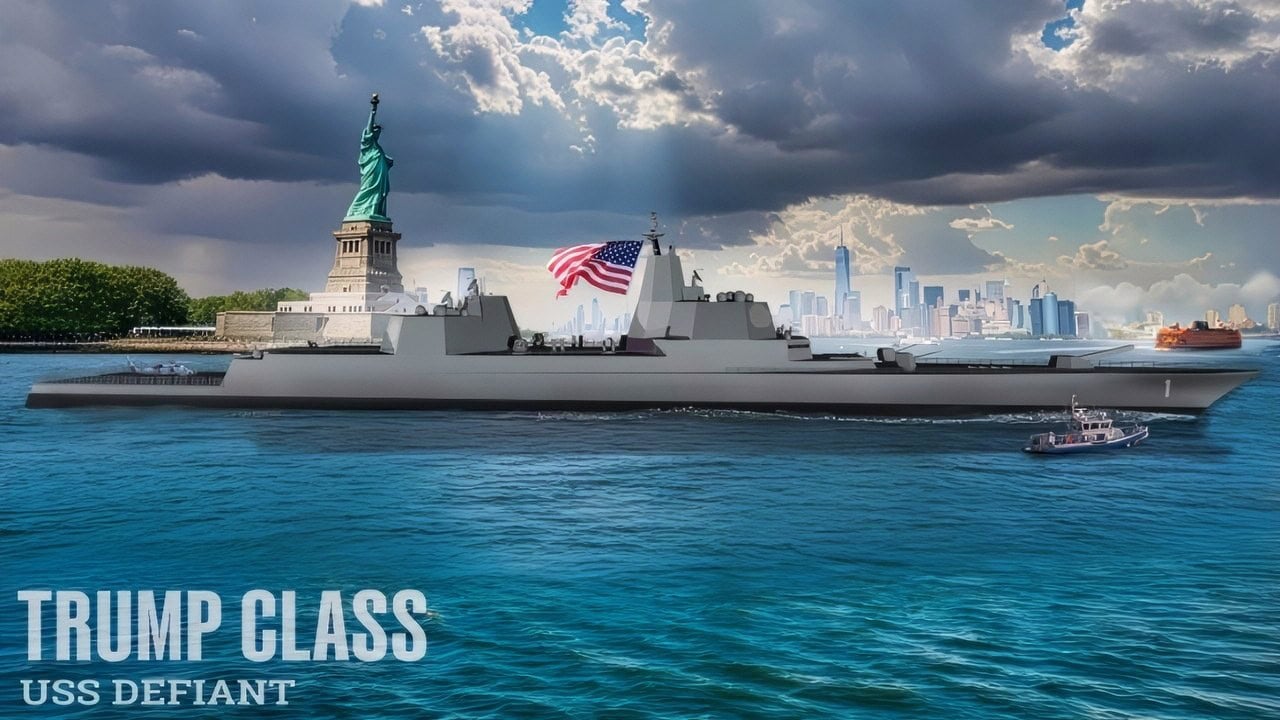
Trump-Class Battleship. Image Credit: Creative Commons/White House.
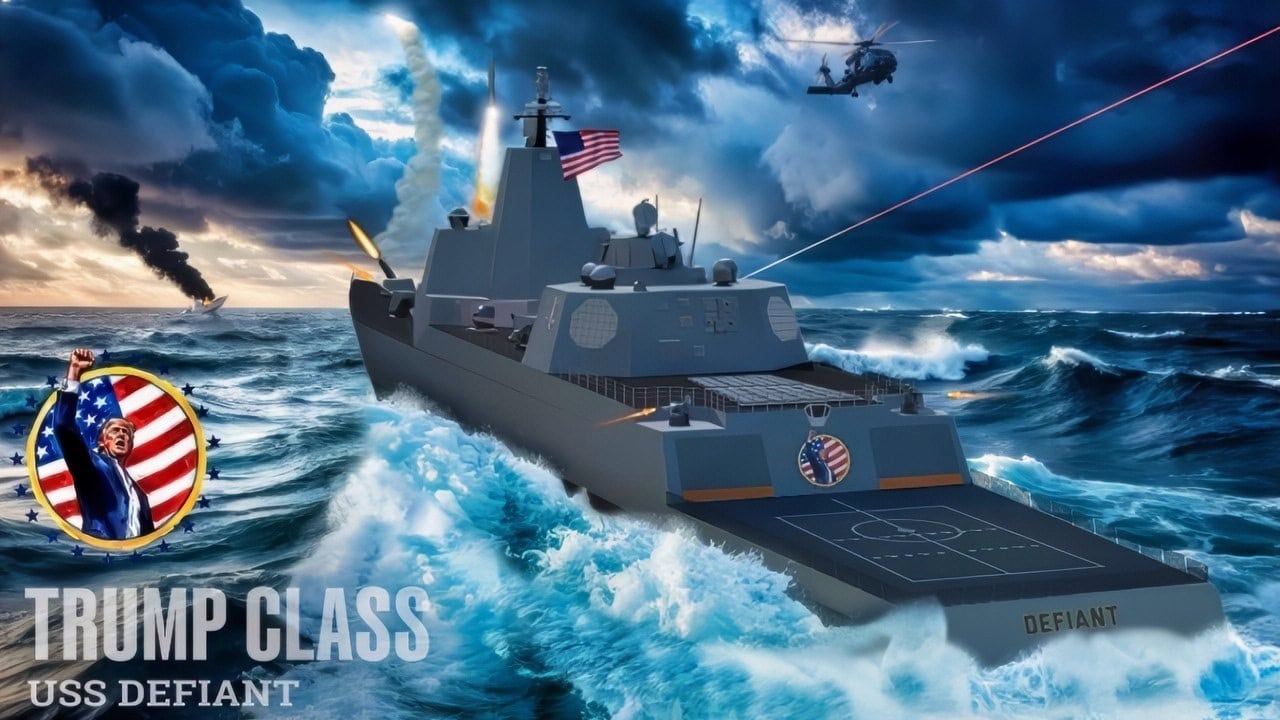
Trump-Class Battleship. Image Credit: Creative Commons/White House Photo.
-Critics counter that large surface ships are increasingly vulnerable to precision anti-ship missiles, drones, and satellite-guided targeting, making their survivability dubious and their cost an opportunity cost relative to submarines, unmanned systems, and distributed forces.
-Ultimately, outcomes would hinge on concepts of operation and doctrinal integration.
Trump-Class “Battleship” Debate: Symbol Of Power Or Real Warship?
Some critics and observers suggest that the most significant advantage of the Trump-class battleships may be purely psychological and symbolic, meaning the class will largely serve as a mere visual spectacle of US power.
While there is, without question, a psychological or image-conscious element to aircraft carriers and large, future Trump-class battleships, that does not mean they could not also bring substantial operational, strategic, and tactical value.
Supporters argue that these ships would be fully functional combat platforms capable of contributing meaningfully to naval operations.
At the same time, critics contend they would function primarily as floating symbols of national power, designed more for political messaging than for combat prowess.
The key question here may be a simple logical equation, suggesting there’s little reason why “both” perspectives can’t be accurate.
Advocates of the Trump-class concept emphasize functionality and deterrence.
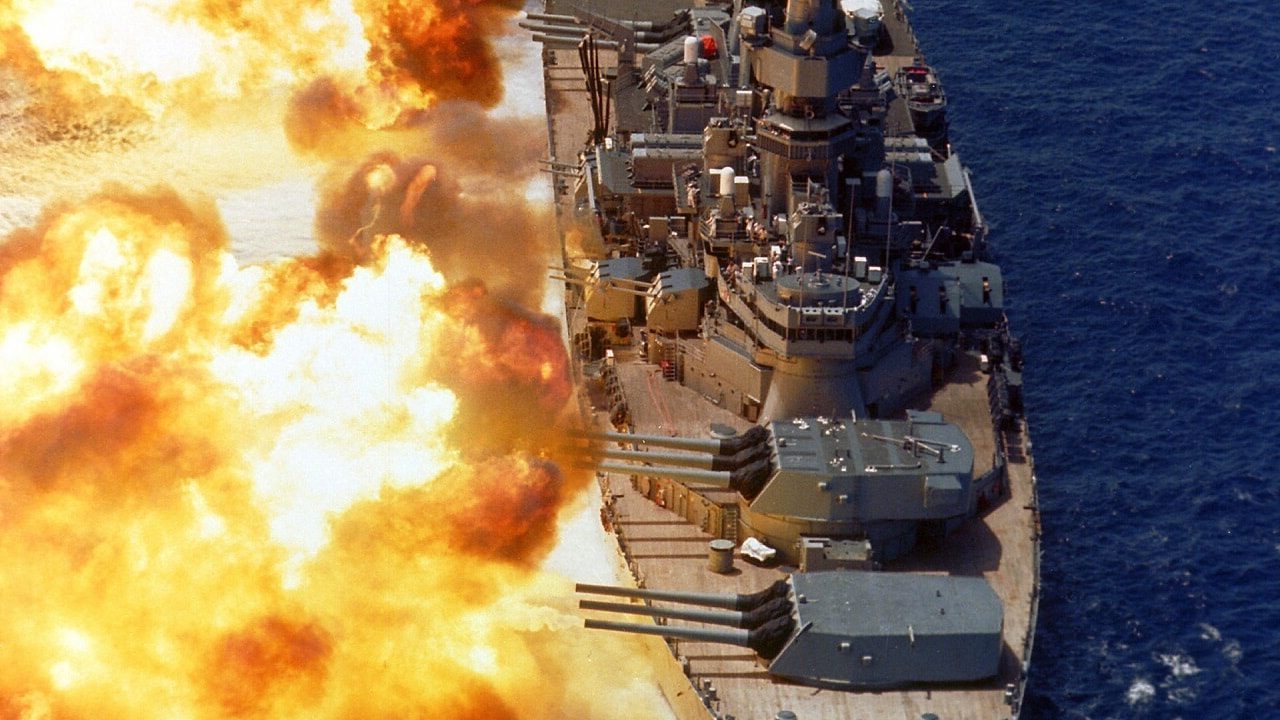
Iowa-class battleship firing off a broadside.
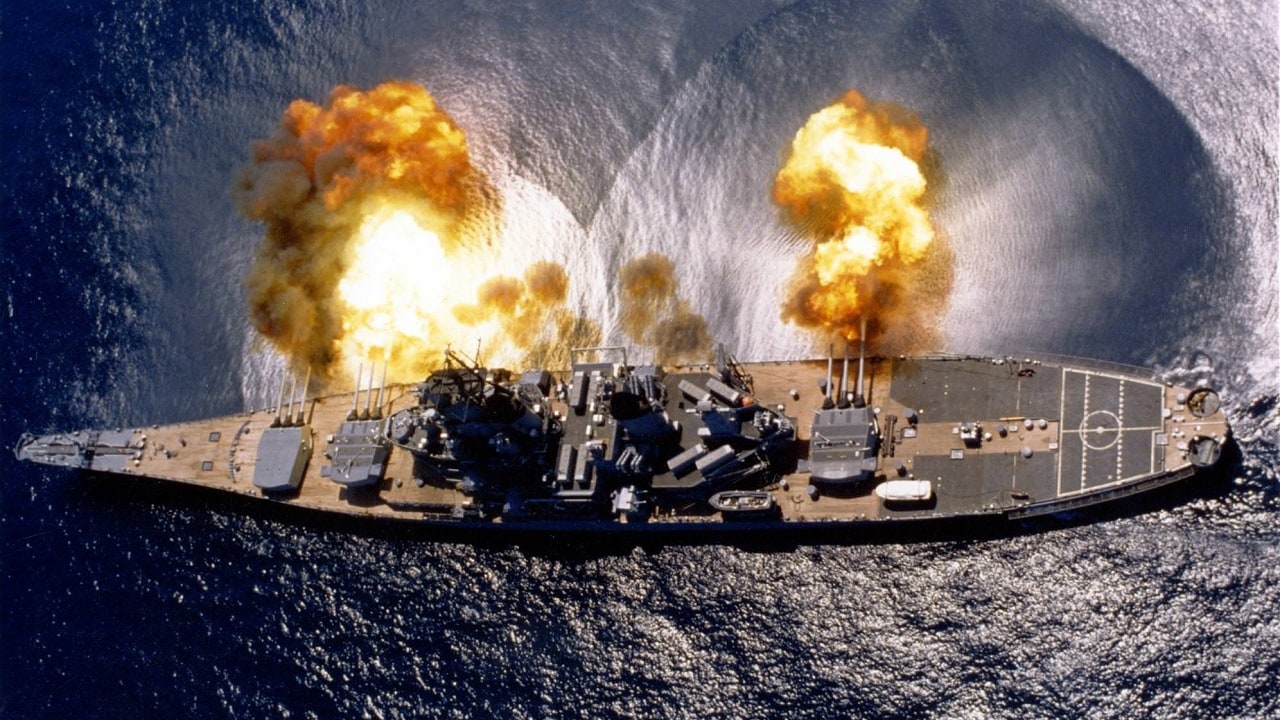
Iowa-class battleship firing a broadside. Image Credit: Creative Commons.

The Iowa-class battleship USS New Jersey fires at positions near Beirut on 9 January 1984 during the Lebanese Civil War.
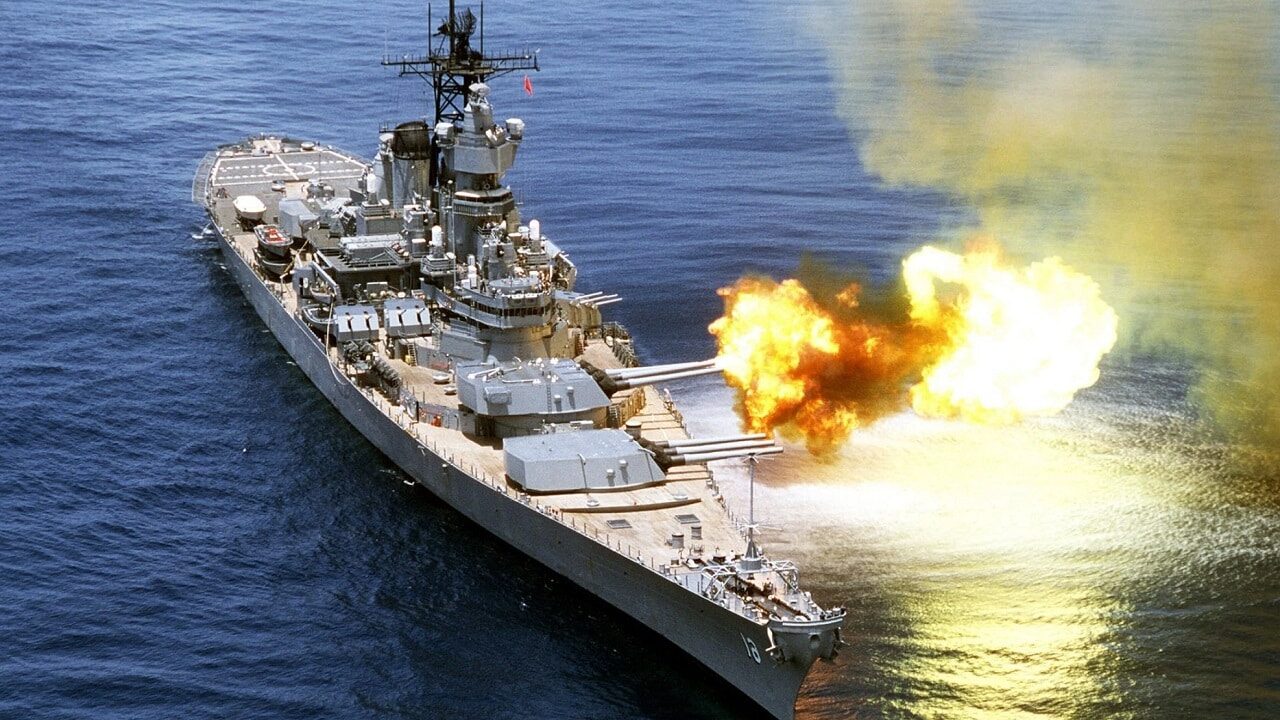
Iowa-Class USS Wisconsin Battleship. Image Credit: Creative Commons.
They argue that a heavily armed, heavily armored surface combatant would restore capabilities that have been diminished in an era dominated by aircraft carriers, submarines, and missile destroyers.
In this view, the Trump-class battleships would serve as command-and-control hubs, missile platforms, and survivable surface combatants able to absorb damage and continue fighting in high-intensity conflicts.
Proponents often point to the psychological and strategic value of such vessels: a visible, powerful ship stationed near contested waters could deter adversaries by signaling resolve and readiness without requiring immediate use of force.
Returning Massive Fire Power
Supporters also argue that dismissing these ships as mere spectacle underestimates their potential adaptability. Modern battleships, they suggest, need not replicate their World War II predecessors. Instead, they could integrate advanced radar systems, missile defense, hypersonic strike capabilities, and electronic warfare tools.
From this perspective, the Trump-class would not be an anachronism but a hybrid platform—combining the symbolic heft of a capital ship with modern networked warfare capabilities. The spectacle, in this argument, is not a flaw but a feature that amplifies deterrence by making military presence unmistakable.
Critics, however, see the proposal very differently. They argue that the Trump-class battleships would be prohibitively expensive and strategically inefficient in an era where precision missiles, drones, and cyber warfare dominate naval conflict.
Large surface ships, they contend, are increasingly vulnerable to long-range anti-ship missiles and satellite-guided targeting, making their survivability questionable despite advances in defensive systems. From this perspective, investing in such vessels would divert resources away from submarines, unmanned systems, and dispersed naval forces that better align with modern combat realities.
Psychological Symbol of Deterrence
For skeptics, the emphasis on size and visibility reveals the true purpose of the Trump-class: forward presence as political theater.
They argue that these ships would primarily serve as tools of domestic and international messaging—highly photogenic symbols of strength designed to reassure allies, intimidate rivals, and appeal to nationalist sentiment at home.
While forward presence has long been a legitimate naval mission, critics warn that prioritizing spectacle risks conflating visibility with effectiveness. A ship that looks powerful, they argue, is not necessarily one that improves strategic outcomes or warfighting capability.
Naval Concepts of Operation
Whether the Trump-class battleships would emerge as functional warships or remain primarily symbolic depends less on their hull design than on how their role is defined.
If built to integrate seamlessly into modern naval doctrine, they could offer genuine capabilities alongside their symbolic value. If designed primarily to impress, they risk becoming costly monuments to a bygone understanding of maritime power.
About the Author: Kris Osborn
Kris Osborn is the President of Warrior Maven – Center for Military Modernization. Osborn previously served at the Pentagon as a highly qualified expert in the Office of the Assistant Secretary of the Army—Acquisition, Logistics & Technology. Osborn has also worked as an anchor and on-air military specialist at national TV networks. He has appeared as a guest military expert on Fox News, MSNBC, The Military Channel, and The History Channel. He also has a Masters Degree in Comparative Literature from Columbia University.