
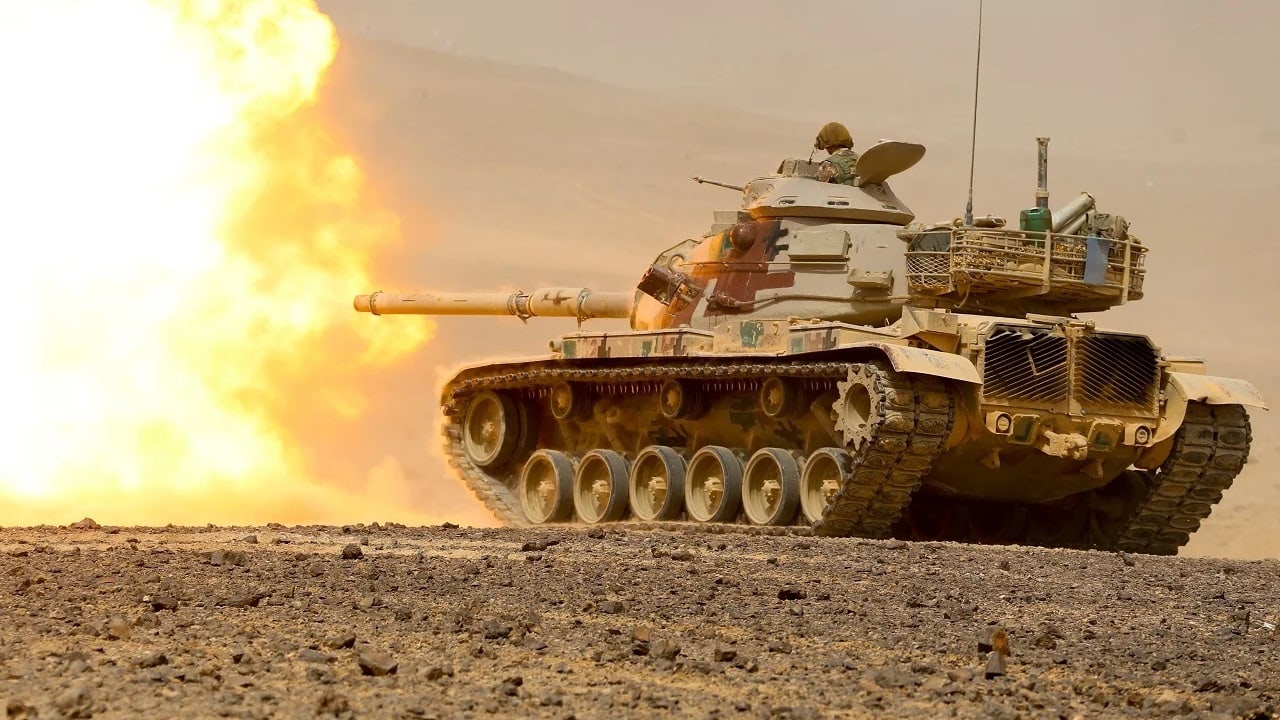
Summary and Key Points: Isaac Seitz, a Strategic Intelligence expert from Patrick Henry College, examines the enduring legacy of the M60A3 Patton main battle tank.
-Emerging from the tactical lessons of the 1973 Yom Kippur War, the M60A3 served as a critical technology bridge between the legacy M48 Patton and the M1 Abrams.
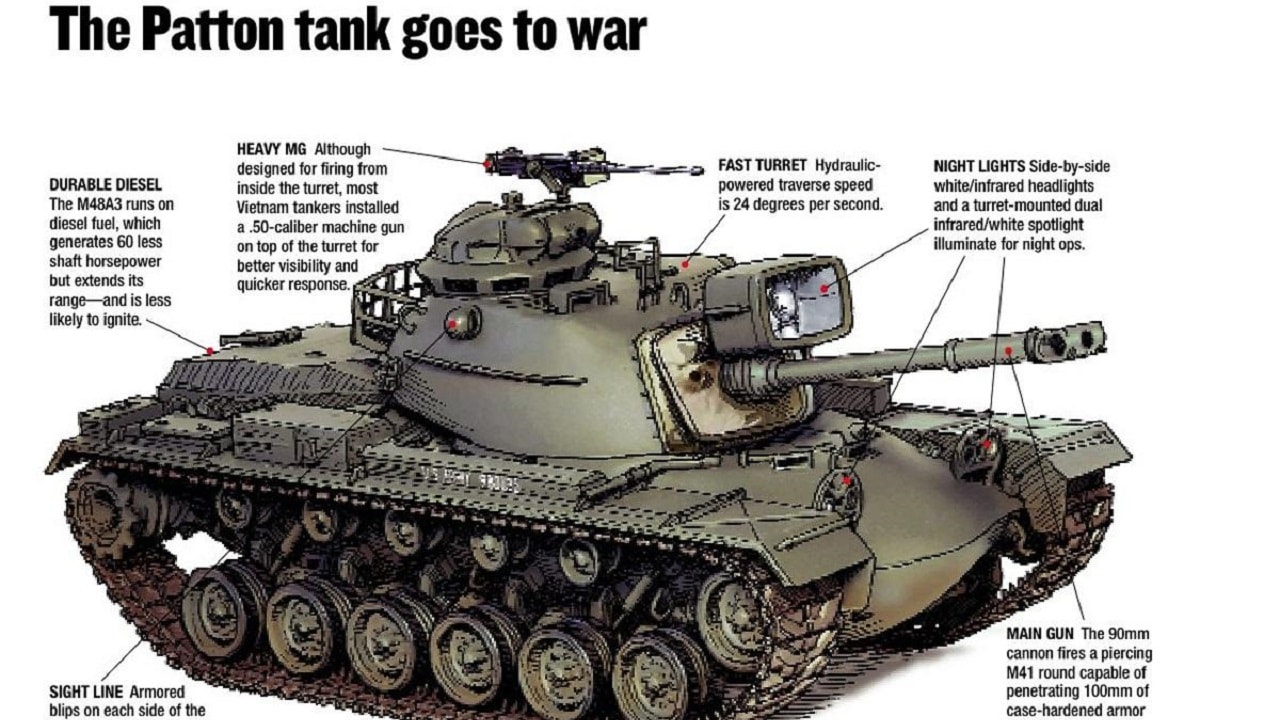
M60 Tank. Image Credit: Creative Commons.
-Featuring the 105-mm M68 gun and the revolutionary Tank Thermal Sight (TTS), this variant outpaced Warsaw Pact T-54/55 and T-62 armor.
-This 19FortyFive analysis details how the M60A3’s laser rangefinder and ballistic computer transformed armored doctrine, ensuring its continued combat relevance in 2026.
The M60A3 Patton’s Secret Legacy: How a ‘Stopgap’ Tank Defined the Cold War
The M60 was a U.S. Cold-War era main battle tank that was developed from the M48 Patton line. The tank was designed in response to advances in Soviet armor.
Throughout the tank’s lifetime, it received several modernization packages, all culminating in the M60A3 variant. While it’s practically indistinguishable from other M60 variants, the M60A3 received a number of improvements to its fire control systems and sites that made it more accurate and improved situational awareness for the crew.
The M60A3 was something of a stopgap measure for the United States. While it lacked the armor and firepower of Warsaw Pact tanks, it was advanced enough to do the job while the United States finished developing the M1 Abrams.
The Last M60 Variant
While the M60 was a further development of the M48 Patton line of tanks, it is not technically considered a Patton. By the late 1950s, NATO planners were increasingly concerned about the introduction of new Soviet tanks such as the T-54/55, and eventually the T-62.
These vehicles featured powerful guns, sloped armor, and a design philosophy that emphasized mass production and battlefield durability. In response, the United States sought to improve upon its existing M48 Patton series rather than undertake the lengthy process of designing a wholly new tank. This effort produced the M60 in 1960, and over the following two decades the design underwent steady enhancements that culminated in the M60A3.
Although earlier iterations of the M60 series already included substantial improvements, such as the adoption of the 105-mm M68 gun derived from the excellent British L7, the 1970s brought new lessons that drove U.S. tank development forward. One of those lessons came from the 1973 Yom Kippur War, during which Israeli forces employing M60A1 tanks encountered a battlefield filled with new anti-tank weapons, long-range gunnery duels, and demanding night-fighting conditions.
While the Israeli M60s performed admirably, the conflict made clear that superior optics, fire control, and crew survivability were becoming increasingly decisive factors. At the same time, the U.S. was preparing to field the next-generation XM1 tank, which would eventually become the M1 Abrams.
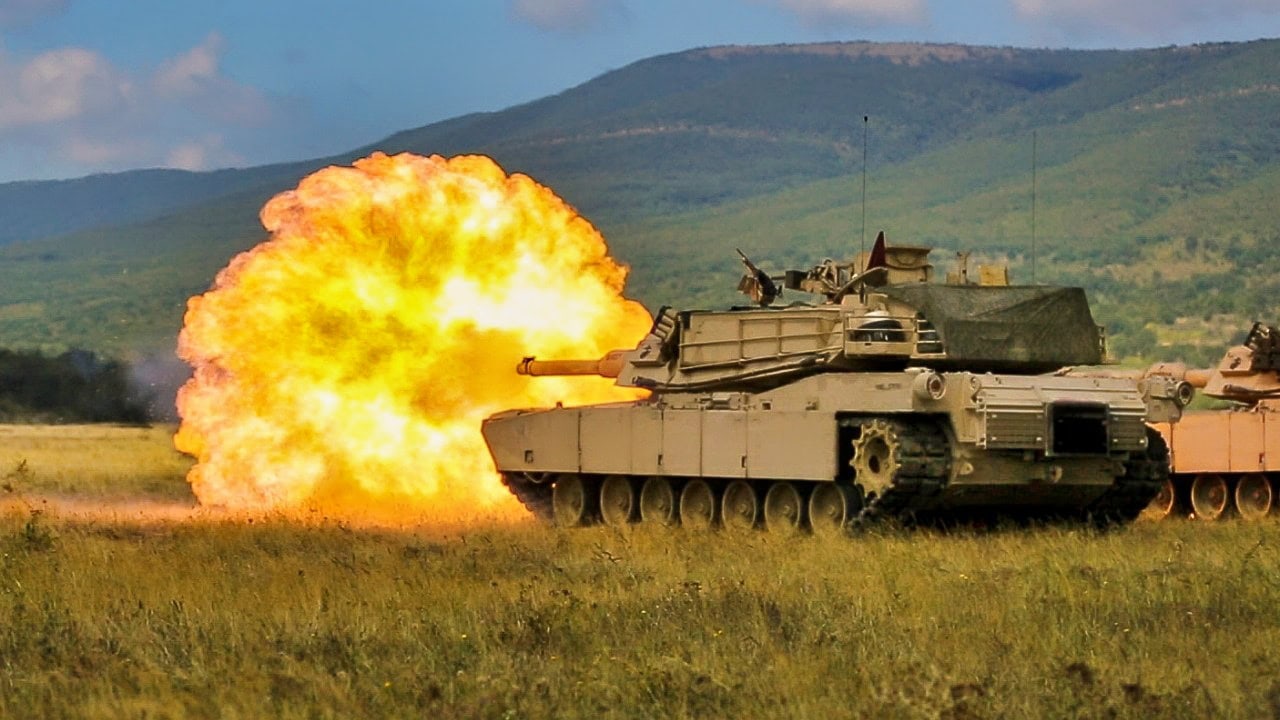
U.S. Marines with Combined Arms Company fire an M1A1 Abrams tank during a field training exercise at Novo Selo Training Area, Bulgaria, Sept. 21, 2015. The Marines underwent several days in the field to prepare for multinational training exercises over the next few months. (U.S. Marine Corps photo by Lance Cpl. Melanye E. Martinez/Released)
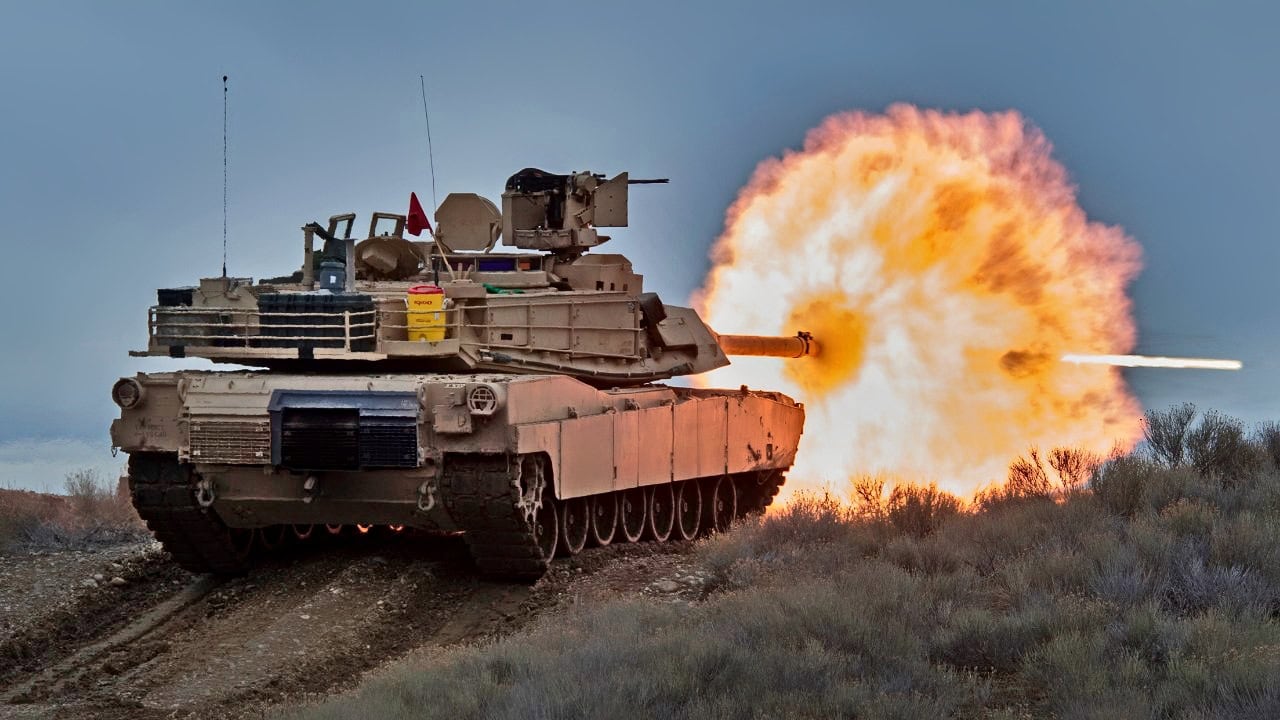
M1A2 Abrams Tanks from A Company, 2-116th Cavalry Brigade Combat Team (CBCT), Idaho Army National Guard run through field exercises on Orchard Combat Training Center (OCTC).
The M60A3 emerged as a necessary bridge between the older analog systems of the early Cold War and the advanced digital and thermal technologies that defined the new era.
What Separates the M60A3 from Other M60s?
On the outside, the M60A3 was virtually indistinguishable from its predecessors, with the same iconic rounded turret, large bustle, and long 105-mm gun. But inside, it was a significantly more modern machine. One of the most important enhancements was the introduction of a laser rangefinder, which replaced the older coincidence rangefinder that required the gunner to manually align two images. The laser system was faster and far more accurate, which substantially increased the tank’s first-round hit probability in combat situations.
This improvement was amplified by the installation of a more sophisticated ballistic computer capable of integrating data such as ammunition type, barrel wear, crosswind, and range. These features dramatically enhanced the tank’s ability to engage targets at long distances, particularly when both platforms were moving.
The biggest differences between the M60A3 and a typical M60 are smaller, harder to notice details. The M60A3’s Tank Thermal Sight (TTS) gave crews the ability to detect heat signatures through smoke, fog, and darkness. The TTS gave the M60A3 a decisive advantage in night operations, enabling crews to identify and fire upon targets long before being spotted themselves.
In an era when Warsaw Pact tanks typically relied on infrared spotlights or low-light systems that were far less effective, the M60A3’s thermal capability set a new standard for U.S. armored units.
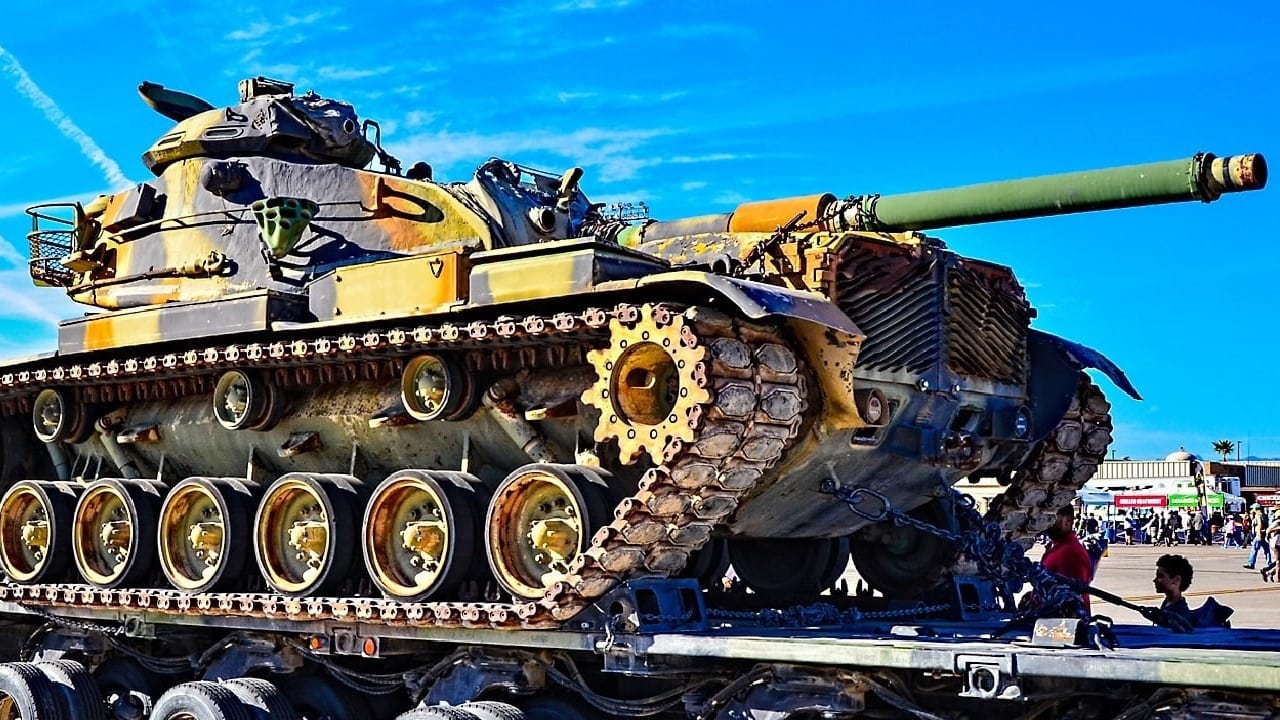
M60 Tank. Image Credit: Creative Commons.
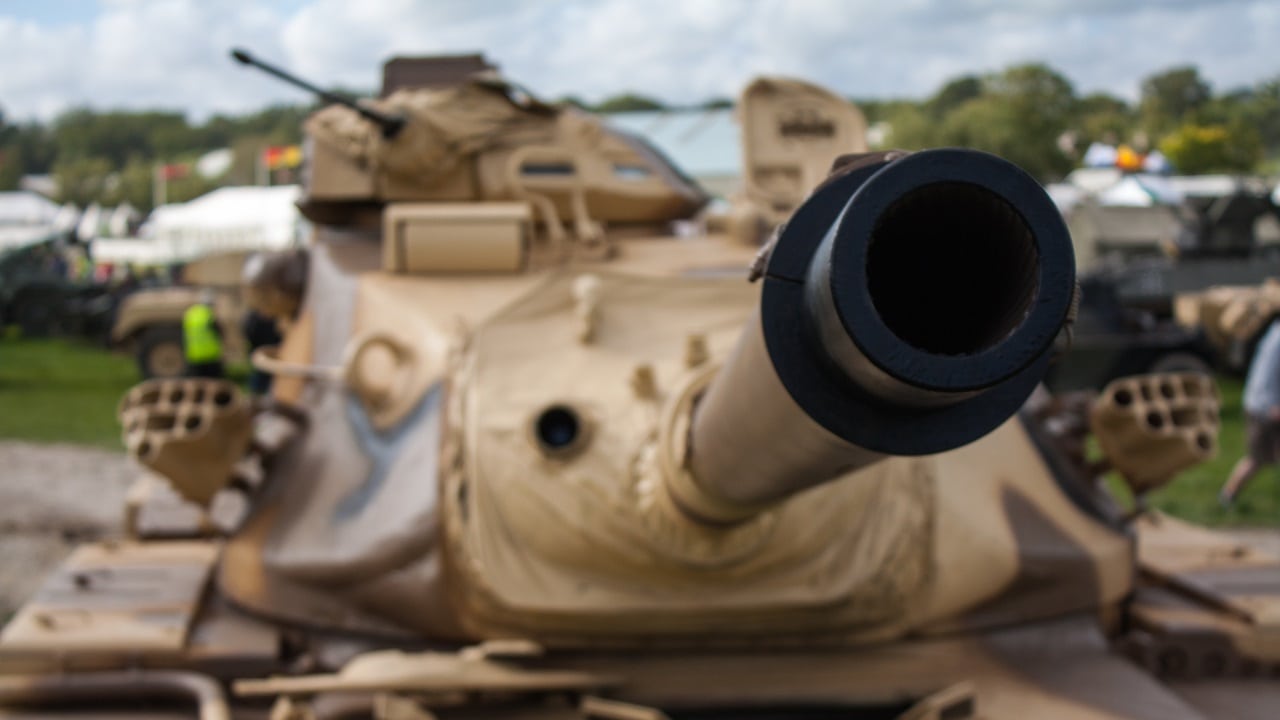
M60 Tank. Image Credit: Creative Commons.
Better Survivability and Mobility
Protection and survivability were also improved, though the M60A3 did not employ composite armor like the Abrams. Instead, it retained the thick cast steel armor of earlier M60 models, which, while not state-of-the-art, still offered considerable protection against many battlefield threats of the time.
The tank’s fire suppression system was modernized, reducing the risk of internal fires caused by flammable hydraulic fluids. Additional survivability upgrades included improvements to electrical systems, more reliable smoke grenade launchers, and the ability to rapidly generate a smoke screen in the presence of enemy anti-tank weapons.
The M60A3 continued to rely on the proven Continental AVDS-1790 air-cooled V12 diesel engine. Producing around 750 horsepower, the engine was not especially powerful relative to the tank’s weight, but it was reliable, relatively simple to maintain, and well understood by mechanics in both U.S. and foreign service.
Combined with the dependable CD-850 transmission and torsion-bar suspension, the M60A3 offered consistent, if not exceptional, mobility.
It was not as agile as the M1 Abrams or some contemporary European tanks, but its mechanical resilience made it favorable for countries with limited maintenance infrastructure or harsh operating environments.
The M60A3 in Service
The M60A3 played a crucial role during the late Cold War. It became the standard main battle tank of U.S. armored and mechanized units in Europe during the early 1980s and was positioned to counter potential breakthroughs by Warsaw Pact armored forces. As production of the M1 Abrams accelerated, the M60A3 gradually transitioned to National Guard units, remaining in use until the early 1990s.
Outside of Europe, the M60A3 experienced remarkable longevity. More than 5,000 units were eventually produced, and many remain in service today, often with substantial modernization packages. Egypt operated one of the largest fleets and developed several indigenous upgrades. Turkey modernized part of its fleet into the Sabra configuration, adding new armor, fire control, and a 120-mm gun. Jordan, Saudi Arabia, Taiwan, and numerous other nations also relied on the M60A3 for decades, valuing its blend of reliability, heavy firepower, and upgrade potential.
About the Author: Isaac Seitz
Isaac Seitz, a Defense Columnist, graduated from Patrick Henry College’s Strategic Intelligence and National Security program. He has also studied Russian at Middlebury Language Schools and has worked as an intelligence Analyst in the private sector.