
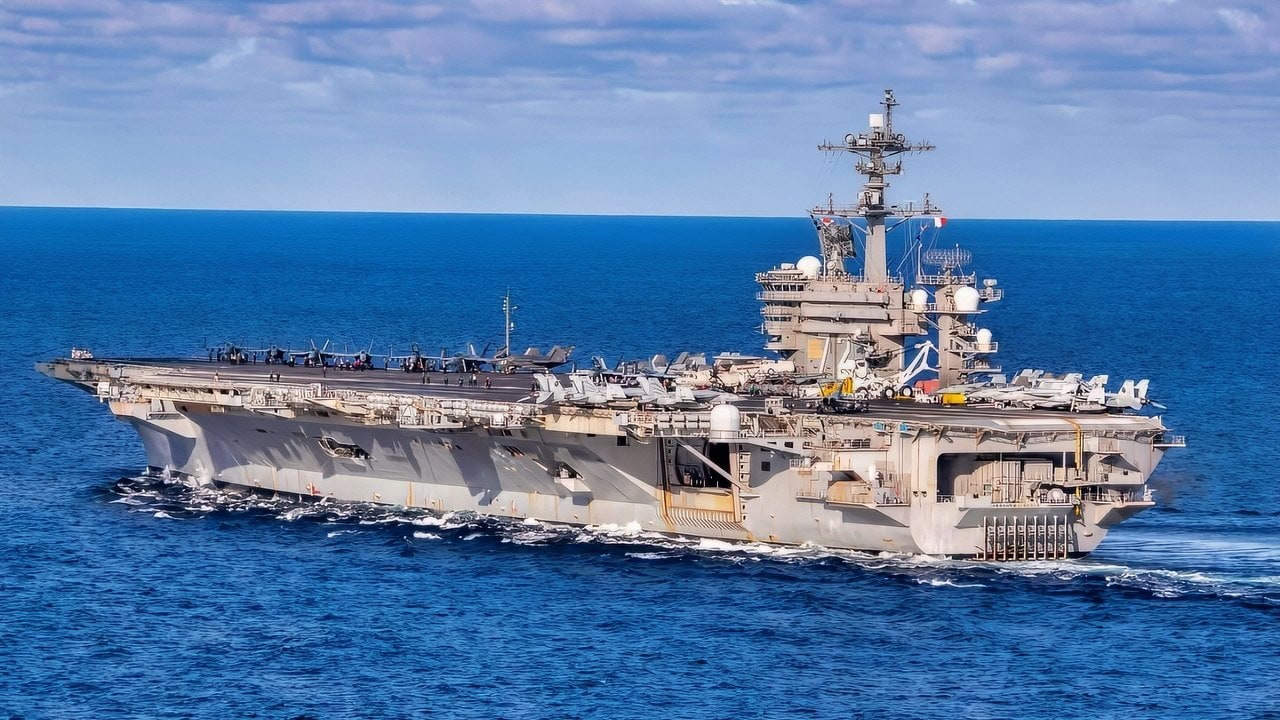
Summary and Key Points: Harrison Kass — national security attorney, journalist, former U.S. Air Force pilot selectee, University of Oregon JD, and NYU master’s graduate in global journalism and international relations — traces the origins of China’s anti-access/area-denial doctrine to the 1995-1996 Taiwan Crisis, when two U.S. carrier strike groups exposed Beijing’s complete inability to track or threaten American naval formations.
-Kass details how that humiliation drove three decades of Chinese investment in DF-21D anti-ship ballistic missiles with 1,500-kilometer range, DF-26 extended-range carrier killers, space-based surveillance satellites, over-the-horizon radar, and integrated reconnaissance-to-strike kill chains.
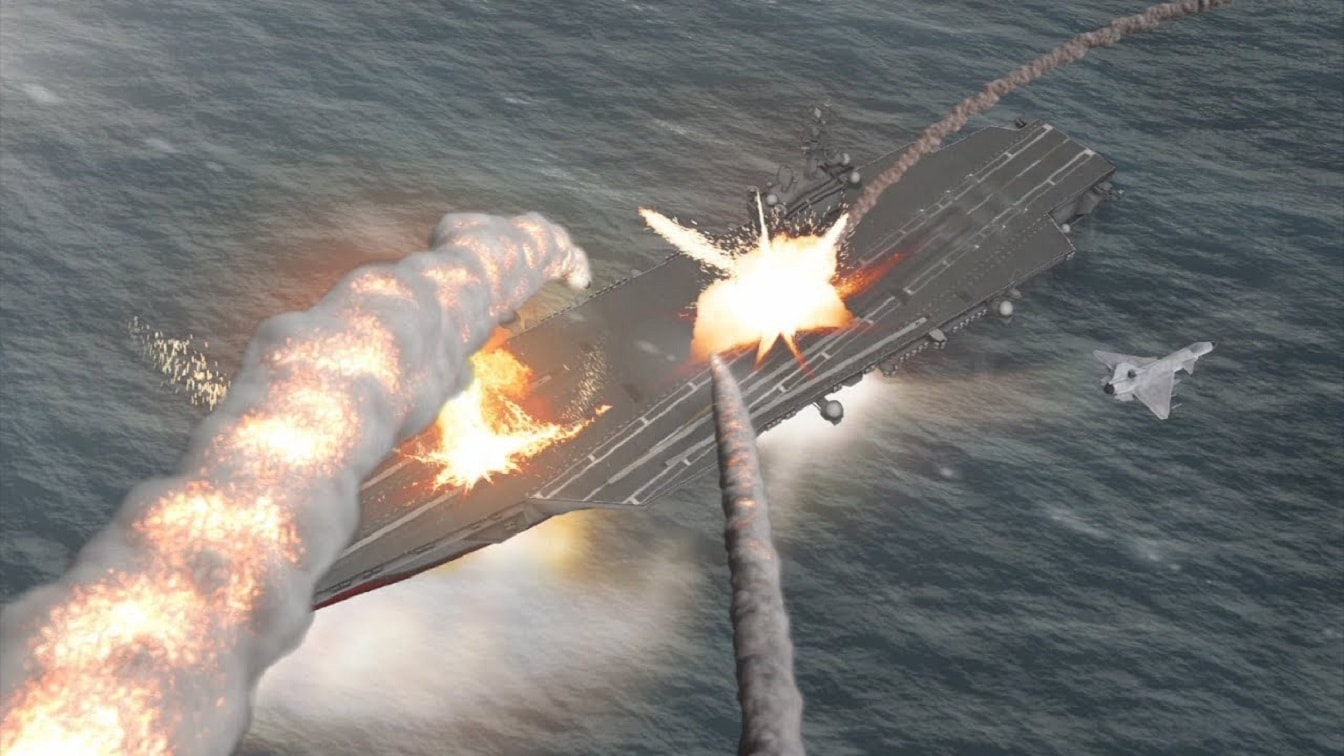
YouTube Screenshot of a Simulation of China Firing a DF-21 ASBM.
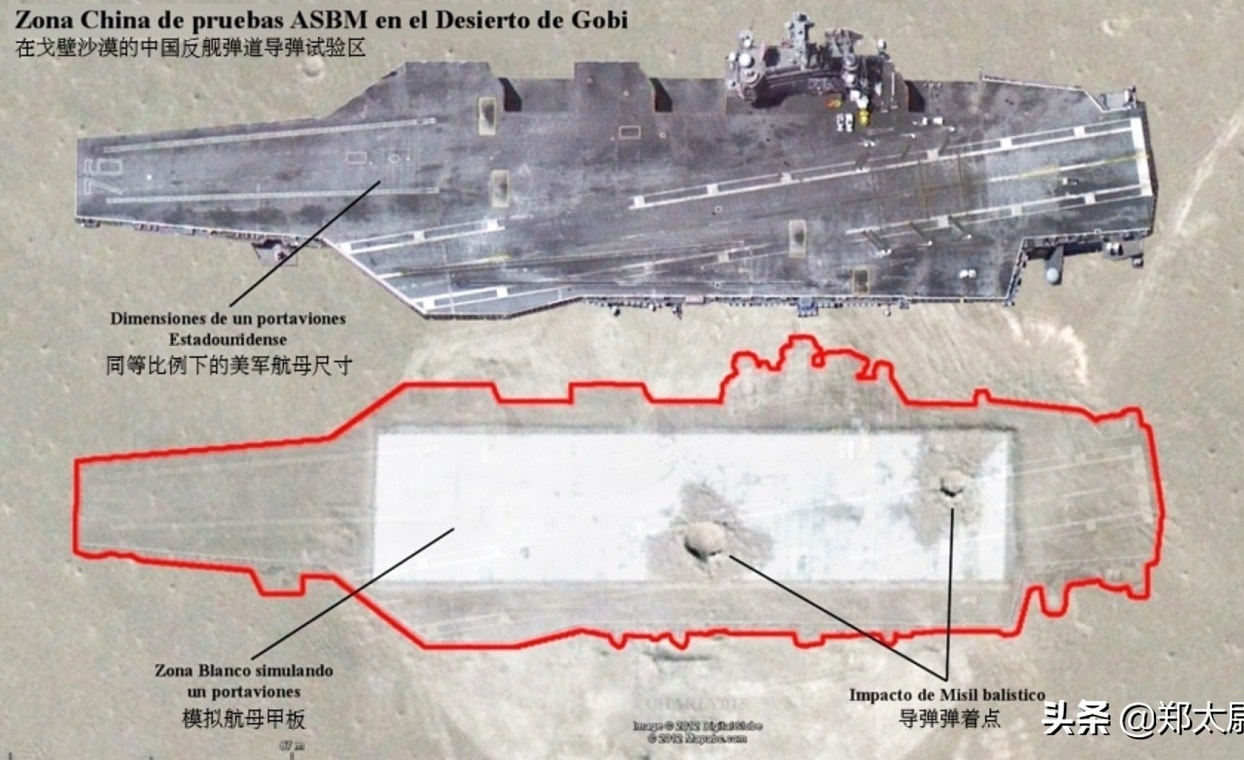
Image from the now closed WantChinaTimes. This shows a mock attack on a U.S. Navy aircraft carrier.
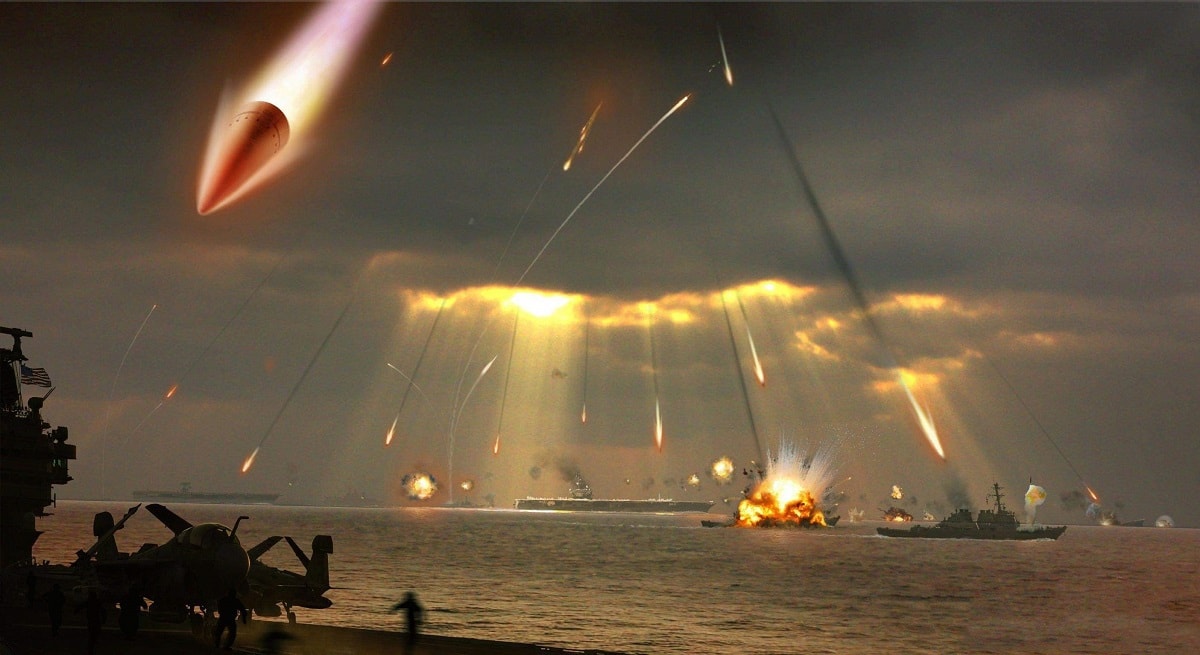
Depiction of Chinese missiles attacking the U.S. Navy. Image: Chinese Internet.
-The analysis explains why China’s goal is not necessarily to sink U.S. carriers but to push them farther from Taiwan — thereby degrading sortie generation rates and imposing unsustainable logistical burdens on carrier aviation across the Indo-Pacific.
The 1996 Taiwan Crisis Humiliated China and Created the DF-21D Carrier Killer Missile
In a recent article, Dr. Andrew Latham cited the 1995-1996 Taiwan Crisis as a formative moment in modern Chinese military planning. During the crisis, the United States deployed two carrier strike groups (CSGs) to waters near Taiwan.
The deployment was meant to signal resolve—but it also exposed a harsh operational reality for Beijing in that they lacked the ability to locate, track, or threaten US aircraft carriers operating nearby.
The lesson became a blueprint for the Chinese military’s modernization, which has progressed steadily over the three decades since. Indeed, Beijing has invested heavily in systems designed to keep carriers farther and farther from the Chinese mainland.
Hide and Seek
In 1996, the Chinese learned an important lesson: you can’t kill what you can’t find. Chinese maritime awareness at the time was limited and inconsistent, with reports indicating that the PLA struggled to maintain persistent contact with US naval formations.
Obviously, without reliable targeting data, long-range strike was never an option.
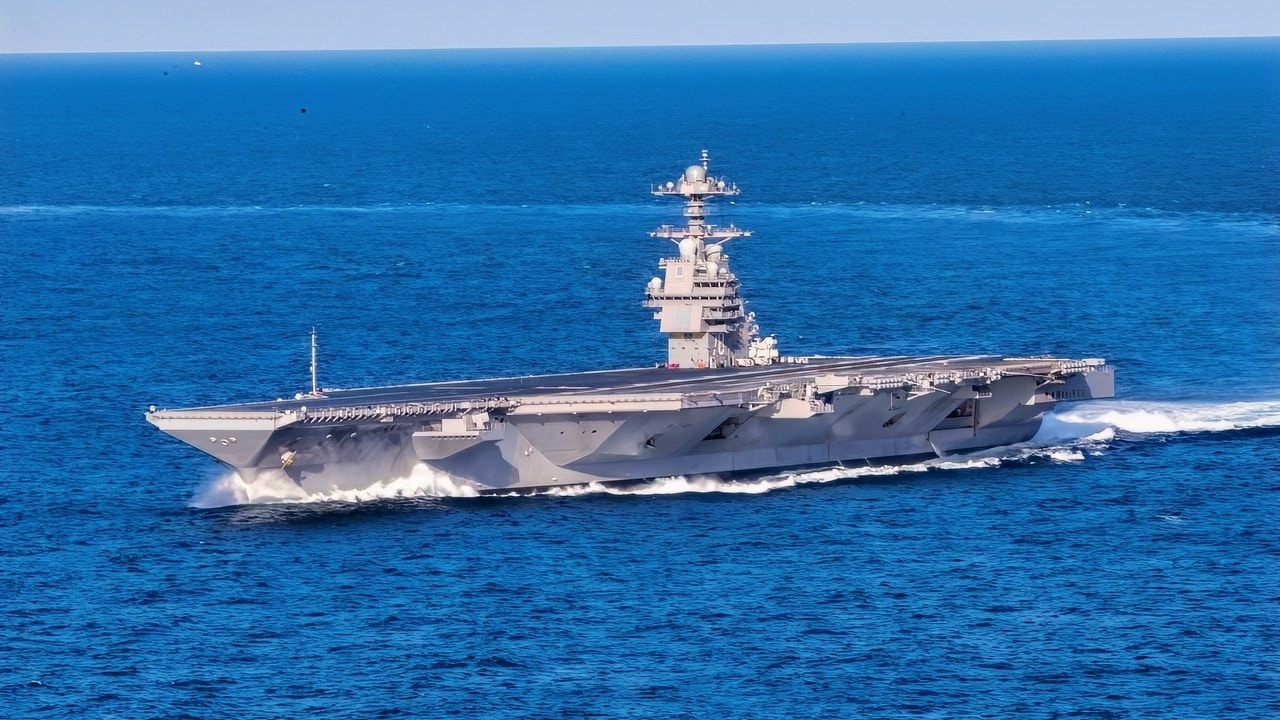
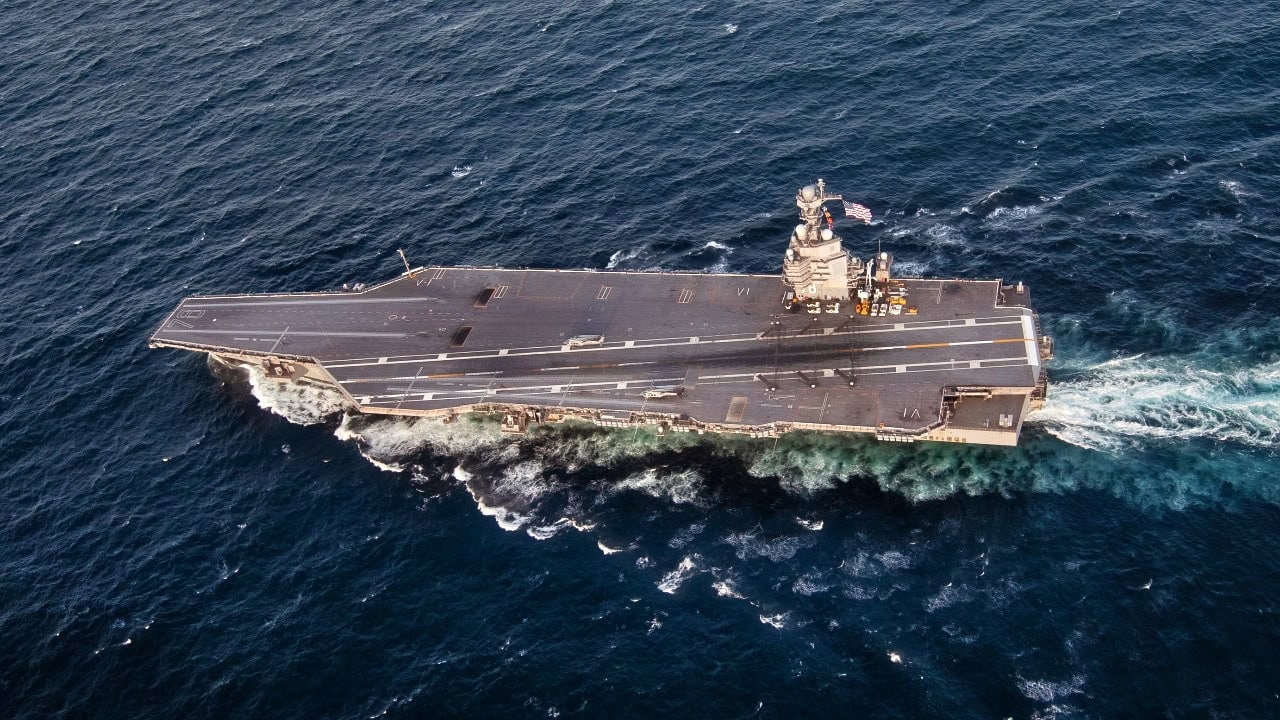
ATLANTIC OCEAN (Oct. 29, 2019) USS Gerald R. Ford (CVN 78) conducts high-speed turns in the Atlantic Ocean. Ford is at sea conducting sea trials following the in port portion of its 15 month post-shakedown availability. (U.S. Navy photo by Mass Communication Specialist 3rd Class Connor Loessin)
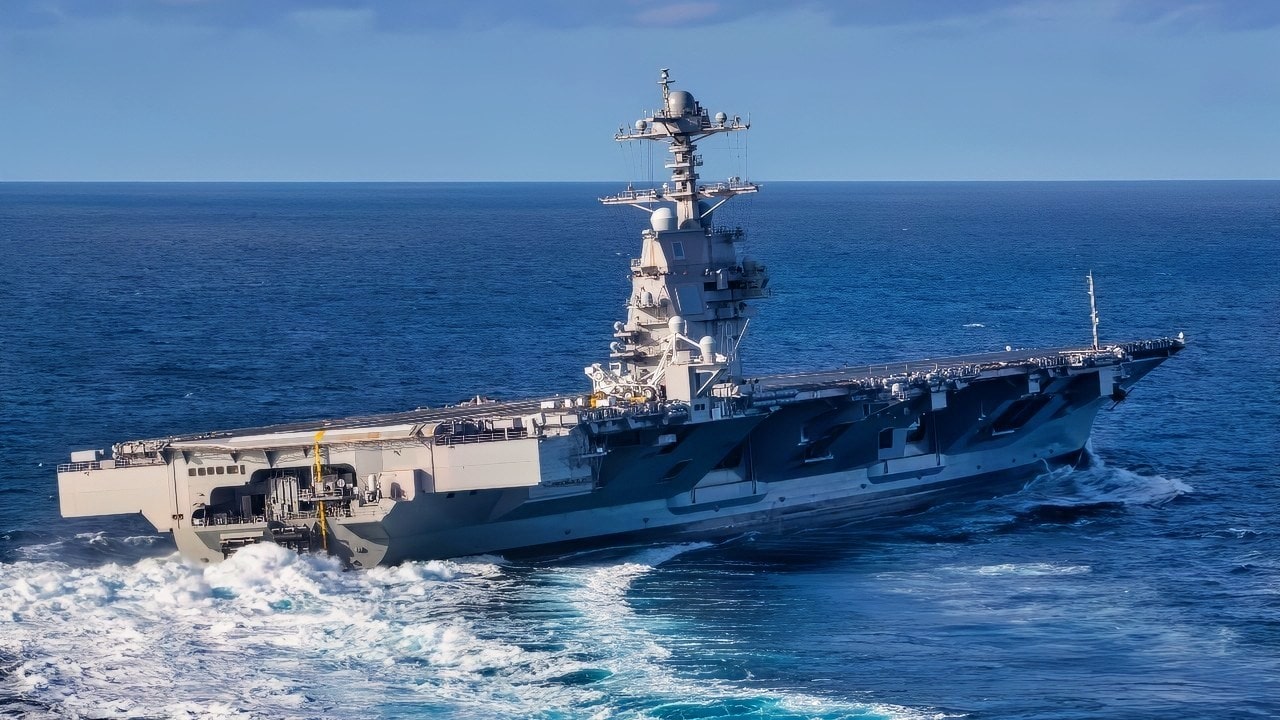
ATLANTIC OCEAN (Oct. 29, 2019) USS Gerald R. Ford (CVN 78) conducts high-speed turns in the Atlantic Ocean. Ford is at sea conducting sea trials following the in port portion of its 15 month post-shakedown availability. (U.S. Navy photo by Mass Communication Specialist 3rd Class Connor Loessin)
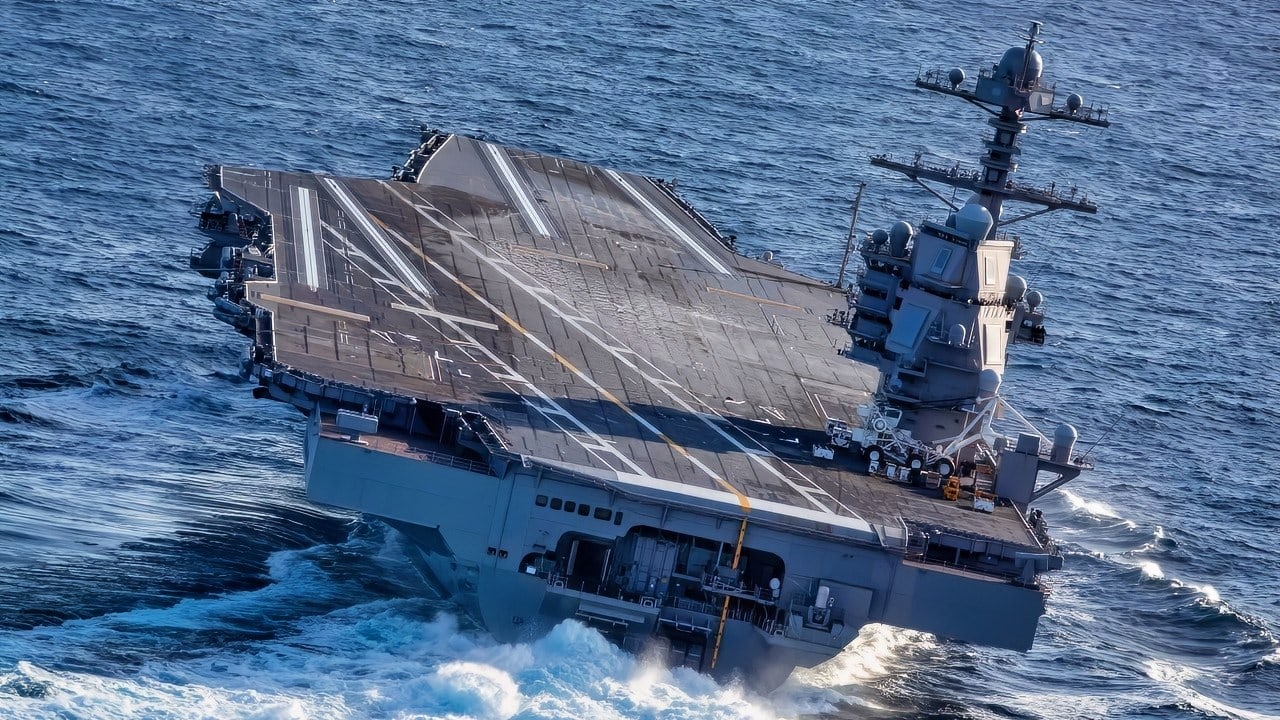
ATLANTIC OCEAN (Oct. 29, 2019) USS Gerald R. Ford (CVN 78) conducts high-speed turns in the Atlantic Ocean. Ford is at sea conducting sea trials following the in port portion of its 15 month post-shakedown availability. (U.S. Navy photo by Mass Communication Specialist 3rd Class Connor Loessin)
So, in the years since, China has responded by expanding its reconnaissance architecture, including space-based surveillance satellites, over-the-horizon radar systems, maritime patrol aircraft, unmanned surveillance platforms, and electronic and signals intelligence networks.
Root of the Cause
1996 also inspired Chinese planners to attack the root of the problem; rather than chasing the aircraft launched from the carrier, attack the carrier itself, because as long as the carrier remained operational, aircraft could continue generating sorties.
The logic pushed Beijing toward investments in long-range anti-ship weapons—the most famous example of which is the DF-21D anti-ship ballistic missile. The DF-21D has an estimated range of 1,500 kilometers and was designed to strike large naval vessels.
The missile uses maneuverable reentry vehicles to complicate interception and is widely known as the world’s first anti-ship ballistic missile specifically designed for carrier targets. Obviously, the missile was designed with the Americans in mind.
Later systems, like the DF-26, extended the threat envelope even farther, creating credible long-range risk to push US carriers further back.
Investing in the Kill Chain
But detecting a carrier is only the first step; a functional anti-carrier capability requires a complete reconnaissance-to-strike kill chain, which includes: detection; tracking; target identification; data transmission; weapon launch; and terminal guidance.
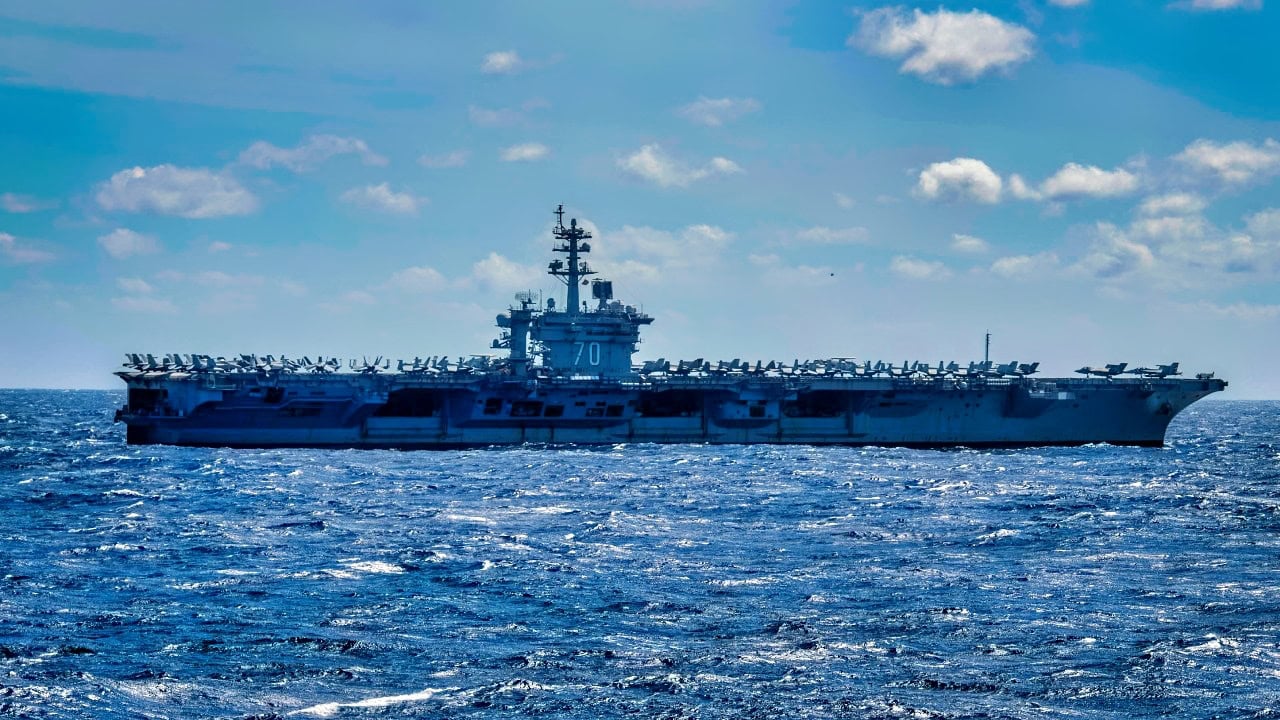
SOUTH CHINA SEA (Jan. 17, 2025) – The Nimitz-class aircraft carrier USS Carl Vinson (CVN 70) transits the South China Sea during a Maritime Cooperative Activity with the Philippine Navy, Jan. 17, 2025. The U.S. and Philippines work together as allies, enhancing the interoperability of maritime forces and supporting their shared goal of a free and open Indo-Pacific. Carrier Strike Group ONE, is underway conducting routine operations in the U.S. 7th Fleet area of operations. (U.S. Navy photo by Mass Communication Specialist 3rd Class Brianna Walker)
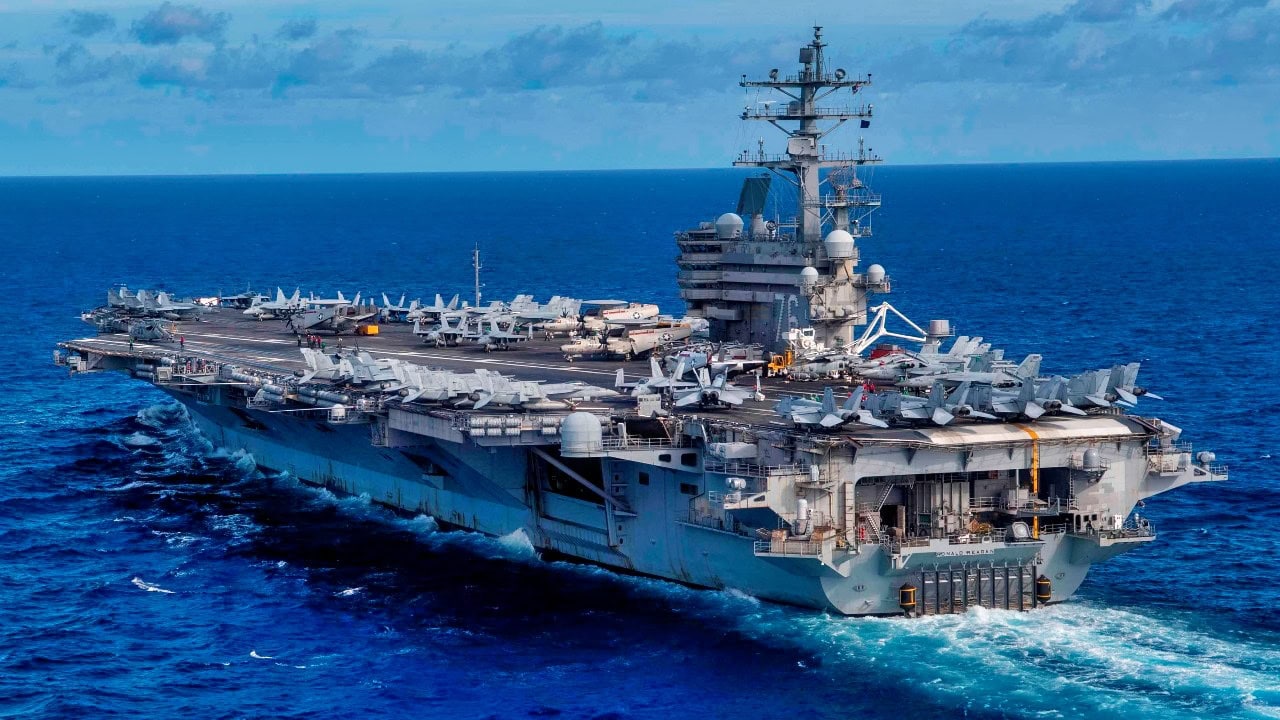
SOUTH CHINA SEA (June 16, 2021) The Navy’s only forward-deployed aircraft carrier USS Ronald Reagan (CVN 76) transits the South China Sea. Reagan is part of Task Force 70/Carrier Strike Group 5, conducting underway operations in support of a free and open Indo-Pacific. (U.S. Navy Photo by Mass Communication Specialist 1st Class Rawad Madanat)
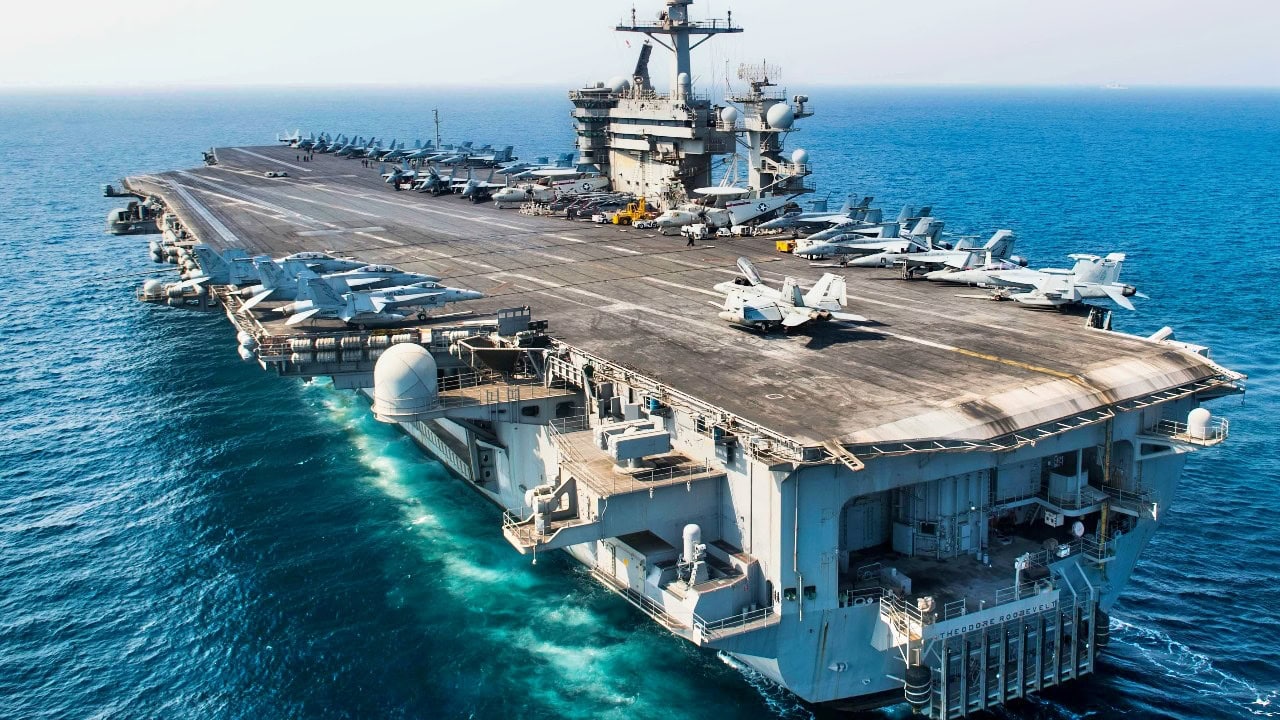
(Oct. 10, 2015) The aircraft carrier USS Theodore Roosevelt (CVN 71) transits the Arabian Gulf. Theodore Roosevelt is deployed in the U.S. 5th Fleet area of operations supporting Operation Inherent Resolve, strike operations in Iraq and Syria as directed, maritime security operations and theater security cooperation efforts in the region.
If any link in the chains fails, the strike fails. China has invested heavily in data fusion networks, command-and-control systems, and communications infrastructure, all to enhance its kill chain, allowing surveillance platforms and missile forces to operate as a single integrated mechanism.
The result: anti-carrier warfare has evolved from a single weapon system into a networked operational concept.
Distance is the Goal
Importantly, China does not necessarily need to sink a carrier to reduce the carrier’s effectiveness. Simply forcing carriers to operate farther from the fight can significantly weaken their impact. Why? Because carrier aviation depends on proximity.
Increased distance means longer flight times, fewer aircraft can be launched per day, and those launched spend less time over the target area because they spend so much time in transit.
In essence, the carrier’s sortie generation rate (SGR) drops, and the sorties that are launched are more dependent on refueling tankers and other enablement aircraft, all while pilot and aircraft stress is compounding from longer and more complicated missions with quicker turnaround.
So, China’s layered strike system isn’t just about destroying carriers and aircraft—it’s about complicating their operations, making them fight from a distance while enduring the logistical burdens that distance entails.
Hard to Kill
Yet, despite China’s post-1996 improvements and an existing A2/AD network, operational complications persist, meaning carriers will still be able to operate, albeit with increased risk. For one, the ocean is big. Even with improved surveillance, finding a moving carrier in the open ocean remains challenging.
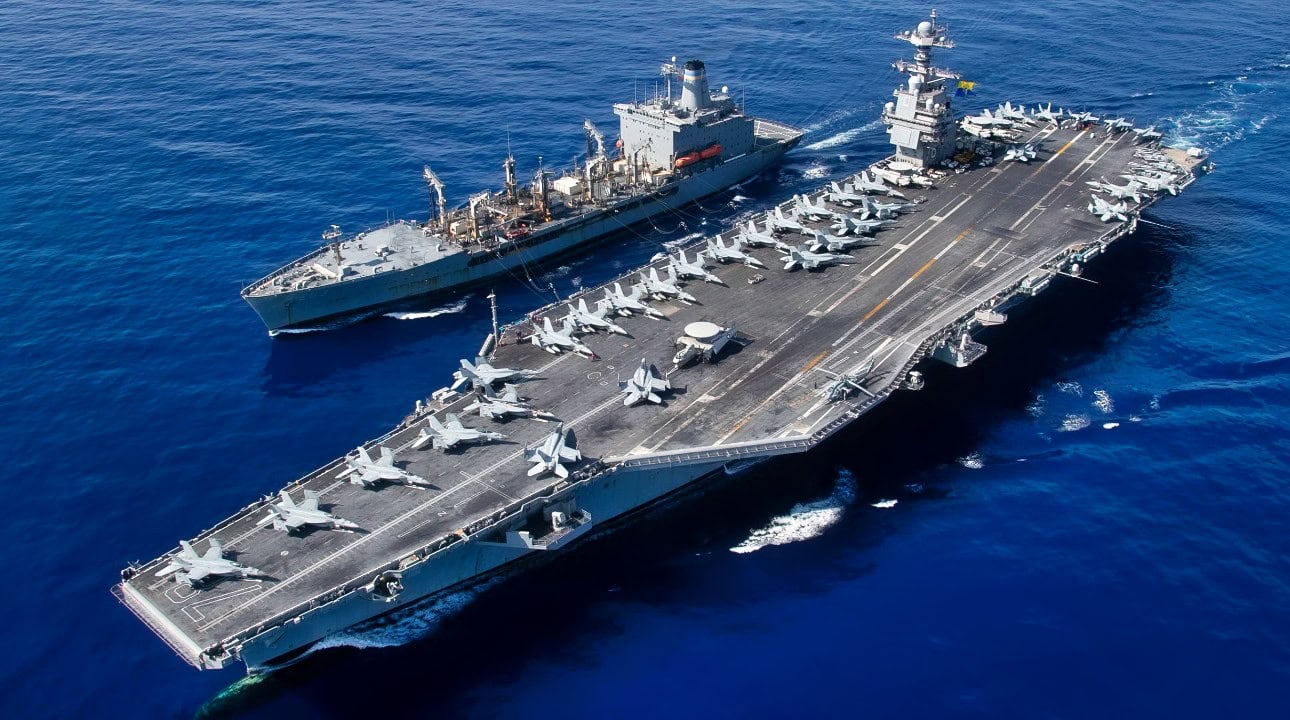
The world’s largest aircraft carrier USS Gerald R. Ford (CVN) 78 and the USNS Laramie (T-AO-203) conduct a refueling-at-sea in the Eastern Mediterranean Sea, Oct. 11, 2023. USS Gerald R. Ford is the Navy’s newest and most advanced aircraft carrier, representing a generational leap in the U.S. Navy’s capacity to project power on a global scale. The Gerald R. Ford Carrier Strike Group is currently operating in the Eastern Mediterranean Sea, at direction of the Secretary of Defense. The U.S. maintains forward deployed ready and postured forces to deter aggression and support security and stability around the world.(U.S. Navy photo by Mass Communication Specialist 2nd Class Jackson Adkins)
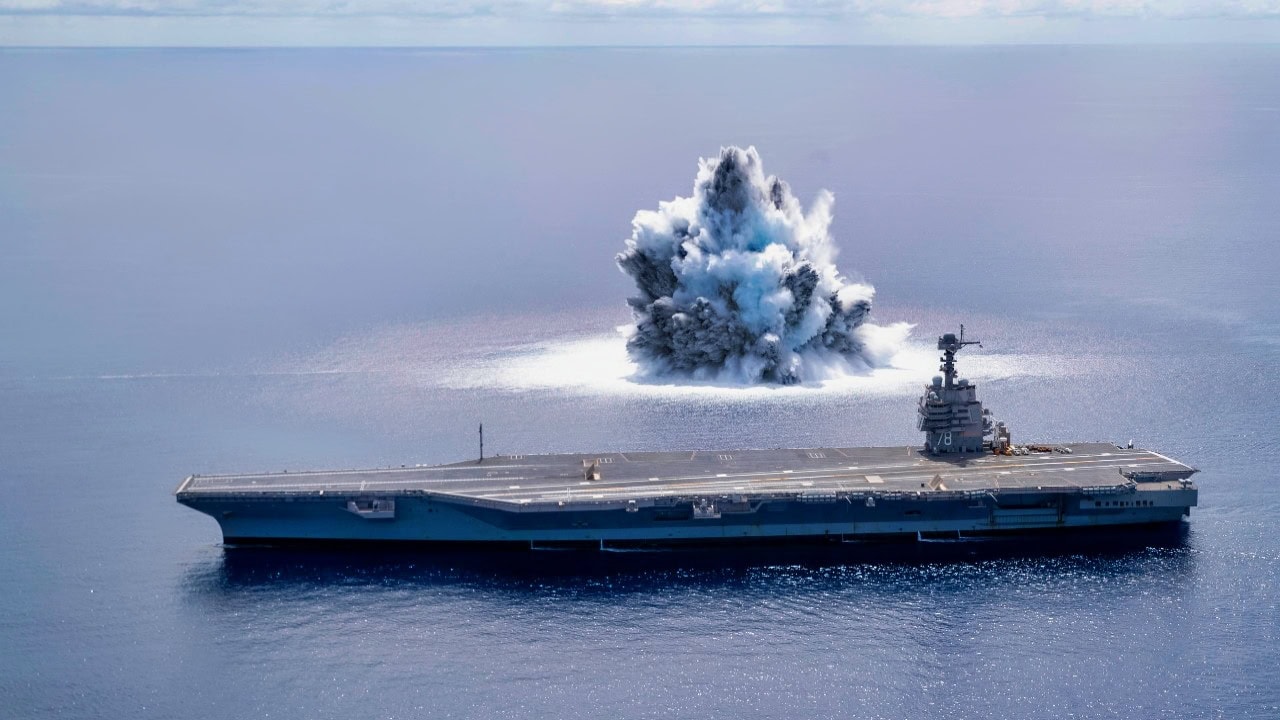
The aircraft carrier USS Gerald R. Ford (CVN 78) completes the first scheduled explosive event of Full Ship Shock Trials while underway in the Atlantic Ocean, June 18, 2021. The U.S. Navy conducts shock trials of new ship designs using live explosives to confirm that our warships can continue to meet demanding mission requirements under harsh conditions they might encounter in battle. (U.S. Navy photo by Mass Communication Specialist 3rd Class Riley B. McDowell)
The Ford-class aircraft carrier USS Gerald R. Ford (CVN 78) and the Italian aircraft carrier ITS Cavour (CVH 550) transit the Atlantic Ocean March 20, 2021, marking the first time a Ford-class and Italian carrier have operated together underway. As part of the Italian Navy’s Ready for Operations (RFO) campaign for its flagship, Cavour is conducting sea trials in coordination with the F-35 Lightning II Joint Program Office’s Patuxent River Integrated Test Force to obtain official certification to safely operate the F-35B. Gerald R. Ford is conducting integrated carrier strike group operations during independent steaming event 17 as part of her post-delivery test and trials phase of operations.
And even if found, carriers do not operate alone; they are protected by a CSG that includes Aegis destroyers, cruisers, submarines, layered missile defenses, and electronic warfare systems.
The modern American aircraft carrier is arguably the highest concentration of wealth and manpower on a single platform in the history of warfare; the US doesn’t just hang one of these boats out over the edge of the ocean and hope everything works out. No, the boat is vigilantly defended.
And while the rise of Chinese A2/AD capabilities has been impressive, they have also pushed the US Navy to adapt in turn.
That adaptation is ongoing and will likely include longer-range carrier aircraft, expanded use of stealth aircraft like the F-35C, future sixth-generation carrier fighters, stealth enablement aircraft, and, of course, unmanned systems.
About the Author: Harrison Kass
Harrison Kass is an attorney and journalist covering national security, technology, and politics. Previously, he was a political staffer and candidate, and a US Air Force pilot selectee. He holds a JD from the University of Oregon and a master’s in global journalism and international relations from NYU.