
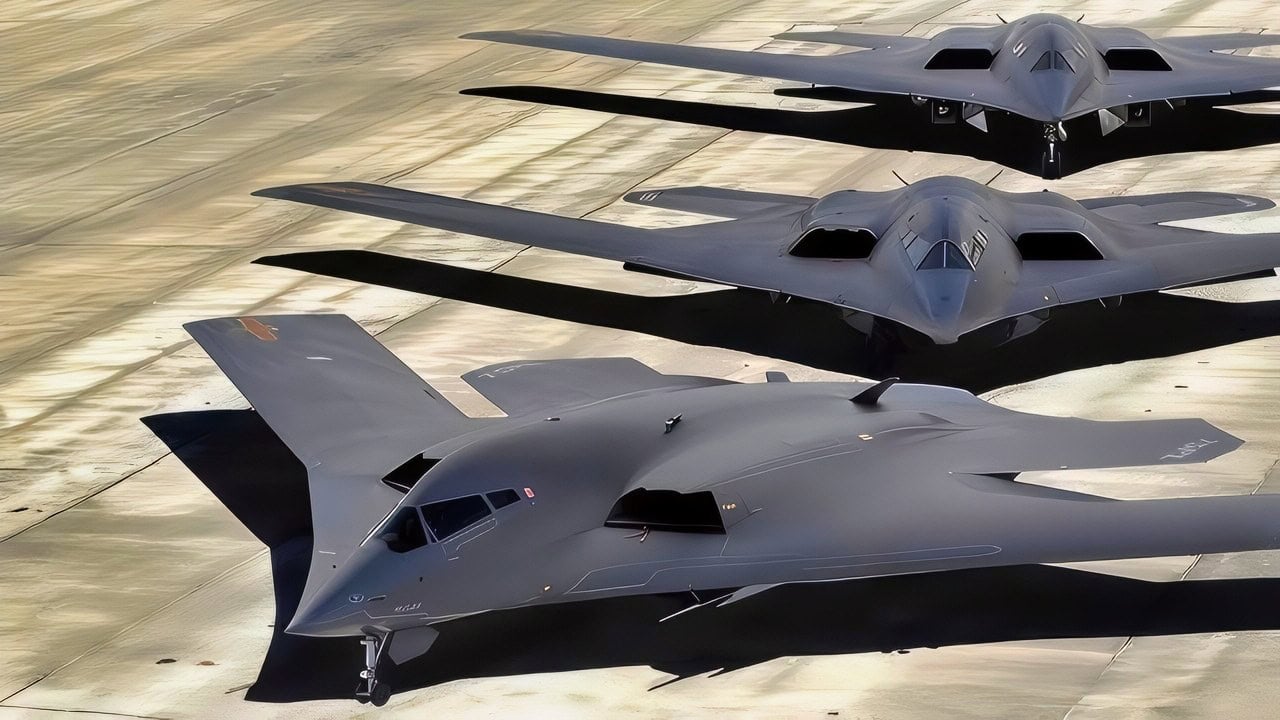
Summary and Key Points: Defense analyst Jack Buckby evaluates the strategic pressure the Iran air campaign exerts on China’s Xian H-20 program.
-The B-2 Spirit’s success in destroying hardened targets at Fordow and Natanz has highlighted the vulnerability of conventional assets like China’s H-6K.
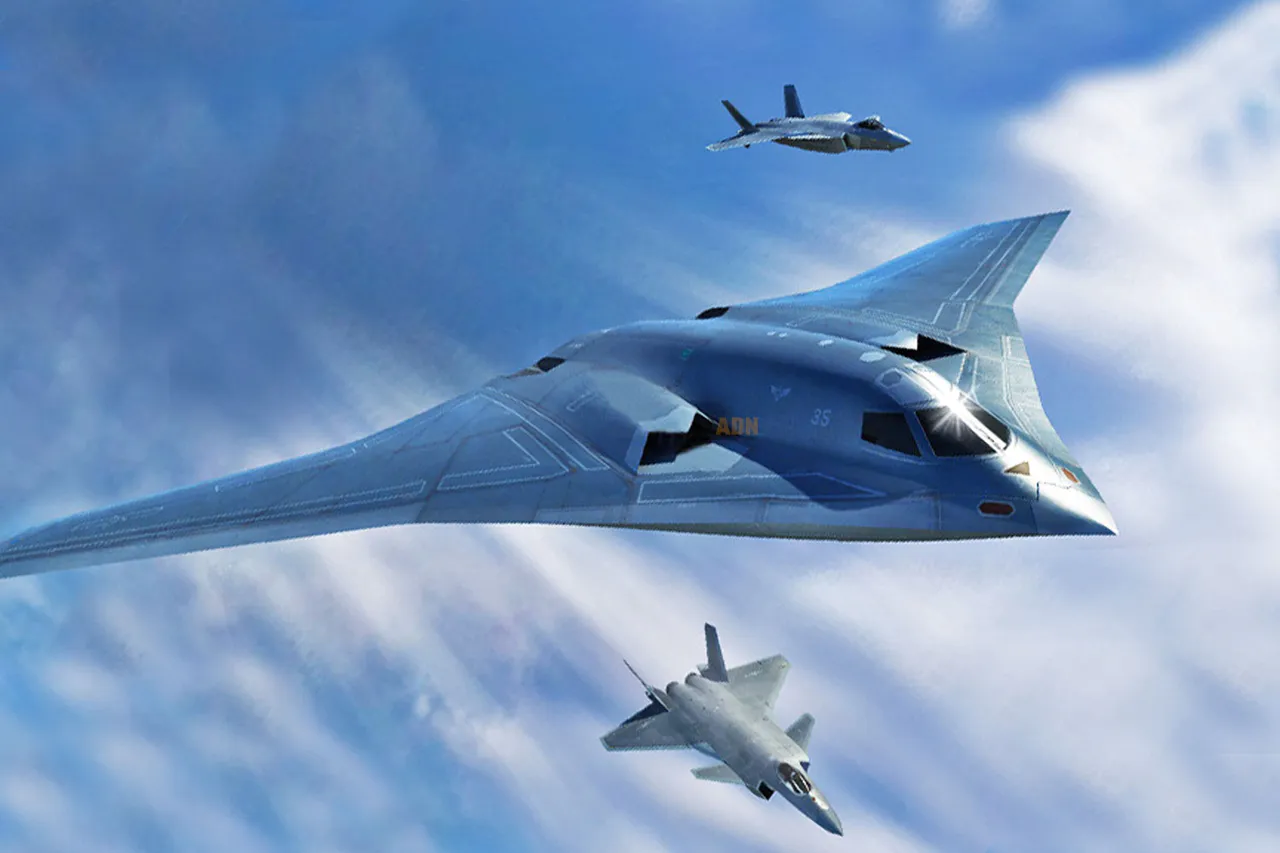
H-20 Bomber. Image Credit: Creative Commons.
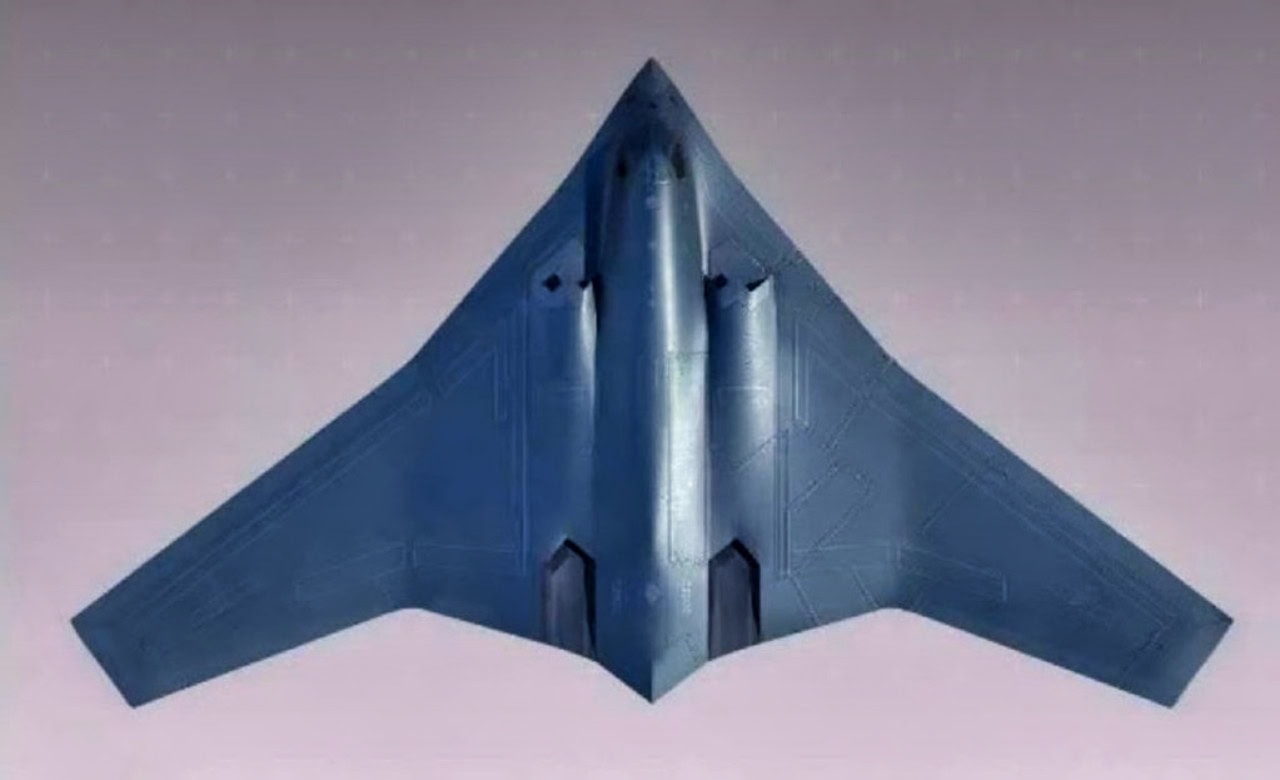
H-20 Bomber from China Artist Rendition.
-This report analyzes the H-20’s anticipated 8,500-kilometer range and its role in challenging the Second Island Chain.
-Buckby explores how the U.S. Air Force Global Strike Command downplays the H-20 as a “regional” threat, concluding that the conflict in Iran serves as a decisive catalyst for Beijing to finalize its first true strategic stealth bomber.
The Stealth Nudge: Why the Iran Air Campaign is Forcing China to Accelerate the H-20 Bomber
The ongoing campaign against Iran has once again demonstrated how modern wars increasingly begin in the air, and often with stealth aircraft leading the way.
In recent strikes, U.S. forces used long-range bombers and advanced fighter aircraft to attack Iranian military infrastructure, including ballistic missile sites and other hardened targets. More than 2,000 targets were struck in the first 100 hours of the campaign, according to U.S. Central Command.
Among the most notable assets used in the campaign was the Northrop Grumman B-2 Spirit stealth bomber, which has been used repeatedly for long-range precision strikes against Iranian targets. B-2 bombers, for example, previously flew an 18-hour mission and dropped bunker-busting bombs on Iranian nuclear facilities, striking targets at Fordow, Isfahan, and Natanz during Operation Midnight Hammer.
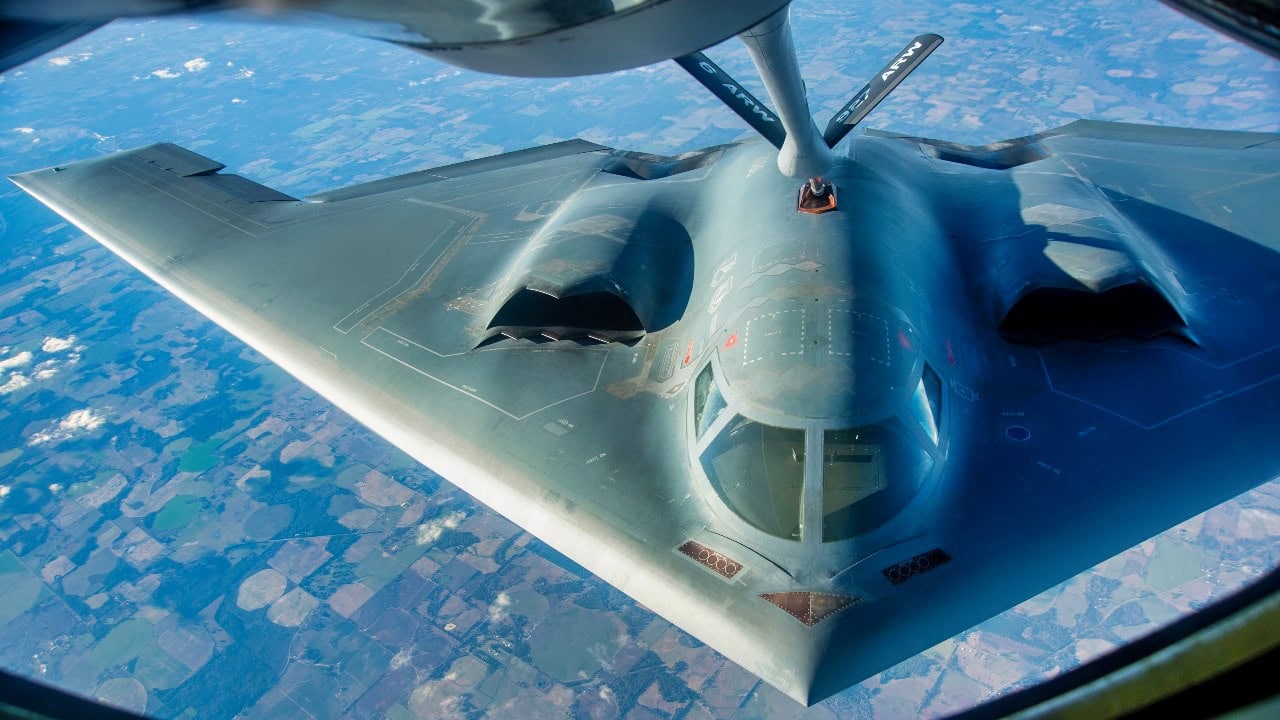
A B-2 Spirit assigned to Whiteman Air Force Base, Mo., receives fuel from a KC-135 Stratotanker, Feb 7, 2021. A B-2 Spirit performed alongside a B-1B Lancer and a B-52 Stratofortress for the Super Bowl LV flyover on Feb. 7, 2021. (U.S. Air Force photo by Airman 1st Class David D. McLoney)
Operations like these are closely watched not only in the Middle East but also in Beijing.
Chinese military planners have long studied how the United States conducts air campaigns, and particularly the role of stealth aircraft in penetrating heavily defended airspace. There’s a good reason for it, too: China has its own long-running effort to develop a strategic stealth bomber, the Xian H-20 – an aircraft designed to dramatically extend the country’s long-range strike capability.
That program is believed to be well underway, and the conflict unfolding in Iran right now may ultimately accelerate it further.
The Iran War Shows the Power of Stealth-Led Air Campaigns
One of the clearest lessons from the Iran campaign is the continuing importance of stealth aircraft in modern air warfare.
During Operation Midnight Hammer and Operation Epic Fury, Iranian air defenses failed to detect the aircraft during the mission, proving the advantages that stealth aircraft still provide against air-defense systems. It’s worth noting, of course, that Iran’s air defense systems are hardly cutting edge, but they certainly existed.
The concept of using stealth aircraft to open an air campaign has become the backbone of U.S. airpower strategy, but the same logic has long been used. For example, campaigns in Iraq and Afghanistan saw stealth aircraft used in the first wave of strikes against air defenses and command infrastructure.
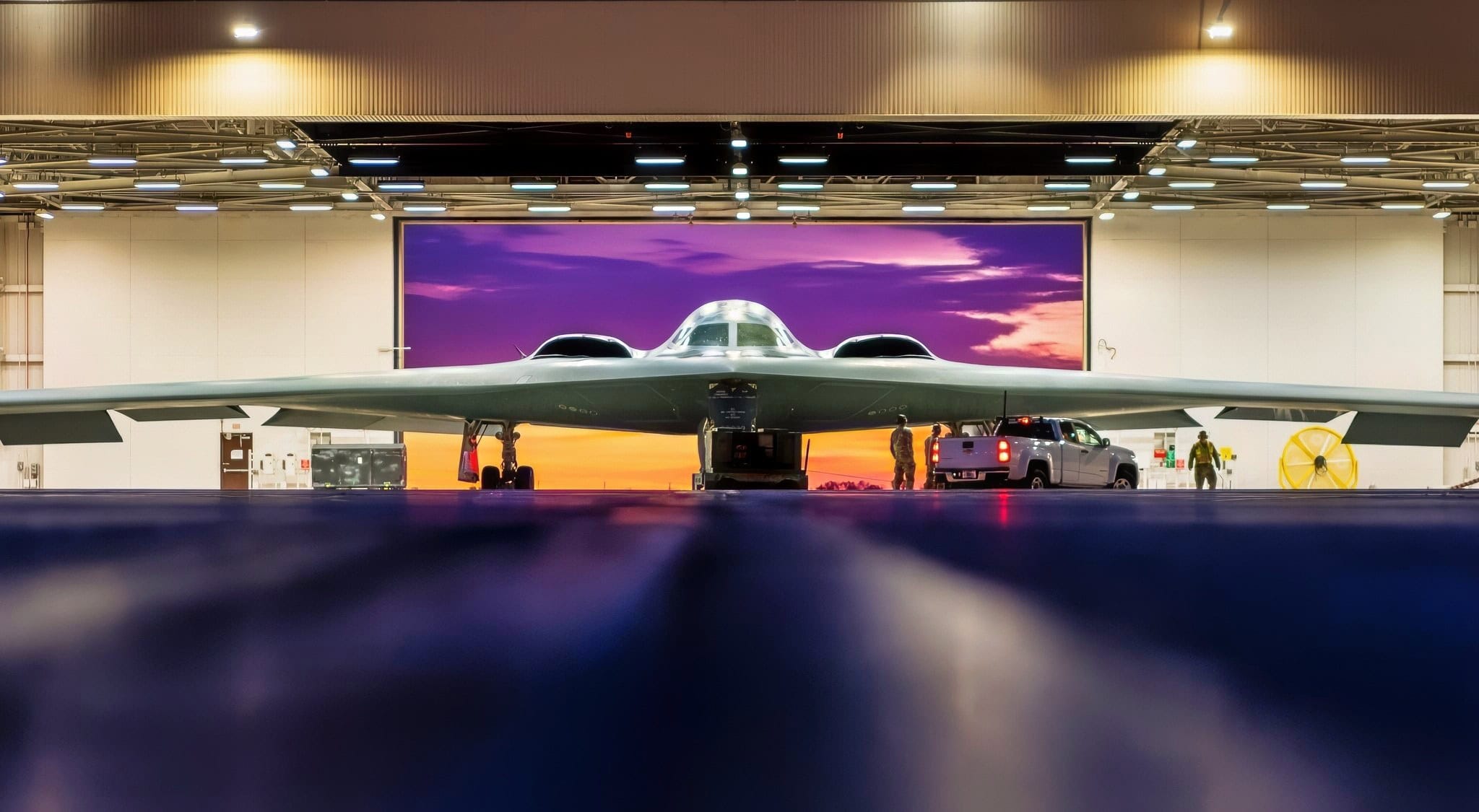
U.S. Airmen assigned to the 393rd Bomber Generation Squadron prepare a B-2 Spirit aircraft for flight during Exercise Global Thunder 26 at Whiteman Air Force Base, Missouri, Oct. 24, 2025. Global Thunder is an annual command and control exercise designed to train U.S. Strategic Command forces and assess joint operational readiness. (U.S. Air Force photo by Staff Sgt. Joshua Hastings)
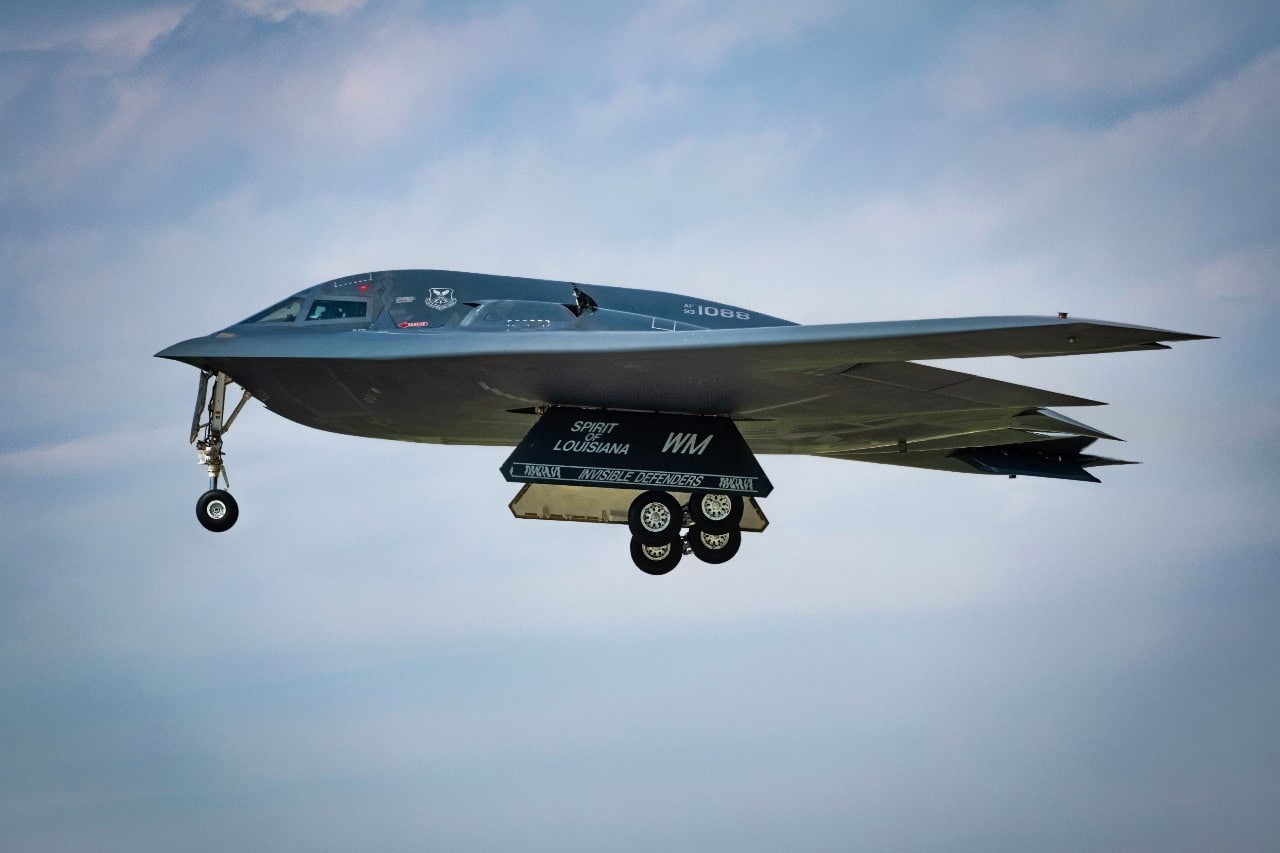
A B-2 Spirit stealth bomber departs from Whiteman Air Force Base, Missouri, April 16, 2025. The B-2 is capable of penetrating heavily defended air spaces and delivering conventional and nuclear munitions anywhere on the globe. (U.S. Air Force photo by Senior Airman Joshua Hastings)
The Iran war proves that the model works yet again. Bombers and stealth fighters initially worked to suppress defenses and strike hardened targets to create safer conditions for other aircraft and assets to operate.
For countries studying how to fight modern wars – including China, with its minimal-to-none combat experience – that pattern sends a very clear message: stealth aircraft are simply necessary.
China Still Lacks A True Stealth Strategic Bomber
China’s air force has modernized rapidly in recent decades, but it still lacks one capability: a fully operational strategic stealth bomber. The backbone of China’s bomber fleet today is the Xian H-6, an aircraft derived from the Soviet Tu-16 design of the 1950s. Modern versions of the aircraft, like the H-6K, have been upgraded with new engines and long-range cruise missile compatibility.
However, the aircraft still relies largely on launching weapons from outside heavily defended airspace rather than penetrating it. And it’s that limitation that China’s H-20 program is attempting to address.
The aircraft is expected to be a flying-wing stealth bomber, similar in concept to American aircraft like the B-2 Spirit and the upcoming Northrop Grumman B-21 Raider.
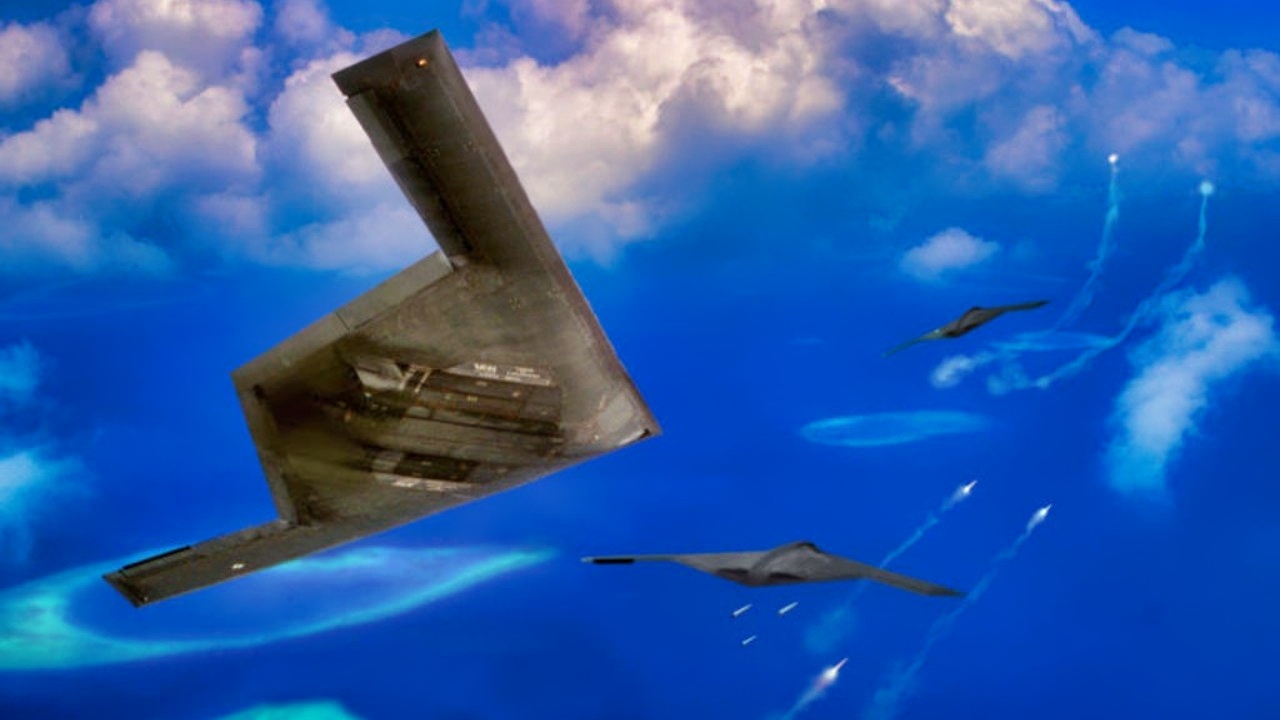
B-21 Raider Bomber. Artist Rendition/Creative Commons.
The H-20 is widely expected to carry both conventional and nuclear weapons and conduct long-range strike missions far beyond China’s immediate region, allowing Beijing to go beyond its present anti-access/area denial strategy. Some estimates even suggest that aircraft could have a range exceeding 8,500 kilometers and carry at least 10 tons of payload, allowing it to threaten targets well beyond the western Pacific. But despite years of anticipation, the bomber has not yet officially appeared publicly, and development timelines still remain uncertain.
Will the Iran War Put Pressure On Beijing to Move Quicker?
The Iran conflict highlighted several important trends that Chinese planners have been studying for years. First, modern wars increasingly rely on long-range precision strike rather than large ground invasions – and that trend is not likely to change. Airpower is extremely effective at degrading military infrastructure and missile systems without the need for massive troop deployments – and airpower trends are even moving toward unmanned systems in the long run.
Stealth aircraft remain central to this model at present, however. The ability to penetrate defended airspace and strike critical targets early in a conflict is a truly decisive advantage.
Strategic bombers are also a powerful tool for power projection. Even as drones and missiles proliferate and become increasingly advanced and capable, bombers offer great flexibility and massive payload capacity. Throw in the long-range capabilities, and bombers effectively become a great equalizer between near-peer adversaries.
Conflicts like the Iran war serve as real-world demonstrations of the type of warfare China has been preparing for, and with the U.S. demonstrating such enormous power even with platforms that are ready to be replaced by a new generation, the war in Iran may serve as a nudge to Beijing to get the program wrapped up as soon as possible.
About the Author: Jack Buckby
Jack Buckby is a British researcher and analyst specialising in defence and national security, based in New York. His work focuses on military capability, procurement, and strategic competition, producing and editing analysis for policy and defence audiences. He brings extensive editorial experience, with a career output spanning over 1,000 articles at 19FortyFive and National Security Journal, and has previously authored books and papers on extremism and deradicalisation.