
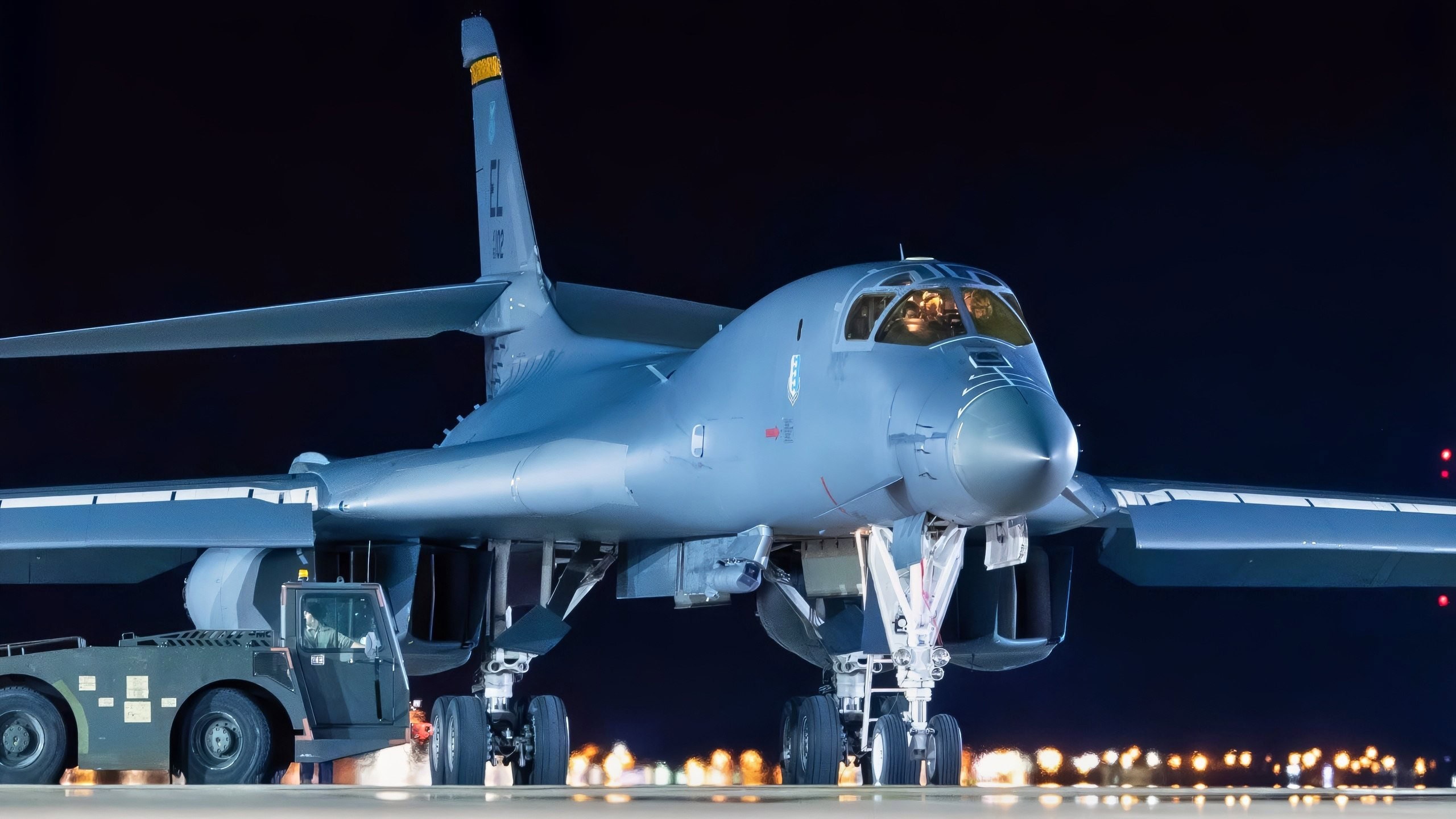
Iran Development: a Ceasefire and Peace Plan Has not Been Accepted by Iran
Just what is going on with President Donald Trump’s peace plan with the Iranians? Trump had so much confidence over the last two days. His diplomatic team was making inroads. The Iranians seemed tired of fighting, and a ceasefire was close at hand. The Americans were going to receive a solid, affirmative offer that would meet all their demands.
The Main Demands from the U.S.
The Iranian’s nuclear weapons program would be stopped permanently. The ballistic missile force would be reduced, and the long-range projectiles would be curtailed for good. Finally, the Strait of Hormuz would be fully open, among other requirements.
This Week Trump Has Appeared Confident
This peace plan appeared to be bearing fruit as of March 24. The president was hopeful and had already considered the war to be over. What a difference 24 hours has made. As of March 25, the Iranians are ready to resume the war. The state-run FARS News Agency reported that whoever is in charge in Tehran has rejected Trump’s 15-point peace plan.
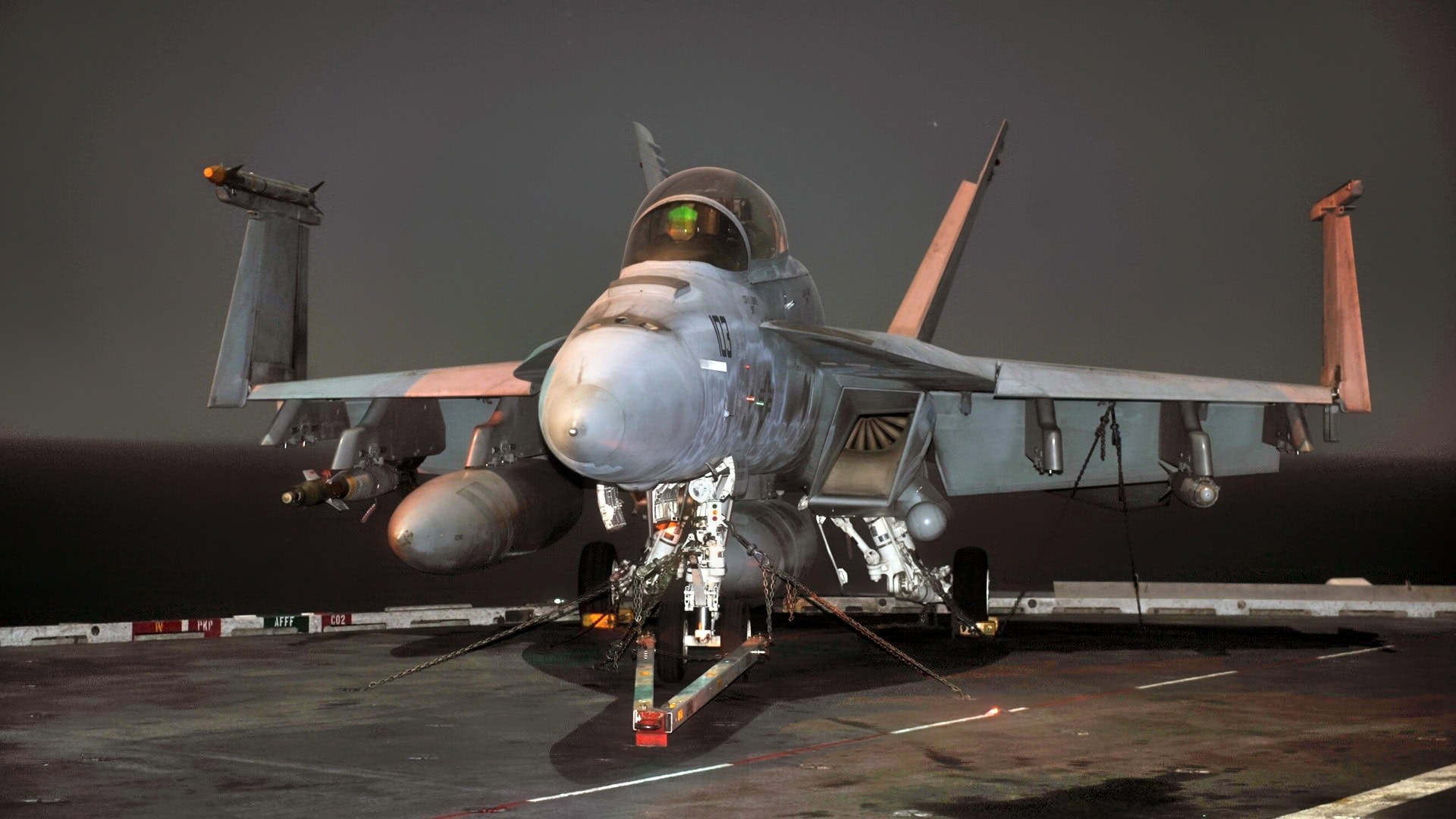
FA-18 Super Hornet. Image Credit: Creative Commons.
No Ceasefire Forthcoming
The FARS news agency reported on March 25 that Iran would not support a ceasefire at this time. “Iran does not accept a ceasefire,” a source exclaimed to FARS, “according to a translation of the news site’s Telegram page that reported the interview,” CNBC noted.
“Basically, it is not logical to enter into such a process with those who violate the agreement,” the source said.
Iran Makes a Counter-offer and Some of the Provisions Are Non-starters
Iranian leadership and who and what that is comprised of is not clear, but whoever it is now has their own five-point peace plan. A main proviso of that missive is that the Iranians would still be in control of the Strait of Hormuz. This is anathema to Americans because Trump wanted the key waterway to be controlled by a partnership between Washington and Tehran, and for the strait to be fully opened.
What Does Iran Want?
To make matters even more complicated, Iran has made a counteroffer that would require the United States to pay war reparations. This is a ridiculous requirement on its face and will never happen.
Iranian propaganda channel Press TV outlined all of Iran’s demands:
- “A complete halt to “aggression and assassinations” by the enemy.
- The establishment of concrete mechanisms to ensure that the war is not reimposed on the Islamic Republic.
- Guaranteed and clearly defined payment of war damages and reparations.
- The conclusion of the war across all fronts and for all resistance groups involved throughout the region.
- Iran’s exercise of sovereignty over the Strait of Hormuz is and will remain Iran’s natural and legal right, and it constitutes a guarantee for the implementation of the other party’s commitments and must be recognized.”
What About Nuclear Weapons and Ballistic Missiles?
If you read between the tea leaves, there are some issues that are still left unresolved – namely, the nuclear weapons program and the ballistic missiles.
Does this counteroffer mean the Iranians will grant these U.S. stipulations? Three of the points could be doable, but reparations and Iranian sovereignty over the Strait of Hormuz are non-starters.
This counteroffer is a step in the right direction, though, as the two sides seem to be negotiating in good faith.
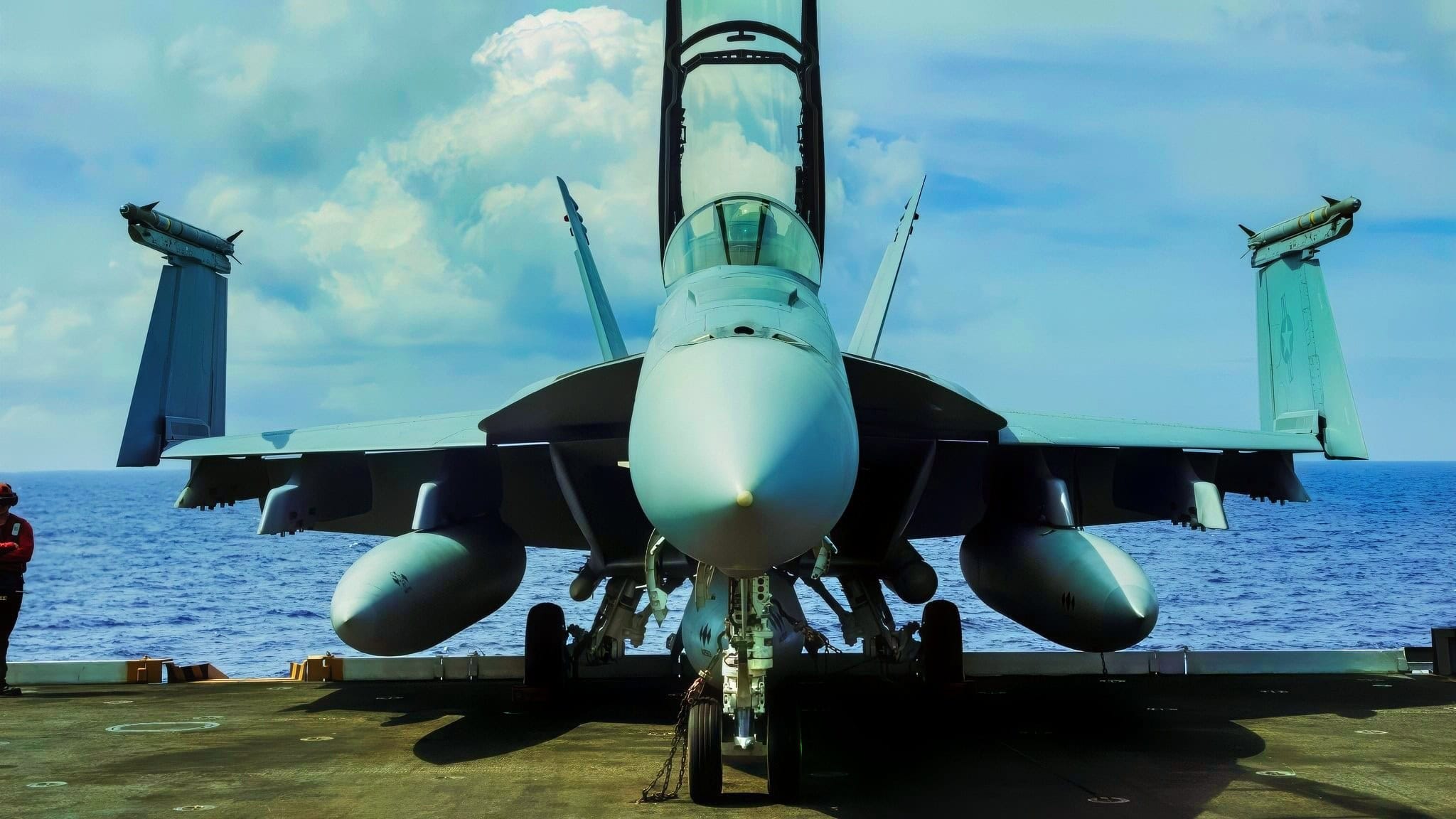
Capt. Tim Waits, commanding officer of Nimitz-class aircraft carrier USS George Washington (CVN 73), climbs into an F/A-18F Super Hornet, attached to Strike Fighter Squadron (VFA) 102, while underway in the South China Sea, Nov. 24, 2025. George Washington is the U.S. Navy’s premier forward-deployed aircraft carrier, a long-standing symbol of the United States’ commitment to maintaining a free and open Indo-Pacific region, while operating alongside allies and partners across the U.S. Navy’s largest numbered fleet. (U.S. Navy photo by Mass Communication Specialist 2nd Class Geoffrey L. Ottinger)
Who or What Entity Is Calling the Shots in Iran?
My biggest question is who is in charge of Iran and who is making these decisions? The Supreme Leader is Mojtaba Khamenei, but he has not been seen in public and may be out of the picture due to injuries he has suffered during the war.
The IRGC Is Tough to Deal With
The real power behind the throne is the Islamic Revolutionary Guard Corps (IRGC). However, it is unclear who is leading this important group, as many members of its leadership structure have been removed. But it is clear that this is the most bloodthirsty entity that is not likely to agree to a ceasefire or peace plan.
A Council Behind the IRGC Could Have Power
The next organization that could be making tactical and strategic decisions is the Supreme National Security Council. Mohammad Bagher Zolghadr, a former Islamic Revolutionary Guard Corps commander, is now secretary of the council.
Parliament Speaker Might Be the Key to a Future Deal
After that is a curious figure by the name of Mohammad Bagher Ghalibaf. He is the speaker of the Iranian parliament and a former IRGC officer. This is the individual that Trump has identified as his key diplomatic contact who could take over the country someday if the Supreme Leader continues to be incapacitated.
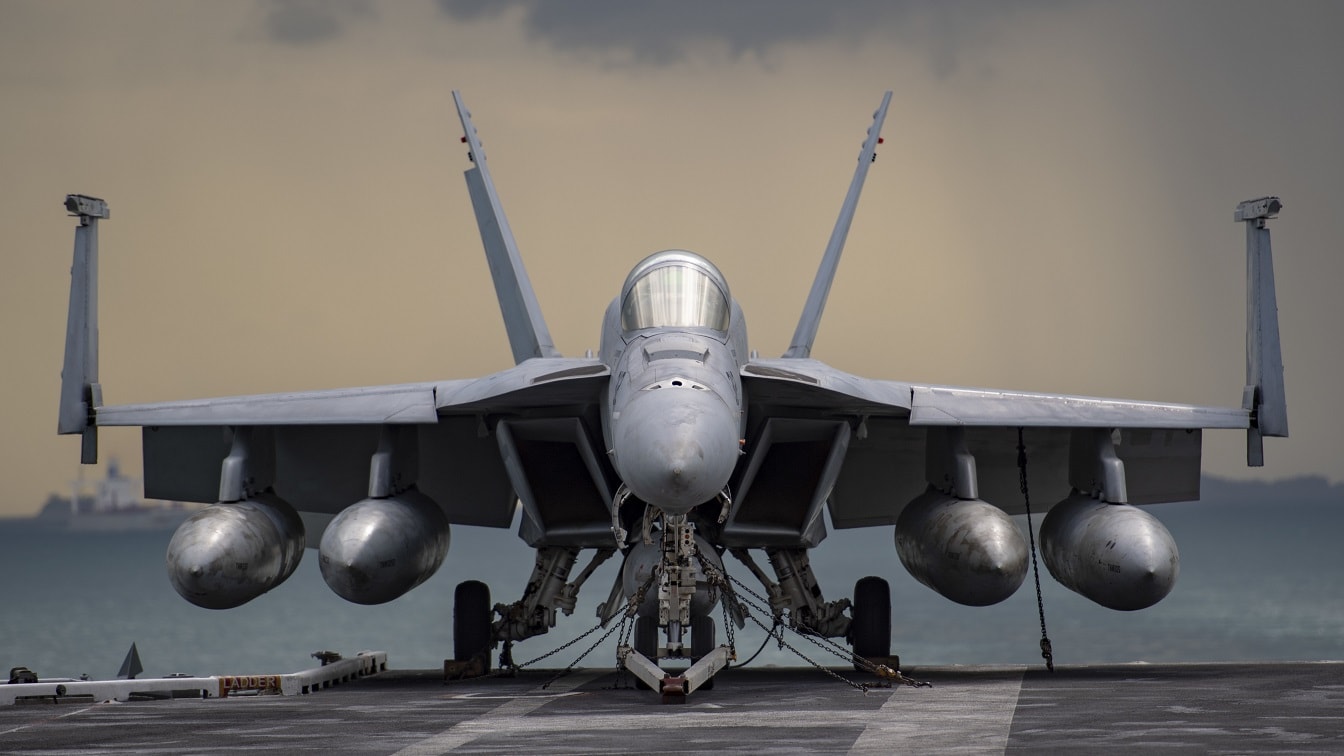
A (Feb. 5, 2021) An F/A-18E Super Hornet, from the “Kestrels” of Strike Fighter Squadron (VFA) 137, rests on the flight deck of the aircraft carrier USS Nimitz (CVN 68) during a strait transit. Nimitz is part of the Nimitz Carrier Strike Group and is deployed conducting maritime security operations and theater security cooperation efforts. (U.S. Navy photo by Mass Communication Specialist 3rd Class Elliot Schaudt/Released)
What About the American Diplomatic Team?
On the U.S. side, four people are taking part in negotiations – most of their stipulations have been communicated indirectly. Those working toward a ceasefire and a long-term settlement to end hostilities are Vice President JD Vance, Special Envoy Steve Witkoff, and Trump’s son-in-law, Jared Kushner. Secretary of State Marco Rubio is likely taking part, too.
Is This the Right Recipe?
That seems to be too many American cooks in the kitchen. The Iranians reportedly prefer JD Vance as the main representative of the U.S. delegation. Vance is seen as less of an Iranian hawk. Rubio is probably the most anti-Iranian of the bunch. Witkoff and Kushner are experienced at Middle East diplomacy.
Get Better Organized
If I were advising Trump, I would recommend that this group be task-organized better. Vance should be the leader and primary spokesman. Rubio should be his main adviser. Kushner and Witkoff should continue their back-channel efforts and indirect negotiations.
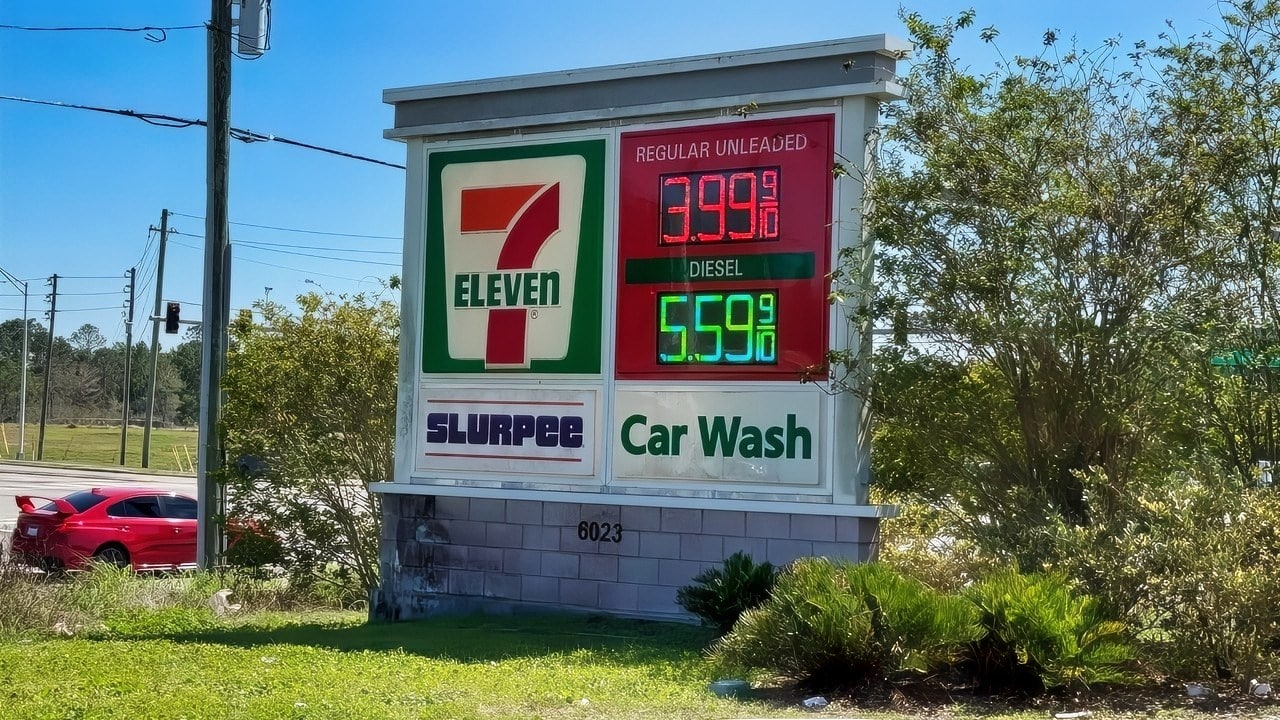
Gas Prices Keep Rising Due to Iran War. Image by 19FortyFive Editor Harry J. Kazianis in Davenport, Florida.
Do a Real Peace Summit
The next step would be to schedule in-person talks with this group and with real-life representatives of the Iranian government. Negotiations as part of a summit could be held in Oman or Turkey. This back-and-forth in the media with so-called “sources” is a terrible way to conduct diplomacy.
There needs to be face-to-face communication, and the Iranians must identify who is making the decisions for the government and allow this individual to represent the country’s wants and needs in public.
Let’s see if the direct talks can happen and if the back-channel efforts are successful. It may be time for Trump to pause his media communications and refrain from making premature statements about progress.
The effort now should be to schedule a real peace conference where both sides can hash out differences that would lead to a ceasefire and a just and lasting peace.
About the Author: Brent M. Eastwood
Author of now over 3,000 articles on defense issues, Brent M. Eastwood, PhD is the author of Don’t Turn Your Back On the World: a Conservative Foreign Policy and Humans, Machines, and Data: Future Trends in Warfare plus two other books. Brent was the founder and CEO of a tech firm that predicted world events using artificial intelligence. He served as a legislative fellow for US Senator Tim Scott and advised the senator on defense and foreign policy issues. He has taught at American University, George Washington University, and George Mason University. Brent is a former US Army Infantry officer. He can be followed on X @BMEastwood.