
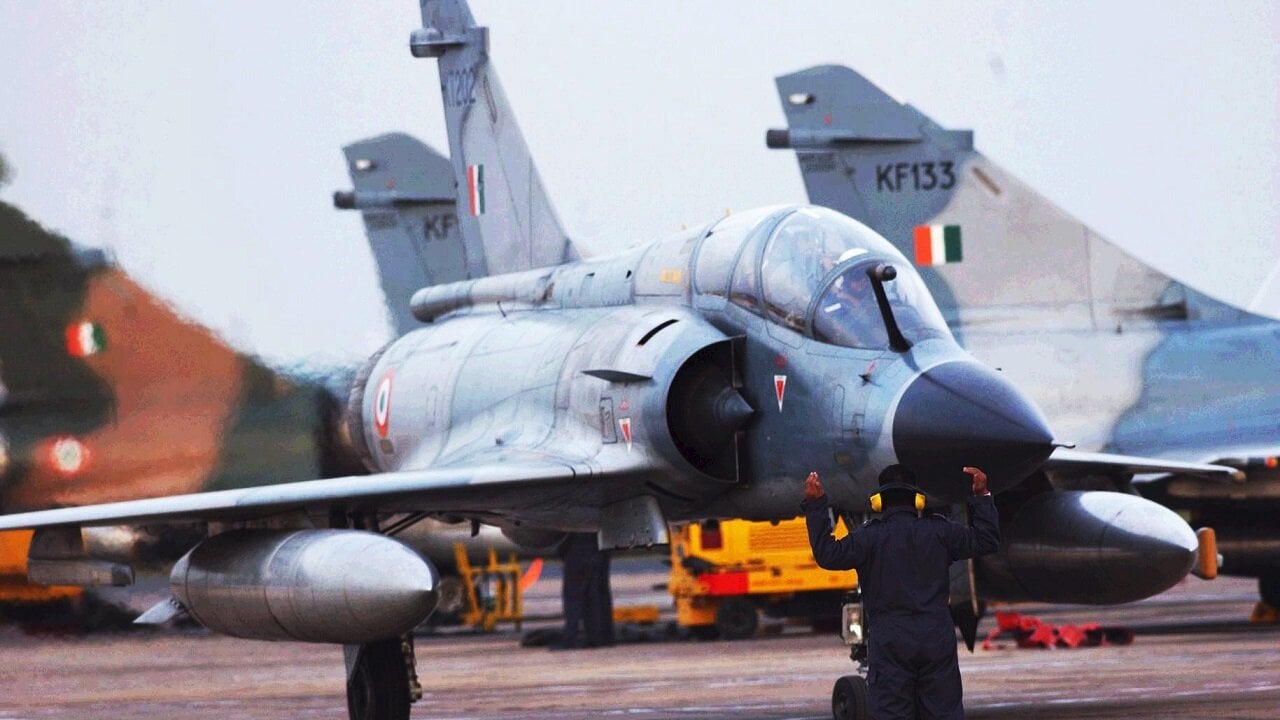
Summary and Key Points: Isaac Seitz, a strategic intelligence analyst, evaluates the Mirage 2000-5‘s combat performance in Ukraine.
-Since arriving in February 2025, these French fighters have become integral to Ukraine’s layered air defense, intercepting Kh-101 cruise missiles and Shahed drones with high precision.
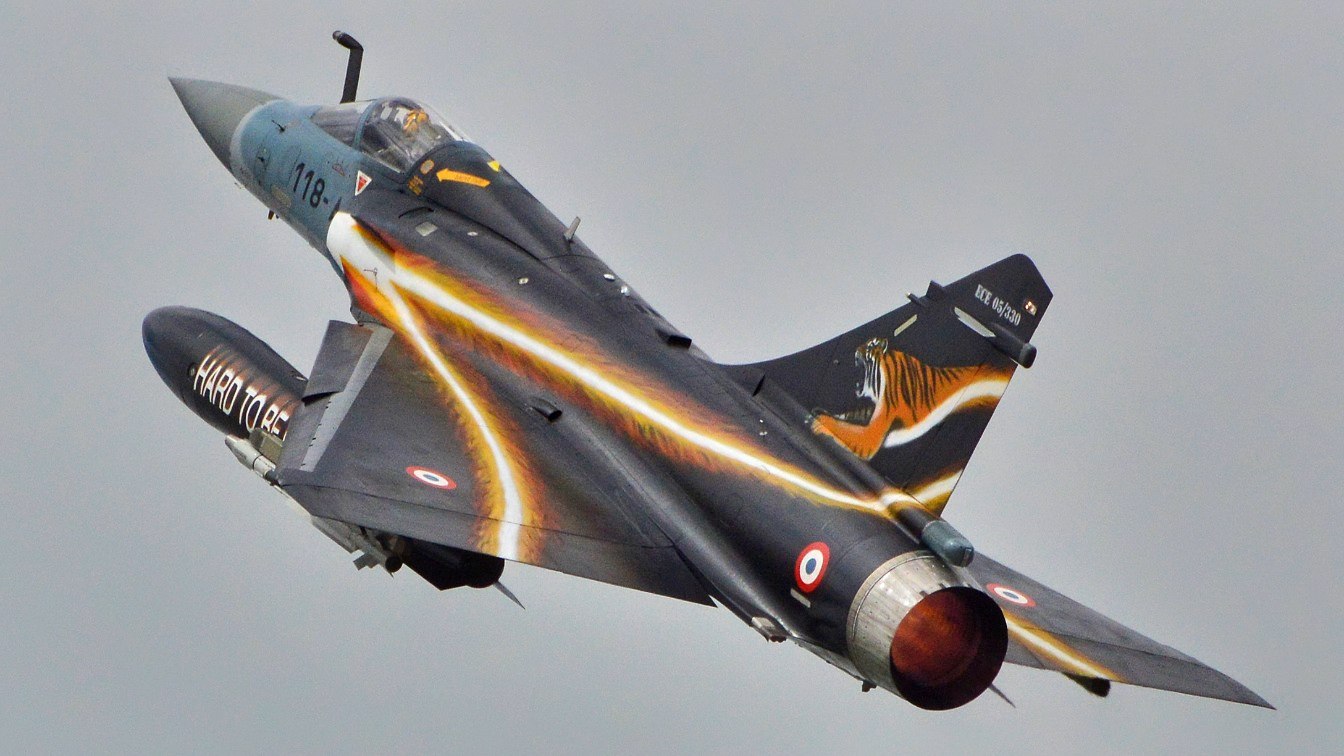
Dassault Mirage 2000-5. Image Credit: Creative Commons.
-This 19FortyFive report analyzes the recent shift toward offensive missions, where Mirages utilize AASM Hammer bombs and SCALP-EG missiles against Russian logistics.
-Seitz concludes that while the Mirage offers “4++ generation” capabilities, the small fleet size and the threat of Russian MiG-31 long-range patrols limit its role to high-value, time-sensitive targets.
The 98% Interceptor: How Ukraine’s Mirage 2000-5 is Winning the War Against Kh-101 Missiles
The Mirage 2000 is a French-made single-engine 4th-generation multirole aircraft and was among the first Western aircraft provided to Ukraine to replenish its dwindling Air Force.
Originally designed in the 70s, the Mirage 2000 has undergone several modernizations to keep the aircraft contemporary for modern aerial warfare.
The French aircraft made a few headlines in 2025 when it was used to protect Ukrainian airspace from Russian missile and drone attacks and delivered guided munitions against Russian frontline positions.
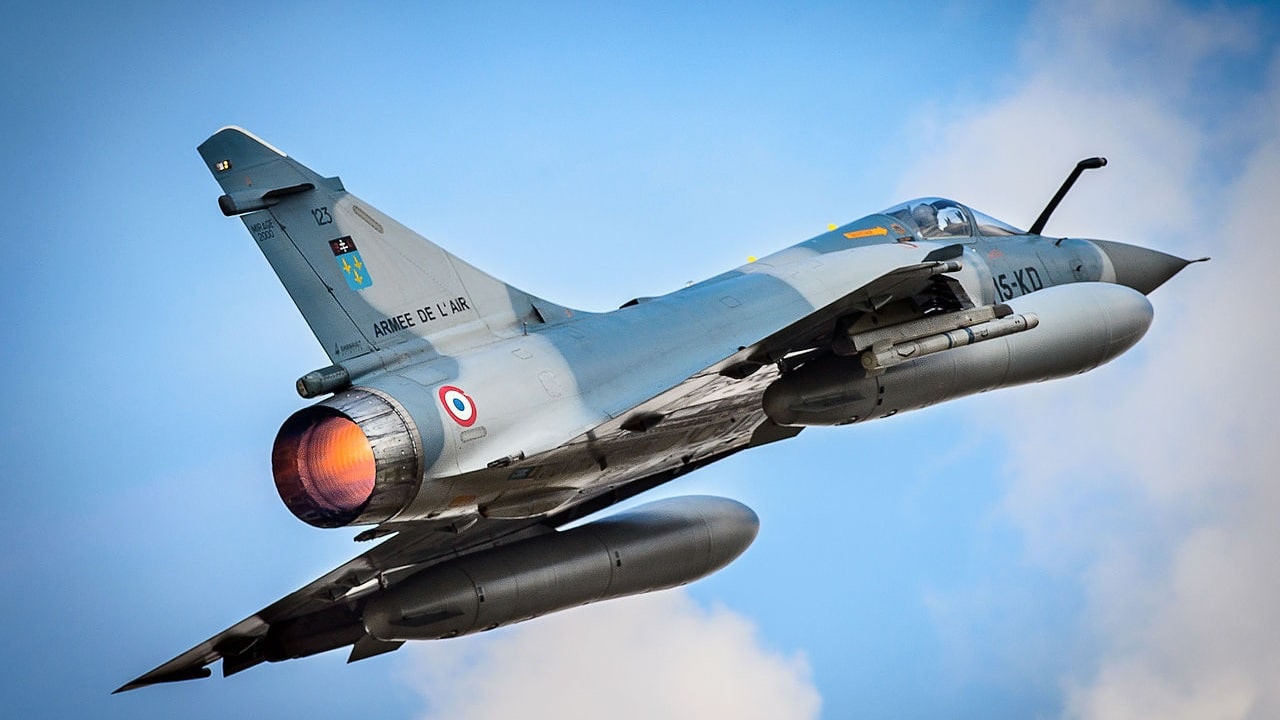
French Air Force Dassault Mirage 2000C take off from RAF Brize Norton.
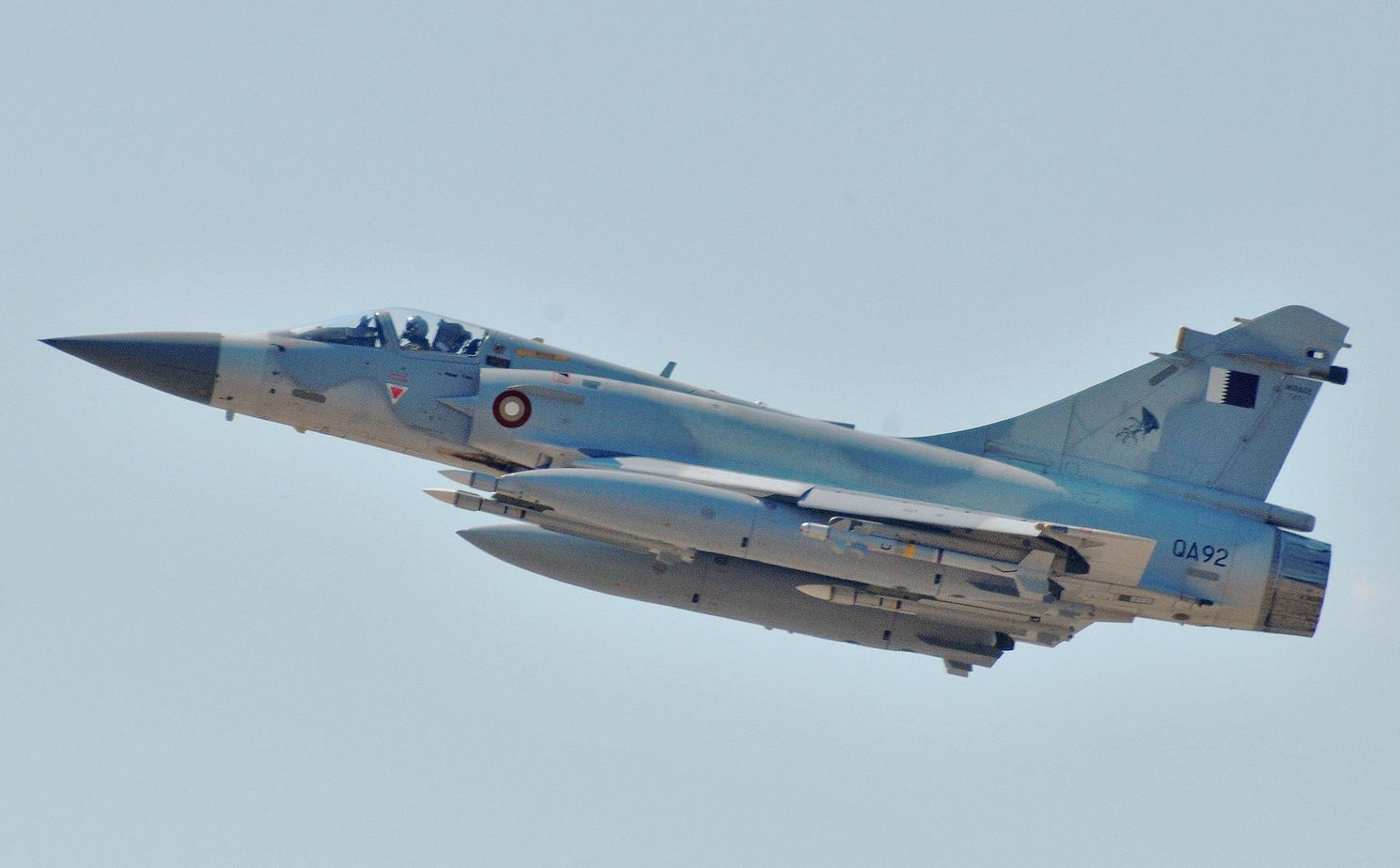
Mirage 2000-5.
Now that it is three months into 2026, it is time to check back in on the Mirage and see how it is performing in the current conflict.
French Aircraft for the Ukrainian Air Force
Ukraine’s path to acquiring Mirages began publicly on June 6, 2024, when French President Emmanuel Macron announced that France would donate Mirage 2000-5 aircraft and train Ukrainian pilots.
The first jets arrived in February 2025, with Ukrainian crews completing several months of training at French bases, including Nancy and Cazaux.
Reports at the time suggested an initial batch expected to include about three aircraft by the end of the first quarter of 2025, with France indicating that up to six could follow soon after.
French officials declined to release exact inventory numbers for operational security, but contemporaneous assessments of French Air & Space Force holdings suggested that only a handful of retired Marriages (perhaps four or five) were immediately available for transfer in early 2025. What is certain is that at least one airframe was lost in July 2025 due to a technical malfunction, with the Ukrainian pilot safely ejecting.
Throughout late 2025 and early 2026, French officials continued to expand the scope of support. France pledged additional Mirage airframes, increased deliveries of AASM Hammer bombs, and promised more Aster missiles for Ukraine’s SAMP/T systems.
By March 2026, Ukraine’s Ministry of Defense publicly stated that it expected further Mirage 2000-5 deliveries, describing the aircraft as “deeply modernized fourth-generation fighters” whose capabilities approached those of so-called “4++ generation” jets and exceeded Ukraine’s remaining MiG-29 fleet.
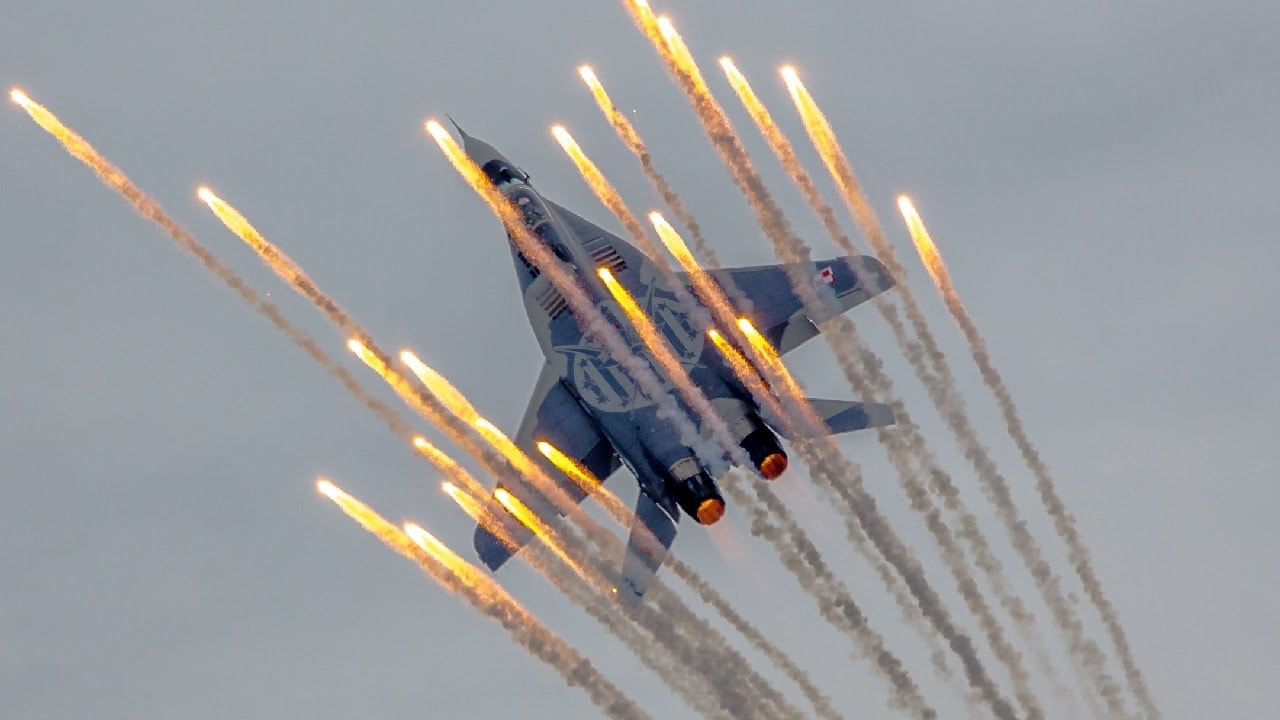
MiG-29. Image Credit: Creative Commons.
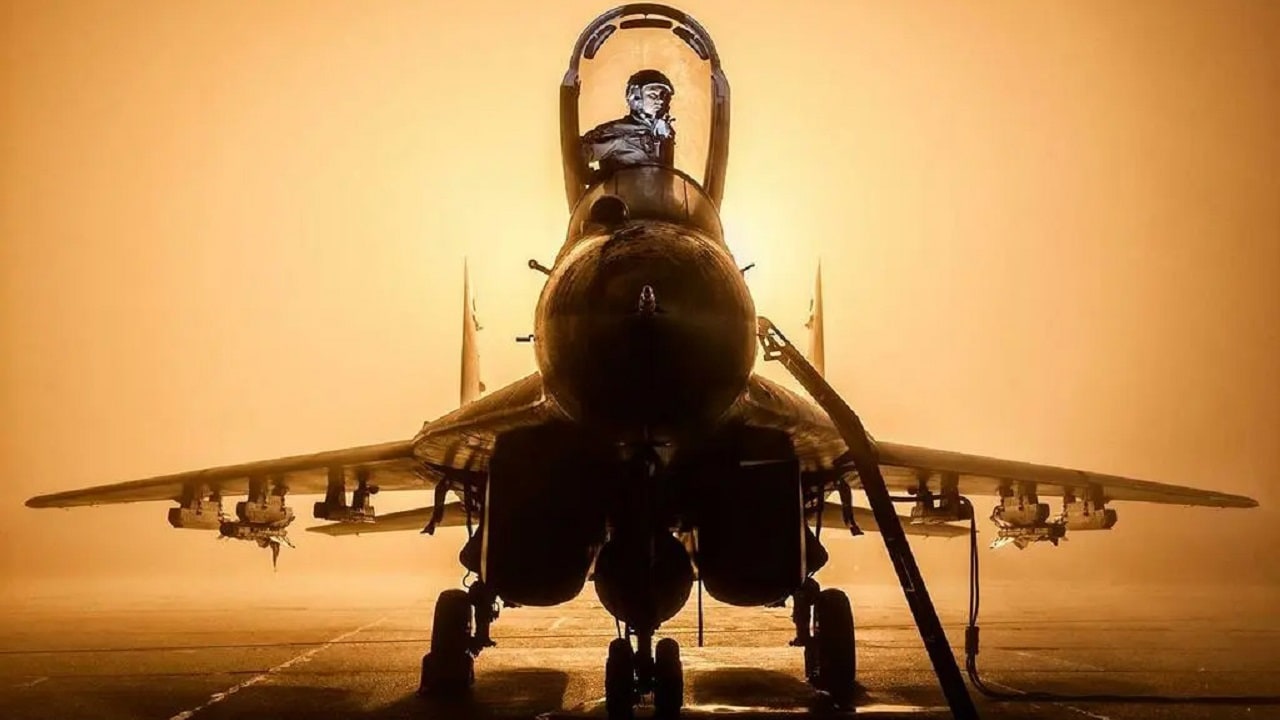
MiG-29 fighter. Image Credit: Creative Commons.
The Mirage 2000 in Action
The Mirage entered Ukrainian combat operations very quickly. On March 7, 2025, during a massive Russian missile and drone attack on Ukrainian energy infrastructure, President Volodymyr Zelenskyy confirmed that French-supplied Mirage 2000-5 fighters, used alongside F-16s, had participated in intercepting Russian cruise missiles.
Subsequent reporting from AeroTime and Army Recognition identified this event as the first confirmed combat use of the Mirage 2000 in Ukraine. These initial engagements established the jet’s role in Ukraine’s layered air-defense network, where it complemented ground-based systems by filling airborne gaps against low-altitude, terrain-masking threats such as Kh-101 cruise missiles.
Several months later, clear public imagery finally emerged. On August 31, 2025, the Ukrainian Air Force displayed a Mirage 2000-5F with Ukrainian markings at Aviation Day, confirming details that had only been inferred previously.
The jet retained its French camouflage, carried MICA and Magic 2 mounting rails, and had its in-flight refueling probe removed since Ukraine lacks any aerial refueling infrastructure. This presentation followed months of proven combat use.
High-End Multi-Role Capabilities
As the war continued, Ukraine increasingly relied on the Mirage for intercept missions against Russian cruise missiles and Iranian-designed Shahed drones.
In November 2025, Ukrainian Air Force footage showed a Mirage 2000 with six kill markings representing Russian Kh-101 cruise missiles. Pilots interviewed in this period claimed extraordinarily high interception rates, sometimes citing effectiveness figures as high as 98 percent. Given the unreliability of Ukrainian propaganda, however, these claims should be taken with a grain of salt.
What can be corroborated, however, is that Mirage fighters were flying frequent defensive sorties from dispersed forward airfields, moving repeatedly to avoid Russian targeting.
While interception remained the aircraft’s primary mission for most of 2025, Ukraine had always intended to exploit the Mirage 2000-5’s air-to-ground capabilities as well. France modified the jets before delivery to integrate AASM Hammer glide bombs and SCALP-EG cruise missiles.
These upgrades were confirmed by multiple defense sources throughout 2025, but the first public evidence of Ukrainian Mirages performing strike missions arrived on February 27–28, 2026, when footage circulated of a Mirage releasing two AASM Hammer bombs against Russian positions along the front line.
Though Ukraine’s stocks of SCALP-EG and Hammer munitions remain limited, the ability to employ such weapons from a mobile, survivable fighter adds flexibility to Ukraine’s operational planning, especially for high-value time-sensitive targets.
The Mirage’s Limitations
There are two factors that limit the Mirage 2000 from becoming the game-changer some hoped it would be. First, there is Russia’s Air Force. Russia’s Su-35s and MiG-31s continue to fly long-range patrols armed with R-37M missiles, and Russian layered SAM belts pose a significant danger to any Ukrainian tactical aircraft flying too close to contested airspace.
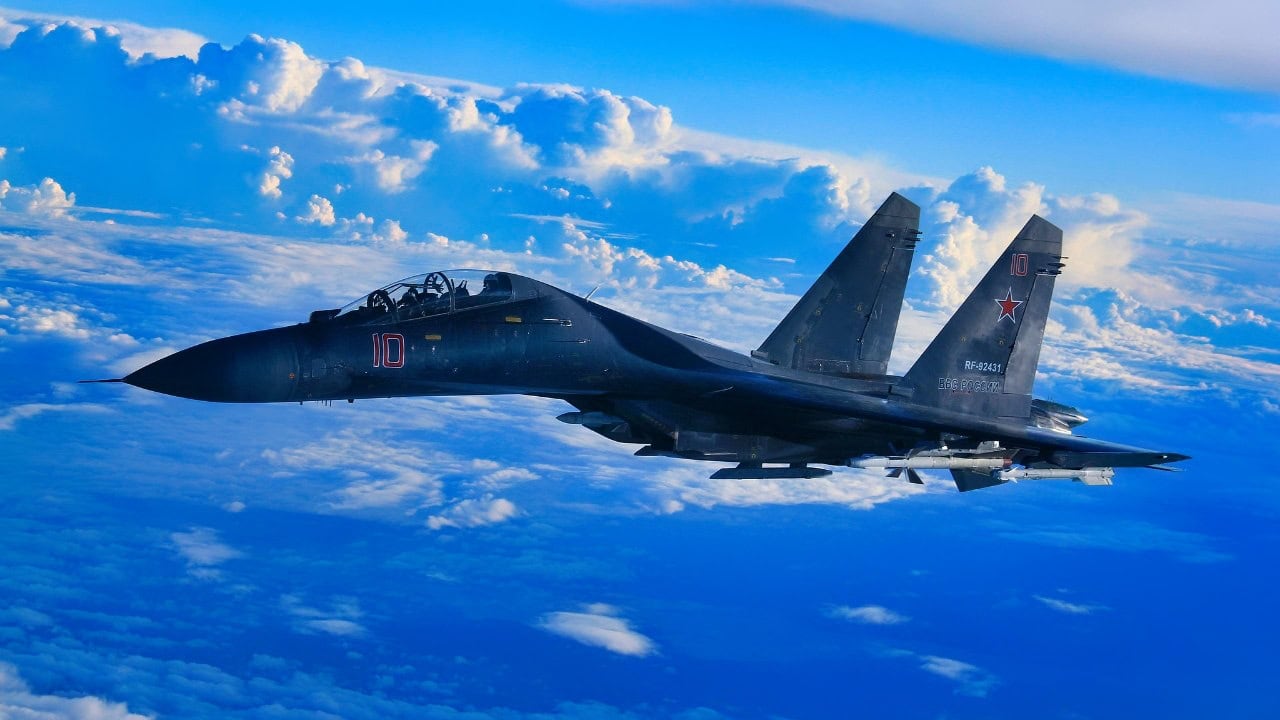
Su-35 Fighter from Russia.
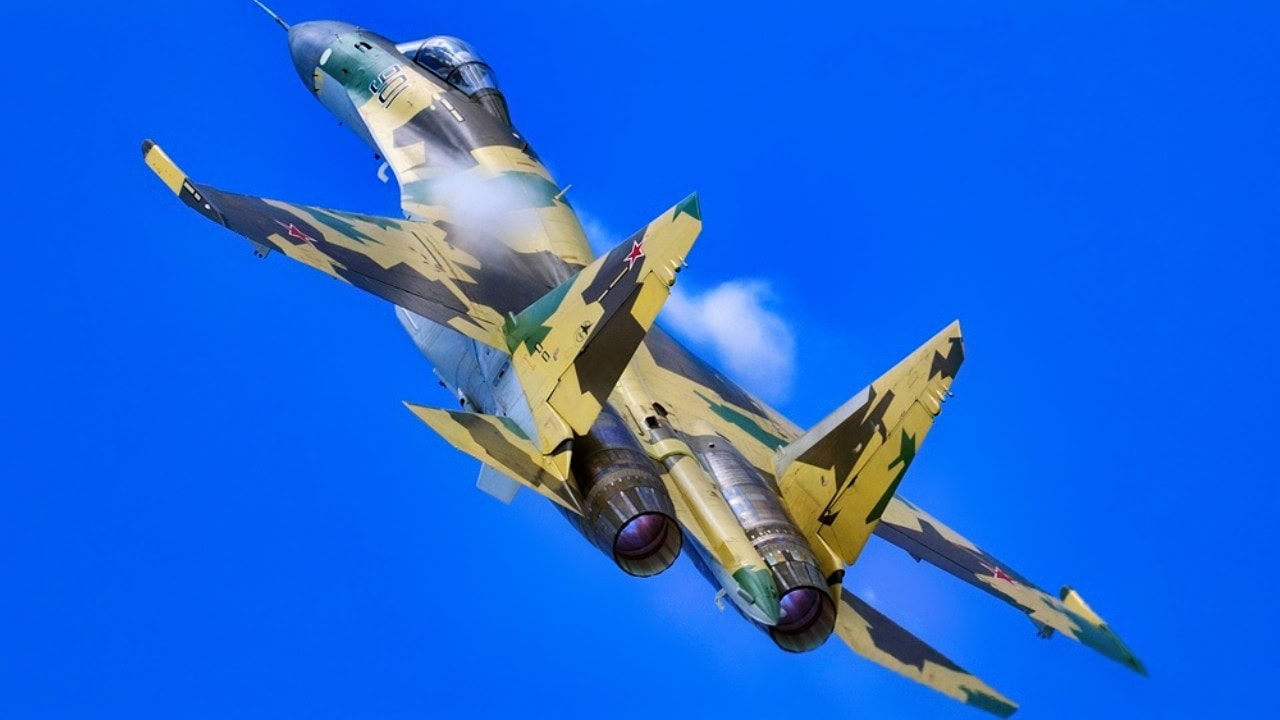
Su-35 Fighter from Russia. Image Credit: Creative Commons.
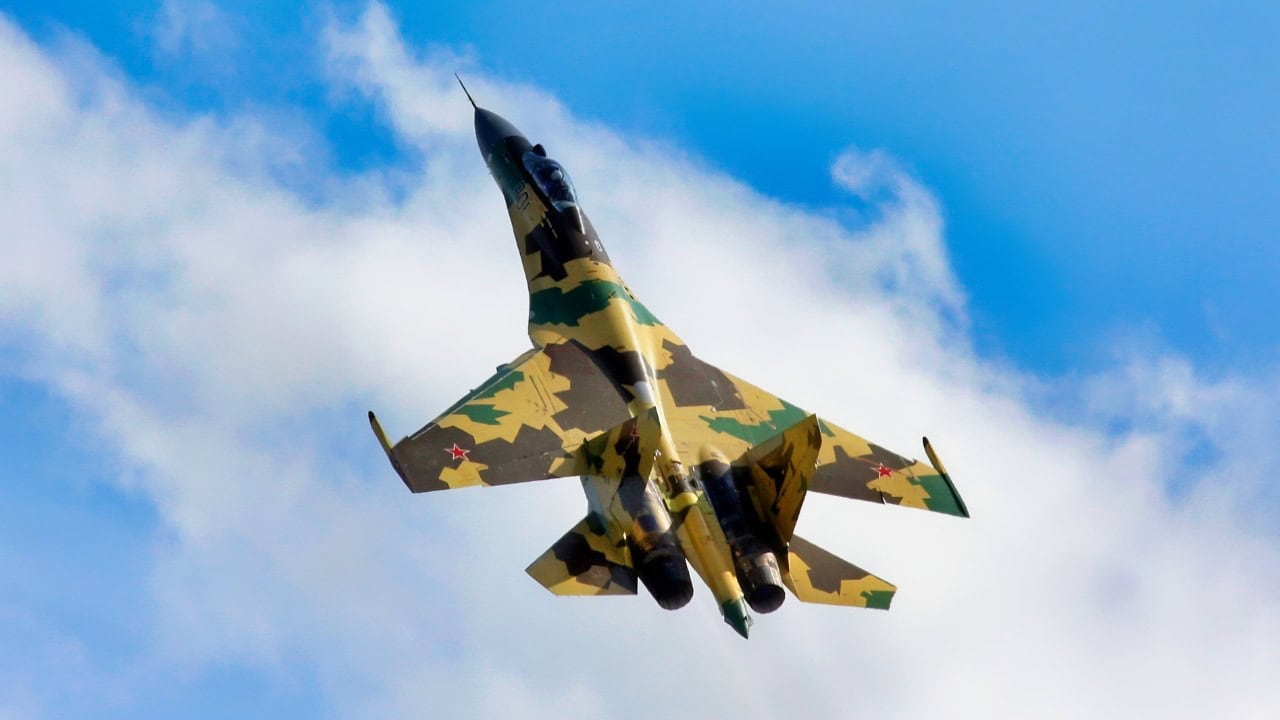
Su-35 Fighter from Russia.
The mere presence of these systems forces Ukraine to play more carefully with its Mirage fleet, especially since there are so few of them in the Ukrainian Air Force. The loss of just one of these aircraft to enemy fire would constitute a huge propaganda win for Russia, especially since replacing these aircraft in a timely manner is nigh impossible.
The second issue hampering the Mirage 2000 is the limited supply. Ukraine entered 2026 with only a handful of operational Mirages (estimated to be as few as four or five after one crashed due during a flight mission), with France expected to deliver an unspecified number through 2026.
French and Ukrainian officials have repeatedly stated their intention to expand the fleet, but the pace of Rafale production and the French Air Force’s transition schedules limit how quickly additional aircraft can be made available.
Ukrainian defense officials have said repeatedly that the aircraft’s value would increase substantially with more airframes and a more reliable flow of munitions, particularly SCALP-EG and AASM Hammer.
About the Author: Isaac Seitz
Isaac Seitz, a Defense Columnist, graduated from Patrick Henry College’s Strategic Intelligence and National Security program. He has also studied Russian at Middlebury Language Schools and has worked as an intelligence Analyst in the private sector.