The U.S. Navy’s SSN(X) Stealth Submarines Come with a Massive Cost
Precious little is known about the U.S. Navy’s upcoming SSN(X) submarine. The next-generation nuclear attack submarine is intended to first supplement the Virginia-class, and then replace it sometime in the 2040s.
In essence, the SSN(X) is a clean-sheet submarine design tailored to great power competition — particularly competition with China in the Indo-Pacific.
If completed, the SSN(X) platform would leverage the best aspects of three earlier classes of submarines: the speed and firepower of the Seawolf-class, the stealth and sensor suite of the Virginia-class, and the longevity and availability of the Columbia-class. The program is highly ambitious.
The project faces headwinds, but if successful, the class would be a high-end attack submarine without the compromises seen in earlier, cost-constrained designs.
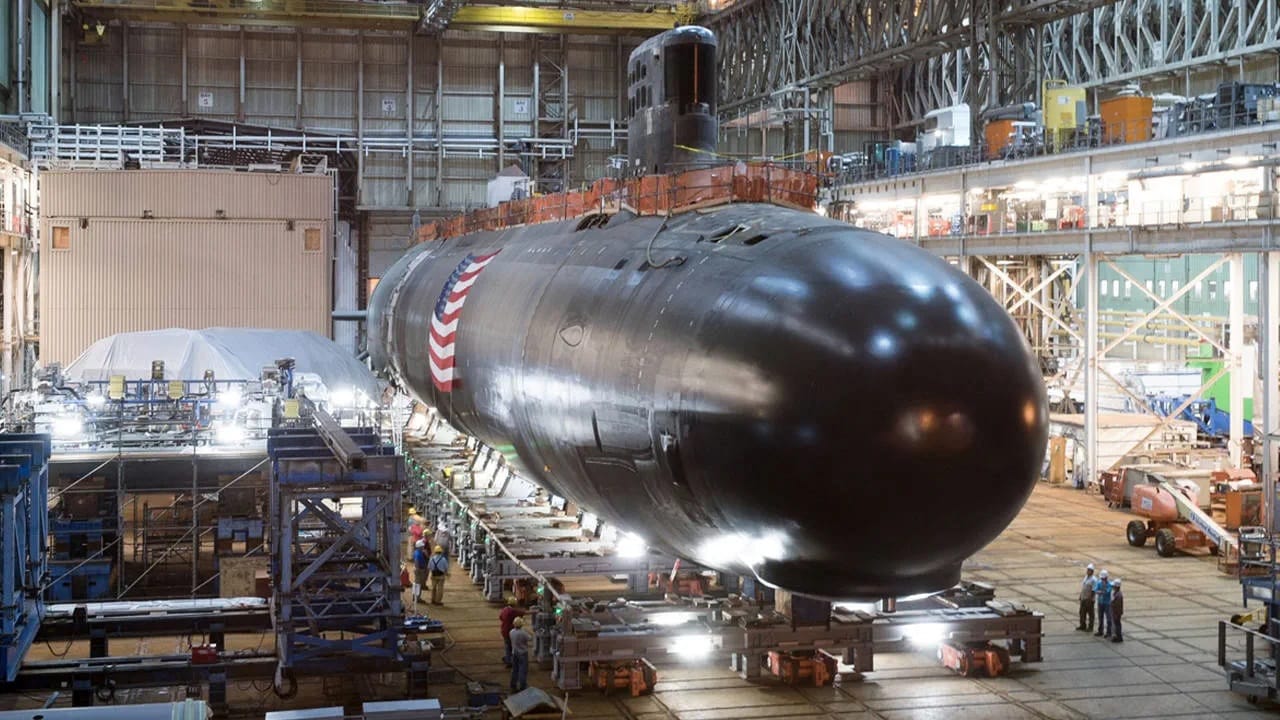
US Navy Virginia-class Submarine Under Construction.
A Stab in the Dark
Details about the SSN(X) submarine program are not publicly known, due to both the project’s classified nature and given the project’s early stages. But what the Navy wants from the class can be inferred from congressional reporting and some Navy documents.
The SSN(X) will probably be larger than the Seawolf-class and displace more than 10,000 tons when submerged.
This presumed larger size would correlate with increased torpedo capacity, as well as internal space for additional payloads such as underwater drones, naval mines, and support for special operations equipment.
Though nuclear-powered submarines do not face the same logistical constraints as conventionally powered hulls, the immense distances of the SSN(X)’s presumed theater, the Indo-Pacific, suggests operations at high speed would be desirable, and the service would like to see a return to the hunter-killer operations that defined the Navy’s Cold War-era operational role—rather than the modular focus of early-build Virginia-class submarines.
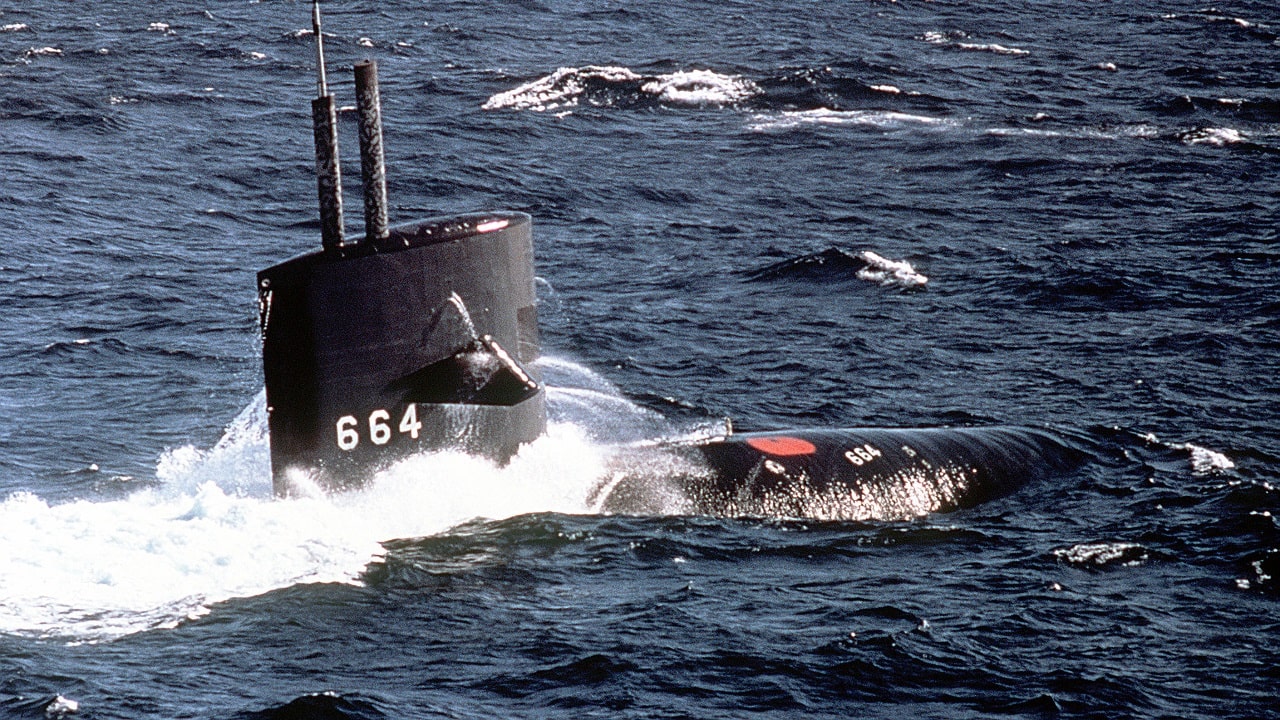
A starboard bow view of the nuclear-powered attack submarine USS SEA DEVIL (SSN-664) underway off the Virginia Capes.
Silent and Deadly?
The SSN(X) is anticipated to improve acoustic quieting beyond what the Virginia-class has achieved, though quantifications of that measurement—or indeed the audio levels of the Virginia-class—remain speculative.
But the SSN(X)’s non-acoustic signatures, such as its magnetic signature, would also likely be reduced as well. The SSN(X) should advance in the realm of propulsion. An advanced electric drive is one possibility. A successful design would reduce noise levels considerably compared to traditional propulsors.
Integration with unmanned systems would also be important for the SSN(X). Controlling multiple unmanned underwater vehicles (UUVs) is anticipated, and networking with other sensors beyond the submarine’s hull—including other submarines, drones, or aircraft—would augment the SSN(X )’s capabilities.
The transformations achieved by the SSN(X) should be comparable to the differences between the B-2 Spirit, a Cold War-era stealth bomber, and the B-21 Raider, its next-generation sibling. Though both aircraft are outwardly similar, the Raider’s ability to network with other platforms to gather and relay battlespace information is a significant leap in capabilities compared to the Spirit, which was designed primarily to penetrate contested airspace.
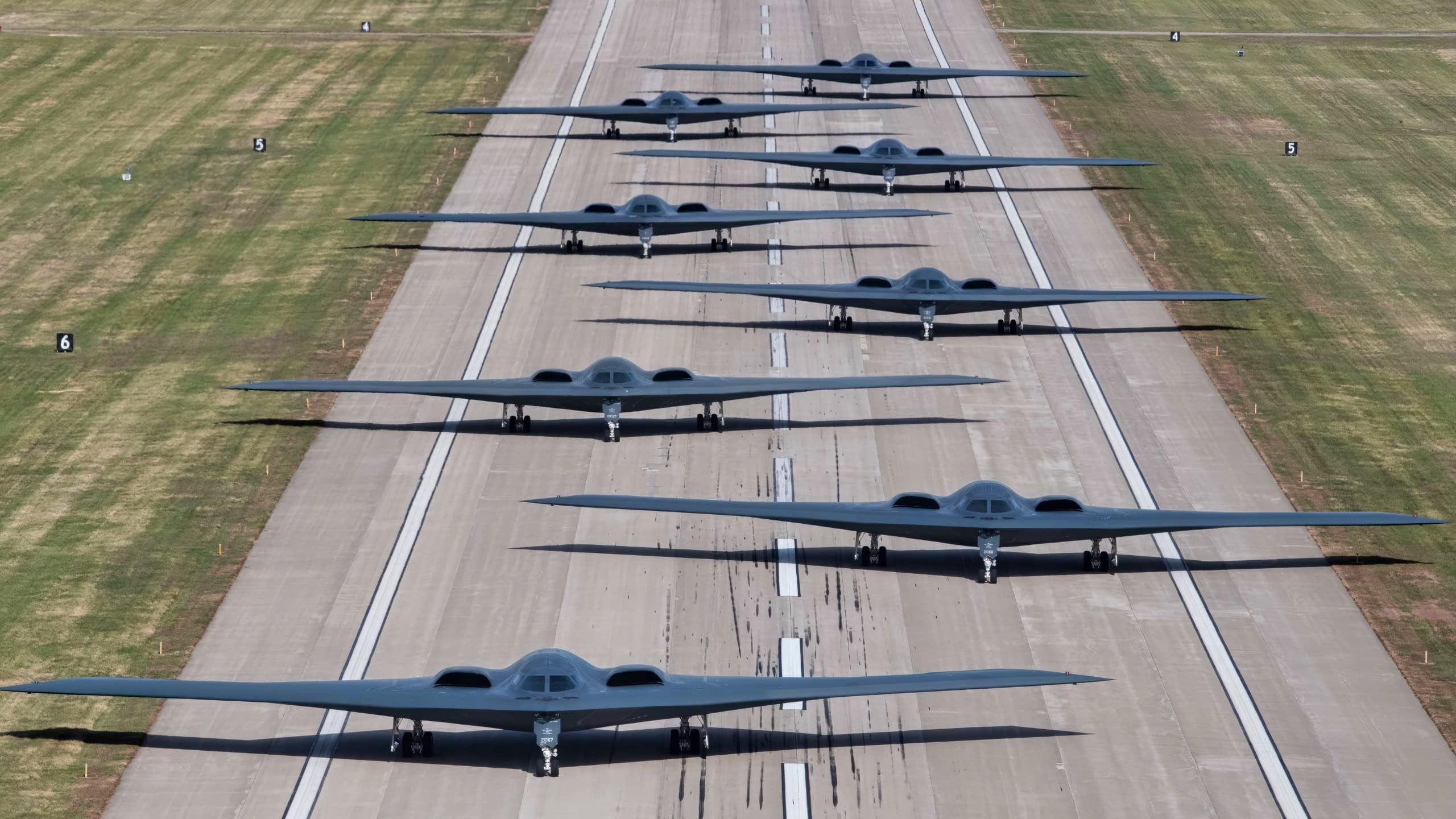
B-2 Spirit stealth bombers assigned to Whiteman Air Force Base taxi and take-off during exercise Spirit Vigilance on Whiteman Air Force Base on November 7th, 2022. Routine exercises like Spirit Vigilance assure our allies and partners that Whiteman Air Force Base is ready to execute nuclear operations and global strike anytime, anywhere. (U.S. Air Force photo by Airman 1st Class Bryson Britt)
Despite the submarine’s anticipated size, automation could mean a smaller crew. Automated aids and AI-enhanced systems could alleviate crew workload significantly.
Early submarines were exceedingly uncomfortable to sail in. Dank, humid, and stuffy, they reverberated with the deafening noise of diesel engines and suffered the smells of exhaust and oil fumes—few comforts were available. During extended patrols, a shortage of fresh foodstuffs forced some submarines to face the same malnutrition problems sailors contended with during the age of sail. Creature comforts today include internet connectivity and electronic links between deployed submariners and their families. But improvements in undersea communications could further improve that dynamic and potentially facilitate better links between those deployed at sea and people on land—whether naval command or friends and families.
Show Me the Money
A crucial aspect of the SSN(X)’s success will be its availability. Though a less flashy metric, operational availability is of critical strategic importance. The SSN(X) needs improved maintenance cycles and enough reactor fuel for the duration of its service life.
One congressional report raised the prospect of outfitting the SSN(X) with reactors that run on low-enriched uranium (LEU), rather than the highly enriched uranium typically used for naval reactors installed on submarines and aircraft carriers. But the Navy rejected that line of argument, citing long lead times for testing and concept validation and explaining that the service “has developed and improved technology using highly enriched uranium (HEU) fuel over the past 75 years, providing the U.S. Navy with unmatched asymmetric advantages in naval warfare.”
Furthermore, the Navy explained, their own requirements for warship design “determine naval fuel system design features, including the use of HEU fuel. An LEU fuel system would not provide any military benefit to the performance of U.S. naval reactors. It would decrease the available energy in the propulsion plant, negatively affect reactor endurance, reactor size, ship costs, force structure, and maintenance infrastructure.”
SSN(X) Summed Up in 1 Number: $8 Billion Per Submarine
The SSN(X) is still very much in the early design phase—research and development may be ongoing, with requirements still being refined and analyzed. Procurement of the first submarine has been delayed to around 2040. Originally, the Navy planned to have the first SSN(X) by the mid-2030s, so the delay is significant.
American shipbuilding faces a significant bottleneck. As the Congressional Budget Office explains, “U.S. Navy submarines are built by General Dynamics’ Electric Boat Division (GD/EB) of Groton, CT, and Quonset Point, RI, and Huntington Ingalls Industries’ Newport News Shipbuilding (HII/NNS), of Newport News, VA.”
Crucially, the CBO clarifies, these two shipyards are “the only two shipyards in the country capable of building nuclear-powered ships. GD/EB builds submarines only, while HII/NNS also builds nuclear-powered aircraft carriers. The submarine construction industrial base also includes hundreds of supplier firms, as well as laboratories and research facilities, in numerous states. Much of the material procured from supplier firms for building submarines comes from sole-source suppliers.”
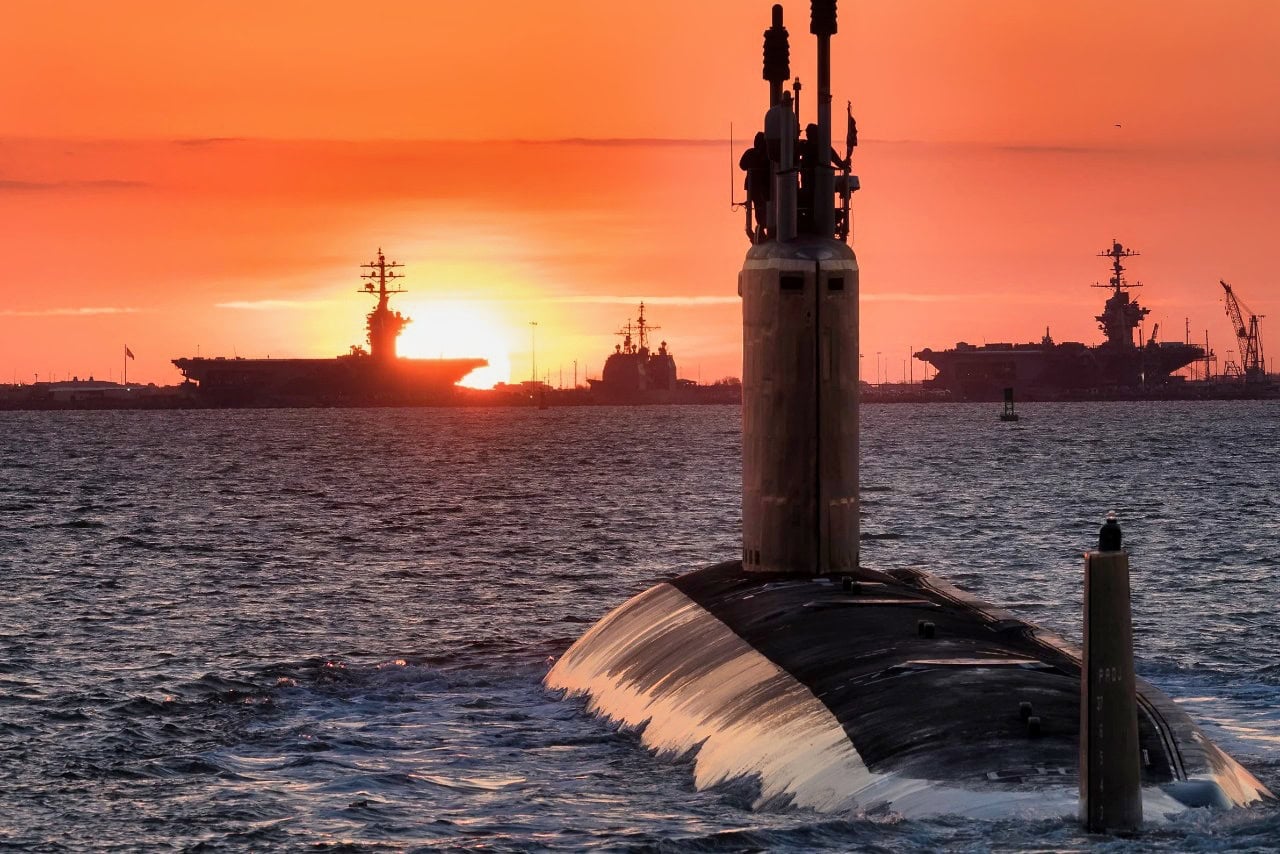
Virginia-Class Submarine. Image Credit: Creative Commons.
Production delays with one supplier of submarine components or subsystems could lead to significant project delays.
Costs and industrial-base issues are significant, but also unclear. Though cost estimates vary for the SSN(X)— $7.1 billion per ship is the Navy’s estimate, $8.7 billion according to the Congressional Budget Office—American shipyards already have their hands full with the ongoing Virginia-class builds, as well as the new Columbia-class SSBNs. For reference, the Virginia-class SSNs cost more than $4 billion per hull. The U.S. Navy’s fiscal year 2026 budget requested $622.8 million for SSN(X) research and development funding. Whether program costs will increase from the Navy or CBO estimates—and by how much—is a topic of deep speculation, without a definitive conclusion.
The Strategic Context
The SSN(X) submarines are a significant departure for the U.S. Navy and mark a shift toward the post-9/11 era. The new class of submarines is presumably designed for a new strategic environment, in which the focus is on peer adversaries such as China and Russia.
In heavily contested undersea environments, the SSN(X)s would have to contend with the proliferation of enemy underwater drones and sensors and leverage long-range, networked strike options.
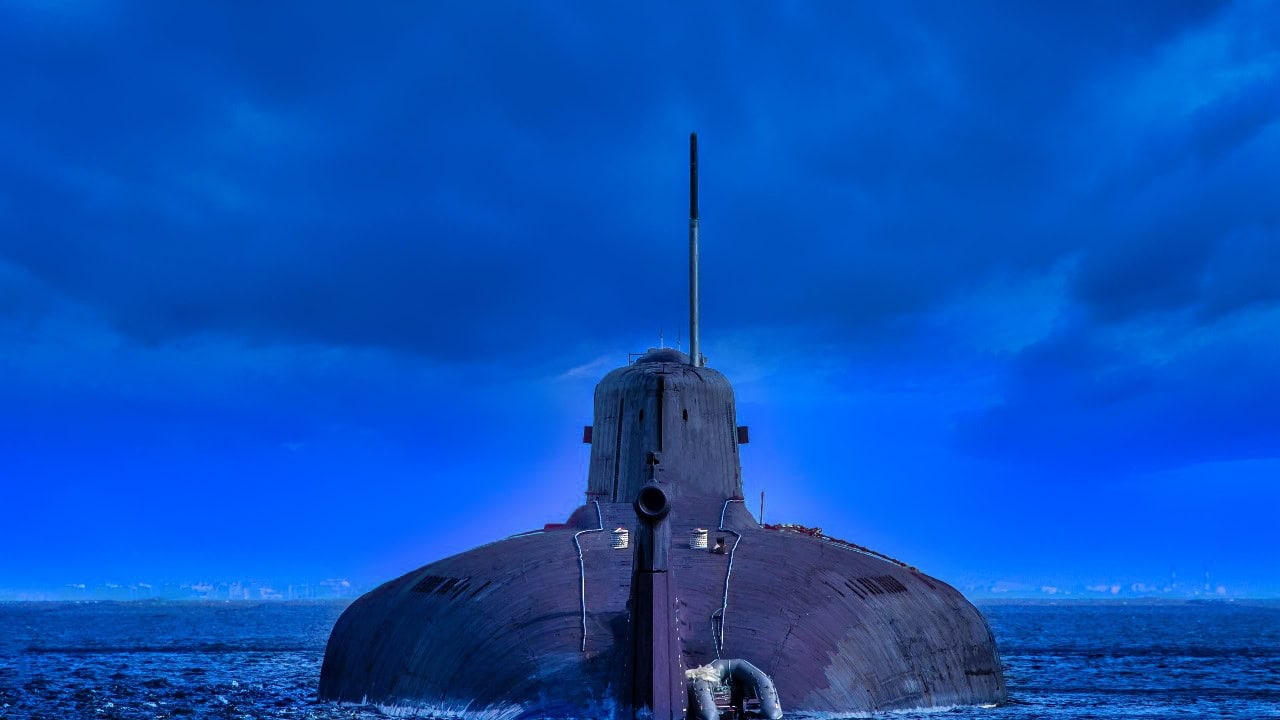
Russian Submarine. Image Credit: Creative Commons.
The SSN(X) is, therefore, a reset in submarine design. The philosophy for this future class presumably places a premium on being large, fast, and more lethal than the Seawolf-class—extremely stealthy, but also networked. But getting there will be difficult.
The class is expected to be technologically complex and ambitious enough that delays risk significant cost overruns or a substantially smaller fleet than originally budgeted.
Ultimately, the SSN(X) program is in its infancy, and estimates of the class’ capabilities naturally remain speculative. What can be said with more confidence, however, is that the SSN(X)’s costs may ultimately do more to define the class than adversaries of the U.S. Navy or the strategic environment. If unit cost rises above $8 billion per hull—effectively double the costs of the Virginia-class submarines—the class could very well see far lower procurement numbers than originally envisioned.
READ MORE – Iran Claims to Have Hit a Navy Aircraft Carrier With a Missile
READ MORE – Iran Came Close to Hitting a Navy Super Hornet
About the Author: Caleb Larson
Caleb Larson is an American multiformat journalist based in Berlin, Germany. His work covers the intersection of conflict and society, focusing on American foreign policy and European security. He has reported from Germany, Russia, and the United States. Most recently, he covered the war in Ukraine, reporting extensively on the war’s shifting battle lines from Donbas and writing on the war’s civilian and humanitarian toll. Previously, he worked as a Defense Reporter for POLITICO Europe. You can follow his latest work on X.