
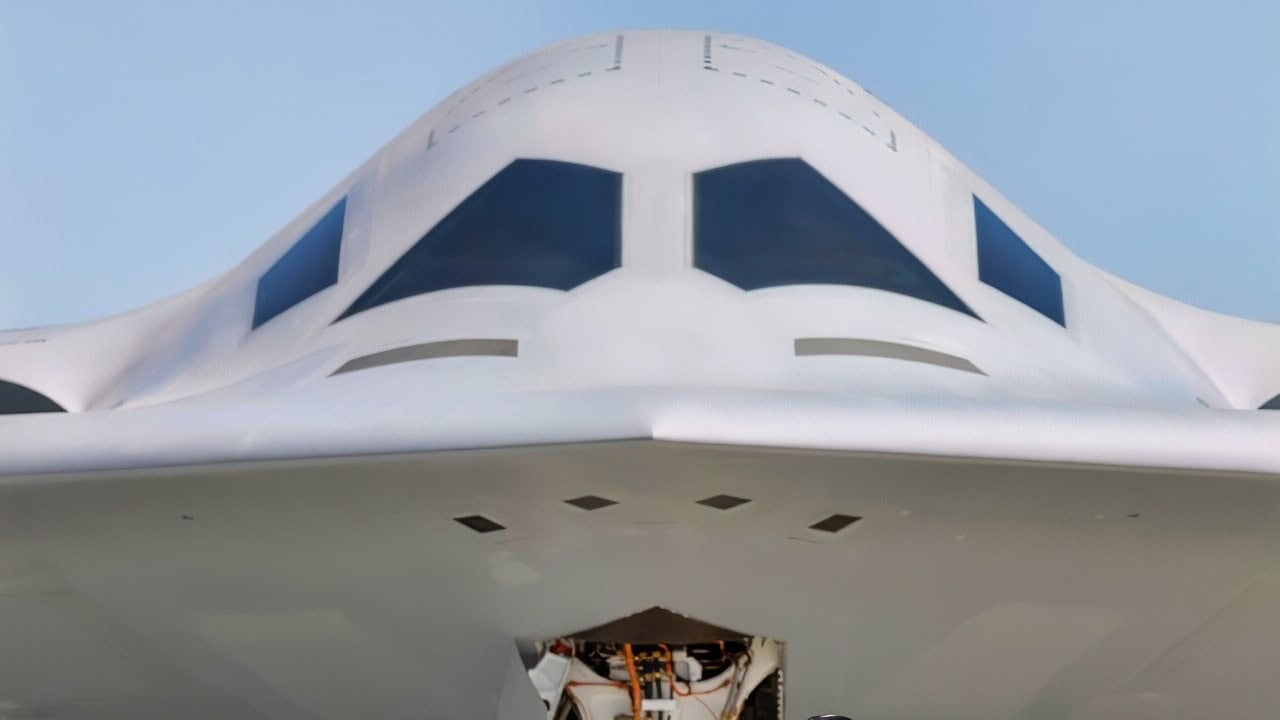
Summary and Key Points: Jack Buckby, a national security researcher and defense analyst, evaluates the “stealth capacity gap” exposed by Operation Epic Fury. While the small B-2 Spirit fleet is successfully striking Iranian targets, Buckby warns that the official target of “at least 100” B-21 Raiders is insufficient for a potential high-tempo conflict with China.
-This 19FortyFive report analyzes how the consumption of JASSM-ER missiles and KC-135 tanker hours in the Middle East reduces surge capacity for the Indo-Pacific, concluding that a fleet of 200 B-21s is necessary to ensure survivable, long-range power projection against A2/AD threats.
The B-21 Math: Why 100 Raiders Isn’t Enough for a Two-Theater War
The ongoing U.S. air campaign is by no means breaking the American military. The United States can sustain regional operations like this for long periods when necessary, but Iran is a good reminder of something planners have warned about for years: modern combat operations are drawing on a small and finite pool of high-end assets that are always in demand.
Let’s start with the bomber inventory, for example.
The Air Force’s only operational penetrating stealth bomber today is the B-2 Spirit, and the fleet is listed as 19 aircraft on paper, but is even fewer in reality, given maintenance requirements.
The B-52H fleet, meanwhile, is much larger at 76 aircraft, but it is not a penetrating stealth platform like the Spirit. The B-1B inventory has also been reduced as part of the ongoing transition to newer bomber platforms, with some retirements taking the fleet down to 45 aircraft.
So, Iran is not really stressing the force that much, in terms of exhausting U.S. power. It is, however, stressing the force in a more specific way: it is consuming enablers (aircraft that provide bomber aircraft to complete their missions) and burning through precision weapons while forcing rotations that shrink surge capacity if a second contingency occurs.
That second contingency, in theory, could well emerge in the Indo-Pacific, where China is posing an increasing challenge to U.S. and allied forces.
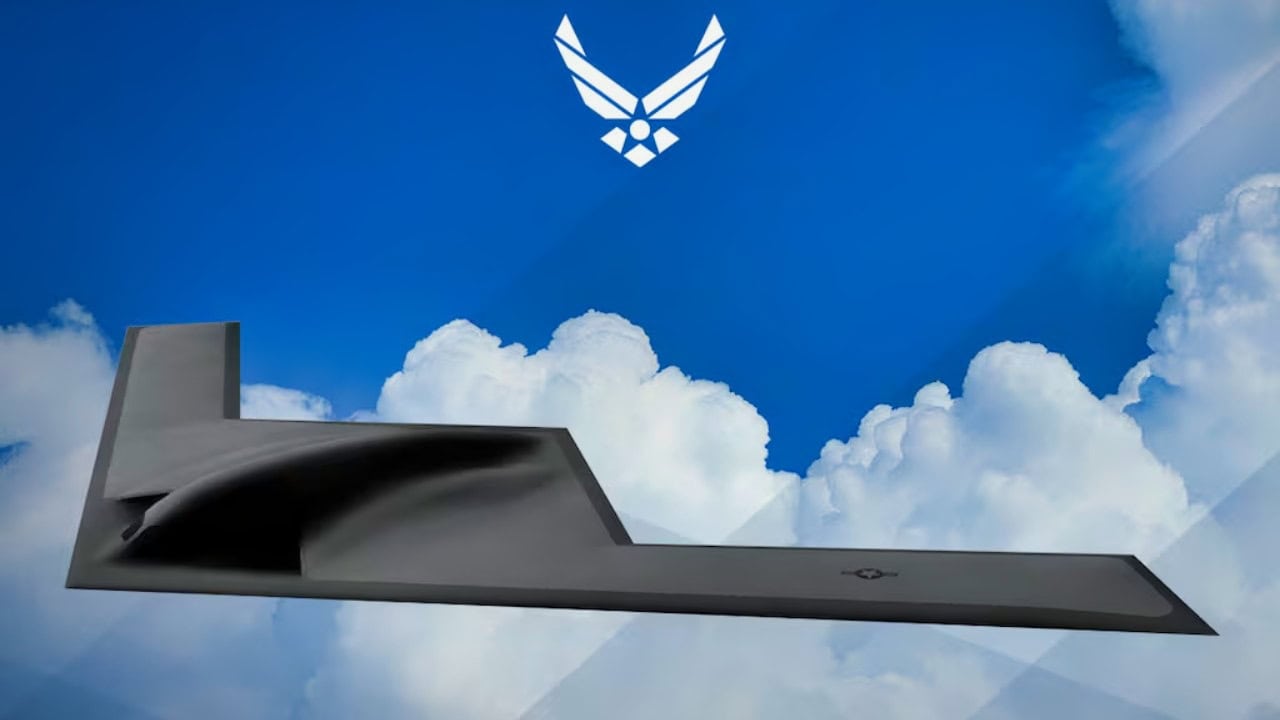
B-21 Raider Bomber.
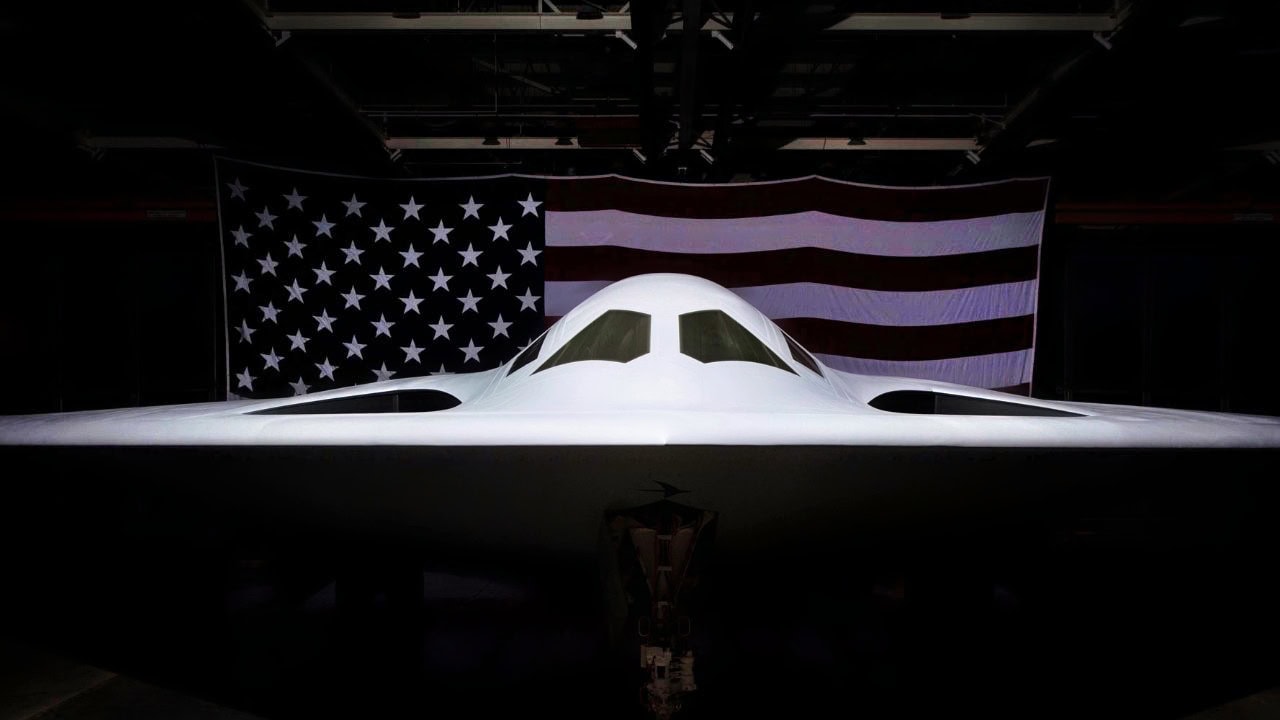
B-21 Raider Bomber. Image Credit: Creative Commons.
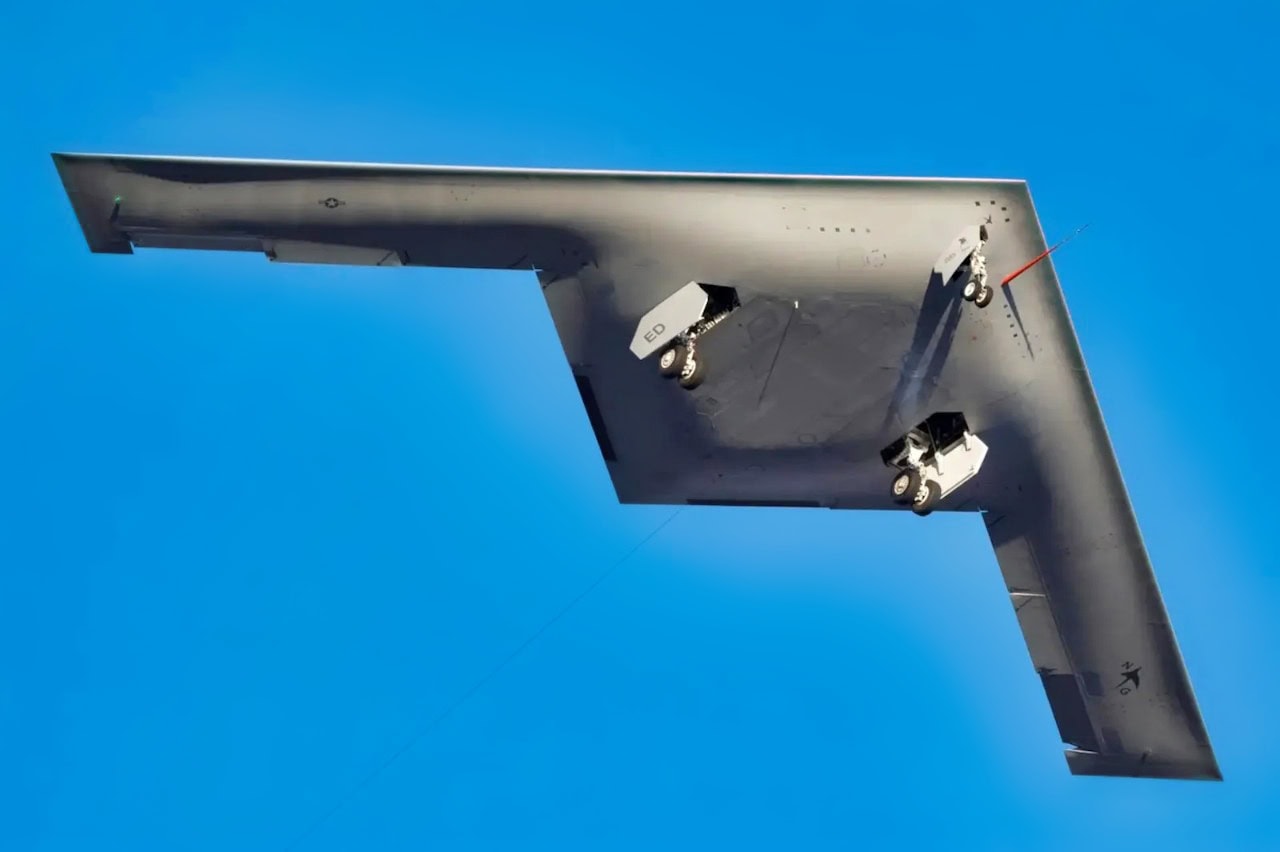
B-21 Raider. Image Credit: Creative Commons.
The Assets Being Pulled Forward First
Stealth aircraft have proven critical in Iran – not just in the ongoing Operation Epic Fury, but in Midnight Hammer that preceded it. When targets are defended, as Iran’s missile stockpiles and other hardware are, planners use low-observable platforms to reach them.
The B-2’s small fleet size matters here because inventory does not equal availability.
Readiness reporting for the Government Accountability Office indicates major performance and sustainment constraints across multiple fleets, including the B-2, noting that maintenance and manpower challenges directly affect aircraft availability at any given time.
Then there’s the matter of aerial refueling – necessary when bases are not available, or an aircraft is moving across long distances. Whether the strike aircraft are bombers or fighters, long-range operations are always tanker-dependent, with the U.S. Air Force depending on the KC-135 as the backbone of the tanker force, as well as the KC-46 Pegasus.
The third consideration is access to precision munitions. Iran has shown again why modern campaigns lean on standoff and precision weapons rather than repeated close-in attacks. JASSM and JASSM-ER are central to that concert, with the latter having a range of roughly 1,000 km.
The U.S. is by no means running out of these missiles in the near future, but that point is this: stockpiles are finite, production rates are not unlimited, and wartime expenditure of these assets competes with other theaters.
Every missile used in Iran is a missile that cannot be used elsewhere and will need to be replaced.
The Risk Of Overlap
Even if the Iran campaign stays limited – and that certainly appears to be Washington’s intention (or hope) – overlap is still a problem.
The Pentagon recognizes that a contingency in the Indo-Pacific is possible in the short to medium term, and Congress has repeatedly stressed that the United States must be able to deter and, if necessary, be ready to fight at scale.
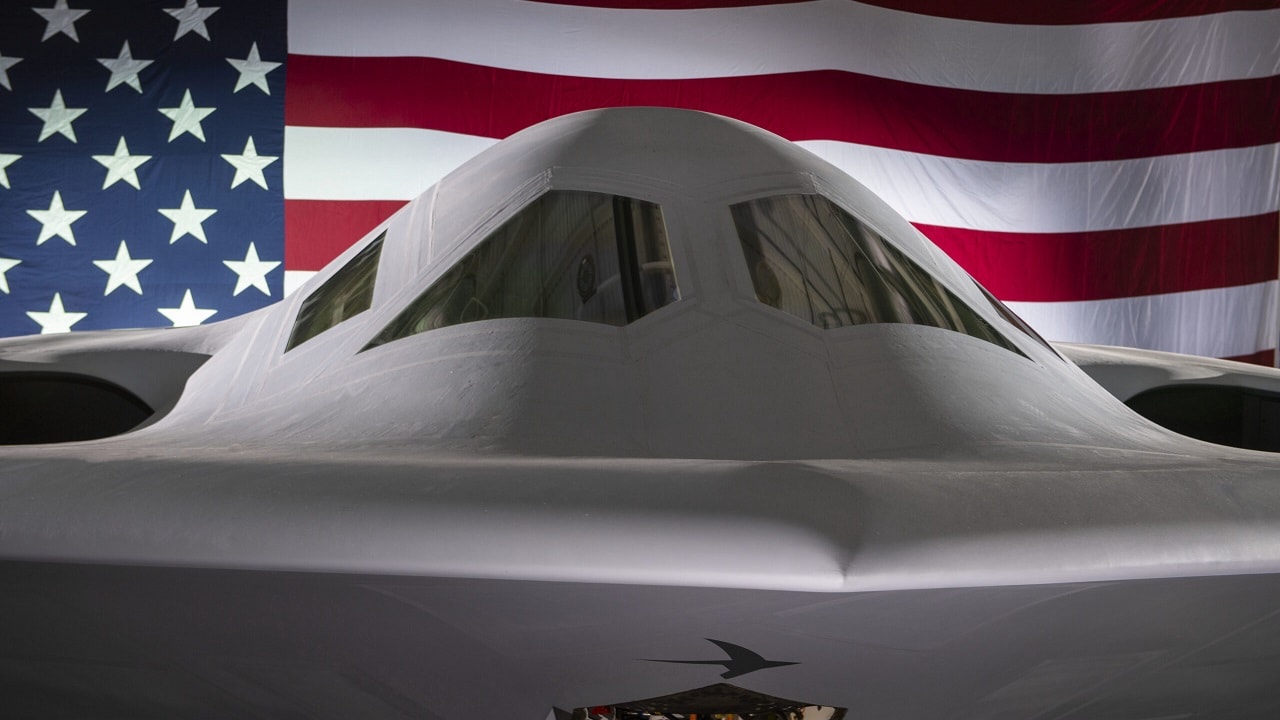
The B-21 Raider was unveiled to the public at a ceremony December 2, 2022 in
Palmdale, Calif. Designed to operate in tomorrow’s high-end threat environment, the B-21 will play a critical role in ensuring America’s enduring airpower capability. (U.S. Air Force photo)
A war with China would not be like the war with Iran, but on a larger scale; it’s more complicated than that. It would pose a distance and air-defense problem because the Indo-Pacific theater imposes massive transit ranges. Additionally, China’s anti-access architecture includes long-range missiles such as the DF-21D and DF-26.
That means U.S. forces would need to generate high-tempo sorties under threat while also protecting tankers and bases.
That’s where the bomber math comes in: in a Pacific fight, stealth bombers are necessary. They are among the few assets designed to reach defended targets – and even without Iran in the picture, analysts are increasingly warning that the U.S. is not preparing to build enough B-21 Raiders.
The Coming B-21 Raiders
The B-21 Raider is the next-generation bomber intended for both conventional and nuclear missions, specifically designed to operate in contested environments.
The Northrop Grumman bomber is currently in development and production, and in February 2026, the Department of the Air Force announced an agreement to increase production capacity to speed up production. But “at least 100” of the aircraft, which is the official figure given to the media, may not be enough.
It’s hard to say at this stage whether “at least 100” means a figure close to 100 or something much higher, given that the final figure will likely remain classified, but planners have been warned by analysts and experts for years now that a number closer to 200 would be much safer.
Considering Iran and China, 100 aircraft would be a problem because it does not mean 100 aircraft are available at any one time.
Remember: a portion of any fleet is always in training or maintenance.
What’s taking place in Iran right now does not prove the United States is weak. In fact, it’s quite the opposite, but the truth is that stealth capacity is crucial now and will only become more important as new contingencies emerge. At least 100 B-21s, then, isn’t right. That figure should be “at least 200.”
About the Author: Jack Buckby
Jack Buckby is a British researcher and analyst specialising in defence and national security, based in New York. His work focuses on military capability, procurement, and strategic competition, producing and editing analysis for policy and defence audiences. He brings extensive editorial experience, with a career output spanning over 1,000 articles at 19FortyFive and National Security Journal, and has previously authored books and papers on extremism and deradicalisation.