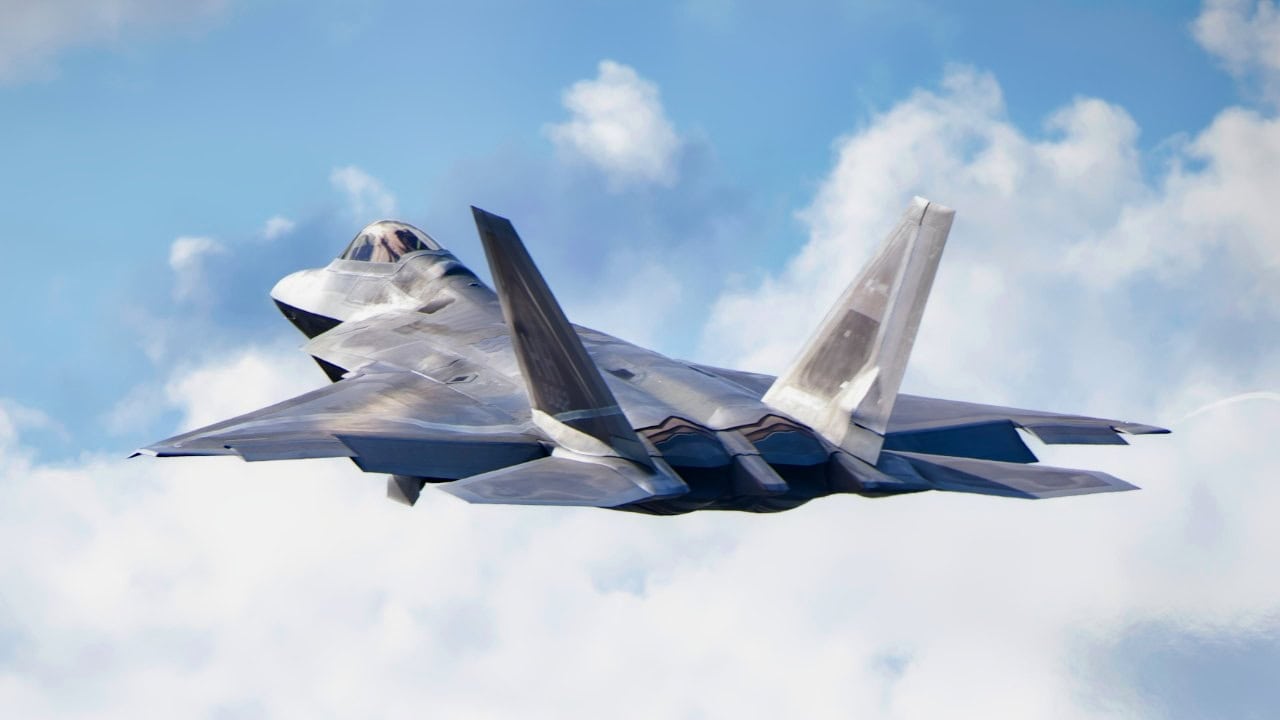
Summary and Key Points: Reuben F. Johnson — Director of Research at the Casimir Pulaski Foundation— analyzes a Washington Post op-ed by Representative August Pfluger, a Republican F-15 and F-22 veteran representing Texas’s 11th District, warning that decades of chronic underinvestment have left the U.S. Air Force operating its oldest and smallest fleet in service history.
-Pfluger reveals the average age of Air Force aircraft has nearly tripled since the Persian Gulf War, with ten aircraft types still flying that first took to the skies more than 50 years ago.
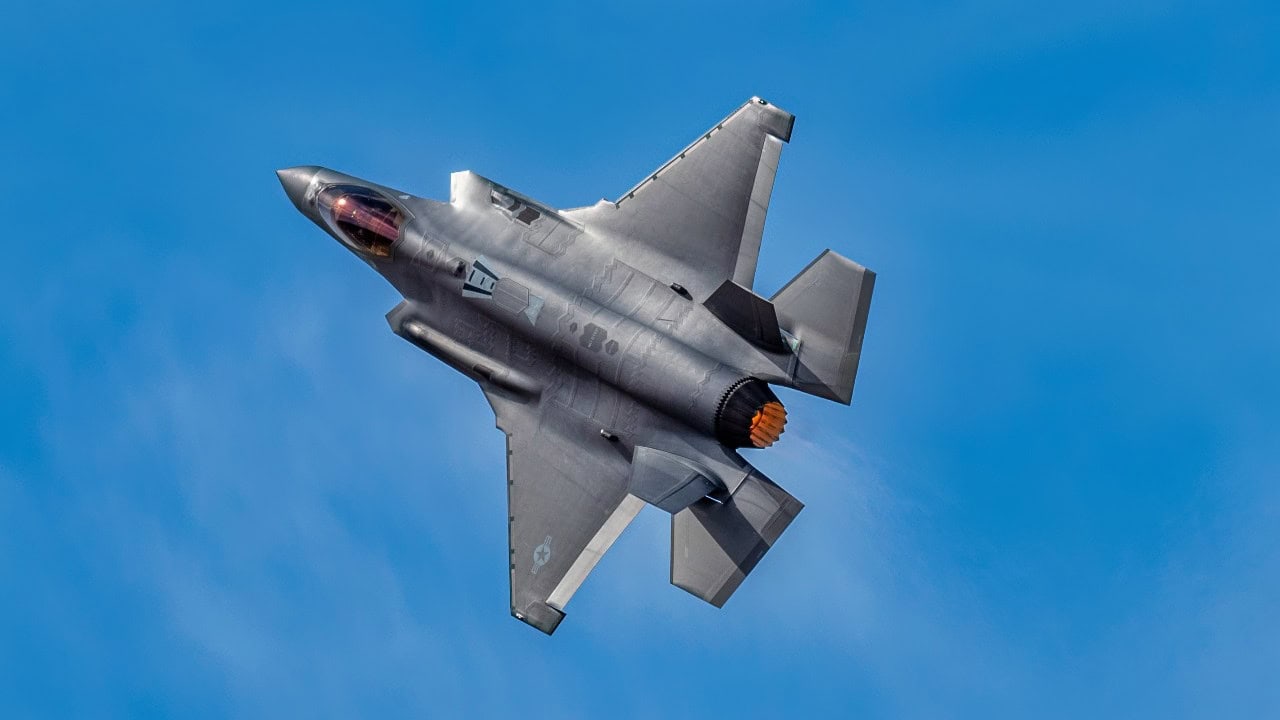
A U.S. Air Force F-35A Lightning II aircraft flies during the Heritage Flight Training Course at Davis-Monthan Air Force Base, Arizona, Feb. 28, 2025. The F-35 is designed to provide the pilot with unsurpassed situational awareness, positive target identification and precision strike in all weather conditions. (U.S. Air Force photo by Senior Airman Jasmyne Bridgers-Matos)
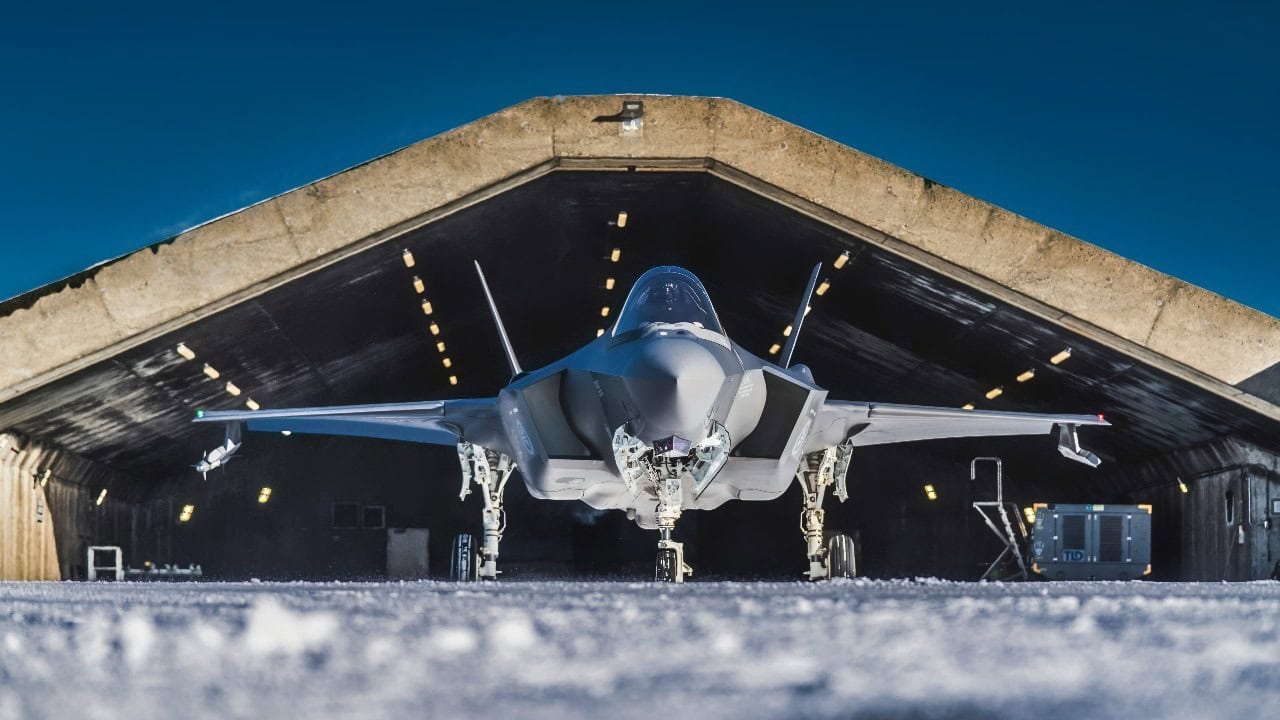
A Royal Norwegian Air Force F-35 Lighting II fighter leaves its shelter at Keflavík Air Base in Iceland. Norway sent the fighters to Iceland, which doesn’t have its own air force, in February 2020.
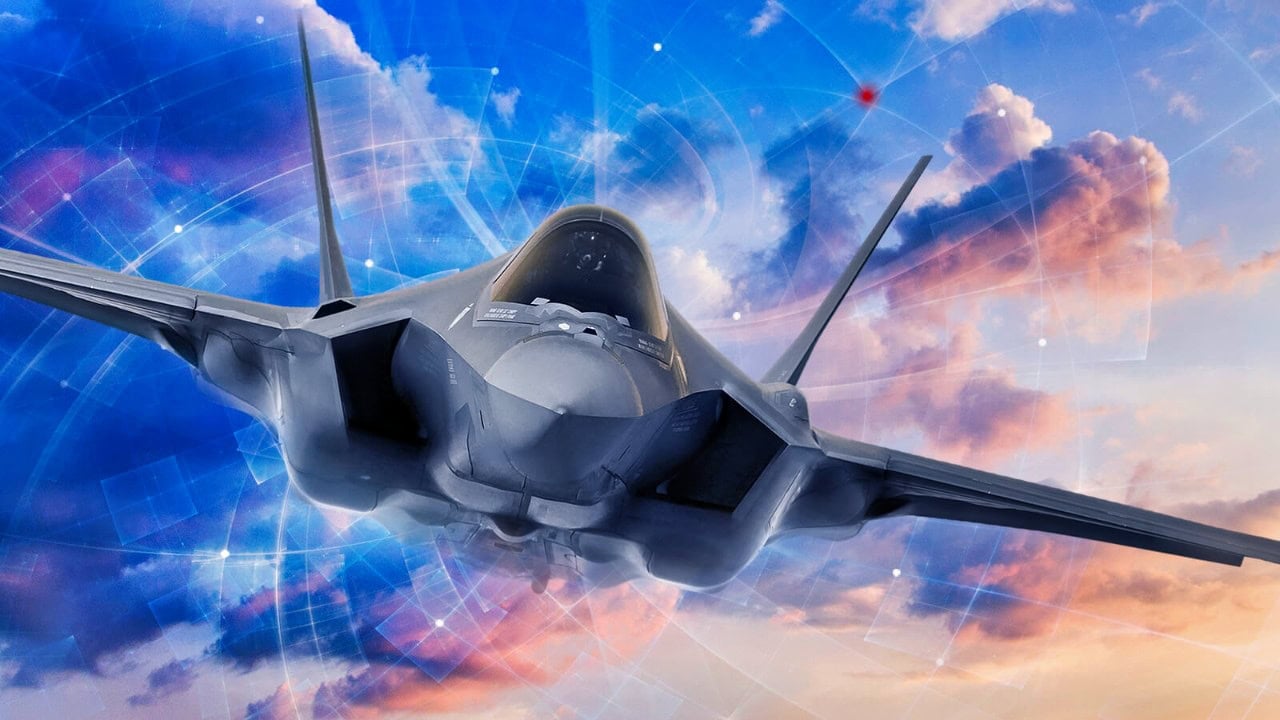
F-35 fighter. Image Credit: BAE systems.
-Johnson traces the root cause to post-Cold War drawdowns under the Clinton administration’s Bottom-Up Review, which eliminated 290,000 service members through numbers-based rather than capability-based assessments, creating personnel and training deficits the service still has not recovered from — even as Operation Midnight Hammer, Venezuela operations, and the ongoing Iran campaign simultaneously accelerate equipment wear and crew fatigue.
A Retired F-22 Pilot in Congress Says the U.S. Air Force Is Dangerously Thin — and He Has the Data
Beginning with last June’s Operation Midnight Hammer raid on Iran’s underground nuclear weapons development facilities, the conflict with the Islamic Republic is continuing to expose the shortcomings in the current U.S. Air Force (USAF). The root causes, writes a U.S. Congressman and retired USAF Col., are a pattern of “chronic underinvestment” that has “left the Air Force perilously thin in aircraft, munitions and crews.”
Rep. August Pfluger, a Republican who had flown both the F-15 and F-22 and now represents the Texas 11th District in the U.S. House of Representatives, made these and other statements. He submitted his observations last week in an op-ed that appeared in the Washington Post.
“Put our people first … Emphasize readiness. … Continue our carefully balanced, time-phased modernization program,” he writes. But, as he rather tragically details, this is not the first time these concepts have been articulated and advocated publicly.
He refers to the 2000 Air Force Posture Statement, which was written before the tragic events of 9/11 and the emergence of the Islamic State terrorist formations. His message: before the two decades plus of war that began after the attacks on the World Trade Center and the Pentagon, the insurgency in Iraq, and the August 2021 rout of U.S. forces chaotically departing Afghanistan, we were already headed for trouble.
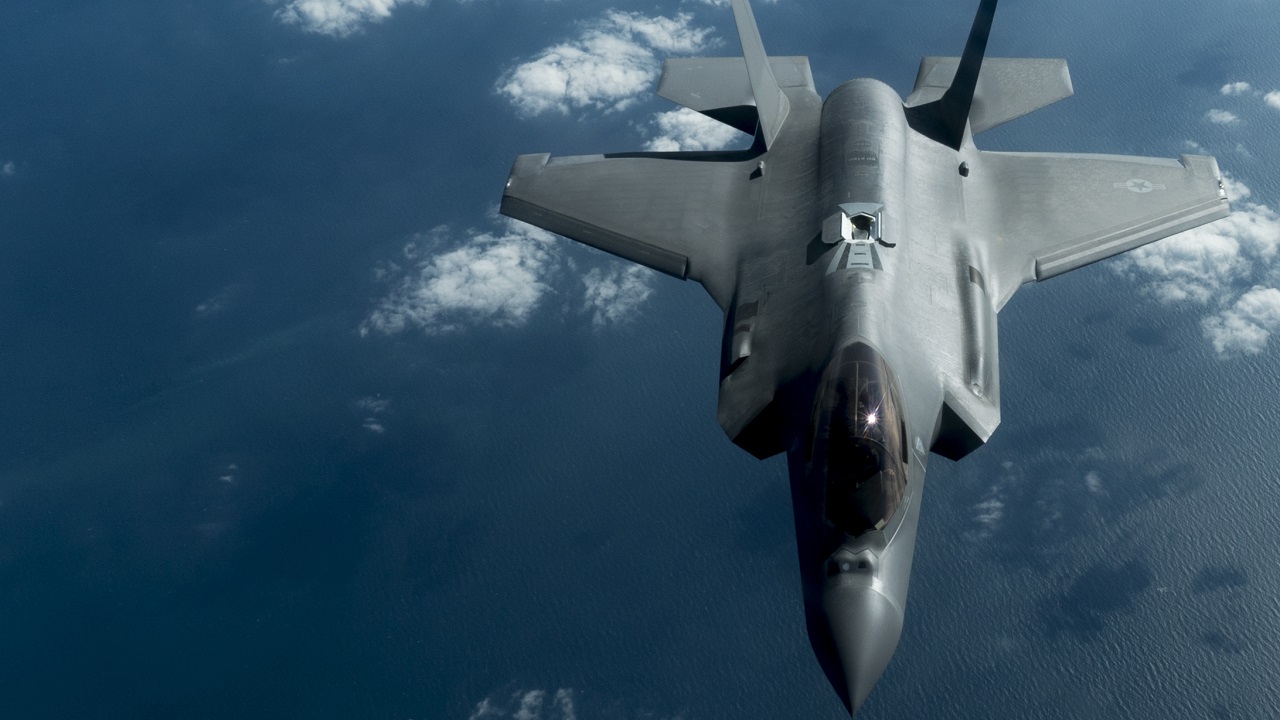
A U.S. Air Force F-35 Lightning II aircraft, assigned to the 34th Expeditionary Fighter Squadron, flies over the U.S. Central Command area of responsibility, Jan. 07, 2019. The Lightning II is a fifth-generation fighter, combining advanced stealth with fighter speed and agility that provides U.S. Air Forces Central Command lethal war-winning airpower. (U.S. Air Force photo by Senior Airman Brandon Cribelar)
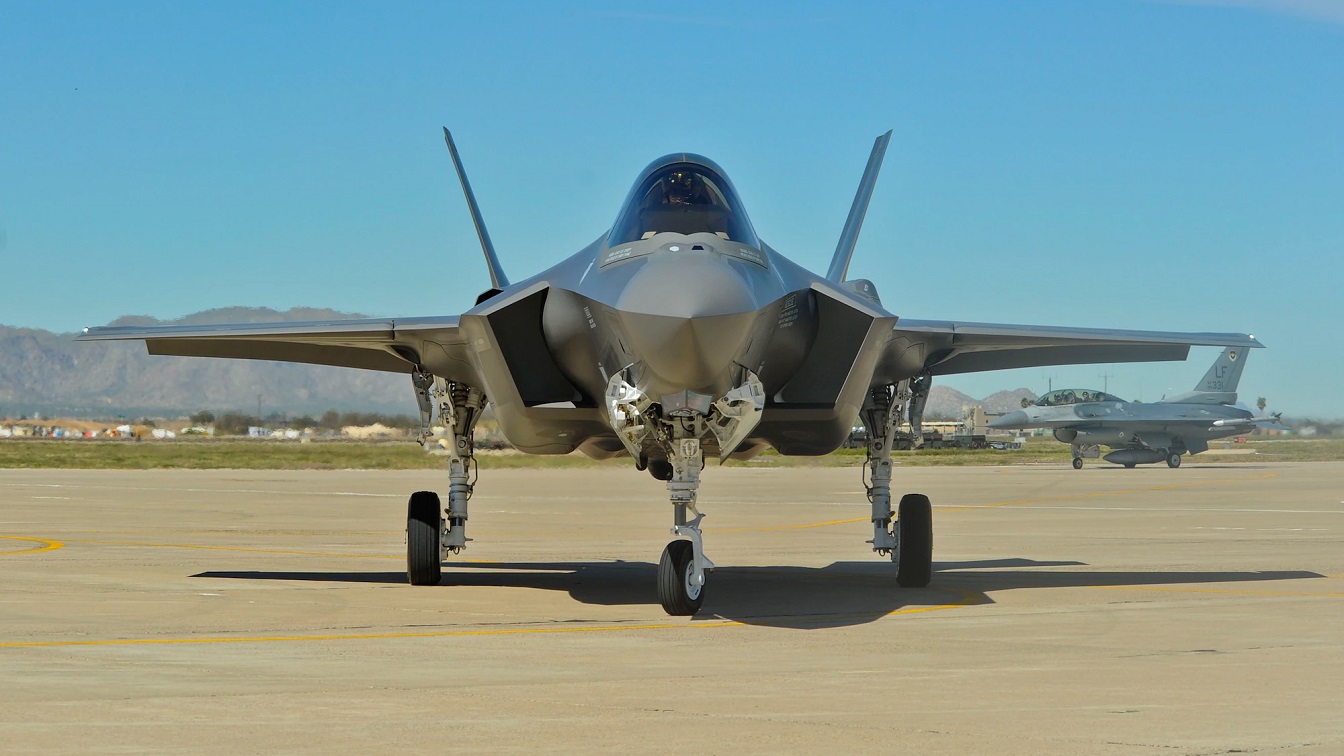
F-35 Stealth Fighter. Image Credit: U.S. Military.
What Pfluger laments is that more than three decades after the U.S. declared a global war on terror, the airpower assets necessary to prosecute it are what he describes as “dangerously thin in aircraft, munitions, and trained crews.”
Wear and Tear
The former fighter pilot makes the same arguments as so many others have perhaps a hundred times over. The USAF today is not outmoded or out-gunned by any of our adversaries, and it has performed admirably in recent combined operations with other branches of the U.S. armed services.
But the assets of the same U.S. air power force structure are growing long in the tooth and wearing out faster than they can be replaced. The USAF, from which he recently retired, writes that it has achieved stellar results. But when it comes to the average age per aircraft, it is the oldest fleet and the smallest force in the service’s history.
“The average age of Air Force aircraft has nearly tripled since the Persian Gulf War,” he writes. “Ten aircraft types still in service first flew more than 50 years ago. Even the advanced F-22 first flew in 1997.”
But, as a small army of defense specialists and air power advocates who have been saying the same for decades will tell you, this conundrum did not fall onto the USAF overnight.
Going back to the end of the Cold War, the U.S. military had reached its zenith at 2,174,000 troops. But by 1993, the branches of the armed services were collectively undergoing a drawdown to what was then called a “Base Force” of roughly half a million fewer, at 1,653,000.
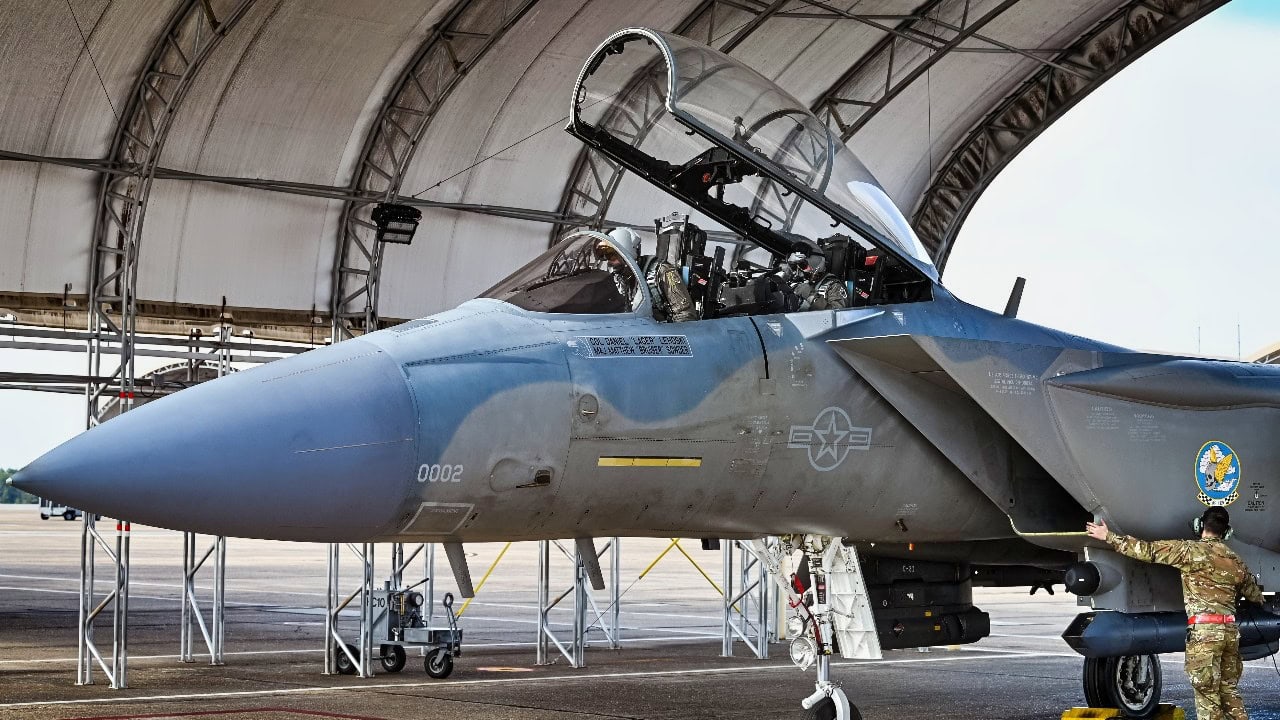
U.S. Air Force Maj. Aaron Eshkenazi, F-15EX Test Director for the 84th Test and Evaluation Squadron, performs preflight procedures for the F-15EX with Lt. Gen. Michael Koscheski, deputy commander of Air Combat Command, at Eglin Air Force Base, Florida, January 29, 2025. During his visit, Koscheski gained valuable insights from the 84th TES and 85th TES to help inform future decisions regarding the platform. The future F-15 fleet will complement 5th generation aircraft, bringing substantial additional capacity for over-sized long-range fires, sensors, and electronic warfare capabilities to defend critical locations in highly contested areas. (U.S. Air Force photo by 1st Lt. Rebecca Abordo)
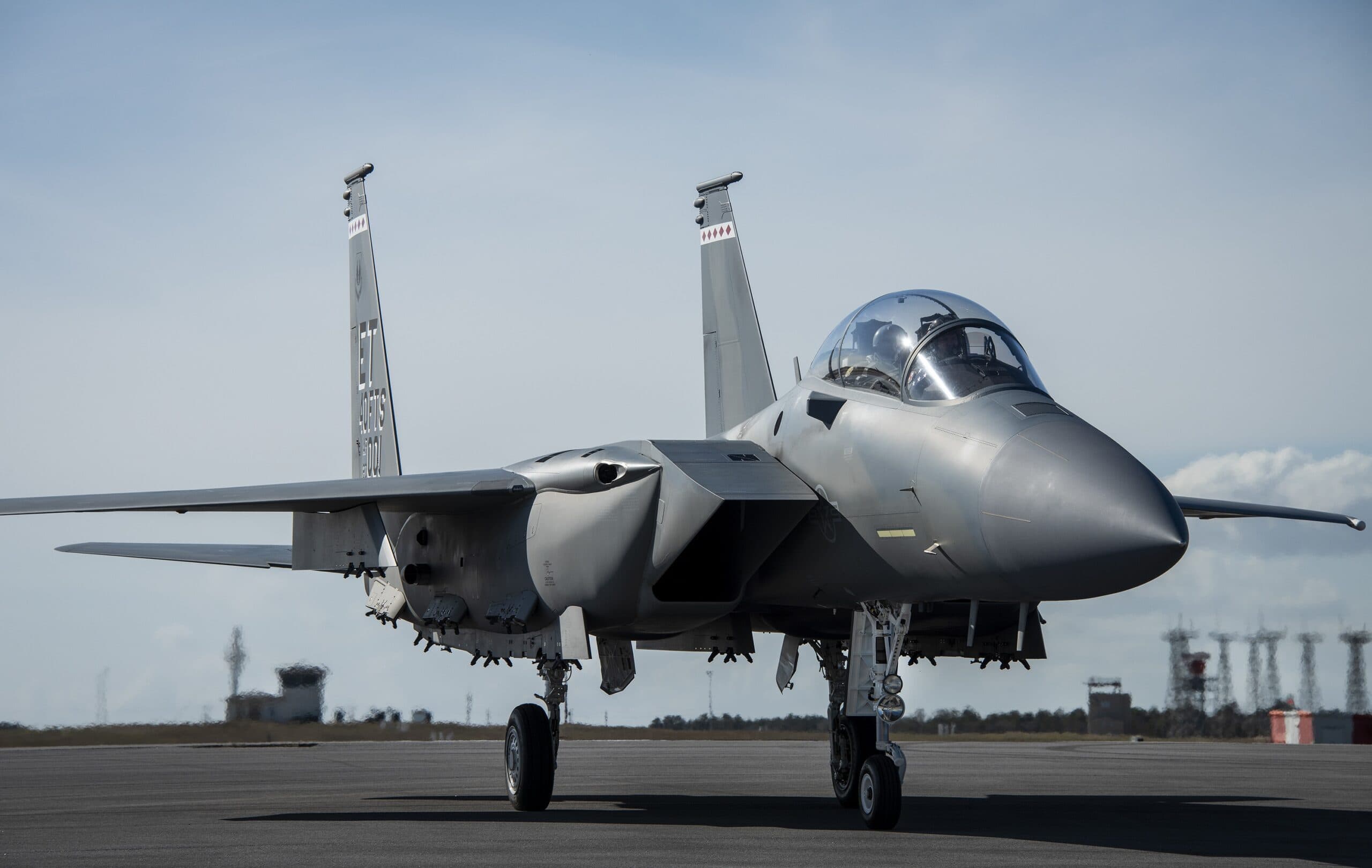
F-15EX Eagle II. Image Credit: Creative Commons.
However, touting the “peace dividend,” the Clinton Administration then began significant reductions in the Pentagon. These were then followed shortly thereafter by the Bottom-Up Review (BUR). Critics have pointed to this moment as one in which the review was cynically used to retroactively justify these reductions.
Thus, not long thereafter, another round of cuts came — some of them in the form of buy-outs and other cost-cutting measures. In the end, the so-called Base Force was no longer the base, and another 290,000 more soldiers, sailors, Marines, and airmen were gone from the ranks.
Why A Re-Vamp is Needed
The long-term effects of simply deleting people as a consequence of a numbers-based rather than a capability-based assessment of the personnel levels needed have been predictable. These are certain dysfunctionalities the service is still experiencing today.
The Clinton-Gore team’s goal—shrinking government—turned out to create problems, Donald Kettl, the Dean of the School of Public Policy at the University of Maryland, recalled two decades later.
“The reduction didn’t happen in a way that matched workforce needs because they used a strategy for downsizing to hit a target,” he says. “The effort got in the way of the ‘making government work better’ piece. Many with special skills left, and people who stayed might have been those we’d have wanted to leave.” This is – in the experience of the writer – a typical “worse rather than better” output from a bureaucratic process that takes zero non-quantifiable variables into its calculus.
On top of this, as Pfluger highlights, operational training has also taken a “downward trajectory. In 1991, fighter pilots averaged roughly 22 flight hours per month. Today, many struggle to reach half that.”
One operation on top of another — Operation Midnight Hammer, Venezuela, now Iran, and who knows what next, are wearing down both people and equipment, he concludes. Serious work remains to be done from recruitment to training to procurement to operational readiness levels if the service is going to be equal to the tasks that face it in the future.
About the Author: Reuben F. Johnson
Reuben F. Johnson has thirty-six years of experience analyzing and reporting on foreign weapons systems, defense technologies, and international arms export policy. Johnson is the Director of Research at the Casimir Pulaski Foundation. He is also a survivor of the Russian invasion of Ukraine in February 2022. He worked for years in the American defense industry as a foreign technology analyst and later as a consultant for the U.S. Department of Defense, the Departments of the Navy and Air Force, and the governments of the United Kingdom and Australia. In 2022-2023, he won two awards in a row for his defense reporting. He holds a bachelor’s degree from DePauw University and a master’s degree from Miami University in Ohio, specializing in Soviet and Russian studies. He lives in Warsaw.