
The Iran war will be assessed in the usual ways—targets hit, systems degraded, and what the ceasefire froze in place. That accounting misses where the more durable effects have landed. They do not neatly fit within Iran, and they do not constitute a clear shift in the local balance of power. They accumulate on the other side of the planet.
China: The Winner of the Iran War?
China has not fought this war, but it may have won it twice.
Possibly three times, but definitely twice.
First, in the unlikely event that China invades Taiwan any time soon, U.S. forces will be elsewhere and their munitions inventories depleted. Second, China has gained a clearer view of how the United States actually fights under contemporary conditions. And third, it has come out of the conflict in a stronger diplomatic position across much of the Global South.
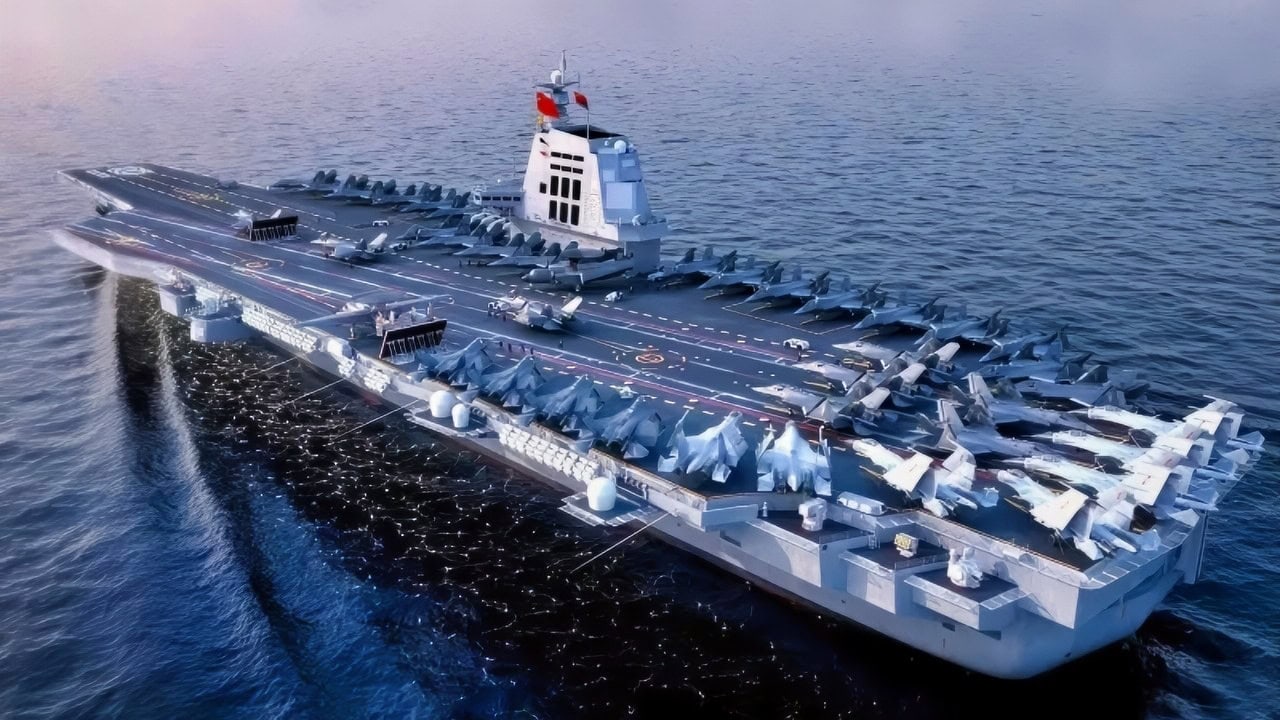
China Aircraft Carrier Mock Up Image.
Start with the first of those more realistic wins: that this war has provided is a level of visibility into U.S. operations that is rarely available outside of war itself.
For years, assessments of how the United States would fight a high-end war rested on a mix of doctrine, exercises, and inference. There was always a gap between what could be modeled and what would actually happen once operations began under pressure. That gap has narrowed. This war has unfolded under conditions that look much closer to those of a modern, contested battlespace: persistent surveillance, long-range precision fires, drones operating at scale, and an environment where concealment degrades quickly once activity begins.
China has been able to watch that play out in real time.
Not just the broad outcomes, but the conduct of the campaign. The pacing of strikes. The sequencing of target sets. The relationship between air operations and maritime positioning. The use of stand-off weapons once the initial surge gives way to a more sustained effort. What gets hit first, what is deferred, what proves harder to suppress than expected? How quickly effects are generated, and how they are maintained—or not—over time.
What China Learned
None of this transfers cleanly onto a Taiwan scenario.
The geography is different. The target set is different. The political context would be different as well. But the methods carry over.
The same platforms, the same command arrangements, the same assumptions about how to generate advantage at range and how to manage exposure in a transparent battlespace.
Patterns matter here. They are what planners look for when they try to move from abstraction to expectation. How quickly does a campaign settle into a rhythm? Where does friction appear once the first round is over?
What has to be managed rather than driven?
These are not questions that can be answered fully in advance. They have to be observed.
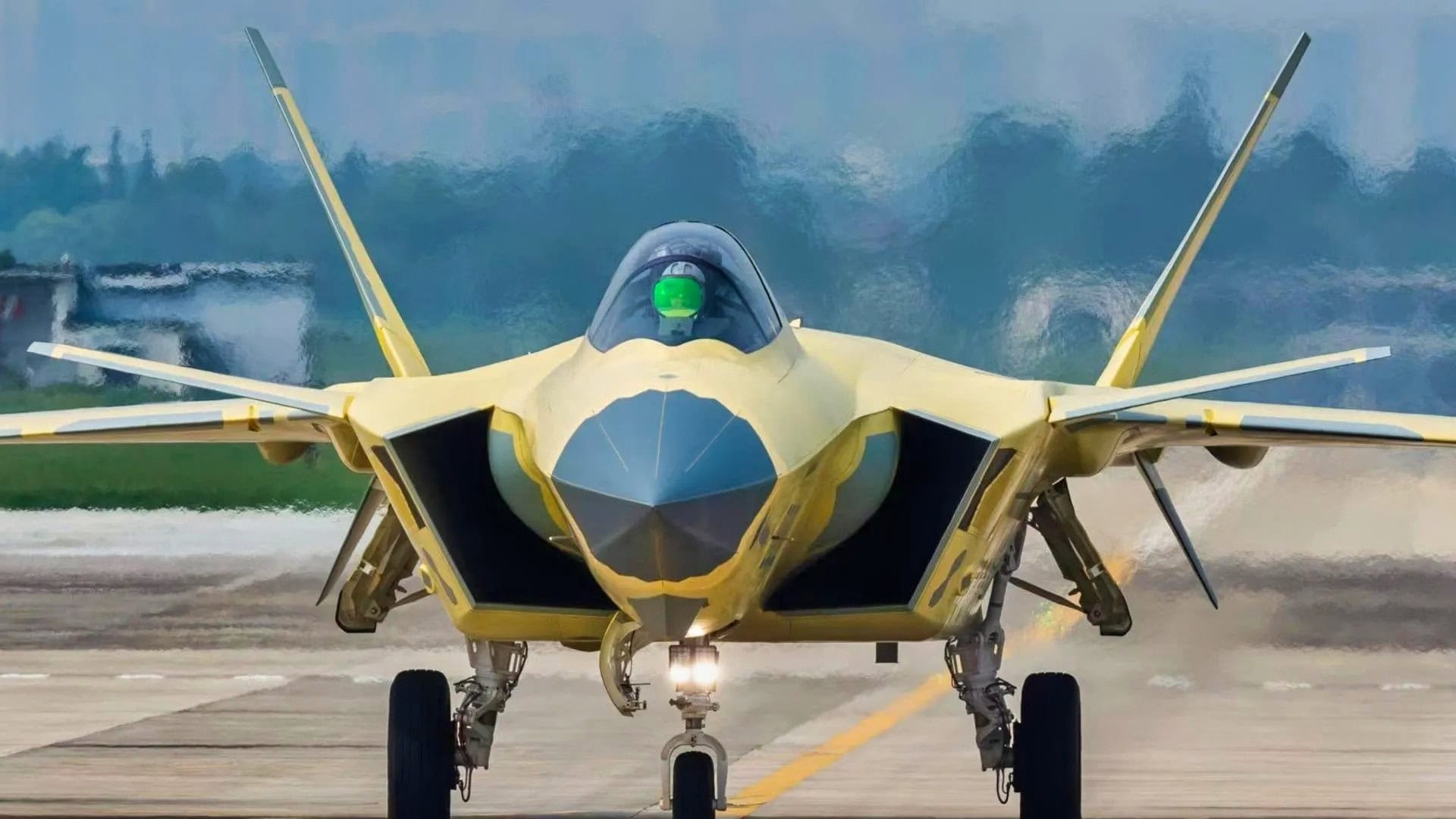
China J-20 Fighter. Image Credit: Creative Commons.
That is what this war has provided. Not a blueprint, but something closer to it than anything available in peacetime—a clearer sense of how the United States operates once the initial shock of action gives way to something more sustained.
For a military planning against the United States, that kind of clarity is not incidental. It shapes timing. It informs sequencing. It suggests where disruption might have outsized effects.
It reduces uncertainty at the margins, and in a denial problem, the margins are where outcomes are decided.
China has gained that insight without having to test the system directly.
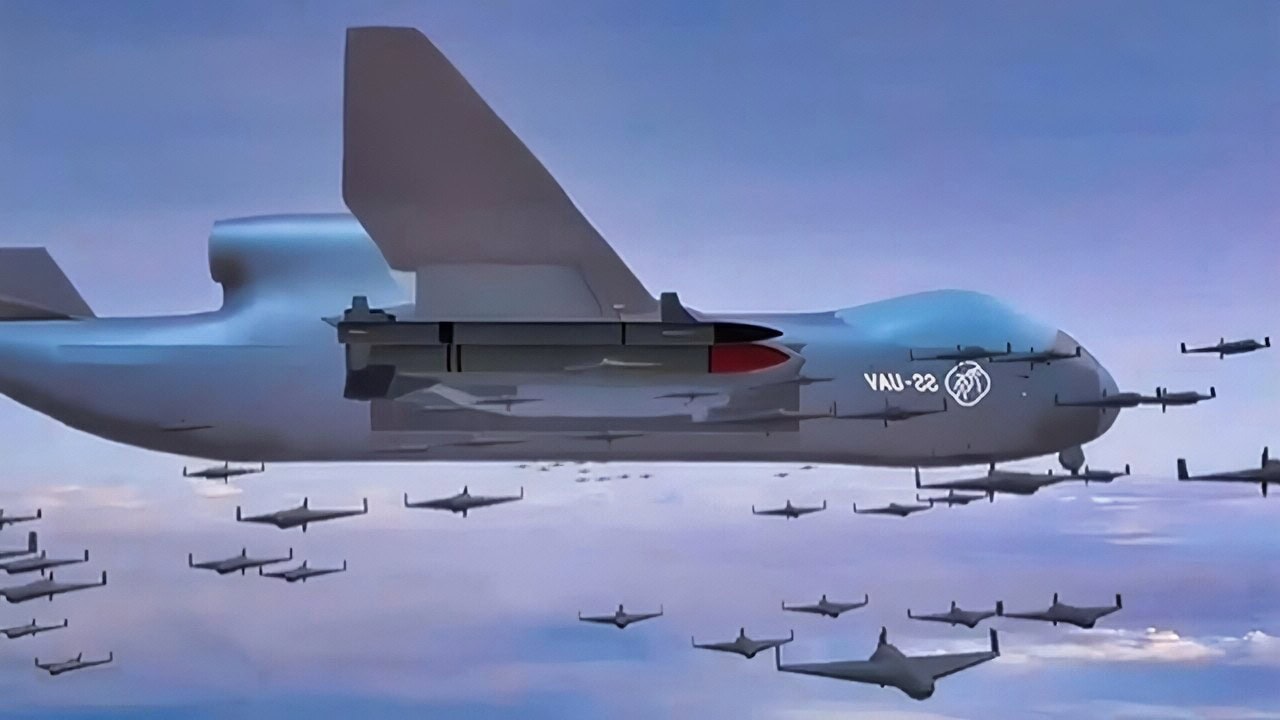
China Drone Aircraft Carrier. Image Credit: X Screenshot.
There is a second effect that runs through politics rather than operations.
The war has reinforced a pattern that much of the Global South already recognizes: the United States using force while others absorb the secondary consequences. China does not need to construct a new narrative around that.
It only has to remain slightly apart from the fighting. Calls for restraint, emphasis on sovereignty, distance from the campaign—none of this is new, but the setting gives it more weight.
In parts of Africa, Latin America, and the Gulf, that posture registers.
Not as leadership in any formal sense, and not as alignment in any rigid way, but as an alternative that carries fewer immediate costs. It aligns with a broader shift toward selective alignment, in which states avoid binding commitments and keep options open. In that environment, distance from the use of force matters.
This does not produce a bloc. It does not translate into automatic support for China in a future crisis. But it does shape the diplomatic terrain. It makes it less likely that a coalition forms quickly and cleanly behind the United States.
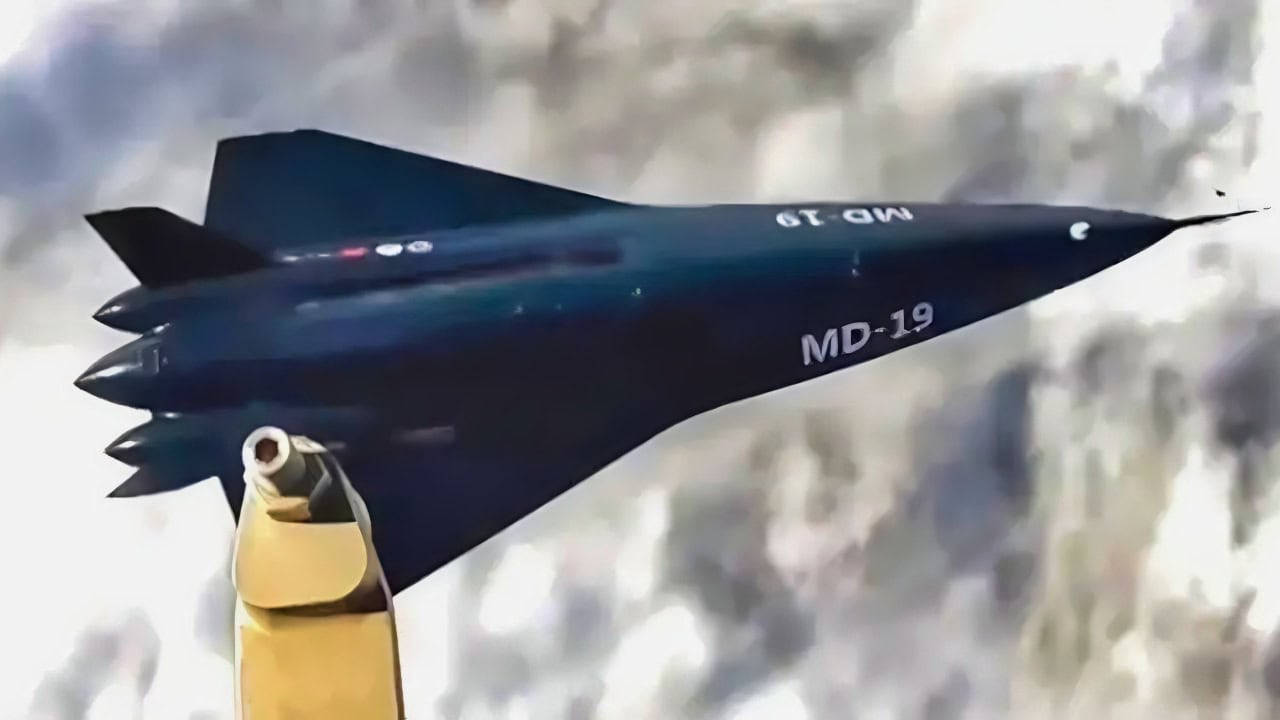
MD-19 Drone from China. Image Credit: Creative Commons.
It increases the number of states that hedge, delay, or limit their involvement. That, in turn, affects how any future crisis unfolds, including one involving Taiwan.
China did not fight this war. But it has learned more about how the United States fights wars, further diminishing the U.S.’s standing in the Global South. And, if China attacks Taiwan in the near future, U.S. forces will be busy elsewhere.
Two, possibly three, wins for Beijing.
About the Author: Dr. Andrew Latham
Andrew Latham is a professor of international relations and political theory at Macalester College in Saint Paul, MN. You can follow him on X: @aakatham. He writes a daily column for 19FortyFive.com.