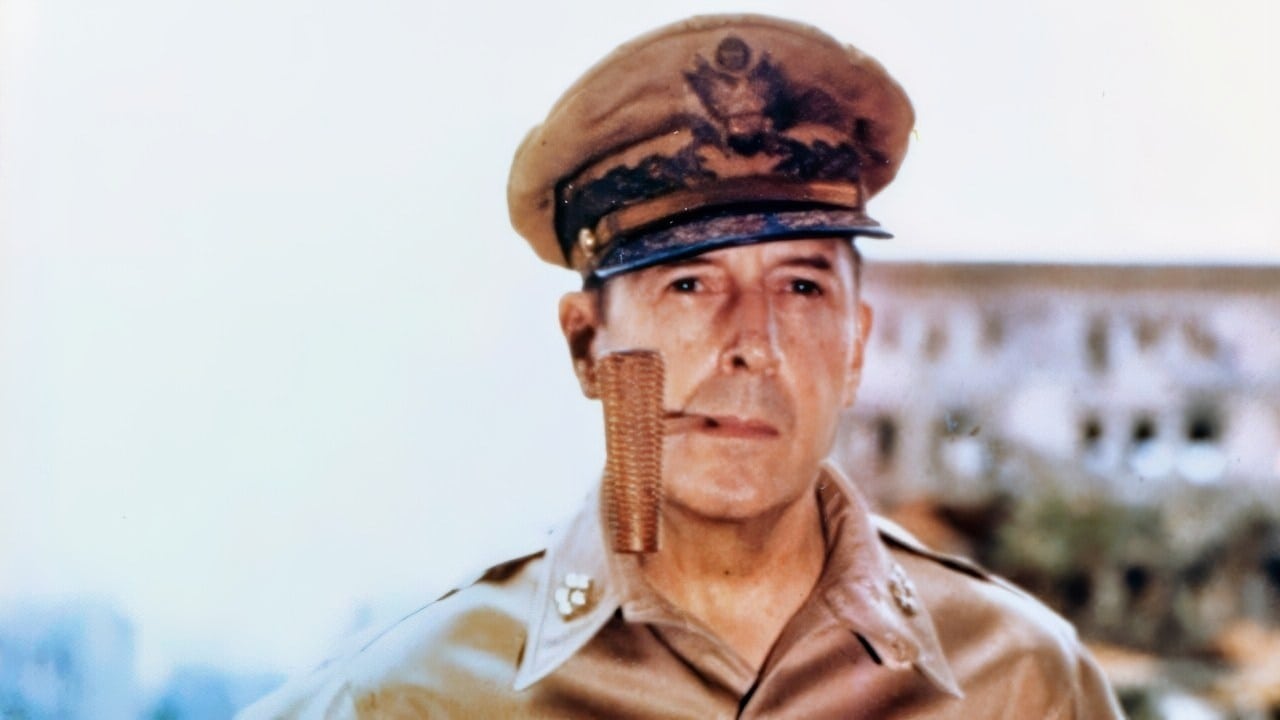
“It is fatal to enter any war without the will to win it.” – General Douglas MacArthur
In many ways, the Second World War was deeply personal to Douglas MacArthur.
When the war with Japan first broke out, he was appointed Field Marshal of the Philippine Army.
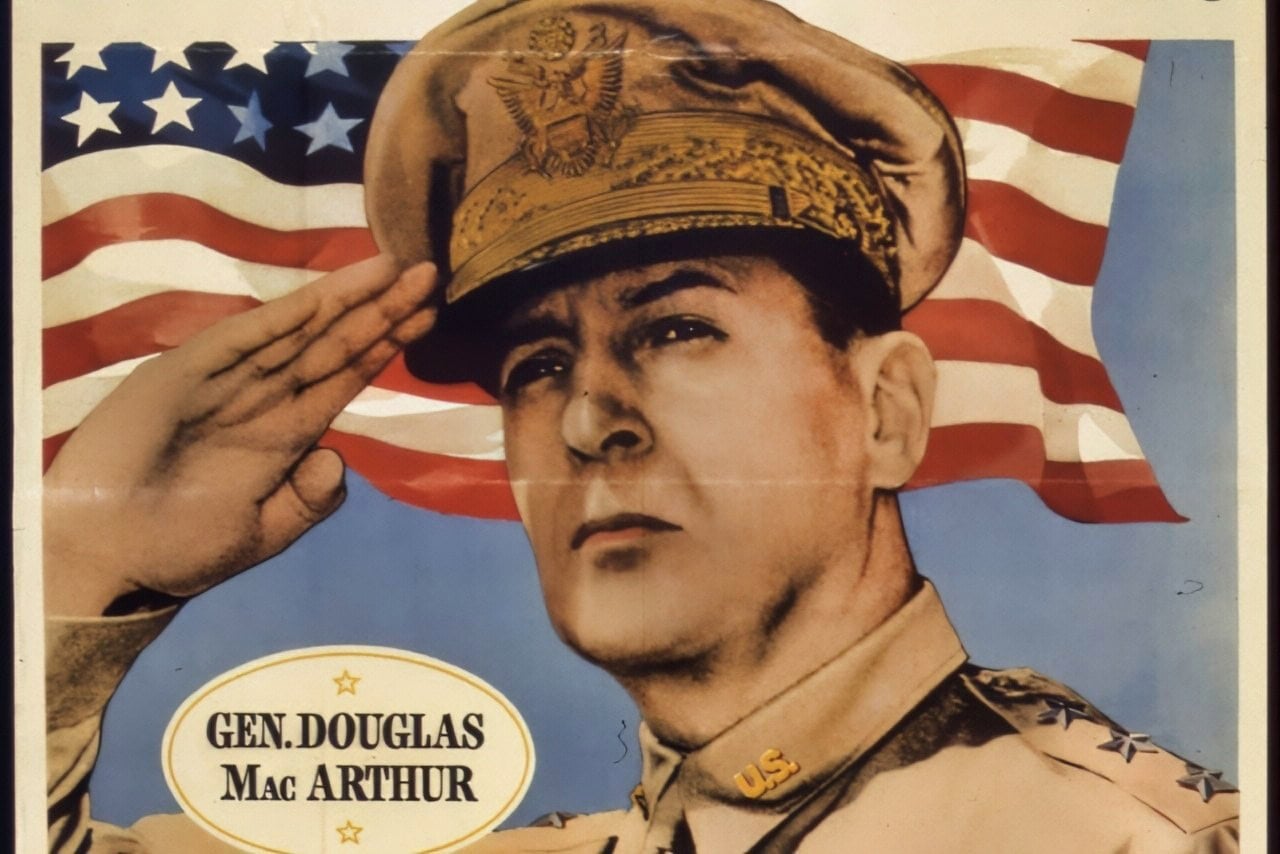
Douglas MacArthur. Image Credit: Creative Commons.
MacArthur had grown deeply involved in the Philippines and had formed many deep connections with the people there.
When he was ordered to retreat to Australia in 1942, his departure not only damaged his military career, but it also forced him to abandon many whom he considered friends to the mercy of a brutal Japanese occupation.
MacArthur, therefore, possessed more than enough willpower to fight and win the war in the Pacific. MacArthur, working closely with the Navy, waged war against the Japanese, liberating island after island before finally returning to the Philippines and liberating it from occupation.
Douglas MacArthur: Early Life and Military Career
MacArthur was born in Little Rock, Arkansas, in January 1880. His father, Arthur MacArthur Jr., was a highly decorated Union general during the Civil War, which helped instill in the young boy a love of the military. His childhood conditions were rough.
He had to learn how to shoot and take care of himself in extreme conditions. In 1889, his family moved to Washington, D.C., where MacArthur attended the West Texas Military Academy. It is here that he first showed signs of academic brilliance.
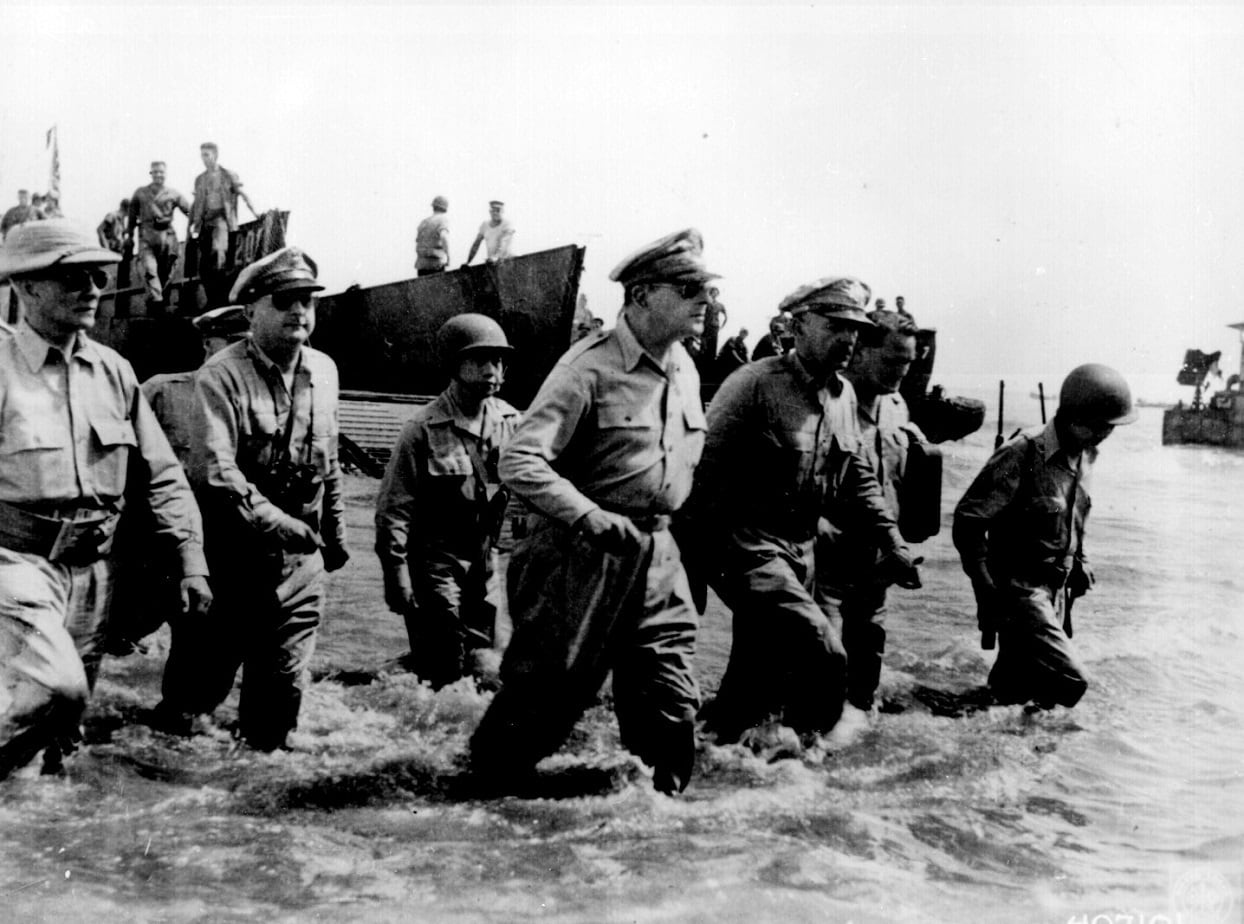
“General Douglas MacArthur wades ashore during initial landings at Leyte, P.I.” October 1944.
He was awarded a generous scholarship and performed well in all of his tests. He graduated as valedictorian despite his rough background and is determined to climb even higher. In 1899, he enrolled in the U.S. Military Academy at West Point, where he would continue to demonstrate academic excellence.
After the First World War, MacArthur climbed the ranks of the U.S. Army. He served as Superintendent of West Point and later as Chief of Staff of the Army, where he worked to modernize American forces despite widespread isolationist sentiment at the time.
In the late 1930s, he relocated to the Philippines, where he was tasked with organizing the defense of the islands as they moved toward independence from the United States. In August 1936, he accepted the title of Field Marshal in the Philippine Army.
From there, he and General Eisenhower set out to modernize the Philippine Army in preparation for a potential Japanese invasion. MacArthur officially retired from the U.S. Army in 1937, but he remained as the Philippine Army’s Field Marshal.
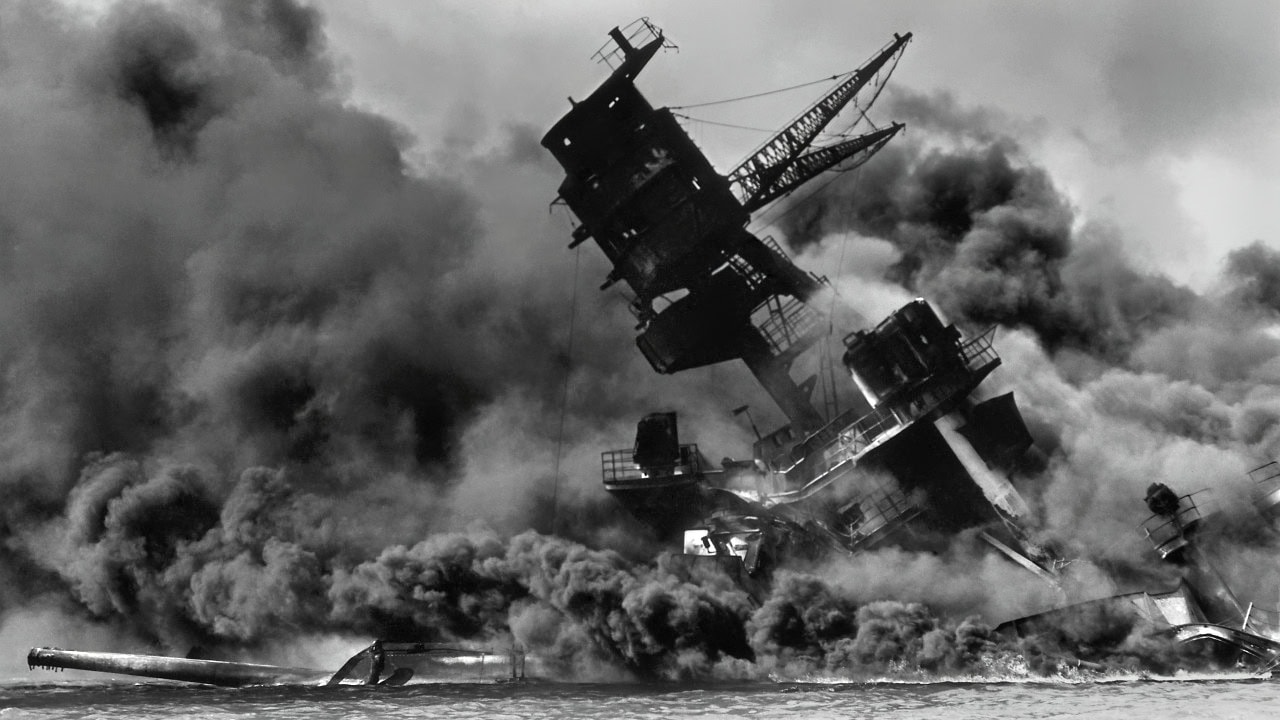
The USS Arizona (BB-39) burning after the Japanese attack on Pearl Harbor, 7 December 1941.
The Outbreak of WWII: Rough Start in the Pacific
With the Japanese attack on Pearl Harbor in December 1941, the possibility of a Japanese invasion in the Pacific was all but certain. At the time, MacArthur commanded U.S. Army Forces in the Far East, headquartered in Manila.
Despite warnings and increasing tensions with Japan, American and Filipino forces in the Philippines were poorly prepared for the scale and speed of the Japanese assault. Within days, Japanese forces destroyed much of MacArthur’s air power on the ground and began advancing rapidly across the islands.
MacArthur ordered a retreat to the Bataan Peninsula and Corregidor Island, where Allied troops attempted to delay the Japanese.
The defenders managed to hold on for a few months despite low supplies and constant bombardments, but eventually they were forced to surrender.
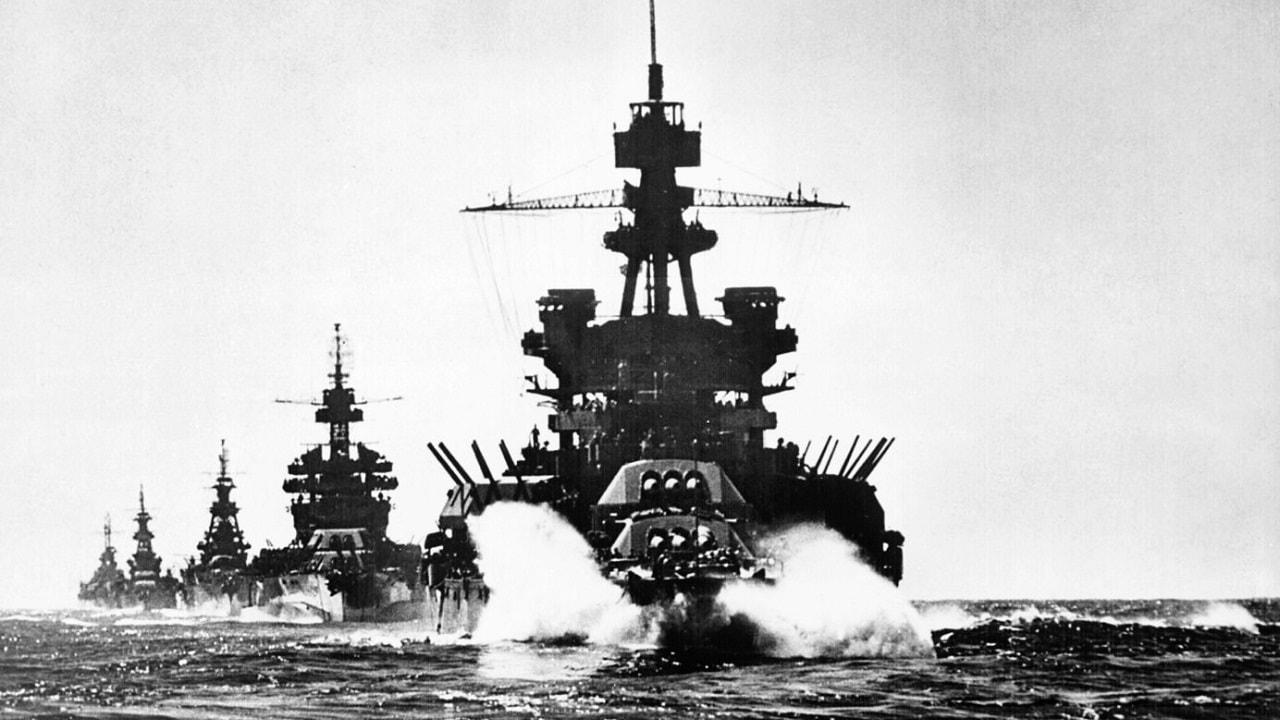
USS Pennsylvania, which was attacked at Pearl Harbor.
In March 1942, under direct orders from President Franklin D. Roosevelt, MacArthur escaped the Philippines for Australia, leaving behind thousands of American and Filipino soldiers who would soon be forced to surrender.
While his evacuation was necessary for the long-term prospects of the war, many viewed his departure as a bad omen for the coming war, especially given the horrific suffering that followed during the Bataan Death March.
Upon reaching Australia, however, MacArthur immediately declared his intentions to return. While the War in the Pacific had gotten off to a shaky start, MacArthur was determined to fulfill this promise to the people of the Philippines, who were now forced to suffer under Japanese occupation.
Island Hopping Campaign and the Return to the Philippines
MacArthur was soon appointed Supreme Commander of Allied Forces in the Southwest Pacific Area, a vast and difficult theater of operations that included Australia, New Guinea, and much of Southeast Asia.
Unlike the war in the West, which was fought mainly on vast stretches of land, the war in the Pacific was a completely different beast. MacArthur had to operate across a vast ocean and assault hundreds of small islands with fanatical Japanese defenders.
MacArthur and the U.S. adopted a strategy of maneuver to avoid a costly direct confrontation. By selectively targeting key islands and bypassing strongly defended Japanese positions, his forces were able to isolate enemy garrisons and cut them off from supplies.
This approach conserved Allied manpower and steadily rolled back Japanese control.
In October 1944, Allied forces landed on the Philippine island of Leyte. In a carefully staged moment, MacArthur waded ashore and proclaimed his return to the Filipino people. He had fulfilled his promise. The campaign to liberate the Philippines proved long and bloody.
The Battle of Leyte Gulf, the largest naval battle in history, resulted in the destruction of most of the Japanese Navy. American forces were also aided immensely by Filipino guerrilla fighters, who regularly launched raids against the Japanese and supplied MacArthur with valuable intelligence.
Liberation of Manila and the Return to the Philippines
The liberation of Luzon and the recapture of Manila in early 1945 were among the most devastating battles of the Pacific War. MacArthur and his staff initially underestimated the Japanese garrison in the city. Japanese forces inflicted enormous destruction on the city, leading to widespread civilian casualties.
The Americans hoped to seize the valuable airfields near Manila, which would greatly support the effort to reclaim the entire Philippines and set the stage for an invasion of mainland Japan. Manila fell in 1945, but the cost for the Americans and their allies was immense.
By the summer of 1945, MacArthur’s forces were positioned to support a potential invasion of Japan itself. Plans were underway for Operation Downfall, an invasion of the mainland with heavy casualties expected for both sides.
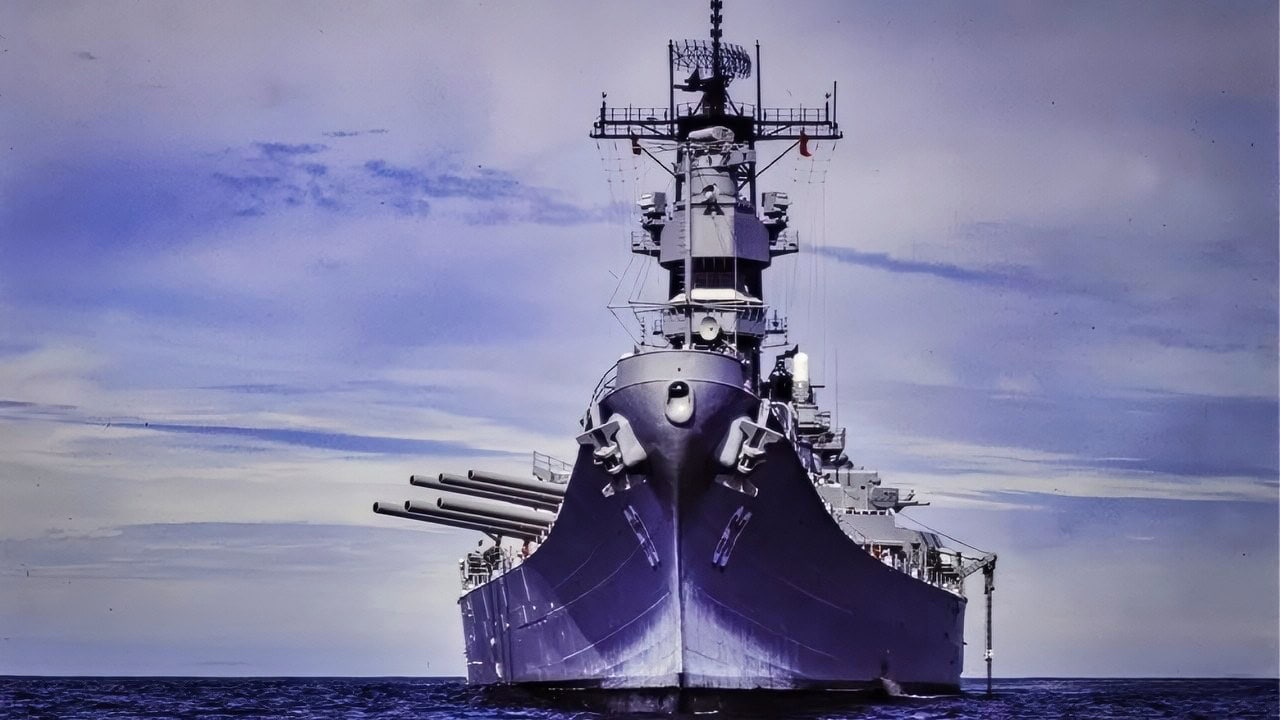
USS Missouri Navy Battleship. Image Credit: Creative Commons.
However, the atomic bombing of Hiroshima and Nagasaki, followed by Japan’s decision to surrender, made such plans redundant. On September 2, 1945, MacArthur presided over the formal Japanese surrender aboard the USS Missouri in Tokyo Bay.
As Supreme Commander for the Allied Powers, he accepted Japan’s surrender, bringing the Pacific War to a close.
About the Author: Isaac Seitz
Isaac Seitz, a Defense Columnist, graduated from Patrick Henry College’s Strategic Intelligence and National Security program. He has also studied Russian at Middlebury Language Schools and has worked as an intelligence Analyst in the private sector.