
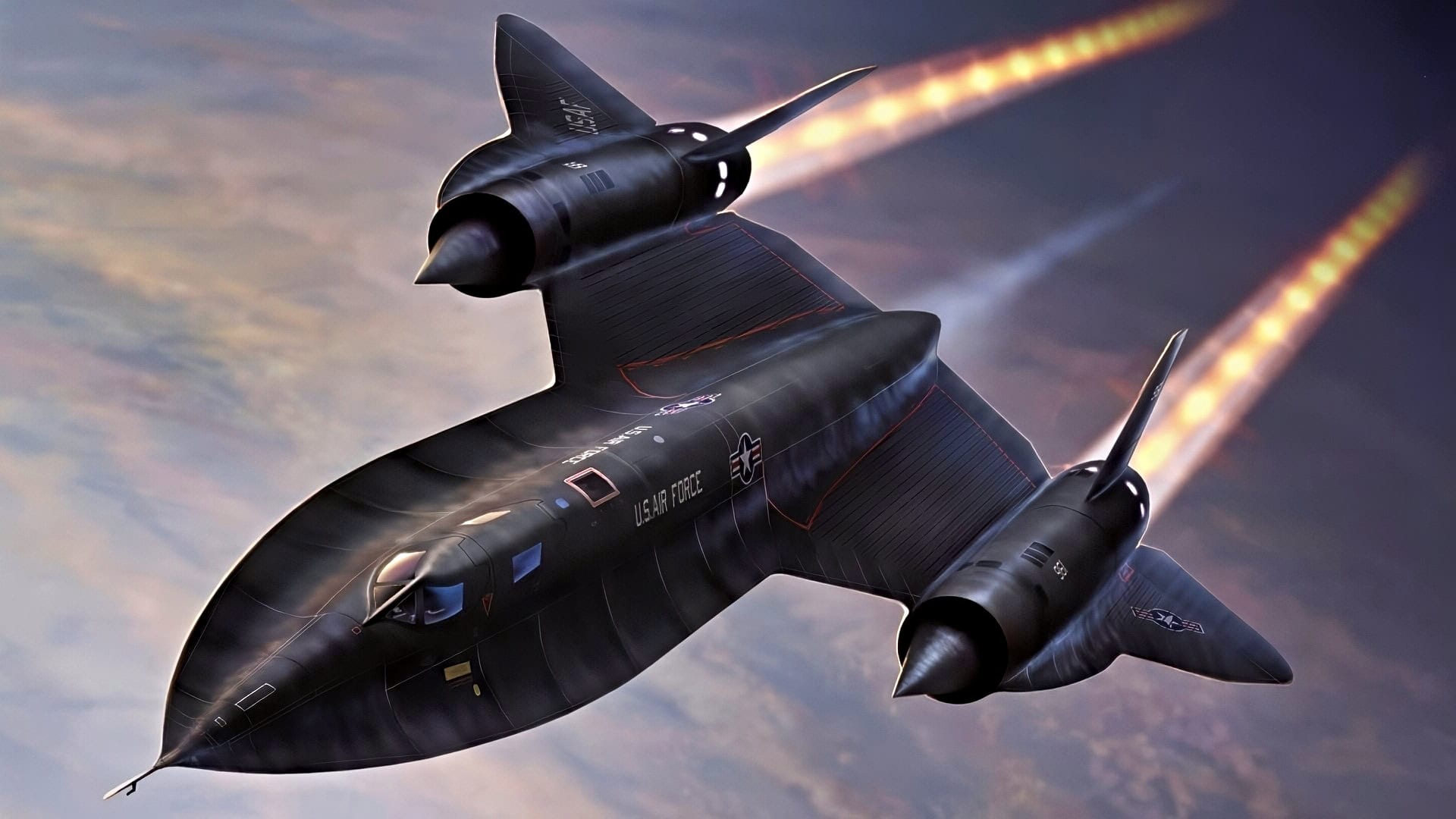
SR-71 ‘The Rapid Rabbit’ Lost Both Engines and All Electronics at Mach 3.2 Over Vietnam — Major Tom Pugh Saved the Aircraft at Mach 1.1
SR-71 Blackbird – Forgotten Stories from the Cold War: Last week’s news, in which an American F-15 was shot down over Iran, after which the pilot was successfully rescued after more than 24 hours in the mountains, has brought back to mind other incidents in which pilots were almost lost during foreign wars.
One such example was recalled on Sunday, when Aviation Geek Club wrote about an incident during the Vietnam War. It involved an SR-71, a fighter jet that was famously never shot down, though it did run into trouble on occasion.
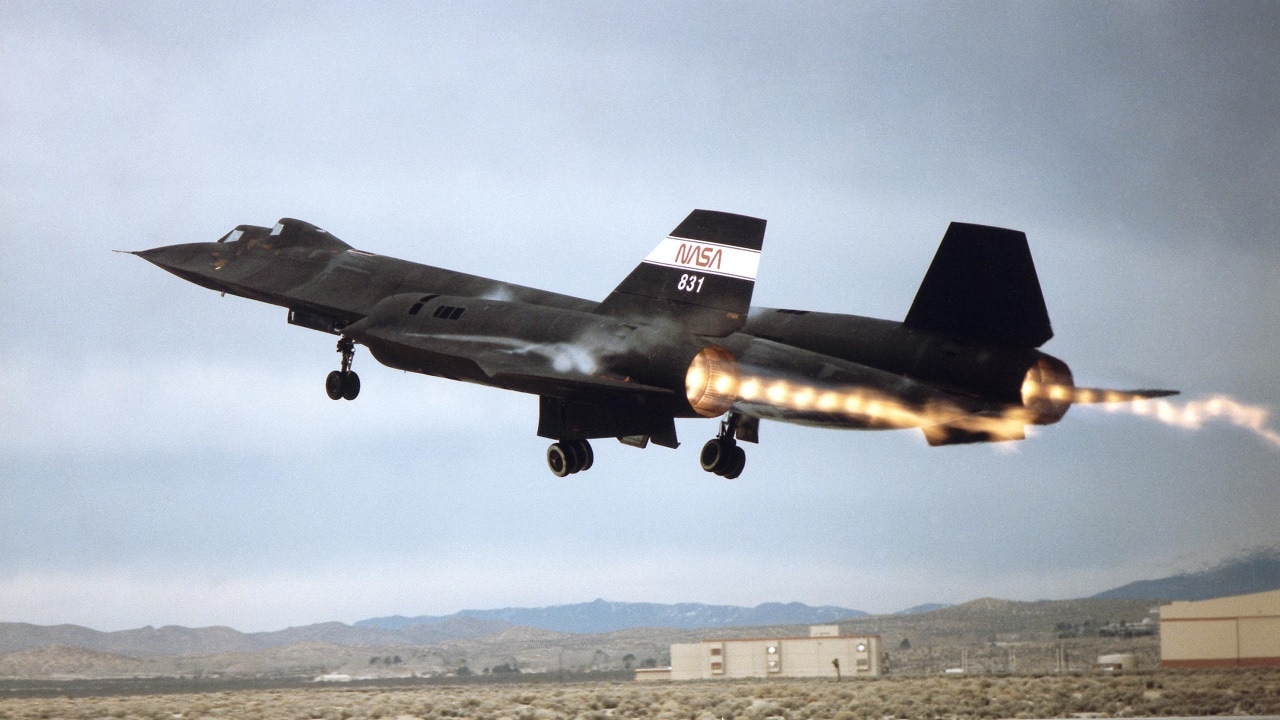
Image is of an SR-71 Spy Plane. Image Credit: Creative Commons.
That particular jet was known as “The Rapid Rabbit,” one of the few Blackbird planes in the fleet to have an individual nickname. It had that name because it sported Playboy Bunny logos on their side.
The Incident
Per AGC, the incident took place on May 15, 1972, when Major Tom Pugh (the pilot) and Major Ronnie Rice (the RSO) were flying an SR-71 on “a routine giant-scale mission,” during which they were flying Mach 3.2. During the flight, various things went wrong, from “a strange hum in the interphone system” to the successive failures of both generator systems. This caused both engines to stop and flame out.
And because the jet’s inlet spikes went full forward, the pilots knew that “approaching the limits of the supersonic flight envelope,” AGC reported. And while Pugh tried to alert Rice that it was time to eject, the intercom system had also failed.
So how did the plane remain airborne?
“Pugh held the stick gently while struggling to control the jet without causing further pilot-induced oscillations, while also trying to reach the [all-important] standby electrical switch on his right-hand panel,” the Aviation Geek Club story said. “To get that critical switch, he had to move his left hand off the throttles and onto the control stick to free his right hand to restore some of the electrical power to the airplane.”
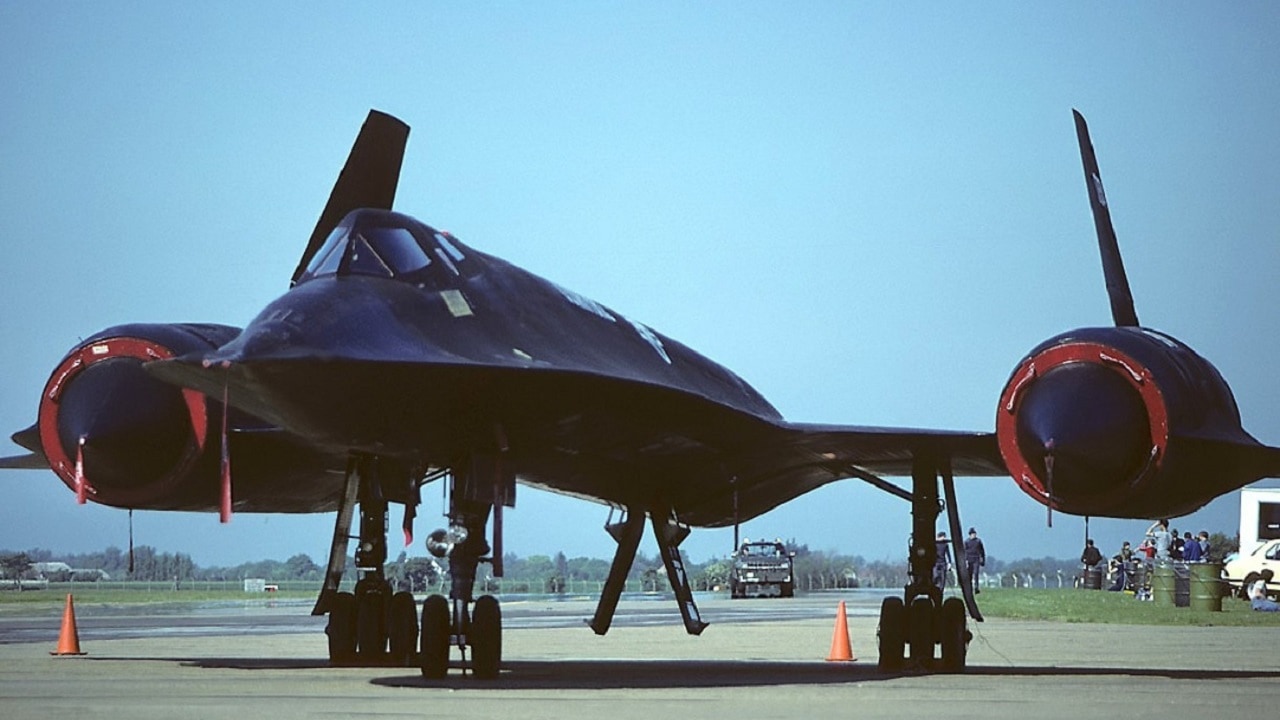
Image of SR-71 Spy Plane. Image Credit: Creative Commons.
The jet successfully slowed to Mach 1.1, and the pilot’s maneuver relit both engines. As a result of the mission, both men were awarded medals. Upon his retirement, according to his 2014 obituary, Pugh joined Lockheed Martin’s Skunk Works as a staff engineer, working on the SR-71 program.
Over Hanoi for SR-71
Aviation Geek Club cited Paul F. Crickmore’s book, Lockheed Blackbird: Beyond the Secret Missions, which told this story and many others like it about Blackbird missions.
The jet, it later turned out, had overflown the North Vietnamese capital of Hanoi at 41,000 feet, but the Vietnamese and their Soviet allies missed the opportunity to fire at it. Why was that? Aviation Geek Club cited a different author, the SR-71 biographer James Goodall, who actually interviewed Pugh, the pilot, about that fateful flight.
Pugh, the author said, “was always curious why the North Vietnam air defense sector chief didn’t try to shoot him down.”
But decades later, he got an answer. It’s a second-hand story, but if true, it’s fascinating.
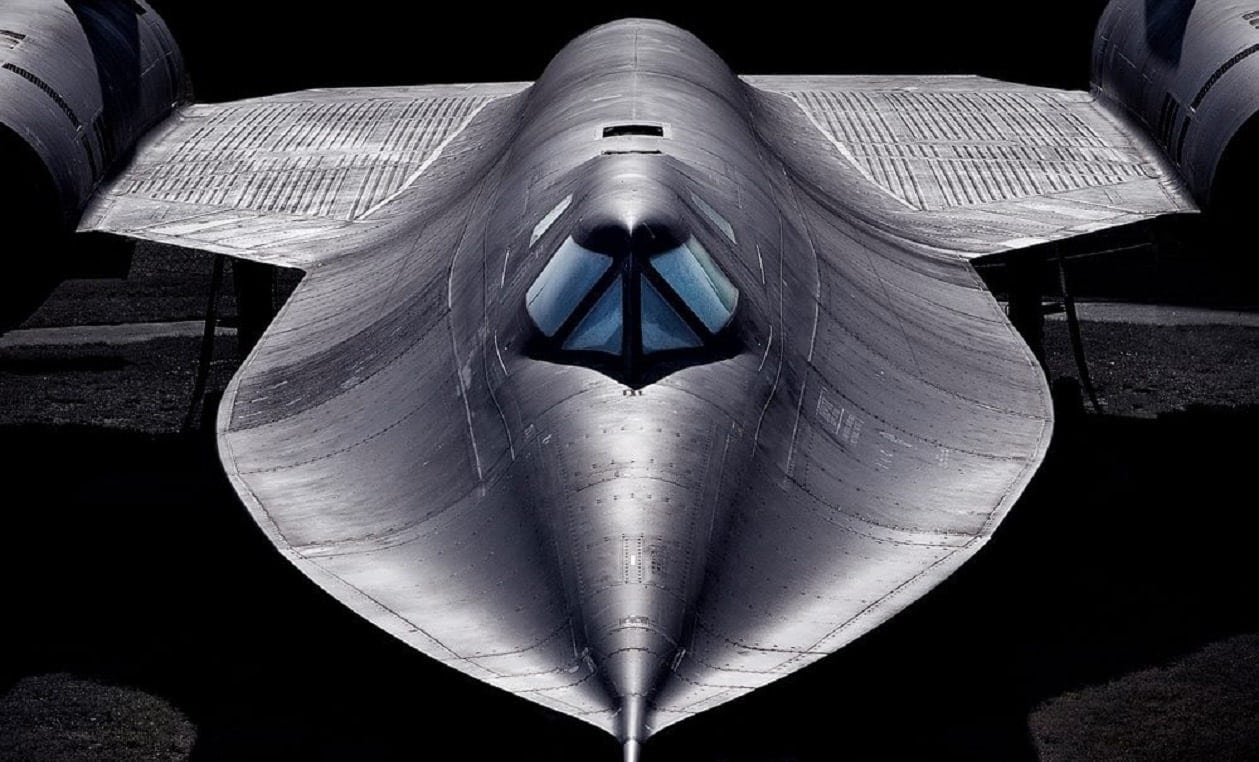
SR-71 Spy Plane. Image Credit: Creative Commons.
“Some twenty years later, Tom was in Washington DC for a formal function, and in attendance was the North Vietnam general in charge of the air defense sector of Hanoi during Tom’s time flying SR-71s out of Kadena,” Goodall wrote, as quoted by Aviation Geek Club.
Pugh got a chance to ask that general why no attempt had been made to shoot the SR-71 down.
“The General replied that he and his staff just knew this was a ploy to fire at the SR-71 that was booby-trapped and loaded with a nuclear weapon,” the account said. “And if it were hit, the nuke would detonate directly over Hanoi.”
This led to a surprised reaction and newfound respect between the onetime adversaries.
“Tom busted out laughing and told the General he was in a broken SR-71, was lost, as all his electronics were offline, and was flying with a ‘Pep Boys’ styled compass, and at the time, had no idea where he was,” the account said.
The pilot and general adjourning followed the discussion to enjoy a drink together.
That particular SR-71 may have survived a harrowing ordeal in combat, but it met its end just two months later while attempting to land at Kadena Air Force Base in Japan.
Nukes in Vietnam?
That Vietnamese general, of course, was wrong, as that SR-71 was not “booby-trapped” with nuclear weapons. And the U.S., of course, did not use nuclear weapons at any point during its long involvement in the Vietnam War.
However, a 2018 report by War on the Rocks examined exactly how close the U.S. came to using such weapons in the war. The piece cited historian Michael Beschloss’ book, “Presidents of War.”
The piece begins with a look at the 1980s graphic novel Watchmen, which tells an alternate-history version of Vietnam in which the U.S. decisively won the war thanks to Dr. Manhattan, “a one-time nuclear physicist transformed into a supernatural being by a radiation experiment gone awry.”
The book discovered that in 1968, advisors to President Lyndon Johnson had engaged in efforts to “prepare for the use of tactical nuclear weapons in Vietnam,” under a secret program called “Fracture Jaw.” This was conducted, and documents were revealed without President Johnson’s knowledge.
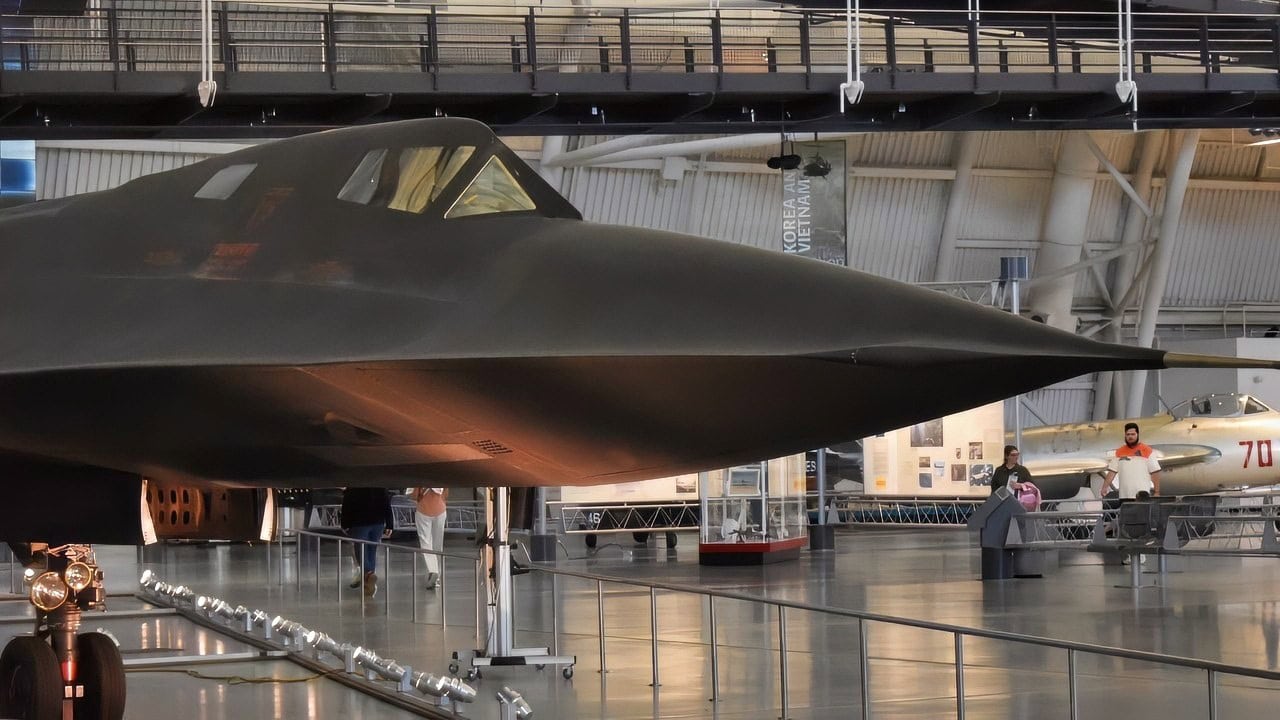
SR-71 Blackbird Photo by Dr. Brent Eastwood of 19FortyFive.

SR-71 Blackbird Photo from Dr. Brent Eastwood at the Smithsonian. 19FortyFive.com Original Image.
Johnson, however, “shut down the military’s 1968 contingency planning for the employment of tactical nuclear weapons in the Vietnam War,” the report said. This had been known previously, although the 2018 reporting indicated that the planning had progressed further than had been known.
“Throughout 1966 and 1967, Joint Chiefs of Staff Chairman Earle Wheeler and Gen. William Westmoreland, commander of U.S. forces in Vietnam, lobbied the White House for a more aggressive aerial bombing strategy that envisioned potentially using these weapons against North Vietnamese military positions, supply lines, and support infrastructure,” the War on the Rocks report said.
War on the Rocks positions President Johnson’s refusal to consider such deployment as a successful example of the longstanding “Nuclear Taboo” holding.
About the Author: Stephen Silver
Stephen Silver is an award-winning journalist, essayist, and film critic, and contributor to the Philadelphia Inquirer, the Jewish Telegraphic Agency, Broad Street Review, and Splice Today. The co-founder of the Philadelphia Film Critics Circle, Stephen lives in suburban Philadelphia with his wife and two sons. For over a decade, Stephen has authored thousands of articles that focus on politics, national security, technology, and the economy. Follow him on X (formerly Twitter) at @StephenSilver, and subscribe to his Substack newsletter.