
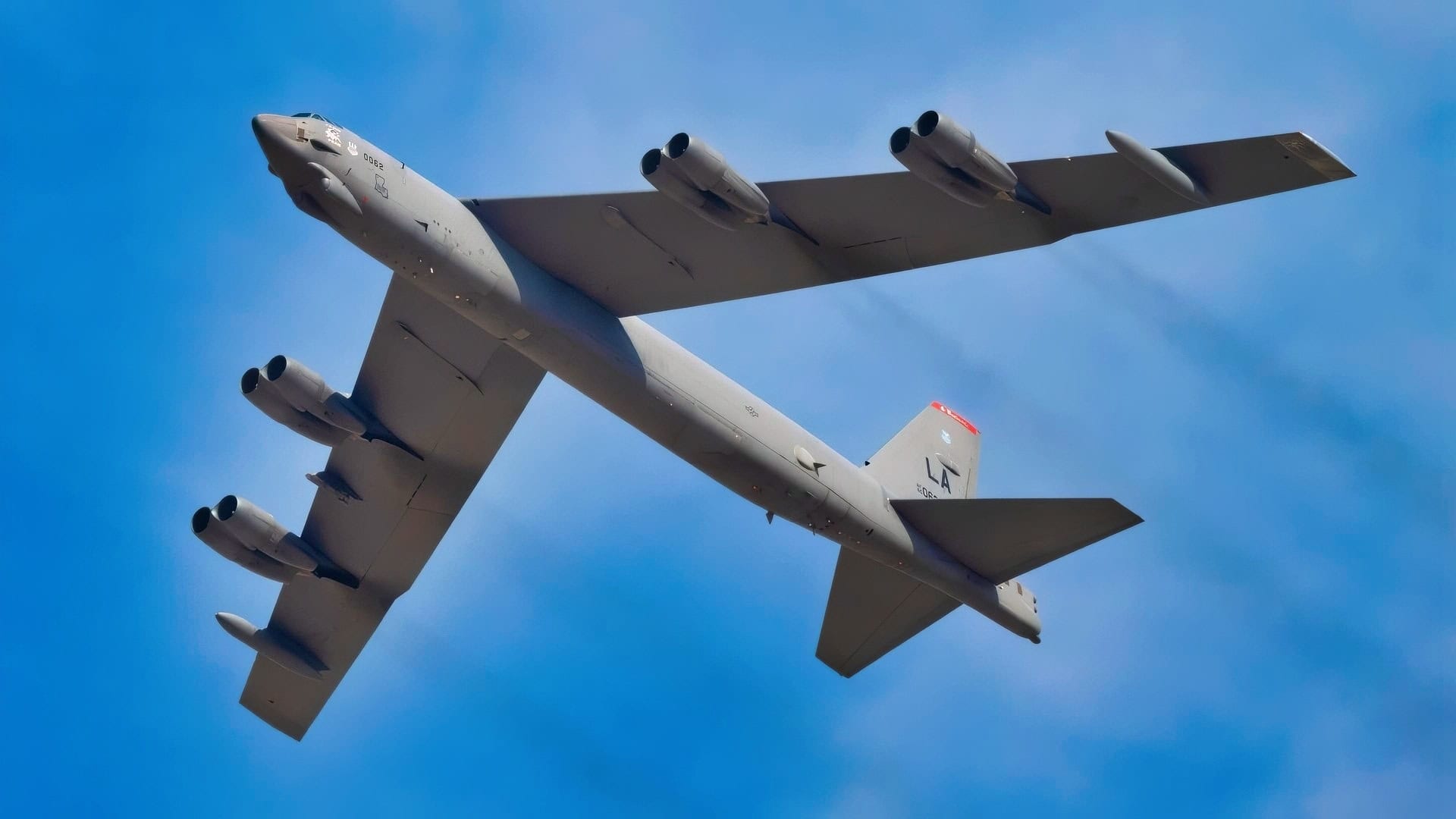
Operation Epic Fury Was Worth It: Despite the online furor, there was never much doubt that Iran would in some way meet the 8 pm deadline set by U.S. President Donald Trump – or that Washington would find a way to make them meet it. The tense hours before a “deal” was struck briefly satisfied the fantasies of ideologues who would rather see the president fail, but by the evening, Iran was declaring victory, and so was the White House. Trump supporters interpreted the ceasefire as a win, with White House Press Secretary Karoline Leavitt describing it as a “victory for the United States that President Trump and our incredible military made happen.”
But is the claim true?
Well, no.
At least, not yet.
Unlike Democrats like Senator Chris Murphy, who called this a “history-changing win for Iran,” I don’t see the ceasefire as anything other than the next phase of war. The conflict continues in the sense that negotiations are still underway and missiles are still being exchanged between the Iranians and Israelis, despite the ceasefire. Chances are, by the end of these next two weeks or earlier, the bombing will simply continue. But that doesn’t mean this war was for nothing. Not by a long shot.
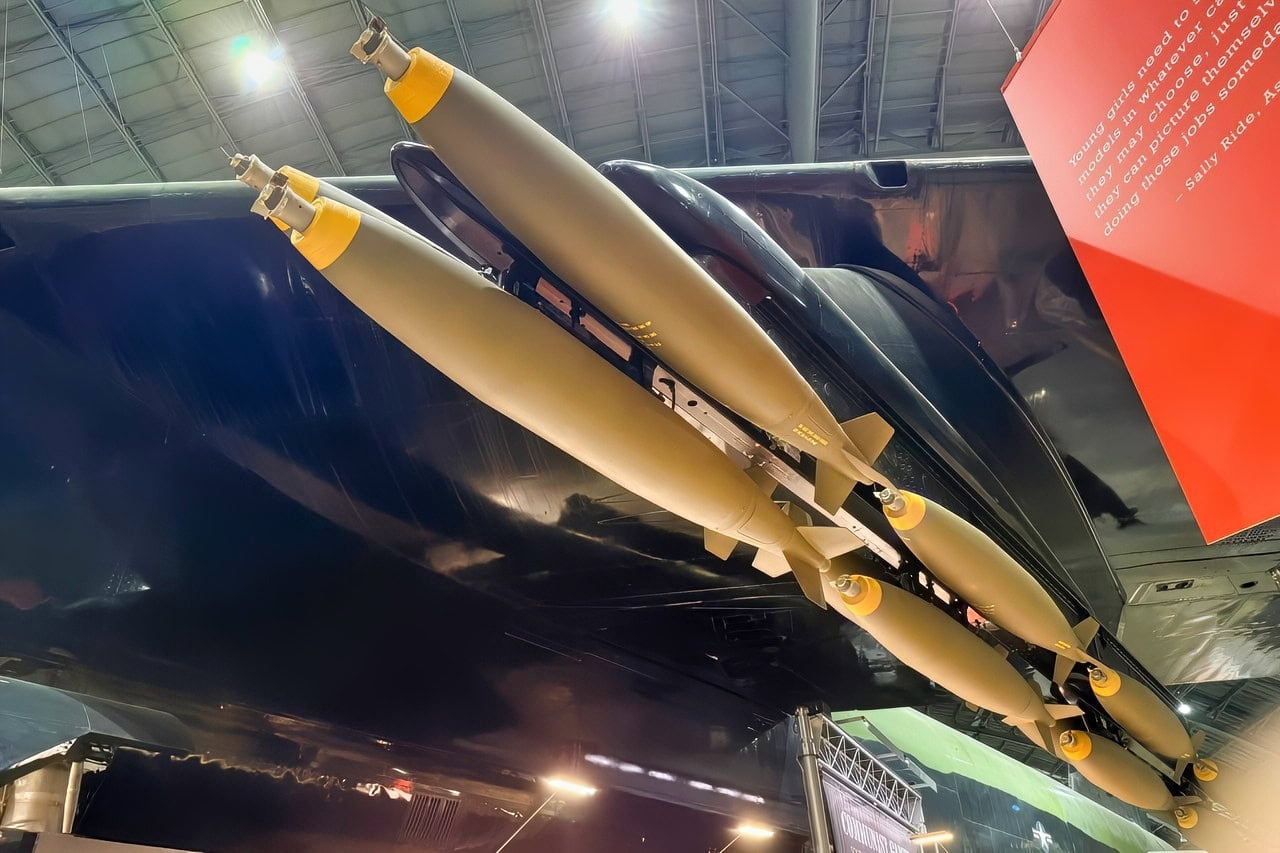
B-52 bombs. Image Credit: 19FortyFive.com Taken at the National Museum of the Air Force.
The Collective Delusion of the American Press and the Iranian Regime
What we actually got last night was not a finalized agreement. Iran certainly made it appear that way, and so did much of the American press, despite the president explicitly stating that Iran’s 10-point proposal was only a “workable basis on which to negotiate.”
Incredibly, the current terms were more accurately described in a single Al Jazeera report than by some of America’s top pundits. There is a critical distinction to be made here: the next part of this process is negotiation, not the implementation of a deal.
Under more conventional circumstances, a framework like this would be slowly whittled down and refined into something more workable and closer to the demands made by the United States. But Iran is not a normal negotiating partner by any stretch.
In the hours leading up to the deadline, reports indicated that Iranian officials – through intermediaries – expressed confidence that they could sustain or even win the war against the world’s greatest military.
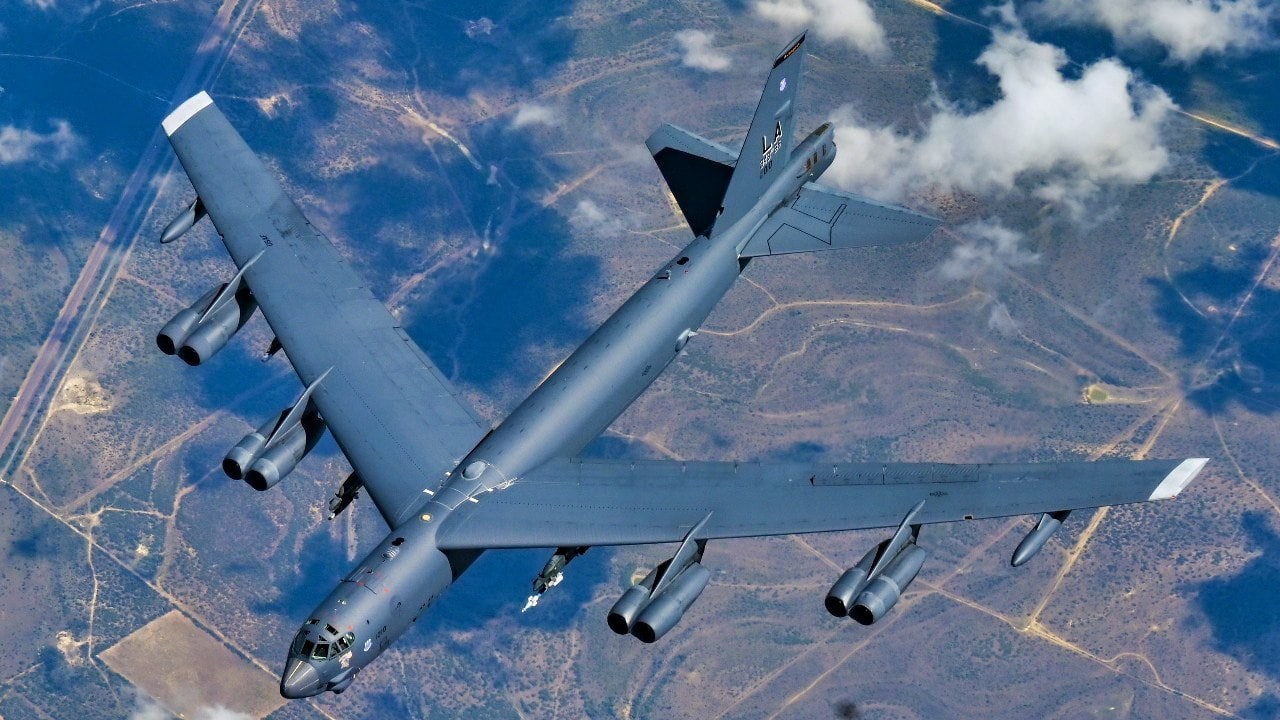
A KC-135 Stratotanker from the 465th Air Refueling Squadron assigned to Tinker Air Force Base, Oklahoma, refuels a B-52 Stratofortress from the 96th Bomb Squadron assigned to Barksdale Air Force Base, Louisiana, during a cross country mission 13 Sept 2021. The sortie enabled the B-52’s dynamic and close air support mission in support of Special Operations Attack Course qualification. (U.S. Air Force photo by 2nd Lt. Mary Begy)
Per the Wall Street Journal, Tehran told Pakistan that it believed it was winning the war and had “retained 15,000 missiles and 45,0000 drones in its arsenal.” It’s hard to say whether those claims are true, but it almost doesn’t matter; it was difficult to take any claims made by the Iranians seriously before Ayatollah Khomeini was killed, and it’s even harder to take them seriously now.
What’s left of the regime in Tehran doesn’t really believe it can defeat the United States militarily. It believes it can prolong the conflict, raise the costs, force concessions, and maybe – just maybe – hold onto power. And critically, Iran also understands that the United States is deliberately limiting the scale of its strikes to minimize civilian casualties. The regime knows that Western powers want Trump to exercise constraint, too, because those leaders tell the world media so virtually every day. That’s precisely why the regime ordered civilians to form human chains around their critical infrastructure in the run-up to the 8 pm deadline.
So, yes, Iran came to the table. But it did not arrive there in a position of strength, nor did it do so with good intentions. The goal, as ever, is to drag out the conflict and hope American restraint will prevent total regime collapse.
Iran War: Was It All Worth It?
We’ve all seen the pundits’ competing assessments of what happened last night. There are plenty on both sides of the Atlantic who were always going to see failure in every eventuality. In the United States, neither the Democrats nor the far-right of the Republican Party were ever going to credit the president.
Both parties simultaneously criticized him for making threats and for showing restraint when he believed there were signs a deal could be made.
The man can’t win.
And, in the United Kingdom, it was much the same dynamic. Parts of the hard right and the hard left, both still intellectually trapped in Afghanistan and Iraq War analogies that do not cleanly apply here, argued that the president ultimately achieved nothing.
Beyond the childish “TACO”-centric analyses, the most prominent critical assessment that deserves to be challenged is the claim that the United States has returned to square one, with Iran maintaining control of the Strait of Hormuz. That argument only works if one conveniently ignores the impact of the last several weeks of devastating strikes against Iranian military infrastructure.
There has been a sustained degradation of its military resources, starting with Iran’s air force. We’ll start here, because this was arguably the least impressive part of the entire campaign.
Before the strikes, the Islamic Republic of Iran Air Force was a patchwork fleet of aging aircraft (such as the F-14 Tomcat below), including pre-revolutionary platforms obtained from overseas and a limited number of upgraded jets. That old and ineffective force has now been largely neutralized.
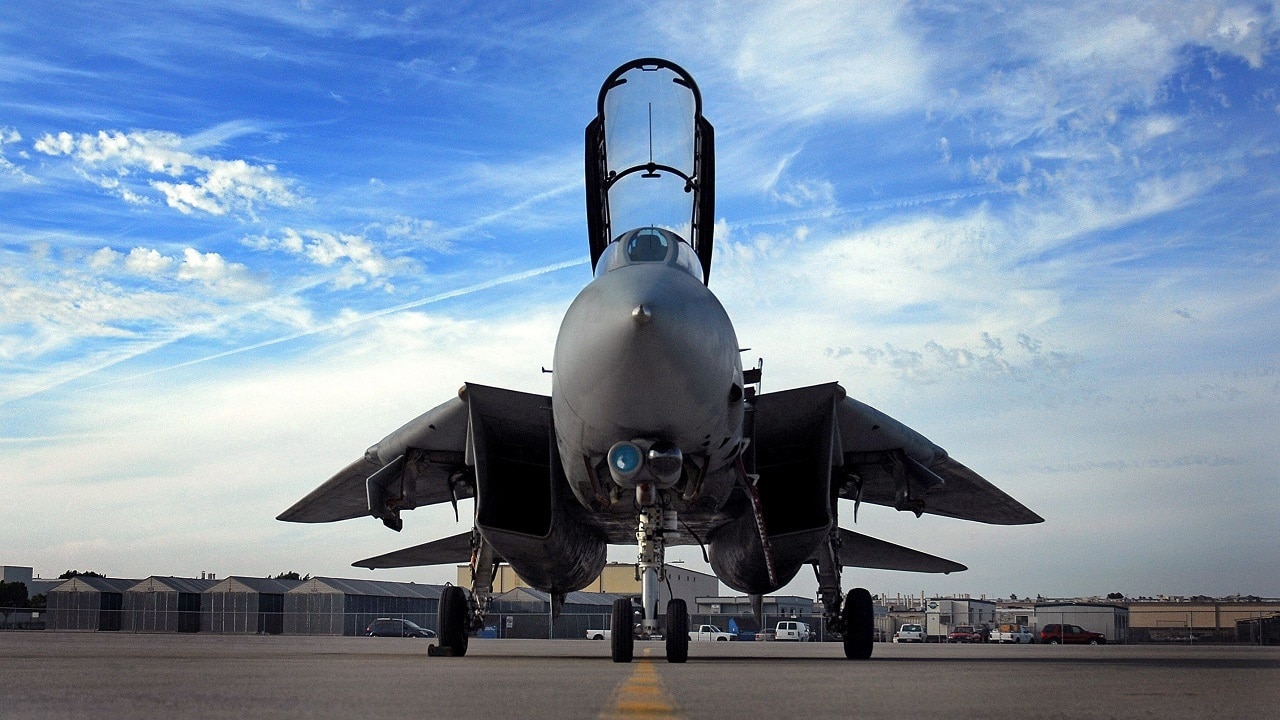
A U.S. Navy F-14D Tomcat aircraft from Fighter Squadron 31, sits on the flight line after completing its final flight at Naval Base North Island, San Diego, Calif., on Sept. 29, 2006. After 36 years of service, the Tomcat is being replaced by the F/A-18E/F Super Hornet aircraft.
Airbases were struck, and hardened shelters were destroyed. Even if a handful of aircraft remain airworthy, the supporting ecosystem that enabled them to fly has been severely disrupted. Iran has effectively lost the ability to contest its own airspace in any meaningful way.
The naval picture is similar. Iran’s asymmetric maritime strategy – built around fast attack craft and mine-laying vessels, along with coastal anti-ship missile batteries – has taken a beating. U.S. and Israeli strikes have targeted vessels and infrastructure that enable maritime operations, including logistics hubs and coastal launch sites. On April 8, Gen. Dan Caine claimed that recent strikes have destroyed over 2,000 command and control nodes, over 90% of the Iranian naval fleet, and more than 95% of its naval mines.
And then there’s the missile program. U.S. and Israeli assessments indicate that roughly 60-70 percent of Iran’s missile launchers have been destroyed or rendered inoperable, with at least 300 launchers eliminated. Additionally, missile launch rates have collapsed by 90-92 percent from initial levels. Even where missiles remain, the system that enables their use at scale has been fundamentally broken.
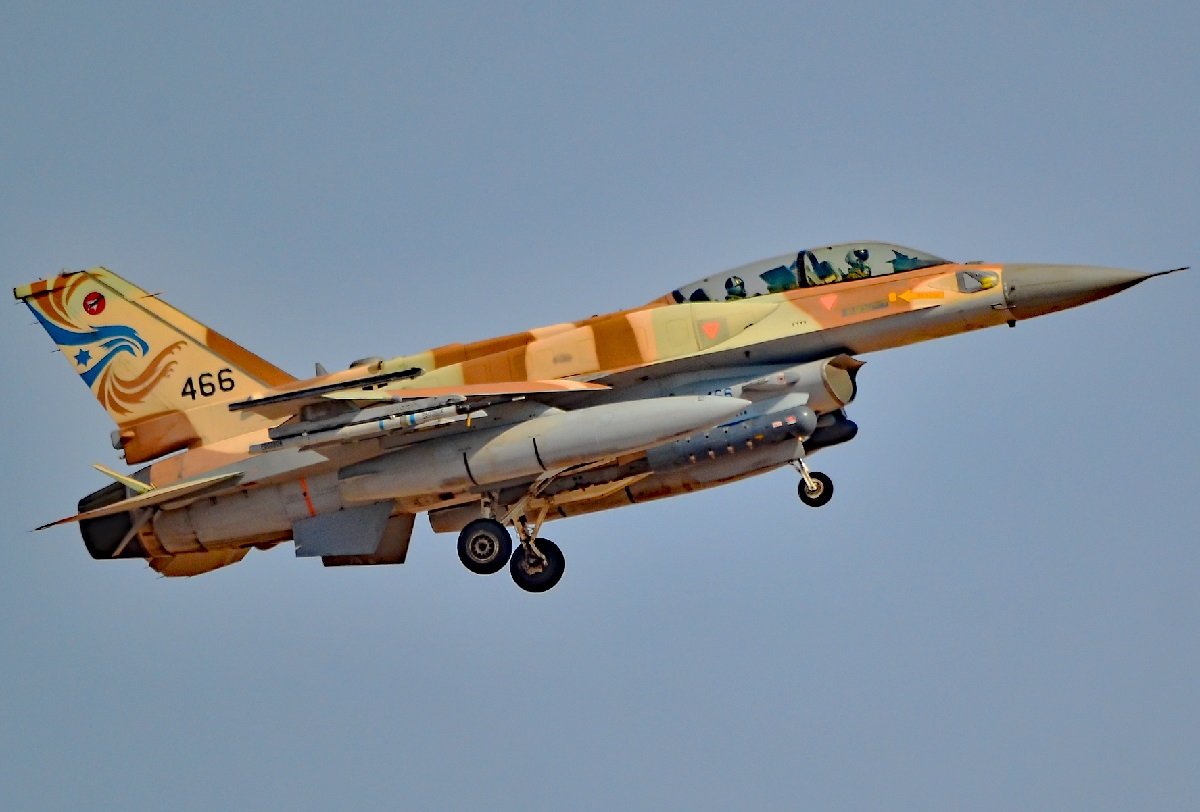
Israeli F-16. Image Credit: Creative Commons
Perhaps most importantly, though, is the damage done to Iran’s nuclear program. Critics have seized on Trump’s claim from last year that the program was “obliterated” during Operation Midnight Hammer. But the specific word used by the president, who is known for his bombastic language, matters far less than the results. Those strikes did not destroy every single component of Iran’s nuclear program, and that was never a realistic objective. It did, however, cause an enormous amount of damage. In July 2025, the Pentagon assessed that the program had been set back by up to two years.
Rebuilding enrichment, conversion, storage, and research facilities will take time and resources, and, critically, freedom from continued military pressure. And, Trump has already indicated that any finalized deal would involve the removal or control of nuclear material to prevent rapid reconstitution.
Compare that to what we had before Trump: the Joint Comprehensive Plan of Action, a deal that was soon to expire, provided Iran with significant financial relief – including billions of dollars in frozen assets – while the regime continued activities that pushed the boundaries of the agreement.
So, was it worth it? If the objective was to eliminate Iran as a threat overnight, then no. But that was never on the table. The objective was to degrade Iranian military capability, disrupt its ability to project power, and force it into negotiations from a much weaker position than before; however, the answer is clearly yes.
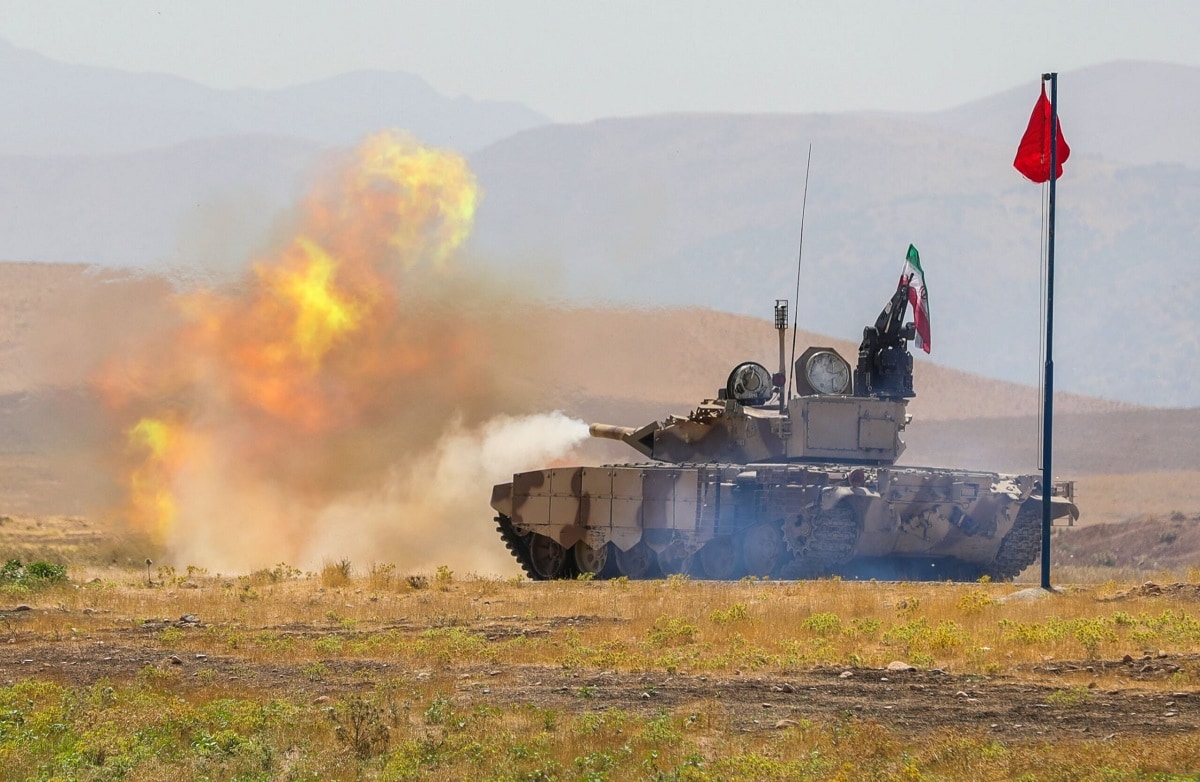
Iran Army tank. Image Credit. Creative Commons
Iran’s air force is gone, its naval operations constrained, its missile infrastructure under sustained pressure, and its nuclear program set back further and in very tangible ways. Just as importantly, its regional position has deteriorated. Gulf states that were already wary of Tehran now have even greater incentives to align with the U.S. and Israel, and have even considered joining the campaign against it.
Regieme Change Is Still Possible in Iran
And consider this: regime change is still not off the table. Senior commanders and officials have been killed in decapitation strikes, and the regime’s leadership structure is strained, with Supreme Leader Mojtaba Khamenei reportedly unconscious and receiving medical treatment.
The situation is so bad that it’s not even clear who exactly is negotiating on Tehran’s behalf. Meanwhile, Reza Pahlavi has openly called on Iran’s military to refuse orders and stand with the Iranian people.
While there’s no telling what happens next, the regime has never been as close to collapse as it is right now.
About the Author: Jack Buckby
Jack Buckby is a British researcher and analyst specializing in defense and national security, based in New York. His work focuses on military capability, procurement, and strategic competition, producing and editing analysis for policy and defense audiences. He brings extensive editorial experience, with a career output spanning over 1,000 articles at 19FortyFive and National Security Journal, and has previously authored books and papers on extremism and deradicalization.