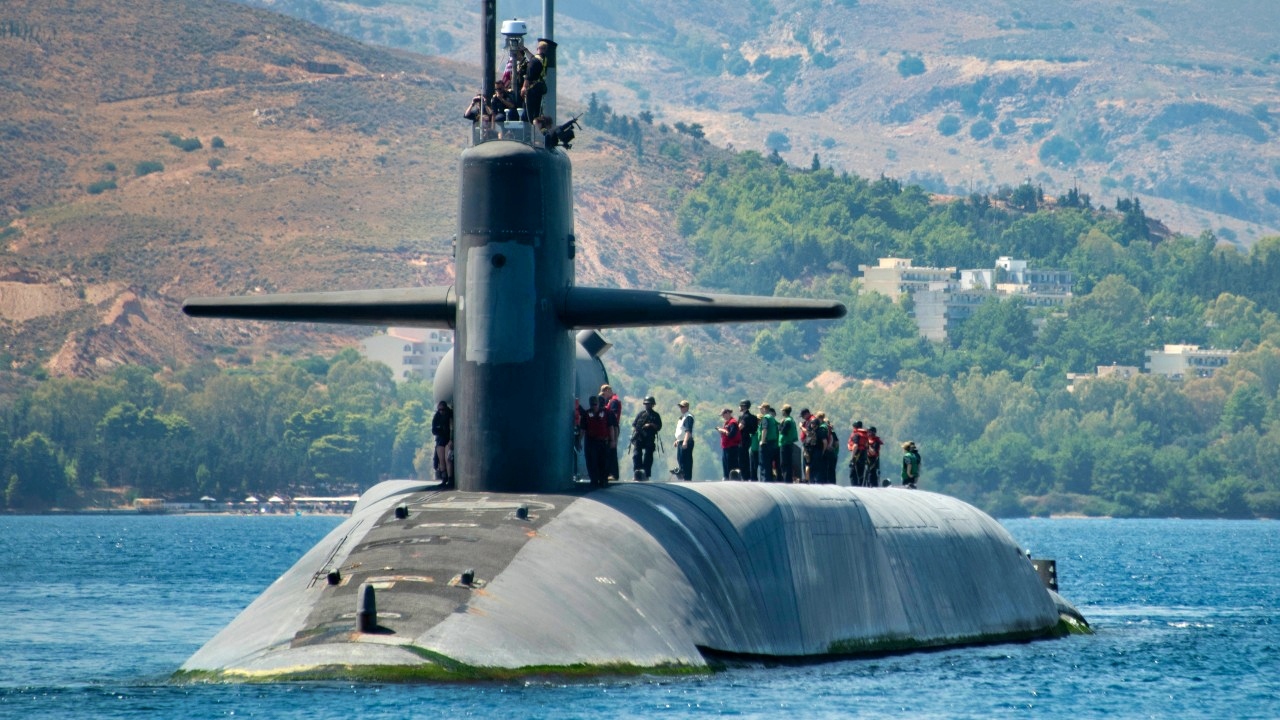
The Pentagon wants to buy more Tomahawk missiles — lots more of them. With hundreds of missiles fired at targets in Iran, stockpiles of missiles are at a historic low. But according to the Department of Defense’s Fiscal Year 2027 budget request, the United States Navy wants 1,200 percent more Tomahawks.
Tomahawk missiles can be fired from U.S. Navy surface ships as well as submarines, and have been a mainstay of American military operations since they made their combat debut against Iraqi forces in 1991.
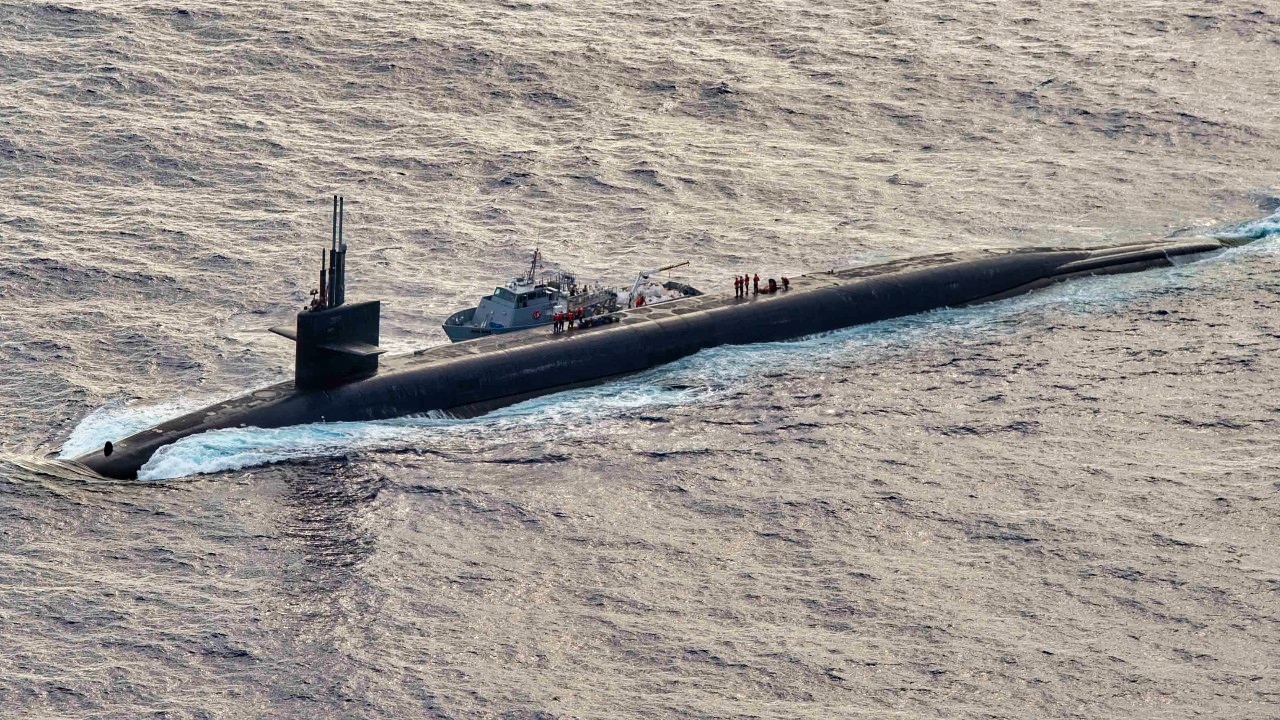
The Ohio-class ballistic missile submarine USS Kentucky (SSBN 737) sails alongside a submarine support vessel during a routine armed air escort (AAE) exercise, April 24, 2025. AAEs are designed to improve interoperability between our services, increasing lethalitythrough multi-domain integration.. Commander, Submarine Group (SUBGRU) 9, exercises administrative control authority for assigned submarine commands and units in the Pacific Northwest providing oversight for shipboard training, personnel, supply and material readiness of submarines and their crews. SUBGRU-9 is also responsible for nuclear submarines undergoing conversion or overhaul at Puget Sound Naval Shipyard in Bremerton, Washington. (U.S. Navy photo by Mass Communication Specialist 1st Class Ryan Riley)
Tomahawks are prized for their precision and operational flexibility.
But they are exquisite munitions, and manufacturing them is slow, and only a couple of hundred Tomahawks are thought to be manufactured each year.
Show Me the Missile Money
In the budget request, the Navy is asking to earmark $3 billion for Tomahawk missiles, part of the record-breaking $1.5 trillion budget request for next year. As a point of comparison, last year’s Tomahawk order totaled $257 million for a grand total of 58 missiles.
The Navy’s $3 billion request would cover the purchase of 785 Tomahawk missiles.
In reporting late last month, The Washington Post detailed the Pentagon’s Tomahawk cruise missile expenditure during the course of Operation Epic Fury. The numbers painted a stark picture. More than 850 missiles were fired at targets within Iran, more than were fired during the 1991 Gulf War or Operation Iraqi Freedom in 2003.
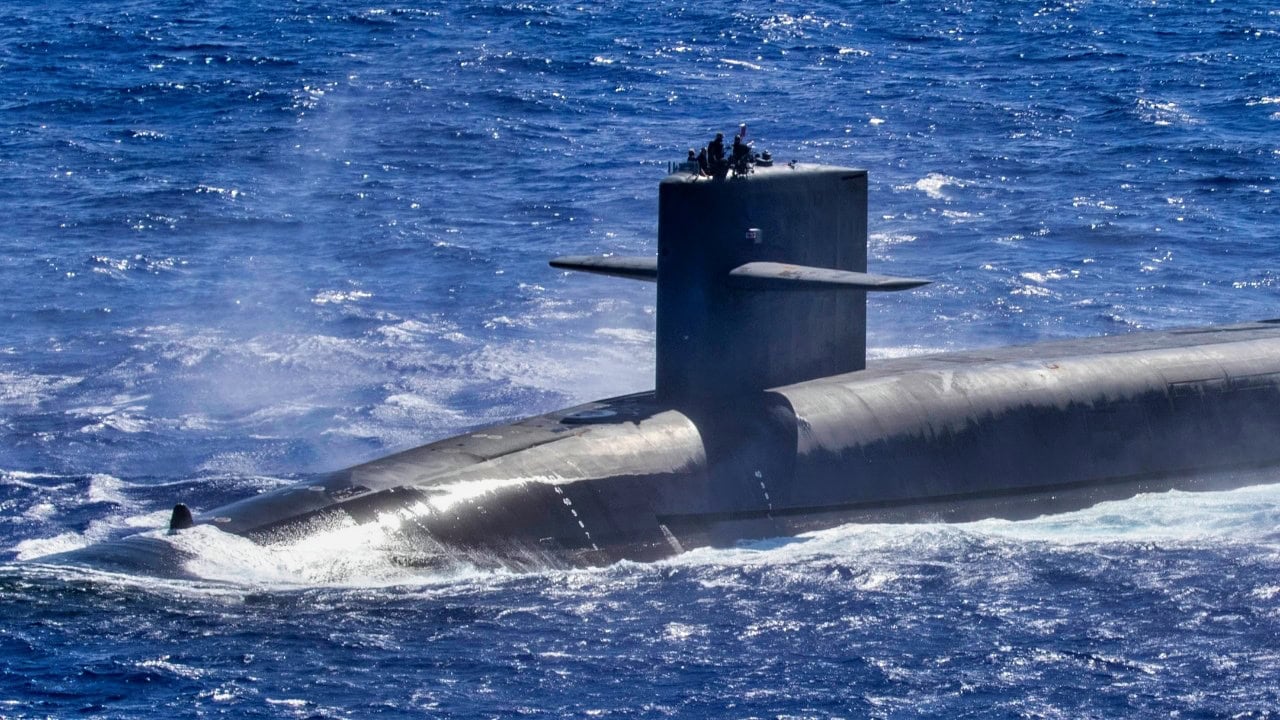
PACIFIC OCEAN (June 28, 2024) – An AS-332 Super Puma assigned to the Lewis and Clark-class dry cargo ship USNS Cesar Chavez (T-AKE 14) delivers supplies to the Ohio-class ballistic missile submarine USS Louisiana (SSBN 743) during a vertical replenishment at sea, June 28, 2024. The presence of the SSBN in the Pacific demonstrates the flexibility, survivability, readiness, and capability of the U.S. Navy submarine forces and complements the many exercises, training, operations, and other military cooperation activities conducted by Strategic Forces to ensure they are available and ready to operate around the globe at any time. Homeported in Bangor, Washington and currently assigned to Submarine Squadron 17, Louisiana is an undetectable launch platform for submarine-launched ballistic missiles, providing the United States with its most survivable leg of the nuclear triad. (U.S. Navy Photo by Mass Communication Specialist Seaman Andrew McPeek)
An analysis by the Center for Strategic and International Studies, a defense and security think tank based in Washington, estimated that the United States’ stockpile of Tomahawk missiles was in the “low-3,000s.”
“While sufficient munitions exist to wage this war, high expenditure of Tomahawks and other missiles in Operation Epic Fury creates risks for the United States in other theaters,” CSIS said, “particularly the Western Pacific.”
Rebuilding Tomahawk Stockpiles: not Months but Years
Speaking to Military Times, Mark Cancian of CSIS said replacing the Tomahawks fired during Operation Epic Fury won’t happen overnight.
The Department of Defense has been talking with [defense contractors] for several years to get production rates up.
It began in the Biden administration. It’s continued in the Trump administration,” Cancian explained. “Hegseth has been going on this Arsenal of Freedom tour, plant to plant, to talk to workers and management about speeding up production. Bottom line, I think currently, to replace the 850 to 1,000 that we’ve expended, you’re talking two or three years.”
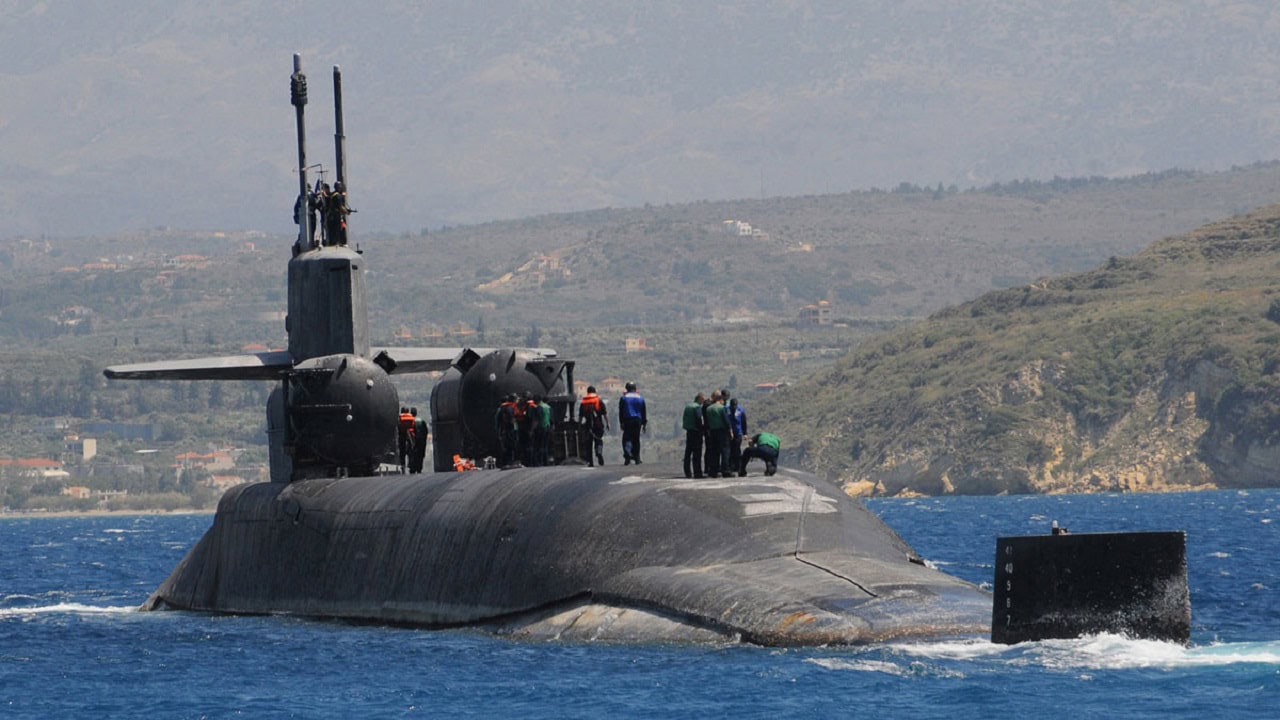
Ohio-Class SSGN. Image Credit: U.S. Navy.
The Tomahawk expenditure is already hitting allied readiness in the Indo-Pacific. According to reporting by Bloomberg, Japan’s existing order for 400 Tomahawk missiles is in jeopardy. Those missiles were to be delivered by March 2028, but Washington has informed Tokyo that the delivery target will not be met.
Boosted Missile Production
The Department of Defense secured several agreements with RTX, the defense prime that manufactures the Tomahawk cruise missile, to fast-track the production of several critical munitions, including Tomahawk missiles.
“As global demand for these precision munitions continues to grow, these up-to-seven-year agreements establish frameworks to build on the company’s previous investments to expand production,” RTX explained in a press release.
“Under the frameworks announced today, RTX will increase annual production of Tomahawks to more than 1,000, AMRAAMs to at least 1,900, and SM-6 to more than 500. RTX will also increase production of SM-3 IIA and accelerate SM-3 IB production. Many of these munitions will grow 2 to 4 times their existing production rates.”
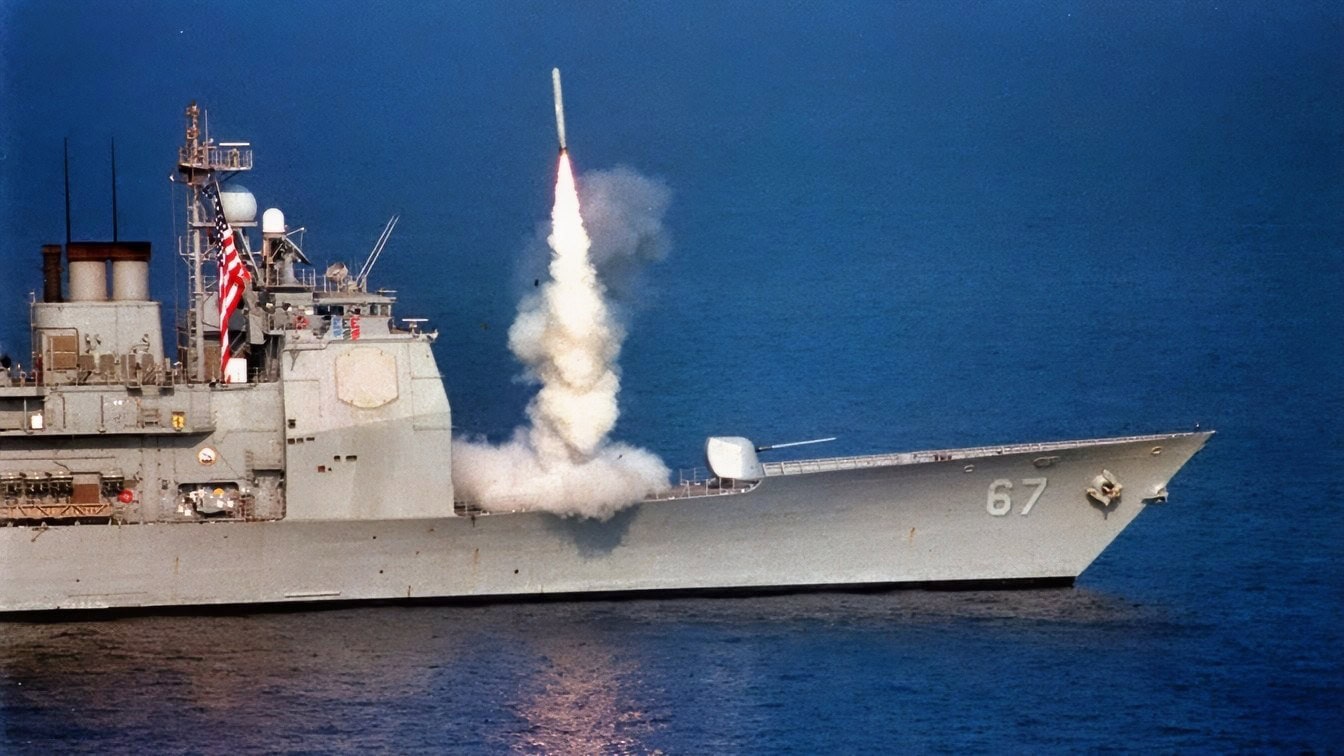
A Tomahawk cruise missile launches from the forward vertical launch system of the USS Shiloh (CG 67) to attack selected air defense targets south of the 33rd parallel in Iraq on Sept. 3, 1996, as part of Operation Desert Strike. The attacks are designed to reduce risks to the pilots who will enforce the expanded no-fly zone. President Clinton announced an expanded no-fly zone in response to an Iraqi attack against a Kurdish faction. The larger no-fly zone in Southern Iraq will make it easier for U.S. and coalition partners to contain Saddam Hussein’s aggression. The U.S. Navy Ticonderoga Class cruiser launched the missiles as it operated in the Persian Gulf.
The deal covers the production of SM-3 air defense interceptors, AMRAAM air-to-air missiles, and Tomahawks.
The Western Pacific
The Tomahawk can find targets while in flight and be controlled via satellite.
But its approximately 1,000-mile range is part of what makes the mention so potent in a conflict in the Indo-Pacific.
Cancian explained to Military Times that if China invades Taiwan, Tomahawks would allow American forces to stand far back from Chinese forces but allow them to engage PLA warships in or around Taiwan.
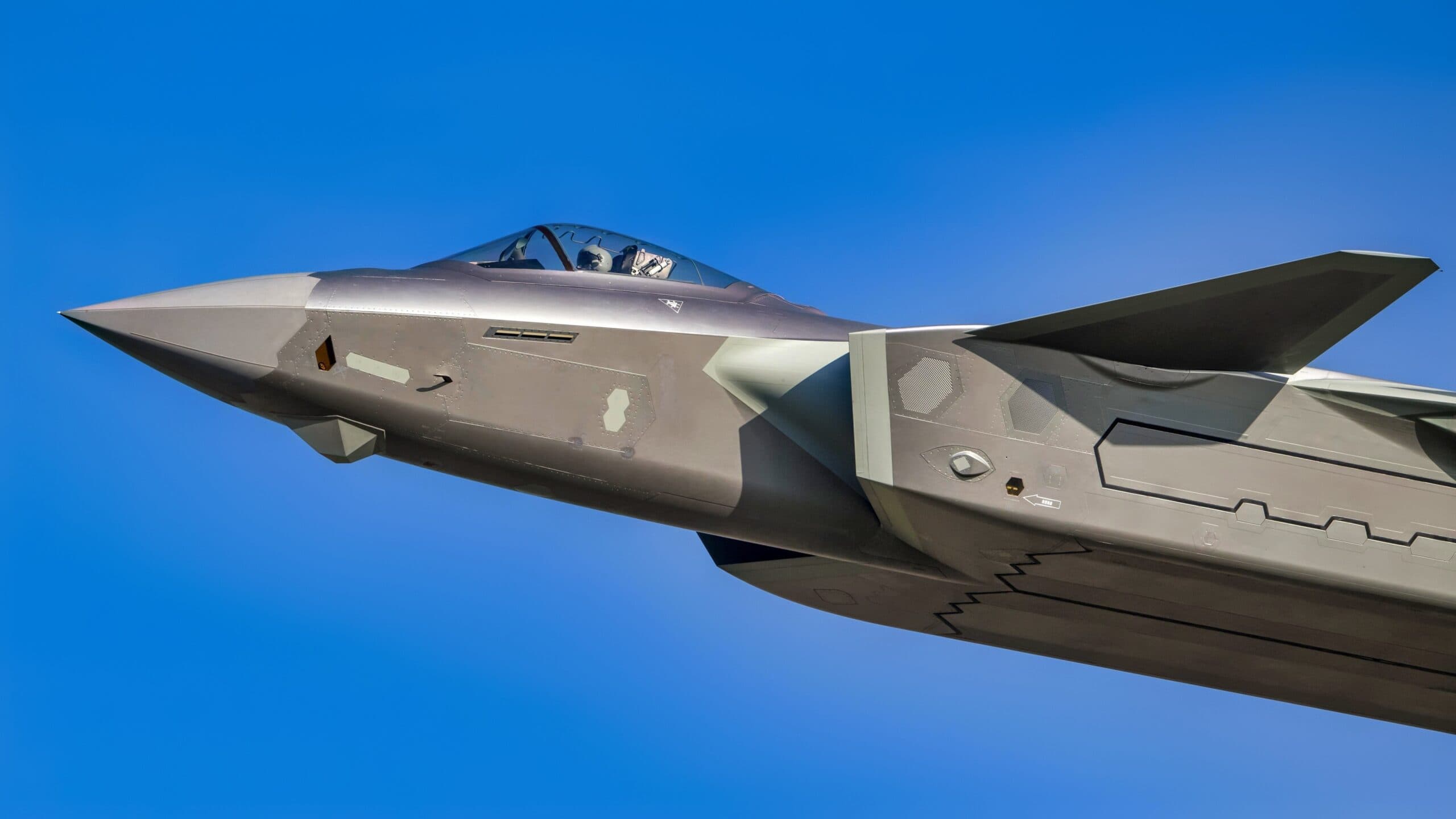
J-20 Fighter. Image Credit: Creative Commons.
As American and Israeli forces have pushed deep into Iran, overlying that regime’s skies with near-impunity, both countries have shifted toward using JDAM precision munitions instead of Tomahawk missiles.
Those munitions, in essence, are dumb free-fall weapons outfitted with precision-guidance kits, and cost significantly less than Tomahawk missiles.
They have the added benefit of being relatively inexpensive compared to Tomahawks, and JDAM stockpiles are believed to be quite large, reducing the risk of depletion in this conflict.
Into the Future: Tomahawk Missile Shortage?
Multiple independent analysts, as well as officials within the Pentagon, have repeatedly asserted that there are enough Tomahawk munitions to bring this conflict to a conclusion, an assertion widely accepted as true.
But the question remains: will there be enough Tomahawk munitions for the next conflict?
Will there be enough air defense interceptors as well?
A conflict in the Indo-Pacific would be several orders of magnitude more complex and demanding than against a country with virtually no navy and no air force to speak of — will the United States be prepared?
MORE – North Korea Murdered Two U.S. Officers With Axes Over a Tree and Almost Started World War III
MORE – Japan Built 70,000-Ton Battleships. None Survived WWII
About the Author: Caleb Larson
Caleb Larson is an American multiformat journalist based in Berlin, Germany. His work covers the intersection of conflict and society, focusing on American foreign policy and European security. He has reported from Germany, Russia, and the United States. Most recently, he covered the war in Ukraine, reporting extensively on the war’s shifting battle lines in Donbas and writing about its civilian and humanitarian toll. Previously, he worked as a Defense Reporter for POLITICO Europe. You can follow his latest work on X.