
Only 1 In 4 F-35s Can Fly All Its Missions: A New GAO Report Exposes A Readiness Crisis Money Has Not Fixed: The most expensive weapon system in American history can perform all of its assigned missions only about a quarter of the time. That is the central finding of a Government Accountability Office report published June 11, which documents an F-35 fleet whose readiness has fallen every year since 2021, even as the money spent to sustain it has climbed without pause.
The jet that anchors American and allied air power, the aircraft the Pentagon plans to buy 1,700 more of, is grounded for the full range of its missions three days out of four — and the watchdog’s report makes clear the problem is not the airplane.
It is the system built to keep the airplane flying, a sustainment enterprise that has absorbed a decade of money and hundreds of millions in contractor bonuses while the fleet grew less ready, not more.
That’s pretty sad, as we recently saw the F-35C at an airshow in Lakeland, Florida, back in April. While the fighter looked impressive (see our photos in this article), clearly, there is trouble brewing.
25 Percent: The Numbers Behind The Crisis

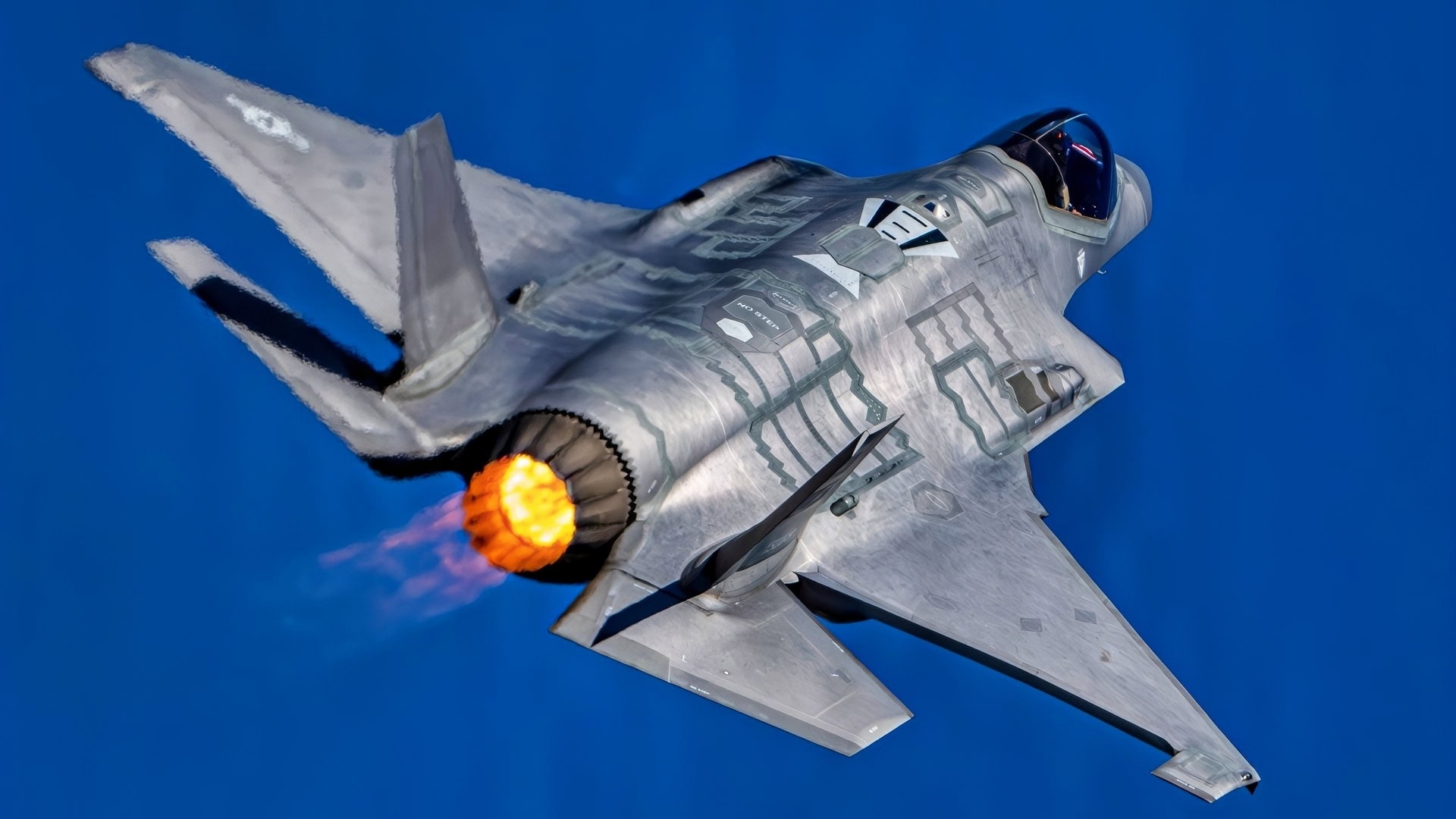
U.S Air Force Captain Kristin “BEO” Wolfe, F-35A Lightning II Demonstration Team Commander, flies during a demonstration at the Oregon International Airshow in McMinnville, Ore., Aug. 20, 2022. The F-35 Demo team travels around the United States and around the world, showcasing the world’s most technologically advanced fifth-generation fighter jet. (U.S. Air National Guard photo by Master Sgt. John Winn)
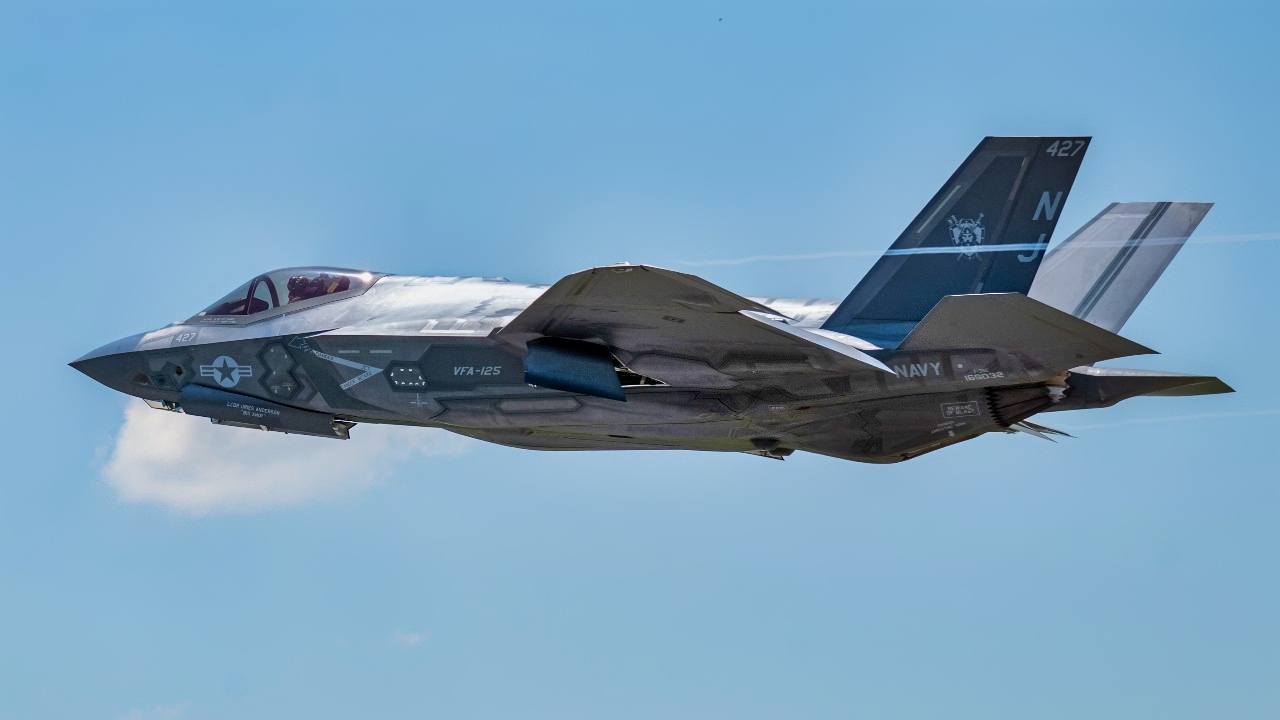
U.S. Navy Lt. Dave Hinkle, F-35C Lightning II Demonstration Pilot, performs during the 2021 Atlanta Air Show, Atlanta Regional Airport-Falcon Field, Ga., May 23, 2021. The U.S. Navy and Marine Corps’ carrier variant has larger wings and more robust landing gear than the other F-35 variants, making it suitable for catapult launches and fly-in arrestments aboard naval aircraft carriers. (U.S. Air Force photo by Staff Sergeant Thomas Barley)
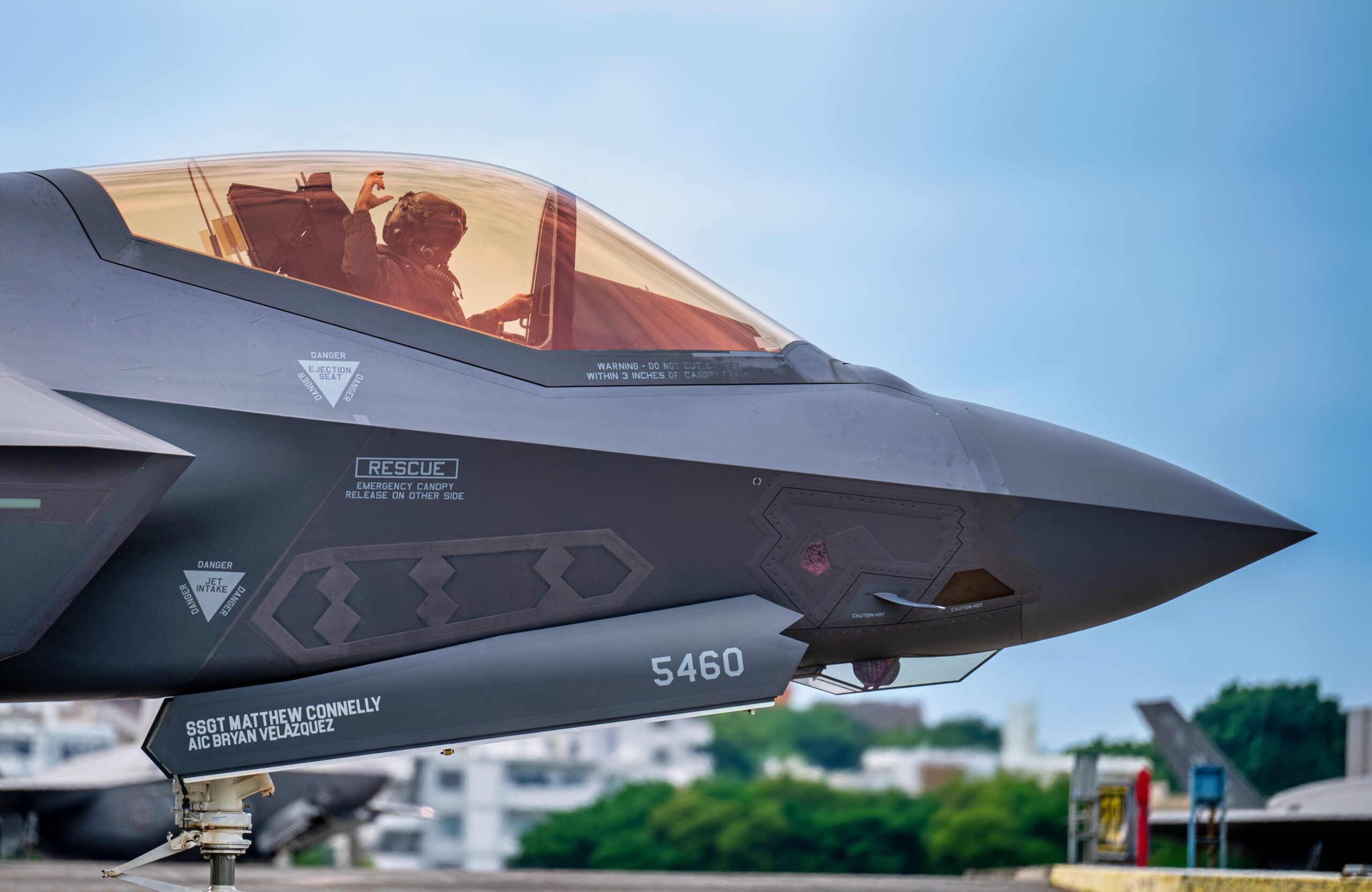
A U.S. Air Force F-35A Lightning II pilot assigned to the 355th Expeditionary Fighter Squadron taxis on the flightline at Marine Corps Air Station Futenma, Japan, during a routine 18th Wing readiness exercise at Kadena Air Base, Japan, May 6, 2025. The U.S. Air Force continues to work on its ability to meet new challenges in dynamic environments. In line with this direction, U.S. Pacific Air Forces is constantly evaluating and validating new warfighting concepts. (U.S. Air Force photo by Senior Airman Catherine Daniel)
The headline figures are stark, and they all point in the same direction.
The F-35’s full mission capable rate — the share of time a jet can perform every one of its assigned missions — fell from 38.1 percent in fiscal 2021 to 24.6 percent in fiscal 2025, meaning roughly one aircraft in four is ready for the full slate of tasks it was built for. The broader mission capable rate, which counts a jet as available if it can perform even a single assigned mission, fell from 66.8 percent to 44.1 percent over the same period. Both numbers sit far below the targets set by the Air Force, Navy, and Marine Corps, and both have steadily declined over four years.
The decline is the part that should alarm. Improving F-35 readiness has been a stated Pentagon priority for years; the program is the most scrutinized in the department, and the trend has nonetheless been downward the entire time.
The GAO put it plainly: the F-35 has not met its performance goals, and performance has continued to trend down. A fleet that is becoming less capable while costing more is the opposite of what a decade of sustained attention was supposed to produce.
$13.7 Billion More, and “Multiple Risks” It Will Not Work
The Pentagon’s response is to spend more, and the GAO is openly skeptical that it will be enough.
The F-35 Joint Program Office launched an effort called the Global Support Solution Reset in June 2025, aiming to reach an 80 percent mission capable rate and a 65 percent full mission capable rate by 2030, and the services are being asked to find an additional $13.7 billion through fiscal 2031 to fund it — roughly $8 billion from the Air Force, $3.2 billion from the Navy, and $2.6 billion from the Marines.
Only about $2.2 billion of that total goes to the reset itself; the other $11.5 billion covers the gap between what the services had budgeted for sustainment and what the program actually costs.
The watchdog found multiple risks that could keep the reset from working, and the central one is the supply. The plan depends on the private sector delivering more than $7 billion in additional parts and materials, and capacity constraints persist for key components — the same parts shortages that helped drive readiness down in the first place.
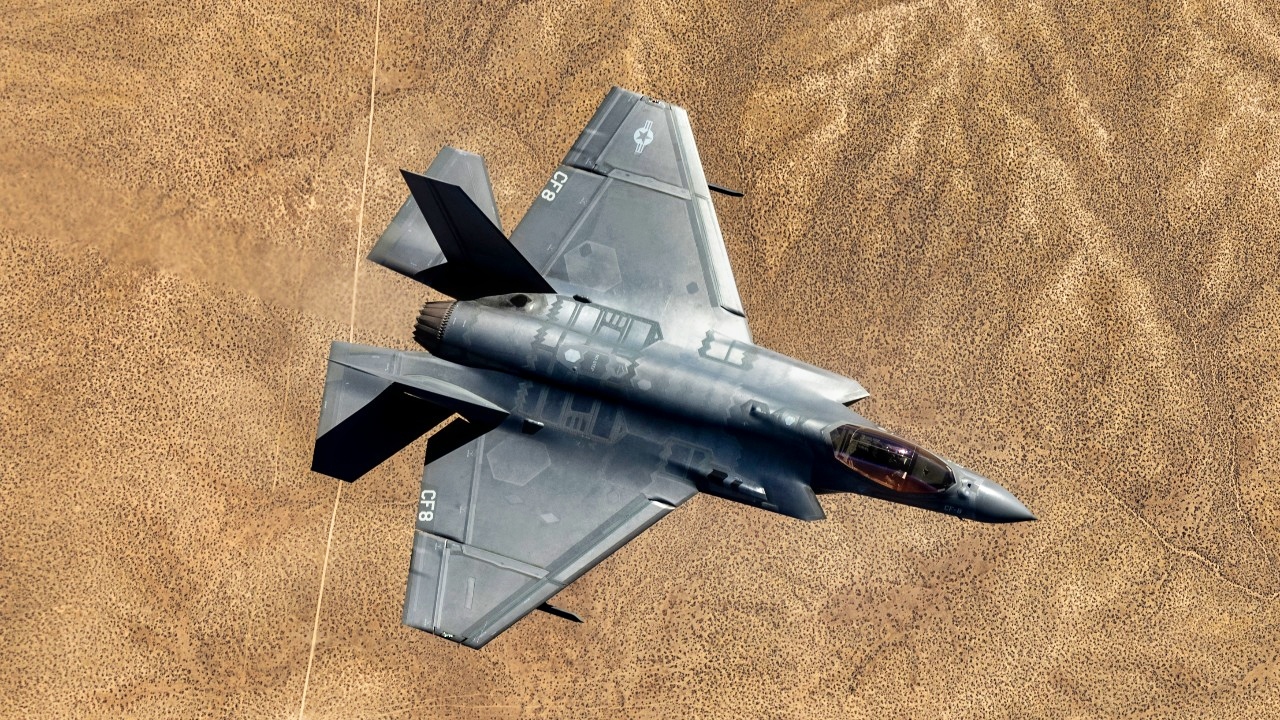
Maj. Nicholas Helmer conducts a mission over the Mojave Desert on October 8, 2024. The F-35C aircraft is assigned to the 461st Flight Test Squadron, F-35 Integrated Test Force at Edwards Air Force Base, California. The aircraft’s dual markings of United States Navy Air Test and Evaluation Squadron Nine (VX-9) and 461st FLTS represents the joint mission of the Integrated Test Force. The F-35 ITF includes people and aircraft from the United States Air Force, United States Navy, United States Marine Corps, foreign partners, Air Force Reserve Command 370th FLTS, and the Air Force Operational Test and Evaluation Center’s 31st TES. (Courtesy Photo, Lockheed Martin Edwards Team)
Program officials told the GAO that readiness will likely worsen before it improves, with improvements possibly not materializing until late 2026 or later. The Pentagon is committing nearly $14 billion to a recovery its own managers say will deepen before it turns.
The Military Incentive Problem: Paid To Improve, Paid Anyway When It Did Not
The sharpest finding in the report concerns how the government paid its contractor, and it reads as a study in misaligned incentives.
From 2020 through 2023, the program office paid Lockheed Martin more than $114 million of roughly $269 million in available incentive fees meant to improve full mission capable rates and parts supply — even as those metrics generally stagnated or worsened. The fees were tied to readiness thresholds, which is what makes the payments hard to defend: readiness did not improve, and the bonuses for improving it were paid regardless.
The mechanism by which that happened is worse than simple leniency. In 19 of 39 performance periods, the GAO found that the Joint Program Office and Lockheed adjusted the recorded full mission capable rate upward, citing factors outside the company’s control, such as service-caused delays, and that the adjusted rate qualified the contractor for higher payments.
Had the fees been calculated on the raw rates alone, the GAO estimated, Lockheed would have earned roughly half as much. The government set up a system to pay its contractor for results, but the results did not come, and the recorded numbers were revised until the payments could be justified anyway.
The GAO is now recommending the Pentagon redesign the incentive structure to include penalties for underperformance — an implicit acknowledgment that paying only for promised success, with no cost for failure, produced neither.
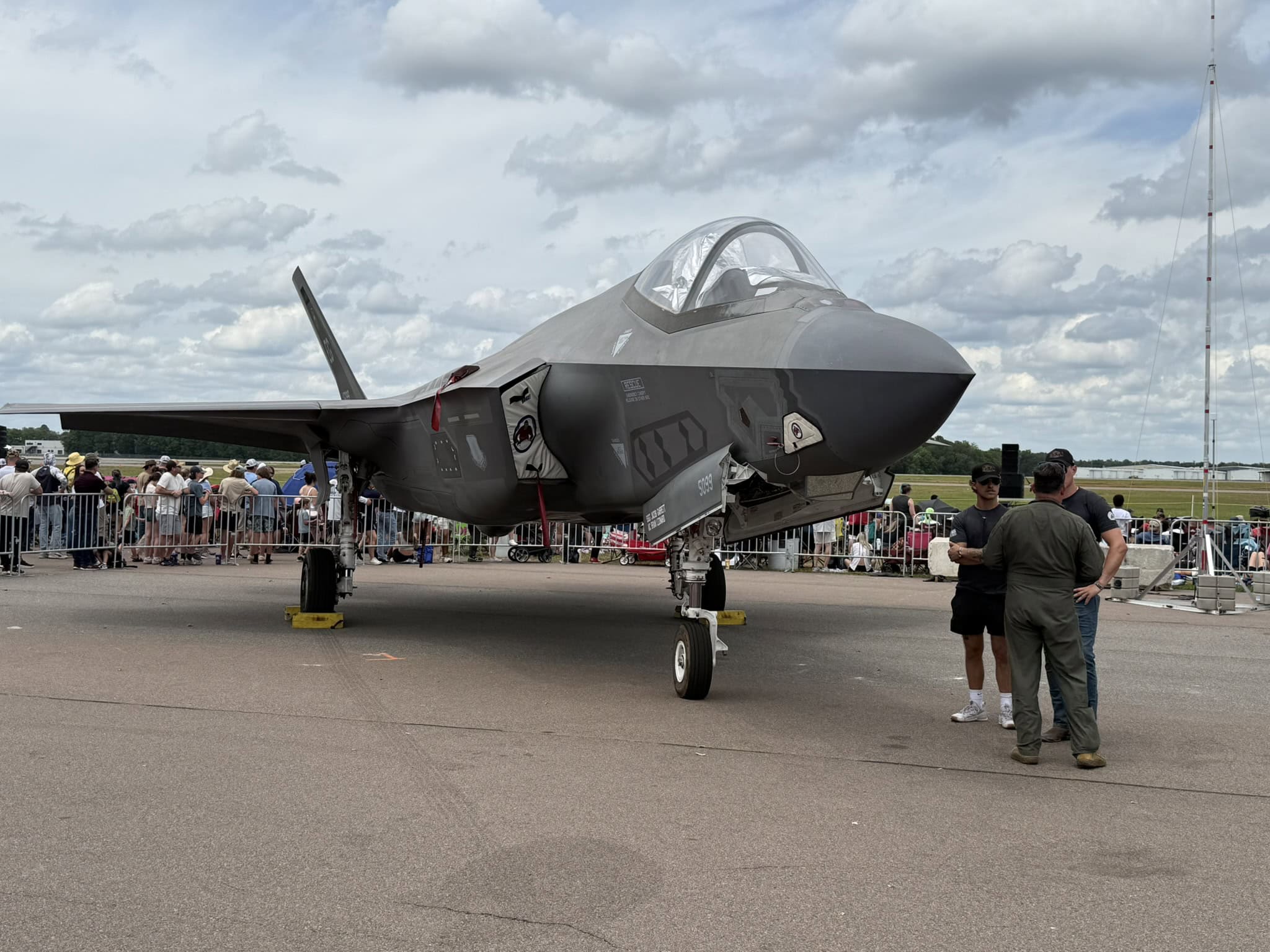
F-35C at Lakeland, Florida Air Show. Image Credit: Harry J. Kazianis.
The accountability gap extends beyond the fees. Since 2014, the GAO has made 46 recommendations on F-35 sustainment. As of March 2026, the Pentagon had implemented 14 of them.
Business & Industry Challenges: Parts, Corrosion, And Software: Why The Jets Sit
The causes the GAO and service officials identified are concrete, and they compound one another. Spare-parts shortages are the persistent driver, leaving jets waiting on components that the supply system cannot deliver fast enough.
Corrosion problems have added to the maintenance burden. And the Technology Refresh 3 upgrade — the hardware-and-software package whose troubles previously froze F-35 deliveries for roughly a year — continues to weigh on the numbers: the Air Force told the GAO that part of the 2025 decline stemmed from accepting new jets that could not yet perform all their missions due to software problems.
Those TR-3 aircraft were initially limited to basic training flights, and even now, the newer jets still cannot fly in combat. The Pentagon is taking delivery of brand-new fighters that count against the readiness rate because they are not yet cleared to do the job.
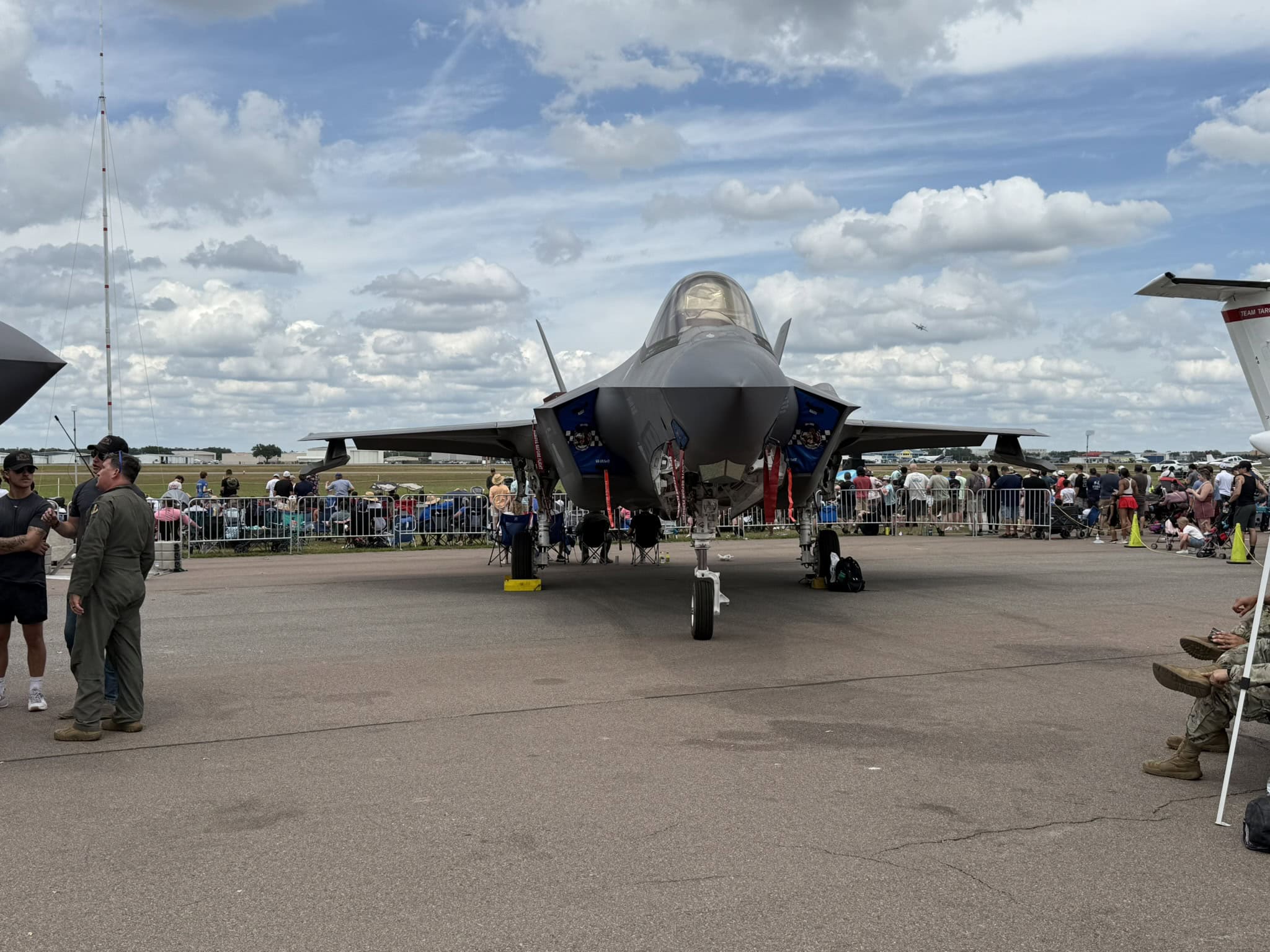
F-35C 19FortyFive.com image from April of 2026 at Lakeland Airshow.
The Global Support Solution that manages F-35 sustainment shares spare parts across all of the program’s customers, American and international, which means the shortages ripple through every air force that flies the jet. The readiness problem is not confined to the United States; it is structural to how the entire global fleet is supplied.
Operation Epic Fury Proved The Jet Works — When It Is Supported
The honest rebut to the bleakness of bad numbers is that the F-35 performed superbly in combat this spring, and the reason it did matters as much as the fact.
During Operation Epic Fury, the air campaign against Iran, the F-35 delivered at a level that, in the words of Douglas Birkey of the Mitchell Institute for Aerospace Studies, no other aircraft could match — because those jets were properly supplied with spare parts, supported by seasoned maintainers, and made the top priority for readiness.
The combat record proves the airplane is not the problem. When the parts and the people are aligned behind it, the F-35 is the most capable fighter in the sky, and it showed that under fire. And, in the past, to be very clear, I have been a big fan of the F-35, and I still am.
The catch is what prioritizing the combat jets did to the rest of the fleet. The intense focus required to keep frontline aircraft mission-ready inevitably diverts parts and attention from squadrons not in the fight, which stresses the broader fleet and could push overall readiness rates even lower in 2026. The Iran war demonstrated both halves of the F-35 story at once: a superb aircraft when fully supported, and a sustainment system too thin to support more than a fraction of the fleet at that level simultaneously.
A force that can surge a combat package to excellence while a quarter of the whole fleet can fly all its missions is a force whose problem is supply, not design.
The Verdict: The Airplane Is Not The Problem
The F-35 remains the backbone of American and allied air power, and nothing in the GAO report changes that.
The jet is the most advanced fighter that most air forces will ever operate; it proved its combat value over Iran, and the Pentagon’s plan to field roughly 2,500 of them over the coming decades reflects a capability no rival has yet matched.
The crisis documented in the report is not a case for abandoning the aircraft. It is a case for fixing the system that keeps it flying, because that system has failed on its own terms for a decade.
The pattern is what should worry policymakers. Sustainment costs that keep rising, readiness rates that keep falling, hundreds of millions in incentive fees paid for improvements that never came, recorded numbers adjusted until the payments cleared, and 32 of 46 watchdog recommendations still unimplemented — this is the profile of a program where the money flows regardless of the result.
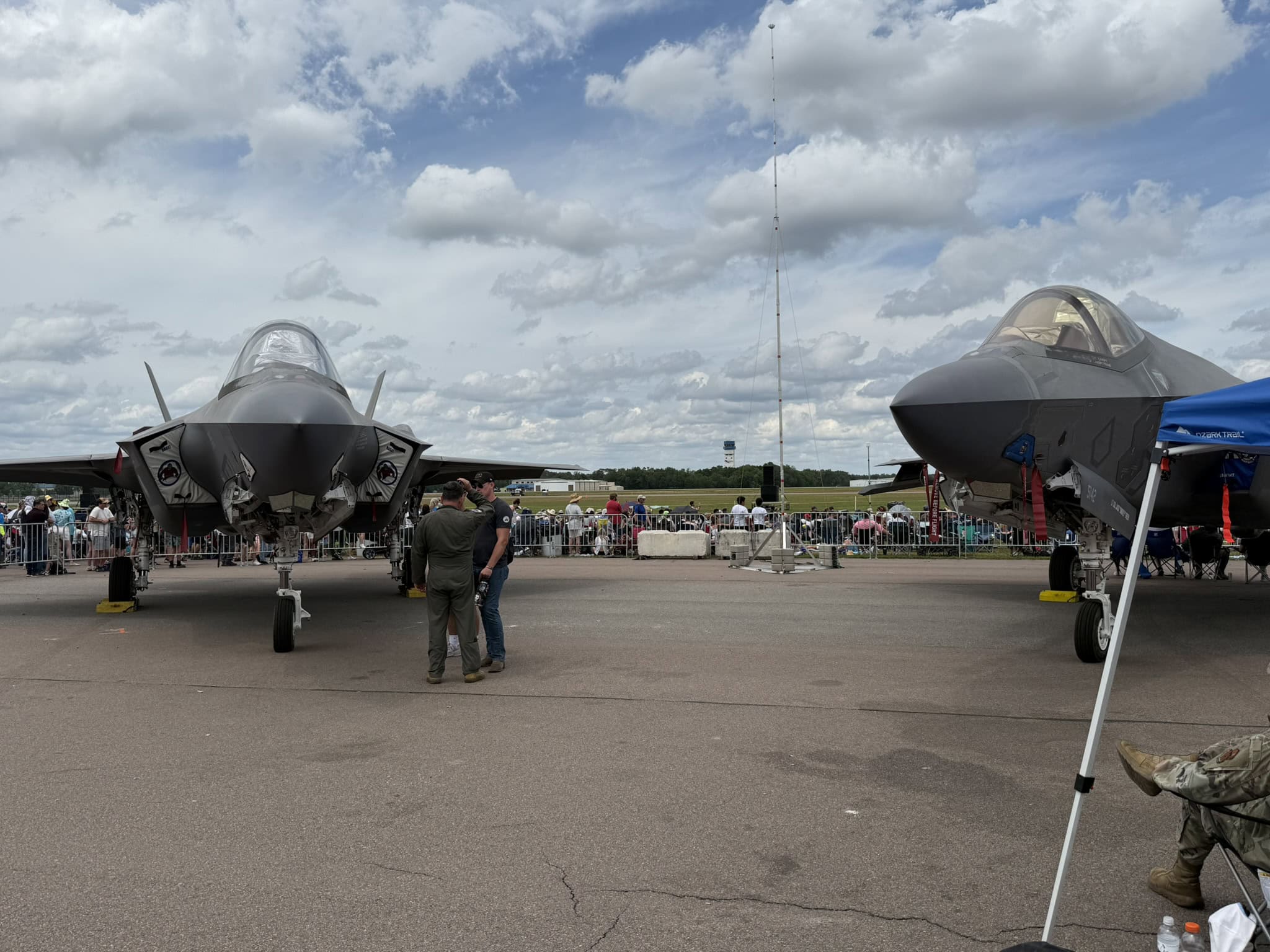
F-35C. 19FortyFive.com original image from Lakeland, Florida Airshow on 4/19/2026.
The $13.7 billion reset may work, but the GAO’s judgment is that significant risk hangs over it, and the program’s own managers expect the numbers to fall further before they recover. The United States is buying 1,700 more of an aircraft it can already keep fully mission-ready only a quarter of the time, on the strength of a recovery plan its overseers are not confident in.
The F-35 can win the fight when the system behind it delivers. The GAO has now shown in detail how rarely that system delivers and how much has been paid for the privilege. Let’s get this fixed and fast.
About the Author: Harry J. Kazianis
Harry J. Kazianis (@Grecianformula) was the former Senior Director of National Security Affairs at the Center for the National Interest (CFTNI), a foreign policy think tank founded by Richard Nixon based in Washington, DC. Harry has over a decade of experience in think tanks and national security publishing. His ideas have been published in the NY Times, The Washington Post, The Wall Street Journal, CNN, and many other outlets worldwide. He has held positions at CSIS, the Heritage Foundation, the University of Nottingham, and several other institutions related to national security research and studies. He is the former Executive Editor of the National Interest and the Diplomat. He holds a Master’s degree focusing on international affairs from Harvard University.

