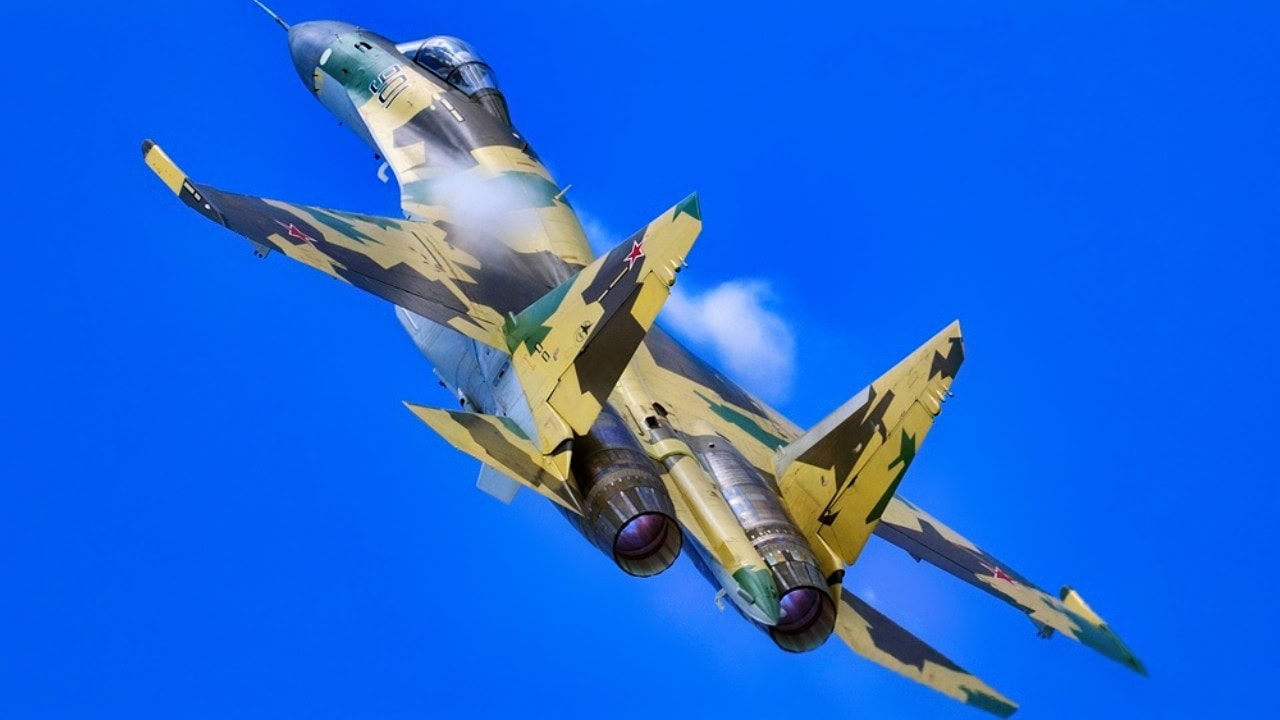
Aerospace Showdown: A Russian Su-35S Flanker-E apparently shot down a Ukrainian MiG-29 from roughly 118 miles away. The weapon the Russian bird used to destroy the Ukrainian MiG-29 was an R-37M long-range air-to-air missile.
That Russian fighter allegedly remained inside Russian-controlled airspace during the engagement. Ukraine confirmed the loss of a MiG-29 and that the pilot survived by ejecting, but it has not been publicly confirmed what the cause or range of the shootdown was.
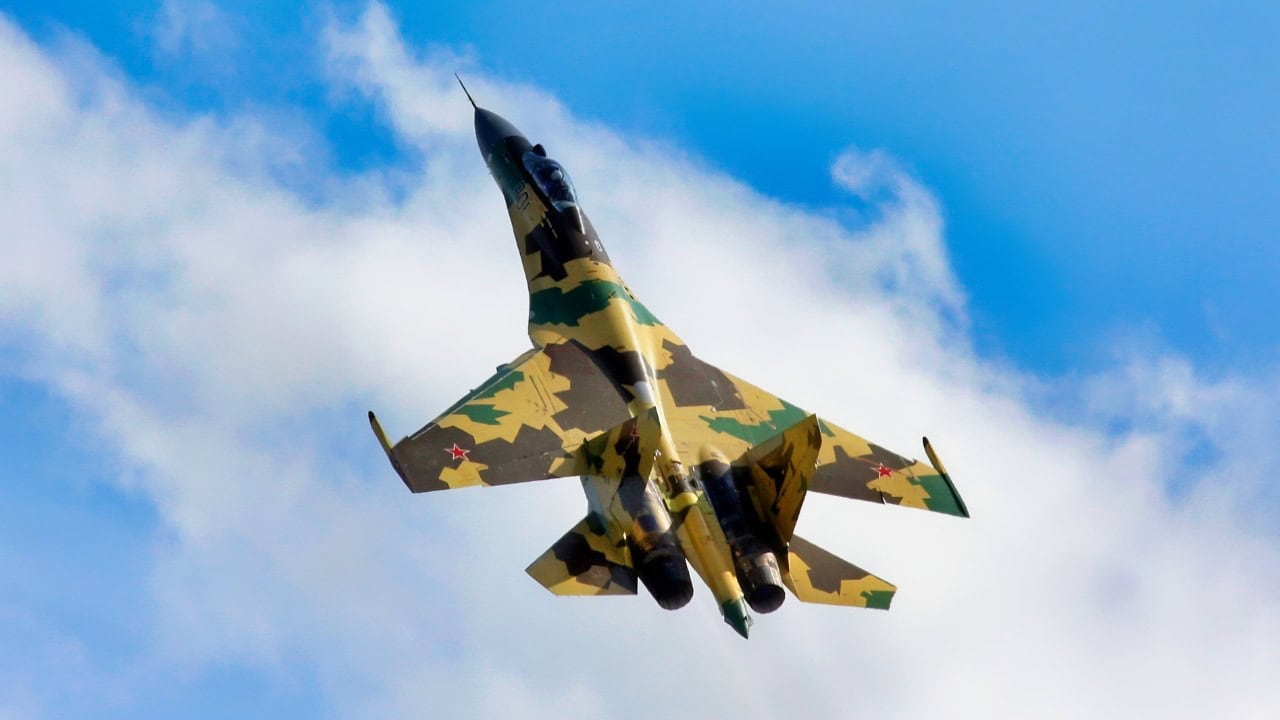
Su-35 Fighter from Russia.
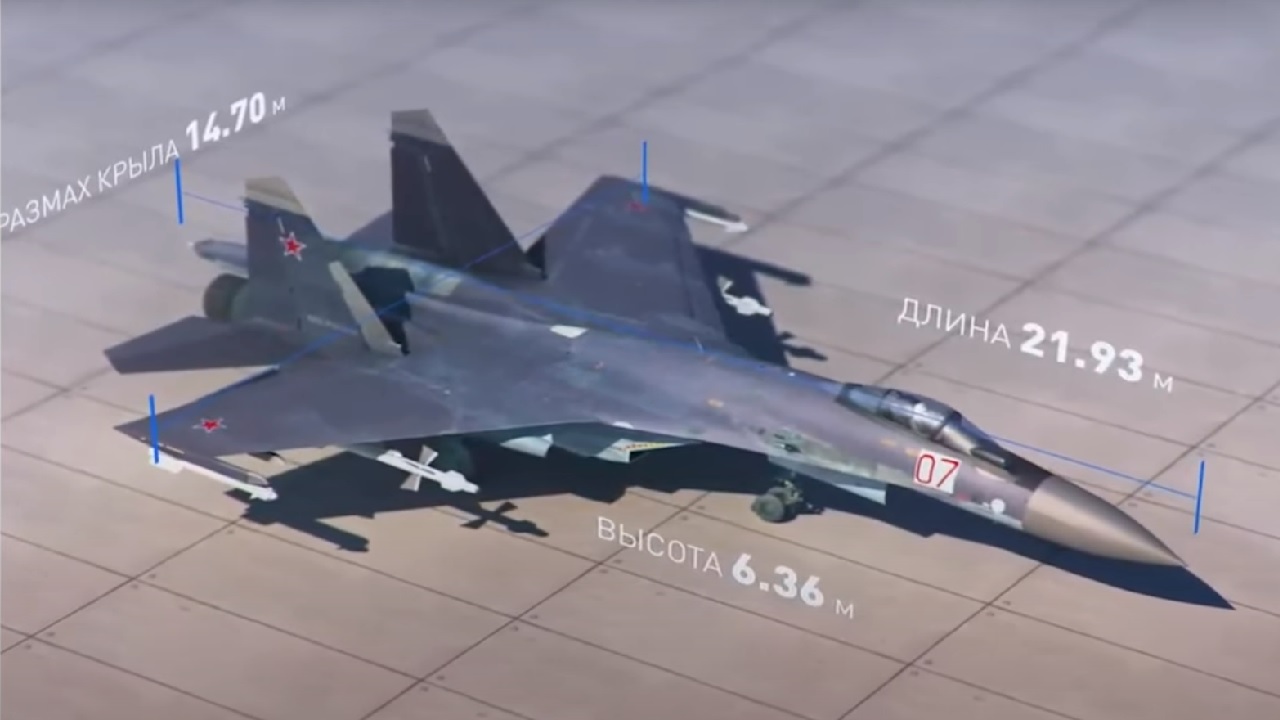
Su-35. Image Credit: Creative Commons.
What this incident represents, though, is that modern air warfare is increasingly being waged beyond visual range (BVR), thanks to the constantly advancing capabilities and reach of modern air defenses.
According to reports on the matter, the engagement occurred over Poltava Oblast during the night of June 26-27.
What attracted the world’s attention in this particular engagement between the Ukrainian and Russian air forces was the geographical distance involved.
The Su-35 remained over Belgorod and, while there, launched an R-37M at a MiG-29 operating 118 miles away.
The missile did the Russians’ work for them!
No dogfighting needed. The Russian pilot took no evasive measures. This incident is a snapshot of the future.
Why 118 Miles Matters
For decades, fighter jocks trained around visual maneuvering and relatively short-range missile combat. Modern combat doctrine changed with the arrival of active radar-guided missiles, like the US AIM-120 AMRAAM, the Meteor, China’s PL-15, and Russia’s R-77.
Those weapons generally transformed the BVR capabilities of modern warplanes–as do the concomitant advances in air defense systems.
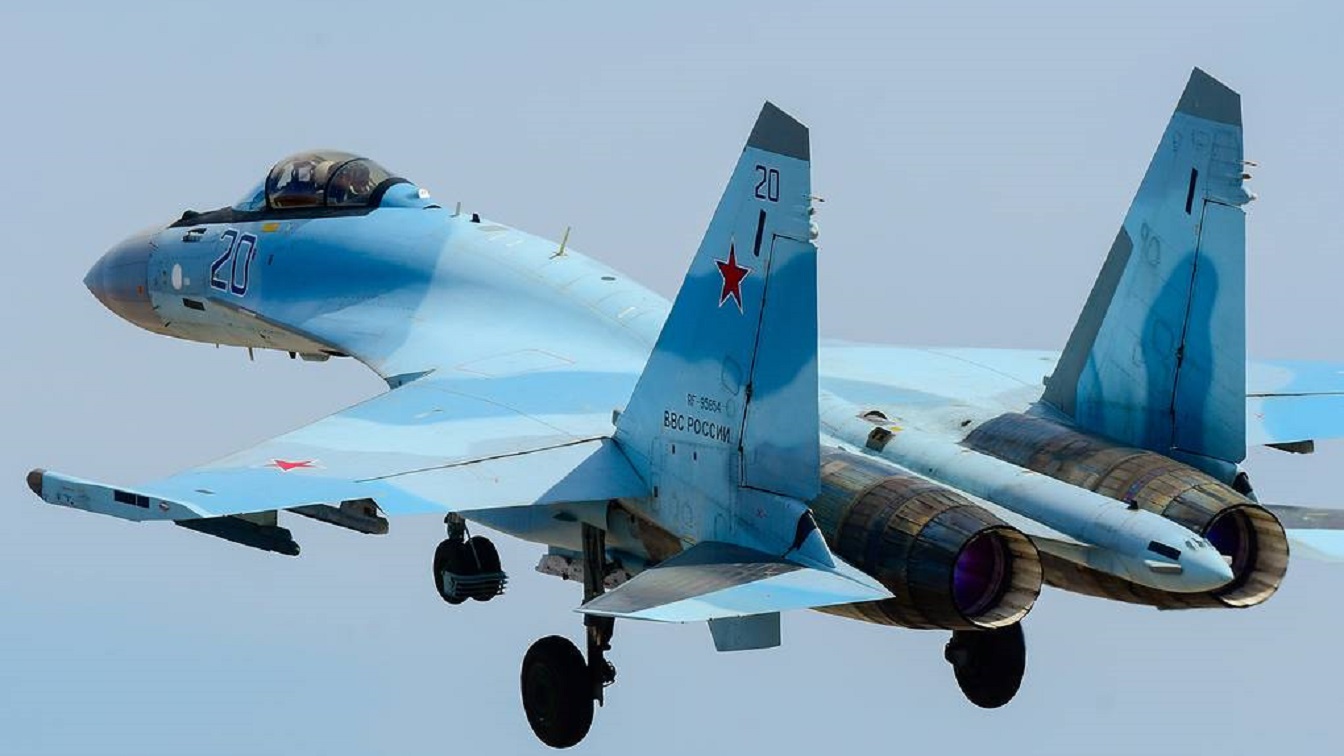
Su-35S fighter. Image Credit: Russian State Media.
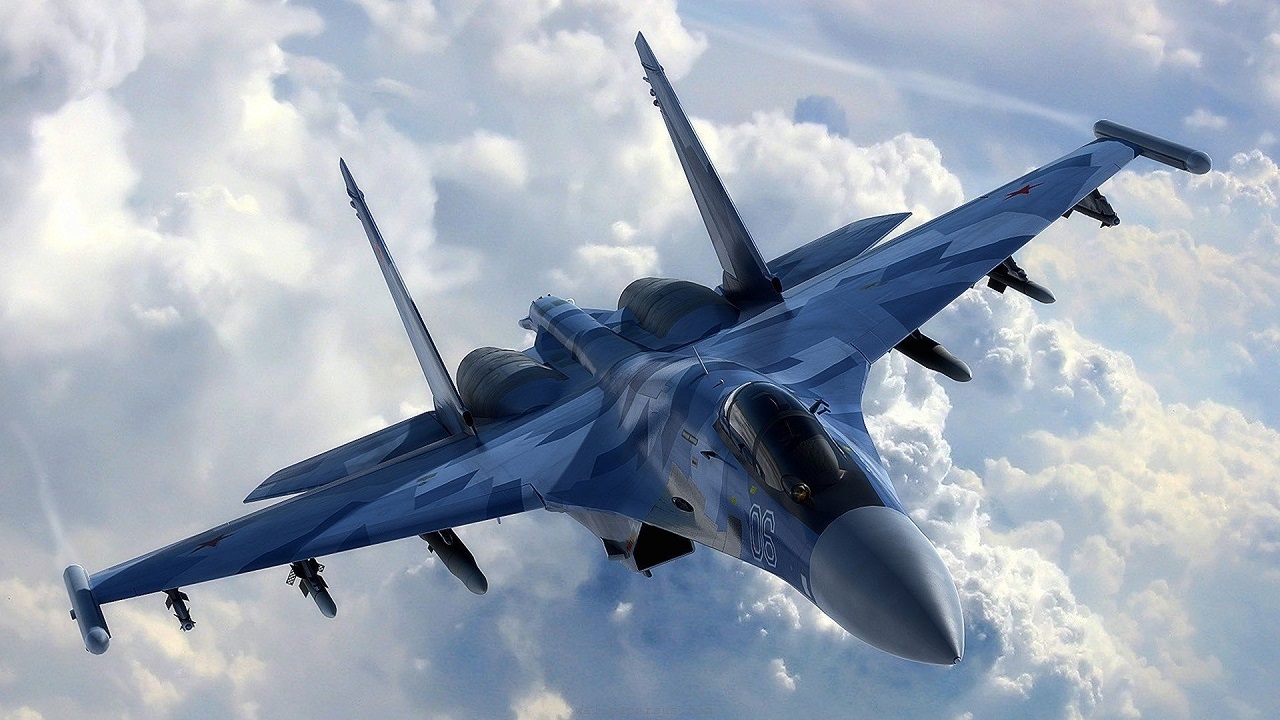
Artist rendering of a Russian Su-35 fighter. Image Credit: Creative Commons.
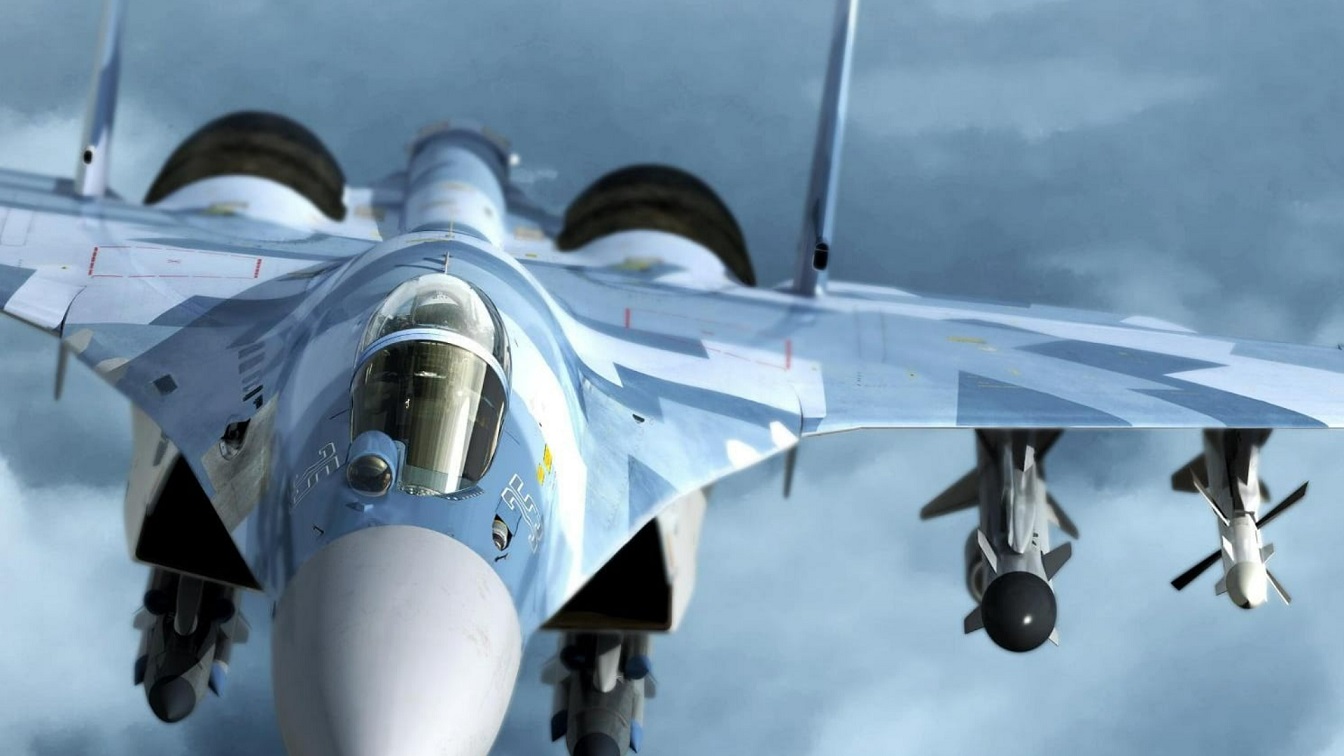
Su-35. Image Credit: Creative Commons.
But even those weapons usually operate well below the ranges now being discussed.
A reported 118-mile combat kill pushes these capabilities into a different category entirely. If confirmed, it would likely be among the longest successful fighter-versus-fighter engagements ever recorded in actual combat.
The R-37M Is the Real Story
Ironically, the real star of this story is not the Su-35 warplane. It is the missile that the Russian pilot relied on to destroy the Ukrainian MiG-29 from 118 miles away, potentially.
The R-37M was never meant to be a dogfighter. It was designed to hunt and kill AWACS aircraft, tankers, reconnaissance planes, electronic warfare (EW) aircraft, and bombers.
And the R-37M was meant to destroy these targets long before they ever entered Russian airspace. After the Russians developed the R-37M, they eventually integrated it into both the Su-35S and the Sukhoi Su-57 “Felon.”
The missile reportedly reaches Mach 6 when fired. An R-37M relies upon inertial guidance during most of its flight.
Once fired, the missile activates its own radar seeker during the terminal phase.
Published estimates place its maximum launch envelope at around 249 miles under ideal conditions, although practical combat ranges are considerably shorter depending on target maneuvers, altitude, and other factors.
Not a Duel, But a Battle of Networks
If you are envisioning this fight between the Russian Su-35S and the Ukrainian MiG-29 as a duel, or even a traditional dogfight, stop doing that. Modern air combat does not work like that.
Nor does it involve two fighters identifying each other on radar and firing. Instead, Russia increasingly employs a networked kill chain.
That networked kill chain involves ground-based radars, airborne early warning planes, tactical datalinks, and, of course, fighter radars.
Taken together, these systems allow a fighter to receive enhanced targeting updates without continuously illuminating the target itself.
Once fired, the missile receives midcourse guidance before switching to its own seeker during its final approach to the target.
It’s what’s known as a “sensor-to-shooter” architecture. That capability is arguably more important than the missile itself.
But through it all, if this story is true, the Russian fighter fought the Ukrainian MiG-29 BVR using a superior missile at long range and a supporting targeting architecture that enabled the Su-35S to kill a MiG-29 from 118 miles away, in the safety of Russian airspace.
Ukraine Has Faced This Threat Before
The R-37M has been dogging Ukrainian pilots since the war began in February 2022.
According to multiple studies on the matter, Russian MiG-31s and, later, Russian Su-35s, have routinely used the missile to stymie Ukrainian air attacks in the war.
The threat of the R-37M has prompted Ukrainian pilots to abandon attack runs, break radar lock, and suddenly dive to lower altitudes to evade rather than complete missions.
Each time the Ukrainian pilots acted in these ways, they negated the efficacy of Ukrainian air combat capabilities against Russian targets.
So, the R-37M has proven to be one of the most important systems in Russia’s arsenal during the war.
Even when the R-37M misses its intended target–which it does sometimes–it still disrupts Ukrainian offensives.
How This Changes Fighter Doctrine
For decades, Western air forces favored stealth capabilities above all else in their warplanes. Meanwhile, Western militaries prized maneuverability and the employment of close-range missiles to win battles.
NATO has also imbued many of its warplanes with sophisticated EW capabilities. And while these capabilities remain important, the recent Su-35S versus MiG-29 engagement showcases how the nature and state of air war is changing before our eyes.
In the modern combat setting, information beats maneuver. If one side can detect an adversary first, classify what that adversary is, track that adversary effectively, and launch missiles at that target before the adversary can respond in kind, then maneuverability isn’t as important anymore.
Modern air combat today resembles naval combat more than the classic dogfights of the Cold War era. Or, for those science fiction fans out there, the BVR engagements that now define the Ukraine War look more akin to the space battles depicted in the cult classic science fiction show, The Expanse.
Implications for NATO
If the reported engagement is eventually validated, the implications will be profound for NATO’s entire air war doctrine. For starters, airborne early warning becomes even more valuable. The Boeing E-3 Sentry and future sensor platforms become central ot creating long-range kill chains.
Electronic warfare grows in importance, too. Breaking datalinks or degrading missile guidance will prove essential, rather than outrunning or outmaneuvering an incoming Mach 6 missile.
More interestingly, standoff combat becomes the norm in modern air warfare. Pilots may increasingly destroy each other without ever seeing the opposing aircraft. Any chance of surviving these engagements, therefore, means that one’s network must be superior to one’s rival’s.
A fighter operating alone becomes increasingly vulnerable.
Where This All Goes: Aerospace War
Modern air combat is about integrated sensor networks paired with very-long-range missiles. The aircraft itself is becoming only one component of a much larger combat system.
The supposed shootdown of the MiG-29 from 118 miles away belies that unmistakable trend.
The future of air war belongs less to spectacular dogfights than to the side that can build the longest-reaching, best-networked sensor-to-shooter architecture.
Clearly, in the Ukraine War, the Russians have some major advantages for now.
About the Author: Brandon J. Weichert
Brandon J. Weichert is the Senior National Security Editor at 19FortyFive.com. He also manages The Weichert Brief on Substack. Weichert also hosts “National Security Talk” on Rumble. He is the author of four bestselling national security books, the most recent of which is A Disaster of Our Own Making: How the West Lost Ukraine (Encounter Books). Follow him via Twitter/X @WeTheBrandon.