
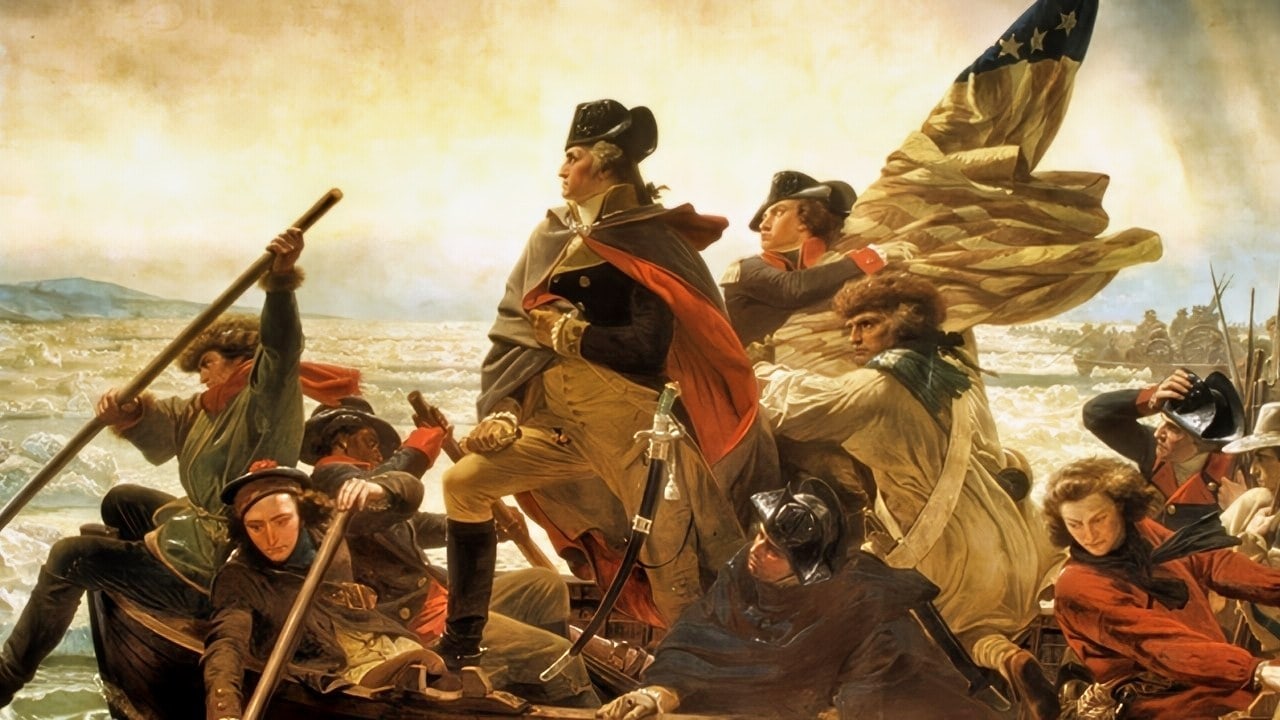
There is nothing more American than George Washington. When my wife and I lived in Washington, DC, we would go to Mount Vernon all the time, perhaps one of the most amazing places that tourists to our nation’s capital sometimes overlook. We even ate Thanksgiving dinner there back in 2021. You learn quickly when you visit Mount Vernon that Washington provided so many important services to our young nation that sometimes key historical events get forgotten. For example, on March 15, 1783, in a long wooden hall his soldiers called the Temple, at the Continental Army’s winter camp above the Hudson at Newburgh, New York, George Washington faced the angriest room in America: the officer corps of the army that had won the Revolution, unpaid for years, dangling on broken promises, and summoned days earlier by an anonymous letter that hinted the time had come to defy the civilian government they served. What ended the crisis was not the speech he had carefully written. It was a pause, a fumble with a letter, a pair of new eyeglasses almost no one present had seen him wear, and a single unrehearsed sentence.
The witnesses wrote it down in slightly different words; history shows that happens quite a bit; the version in the title is one rendering, the Battlefield Trust carries another, Mount Vernon’s own page a third.
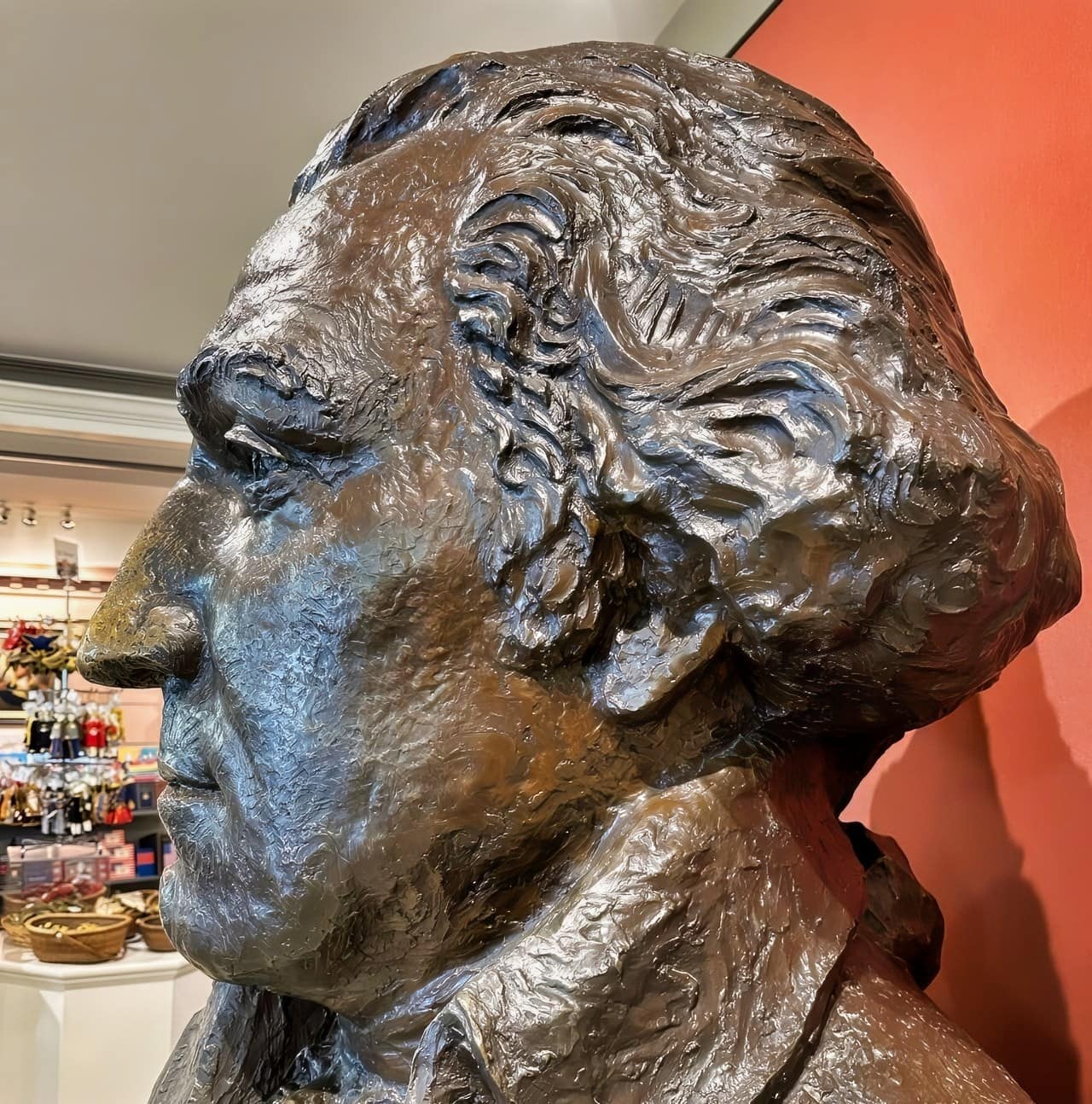
George Washington Bust at Mount Vernon. Image taken by Harry J. Kazianis for 19FortyFive back in 2022.
Every version keeps the same two confessions at the center, gray and going blind, and every account agrees on what the sentence did.
Hardened veterans of eight years of war wept openly, and the closest thing to a military coup in American history died in that room within the hour, 243 years ago this spring. And, yes, George Washington is even more amazing than you remember.
The Powder Keg
The danger was real, and it had been building all winter.
The war was effectively over, Yorktown eighteen months past and the peace being finalized in Paris, which meant the army’s leverage was expiring by the day, and its grievances were enormous: pay years in arrears and a promised lifetime half-pay pension for officers that a broke Congress, powerless to levy taxes under the Articles of Confederation, seemed certain to abandon. Into this tinder stepped politicians playing with fire.
A nationalist faction in Philadelphia led by Alexander Hamilton and Robert Morris, hungry for a federal taxing power, saw the army’s anger as useful pressure, and found a willing instrument in Horatio Gates, Washington’s ambitious second-in-command, whose circle had been trading letters signed “Brutus” since February, letters that had already sounded out Henry Knox about refusing to disband.
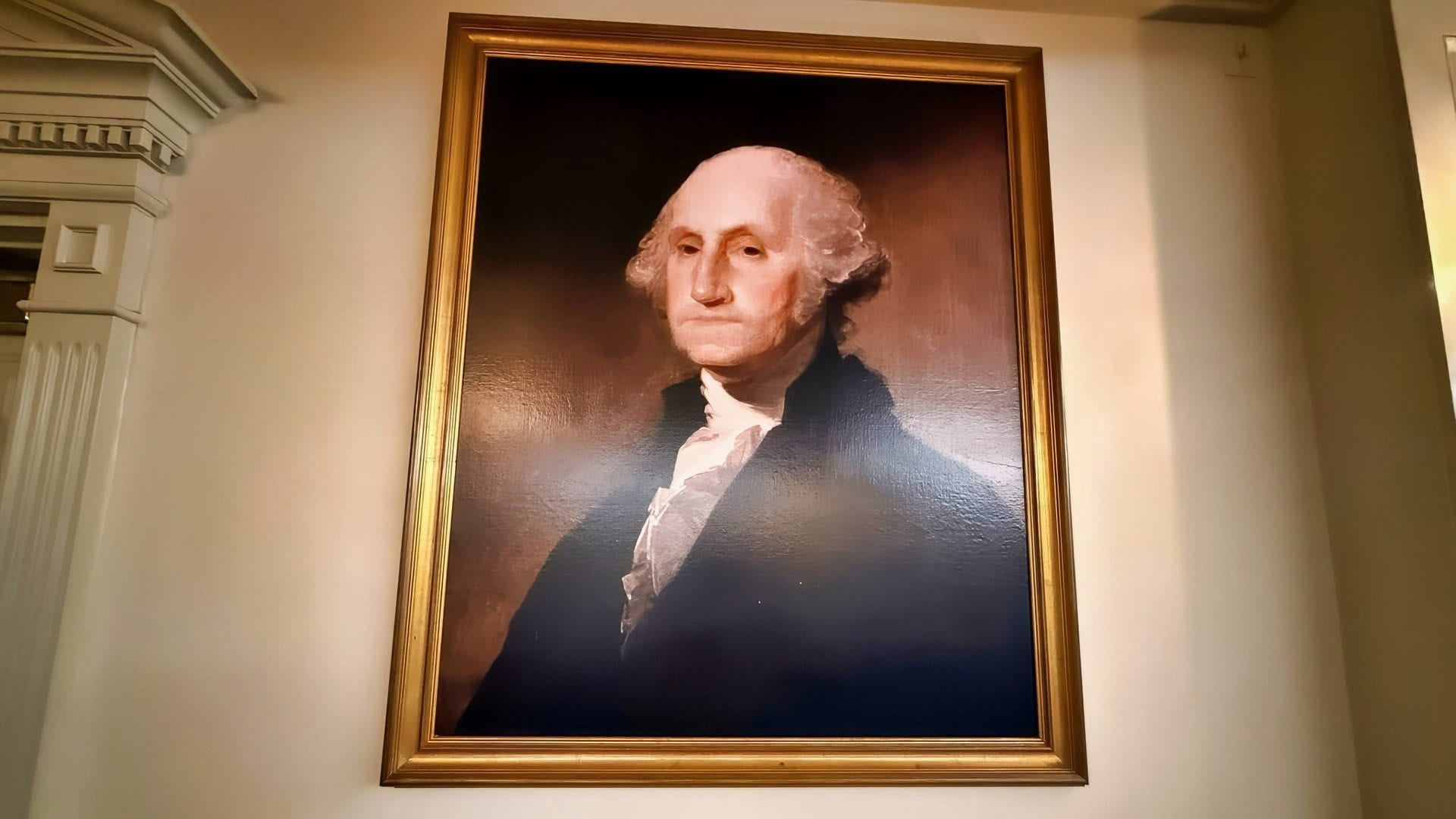
George Washington At Hall of Presidents at Walt Disney World. Image Taken by Harry J. Kazianis for 19FortyFive.com
On March 10, an anonymous address written by Gates’s aide, Major John Armstrong, swept through the camp, cataloging the army’s wrongs and summoning the officers to an unauthorized meeting to consider measures no one dared name plainly.
Washington moved within a day, denouncing the summons as irregular and disorderly and calling his own official meeting for March 15, a five-day delay that let tempers cool.
The conspirators assumed he would stay away. He let them think so.
The Ides of March
The date the crisis came to a head was, fittingly, the Ides, the calendar’s own anniversary of what soldiers can do to republics. The officers packed the Temple; Gates presided.
Then Washington walked in unannounced, asked to speak, and read the address he had written, a plea that they not dishonor eight years of sacrifice, a promise to press Congress himself, and a warning against any man who would deluge our rising empire in blood.
It was a strong speech, and by the accounts that survive, it was not enough; the room stayed sullen.
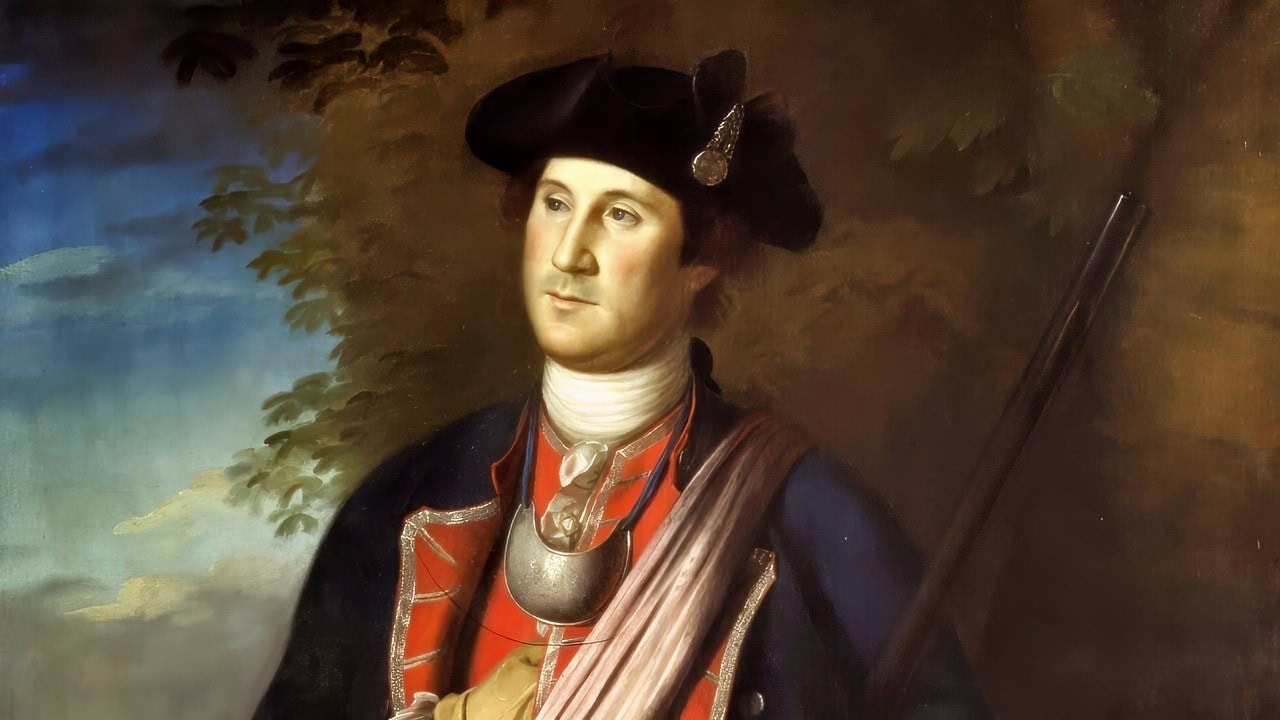
General George Washington Portrait. Image Credit: Creative Commons.
What happened next was unplanned. Washington produced a letter from Congressman Joseph Jones of Virginia, evidence that Congress was in earnest, began to read it aloud, stumbled, and stopped.
The officers watched their commander stare helplessly at the page. Then he drew from his pocket the new spectacles David Rittenhouse had sent him, which he had worn only privately, and as he set them on his nose, he apologized, in the words most sources carry, for having “not only grown gray but almost blind in the service of my country.”
Mount Vernon’s telling opens the remark with “you must pardon me” rather than a request for permission; the title of this piece carries a third arrangement; the wobble is the ordinary fingerprint of words recalled by full hearts rather than stenographers.
Major Samuel Shaw, standing in the room, recorded the effect in his journal: there was something so natural in the appeal, he wrote, that it was superior to the most studied oratory.
The officers, many of them, simply began to weep.
Eight years of shared cold, hunger, and gunfire stood in front of them in one aging man asking pardon for his eyes.
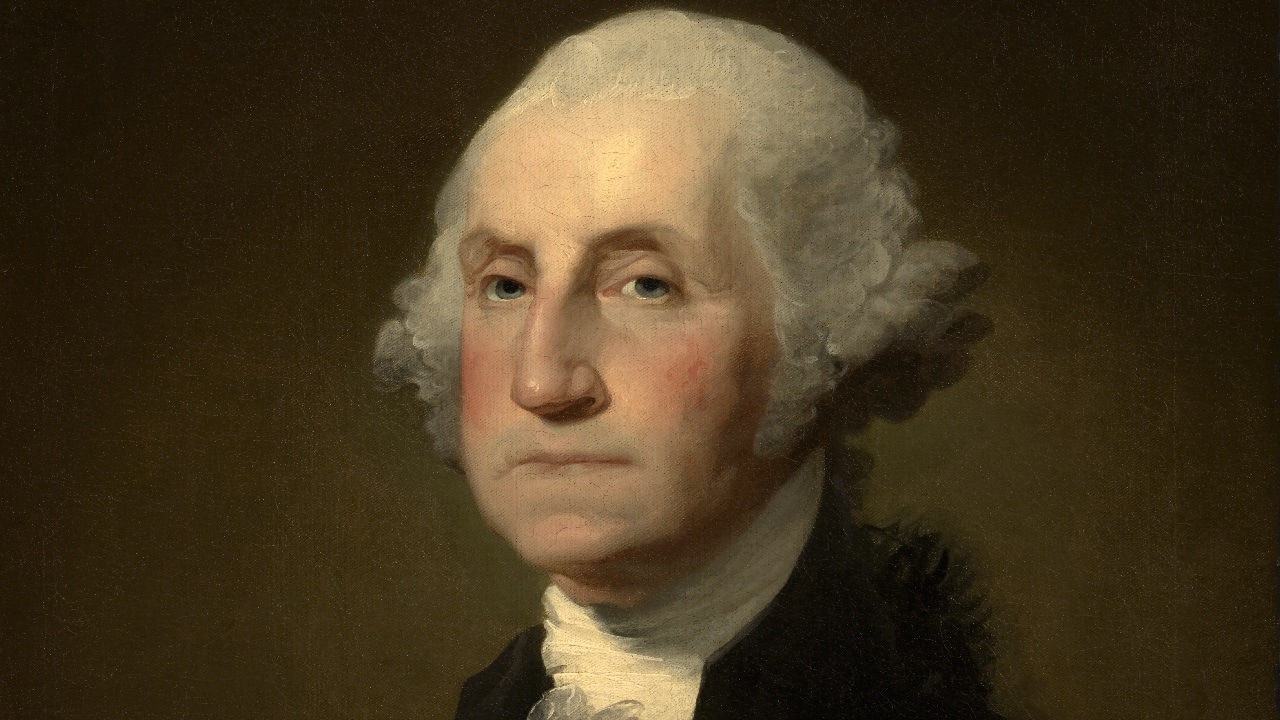
George Washington. Image Credit: Creative Commons.
Washington finished the letter and left; Knox moved resolutions of loyalty; they passed all but unanimously.
The mutiny was over before the room emptied.
What It Meant and the Power of George Washington
The practical grievance was resolved with practical speed, as Congress, shown how close the fire had come, voted within days to convert the pension promise into five years’ full pay.
The historical stakes were of another order. Victorious armies with unpaid wages and weak governments have ended republics in every century, which is precisely the precedent the Brutus letters gestured toward, and March 15, 1783, is the day the American experiment declined the invitation, not by force, arrests, or counter-plots, but by the moral authority of one man spending, in a single sentence, the credibility of eight visible years of sacrifice.
Thomas Jefferson later judged that the moderation and virtue of this single character had likely prevented the Revolution from closing, as most revolutions do, by destroying the liberty they were meant to establish.
And Washington finished the lesson nine months later at Annapolis, on December 23, 1783, when he handed his commission back to Congress and went home, an abdication so contrary to the history of victorious generals that George III, hearing what Washington intended, reportedly remarked that if he did it, he would be the greatest man in the world.
He did it. Every American peaceful transfer of power since, and the instinct of civilian control the United States military carries in its bones, runs back through that Annapolis chamber to the room at Newburgh.
The Sentence at 243
Why does this sentence, in all its wobbling versions, outrank whole libraries of oratory?
Because the theater and the truth were the same thing.
Washington’s eyes were failing; the gray was real; the eight years were real, and every man in the Temple had watched them accumulate.
His own maxim held that the turning points of lives are not the great moments but the crises concealed in occurrences so trivial they pass unobserved, and no episode in his life proved it like this one, where the republic’s survival hid inside the trivial act of an aging man putting on his glasses.
The army he had built on the conviction that discipline is the soul of a fighting force obeyed its final and hardest order that day, the one that sent it home unpaid and undefeated, and the war he had framed from the beginning as a contest of endurance rather than battles ended true to form, its last engagement won without a shot, against his own officers, with a pair of spectacles.
The exact words will remain unsettled, which, by now, this series regards as the signature of the genuinely spoken.
Gray, and going ‘blind’, in the service: that part every witness kept, because that part was simply what they saw.
About the Author: Harry J. Kazianis
Harry J. Kazianis (@Grecianformula) was the former Senior Director of National Security Affairs at the Center for the National Interest (CFTNI), a foreign policy think tank founded by Richard Nixon based in Washington, DC. Harry has over a decade of experience in think tanks and national security publishing. His ideas have been published in the NY Times, The Washington Post, The Wall Street Journal, CNN, and many other outlets. He has held positions at CSIS, the Heritage Foundation, the University of Nottingham, and several other institutions related to national security research and studies. He is the former Executive Editor of the National Interest and the Diplomat. He holds a Master’s degree focusing on international affairs from Harvard University.

