
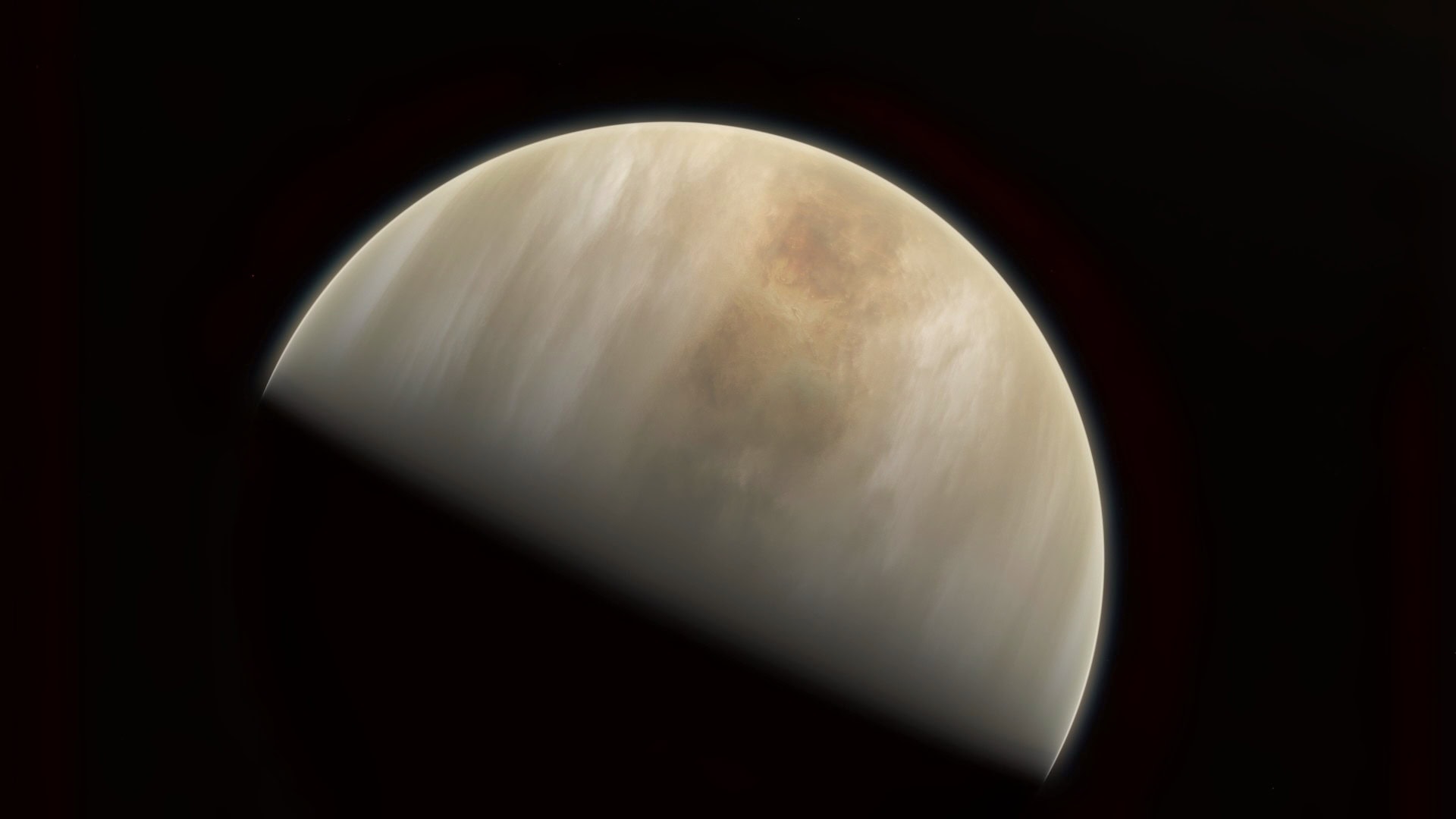
At first glance, Venus appears remarkably similar to Earth. The two planets are nearly identical in size, mass, density, and composition, which is why Venus is often called Earth’s sister planet.
But beneath Venus’s thick yellow clouds lies one of the most inhospitable environments in the entire solar system.
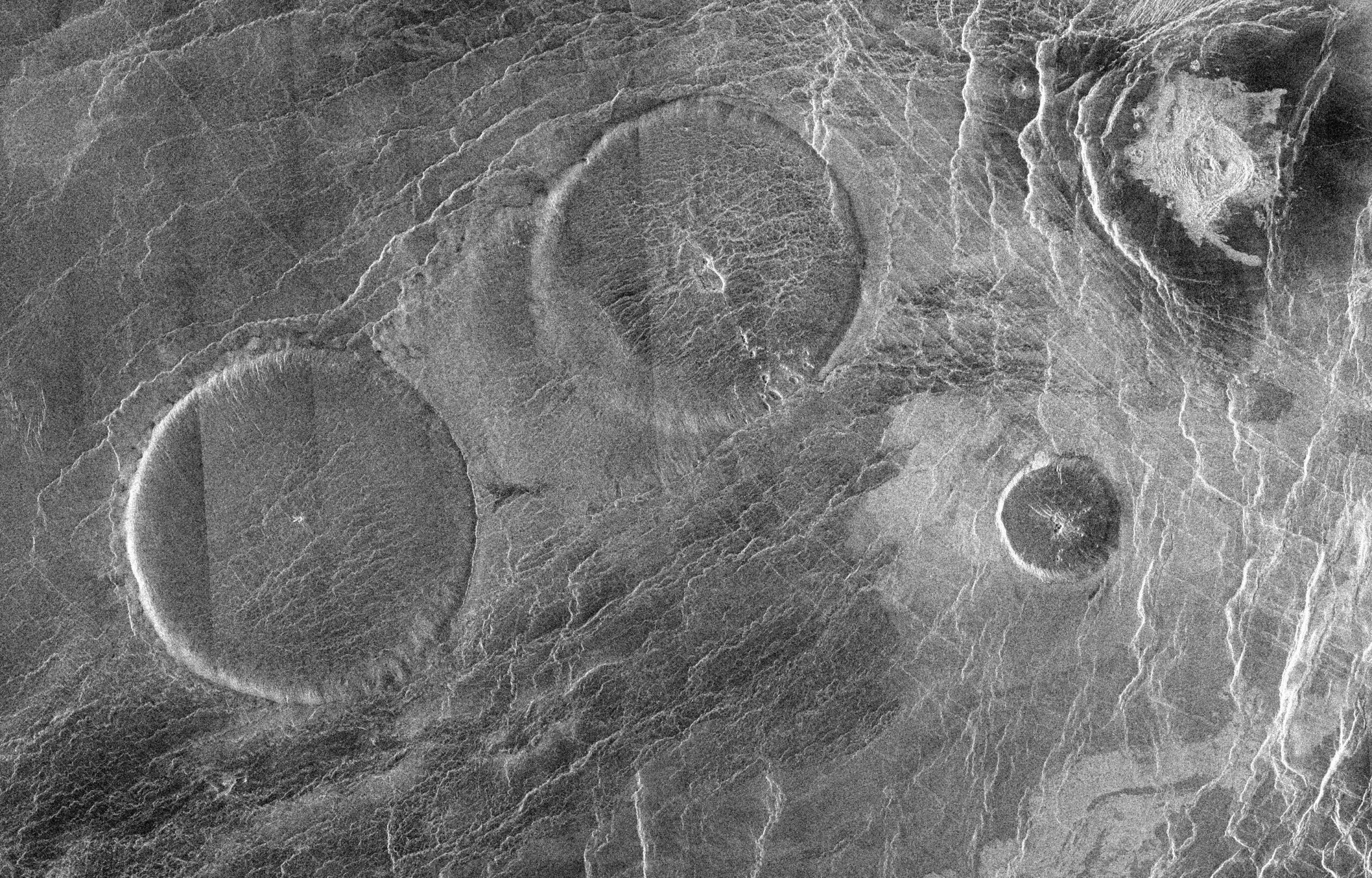
Surface of Venus. Creative Commons Photo.
The temperature is hot enough to melt lead.
The atmospheric pressure is crushing.
The clouds are comprised of sulfuric acid, and a runaway greenhouse effect has made Venus the equivalent of what many people envision as the planetary equivalent of hell.
Heat and Pressure: Venus Is One Tough Planet
The atmospheric pressure on Venus is approximately 90 times greater than Earth’s. The surface pressure is about 92, which is equivalent to diving to roughly 3,000 feet (900 meters) beneath Earth’s oceans.
The consequences on the human body would be significant—the body wouldn’t explode, but spacecraft and equipment would be crushed without massive reinforcement.
NASA Saturn V Rocket Exhibit at the Kennedy Space Center in Florida. Image by Harry J. Kazianis.
As the Soviet Venera probes demonstrated, merely existing on the surface requires titanium pressure vessels to prevent being crushed.
Venus also happens to be the hottest planet in the solar system. Surface temperatures average 867°F (464°C). Venus is surprisingly hotter than Mercury despite being farther from the Sun.
Venus is so hot that it could melt lead, soften aluminum alloys, and destroy electronics.
The temperature remains remarkably constant day and night, from the equator to the poles. This indicates an atmosphere that traps heat with extraordinary efficiency.
Runaway Greenhouse Effect
Venus is essentially an inferno. The atmosphere is composed of roughly 96.5% carbon dioxide with nitrogen plus trace gases.
A thick CO₂ blanket traps infrared radiation. Scientists believe Venus may have had liquid water and oceans, but increasing solar heating causes them to evaporate.
The water vapor amplified warming; ultraviolet radiation split atmospheric water molecules, hydrogen escaped into space, and carbon dioxide accumulated unchecked.
NASA Space Shuttle Discover. Smithsonian Visit Photo by 19FortyFive.com
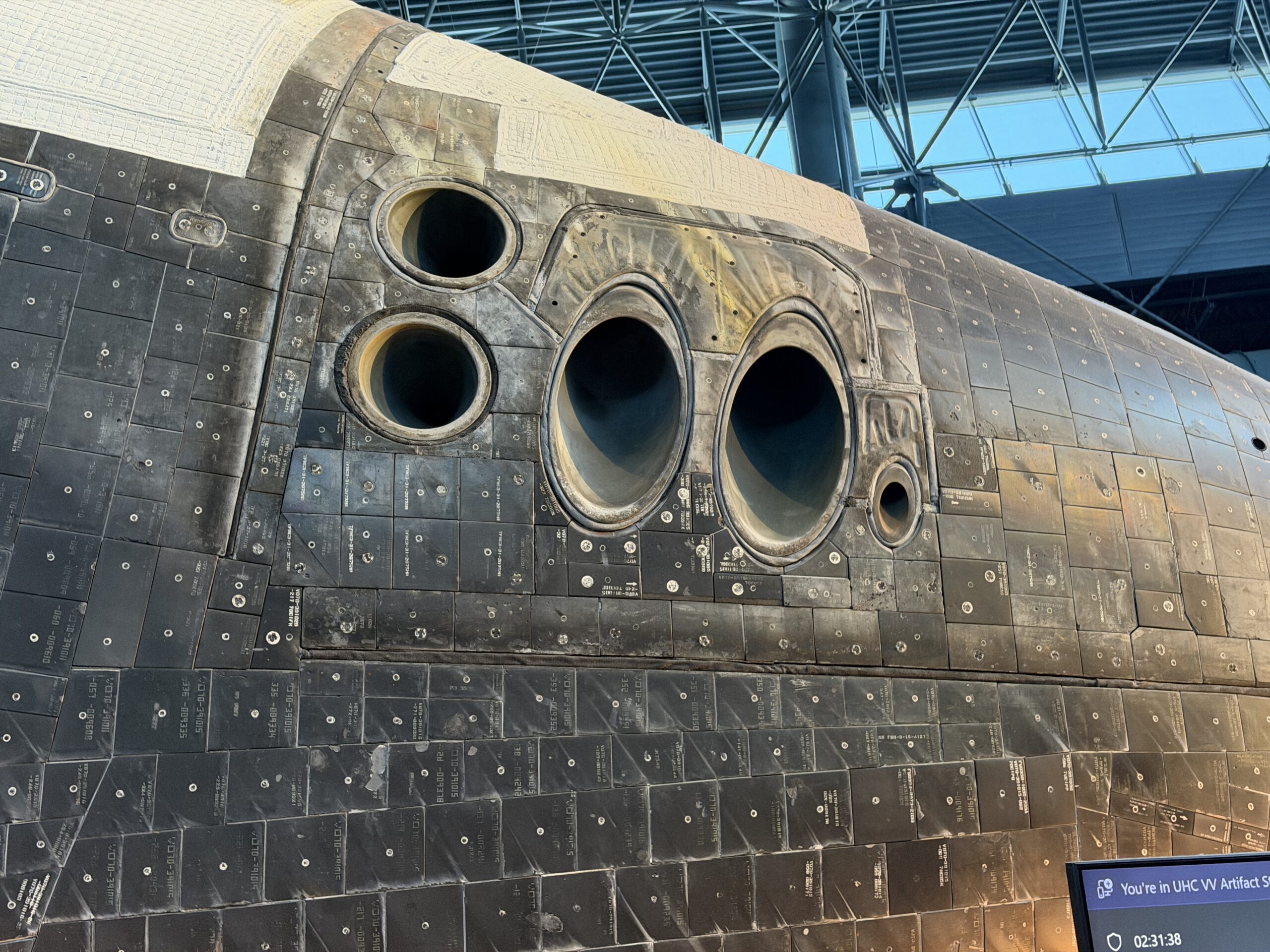
NASA Space Shuttle Discover. Smithsonian Visit Photo by 19FortyFive.com
The result was an irreversible runaway greenhouse effect.
Today, Venus is permanently covered in thick clouds comprised primarily of sulfuric acid droplets.
The clouds reflect roughly 75% of incoming sunlight, making Venus one of the brightest objects in our sky.
Acid rain forms high in the atmosphere; however, temperatures become so extreme below that droplets evaporate long before reaching the surface, so the surface remains incredibly dry despite constant cloud cover.
Notably, Venus has two very different environments between the upper atmosphere and the surface.
In the upper atmosphere, winds exceed 220 mph (350 km/h); the atmosphere circles the planet every four Earth days, while the planet itself rotates once every 243 Earth days.
This is called atmospheric superrotation.
Meanwhile, on the surface, conditions are surprisingly calm.
The dense atmosphere means even gentle breezes exert tremendous force, so wind speeds of only a few miles per hour can move rocks.
Could a Human Survive?
No. Without extraordinary protection, a human visitor to Venus would face immediate crushing pressure, temperatures approaching 900°F, a toxic carbon dioxide atmosphere with no breathable oxygen, corrosive chemistry, and complete darkness beneath thick clouds.
Even advanced spacecraft would struggle.
The human body would fail almost immediately under such conditions.
The closest humanity has come to visiting Venus was through the Soviet Venera missions, history’s only successful landings on Venus.
The program was an engineering marvel, with spacecraft protected by thick titanium hulls, insulation, and active cooling systems.
Even so, once landing on the surface of Venus, the spacecraft survived only 32 to 127 minutes. The longest-lived was Venera 13, which returned the first color images and audio from another planet before succumbing to the heat.
Immense Scientific Value
Despite the inhospitable conditions, Venus still holds immense scientific value. Scientists hope to answer a variety of outstanding questions, including whether Venus once had oceans.
How quickly did the greenhouse catastrophe occur? Why did Earth remain habitable while Venus did not? Are volcanic eruptions still active today?
Could microbial life exist high in the cooler cloud layers? Upcoming missions hope to answer these questions. NASA’s DAVINCI will send an atmospheric probe, while NASA’s VERITAS will send a radar mapper. ESA’s EnVision will send an orbiter.
Together, these programs hope to reveal Venus’s geological history and atmospheric evolution, to better understand how our sister planet came to so nearly represent what people equate with hell.
About the Author: Harrison Kass
Harrison Kass is a writer and attorney focused on national security, technology, and political culture. His work has appeared in Tablet, City Journal, The Hill, The Spectator, and The Cipher Brief. He holds a JD from the University of Oregon and a master’s in Global & Joint Program Studies from NYU. More at harrisonkass.com.