
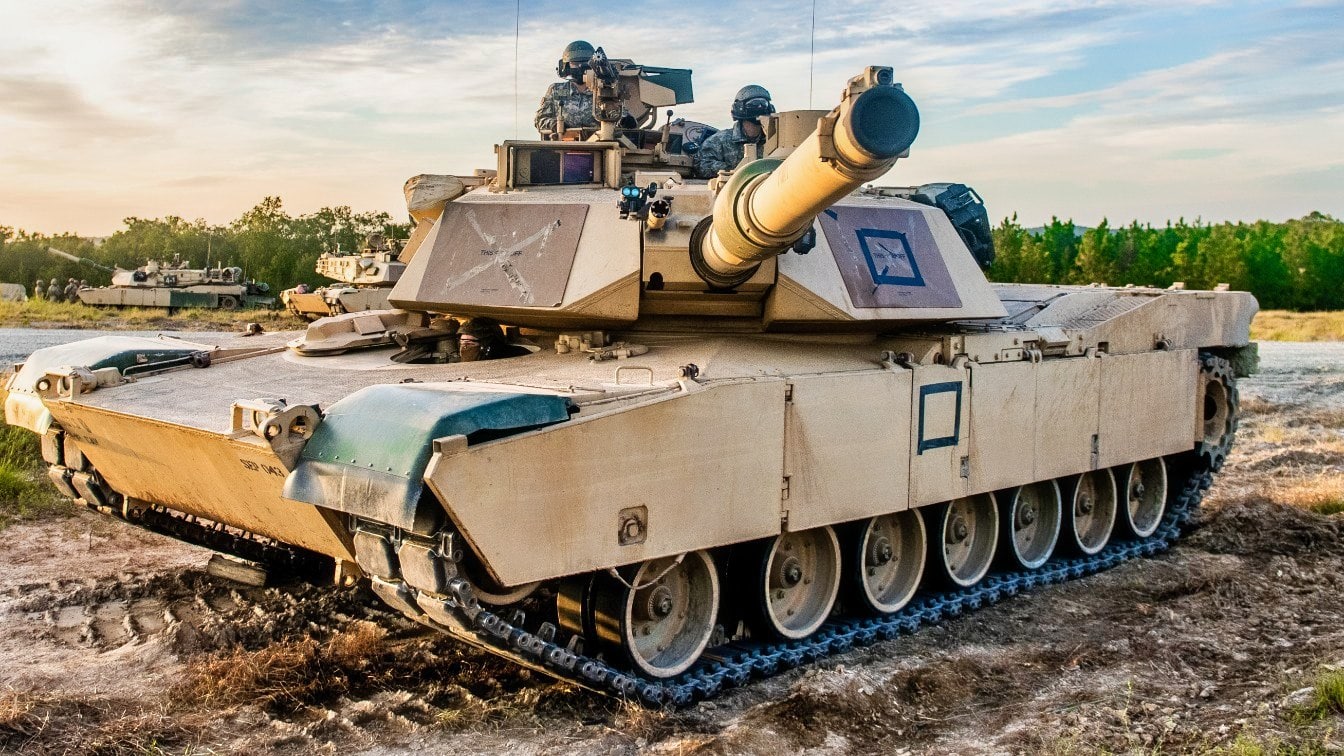
Ukraine’s burgeoning drone industry and unmanned units have become such a powerhouse that, during a recent exercise, its drone operators effectively wiped out a U.S. armored brigade.
The exercise, which took place in Germany, showed the Pentagon just how far modern drone technology has come and how warfare has changed – and indeed how far American forces may still have to go to catch up.
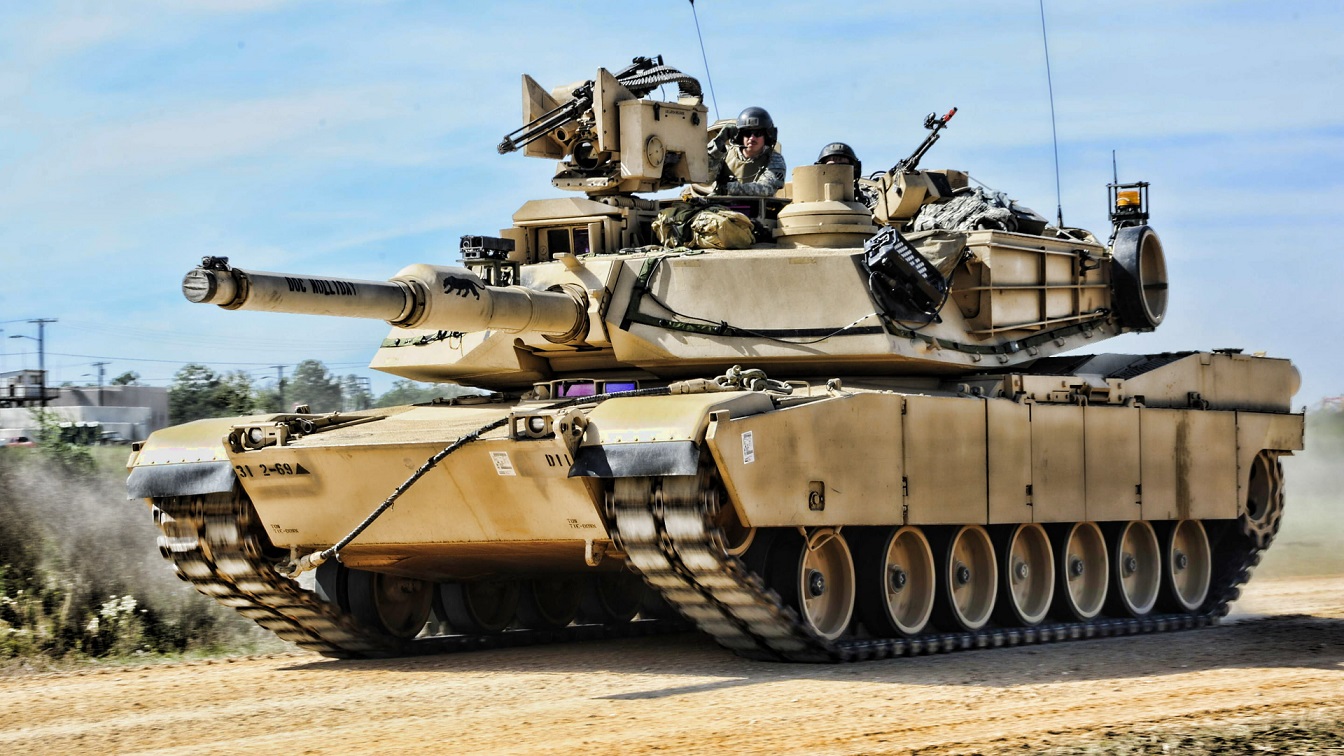
M1 Abrams Tank. Image Credit: U.S. Army.
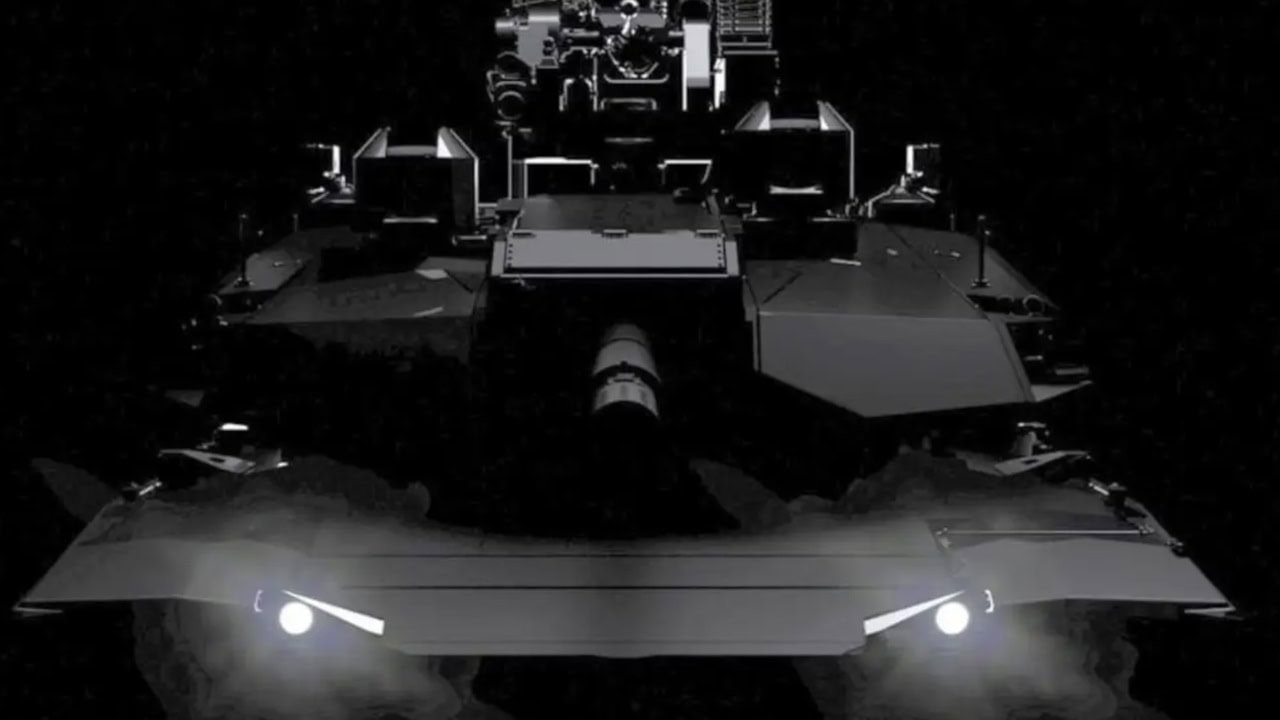
AbramsX NextGen Tank. Image Credit: YouTube Screenshot.
Per reports, during the U.S.-led Combined Resolve exercise this spring, Ukrainian operators repeatedly located American troops and armored vehicles before using simulated drone attacks to destroy them.
The American vehicles were being eliminated so quickly that exercise controllers eventually had to return, or “respawn,” destroyed units so that the war game could continue.
The news is far from positive for the United States, but importantly, it does not mean that Ukraine possesses a stronger conventional military than the United States.
Combined Resolve is specifically designed to expose weaknesses and allow troops to fail without suffering real casualties, giving the United States an opportunity to address weaknesses.
The exercise did, however, prove something consequential: after fighting a much larger power for more than four years, Ukraine has now developed an extraordinarily sophisticated approach to conducting inexpensive offensive and defensive operations.
And the U.S. must now learn from it.
More than 3,600 Troops Trained In Germany
The Combined Resolve 26-07 exercise was conducted by the U.S. Army’s 7th Army Training Command at the Joint Multinational Readiness Center located in Hohenfels, Germany, from April 9 until May 10.
The exercise involved more than 3,600 personnel from seven countries, with the U.S. Army’s 3rd Infantry Division overseeing the operation and coordinating the participating units.
One of the main American units being tested in the exercise was the 3rd Armored Brigade Combat Team, 1st Cavalry Division, which was approaching the end of a nine-month deployment to Europe.
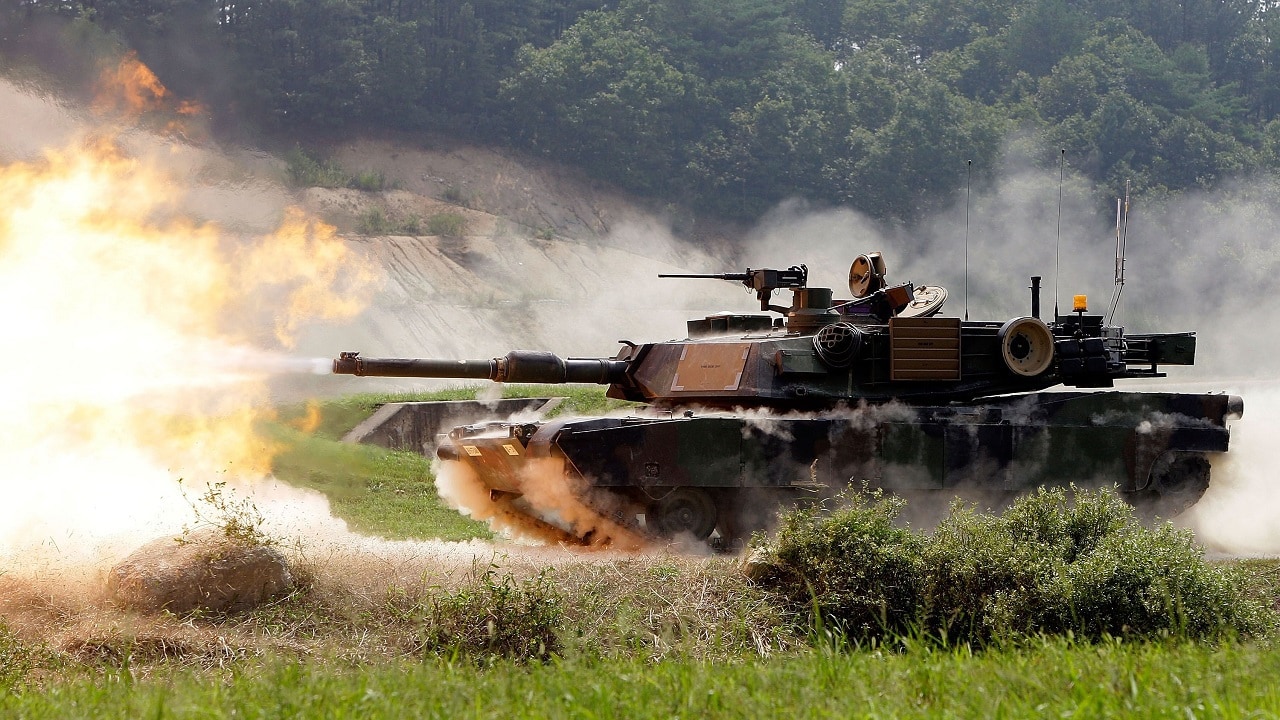
M1 Abrams Main Battle Tank. Image Credit: Creative Commons.
The brigade had spent its time on the continent supporting Operation Atlantic Resolve, the ongoing U.S. military effort intended to reinforce NATO’s eastern members following the Russian invasion of Ukraine.
The Combined Resolve exercise was intended to test whether the brigade could fight a large, modern ground war against a well-equipped and capable enemy.
U.S. troops used armored vehicles, helicopters, drones, and electronic warfare systems while operating against a simulated enemy force that was seeking to find and destroy them.
In this exercise, however, the enemy had a major advantage: Ukrainian personnel from the 412th Regiment of Unmanned Systems Forces, better known as Nemesis.
The Ukrainian service members were brought in to take part in the exercise to provide some of the drone expertise that Ukraine has developed during the war with Russia.
It is not the first time that Ukrainian troops have been used as part of a U.S. exercise, with troops frequently turning to them for their experience under actual combat conditions.
“You can’t get training like this in the United States. Stressing our forces during exercises, exposing them to the complexities of war today, makes them better suited for the wars of tomorrow,” NATO Supreme Allied Commander Europe Gen. Alexus Grynkewich said.
“I’ve seen video of American and NATO troops at the beginning and end of exercises where Ukrainians have played opposing forces. The change is remarkable.”
Ukraine Now Produces Millions of Drones
Ukraine’s advantage in drone warfare did not exist only a handful of years ago, and has been built at extraordinary speed during the war.
Ukraine now has the capacity to manufacture between six million and seven million small first-person-view (FPV) drones this year, according to Travis Metz, the Pentagon official overseeing its Drone Dominance program. That amounts to around half a million drones every single month.
Ukrainian President Volodymyr Zelensky has even indicated his plans to increase production to 20 million per year.
Those drones, however, only form part of the industry. Ukrainian companies also produce reconnaissance aircraft, long-range strike drones, naval drones, and interceptor drones designed to hunt Russian unmanned aerial vehicles.
Manufacturers also work closely with frontline troops, with Ukrainian engineers often receiving information about Russian electronic warfare and other defensive measures, allowing them to quickly modify their designs and send improved versions back to combat units with shocking efficiency.
That process has allowed Ukraine to develop both its technology and tactics under real battlefield conditions.
The U.S. Is Trying to Catch Up
The Pentagon is well aware that it needs to catch up. The United States has, however, long operated sophisticated unmanned aircraft such as the MQ-9 Reaper.
What Ukraine has done, though, is demonstrate the importance of having huge numbers of cheaper drones available to ordinary ground units.
The scale of the gap is significant.
The Pentagon’s $1.1 billion Drone Dominance Program expects to have ordered just under 200,000 drones by February 2027. At its projected 2026 production rate, Ukraine could manufacture that many FPV drones in less than two weeks.
MORE – The New M10 Booker Light Tank Is Already Collecting Dust Bunnies in a Museum
About the Author: Jack Buckby
Jack Buckby is a British researcher and analyst specializing in defense and national security, based in New York. His work focuses on military capability, procurement, and strategic competition, producing and editing analysis for policy and defense audiences. He brings extensive editorial experience, with a career output spanning over 1,000 articles at 19FortyFive and National Security Journal, and has previously authored books and papers on extremism and deradicalization.