
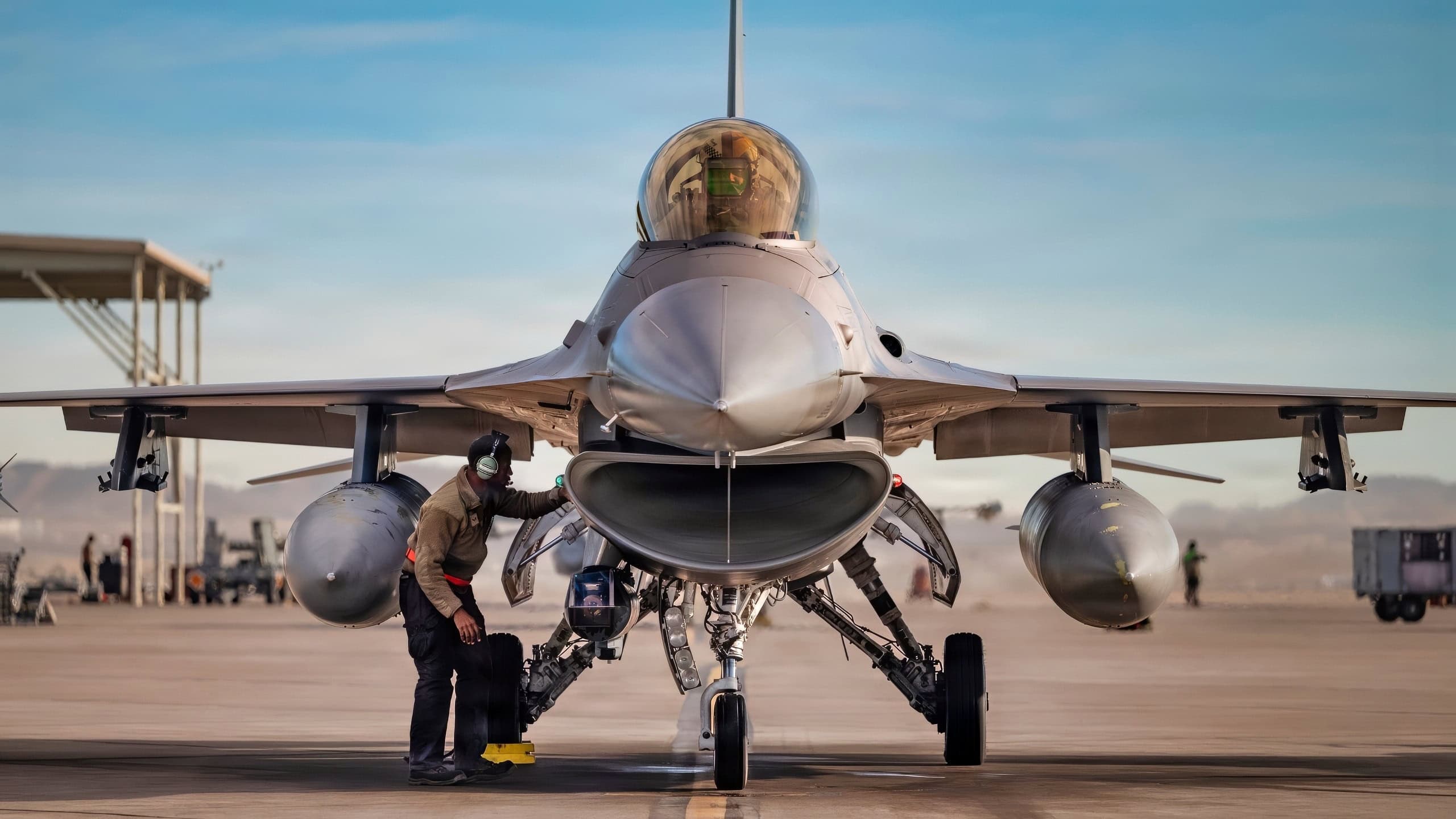
The F-16 Fighting Falcon is famous for its agility, bubble canopy, and the ability to pull nine Gs, but arguably its most important attribute—and certainly the reason it is still relevant today, almost five decades after its release—is it’s easy to upgrade. Now built in Greenville, South Carolina, 4,600 fighters have been built so far.
The F-16 first entered operational service in 1978, conceived as a relatively lightweight, affordable fighter to complement the much larger and heavier F-15 Eagle.
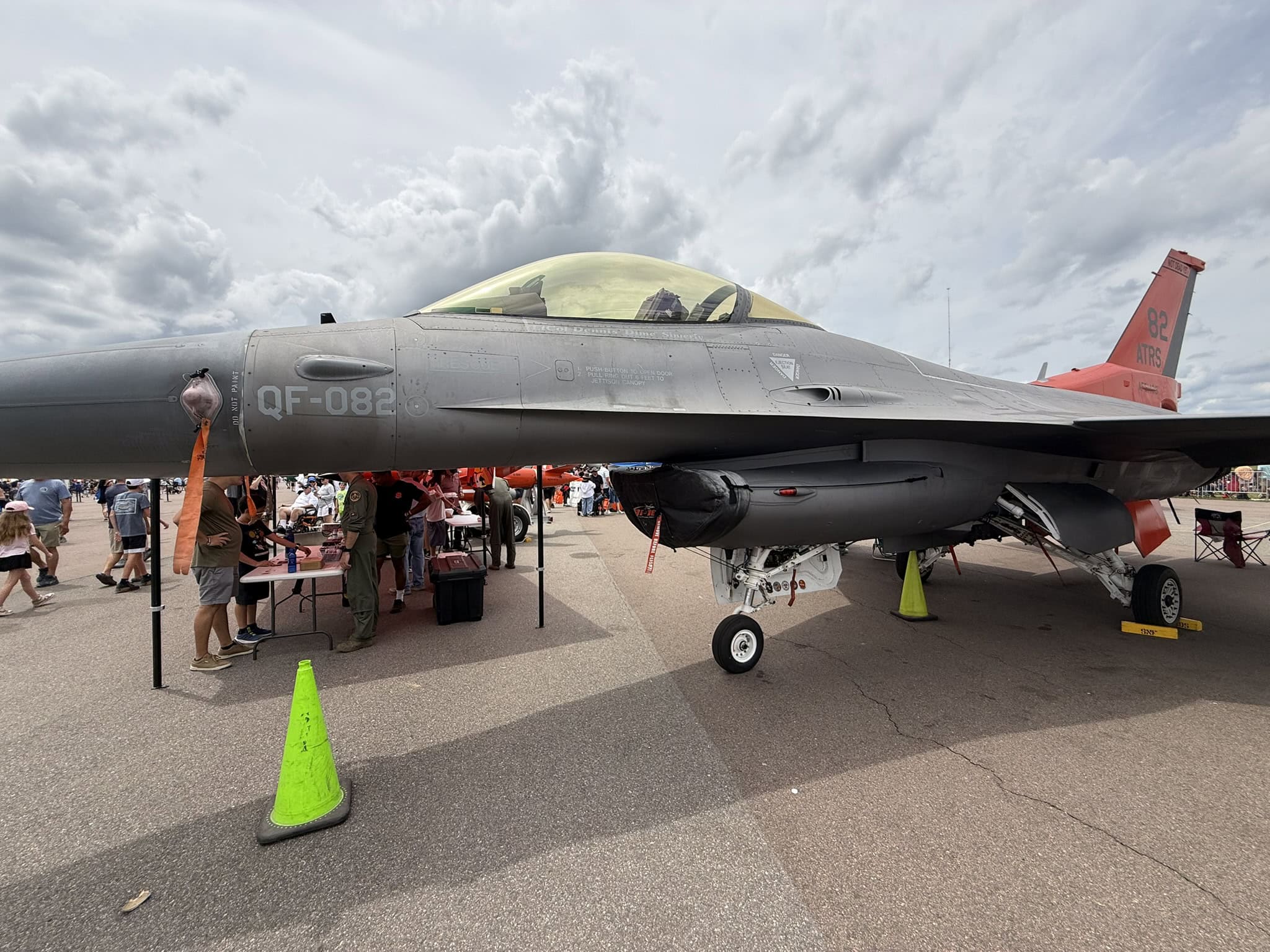
F-16. Image Credit: 19FortyFive.com Taken 4/19/2026.
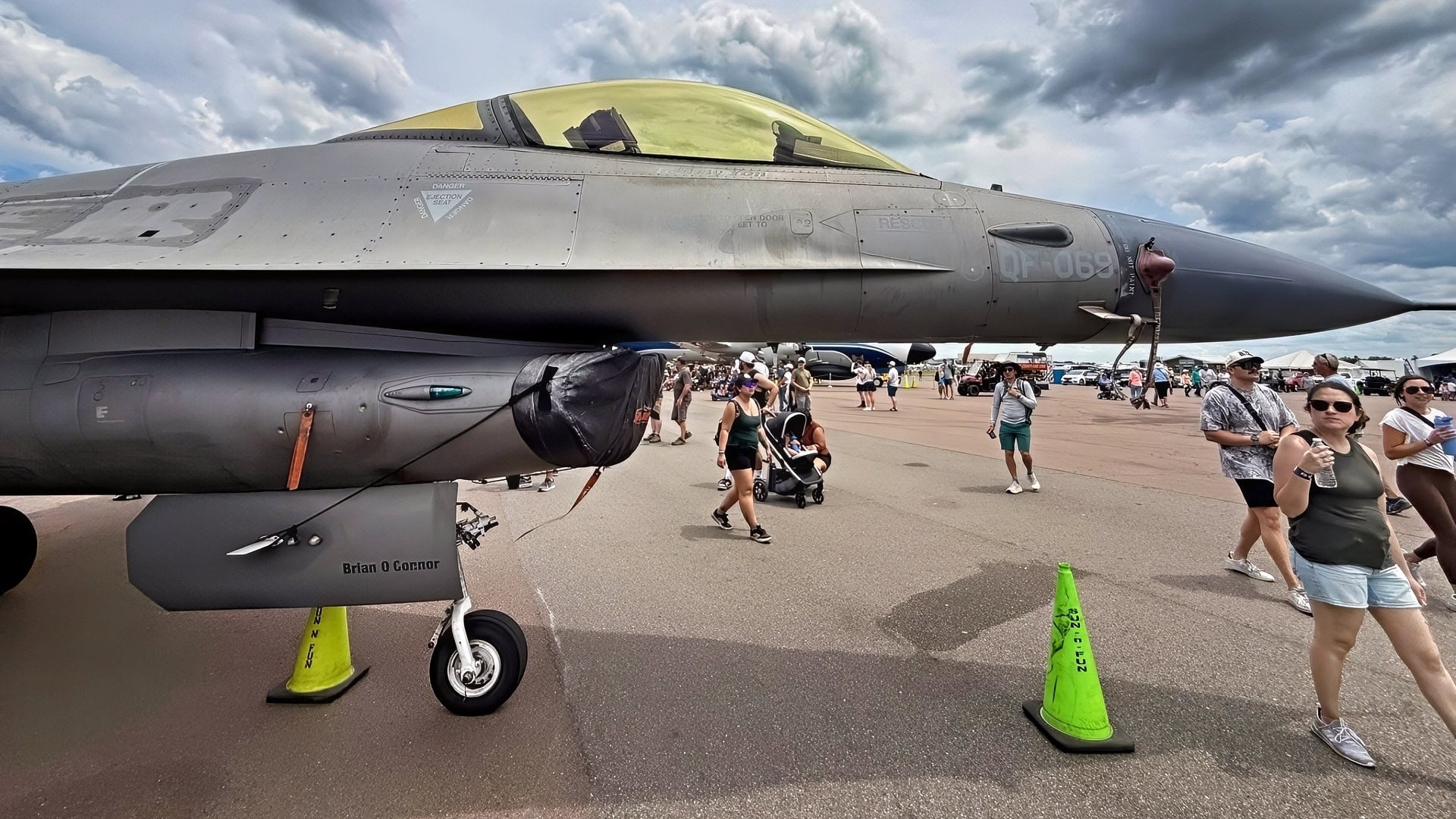
F-16 Fighter Lakeland Florida 19FortyFive.com Image. Taken on 4/19/2026.
Early F-16s were heavily oriented toward visual-range air combat (dogfighting), which differs greatly from today’s Block 70/72 F-16s, which carry AESA radar, advanced electronic warfare, modern datalinks, and long-range precision weapons, making them capable long-range fighters and strike platforms.
Indeed, the basic airframe has survived a transformation in air warfare from Cold War dogfights to networked beyond-visual-range (BVR) combat.
That adaptability helps explain why the F-16 remains in production decades after its introduction, and why thousands of platforms are still operational worldwide.
Far Removed from the Original
The earliest Block 1/5/10/15 F-16s would appear surprisingly limited beside today’s Vipers. The early blocks featured an AN/APG-66 mechanically scanned radar, relatively simple avionics, and an analog-heavy cockpit.
For air-to-air combat, early versions depended principally on the AIM-9 Sidewinder short-range missile and the M61A1 20 mm Vulcan cannon.
Notably, the original F-16 lacked the AMRAAM-equipped BVR capability now associated with the fighter, but the basic design offered excellent performance and enough potential for new avionics, weapons, and sensors.
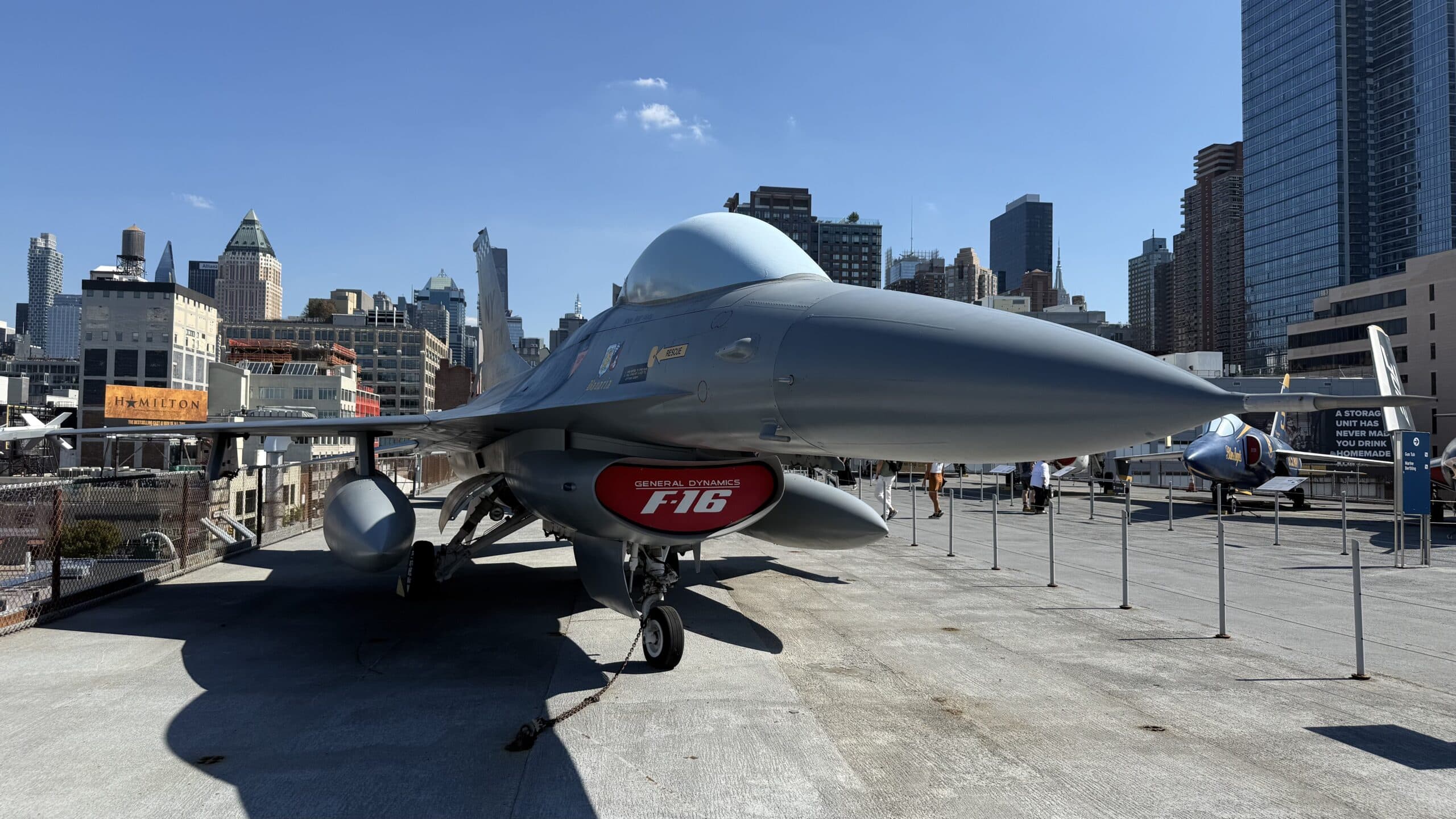
F-16 On Flight Deck of USS Intrepid. 19FortyFive.com Image.
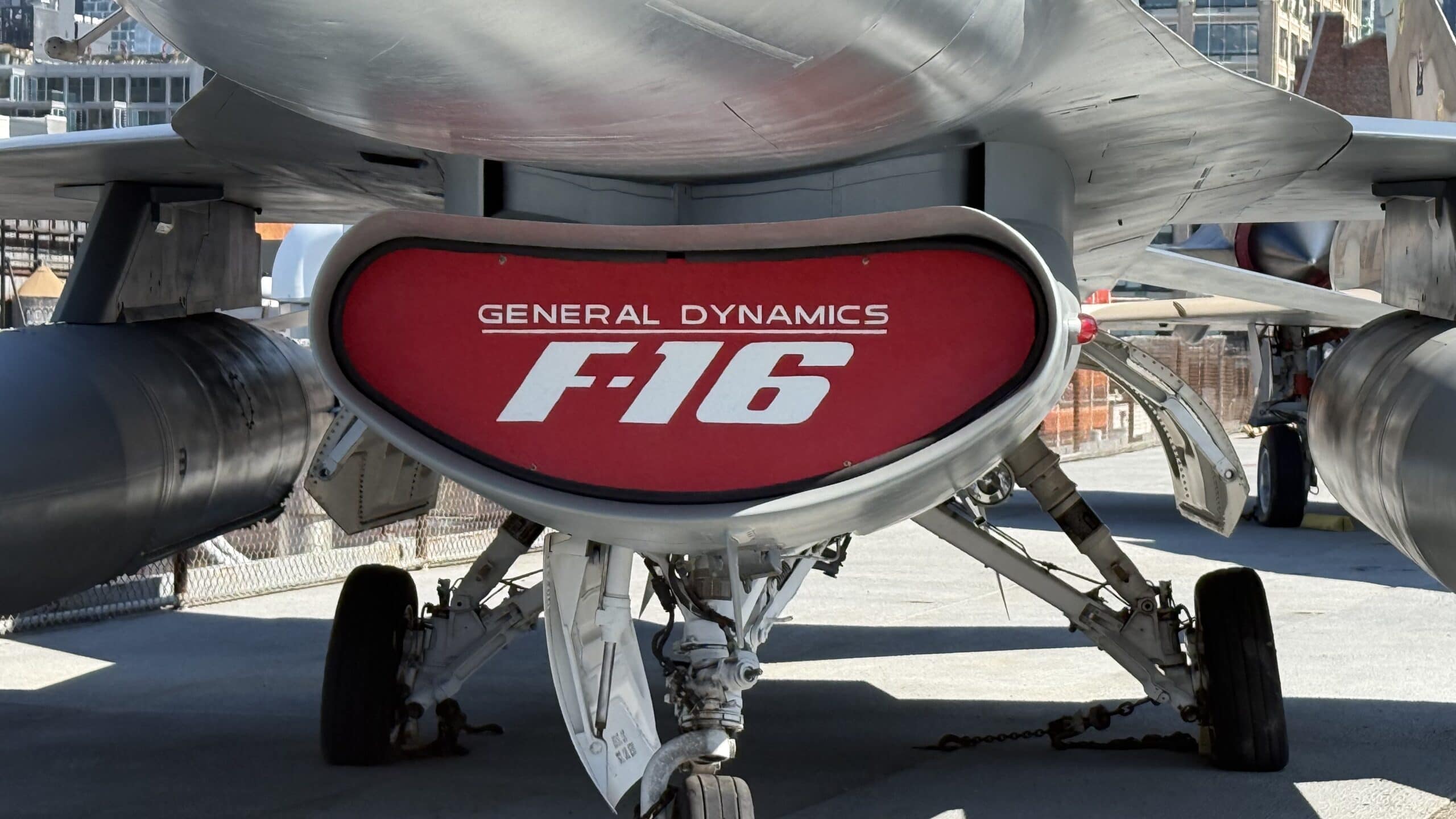
F-16 On Flight Deck of USS Intrepid. 19FortyFive.com Image.
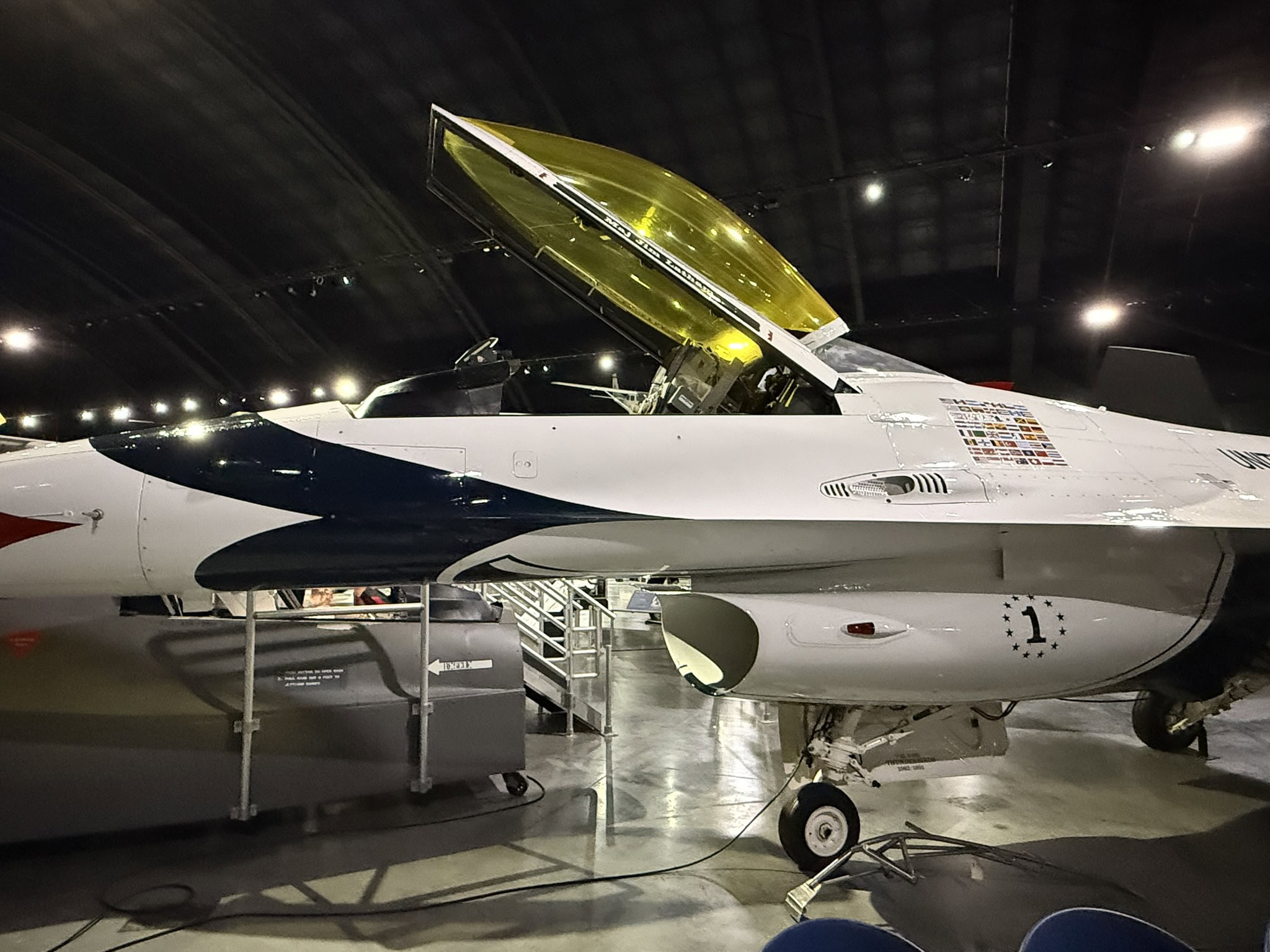
F-16 Fighter. 19FortyFive.com Image from the National Museum of the U.S. Air Force.
Instead of replacing the fighter every time technology advanced, operators could change what was inside the jet and hang new systems underneath it on external pylons.
New Blocks
The F-16 evolution did not happen overnight in one enormous redesign; instead, it occurred through successive production blocks and modernization programs, increment by increment, over decades.
Block 15 significantly expanded the jet’s capabilities and became the most numerous early version.
Later Block 40/42 aircraft introduced major improvements for all-weather and nighttime strike, including compatibility with targeting/navigation pods and increasingly sophisticated precision weapons.
Then, the Block 50/52 pushed the aircraft further into the SEAD mission. The F-16CM became closely associated with the AGM-88 HARM anti-radiation missile and the HARM Targeting System, which allowed it to detect, locate, and attack hostile radars.
Meanwhile, newer radar upgrades and the integration of the AIM-120 AMRAAM transformed the F-16 from a short-range dogfighter into an incredible BVR fighter.
Effectively, the platform transitioned from a lightweight, daytime knife fighter to a multirole strike aircraft capable of interception and radar hunting—a remarkable transformation.
Block 70/72 Step Change
The combination of this incremental progress is today’s F-16 Block 70/72, sometimes marketed as the F-16V or Viper standard. The F-16V represents nearly a technological generational step change.
The centerpiece of the program is Northrop Grumman’s AN/APG-83 SABR active electronically scanned array (AESA) radar.
AESA technology replaces the mechanically moving antenna of older F-16 radars with electronically steered beams—a huge upgrade that means faster scanning, better simultaneous target tracking, improved detection and resolution, better performance against electronic interference, and stronger air-to-ground mapping capability.
The APG-83 draws on Northrop Grumman’s experience with the F-22 and F-35 AESA radars, effectively importing elements of the fifth-generation sensor environment into the fourth-generation F-16.
Software Upgrades
When the F-16 debuted in the 1970s, fighter jets were built around kinetic performance: speed, maneuverability, and payload were the hallmarks.
But times have changed, and now computing, sensors, and software are vital to aircraft performance, survivability, and capability in modern air combat environments.
Modern F-16 configurations incorporate this reality with upgraded mission computers, digital displays, and datalinks such as Link 16, which allow the pilot to receive information generated by other aircraft and sensors.
Of course, the F-16 is still a limited platform.
Upgrades can’t make the jet stealthy or fifth-generation. But the F-16’s longevity demonstrates how important growth potential can be for keeping an aircraft relevant decades after its original design function became relatively obsolete.
About the Author: Harrison Kass
Harrison Kass is a writer and attorney focused on national security, technology, and political culture. His work has appeared in Tablet, City Journal, The Hill, The Spectator, and The Cipher Brief. He holds a JD from the University of Oregon and a master’s in Global & Joint Program Studies from NYU. More at harrisonkass.com.