
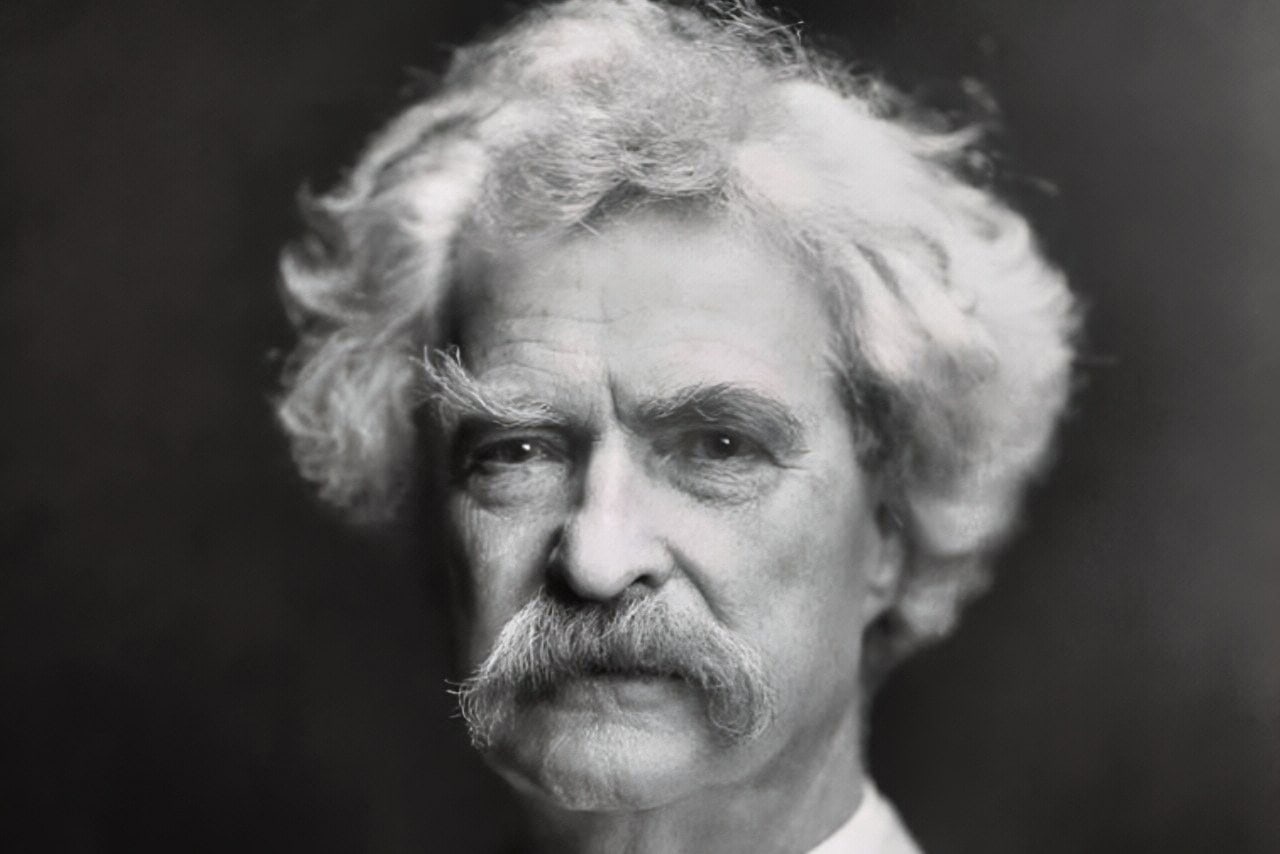
Summary and Key Points: While Mark Twain is remembered for his wit and literary success, his later years were marked by deep personal tragedy and “dark” writings that questioned humanity.
-Following the deaths of his wife and two daughters, Twain faced financial ruin and was even labeled a “traitor” for his anti-government speeches.
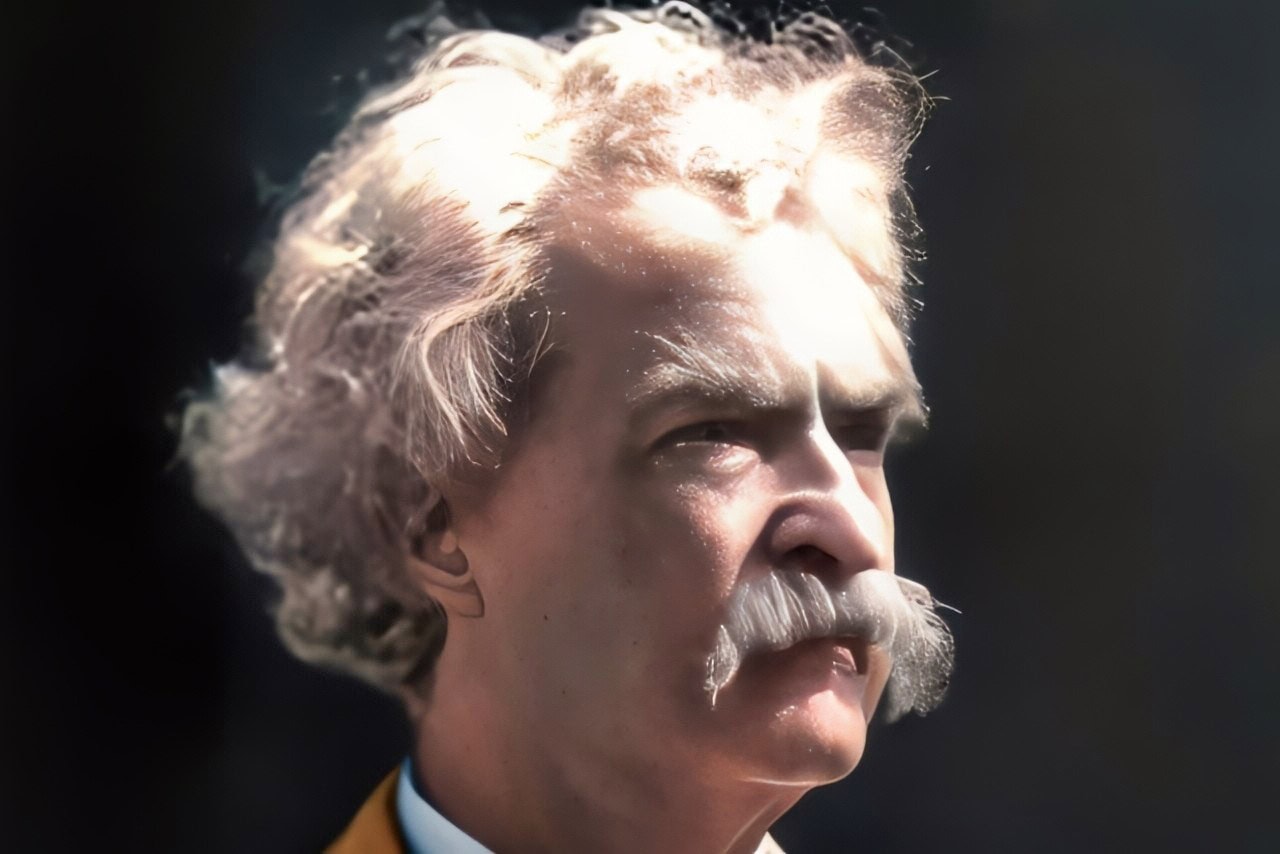
Mark Twain. Creative Commons Image.
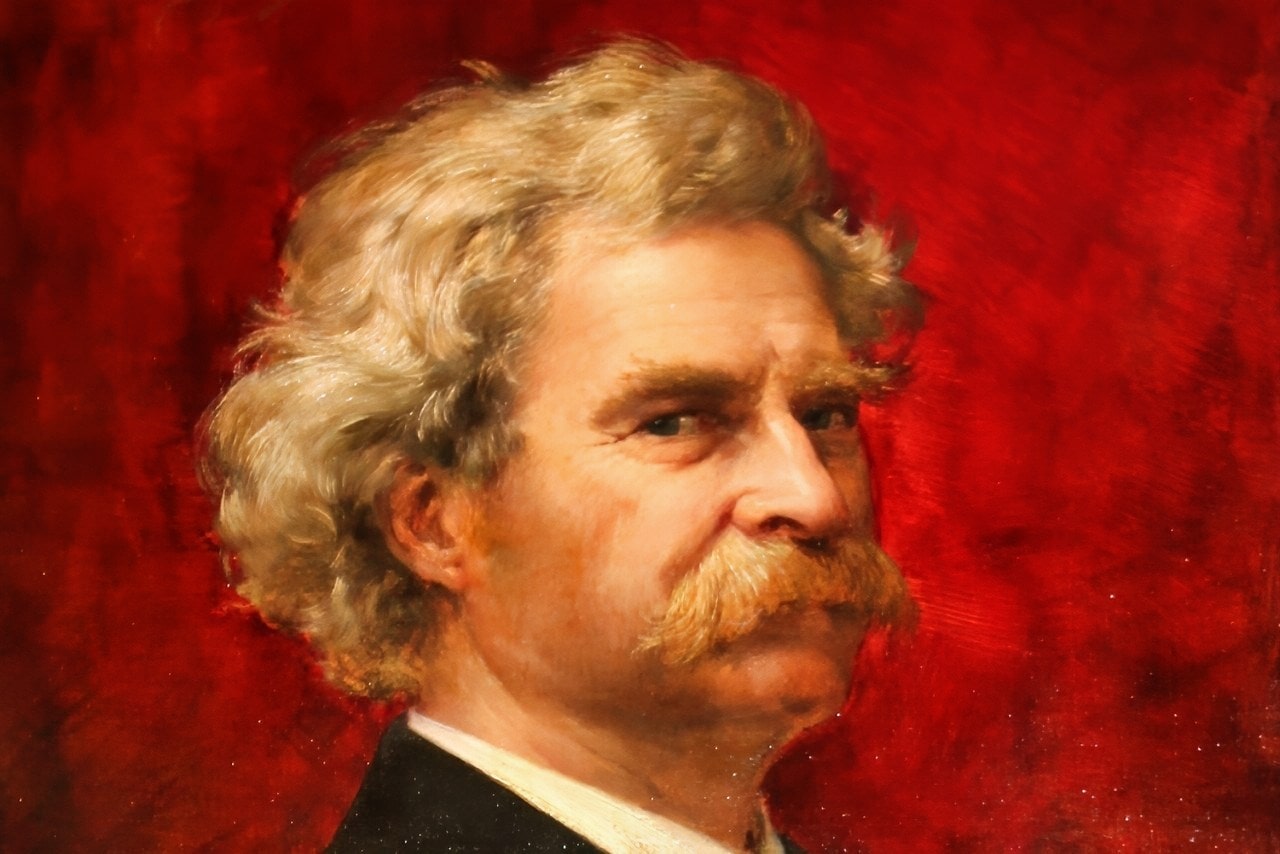
Mark Twain Portrait. Image Credit: Creative Commons.
-His famous quote, “A man who carries a cat by the tail learns something he can learn no other way,” originates from Tom Sawyer Abroad, reflecting the sharp humor that persists alongside his controversial legacy.
-Today, The Adventures of Huckleberry Finn remains one of America’s most banned books, while the prestigious Mark Twain Prize faces uncertainty amid leadership chaos at the Kennedy Center.
“Carrying a Cat by the Tail”: The Dark Truth Behind Twain’s Wit
“A man who carries a cat by the tail learns something he can learn no other way” -Mark Twain
Much is known about Mark Twain’s early years growing up in Missouri, as well as his various travels and his greatest literary successes.
But less well-known are Twain’s later days—some of his darkest.
“In these later years‚ Sam’s writings turned dark. They began to focus on human greed and cruelty and questioned the humanity of the human race,” the Mark Twain House and Museum’s official biography said, referring to the author by his real name, Samuel Clemens.
“His public speeches followed suit and included a harshly sarcastic public introduction of Winston Churchill in 1900. Even though Sam’s lecture tour had managed to get him out of debt‚ his anti-government writings and speeches threatened his livelihood once again. As Sam was labeled by some as a traitor‚ several of his works were never published during his lifetime, either because magazines would not accept them or because of his own personal fear that his marketable reputation would be ruined.”
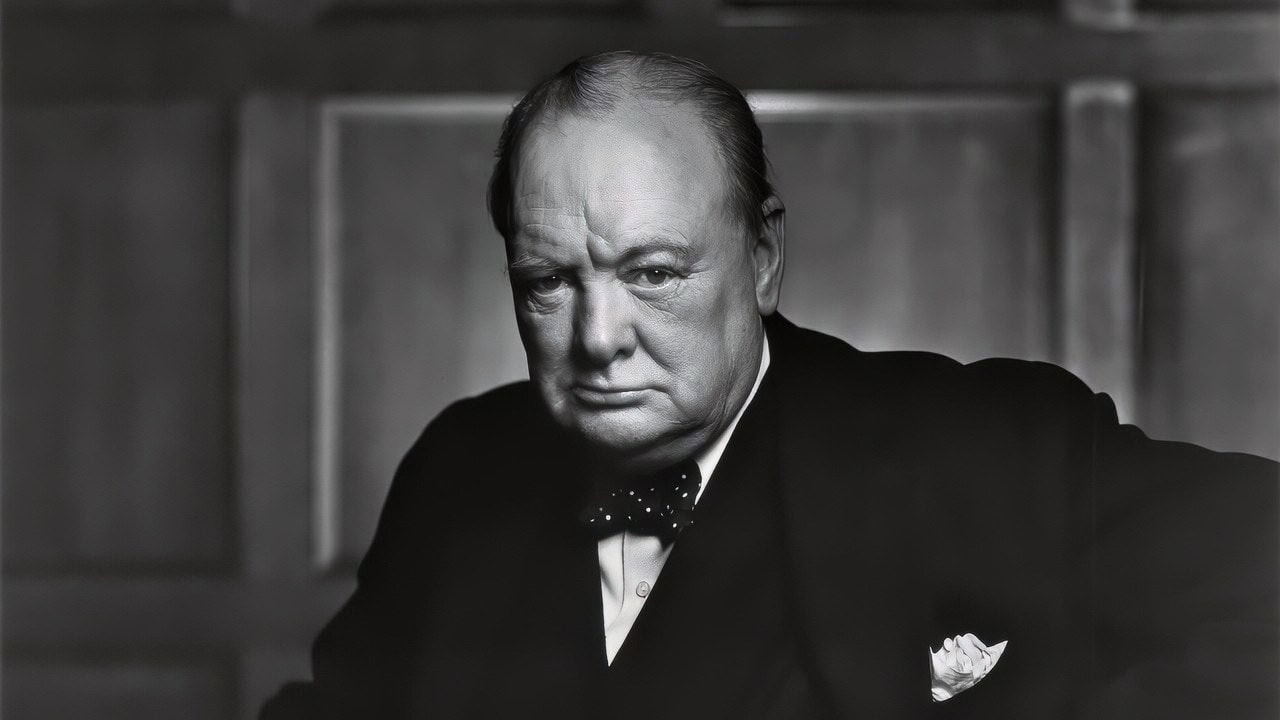
Sir Winston Churchill. Image Credit: Creative Commons.
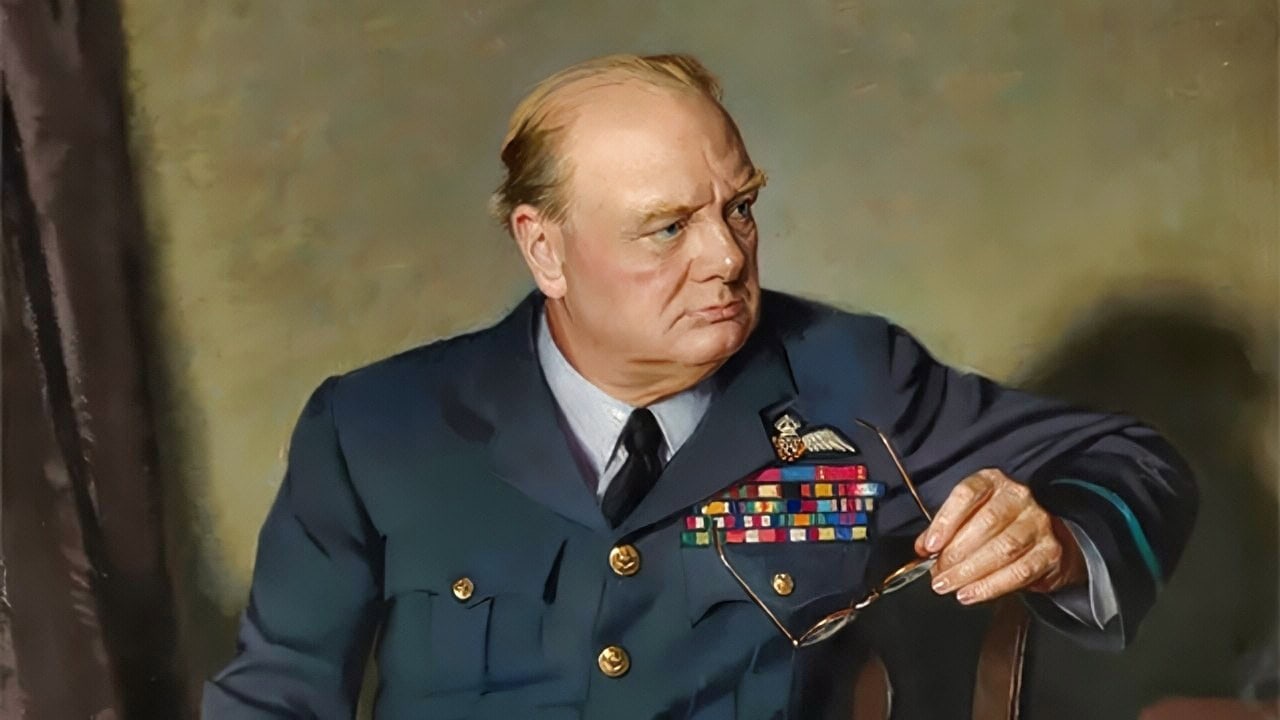
Winston Churchill Portrait. Image Credit: Creative Commons.
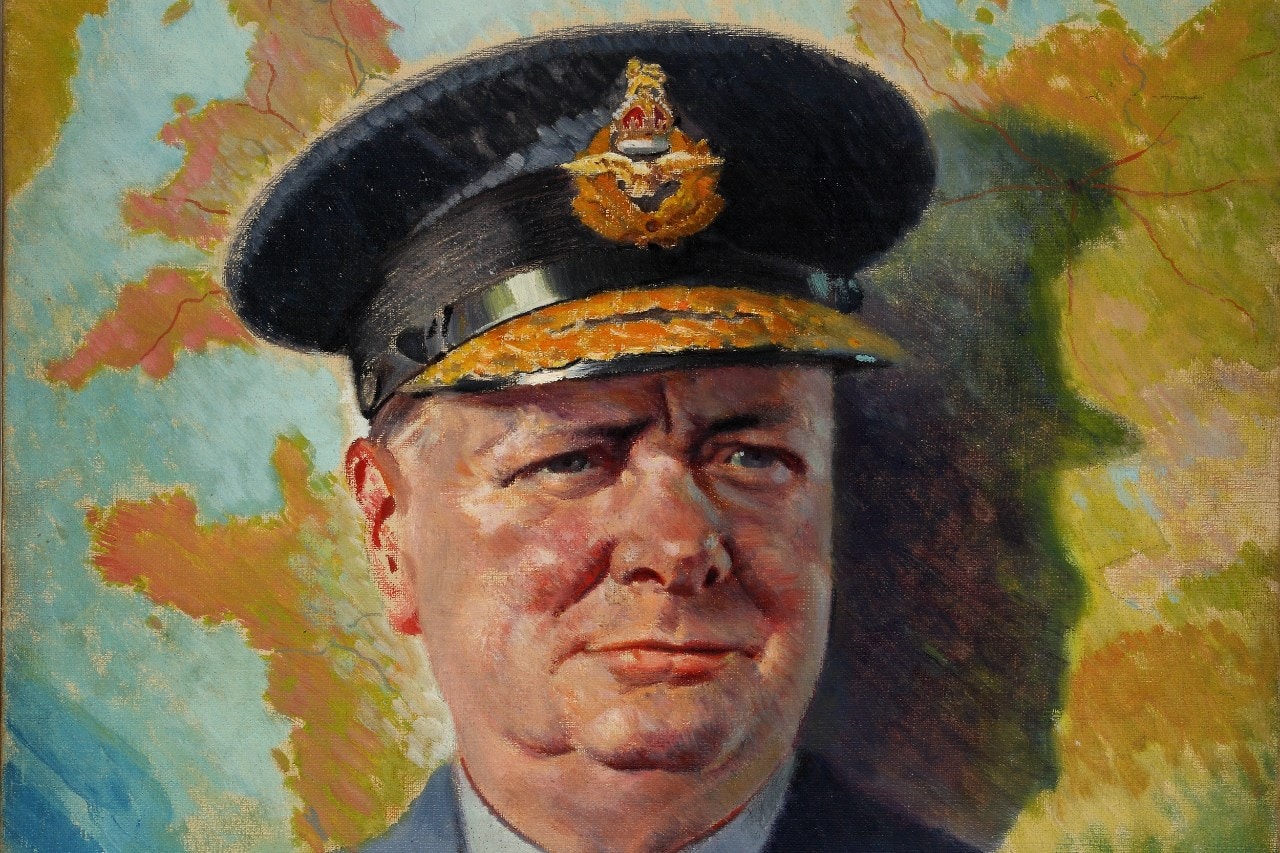
Winston Churchill. Image Credit: Creative Commons.
There was more trouble to come.
“In 1903, after living in New York City for three years, Livy became ill, and Sam and his wife returned to Italy, where she died a year later. After her death‚ Sam lived in New York until 1908, when he moved into his last house‚ ‘Stormfield,’ in Redding, Connecticut. In 1909, his middle daughter, Clara was married. In the same year, Jean, the youngest daughter, died from an epileptic seizure. Four months later, on April 21, 1910, Sam Clemens died at age 74.”
The Quote
The Twain quote that leads this article is frequently shared.
The full quote comes from Tom Sawyer Abroad and reads, “Uncle Abner said that the person that had took a bull by the tail once had learnt sixty or seventy times as much as a person that hadn’t, and said a person that started in to carry a cat home by the tail was gitting knowledge that was always going to be useful to him, and warn’t ever going to grow dim or doubtful.”
Other versions of the quote are found in Twain’s journals and other writings.
Twain was known to love cats—a 2017 Smithsonian article said the famed author “liked cats better than people.” Twain is said to have owned as many as 19 cats at one point in his life, and cats appear throughout his literary works.
“If man could be crossed with the cat,” Twain once wrote, “it would improve man, but it would deteriorate the cat.”
Twain’s Legacy in Book Ban Fights
Twain’s work is still enjoyed to this day, more than a century after his death. But when his work is in the news these days, it’s often as a result of book-ban controversies.
As noted in an American Experience article on the PBS website, The Adventures of Huckleberry Finn has been the subject of ban efforts going back to when it was first published in the 1880s.
“It began rolling off American printing presses in February of 1885. By March, librarians in Concord, Massachusetts, deemed it ‘trash” and ‘suitable only for the slums,’” American Experience wrote. “It was the first time the book was banned in the United States, but it certainly wouldn’t be the last.”
Often, bans come because of the book’s usage of racial slurs. At other times, because the work “conflicted with the values of the community.”
Jocelyn A. Chadwick, the President of the National Council of Teachers of English and a Twain scholar, told PBS about why she thinks Huckleberry Finn has drawn bans.
“I think that it’s landed on the list of banned books because it goes where Americans really don’t want to go. We talk about race and racism and acceptance and inclusivity and equity,” Chadwick told PBS. “We talk at that, but we don’t really listen and engage in a real substantive conversation. I think that Huck Finn will remain on the banned books list because it will remain a burr under the saddle of so many people—because it goes to the heart of what still bothers us to this day.”
On the American Library Association’s list of the 100 most banned books for the decade between 2010 and 2019, Huckleberry Finn is currently #33. It did not make the most recent top ten list from the ALA. The book, however, is often included as part of efforts to get students and others to read books that have been banned.
The Mark Twain Prize
Another way Twain’s legacy is still felt is through the Mark Twain Prize for American Humor. The award is presented each year by the Kennedy Center, which has handed it out since 1998. Conan O’Brien was the most recent honoree, last March.
“The Mark Twain Prize for American Humor recognizes individuals who have had an impact on American society in ways similar to the distinguished 19th-century novelist and essayist Samuel Clemens, colloquially known as Mark Twain,” the official site of the prize says. “As a social commentator, satirist, and creator of characters, Clemens was a fearless observer of society who delighted and informed onlookers with his uncompromising perspective on social injustice and personal folly.”
The question now is whether the current chaos at the Kennedy Center, which has had performers cancelling on a near-weekly basis, will mean anything for the Twain prize in 2026. Donald Trump had already announced his takeover of the Center at the time of last year’s presentation, leading to jokes by O’Brien and others—but that was before Trump’s hand-picked board put the president’s name on the center.
About the Author: Stephen Silver
Stephen Silver is an award-winning journalist, essayist, and film critic, and contributor to the Philadelphia Inquirer, the Jewish Telegraphic Agency, Broad Street Review, and Splice Today. The co-founder of the Philadelphia Film Critics Circle, Stephen lives in suburban Philadelphia with his wife and two sons. For over a decade, Stephen has authored thousands of articles that focus on politics, national security, technology, and the economy. Follow him on X (formerly Twitter) at @StephenSilver, and subscribe to his Substack newsletter.