
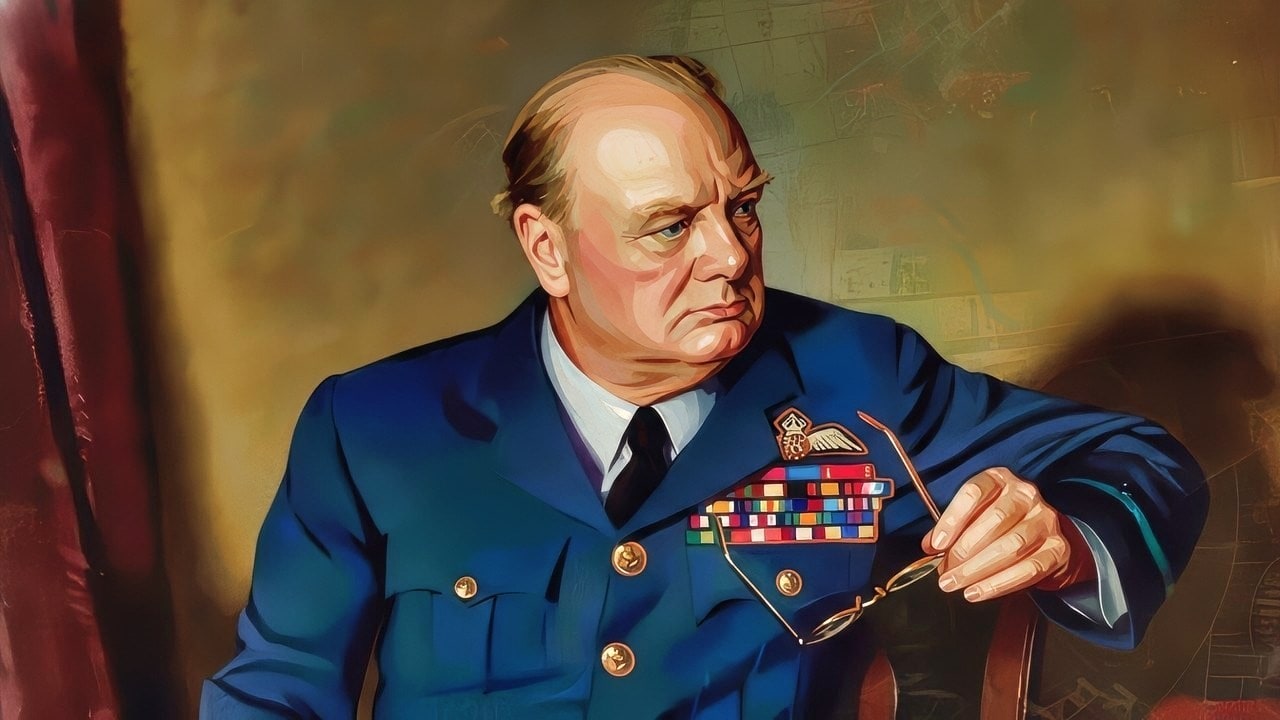
Summary and Key Points: In April 1925, Chancellor Winston Churchill restored the British Gold Standard at the pre-war parity of $4.86.
-Despite warnings from economist John Maynard Keynes that the move would “seriously damage” export industries like coal, Churchill followed the “mainstream” advice of the Bank of England.
-The resulting economic strain led to the 1926 General Strike and eventually forced Britain off gold in 1931.
-This “Agreeable Unsoundness” mirrored Churchill’s later 1945 warnings about the “unequal sharing of blessings” under capitalism versus the “equal sharing of miseries” under socialism—an ideological struggle that continues to shape 2026 economic policy.
Quote to Remember: Why Churchill’s 1945 Socialism Warning Still Resonates in 2026
Quote of the day: “The inherent vice of capitalism is the unequal sharing of blessings. The inherent virtue of Socialism is the equal sharing of miseries,”- Winston Churchill
On October 22, 1945, a few months after both the end of World War II and his stepping down as prime minister, Winston Churchill delivered the following quote: “The inherent vice of capitalism is the unequal sharing of blessings. The inherent virtue of Socialism is the equal sharing of miseries.”
This is sometimes conflated with a different Churchill quote, from early in 1945, in which the prime minister declared “socialism is the philosophy of failure, the creed of ignorance, and the gospel of envy.”
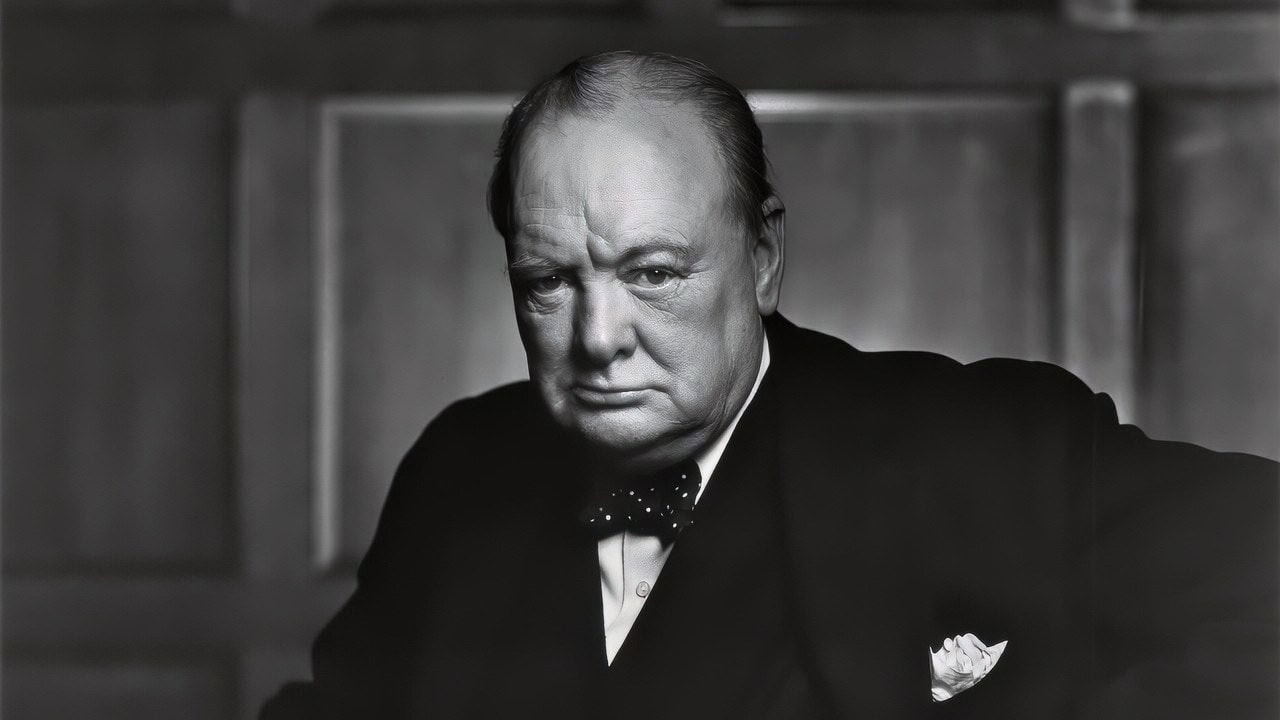
Sir Winston Churchill. Image Credit: Creative Commons.
Both statements came at a time when World War II was ending, and it was clear that the world’s next great conflict would be between the U.S. and the Soviet Union, and between capitalism and communism. Churchill, while elected to represent different parties at different times, was always a strident opponent of socialism.
Another time, decades earlier, Churchill made a big move to return the U.K. to the Gold Standard.
Winston Churchill Says Back to Gold
Churchill was appointed Chancellor of the Exchequer in November of 1924, and he set out to restore laissez-faire economics.
The following year, he moved to restore the gold standard.
“After accepting the post his first major decision was the restoration of the Gold Standard at its pre-First World War parity of $4.86 to the pound, which he announced in his first Budget statement in April 1925,” per the official Parliament website. “This decision was greeted with much delight by the Bank of England and his party colleagues but economists such as John Maynard Keynes warned that such a measure could seriously damage British export industries such as coal.”
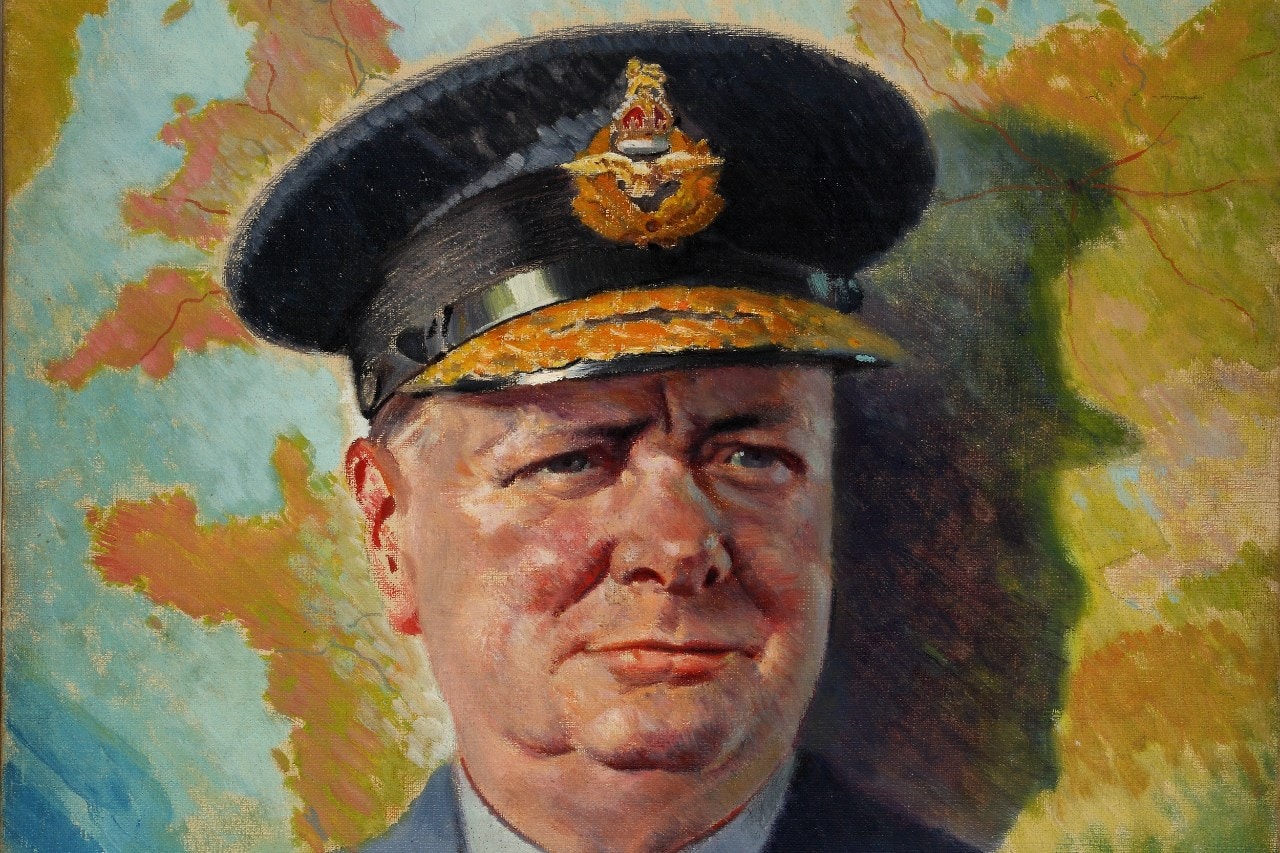
Winston Churchill. Image Credit: Creative Commons.
Churchill addressed all this in a speech to Parliament on May 4, 1925, per the International Churchill Society.
“When the present Opposition formed a Government, they formally expressed themselves in favour of a return to a gold standard at the earliest opportunity. The Prime Minister of those days – I have the quotations here, but I shall not trouble the House with them – announced that policy of carrying out the recommendations of the Cunliffe Committee, and returning to the gold standard at the earliest possible moment – and then the Chancellor of the Exchequer, the right hon,” Churchill told Parliament.
“Member for Colne Valley (Mr. Snowden), went further and was even more explicit, not only in office but in opposition. He has repeatedly urged upon the Government that the right policy for this country is to return to the gold standard at the earliest possible moment.”
There was a ten-day general strike as a result of all this. Churchill, though, remained in his position for the rest of the 1920s. Britain dropped the gold standard in 1931, amid the throes of the Great Depression.
“When the gold standard began to fall apart in 1931, it similarly broke down piece by piece. The lack of cooperation meant that countries that devalued earlier in the 1930s were generally advantaged in international comparison, enjoying increased industrial production and exports,” CEPR wrote in a report.
“Britain’s devaluation is often seen as a turning point in its recovery from the Great Depression, boosting its international competitiveness, enabling monetary expansion, and reversing inflation expectations.”
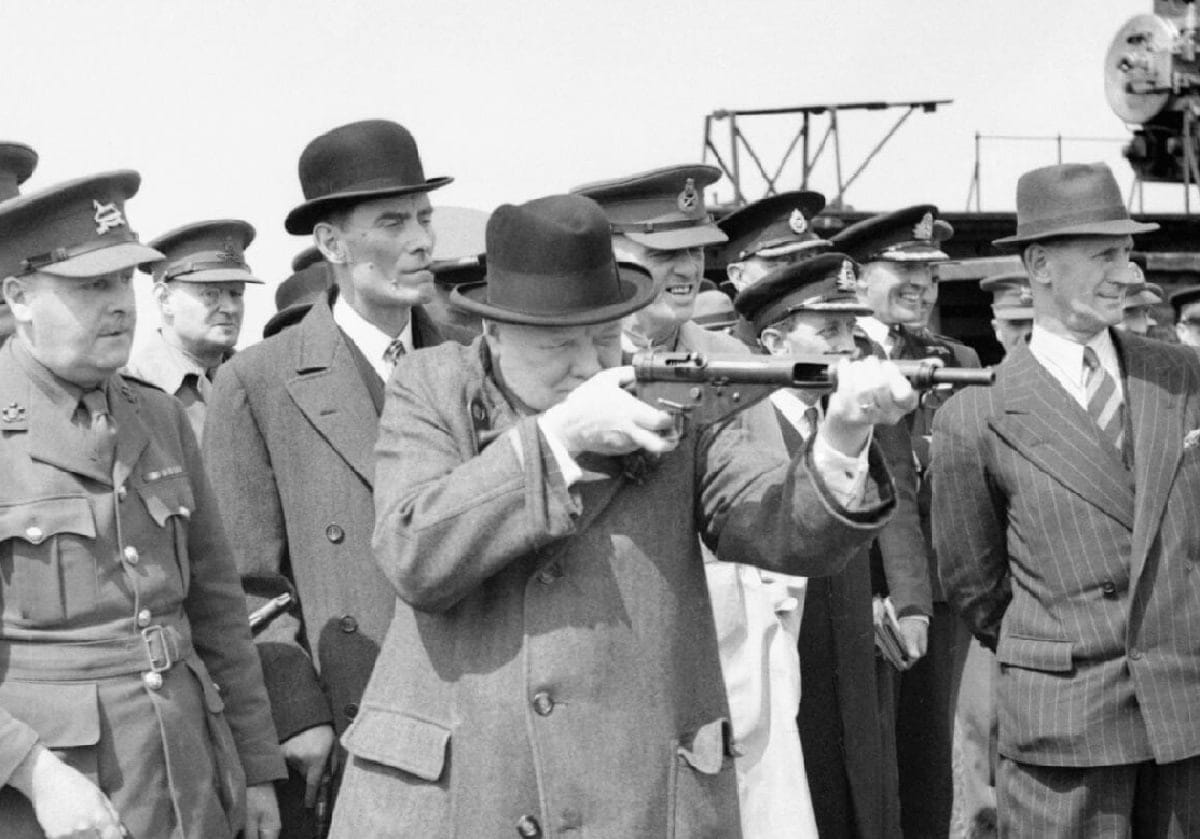
Winston Churchill. Image: Creative Commons.
Did it Work?
The Bucknell Institute of Public Policy, in 2025, went on to look at the effects of the policy, titled “The theoretical consequences of Mr. Churchill’s Gold Standard Policy and the ‘Long Struggle of Escape.’”
“Keynes’ attack on the British decision to return to the gold standard at the pre-war parity in 1925 proved to be prescient. But his policy advice at the time was ignored,” the Bucknell paper, authored by Nathaniel Cline and Matías Vernengo, said. “This paper argues that the relevance of his critique of Churchill derives from it being the catalyst for the theoretical revolution associated with Keynes’ principle of effective demand. Paradoxically, it was only when the theoretical revolution was aborted, and the mainstream reasserted itself, that Keynes’ policy advice was implemented.”
The Bucknell paper notes a bit of irony.
“The British return to the gold standard a century ago contains a curious irony. Winston Churchill, the Chancellor of the Exchequer responsible for the return to gold in 1925, privately expressed concerns about it, while Philip Snowden, the Labour Chancellor who was forced to abandon gold in September of 1931, was very much for it (in a coalition government dominated by Tories, one might add). As noted by Roy Jenkins, a later Labour Chancellor, Churchill harbored deep reservations about the return to gold, but, “at the end… sold the pass by saying that as a matter of practical politics [he] had no alternative.’”
The Gold Standard in America
In the U.S., as laid out in an article from 2024 by the Federal Reserve Bank of St. Louis, commercial banks and the Federal Reserve had traditionally had a gold reserve requirement.
“For every Federal Reserve dollar that was issued, the Reserve Bank had to have 40 cents worth of gold in its vault downstairs in the basement,” St. Louis Fed economist David Wheelock said in that article.
The U.S. exit from the gold standard came in two parts.
“The U.S. came off the gold standard for domestic transactions in 1933 under President Franklin Roosevelt and ended international convertibility of the dollar to gold in 1971 under President Richard Nixon, effectively ending the gold standard in the U.S.,” the St. Louis Fed article said.
There have been occasional boomlets about bringing back the gold standard in the U.S., including during the Obama presidency, but it never happened.
“The U.S. mines a lot of gold, but we’re not the biggest producer,” the St. Louis Fed’s Wheelock wrote. “The bigger suppliers of gold would have more control over our monetary policy, and there’s no reason to have it because we can get the advantages of the gold standard and avoid the disadvantages without being on a gold standard.”
About the Author: Stephen Silver
Stephen Silver is an award-winning journalist, essayist, and film critic, and contributor to the Philadelphia Inquirer, the Jewish Telegraphic Agency, Broad Street Review, and Splice Today. The co-founder of the Philadelphia Film Critics Circle, Stephen lives in suburban Philadelphia with his wife and two sons. For over a decade, Stephen has authored thousands of articles that focus on politics, national security, technology, and the economy. Follow him on X (formerly Twitter) at @StephenSilver, and subscribe to his Substack newsletter.