
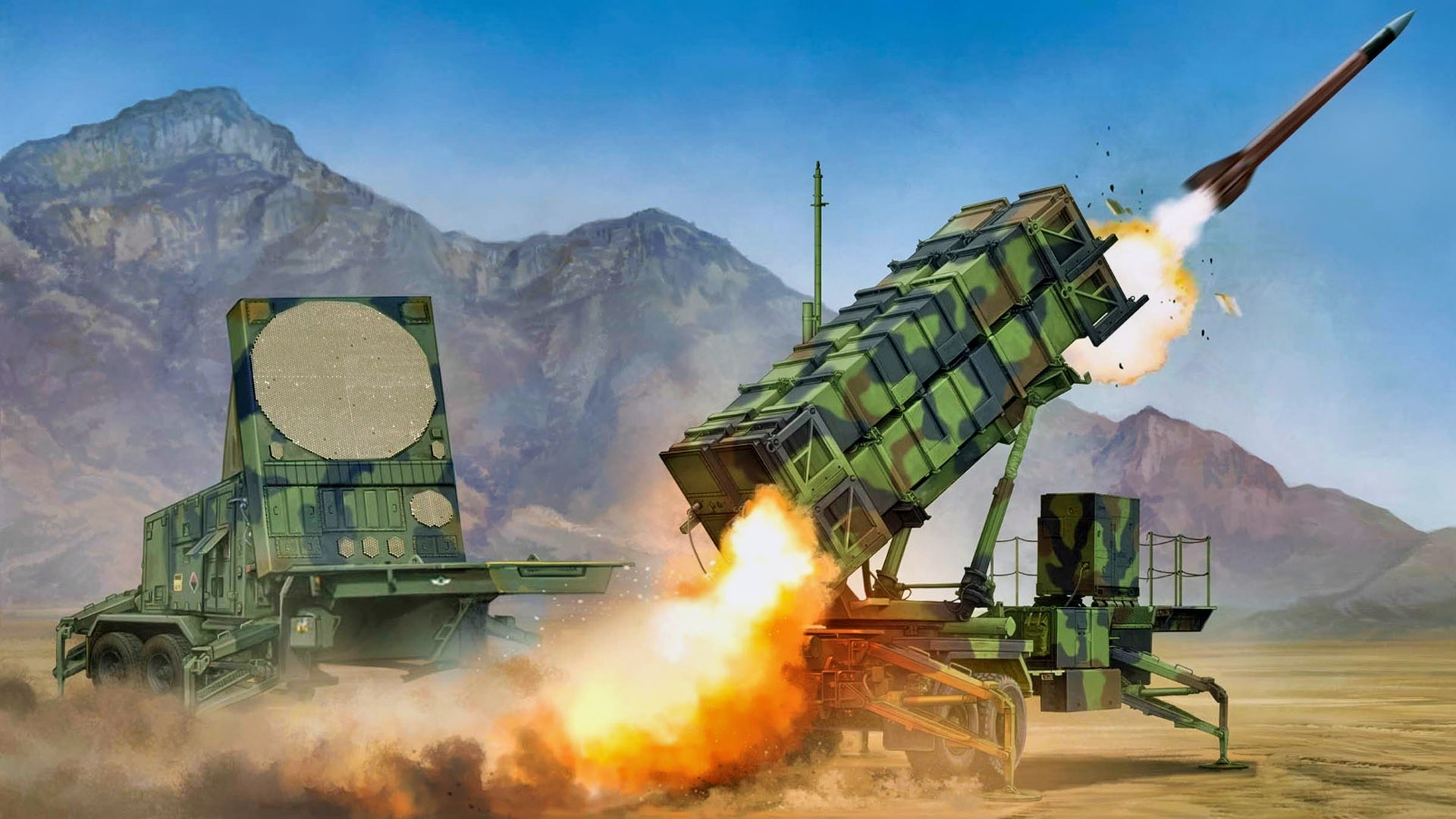
Summary and Key Points: Isaac Seitz, a Defense Columnist and Strategic Intelligence graduate of Patrick Henry College, assesses the post-2025 resilience of Iran’s ballistic missile arsenal.
-Following the Twelve-Day War, Tehran has prioritized the replenishment of solid-fuel systems like the Fateh-110 and the Kheibar Shekan, utilizing hardened “missile cities” to survive Israeli and U.S. counter-TEL operations.
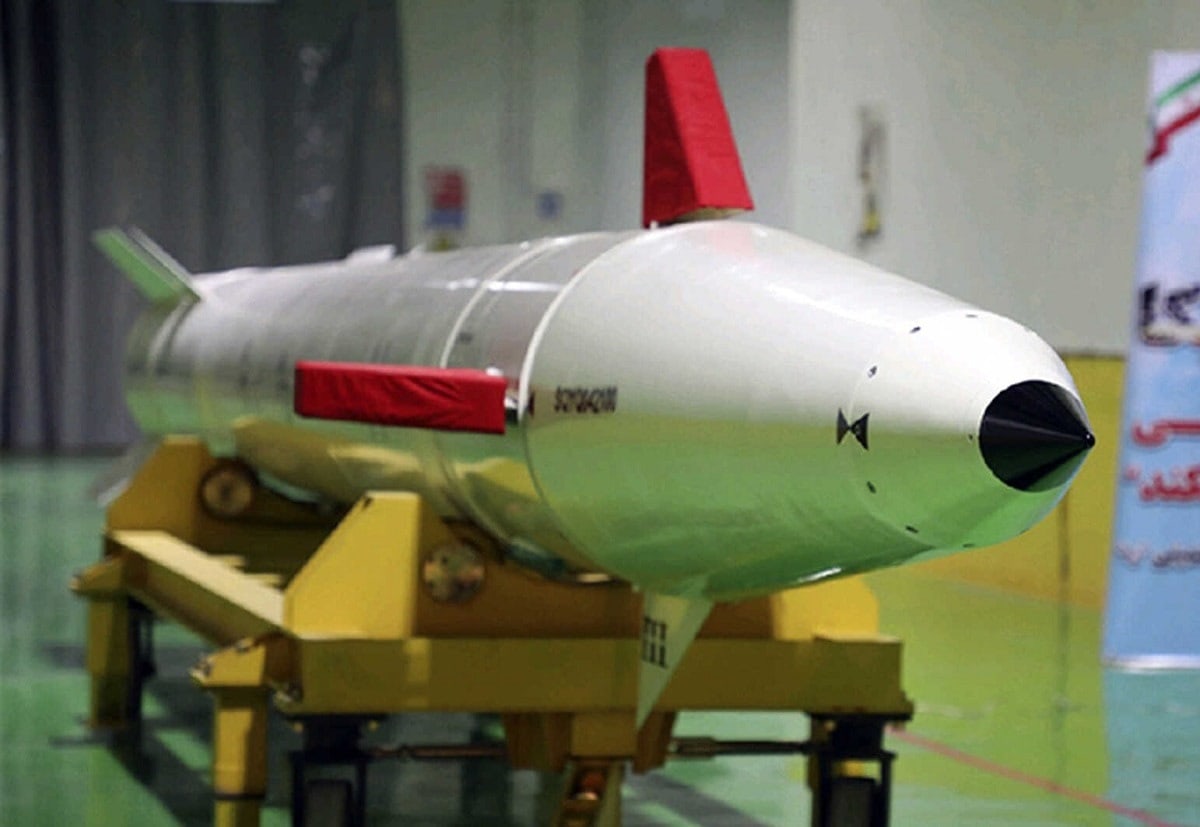
Iranian ballistic missiles. Image: Creative Commons.
-This 19FortyFive analysis scrutinizes the maneuverable re-entry vehicle (MaRV) technology of the Fattah-1 and the 2,000km reach of the Khorramshahr-4, evaluating whether Iran’s industrial recovery can meaningfully shift the regional balance against Arrow-3 and David’s Sling interceptors.
Hypersonic or Hype? The Truth About Iran’s Fattah-1 and Fattah-2 Missiles
Currently, all eyes are locked on the Middle East as tensions between the U.S. and Iran reach a critical point. With military action almost certain at this point, the question is now what weapons does Iran have to deter Israel/America, and how effective are they?
For several decades, Iran has been building up and modernizing its stock of short/medium-range ballistic missiles in the event of a full-blown confrontation with Israel. While many observers question whether Iranian missiles are as sophisticated as their Western counterparts, they are likely much cheaper and easier to produce. This gives Iran the capabilities to overwhelm Israel’s defenses and inflict devastating strikes when the missile defense is depleted.
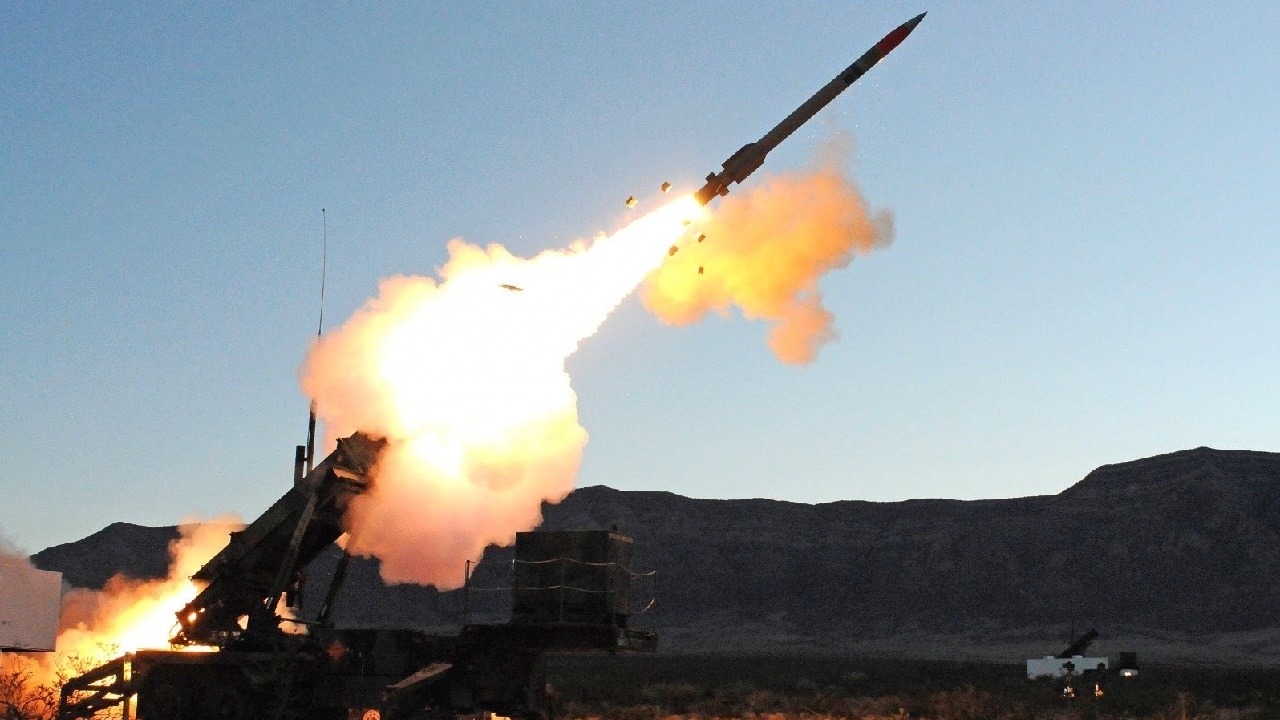
Patriot Missile. Image Credit: Creative Commons.
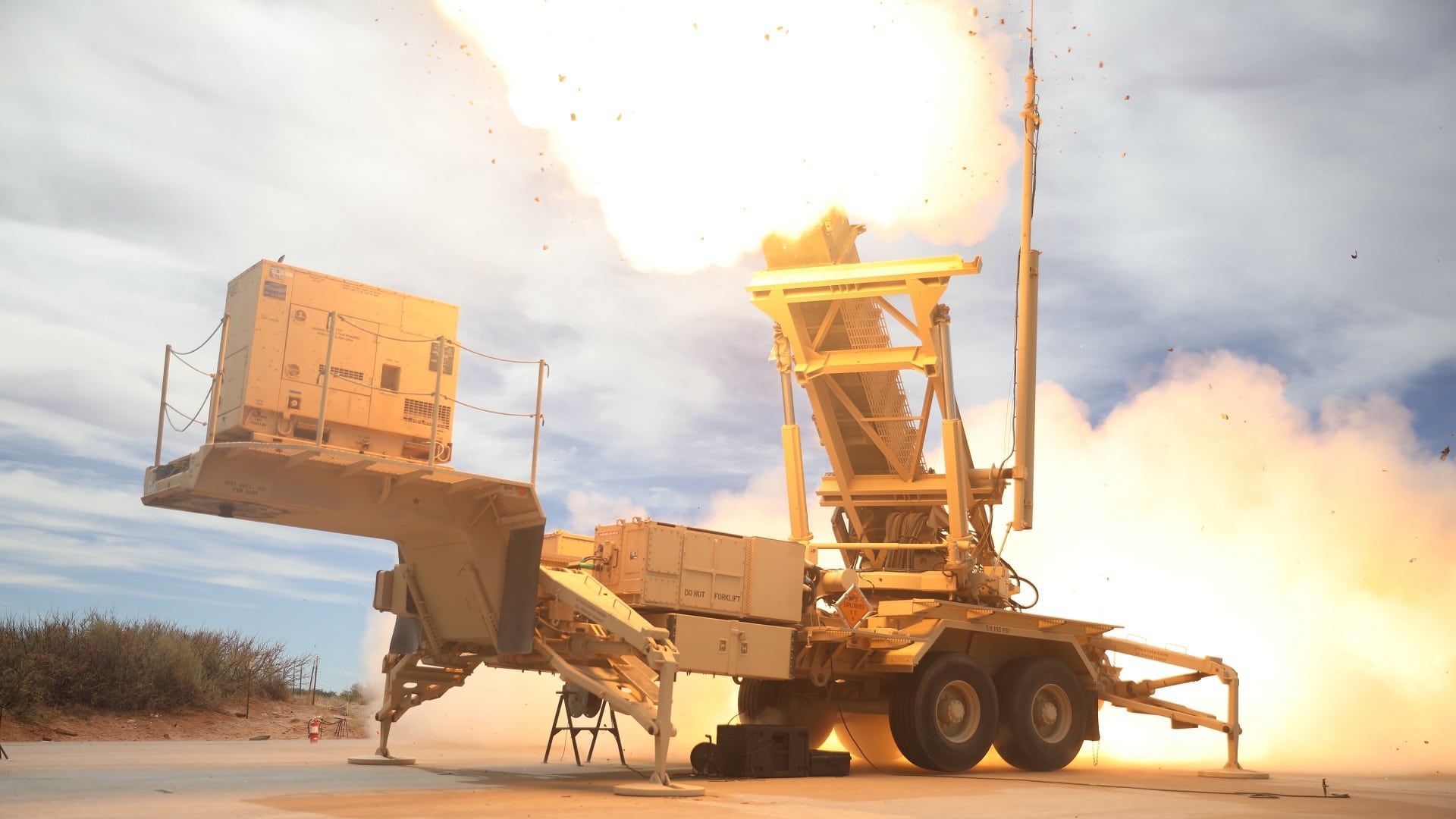
Soldiers from 69th Air Defense Artillery Brigade conducted Patriot Missile live fire training, November 5, at McGregor Range Complex on Fort Bliss. The live fire exercise was conducted jointly with Air Defense counterparts from the Japanese Self-Defense Force. (U.S. Army Photo by Staff Sgt. Ian Vega-Cerezo)
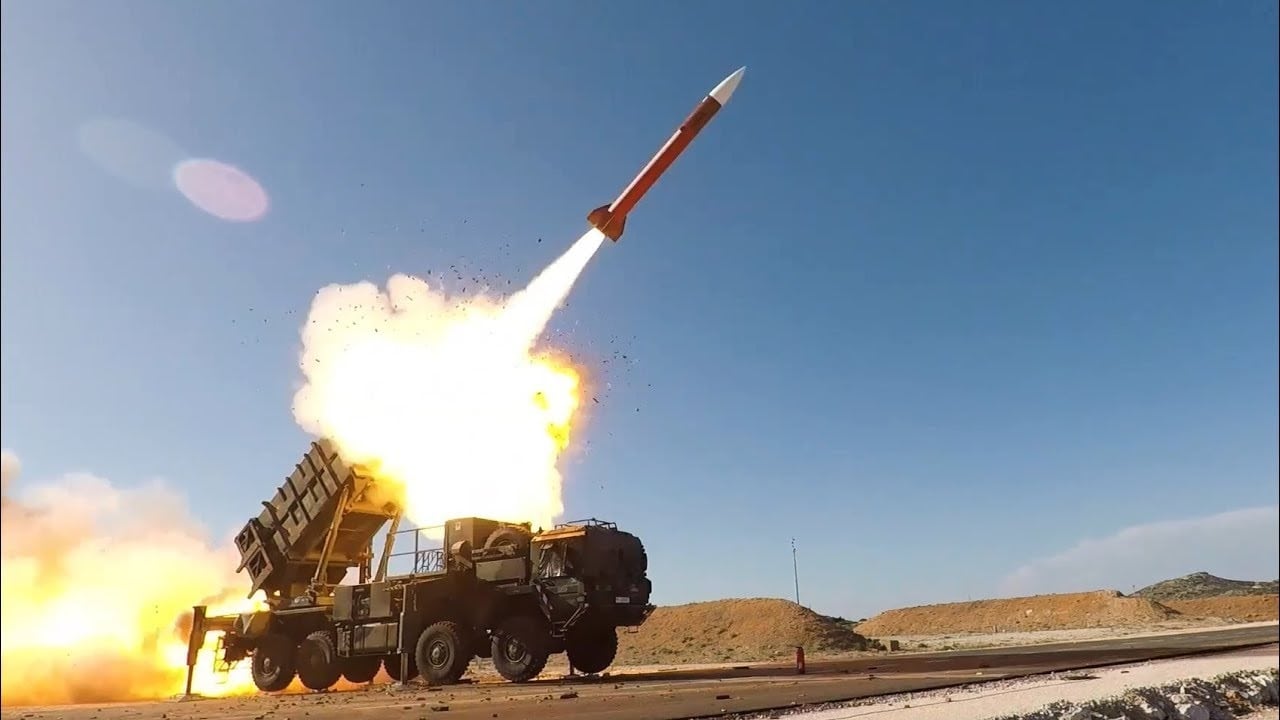
Patriot Missile. Image Credit: Lockheed Martin.
Iran’s Missile Arsenal
Within the short-range category, the Fateh lineage, mainly the Fateh-110 and Fateh-313, makes up the majority. Derivatives of the Fateh family include the 700-kilometer Zolfaghar and the 1,000-kilometer Dezful, both road-mobile, solid-fuel systems that can be quickly set up.
On the medium-range side, Iran operates liquid-fuel Shahab-3 derivatives, Emad and Ghadr, with ranges of around 2,000 kilometers. The two-stage solid-fuel Sejjil and the heavy-warhead, liquid-fuel Khorramshahr family, whose latest public iteration, Khorramshahr-4 “Kheibar,” combines a large payload with advanced guidance systems for greater accuracy.
Tehran has long proclaimed a self-imposed range cap of about 2,000 kilometers, still sufficient to hold Israel, U.S. Gulf bases, and parts of southeastern Europe at risk, though analysts note Khorramshahr’s payload could be easily modified to accommodate longer-range strikes.
On paper, Iran fields two operational hypersonic missiles, Fattah-1 and Fattah-2. The Fattah series is comparable to regular MRBMs, except they feature a second stage with aerodynamic controls and a maneuverable nozzle that emulates a maneuverable re-entry vehicle (MaRV).
Thus, it can be said that the Fattah series is not “true hypersonic weapons.” According to Iran, the Fattah-1 can reach speeds of Mach 13-15, which is a dubious claim to say the least. In 2024 and 2025, Iran reportedly used Fatteh-1 missiles to strike Israel. Footage from the Twelve Day War showed some missiles striking objects at incredibly high speeds (though perhaps not at Mach 13-15). Regular ballistic missiles also reach hypersonic speeds at the terminal phase, so the missile in those videos is likely just a regular ballistic missile.
How Many Missiles Does Iran Have and How Fast Can They Make Them?
Estimating Iran’s inventory size is difficult after the Twelve-Day War, as many missiles were both used and destroyed in the fighting. In 2022, CENTCOM estimated that Iran possessed around 3,000 ballistic missiles.
After the fighting ended in June 2025, Israeli officials reportedly estimated remaining stocks at roughly 1,500 missiles and about 200 launchers, while observing signs of replenishment by late 2025. It is unknown how many launchers Iran possessed after the war and how many have been rebuilt since.
Some reports indicated that, despite losses, the industrial base is recovering and expanding, aided by external technology flows and Iran’s entrenched underground manufacturing, which makes it even harder to evaluate Iran’s current capabilities.
For decades, Iran has invested in hardened, labyrinthine underground “missile cities” for storage, assembly, and in some cases launch readiness, periodically revealing these complexes in state media to advertise survivability and deter preemption.
While Israel did strike some of these sites in 2025, the majority of them remained operational, and the damaged sites have likely been repaired since. According to some Israeli reports, Iran is capable of producing several hundred ballistic missiles per month, meaning that there is a high probability that Iran has already replenished its stock from before the Twelve-Day War.
Iran’s Missiles in Action: How Capable Are They in Practice?
From 2024-2025, Iran has launched several missile attacks against various targets to varying degrees of success. On January 15–16, 2024, the IRGC launched ballistic missiles against Erbil in Iraq and Idlib in Syria and then struck inside Pakistan, explicitly claiming responsibility; independent tallies described 15 ballistic missiles into Iraq/Syria, with Erbil absorbing the majority, and analysts identified Kheibar Shekan and Fateh-family missiles among the munitions.
International reporting at the time emphasized both the reach and the political signaling of firing from Iranian territory while also noting that accuracy against soft, stationary targets did not equate to a demonstrated ability to break through layered defenses or destroy hardened facilities.
In April 2024 and again in October 2024, Iran mounted large drone-and-missile salvos against Israel that Israel and partners largely intercepted.
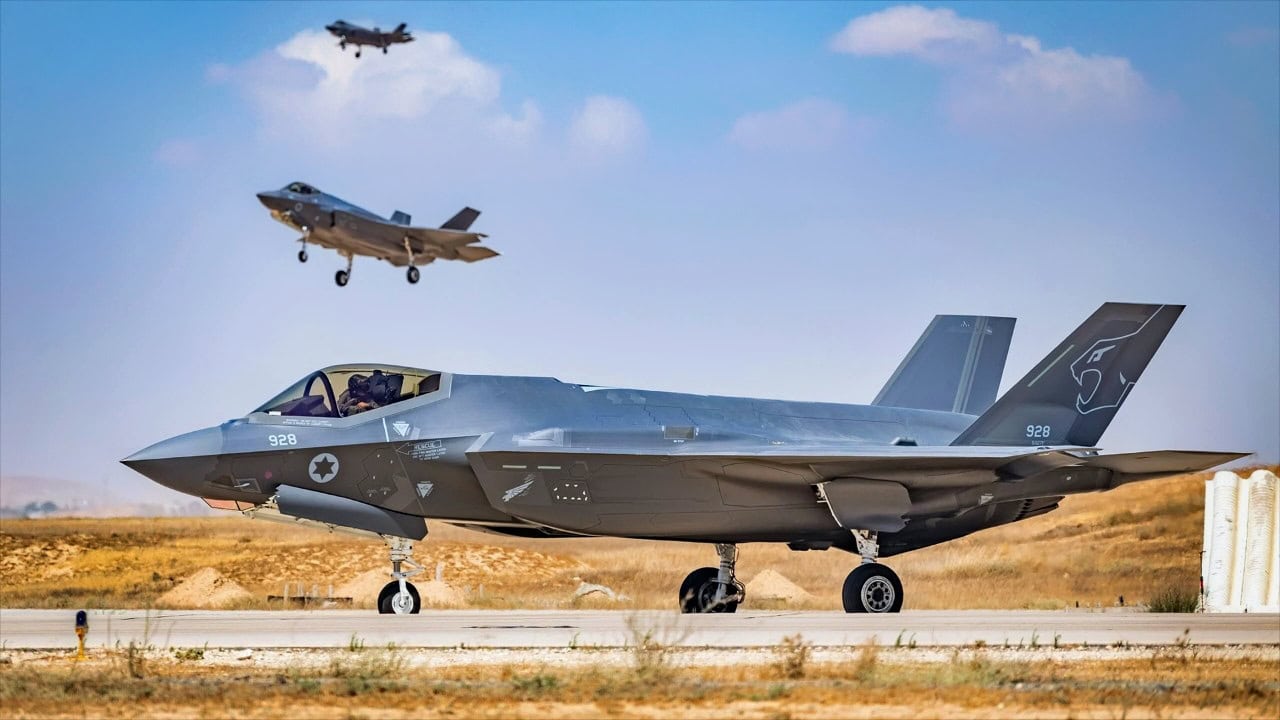
F-35I Adir. Image Credit: Creative Commons.
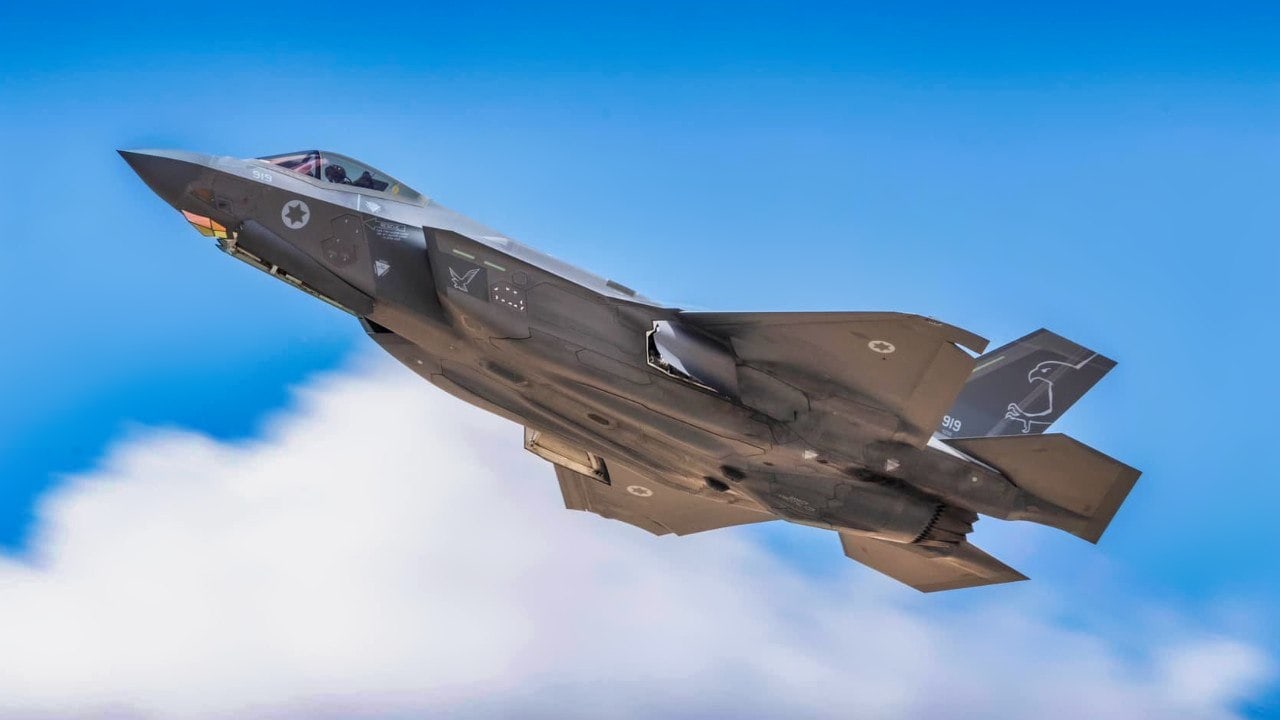
Israeli Air Force (IAF) F-35I Adir
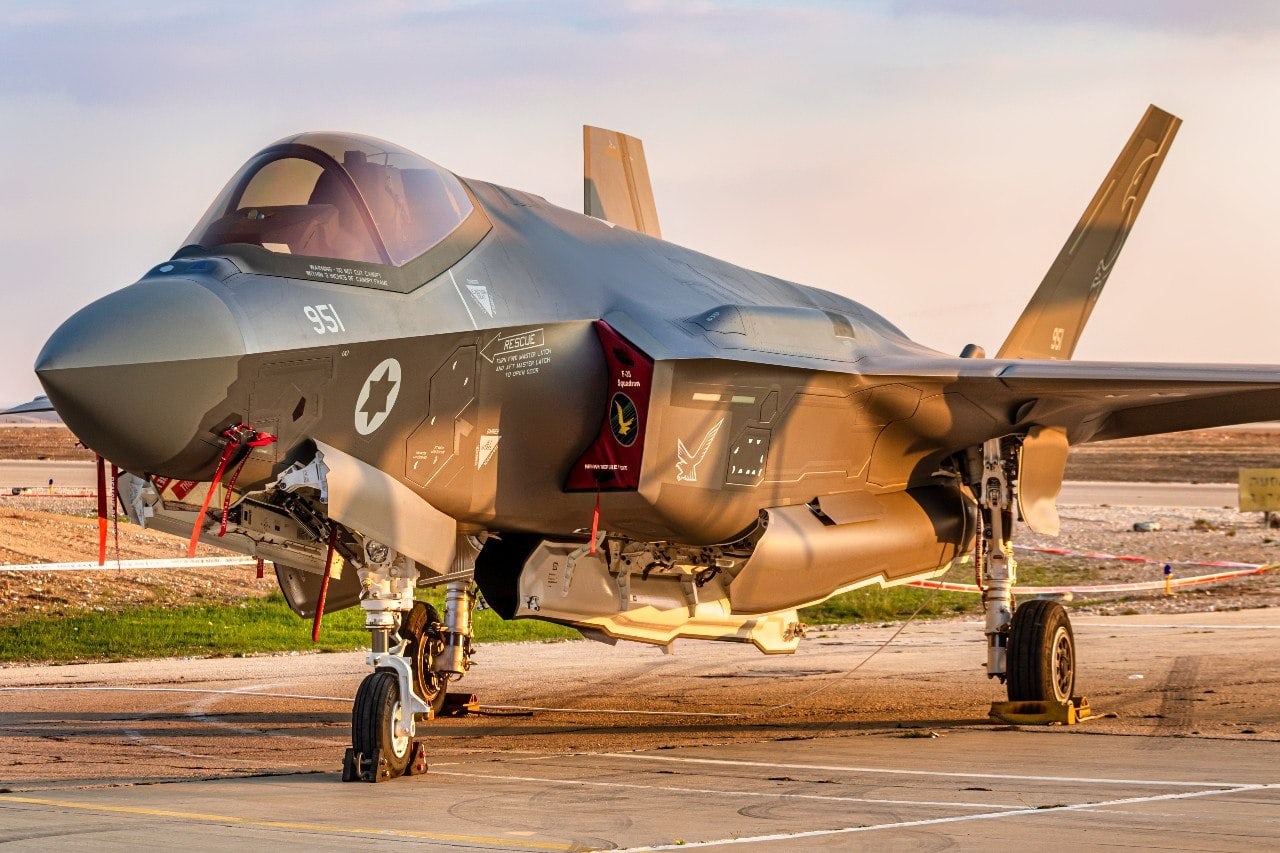
F-35I Adir from Israel. Image Credit: Creative Commons.
The missiles that did make it through caused minimal damage. It is likely that Iran intentionally hit insignificant targets as a means of demonstrating its own strength to its population and as a way of escalating the situation. After Israel struck missile and nuclear infrastructure inside Iran in 2025, however, Tehran responded with multiple ballistic-missile waves.
These attacks were far more effective than in 2024 and caused significantly more damage across the board. Israeli sources claimed that 80% of Iran’s missiles were intercepted; the few that did get through, however, struck infrastructure and military sites. After several days, however, Iran’s missile barrages were dwindling, indicating either a depleted stock of missiles or the results of successful Israeli strikes on Iranian launchers. Either way, Iranian missiles had overwhelmed Israel’s defenses during the Twelve-Day War and struck multiple targets.
The bottom line is that ballistic missiles will remain Iran’s principal long-range strike instrument and a central pillar of its deterrent and coercive strategy, offsetting airpower shortfalls with magazine depth, improving precision, and survivable basing.
The last two years showed both why regional states and partners take the threat seriously and why layered defenses, counter-TEL operations, and coalition ISR are effective at limiting damage; future rounds will test whether Iran’s investments in solid-fuel MRBMs, maneuvering re-entry technologies, and industrial resilience can meaningfully change that balance.
About the Author: Isaac Seitz
Isaac Seitz, a Defense Columnist, graduated from Patrick Henry College’s Strategic Intelligence and National Security program. He has also studied Russian at Middlebury Language Schools and has worked as an intelligence Analyst in the private sector.