
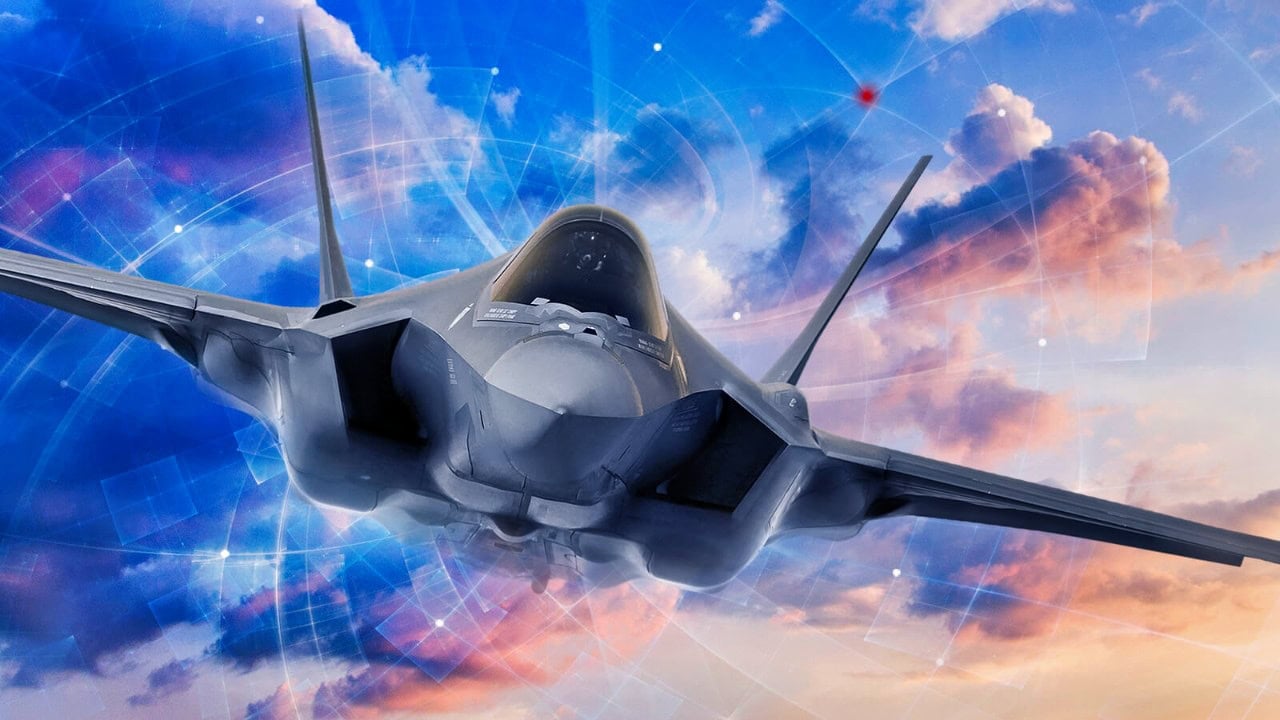
Summary and Key Points: Jack Buckby, a defense and national security analyst, evaluates the potential for the United States to issue a “red card” to Canada if it abandons the F-35 program for the Saab JAS 39 Gripen.
-This report analyzes the role of Link 16 tactical data networks and MIDS terminals, which are governed by U.S. export controls.
-Buckby explores how Ambassador Pete Hoekstra has hinted that a non-F-35 fleet could force a restructuring of NORAD.
-He concludes that while the Gripen is technically interoperable, choosing it over the F-35 risks long-term institutional weakness and digital friction with U.S. command architecture.
“Red Card” Risk: Why the U.S. Could Block Canada’s JAS 39 Gripen Integration with NATO Networks
Canada’s ongoing fighter jet debacle has taken a curious turn, with a Swedish officer deployed to a NATO air policing mission in Iceland claiming recently that the United States could theoretically show Canada a “red card” if Ottawa abandons its plan to buy American F-35s in favor of Sweden’s JAS 39 Gripen.
The remark, made by Lt.-Col. Johan Legardt, commander of Sweden’s NATO air policing detachment in Iceland, was intended as a soccer analogy: a referee’s red card that removes a player from the game. In this case, the “card” would involve Washington refusing to approve a key communications system required for full integration with U.S. and NATO forces.
The system in question is Link 16, a tactical data network that allows allied aircraft, ships, and command centres to share targeting and situational awareness data in real time. The network relies on secure terminals known as Multifunctional Information Distribution Systems (MIDS), which are developed and controlled by the United States and require American export approval for foreign customers.
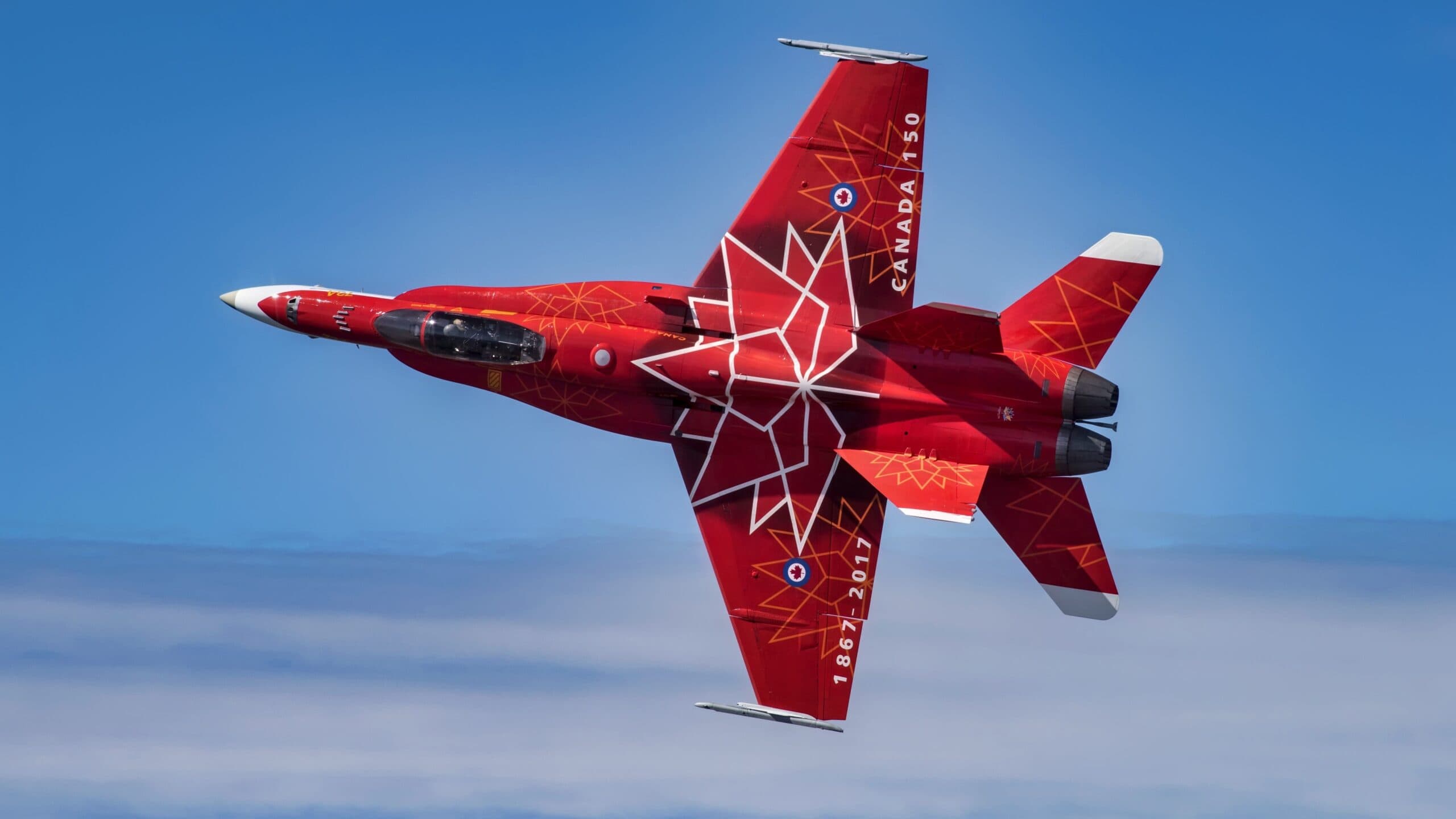
CF-18 Fighter from Canada.
The implication is this: if Canada were to purchase Gripens instead of completing its F-35 acquisition, Washington could theoretically block or restrict access to the encryption hardware that allows those aircraft to plug seamlessly into the North American Aerospace Defense Command (NORAD) and NATO command networks. Whether that would ever actually happen is another question entirely.
No F-35? What the “Red Card” Would Actually Mean
The concept behind the “red card” is not about the Gripen itself. Sweden’s fighter can technically operate on Link 16, the same tactical data network used by NATO aircraft, including the F-35. The issue lies in the control of the equipment and encryption used on the network.
Link 16 communications depend on MIDS terminals and U.S.-controlled cryptographic components that enable secure data sharing among allied forces. These systems are managed through American export approvals and integration processes. In practice, that would mean that even if Canada purchased a fighter jet from another country, its ability to operate seamlessly within U.S. and NATO command networks would still depend on Washington approving the integration of those secure systems.
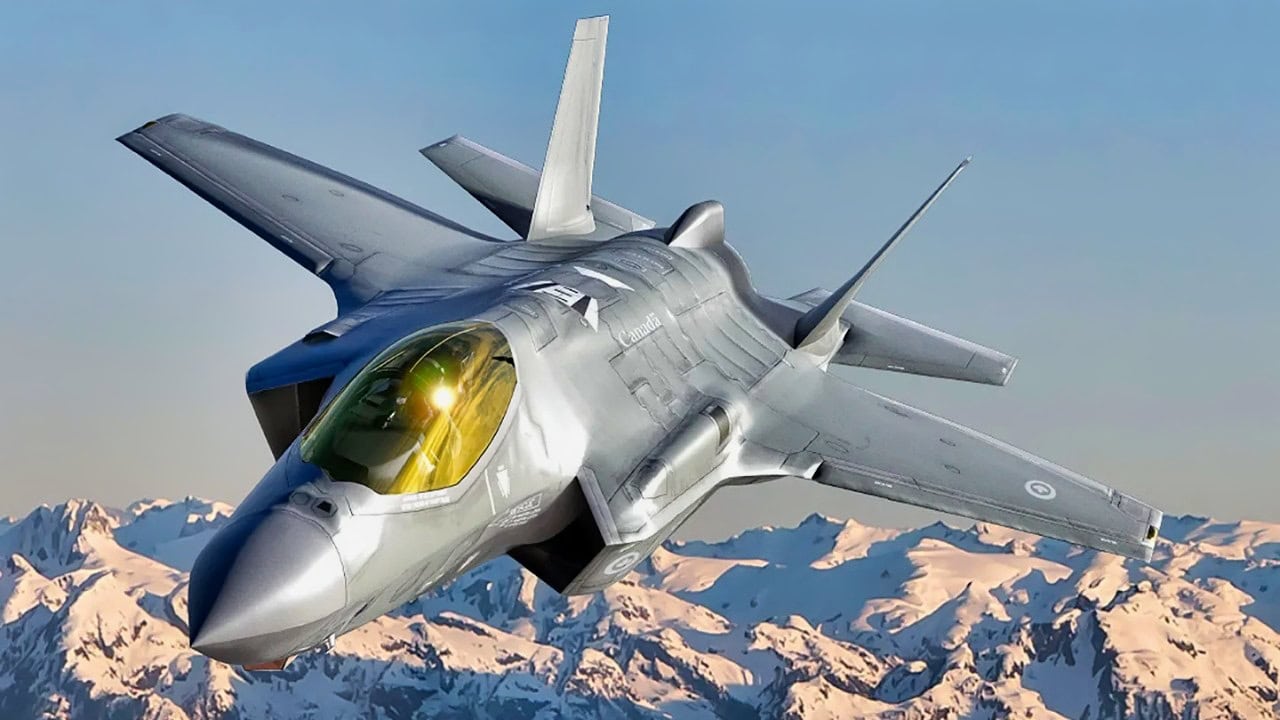
Canada F-35. Image Credit: Creative Commons.
This kind of control is not uncommon in defense procurement. Modern combat aircraft are less isolated machines these days and operate more as nodes in a larger digital network. Access to that network, not just the aircraft itself, determines how effectively a fighter can participate in coalition operations.
The idea of a “red card” being handed to Canada, therefore, would not actually involve banning Canada from operating the Gripen. The U.S. cannot do that. Instead, it could involve restrictions or delaying the approvals required for those aircraft to fully integrate with NORAD and U.S. tactical networks. And that’s a problem for Canada.
What Was Said
The idea that the U.S. could complicate matters for Canada was communicated to the press during a NATO air policing deployment in Iceland, where Swedish JAS 39 Gripens and Finnish F-35s have been operating from the same base. Asked whether the United States could refuse approval for the Link 16 encryption terminals if Canada bought Gripens, Legardt acknowledged the possibility, though he stressed that such a move would be unprecedented.
“If Canada is the first country where the U.S. draws the red card then we have a problem,” Legardt said.
The possibility also cannot be dismissed outright just because it hasn’t happened before. While it would be politically dramatic, it would be no more dramatic than the current squabbles going on between Washington and Ottawa. It remains a technical possibility because the United States ultimately controls the secure systems required for integration, and Canada’s own air force officials have strongly suggested that moving to Gripen would be unwise.
The U.S. ambassador to Canada, Pete Hoekstra, has hinted that choosing the Gripen over the F-35 would affect how the United States approaches continental defense, going as far as indicating that if Canada pursues a different fighter fleet, Washington might have to fly more of its own aircraft to cover Canadian airspace.
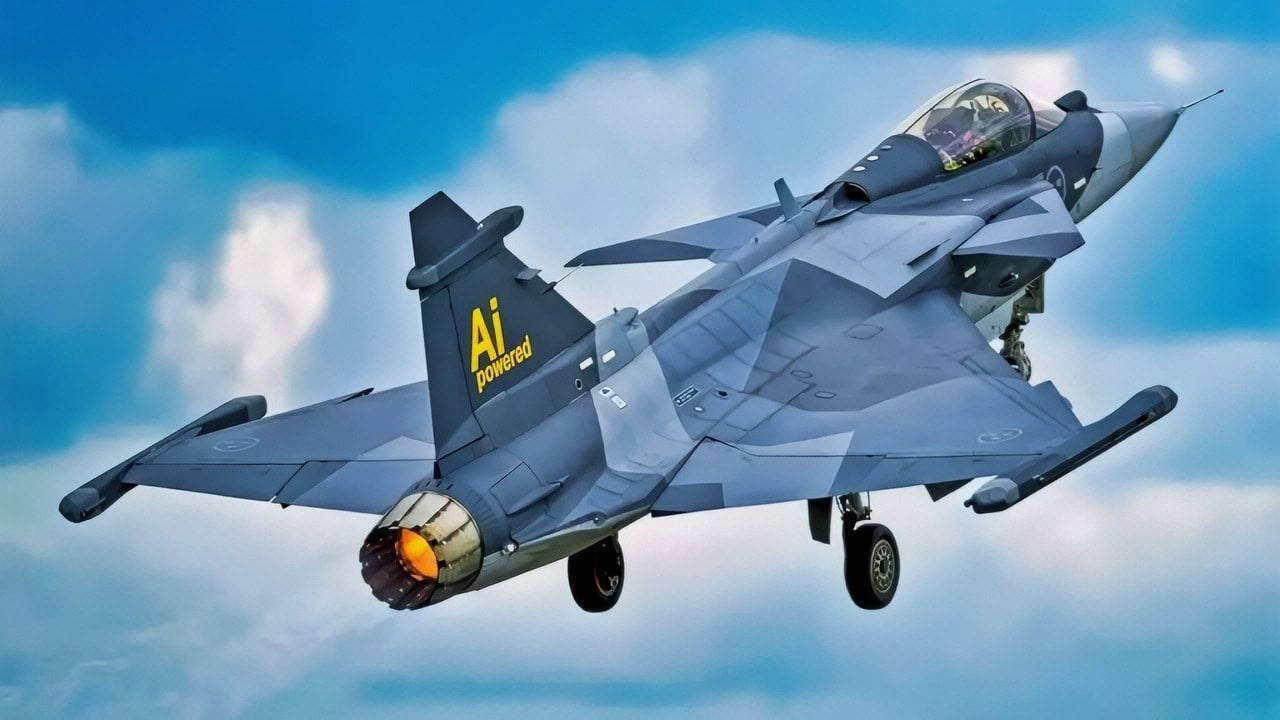
JAS 39 Gripen E Fighter. Image Credit: Creative Commons.
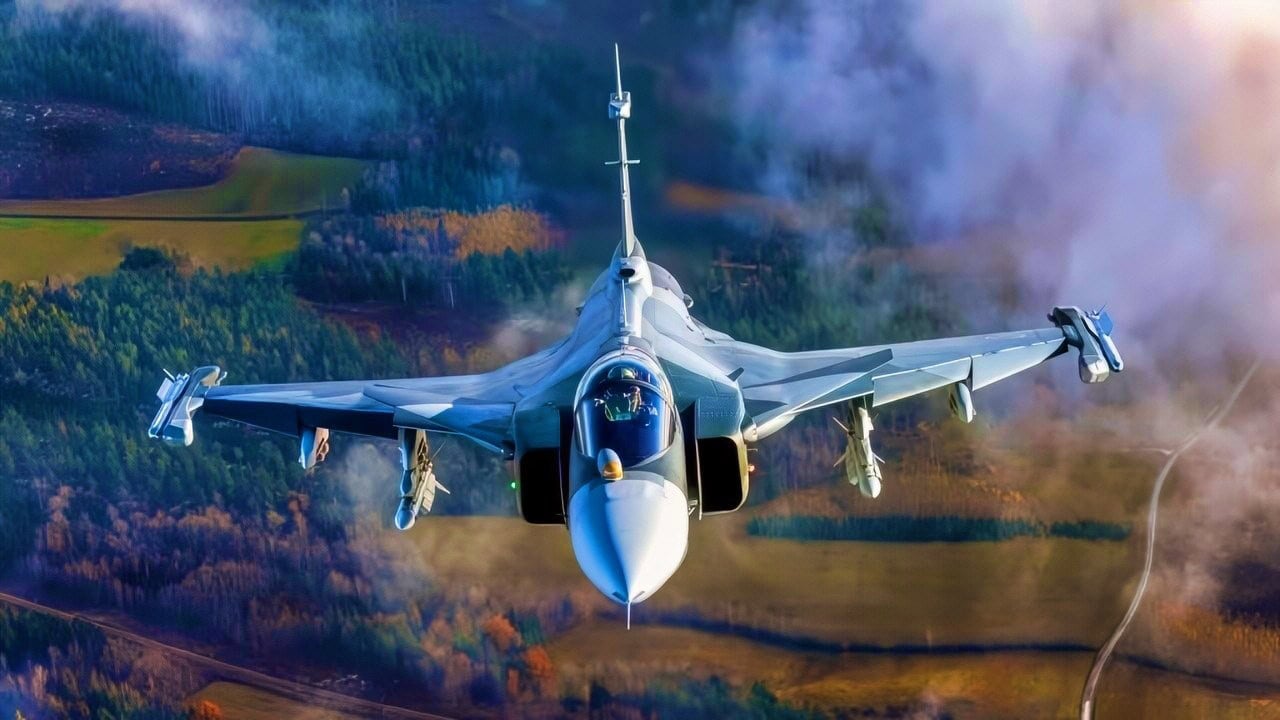
SAAB JAS 39 Gripen Fighter. Image Credit: Creative Commons.
“NORAD would have to be altered,” Hoekstra said earlier this year.
The JAS 39 Gripen Interoperability Debate
Supporters of the Gripen argue that the aircraft can operate perfectly well alongside NATO aircraft, including the F-35. During the Iceland deployment, Swedish and Danish officers said their aircraft had been sharing data and operating together without difficulty.
Saab, the Gripen’s manufacturer, has also repeatedly stated that its aircraft meets Canada’s interoperability requirements and already operates with NATO networks. Technically, those claims are not controversial. The Gripen is designed for coalition operations and already uses Link 16 in service with several European air forces.
The question, however, is not simply whether the aircraft can communicate with NATO systems. It is whether Canada’s long-term fighter fleet would integrate as deeply with U.S. and NORAD infrastructure as the F-35 does by design.

U.S. Air Force Maj. Melanie “Mach” Kluesner, pilot for the F-35A Demonstration Team, preforms high-speed aerial maneuvers during a practice demonstration at Hill Air Force Base, Utah, Jan. 6, 2026. The team practices during their off-season to ensure that they are always sharp and ready to demonstrate the capabilities of the F-35A and the U.S. Air Force. (U.S. Air Force photo by Staff Sgt. Nicholas Rupiper)
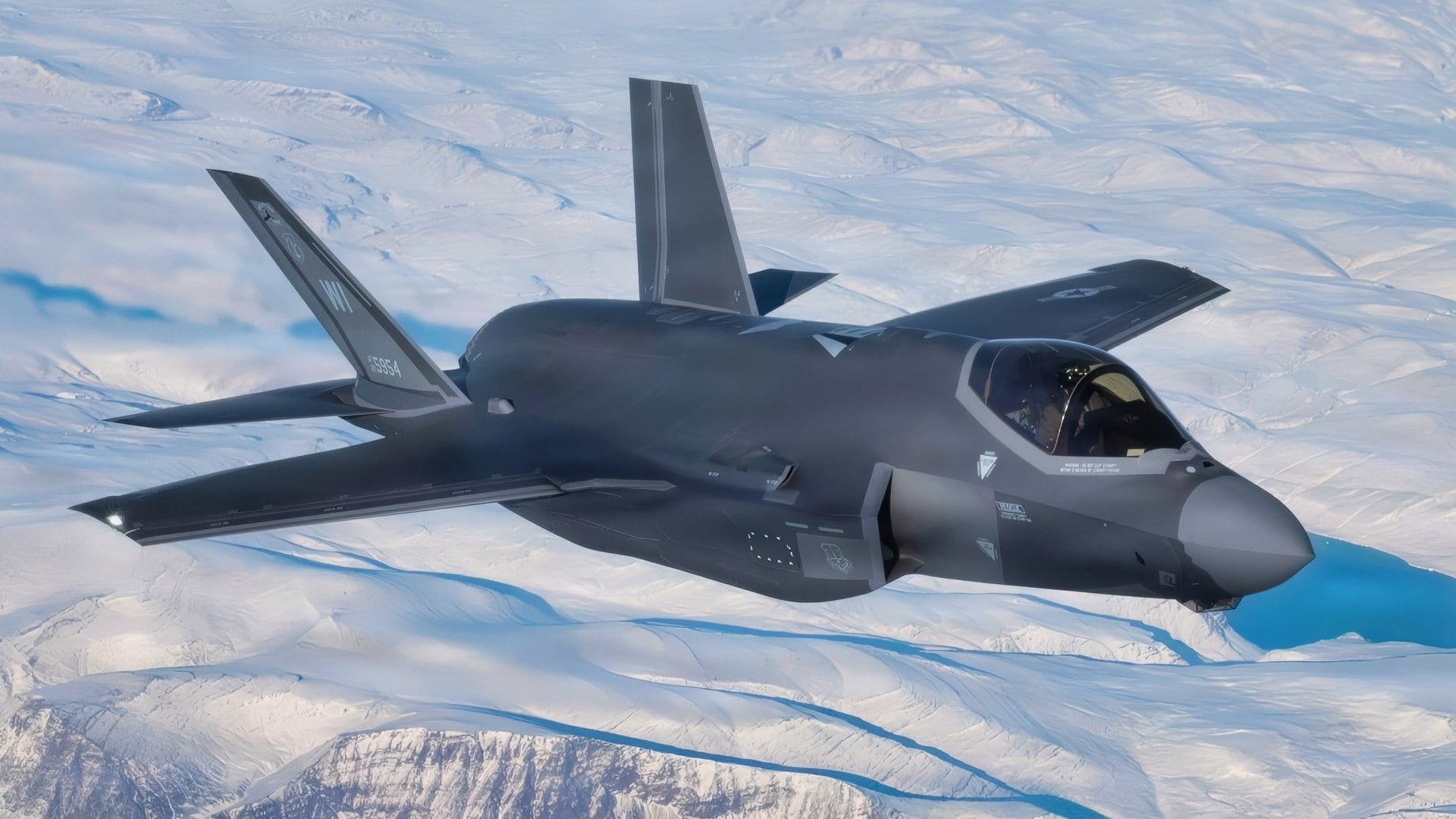
A North American Aerospace Defense Command F-35 Lightning II aircraft with the Wisconsin Air National Guard’s 115th Fighter Wing, in-flight over Greenland Oct. 9, 2025. Operating in the Arctic provides the flexibility and adaptability needed to overcome logistical hurdles in a dynamic and unforgiving environment. Greenland, as part of the Kingdom of Denmark has long played an important role in the defense of North America, which strengthens NORAD’s ability to protect the continent from today’s threats and emerging challenges from all approaches. (U.S. Air National Guard photo by 2d Lt Cameron Lewis)
The F-35 program was built from the beginning as a multinational networked system, with shared logistics, software updates, and data architecture among participating nations. Choosing a different aircraft would not make interoperability impossible. But it would mean Canada operating outside the central ecosystem that many of its closest allies are adopting.
The Long-Term Risk
The deeper issue here is the longevity of the decision that Canada could soon make.
Fighter aircraft are not short-term purchases. The aircraft Canada selects today will likely remain in service for 30 or more years. That makes the choice less about the immediate politics, which will change once President Donald Trump and Prime Minister Mark Carney leave office in the coming years, but about long-term capability.
Canada’s own fighter competition concluded that the F-35 significantly outperformed the Gripen in overall mission capability and upgrade potential, and the Swedish Gripen finished second in that competition.
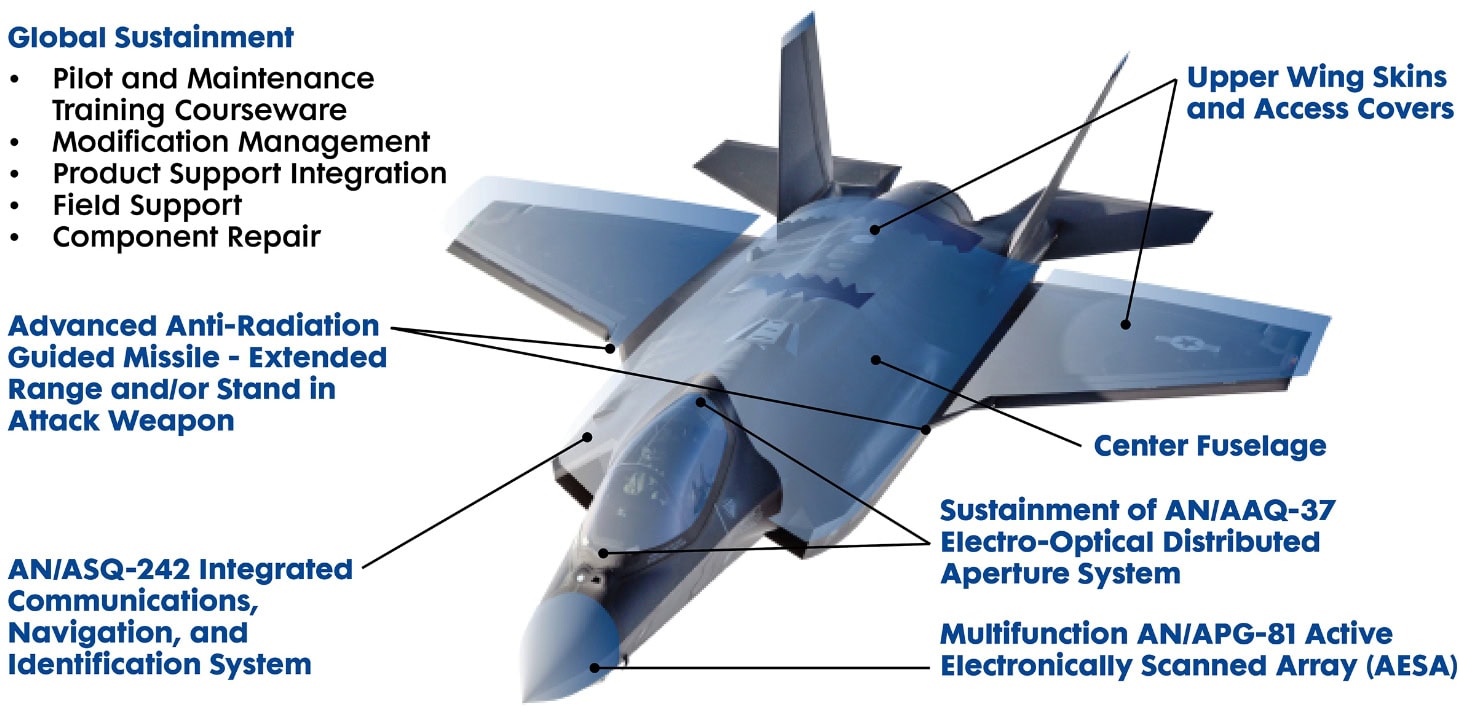
F-35 Fighter. Image Credit: Industry Handout.
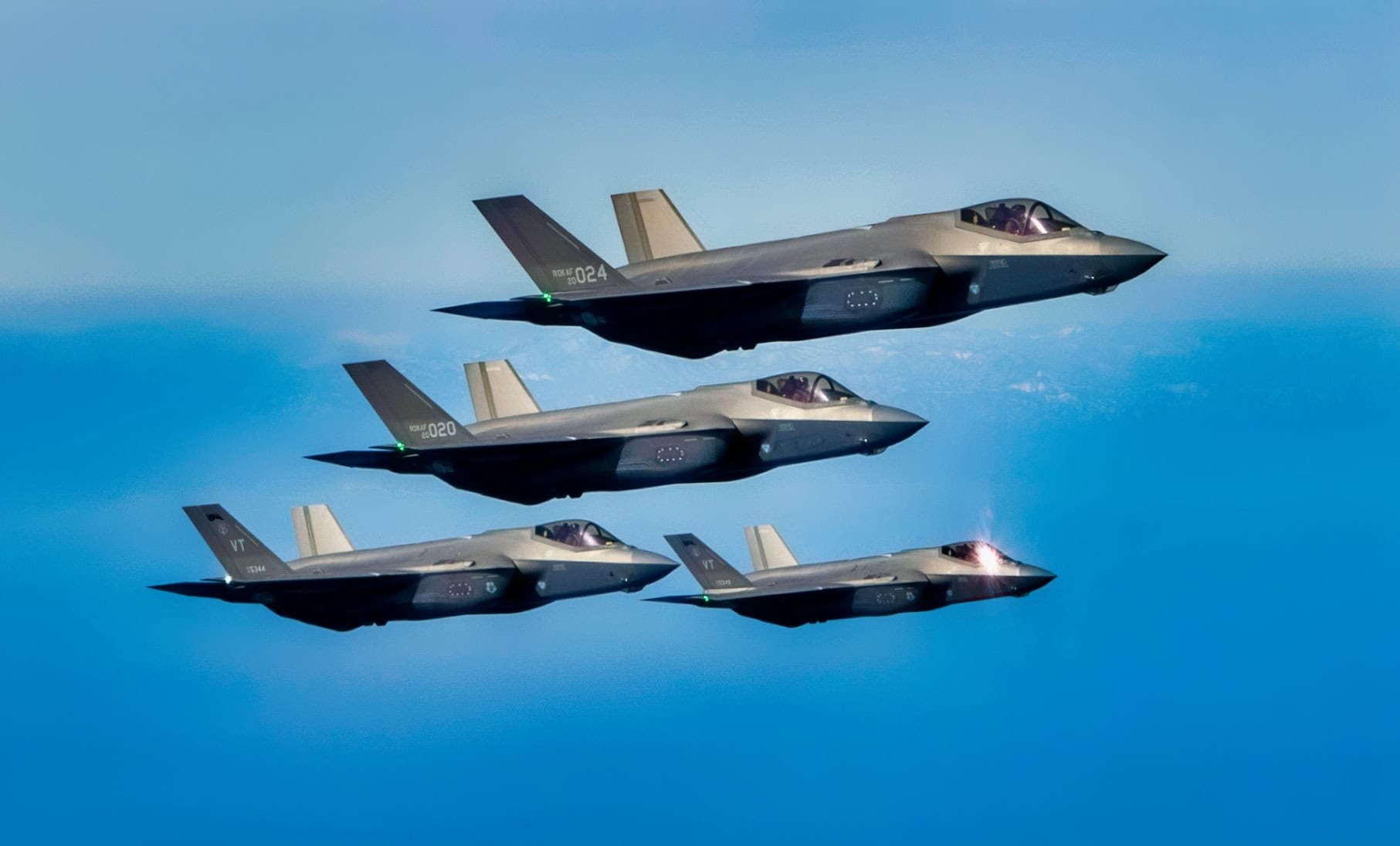
Two U.S. Air Force F-35A Lighting IIs fly in formation with two ROKAF F-35As during Freedom Shield 25, a defense-oriented exercise featuring live, virtual, and field-based training, March 13, 2025. The aircraft participated in dynamic targeting and aerial refueling training, validating the capability of ROK and U.S. Air Forces, to find, fix, and defeat a range of threats. (Photo courtesy of Republic of Korea Air Force)
The argument against the Gripen is compelling and well-founded: it risks institutionalizing weakness in the form of a less capable air combat system for decades. And what does Canada receive in return? A political “win” against President Donald Trump.
About the Author: Jack Buckby
Jack Buckby is a British researcher and analyst specialising in defence and national security, based in New York. His work focuses on military capability, procurement, and strategic competition, producing and editing analysis for policy and defence audiences. He brings extensive editorial experience, with a career output spanning over 1,000 articles at 19FortyFive and National Security Journal, and has previously authored books and papers on extremism and deradicalisation.