
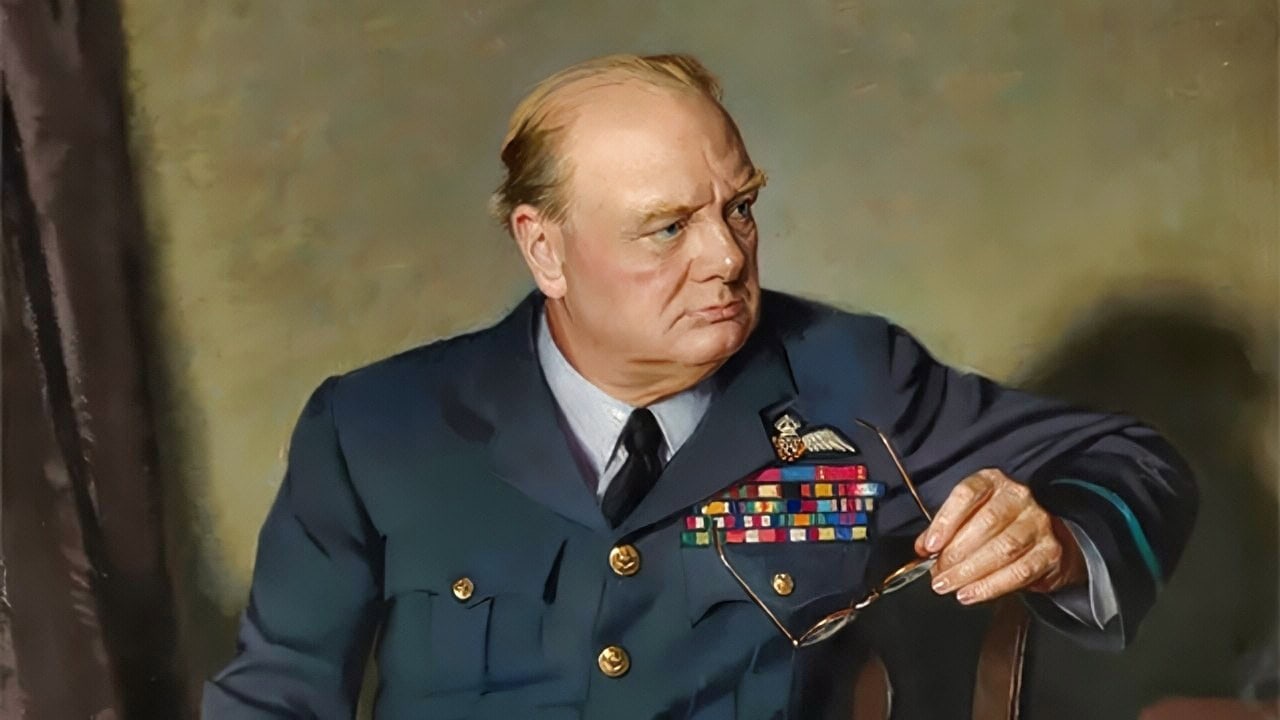
Summary and Key Points: Isaac Seitz, a defense columnist and strategic intelligence expert, evaluates Winston Churchill’s leadership during the Battle of Britain.
-Amidst the 1940 threat of Operation Sea Lion, Churchill made the foundational decision to reject a negotiated peace, supporting Air Chief Marshal Hugh Dowding’s strategy to preserve Fighter Command.
-This report analyzes Lord Beaverbrook’s role in accelerating Hurricane and Spitfire production and the critical shift from Adlerangriff to the Blitz.
-Seitz concludes that Churchill’s ability to align industrial output, technical radar integration, and national morale converted a tactical crisis into a strategic Allied victory.
The Lion’s Mouth: How Winston Churchill’s “Fierce” Resolve Saved Britain from Nazi Subjugation
“You must put your head into the lion’s mouth if the performance is to be a success.” – Winston Churchill
The Battle of Britain was one of the lowest points in the Second World War for the British. After the fall of France and the evacuation of the Army at Dunkirk, the island nation of Britain was in fear of invasion for the first time since Napoleon, and this time the enemy could strike with aircraft.
With the capital in danger of constantly being bombed, some considered negotiating an end to the war and surrendering. Winston Churchill, however, had other plans.
Rather than surrendering and submitting to Nazi rule, Churchill urged the people of England to resist, delivering some of the greatest English speeches in modern history.
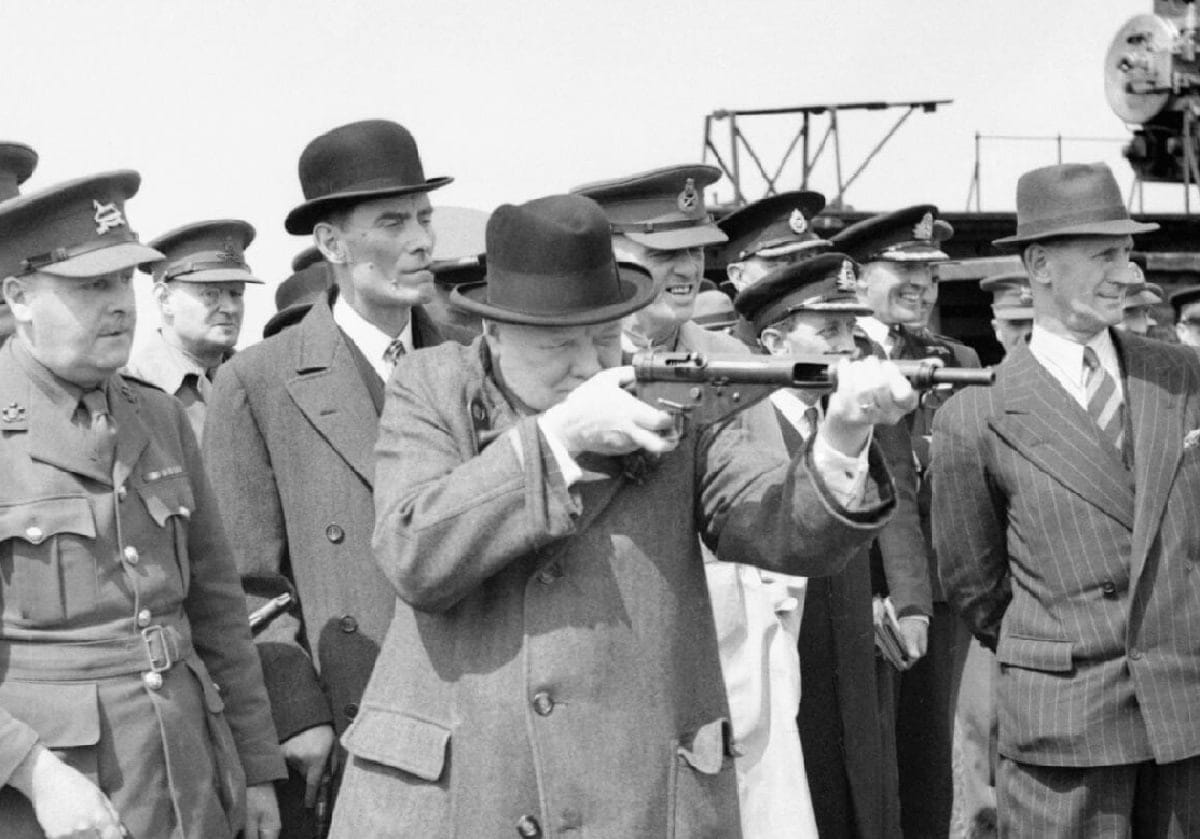
Winston Churchill. Image: Creative Commons.
Churchill did not fight the Battle of Britain; he kept the nation together during its lowest point and encouraged its people to resist until the end.
The War Comes to England
Germany’s lightning victories across Scandinavia and Western Europe had shattered the old balance of power. Britain’s army had escaped at Dunkirk, but much of its equipment had been left behind, and the Luftwaffe seemed invincible after its triumphs in Poland, the Low Countries, and France.
Germany’s naval capacity, however, was limited for a cross-Channel invasion, and the Wehrmacht could not hope to land and sustain troops on British shores without at least a temporary shield from RAF fighters.
This meant the Luftwaffe had to win an attritional air campaign, knocking out Fighter Command’s airfields, sector control stations, radar nodes, and the pilot and aircraft generation system behind them.
For Britain, the key was to preserve Fighter Command’s fighting strength, maintain control of the air over the prospective invasion corridor, and endure civilian bombing without political collapse.
In July 1940, the Kanalkampf (literally the Channel battles) saw the Luftwaffe probing British defenses by attacking coastal convoys and installations. These engagements tested the RAF’s readiness and measured the radar network’s reach.
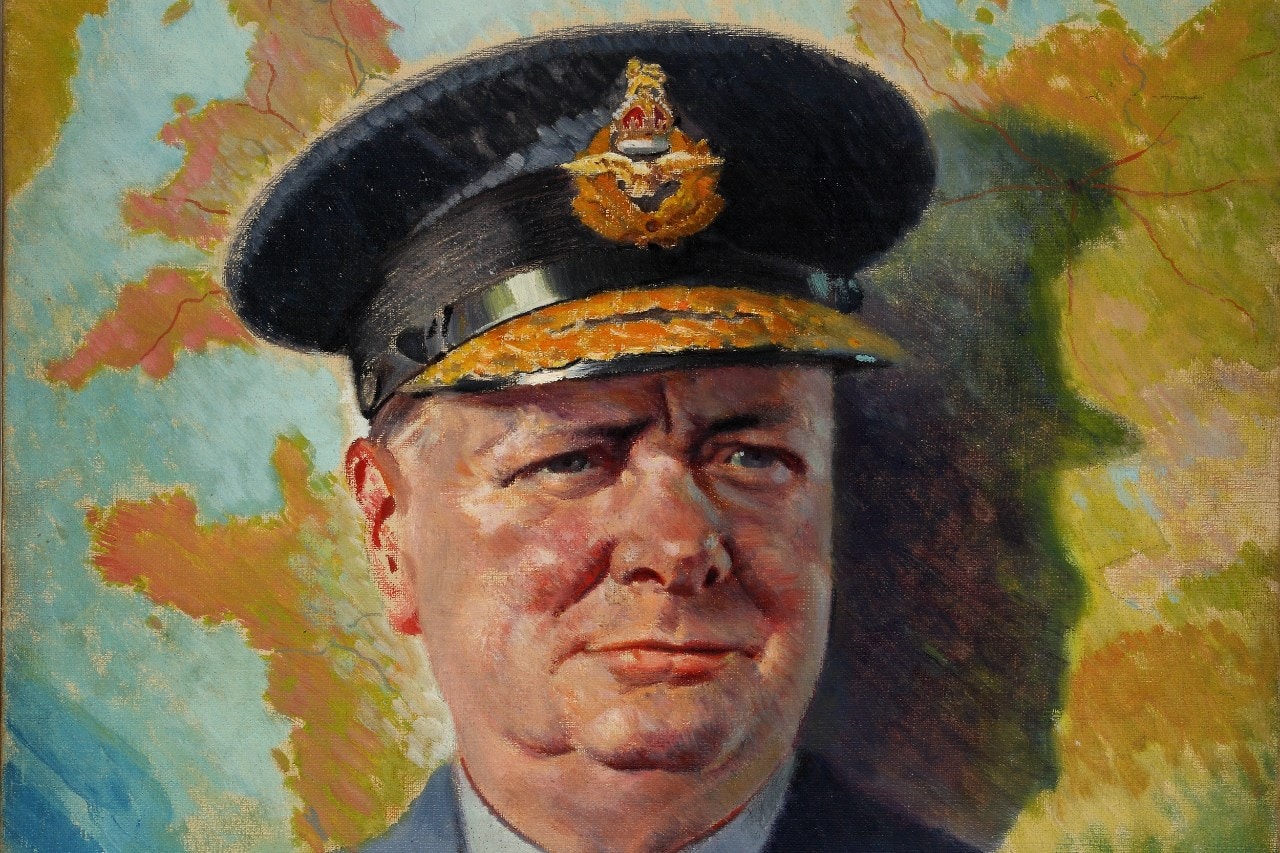
Winston Churchill. Image Credit: Creative Commons.
In August, Germany escalated into Adlerangriff, the concentrated attempt to smash Fighter Command by heavily bombing forward sector stations, satellite fields, communications infrastructure, and occasionally the radar masts themselves.
German planners understood that airfields and control nodes were the RAF’s operational backbone; if enough were suppressed or disrupted, fighter squadrons could be destroyed on the ground or forced into the air at a disadvantage.
Bent but not Broken
Airfields such as Biggin Hill, Kenley, and others suffered from repeated raids. Maintenance and repair units operated under relentless pressure, and pilots flew multiple sorties per day, often at the edge of exhaustion.
Yet the British system proved difficult to break. Radar stations could be damaged but were also easily repairable, and temporary losses could be mitigated by interlocking coverage and by rapid repair crews. Sector control rooms, though vulnerable, were defended and could relocate operations if necessary. British aircraft production and repair, meanwhile, kept squadrons supplied with machines, spares, and replacements.
After a German bombing raid struck London, apparently through navigational error, the RAF retaliated with a symbolic strike on Berlin.
Hitler and Göring redirected the Luftwaffe to concentrate on London and other major cities, inaugurating what became known as the Blitz. Paradoxically, however, the strategic effect of shifting from Fighter Command’s airfields to cities inadvertently reduced the immediate pressure on the RAF’s operational infrastructure. Sector stations could repair damage and restore the tight coordination needed to meet incoming raids.
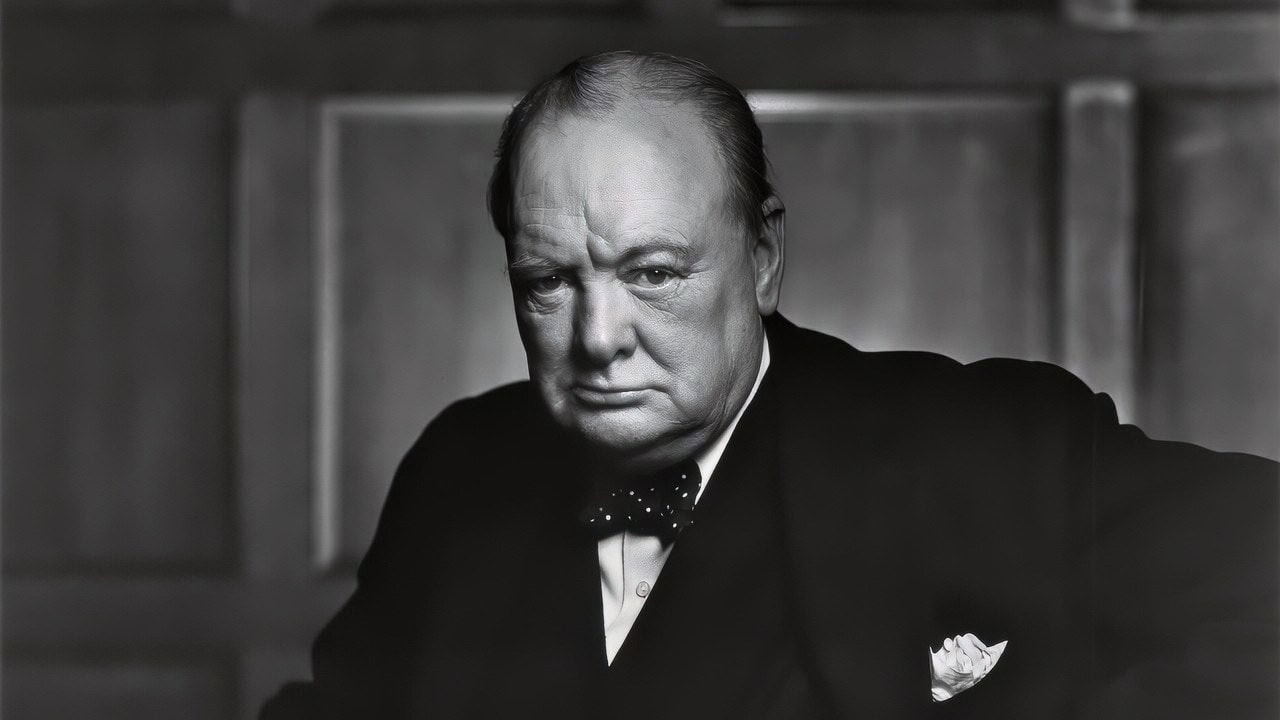
Sir Winston Churchill. Image Credit: Creative Commons.
The Luftwaffe, for its part, flew deep into hostile airspace with medium bombers plagued by limited defensive armament, escorted by fighter types that were superb tactically but short-legged strategically. The Bf 109s, constrained by range and fuel, had limited time over Britain and sometimes had to break off engagement just when bombers most needed their protection.
Britain Chooses to Carry On
In the midst of all the chaos and confusion Winston Church made an important choice: to fight on. The War Cabinet in May and June 1940 was divided about whether to explore a negotiated peace through Italy.
Churchill shut that avenue, insisting that Britain’s resources and navy, together with American support, made continued resistance not only morally necessary but strategically rational.
That choice set the stage for the summer and autumn that followed. Without it, there would have been no battle as we know it. Churchill also backed Hugh Dowding’s insistence that fighter squadrons be retained for home defense even as France collapsed.
The pressure to dispatch more aircraft to the continent was overwhelming, but Dowding argued that preserving Fighter Command was essential to Britain’s survival. Churchill listened and, crucially, supported that view.
The RAF’s strength in July 1940 owed much to that hard choice. Beyond such decisions, Churchill held together a coalition government that included the Labour Party and key opposition figures.
By broadening ownership of the war effort, he dampened partisan conflict and ensured that industrial and manpower decisions could be implemented without destructive political infighting.
Churchill’s Role in the Battle of Britain
Churchill also adopted a policy of rapid expanse of the war industry. By appointing Lord Beaverbrook as Minister of Aircraft Production, he made a bet on a forceful, unconventional manager.
Beaverbrook favored quantity over quality, improvisation over bureaucracy, and accountability over hierarchy.
Under his tenure, the Ministry focused on three urgent things: producing more fighters, streamlining spares and logistics to reduce downtime, and accelerating repair and salvage operations to return damaged Hurricanes and Spitfires to service quickly. This approach dramatically increased factory output, even if quality wasn’t always up to snuff. In a situation as perilous as Brittain’s, quantity mattered more.
A Hurricane rebuilt with parts from two wrecks could be just as decisive in a scramble as a factory-fresh Spitfire. Churchill’s approach reflected his understanding that systems win wars, and that speed, even at the cost of friction, could be a virtue under existential pressure.
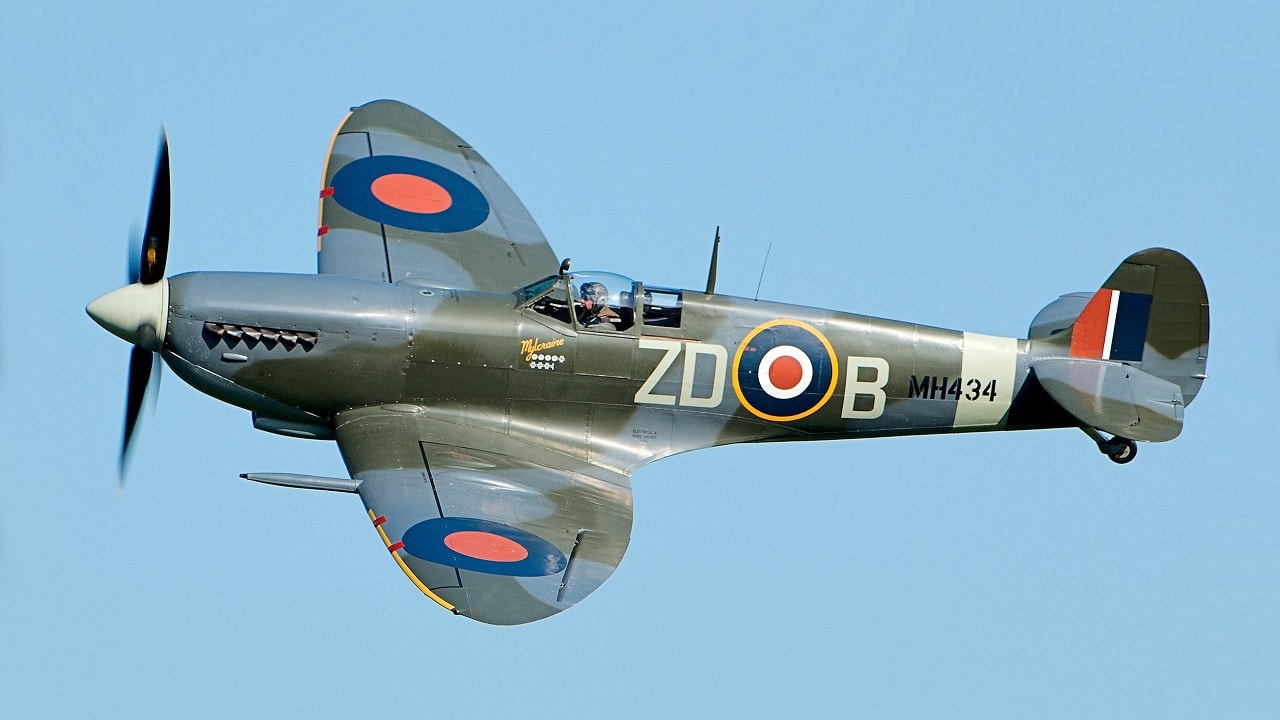
Spitfire MH434 at the Shuttleworth Collection Season Premiere Airshow 2018. Image Credit: Creative Commons.
Churchill’s speeches during the summer and autumn of 1940 were especially important as they gave the British people a narrative that connected daily sacrifice to a larger purpose. He told them plainly what was at stake, that the survival of free institutions in Europe depended on their endurance during air raids and their patience in the long war to come.
When he declared that this period might be their finest hour, or when he honored fighter pilots, he did not paint a fantasy of invulnerability. Instead, he acknowledged pain and danger and asked people to see themselves as agents in a story bigger than fear. This public leadership helped stabilize morale at a time when fear could easily have turned into fatalism. Churchill’s words also served as strategic signals to the United States.
By articulating Britain’s determination and, crucially, by demonstrating through actual performance that Britain could resist the Luftwaffe, Churchill shaped American public opinion and elite attitudes. This contributed to growing material support, culminating in the Lend-Lease Act of March 1941. That is to say, his rhetoric was both domestic morale-sustaining and internationally instrumental.
London First, then Europe
In the end, the English won the Battle of Britain, but it came at a high cost. The RAF endured grievous losses in pilots and aircraft. Civilians suffered as the Blitz intensified from September onward, with London, Coventry, Liverpool, Birmingham, Manchester, and other cities being bombed repeatedly.
However, as a result, Germany postponed Operation Sea Lion indefinitely, recognizing that air superiority had not been achieved. However, England survived. Britain remained a base for Allied resistance, a hub for maritime blockade, and eventually a springboard for offensive operations. The battle also sent a signal to the world. Occupied Europe saw that resistance was possible, while neutral and wavering powers, especially the United States, saw that Britain was determined and capable. That perception accelerated support, which would grow into a transatlantic alliance. Finally, both sides learned hard lessons. The RAF refined night interception and radar integration for nocturnal defense, while the Luftwaffe’s limitations in range, bomber survivability, and doctrine became clearer.
In the midst of everything was Winston Churchill. He made the foundational decision to fight on when surrender seemed expedient. He prioritized Fighter Command when others pressed to disperse its strength to doomed fronts.
He restructured aircraft production and repair by appointing an unconventional but effective minister who delivered practical results. He gave the public honest, stirring reasons to endure.
Churchill helped convert Britain’s technical and organizational advantages into strategic success by aligning decisions, institutions, and morale around the central task of survival.
About the Author: Isaac Seitz
Isaac Seitz, a Defense Columnist, graduated from Patrick Henry College’s Strategic Intelligence and National Security program. He has also studied Russian at Middlebury Language Schools and has worked as an intelligence Analyst in the private sector.