
Summary and Key Points: Dr. Andrew Latham, a non-resident fellow at Defense Priorities, warns the Trump administration against the “Regime Change Trap” as Operation Epic Fury successfully degrades Iran’s nuclear and missile infrastructure.
-Applying the Clausewitz Test, Latham argues that while military strikes have achieved the limited aim of neutralizing Tehran’s primary threats, expanding the mission to political reconstruction risks a decades-long stabilization crisis.
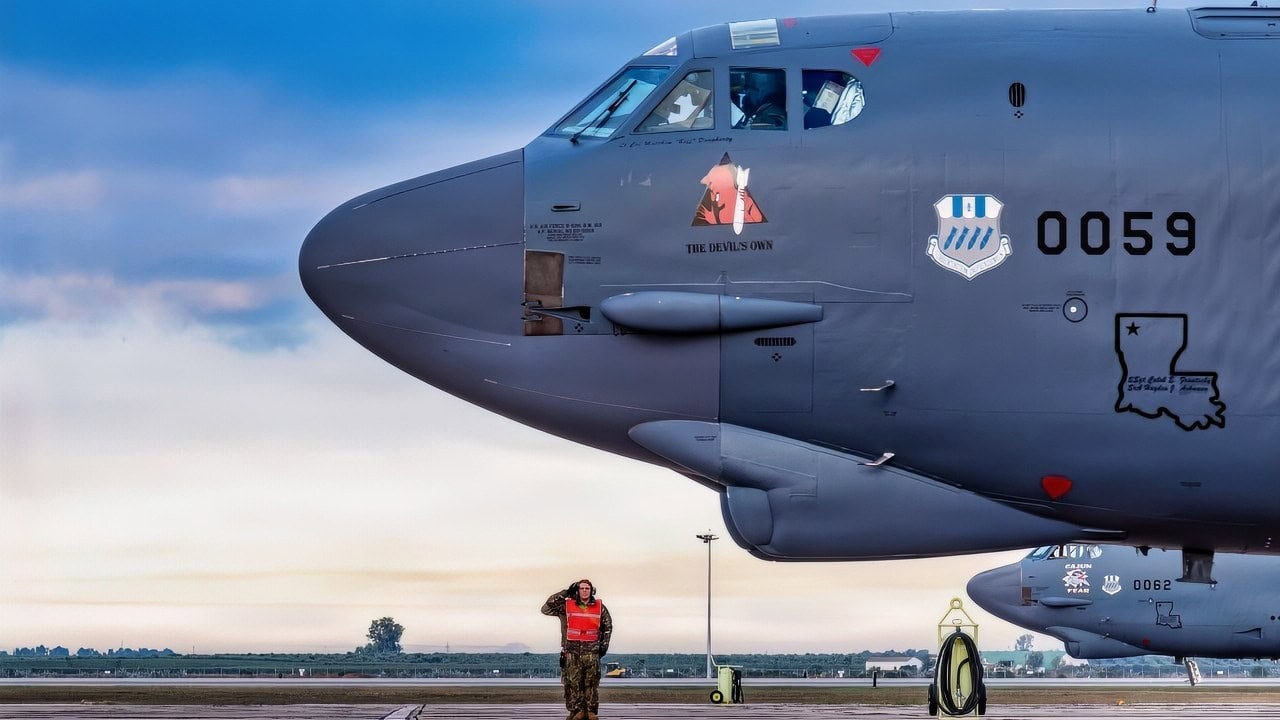
U.S. Airmen assigned to the 96th Expeditionary Bomber Generation Squadron salute the crew of a B-52H Stratofortress aircraft as they begin to taxi at Morón Air Base, Spain, Nov. 19, 2025, as part of Bomber Task Force Europe 26-1. The ability of U.S. forces and equipment to operate in conjunction with those of our Allies and partners is critical to bolstering an extended network of capabilities to decisively meet the challenges of today and tomorrow. (U.S. Air Force photo by Tech. Sgt. Codie Trimble)
-This report analyzes the danger of the IRGC consolidating power in a fractured state.
-Latham concludes that a “limited victory” focusing on capability destruction is strategically superior to the unpredictable chaos of forced regime change.
The Regime Change Trap: Why Military Success in Iran is Leading to a Dangerous Mission Creep
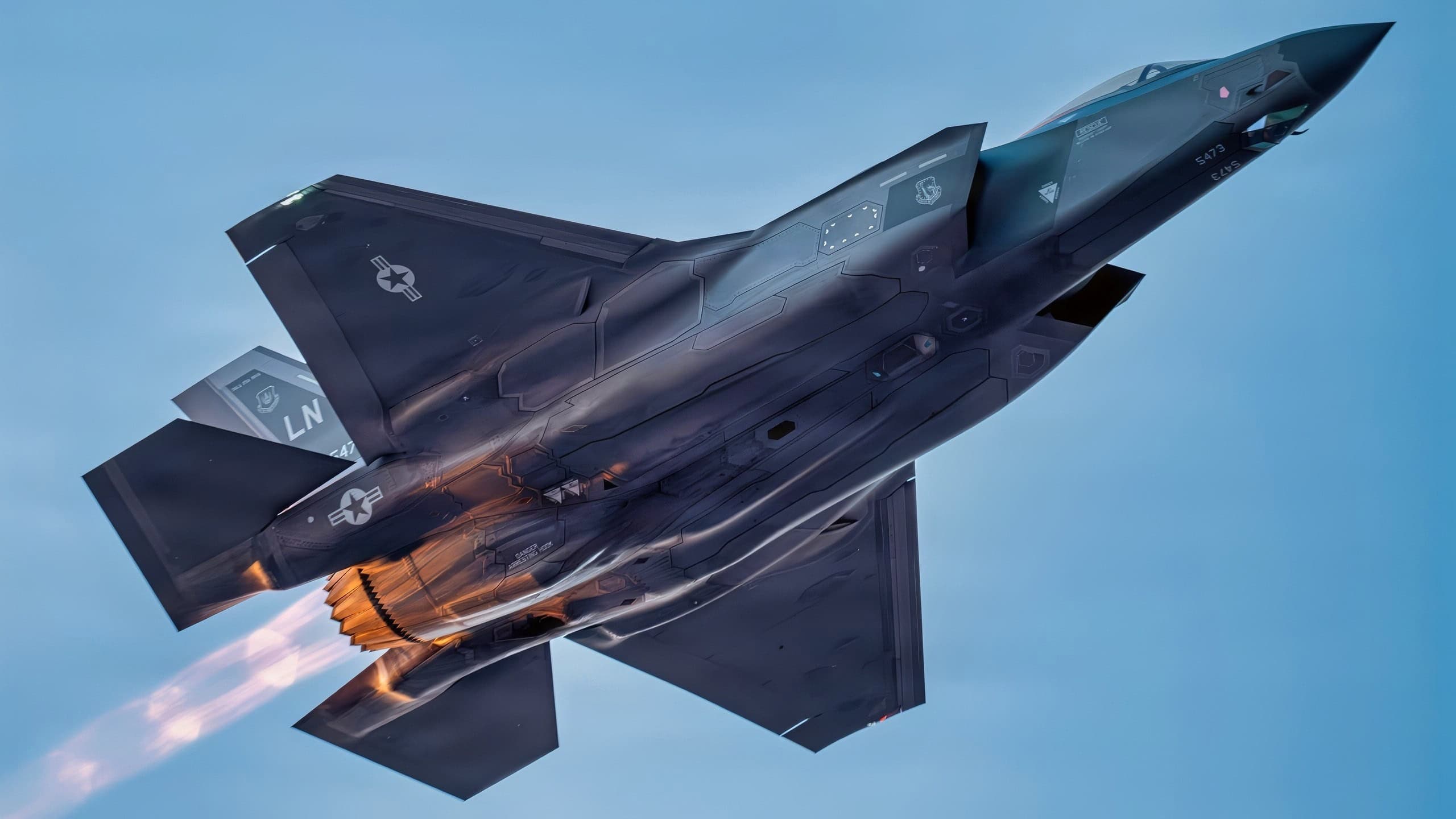
U.S. air power is now striking targets inside Iran. Facilities tied to the country’s nuclear program are under attack.
Missile infrastructure that supports Tehran’s ability to threaten U.S. forces and regional partners is also in the crosshairs. If the campaign continues along its present course, much of the military architecture the Islamic Republic has spent decades building will be seriously degraded.
That would represent a serious operational success. However, success on that scale carries its own danger. The more Iran’s military instruments begin to break apart, the stronger the pressure in Washington will become to push beyond limited aims and pursue regime change in Tehran.
That temptation sits uneasily beside the strategic purpose that has long guided U.S. policy toward Iran. Preventing the regime from acquiring nuclear weapons while weakening its ability to threaten regional partners has been the central objective. Destroying key elements of Iran’s military infrastructure would advance that goal. Overthrowing the regime would be something else entirely.
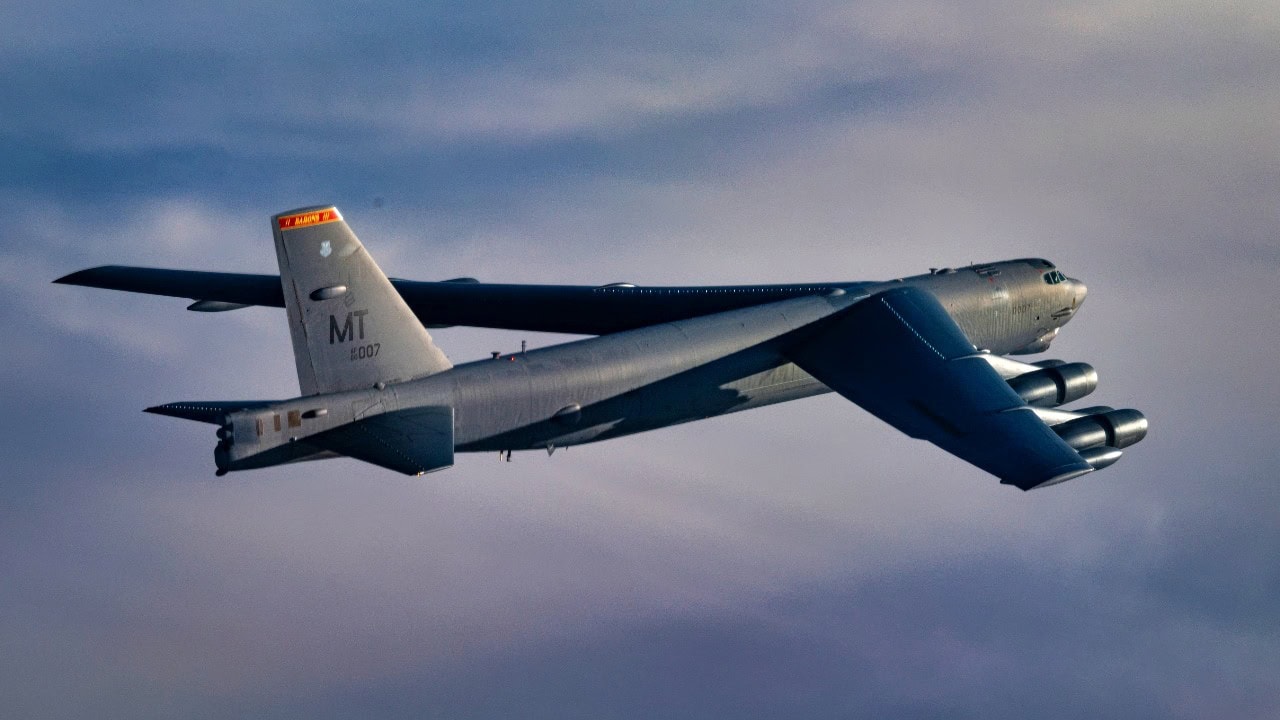
A U.S. Air Force B-52H Stratofortress from the 69th Expeditionary Bomb Squadron flies over the skies of Sweden for their celebration of their acceptance into NATO during Bomber Task Force 25-2, RAF Fairford, United Kingdom, March 11, 2025. These operations demonstrate the ability to rapidly deploy strategic assets in support of global stability. (U.S. Air Force photo by Master Sgt. Chris Hibben)

B-52J Bomber U.S. Air Force. Image Credit: Creative Commons.
If the strikes succeed, the United States may soon confront a choice that has complicated many wars before. Washington will have to decide whether dismantling Iran’s most dangerous capabilities is sufficient—or whether military success should be used to pursue the far larger objective of removing the regime itself.
The Clausewitz Test and Iran
Clausewitz is often reduced to a slogan, but his central thesis is sharper than any slogan: War is a political instrument. Violence is the tool that serves it. Policy remains the master. When the political objective is limited, the military effort must be shaped to that limit. When the objective expands, the war expands with it.
That logic matters here because the United States is approaching a decision point. Congress has shown little appetite for imposing a brake on the campaign. The battlefield is setting the pace.
Clausewitz also understood something modern democracies often forget, that war has its own internal gravity. Once force is employed, the military logic pushes toward escalation and wider aims. The state that resists that pull keeps the war aligned with policy. The state that indulges it wakes up in a conflict it did not consciously choose.
So the first question is brutally simple. What exactly does the United States need to achieve in Iran?
What Serves U.S. Interests
Start with the interests that actually matter.
Washington has two core concerns in the region. The first is preventing Iran from acquiring a usable nuclear weapon. The second is reducing Tehran’s ability to coerce neighbors through long-range strike capabilities and maritime disruption. Those concerns sit inside a wider interest. Regional stability must not force the United States into permanent crisis management while it faces larger strategic demands elsewhere.
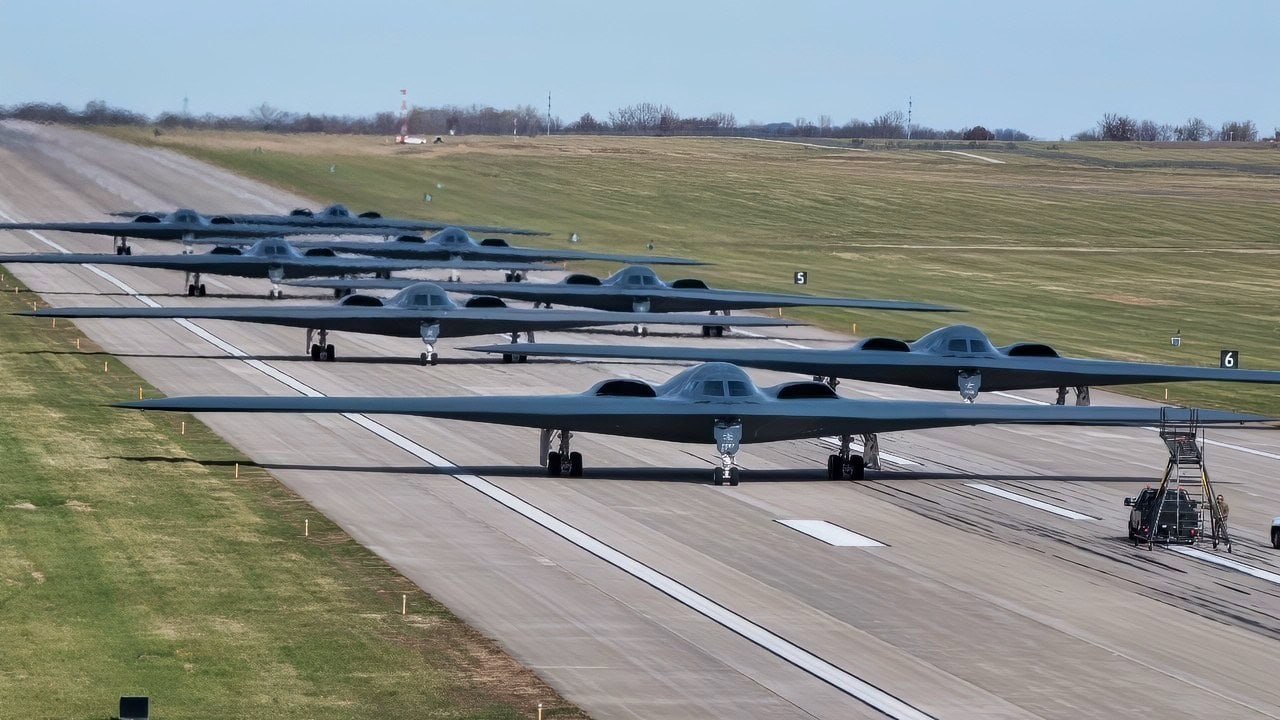
B-2 Spirit stealth bombers assigned to Whiteman Air Force Base taxi and take-off during exercise Spirit Vigilance on Whiteman Air Force Base on November 7th, 2022. Routine exercises like Spirit Vigilance assure our allies and partners that Whiteman Air Force Base is ready to execute nuclear operations and global strike anytime, anywhere. (U.S. Air Force photo by Airman 1st Class Bryson Britt)
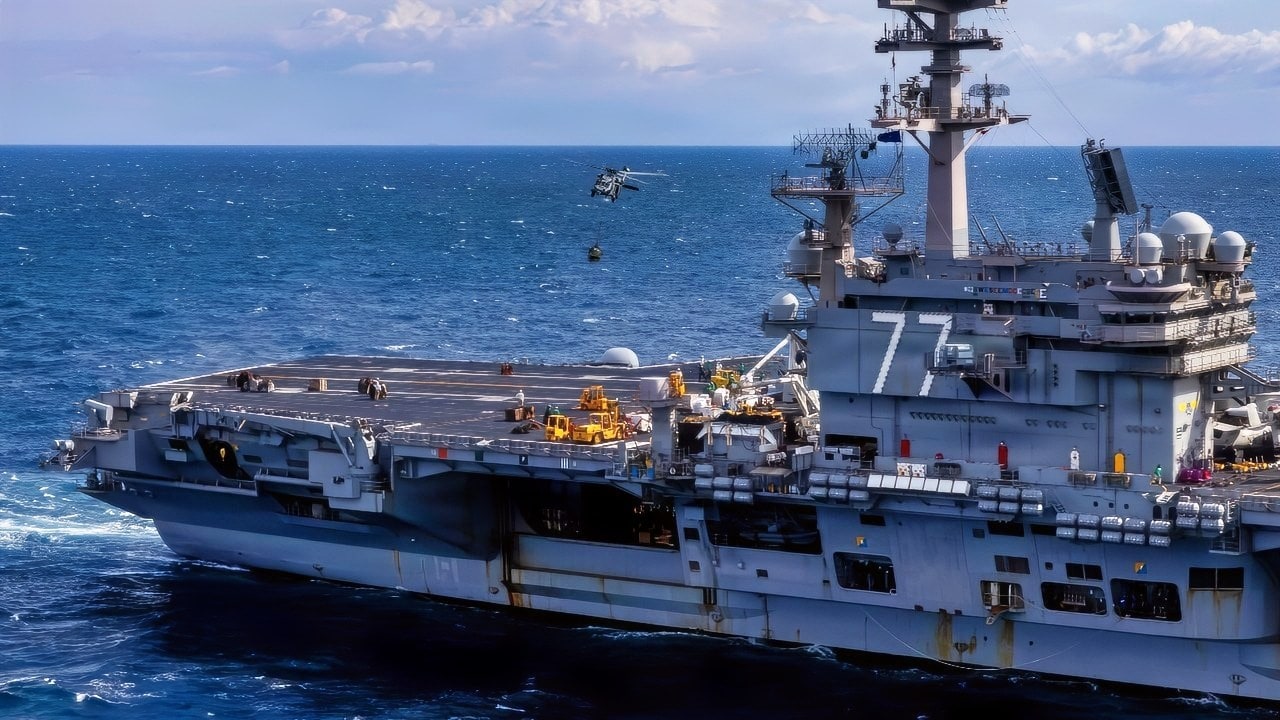
A MH-60S Seahawk helicopter assigned to the “Nightdippers” of Helicopter Sea Combat Squadron (HSC) 5 delivers cargo to the Nimitz-class aircraft carrier USS George H.W. Bush (CVN-77) during a vertical replenishment in the Atlantic Ocean, Feb. 15, 2026. The George H.W. Bush Carrier Strike Group is at sea training as an integrated warfighting team. Composite Training Unit Exercise (COMPTUEX) is the Joint Force’s most complex integrated training event and prepares naval task forces for sustained high-end Joint and combined combat. Integrated naval training provides combatant commanders and America’s civilian leaders highly capable forces that deter adversaries, underpin American security and economic prosperity, and reassure Allies and partners. (U.S. Navy photo by Mass Communication Specialist 2nd Class Mitchell Mason)
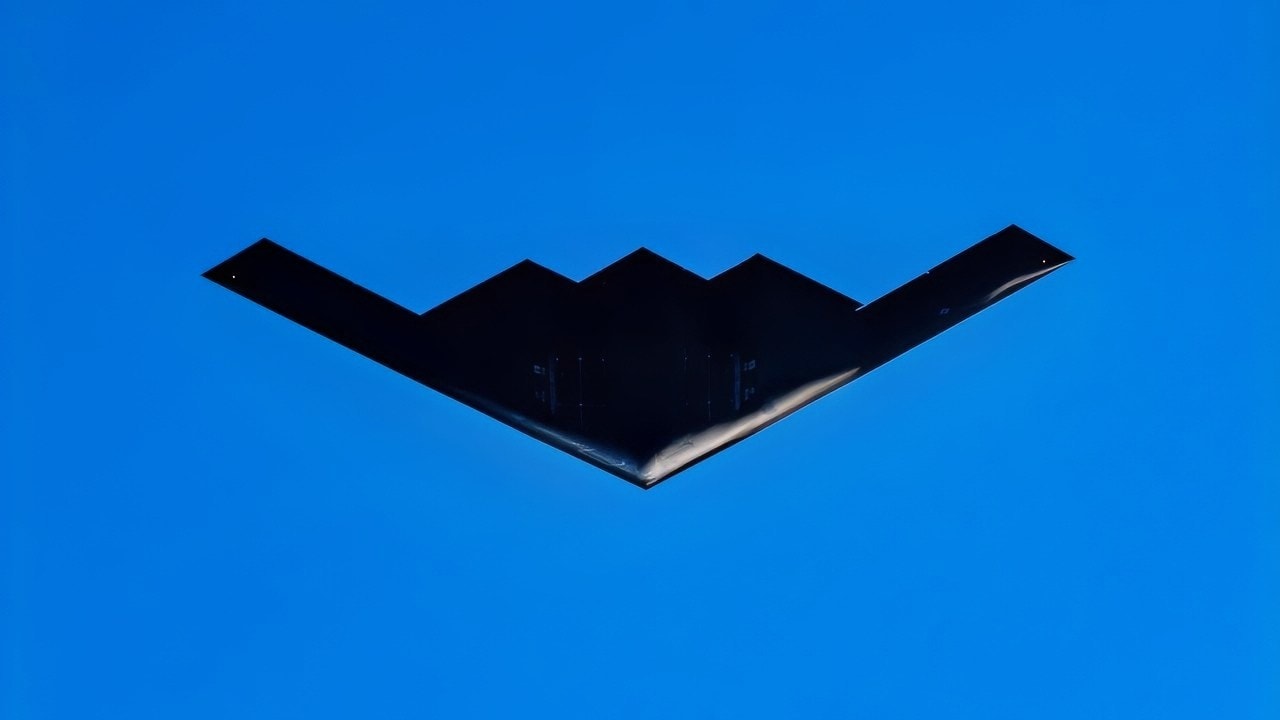
The B-2 Spirit flies over the Rose Parade at Pasadena Ca., Jan. 1, 2024. The Rose Parade is a parade of flower covered floats, marching band, and equestrian units that is produced by the Tournament of Roses. (U.S. Air Force photo by Airman 1st Class Bryce Moore)
If the current campaign succeeds in wrecking enrichment capacity and dismantling key elements of Iran’s missile architecture, the immediate threat environment changes in ways that matter. A degraded Iran remains hostile, but it is also less capable. That outcome can be defended as a win because it reduces risk to U.S. forces and to regional partners.
It also has a strategic virtue that rarely gets enough respect: The result is legible and measurable. Destroyed facilities can be assessed, production losses estimated, and what remains of a launch infrastructure examined. Even in the fog of war, those outcomes can be evaluated.
Regime change is different. It is not a target, it is a political transformation. It is a bet on events that must unfold across time in a country whose internal balance of power outsiders only partly understand. That bet may still be worth making in some circumstances. The threshold for making it should be high.
The Iran Regime Change Trap
Talk of regime change tends to arrive in two waves.
The first wave is moral. The regime is brutal and aggressive and it sponsors violence beyond its borders. That may all be true. It still leaves the strategic question unanswered: what comes after?
The second wave is operational optimism. Air power appears to be working and targets are burning. Leaders look increasingly isolated as signs of domestic unrest begin to surface. The conclusion becomes seductive: Push a little harder and the whole structure might collapse.
This is where the U.S. record should make everyone cautious. Air campaigns can punish, degrade, and destabilize. They rarely produce a clean political outcome on their own. When governments come under sustained external pressure, the result can be fragmentation or the rise of harder security elites who thrive in conditions of crisis.

An F-22 Raptor performs an aerial demonstration at Naval Air Station Oceana, Virginia, Sept. 19, 2025. Rapid changes in angle of attack create visible vapor around the aircraft, providing a clear view of its aerodynamic performance. This demonstration highlights the F-22’s advanced maneuvering capabilities, showcasing its speed, agility, and thrust-vectoring performance. (U.S. Air Force photo by Staff Sgt. Lauren Cobin)
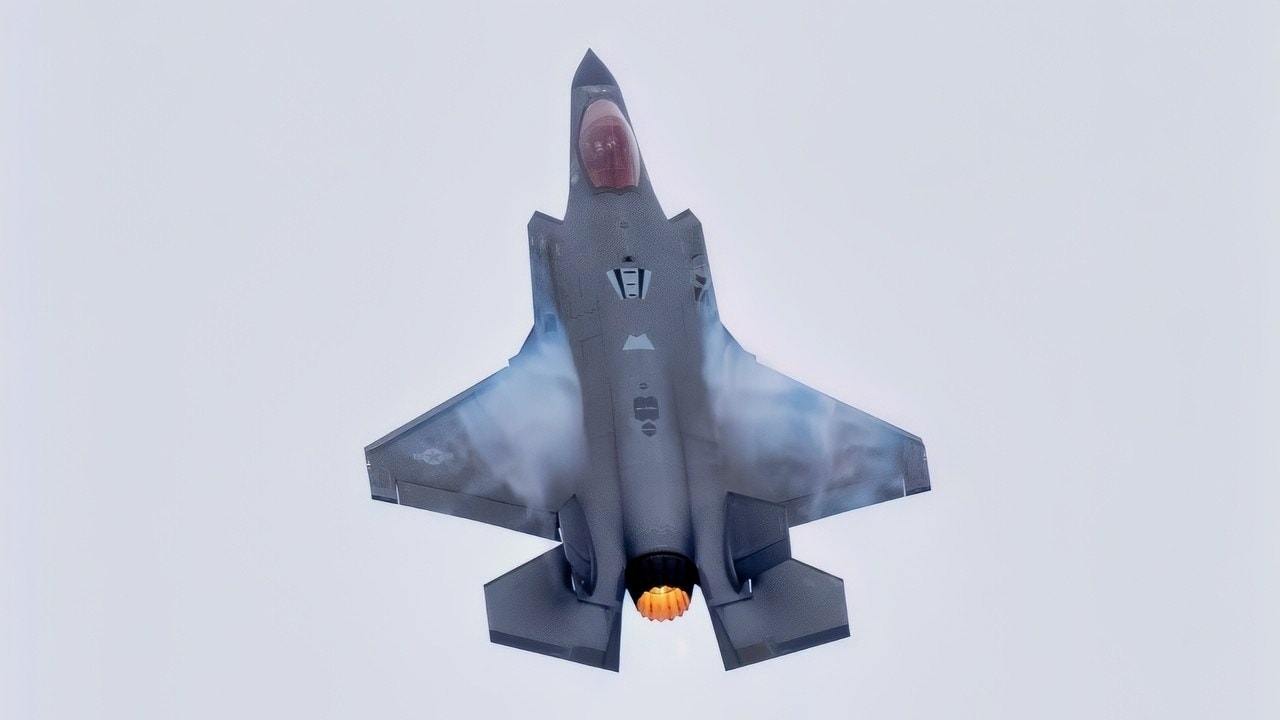
Maj. Kristin “BEO” Wolfe demonstrates the capabilities of the F-35A Lighting II, a single seat, single engine, all-weather stealth multirole fighter aircraft, during a practice flight with the F-35 Demonstration Team at Hill Air Force Base, Utah Feb. 6, 2024. (U.S. Air Force photo by Senior Airman Jack Rodgers)
Even now the conflict is widening in ways that should remind Washington what escalation looks like. Fighting has intensified over Tehran. The war is already spilling across the region. Tehran is issuing deterrent warnings tied directly to the regime-change question. That is not rhetorical noise. It is signaling aimed at shaping Washington’s political objective.
If the United States chooses regime change as its goal, the entire character of the war shifts. A campaign designed to destroy capabilities becomes one designed to break the state. That shift brings a different timeline and a different risk profile. It also brings responsibilities once the shooting stops.
Why Collapse May Not Be a Win
Iran is not a small state waiting to fall apart. It is large and politically layered. Its system is organized around institutions built to survive internal crises. The most important of those institutions is the Islamic Revolutionary Guard Corps. It has spent decades preparing for internal unrest and external conflict.
If the regime fractures, the Guard may not disappear. It may consolidate power and could emerge as the dominant authority in a system stripped of clerical mediation and shaped by a narrative of wartime survival.
Fragmentation could also divide the state among competing centers of power and spark a prolonged struggle over succession. The political shape of what follows a major shock inside Tehran is uncertain. A fractured Iran would not remain a contained problem. Instability would radiate outward into the Gulf and beyond.
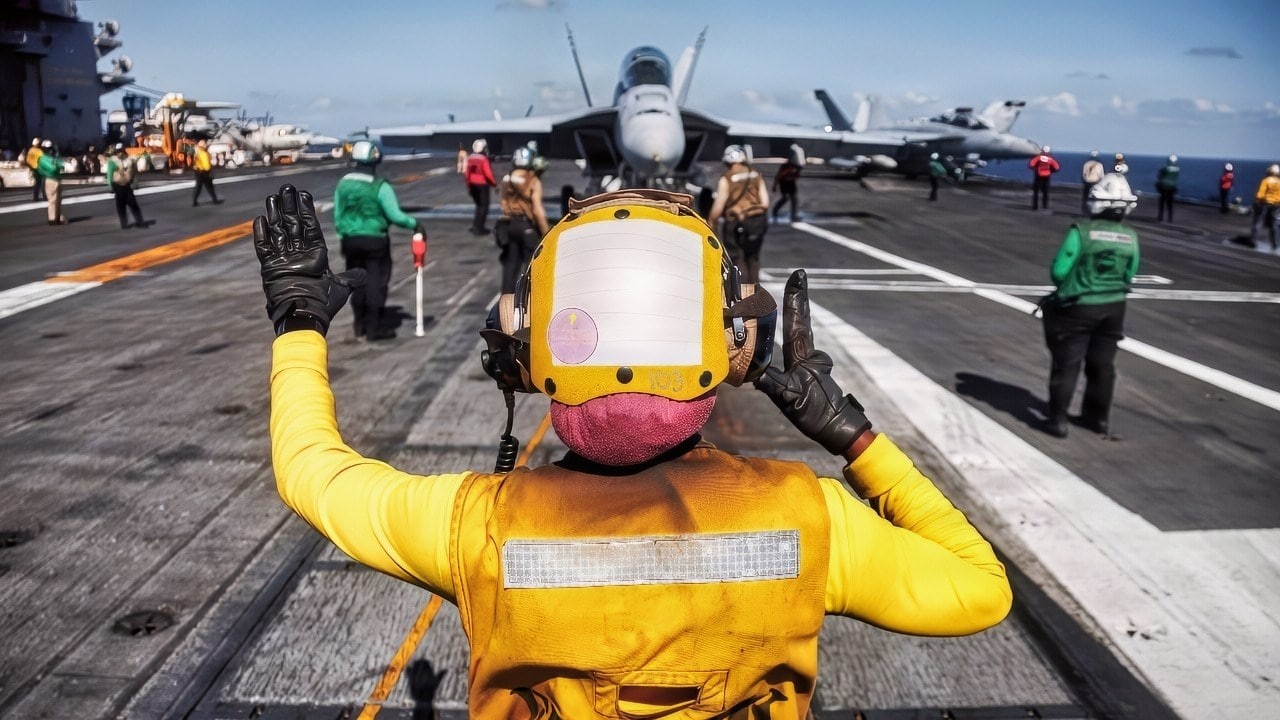
A U.S. Sailor signals to an F/A-18F Super Hornet aircraft, attached to Strike Fighter Squadron 213, on the flight deck of the world’s largest aircraft carrier, Ford-class aircraft carrier USS Gerald R. Ford (CVN 78), while underway in the Caribbean Sea, Feb. 5, 2026. U.S. military forces are deployed to the Caribbean in support of the U.S. Southern Command mission, Department of War-directed operations, and the president’s priorities to disrupt illicit drug trafficking and protect the homeland. (U.S. Navy photo)
That possibility returns us to the strategic question at the heart of the war. Can Washington accept destroying Iran’s most dangerous weapons without overthrowing the regime that built them?
It can, and it may have to. A limited victory remains a victory if it achieves the political purpose that justified the use of force.
The harder challenge for any government is recognizing the moment when that purpose has been met.
About the Author: Dr. Andrew Latham
Andrew Latham is a non-resident fellow at Defense Priorities and a professor of international relations and political theory at Macalester College in Saint Paul, MN. You can follow him on X: @aakatham. Dr. Latham is a daily columnist for 19FortyFive.com