
Summary and Key Points: China is aggressively closing its strategic range gap by converting Xi’an Y-20 “Chubby Girl” airlifters into YY-20/YU-20 aerial tankers. Powered by domestic WS-20 engines, the new Y-20B multi-role tanker/transport (MRTT) and the emerging KJ-3000 AEW&C platform are transforming the PLAAF into a “world-class” force. By 2035, Beijing’s tanker fleet could reach 100 aircraft, effectively doubling the operational reach of J-20 and J-35 stealth fighters. This expansion challenges U.S. air superiority beyond the Second Island Chain, threatening bases in Guam and Japan while providing persistent cover for a potential Taiwan contingency.
China Is Converting Cargo Planes Into Tankers That Can Double the Combat Range of Its J-20 Stealth Fighters
China is rapidly expanding its air-to-air refueling capabilities by converting its Xi’an Y-20 “Chubby Girl” strategic cargo planes into aerial tankers, designated as YU-20 or YY-20.
This initiative is designed to address a historic deficit in tanker aircraft, extend the combat range of the People’s Liberation Army Air Force (PLAAF), and project power further into the Pacific.
The Chinese have reportedly been working on this project for the past several years. “A YU-20 tanker aircraft of the Chinese People’s Liberation Army (PLA) Air Force and a J-15 carrier-based fighter jet of the PLA Navy have conducted their first in-flight refueling exercise…. This exercise has displayed the systematic integration among different PLA services and will enhance the capabilities of Chinese aircraft carriers,” the Chinese government-run newspaper Global Times reported.
The YY-20/YU-20A Greatly Increases China’s Reach For Its Fighter Aircraft:
One of the primary weaknesses of the Chinese Air Force (PLAAF) has been the dearth of air-to-air refueling capability. But by converting some of their Y-20 cargo aircraft to YY-20 refuelers, China is rapidly expanding its reach to project power in the Indo-Pacific region, especially Taiwan.
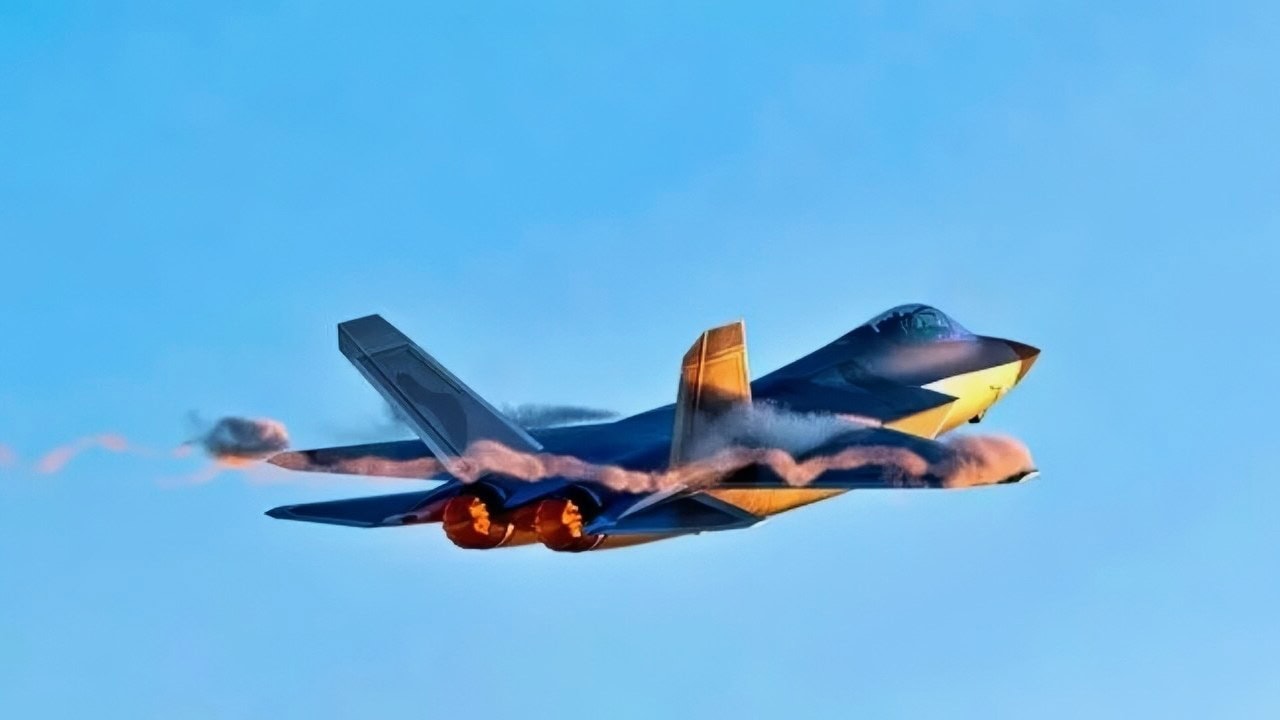
J-35A Fighter from China PLAAF. Image Credit: Creative Commons.
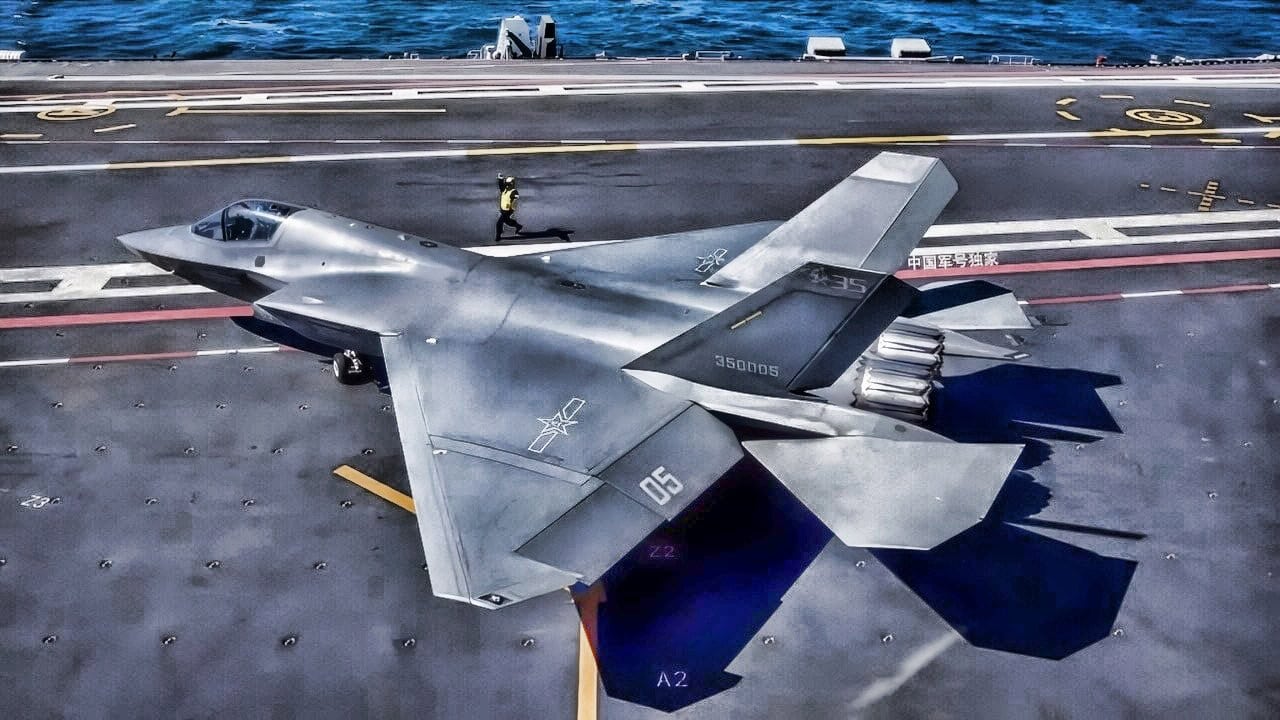
China J-35 Naval Stealth Fighter. Image Credit: PLAN.
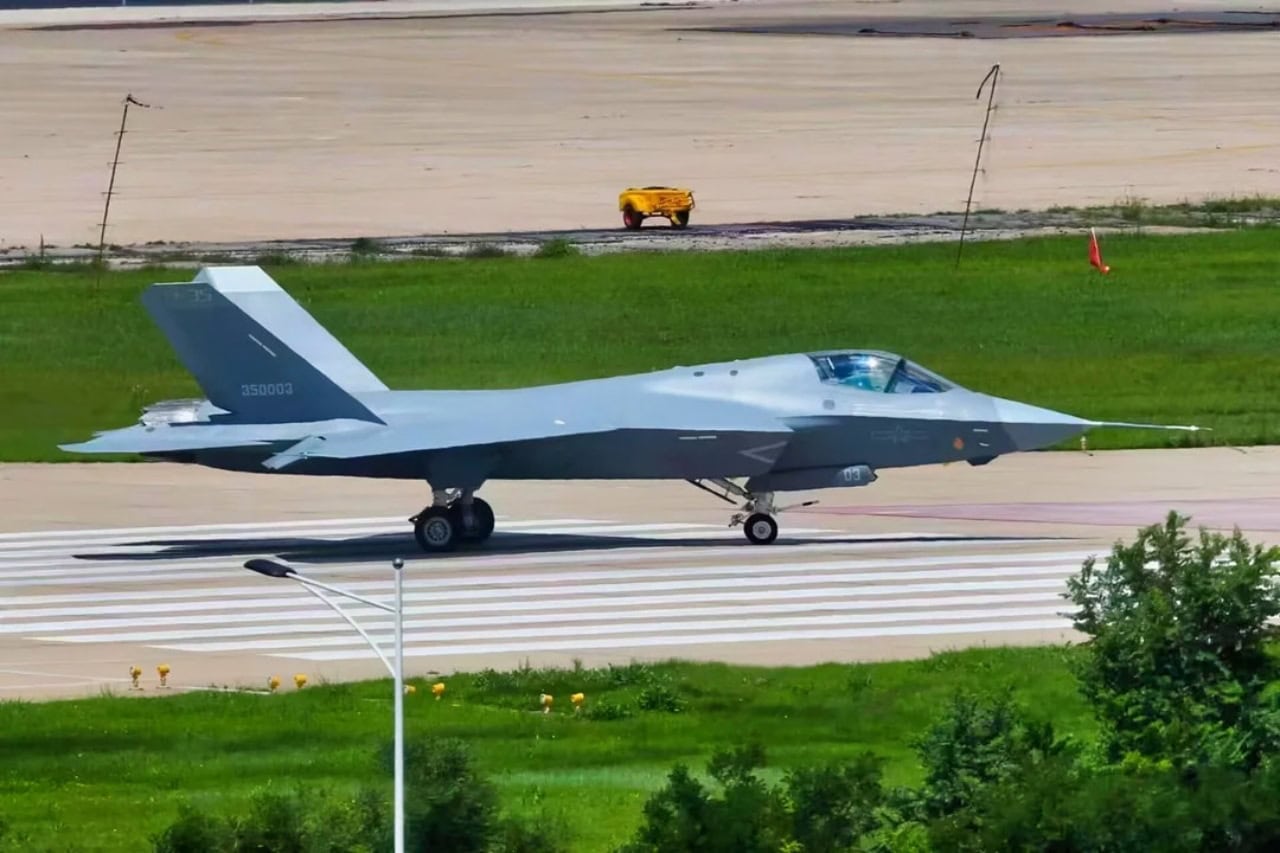
J-35 Fighter. Image Credit: Chinese Internet.
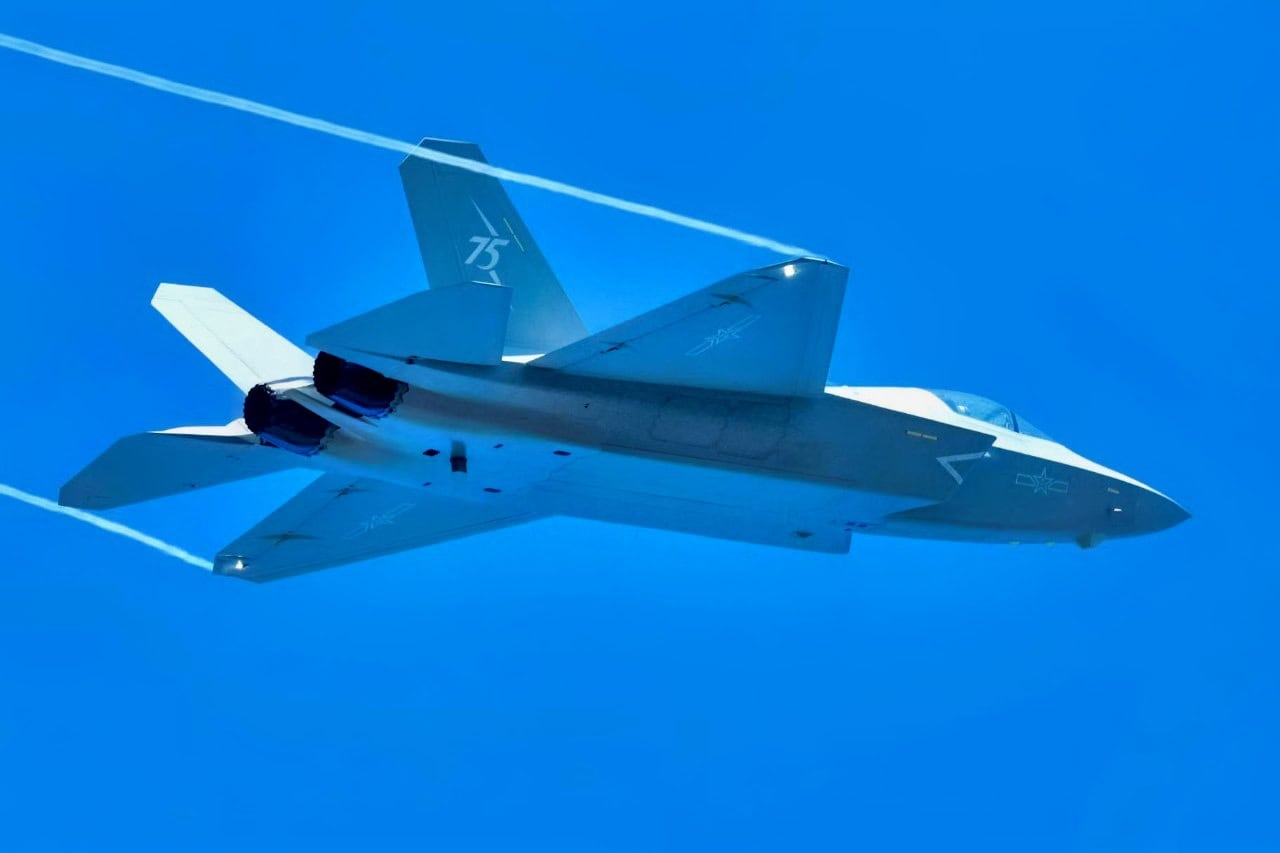
J-35 Fighter. Image Credit: Chinese State Media.
The PLAAF operates approximately 35 refuelers, a mix of old Russian planes (IL-78 Midas), converted H-6 bombers (H-6U, H-6DU), and newer tankers evolved from its Y-20 transport planes (YY-20A).
“The YU-20A was developed from the Y-20 and has the advantage of a large fuel capacity. It can refuel tactical aircraft such as the J-20 and J-16, as well as strategic-level aircraft such as the KJ-500A and H-6N. Because of this, special mission aircraft such as early warning aircraft and tanker aircraft are known as amplifiers in air combat,” Military affairs expert Fu Qianshao said.
The PLA wants to transform itself into a “world-class” military with much better power-projection capabilities. And getting enough tankers for their aircraft is a very necessary step. In contrast, the United States operates a massive air fleet of approximately 600 to 610 air refueling tankers.
In a recent article in The Interpreter, David G. Vallance wrote that by 2035, China’s air refueling fleet would number about 100 aircraft, which is a huge jump in capability.
Air Refueling Is The Key To China’s Fighter Fleet Projection
China’s J-20 fighters are land-based, and its J-35s, launched from carriers, haven’t been produced in sufficient numbers yet. But the increase in air refueling capabilities will significantly factor into the PLAAF’s power projection plans.
Chinese plans to attack Taiwan would certainly also encompass attacks on US bases in Guam and Japan, as well as attacks on the Philippines and Singapore. US carriers and amphibious assault ships carry the F-35B and F-35C. The Japanese and Singapore militaries have also purchased F-35s.
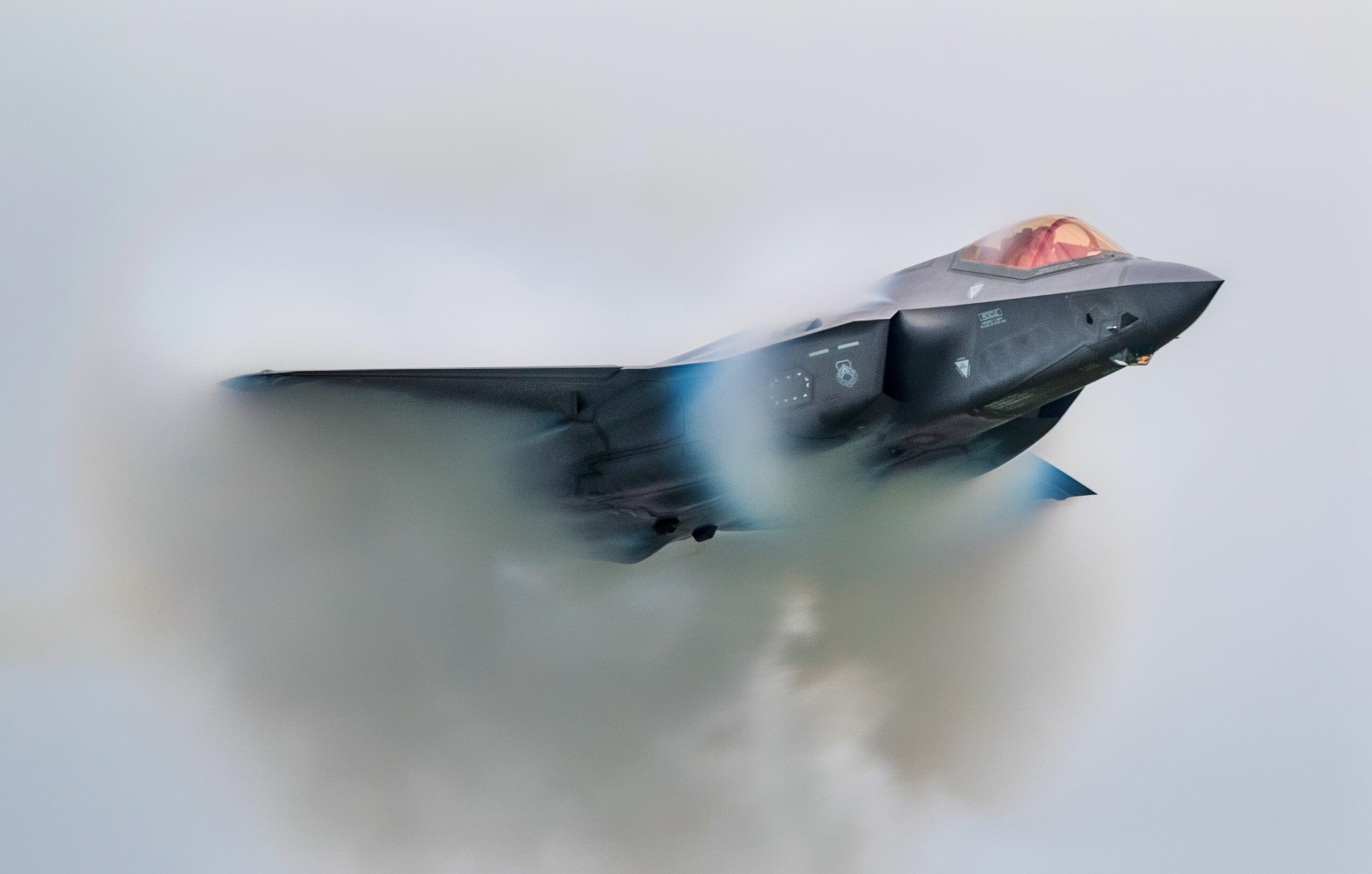
Capt. Andrew “Dojo” Olson, F-35 Demo Team pilot and commander performs aerial maneuvers during the Aero Gatineau-Ottawa Airshow in Quebec, Canada, Sept. 7, 2019. The team consists of 10 Airmen who help showcase the world’s most technologically advanced fifth-generation fighter jet. (U.S. Air Force photo by Senior Airman Alexander Cook)
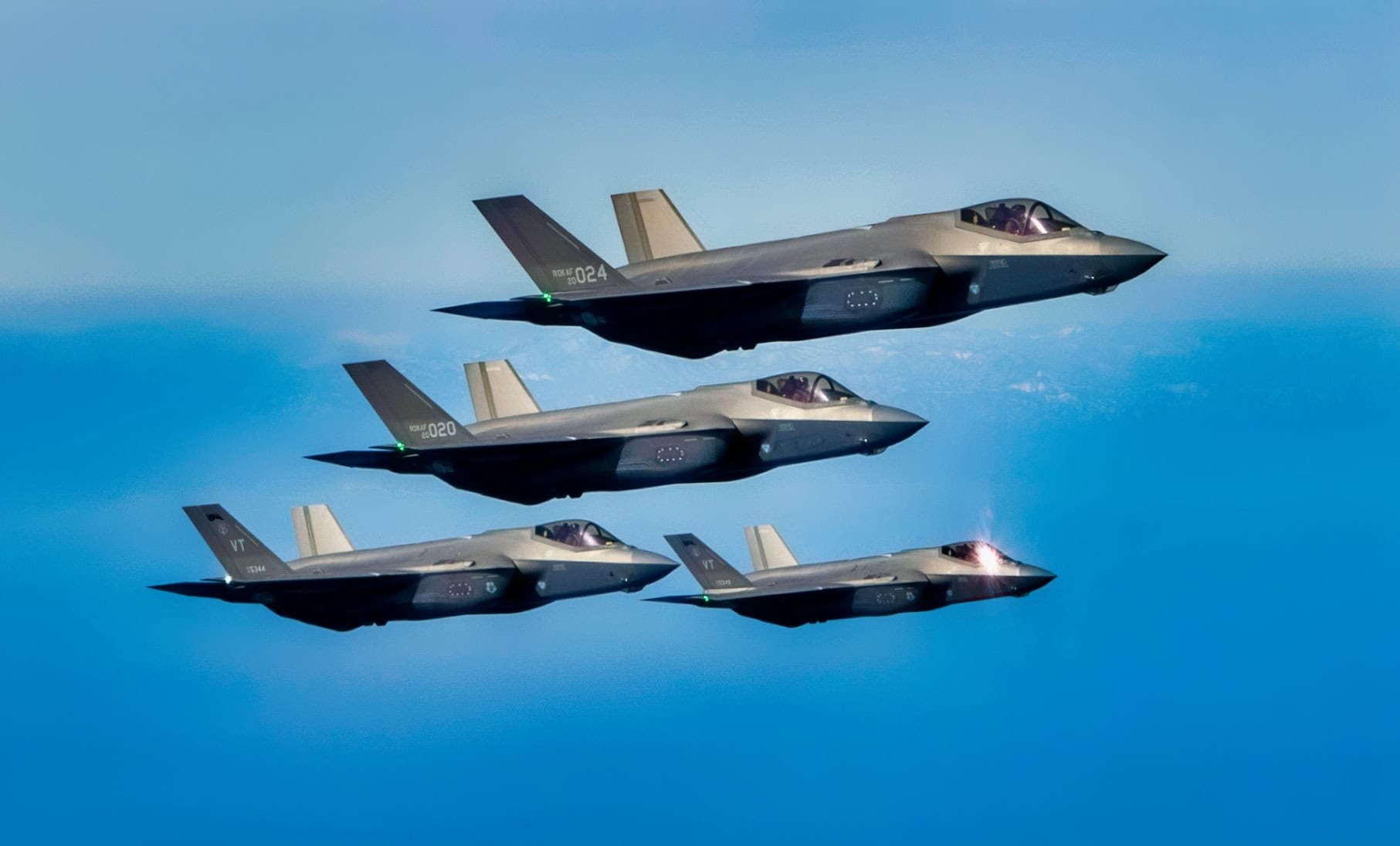
Two U.S. Air Force F-35A Lighting IIs fly in formation with two ROKAF F-35As during Freedom Shield 25, a defense-oriented exercise featuring live, virtual, and field-based training, March 13, 2025. The aircraft participated in dynamic targeting and aerial refueling training, validating the capability of ROK and U.S. Air Forces, to find, fix, and defeat a range of threats. (Photo courtesy of Republic of Korea Air Force)
These would be a formidable defense against any Chinese amphibious attack against Taiwan. With a larger aerial refueling fleet, Beijing can now deploy many more fifth-generation J-20s and substantially increase their range.
This is why China’s conversion of the Y-20s into YY-20 air refuelers is so significant. These can also be used to refuel the growing fleet of Chinese J-35 carrier-based aircraft. China has been working hard and producing aircraft in huge numbers to challenge American air superiority in the skies over the Indo-Pacific.
The Y-20B Aircraft Is A Multi-Role Tanker/Transport
Vallance added that China has begun fielding the Y-20B, which entered service in 2024.
“There was speculation that this new model would be converted into a dedicated tanker, but as more images of the Y-20B have emerged, analysts have suggested that this aircraft is more likely to be a multi-role tanker/transport (MRTT). This would be an important capability for China – a modular aircraft that can fulfil transport and aerial refueling roles.”
The Y-20B, which is powered by the domestically produced WS-20 high-bypass turbofan engine, is a significant development. This transport aircraft can lift and transport cargo as heavy as a Type 99 main battle tank, significantly increasing its power projection.
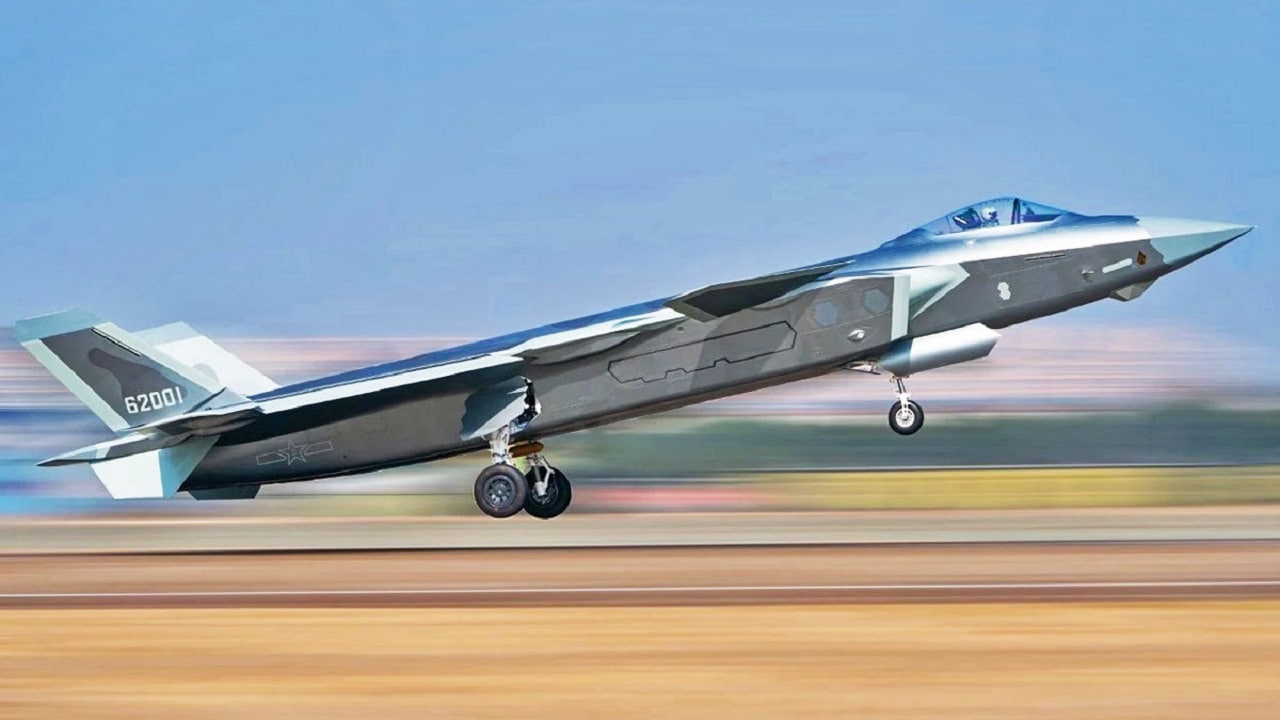
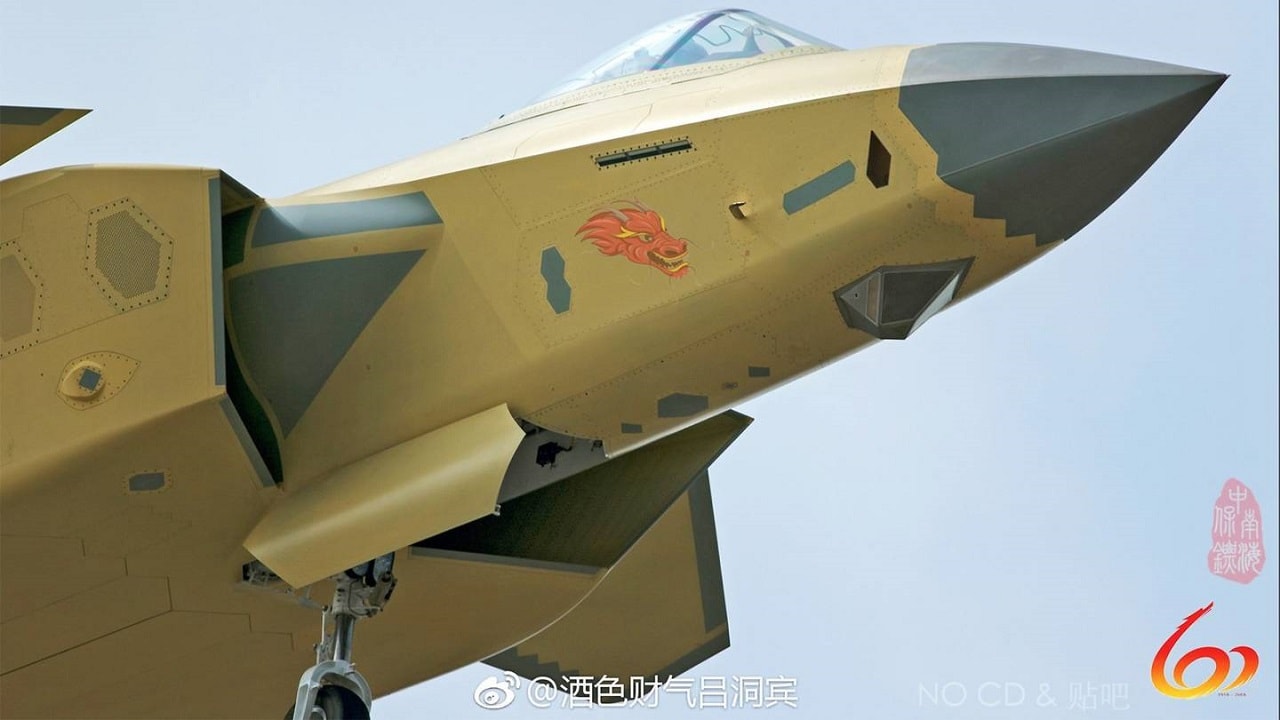
China’s J-20 stealth fighter. Image Credit: Creative Commons.
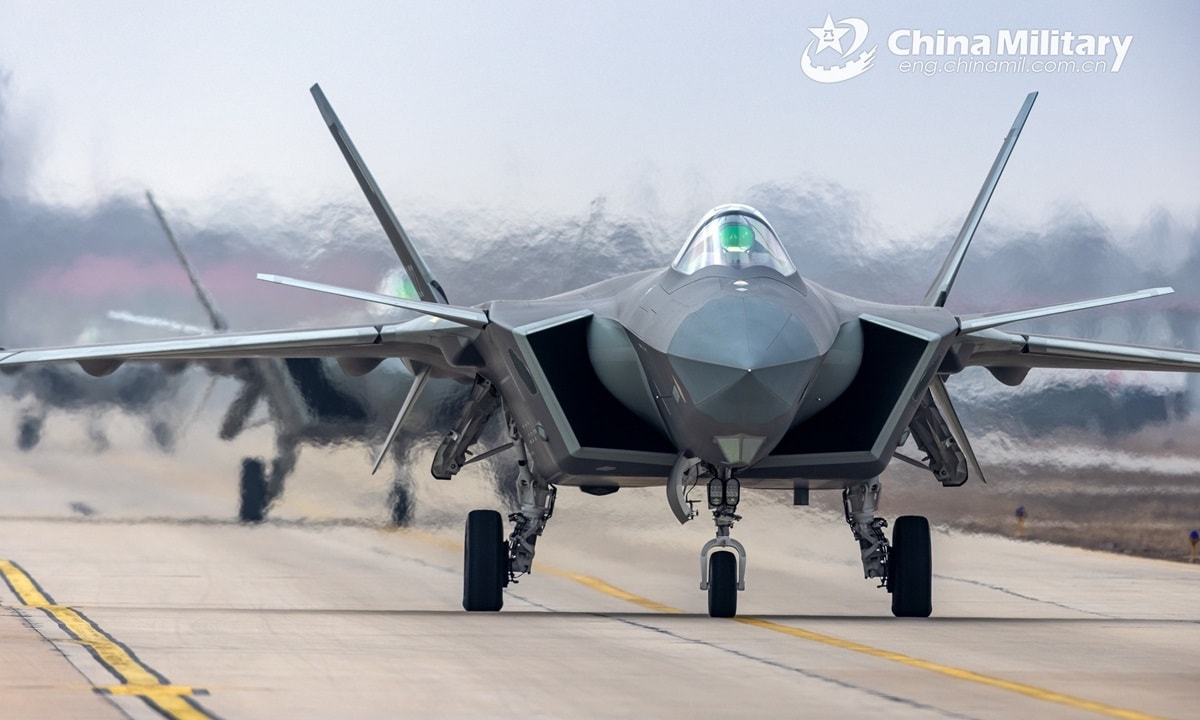
J-20 fighter. Image Credit: Chinese military.
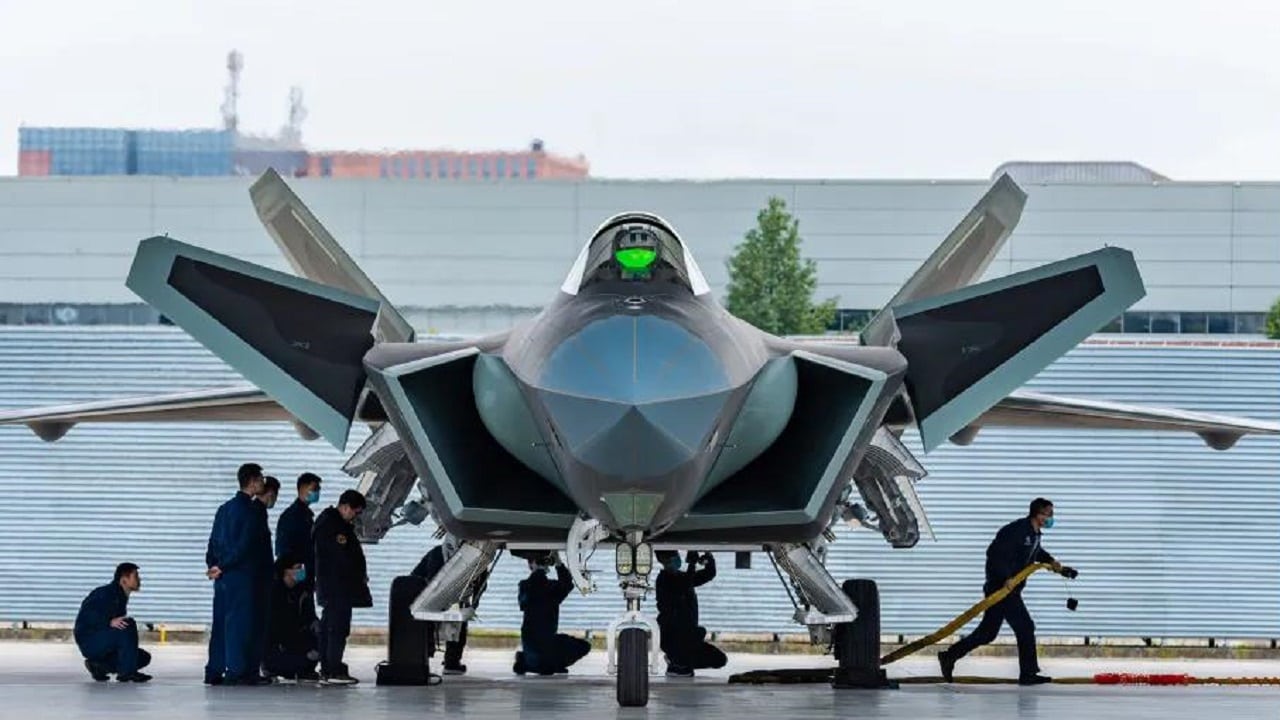
J-20. Image Credit: Chinese Internet.
In the case of an attack on Taiwan, American M1A2 Abrams tanks can no longer be transported by air, and any reinforcements for Taiwan would be forced to be conducted by sea.
There are also reports that Beijing is converting some of the Y-20 aircraft into a new airborne early warning and control (AEW&C) platform based on the Y-20 airframe, to be designated as the KJ-3000.
The expanded tanker fleet is intended to double the operational range of Chinese fighter jets, such as the J-20 and J-35, enabling them to operate far beyond the Second Island Chain and to challenge U.S. air superiority in the region. It is a development that the US will be closely monitoring.
About the Author: Steve Balestrieri
Steve Balestrieri is a National Security Columnist. He served as a US Army Special Forces NCO and Warrant Officer. In addition to writing on defense, he covers the NFL for PatsFans.com and is a member of the Pro Football Writers of America (PFWA). His work was regularly featured in many military publications.