
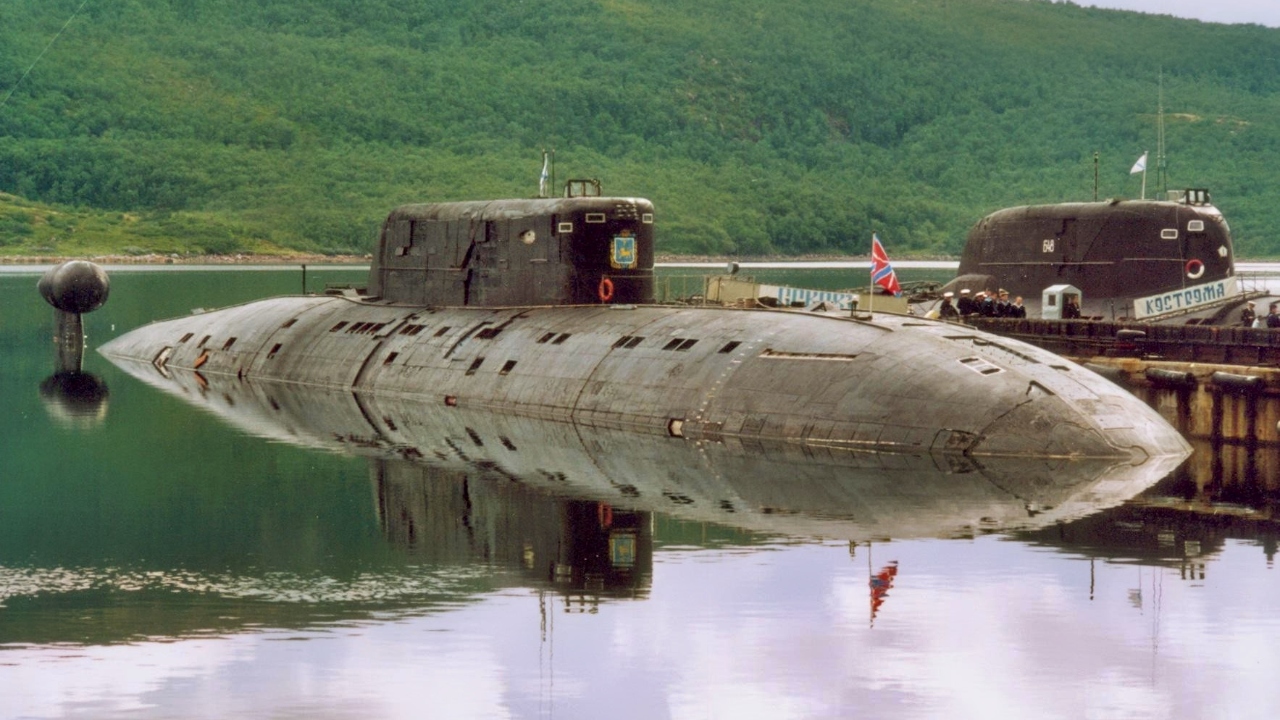
Russia’s Sierra Class Submarines, Titanium Monsters, or Overrated, Expensive Mistakes?
As we all know, nothing spurs a technology revolution faster than war. When people are out to kill one another, our technology increases by leaps and bounds. And after World War II, even a “cold” war spurred the technology battles normally reserved for wartime.
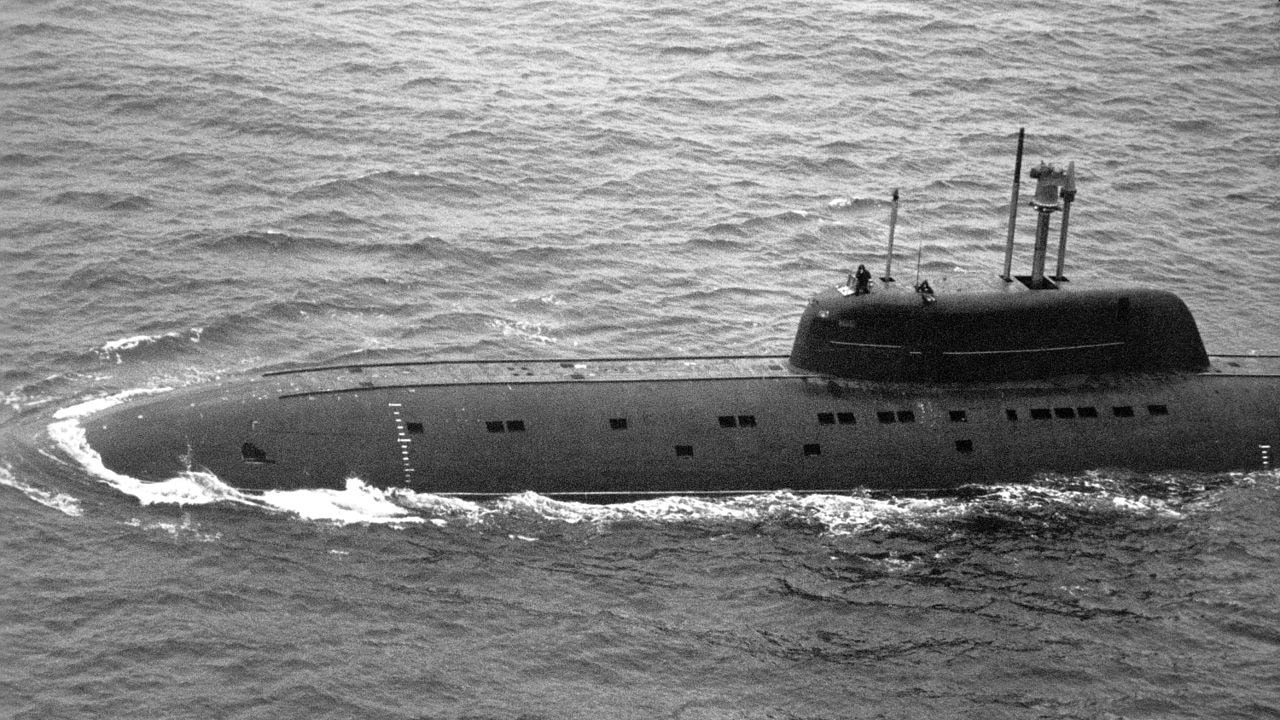
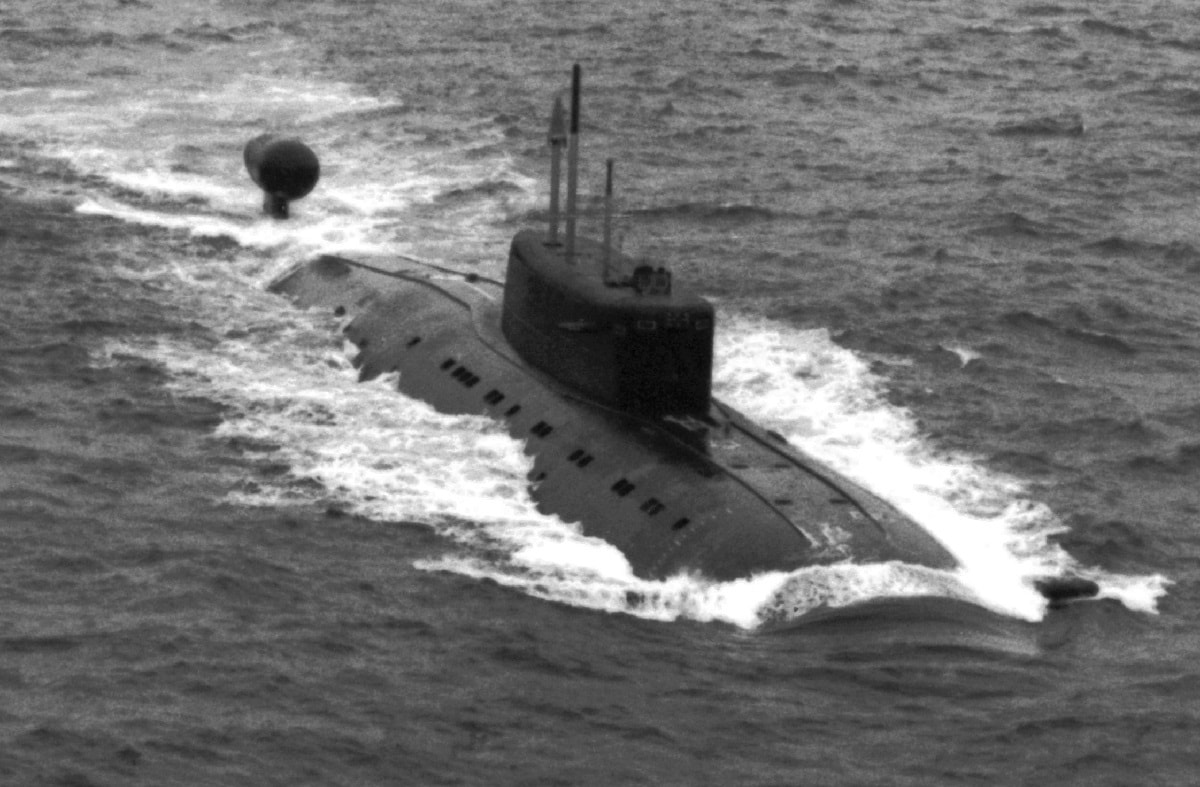
Sierra-Class Submarine. Image Credit: Creative Commons.
The Soviet Union and the United States were locked in a technological battle during the Cold War. Each sought to outdo the other in military superiority, which spurred huge advances in ships, aircraft, armor, submarines, and space exploration.
The Soviets were desperate to outdo the U.S. and went to great lengths to close the technology gap with the West.
The Soviets Built Up Their Submarine Fleet
One area that the Soviets were all in on was submarines.
It has long been a staple of the Soviet Union’s naval defense strategy. However, by the 1950s, the Soviet Navy had begun to build a true blue-water navy capable of power projection around the globe. The Soviets couldn’t build aircraft carriers to rival the United States, so they set out to build vessels to sink them.
They began to build nuclear attack and missile submarines. Their first attempts yielded fast and powerful boats, but they were very noisy and easily detectable.
This flaw led to the development of more advanced submarines — particularly the Project 945 Barrakuda and Project 945A Kondor (NATO code names Sierra I and Sierra II).
Meet The Project 945 Barrakuda, Sierra I-Class
The Soviets called the Sierra I Class, Project 945 Barrakuda, but it wasn’t the first titanium-hulled submarine. That status belonged to the Alfa Class. The Soviets were the only country to build submarines from titanium (more on that below).
Titanium is stronger and lighter than steel, weighing only about half as much. Due to their titanium hulls, Alfas were strong and light. They could race along at 41mph under the sea and submerge past 1,100 feet. The only drawback of the Alfa was its reactor, which was exceedingly noisy. U.S. Navy passive sonar could easily hear it.
The Alfa was also used as the nemesis submarine in the film The Hunt for Red October, starring Sean Connery.
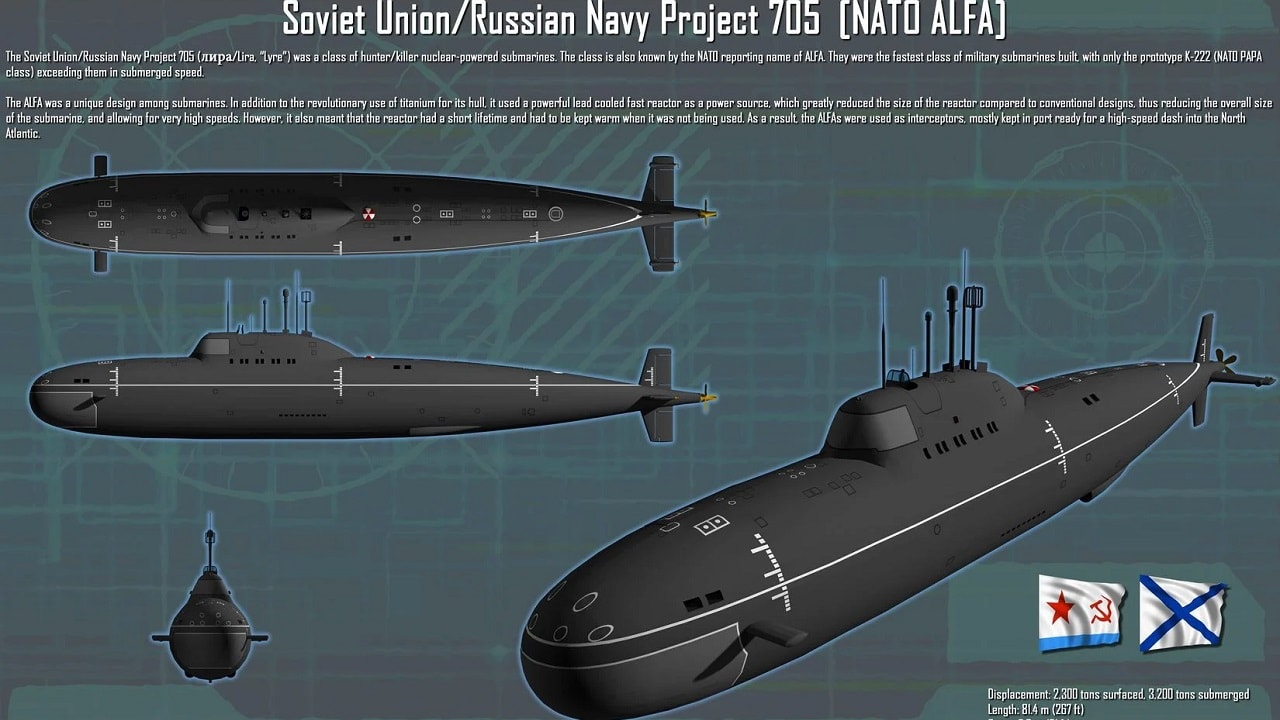
Alfa-Class Submarine. Image Credit: Creative Commons.
The Soviets then turned their attention to the Sierra I Class. It was their second attempt to build a high-performance, nuclear attack submarine with a titanium hull. And this project ultimately failed, with the Soviets only building two of them.
The Soviet Navy designed the Sierra I to hunt NATO subs and surface ships with torpedoes and anti-ship missiles.
The Sierra I Class was smaller, with a displacement of 8,000 tons, and although it wasn’t as fast as the Alfa, topping out at 34 knots, the machinery and reactor were much quieter.
The submarine, in retrospect, wasn’t as successful as the steel-hulled Akula Class. And the Akulas didn’t have the difficulties of working with titanium, which required special manufacturing facilities.
Because of the specialized shipyard required to build the Sierra I, the completed design was limited in size. The Soviets built only two Sierra I-class attack boats: the K-239 Karp and the K-276 Kostroma.
In the end, although the design aided follow-on classes, the Sierra I Class was too expensive and too complex. It didn’t offer enough advantages for the Russians to continue with the project after the fall of the Soviet Union.
Meet Project 945A Kondor, The Sierra II-Class
The Sierra II Class boats were also distinctive for their titanium hulls, which enabled much deeper dives and vastly reduced emissions and noise.
The Sierra II Class submarines are a more advanced variant of the Sierra I-Class.
Despite being based on the Sierra-Class, the Sierra-II makes several design changes over its predecessor. These Russian nuclear attack subs were designed as deep-diving hunters to attack American missile submarines.
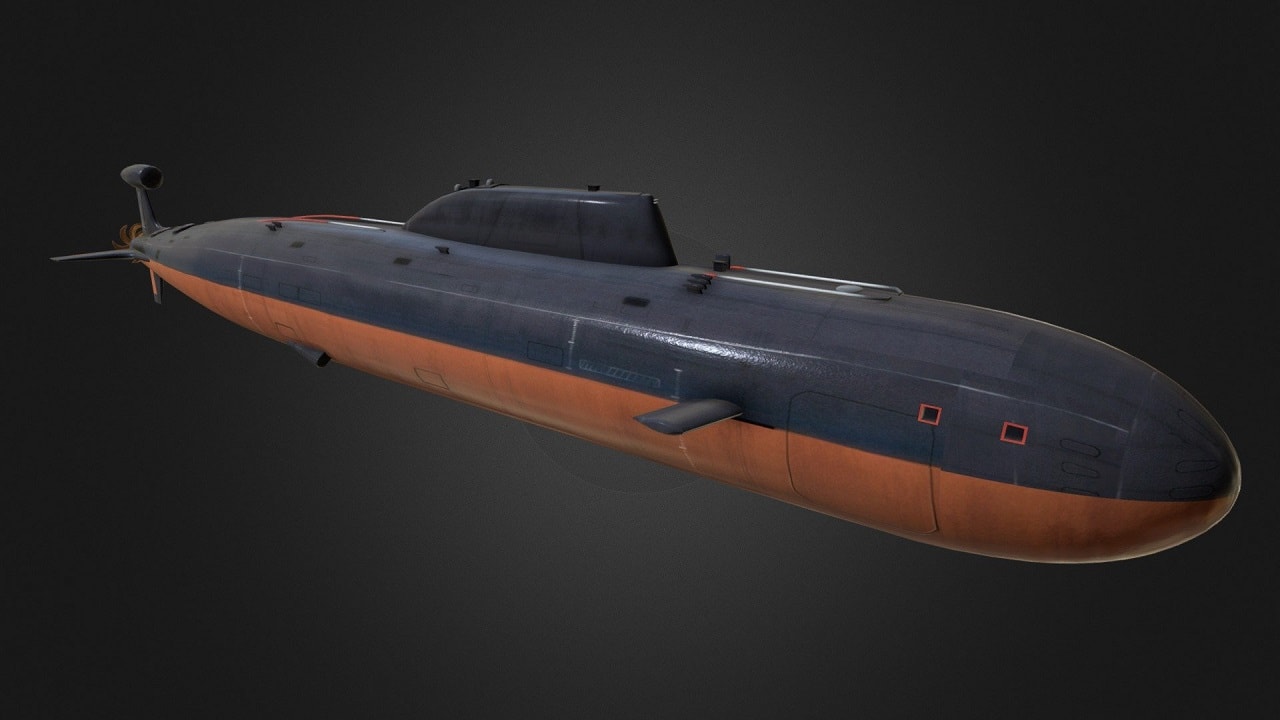
Russian Sierra-class nuclear-powered attack submarine. Artist rendering.
Among the incorporated improvements to Sierra II’s advancements were improved sonar systems, quieter propulsion, and enhanced weaponry. The first Sierra II submarine was commissioned in the early 1990s.
The Titanium Hull Was Continued Again With Sierra II
Both the Sierra I and the Sierra II featured twin titanium hulls with space in between each. This light, robust hull allowed the Sierra class to dive much deeper and faster than its American counterparts. And they were much quieter than their predecessors.
The Sierra II boats were powered by a single OK-650 pressurized water reactor, rated at 190 MW. Only two were ever built. The Pskov and Nizhny Novgorod are still operational in Russia’s fleet, although it is believed that neither leaves port very often.
The titanium hull was the Sierra II’s biggest asset, but it was also its biggest drawback. It was expensive and extremely hard to work with.
The Soviets had issues welding large titanium panels successfully at scale. Soviet engineers had to build hermetically sealed factories and then fill them with argon, an inert gas that would not interfere with the welding process. Welders had to wear a spacesuit with an oxygen supply to work in the specially designed factories.
The slightest mistake in the welding process could compromise the hull’s joints and lead to catastrophic failure during deep dives.
Sierra II Specs
The Sierra II measures 110 meters in length, with a beam of 14.2 meters and a draft of 8.8 meters. It displaces around 7,600 tons when surfaced and 9,100 tons when submerged.
The submarine can reach up to 32 knots submerged and is believed capable of diving to depths exceeding 500 meters. It is powered by a single OK-650 pressurized water reactor, which generates 190 megawatts of thermal power.
This reactor provides the submarine with virtually unlimited range, limited only by its crew’s endurance and maintenance requirements. The typical crew complement consists of around 72 officers and crew members.
Sierra II Armament
The Sierra II is equipped with a formidable array of weapons, featuring four 650 mm and four 533 mm torpedo tubes, capable of launching a variety of torpedoes and missiles.
Among its missile systems are the SS-N-21 Sampson cruise missiles, the SS-N-15 Starfish, and the SS-N-16 Stallion. The submarine can also be configured to carry up to 42 naval mines instead of torpedoes. These weapons enable the Sierra II to engage a range of targets, from enemy submarines and surface ships to land-based targets.
The titanium hull not only enables deeper dives but also contributes to acoustic quieting, making it very stealthy. The submarine is covered in anechoic tiles that absorb sonar waves, reducing its detectability. However, another drawback of the titanium hull is that the anechoic tiles often detach from it. This was true of the Sierra I and the Sierra II Class.
It is equipped with advanced sonar systems, including a spherical bow sonar array and flank arrays, which provide comprehensive underwater detection capabilities. The propellers are designed to reduce cavitation, further minimizing noise.
Sierra-class Submarine.
The Soviets, like with the Sierra I Class, built only two Sierra IIs: the K-336 Pskov and the B-534 Nizhny Novgorod. A third was started but never finished and scrapped.
The Soviets’ hopes of building a fleet of titanium-hulled submarines never materialized, and the Sierra II-class subs, despite being technologically advanced, are largely insignificant. The maintenance costs are enormous and difficult to manage.
The Russians still trot out the K-336 and B-534 on occasion for fleet exercises, but they aren’t used meaningfully.
The United States Countered By Building Better Torpedoes
Throughout the Cold War, if the U.S. built a new aircraft, the Russians would build a counter to it, and vice versa. The same went for everything, including the space race. You put the first man in space … we put a man on the moon.
But when the Alfa came out, the Americans didn’t do the same old dance. They didn’t hit the panic button and try to build a titanium hull for the next submarine. They just created a better weapon to hunt the Alfa. The Mark 48 Torpedo – focused on speed to ensure they could catch the titanium Alfa and follow-on Sierra Class submarines.
The Mark 48 is still in service today. On March 4, 2026, a U.S. Navy Virginia-Class fast-attack submarine sank the Iranian frigate IRIS Dena in the Indian Ocean using a single Mark 48 heavyweight torpedo, marking the first U.S. torpedo kill of an enemy ship since WWII.
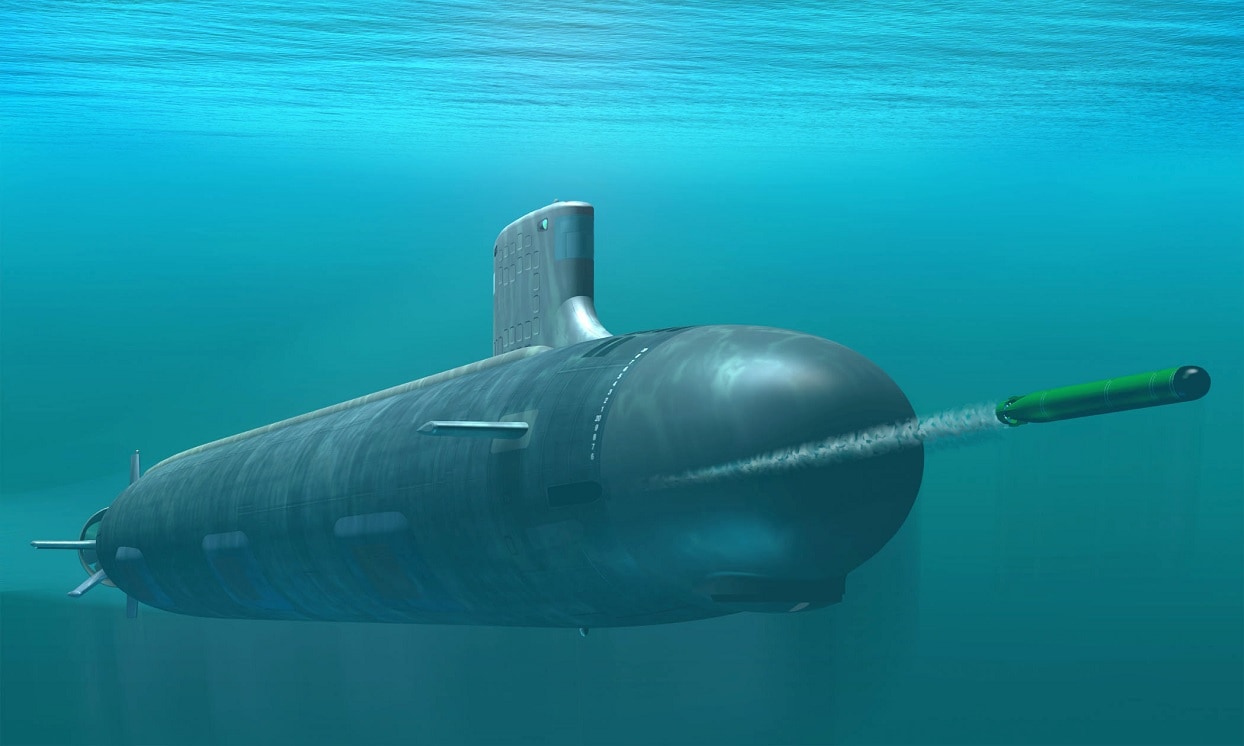
030521-D-9078S-001
(May 21, 2003) — This conceptual drawing shows the new Virginia-class attack submarine now under construction at General Dynamics Electric Boat in Groton, Conn., and Northrop Grumman Newport News Shipbuilding in Newport News, Va. The first ship of this class, USS Virginia (SSN 774) is scheduled to be delivered to the U.S. Navy in 2004. U.S. D.O.D. graphic by Ron Stern. (RELEASED)
The attack, involving a 650-pound warhead splitting the ship, was termed a “quiet death” by officials, killing 87, with 32 crew rescued.
Why The U.S. Chose Steel Over Titanium Submarines
The U.S. Navy’s decision not to design and build a titanium submarine was a conscious decision and, in retrospect, the correct one. The U.S. could have built a titanium-hulled submarine, but chose not to.
Not to mention, any repairs done to a steel-hulled submarine are much easier to accomplish and far less expensive than working with titanium.
The Russians’ switch from titanium back to steel drives home the point that while it possesses many attributes, a titanium-hulled submarine may not have been worth the time and expense.
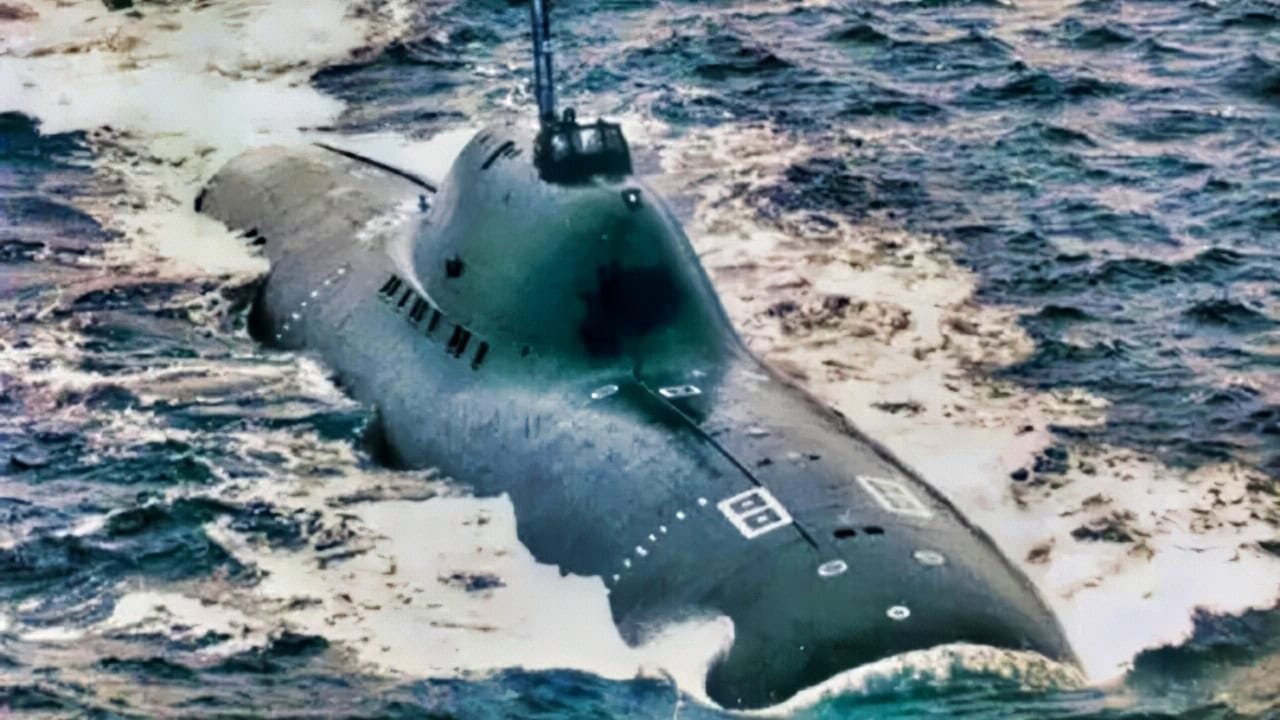
Titanium Submarine from Russia. Creative Commons Image.
As Jeff Goldblum famously said in Jurassic Park, “Your scientists were so preoccupied with whether or not they could…they didn’t stop to think if they should.”
The U.S. Navy chose stealth, sensoring, and the ability to carry a multitude of weapons for its submarine fleet over a niche capability. While they won’t set speed and depth records, their ability to locate, engage, and sink enemy shipping is still second to none.
About the Author: Steve Balestrieri
Steve Balestrieri is a National Security Columnist. He served as a U.S. Army Special Forces NCO and Warrant Officer. In addition to writing on defense, he covers the NFL for PatsFans.com and is a member of the Pro Football Writers of America (PFWA). His work was regularly featured in many military publications.