
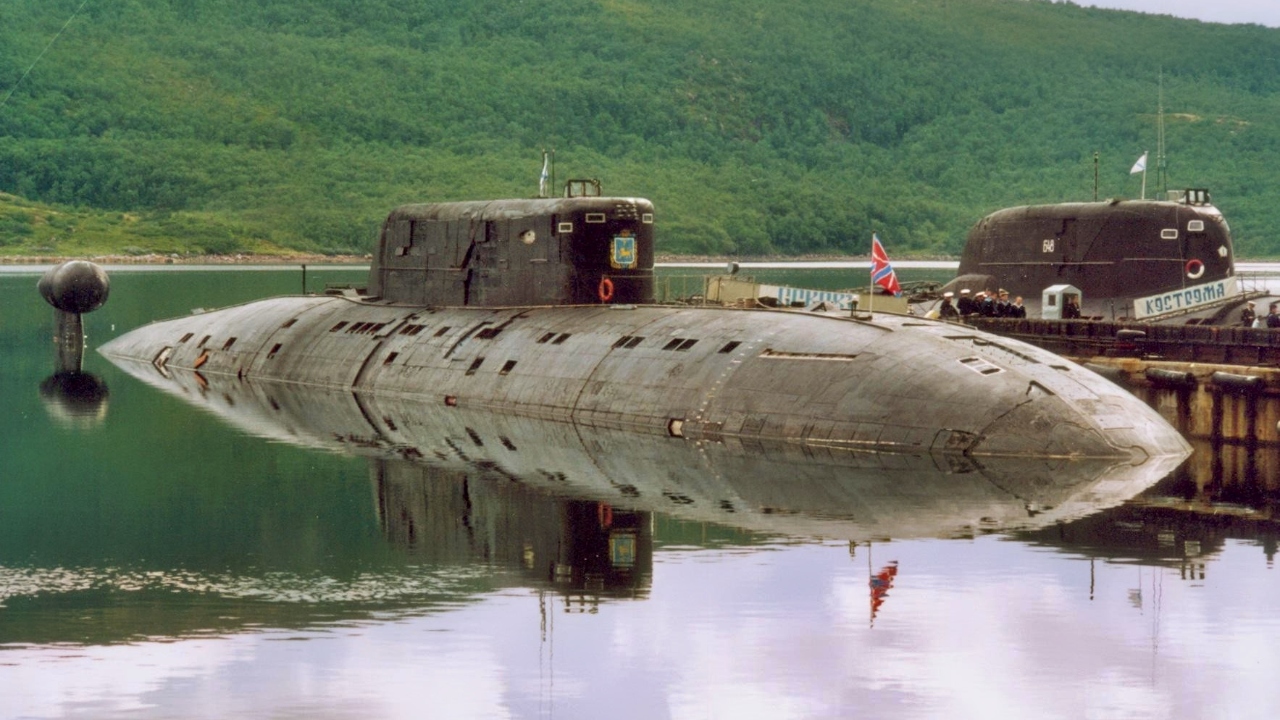
Key Points and Summary – The Sierra II-class (Project 945A Kondor) submarines are the Russian Navy’s last active titanium-hulled boats following the retirement of the massive Typhoons.
-Developed as “hunter-killers” to destroy U.S. ballistic missile submarines, the Nizhniy Novgorod and Pskov boast “unparalleled strength” and deep-diving capabilities that American steel hulls couldn’t match.
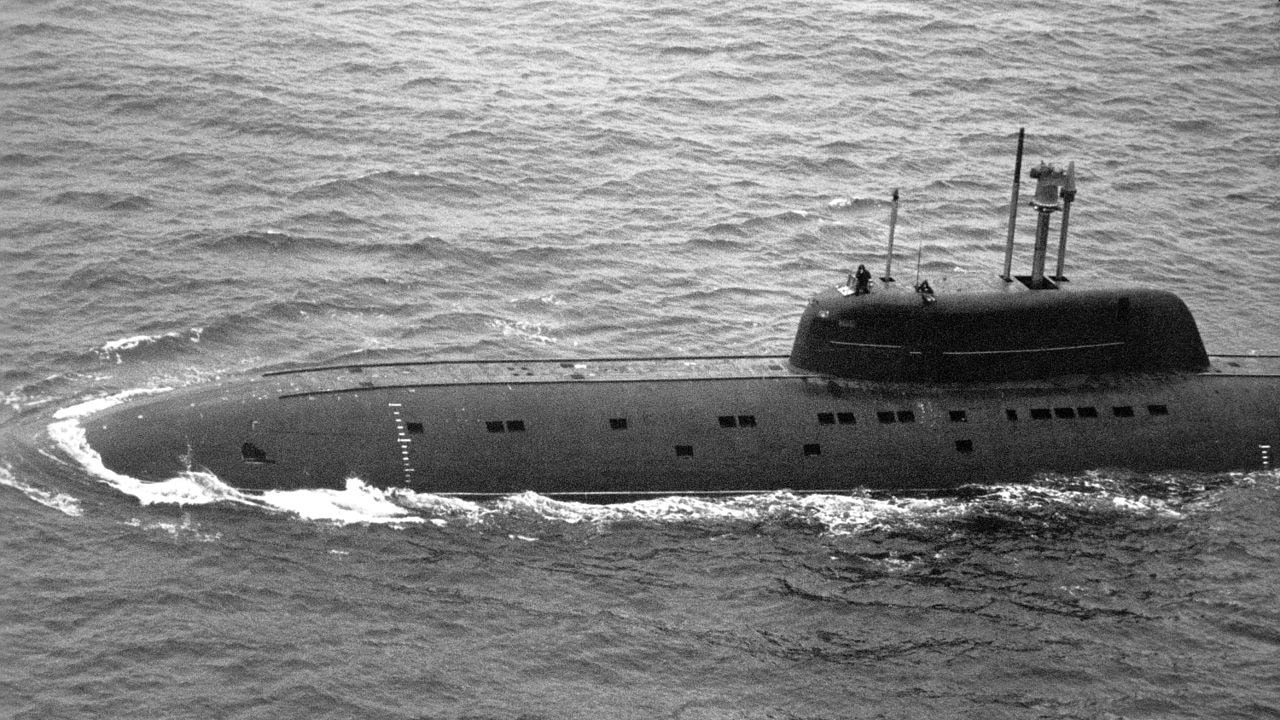
Sierra-Class Submarine. Image Credit: Creative Commons.
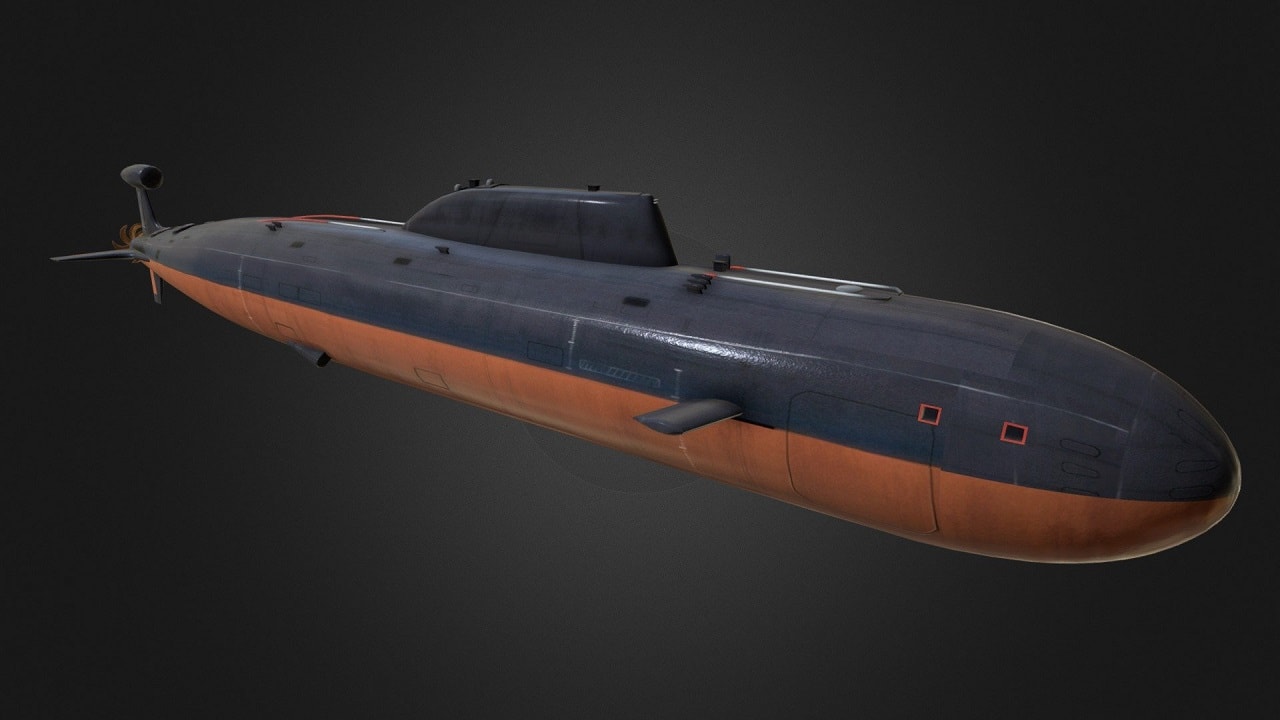
Russian Sierra-class nuclear-powered attack submarine. Artist rendering.
-However, despite their advanced design, both vessels are currently “awaiting a refit” at the Nerpa shipyard, leaving their future as uncertain as Russia’s troubled aircraft carrier, the Admiral Kuznetsov.
Russia’s Sierra-II Class Submarines Have Titanium Hulls: The U.S. Navy Has No Such Sub
When it comes to titanium-hulled submarines, chances are most Westerners think of the Russian Navy’s Typhoon-class boats—or, as the Russians called them, Project 941 Akula (“Shark”). These were the largest submarines ever built, and they were immortalized in Cold War-era fiction, most famously in The Hunt for Red October.
However, the Typhoons are now retired, with the last of the bunch, the Dmitriy Donskoy, singing her swan song in February 2023.
That leaves only one actively serving class of titanium-hulled submarines, the Project 945A Kondor-class boats, known in NATO parlance as the Sierra II-class.
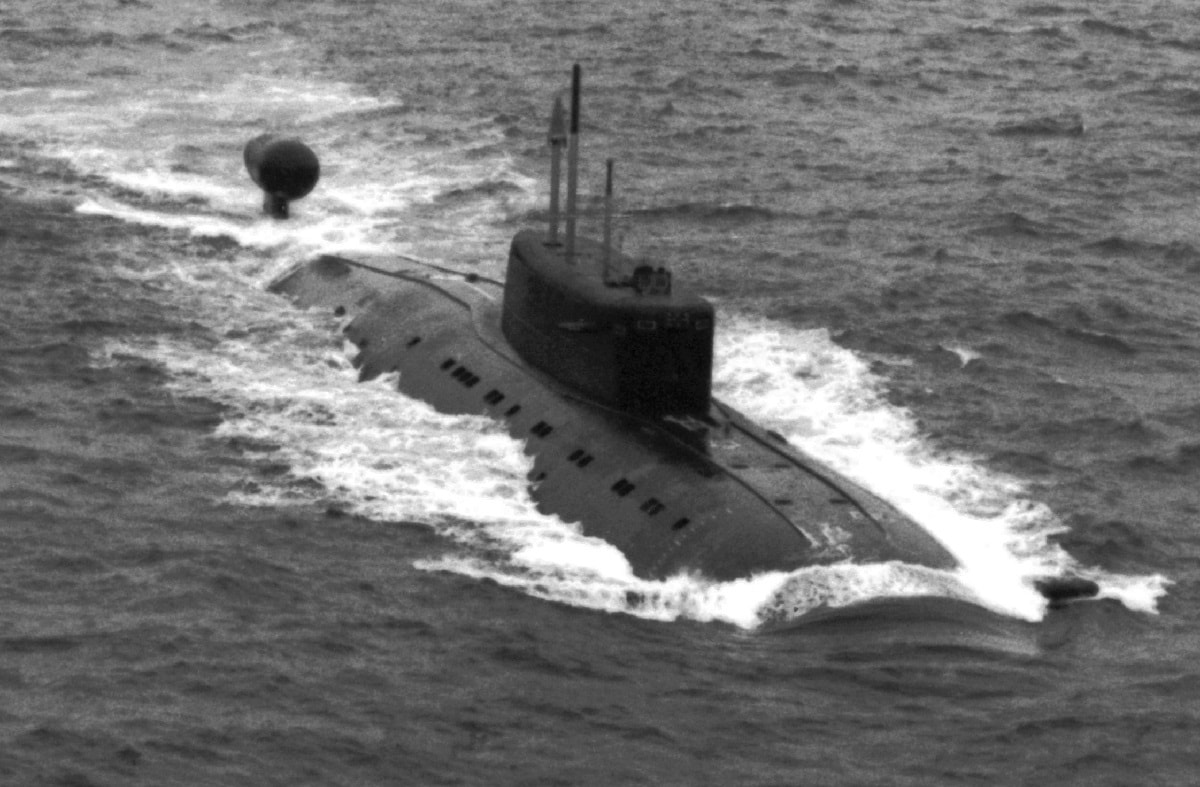
Sierra-class Submarine.
Sierra II-Class Initial History
Project 945A/Sierra II was a sequel to the Project 945 Barrakuda/Sierra I. That class in turn succeeded Alfa-class and Victor-class boats and is now in reserve status.
The Sierra II is a nuclear-powered attack submarine.
It was specifically developed for hunter-killer/search-and destroy-missions against U.S. Navy “boomers.” Only two of these submarines have been built and commissioned.
The lead ship of the class, the Nizhniy Novgorod , was laid down on February 15, 1986, launched on July 8, 1989, and commissioned on December 26, 1990. The second ship of the class, the Pskov, was laid down on June 28, 1989, launched on July 28, 1992, and commissioned on December 17, 1993.
Tech Specs and Vital Stats
-Displacement:7,600 tons surfaced; 9,100 tons submerged
-Hull Length: 110 m (360 ft)
-Beam Width: 14.2 m (47 ft)
-Draught: 8.8 m (29 ft)
-Propulsion: OK-650 pressurized water reactor
-Max Speed:10 knots (18.5 km/h) surfaced; 32 knots (59.3 km/h) (submerged)
-Range/Endurance: Unlimited, thanks to nuclear power
-Crew Complement: 72 commissioned officers and enlisted seamen
-Test Depth: Unknown
-Armament: 4 × 530 mm (21-in) torpedo tubes; SS-N-21 Sampson submarine-launched cruise missile; SS-N-15 Starfish anti-submarine missile; SS-N-16 Stallion anti-submarine missile
The sail is 5 meters (16.4 feet) longer than the Sierra I class
As noted in an article by Roselyn Sarita, “Its fully titanium hull, though labor-intensive and costly, granted it unparalleled strength, reduced weight, and increased corrosion resistance in saltwater.
“The Soviet commitment to titanium experimentation set the Sierra II apart, achieving greater speeds and diving depths than its American counterparts.”
Sarita added that, “The U.S., despite compulsive Cold War development, refrained from pursuing titanium-hulled submarines due to the material’s rarity, cost, and challenging construction.”
Operational History In (Very) Brief
The Sierra II subs have never fired a shot in anger, at least as far as anyone knows. Relatively little is in fact known at all about their operational performance, as the program is shrouded in secrecy.
However, an October 2019 report by TASS lifted the veil slightly, highlighting the subs’ participation in “scheduled tasks” in the Barents Sea. These tasks included demanding torpedo exercises against surface targets, underscoring the submarines’ combat readiness and operational versatility.
Meanwhile, the Russian website Deep Storm reported that the Pskov was in overhaul between 2011 and 2015, and that the Nizhniy Novgorod was skippered by Captain 1st Rank Alexey Ananko between 2008 and 2013.
Where Are They Now? The Way Forward for the Sierra II-Class
Both the Nizhniy Novgorod and the Pskov remain in active service with the Russian Navy’s Northern Fleet and are docked at the Nerpa shipyard in Snezhnogorsk, Murmansk Oblast. As of February 2024, both of these subs were awaiting a refit to modernize their internal systems.
One spokesperson was quoted as saying, “Initially, it was planned that in the course of the work, the titanium hulls of the submarines would remain without modification, and all systems would become new. But so far this concept has not been implemented. The repair of titanium boats has not begun.”
Time will tell if the Russians have better luck getting the Sierra IIs back into service than they have had with their star-crossed aircraft carrier, the Admiral Kuznetsov.
About the Author: Christian D. Orr, Defense Expert
Christian D. Orr is a Senior Defense Editor. He is a former Air Force Security Forces officer, Federal law enforcement officer, and private military contractor (with assignments worked in Iraq, the United Arab Emirates, Kosovo, Japan, Germany, and the Pentagon). Chris holds a B.A. in International Relations from the University of Southern California (USC) and an M.A. in Intelligence Studies (concentration in Terrorism Studies) from American Military University (AMU). He is also the author of the newly published book “Five Decades of a Fabulous Firearm: Celebrating the 50th Anniversary of the Beretta 92 Pistol Series.”